The U.S. and EU are restricting Chinese inverters over cybersecurity and supply-chain concerns, but replacing them may create new challenges for the renewable-energy industry.
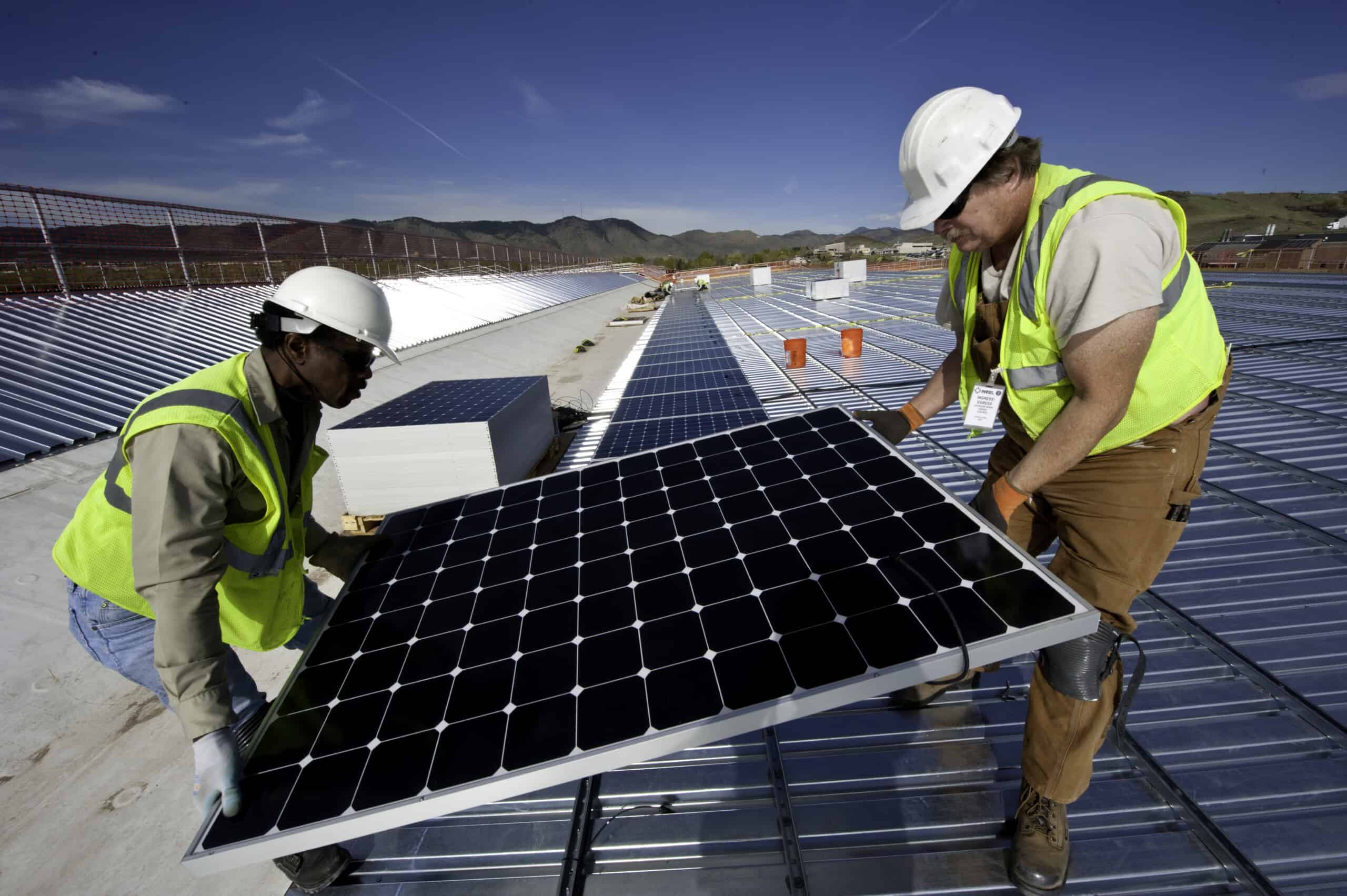
Workers install solar PV modules on the roof of the U.S. National Renewable Energy Laboratory's parking garage, in Golden, Colorado. Credit: Dennis Schroeder/NREL via the U.S. Department of Energy
The U.S. and Europe may have different views on renewable energy, but they are increasingly aligned on reducing China’s role in their power grids. At the center of this battle is a small device called a power inverter.
A Sungrow inverter. Credit: Sungrow
Once an offline tool used to translate renewable power into usable electricity, the inverter has evolved into a smart gatekeeper of grid systems. On a sunny afternoon, solar farms may be able to produce a huge amount of electricity, but
Exclusive longform investigative journalism, Q&As, news and analysis, and data on Chinese business elites and corporations. We publish China scoops you won't find anywhere else.
A weekly curated reading list on China from Andrew Peaple.
A daily roundup of China finance, business and economics headlines.
We offer discounts for groups, institutions and students. Go to our Subscriptions page for details.
The former Trump official argues that the president’s approach to China is working, and explains why time is on the American side as the U.S. and China continue to move apart.
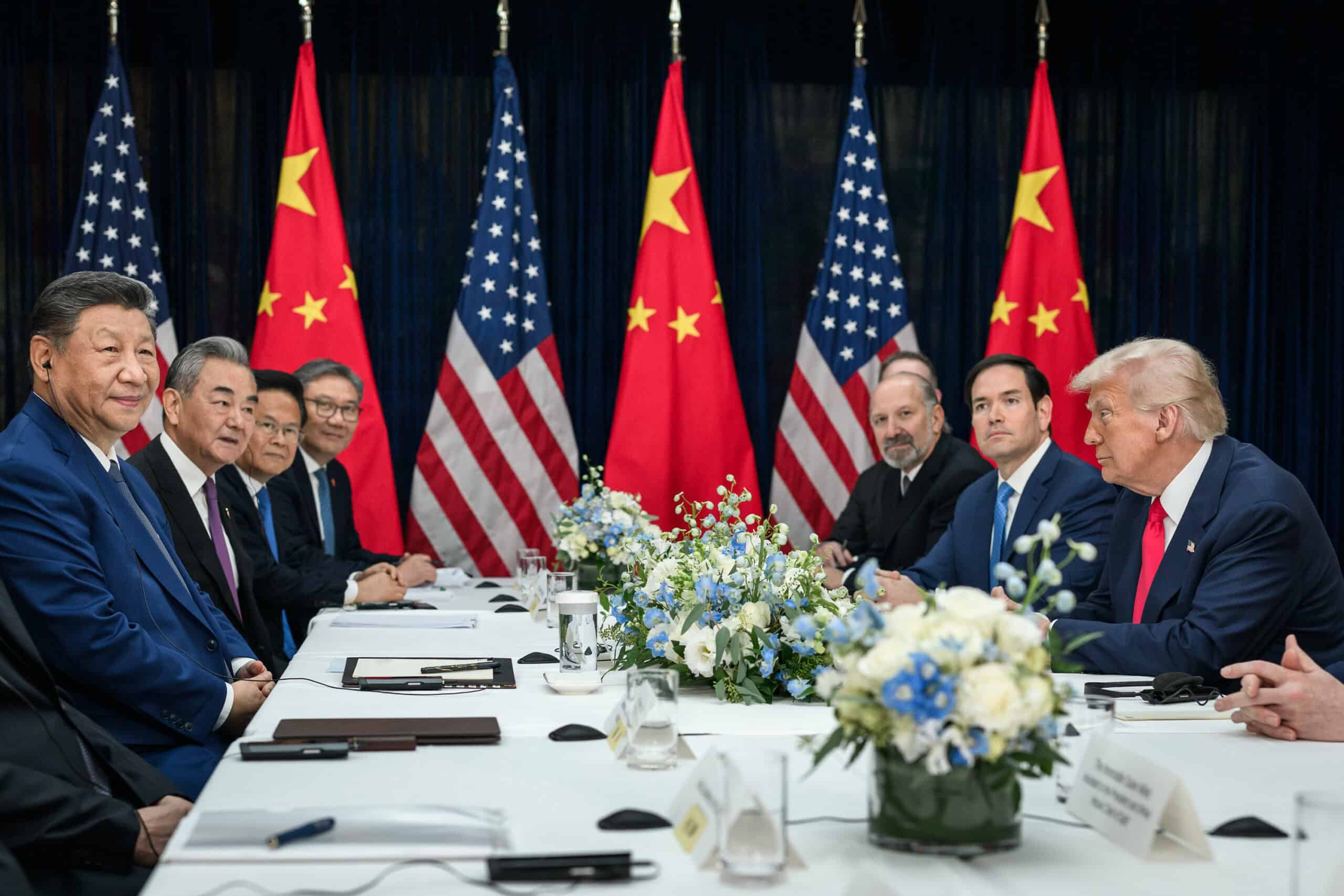
The agreement Trump and Xi reached last year in South Korea paused the trade war, but will soon expire. We look at whether both sides are living up to their promises.
Corporate Risk Intelligence for National Security, Compliance & Due Diligence
We use cookies to ensure that we give you the best experience on our website. If you continue to use this site we will assume that you are happy with it.