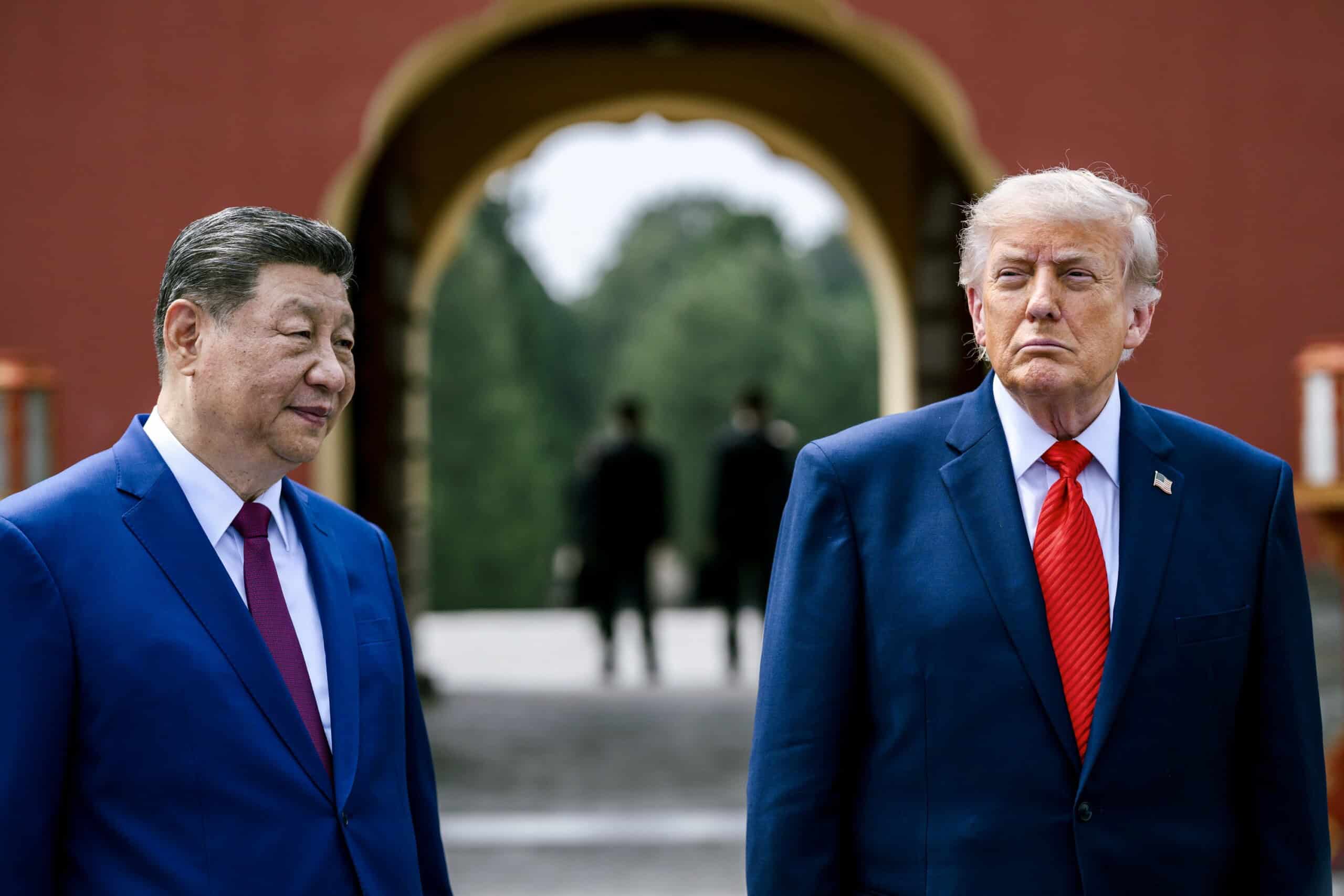
“Can China and the United States overcome the ‘Thucydides trap’ and establish a new paradigm for relations between great powers?” Chinese leader Xi Jinping put this question to his American counterpart, Donald Trump, when the two leaders met in Beijing in May. Thucydides, an Athenian general and historian, wrote a seminal account of the Peloponnesian War, which destroyed the Greek city-state system by the end of the fifth century. He traced the conflict to two factors: the rise of Athens and the fear that its trajectory instilled in Sparta. Political scientist Graham Allison coined the term that Xi invoked to describe the frictions between ascending and established powers, which have often culminated in war.
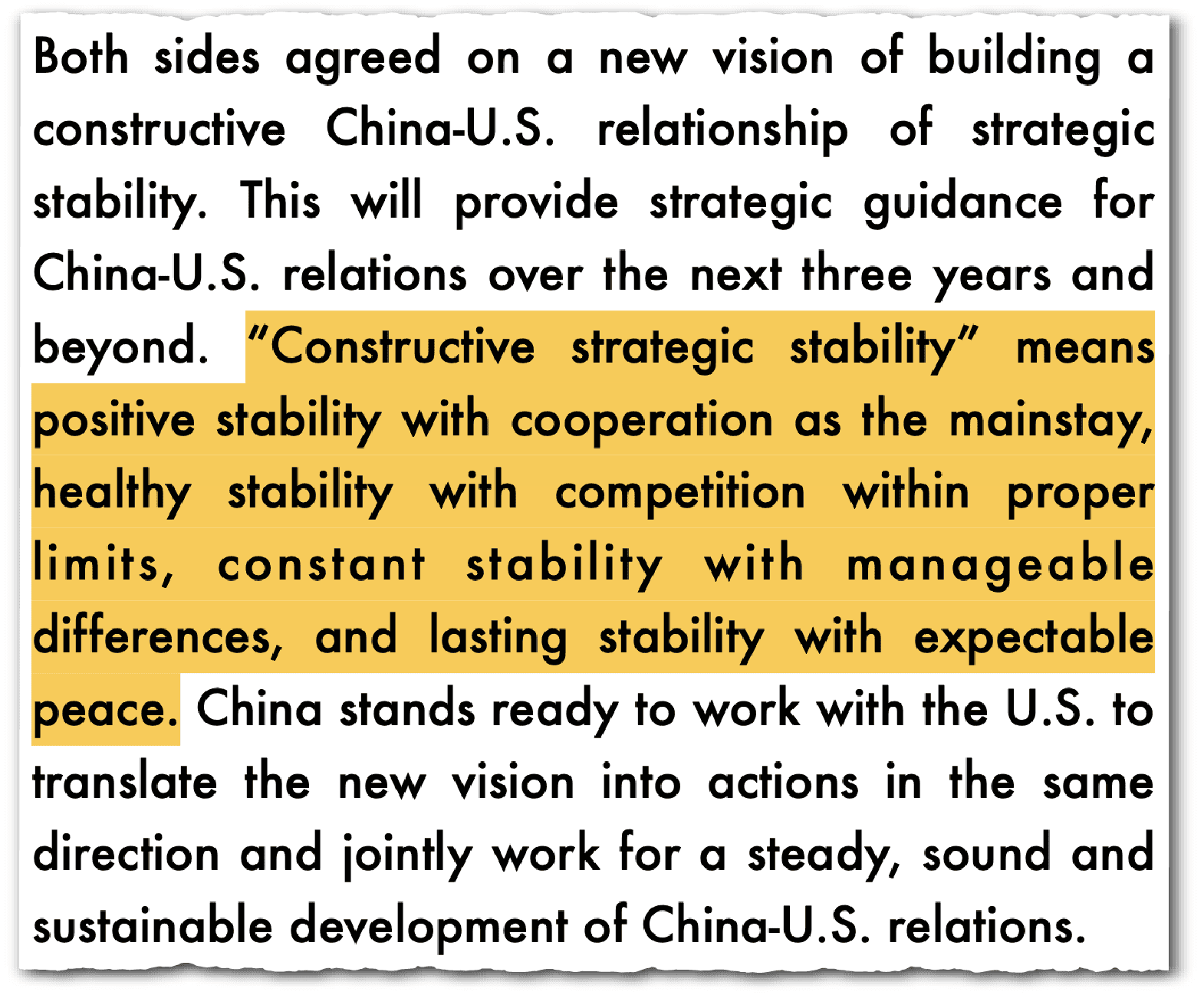
That Trump and Xi should mine that bloody history for wisdom is self-evident: the human and economic toll that an armed conflict between the United States and China could exact is difficult to imagine. It is encouraging that they both attach significant importance to leader-level diplomacy and seem invested in using China’s proposed framework of “constructive strategic stability” as a basis for forging a more enduring détente between Washington and Beijing. In addition, partly due to turbulence within the top brass of the People’s Liberation Army, the short-term risk of a Chinese move on Taiwan has diminished.
But with cross-Strait tensions worsening and maritime disputes in the East and South China Seas festering, it would be unwise to dismiss the possibility of a great-power conflict. History’s main lesson is that war is a human failure, not a structural inevitability.
If the United States and China do not change course, the world’s ability to mitigate armed conflicts, protect the global commons, and manage transnational challenges will diminish severely.
As they revisit Thucydides’s insights, Trump and Xi would also do well to recall those of a more recent figure, the economist Charles Kindleberger, for reasons that political scientist Joseph Nye explained shortly before Trump began his first term. Kindleberger observed in a 1973 book that the Great Depression lasted for as long as it did “because the international economic system was rendered unstable by British inability and United States unwillingness to assume responsibility for stabilizing it.” We may be witnessing a variant of this dynamic today, with implications extending far beyond macroeconomic stewardship: the United States is actively wrecking an already fraying international order, and China, though pressing for greater reforms to and influence within it, is not agitating to underpin a wholesale alternative.
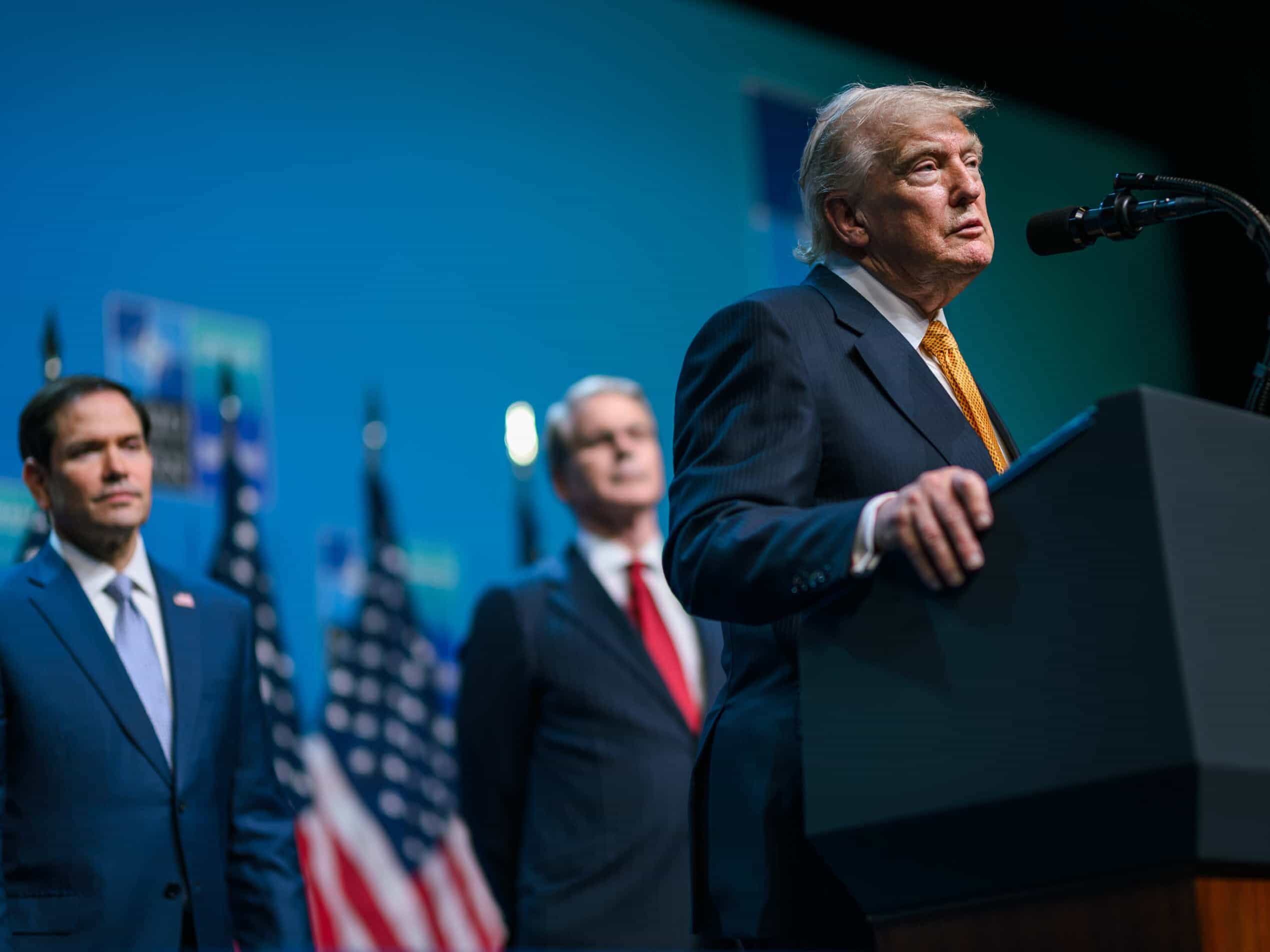
While Trump frequently boasts that the United States has never been more powerful, his second term has clarified the limits to U.S. influence. He seems to have backed off on his pledge to broker a peace deal between Russia and Ukraine, he has failed to achieve the core aims that he articulated when he initiated his misbegotten war against Iran (and indeed has bolstered the leverage that Tehran can wield with its control over the Strait of Hormuz), and he has acknowledged China as a near-peer with his embrace of the “G2” construct.
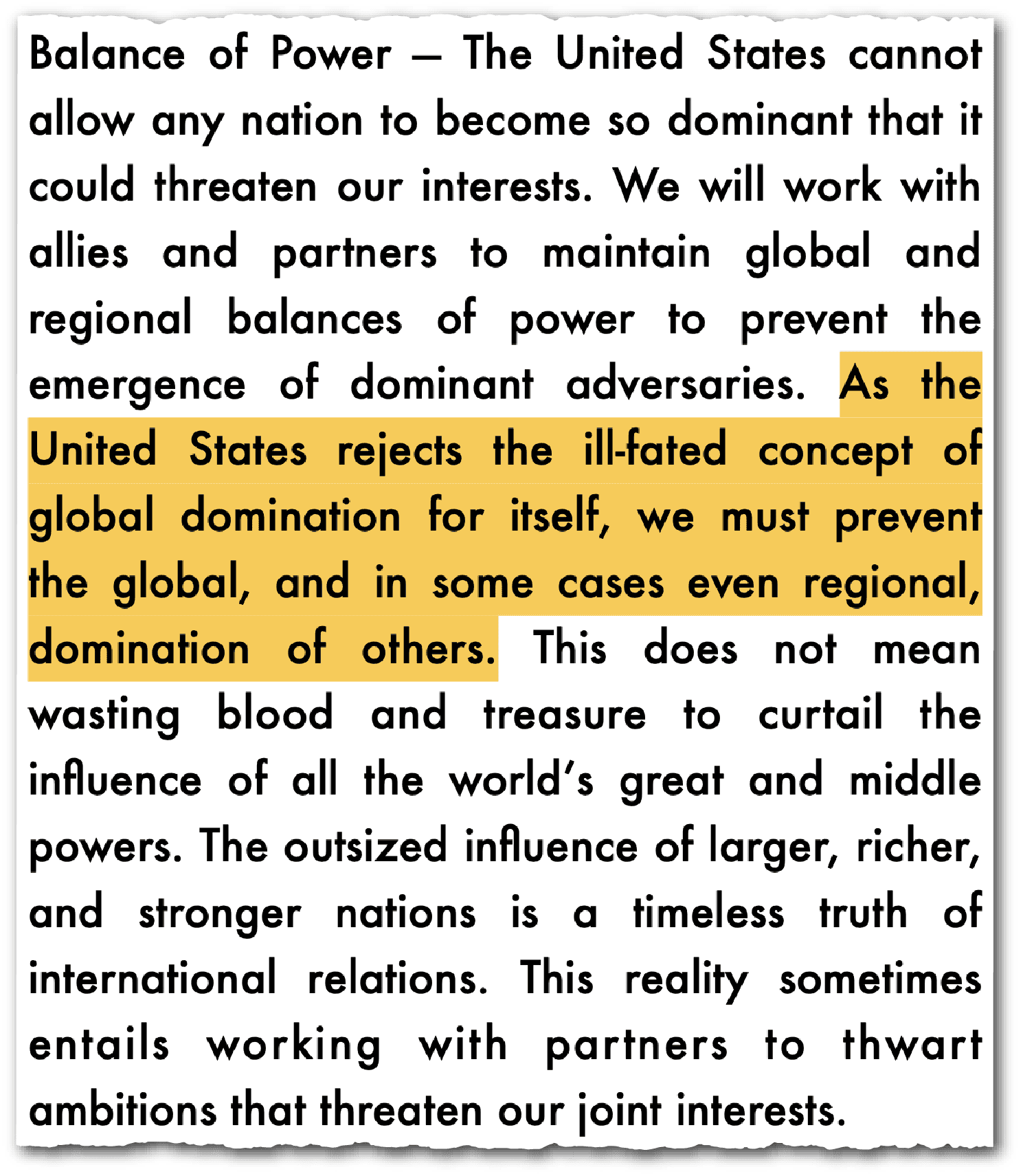
Top officials, meanwhile, including Vice President J.D. Vance and Secretary of State Marco Rubio, contend that the world is becoming more multipolar. And the administration’s national security strategy declares that “global domination” for the United States is infeasible, observing that the “outsized influence of larger, richer, and stronger nations is a timeless truth of international relations.”
A thoughtful reckoning with America’s constraints abroad is welcome and necessary. The Trump administration has not undertaken such an exercise, though, instead executing a campaign of self-sabotage. Its tariff onslaught against China last year has boomeranged, giving Xi a heightened appreciation for its capacity to absorb and counter economic pressure from the United States. Its war on Iran has been a strategic setback that has destroyed years’ worth of U.S. munitions, highlighted vulnerabilities in the U.S. way of war, and further inhibited the U.S. aspiration of rebalancing to Asia. Between levying steep tariffs, making territorial threats, and issuing public humiliations, it has motivated U.S. allies and partners to de-risk from the United States as they continue to do so from China. And in exalting a world of unilateral coercion, it has underscored the conclusion of many countries that the United States has become a, if not the, principal agent of instability in international relations.
If, as much mainstream U.S. discourse contends, China aims to supplant the United States for global preeminence, one might expect Beijing to make a determined push to that end over the remainder of Trump’s presidency. After all, Xi has little reason to believe that Trump’s successor will be nearly as invested in their rapport, as willing to embrace China’s conception of bilateral relations, or as disparaging of U.S. allies and partners.
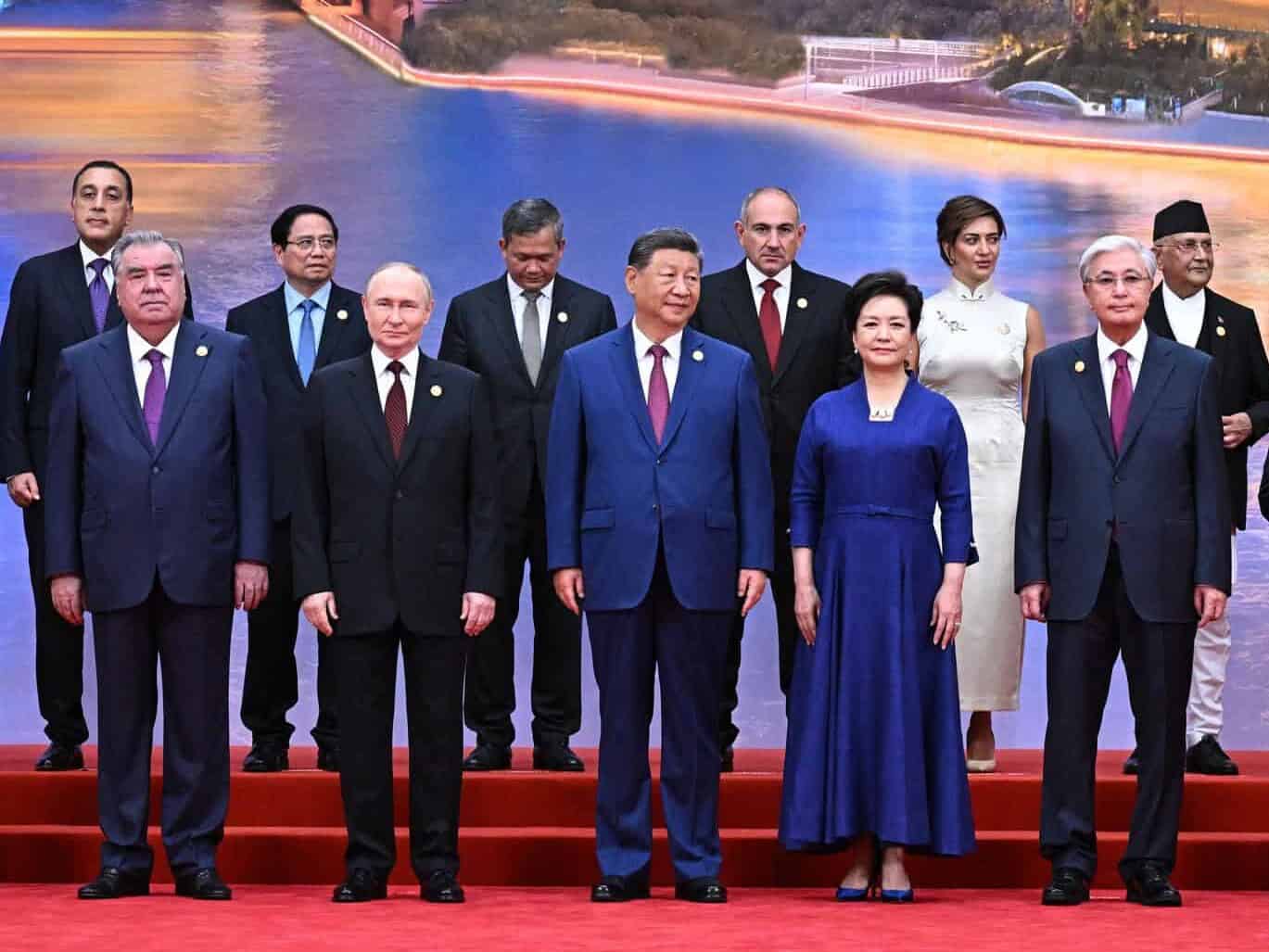
To be sure, Trump’s missteps redound to China’s strategic advantage. Beijing can boost its green exports as more countries aim to diversify away from Middle East fossil fuels and accelerate their clean energy transitions. It can wield more influence within multilateral fora as the United States withdraws from them en masse. With the postwar order’s principal architect now its chief opponent — Trump believes that the system constrains his dealmaking freedom — it can gain more traction for a quartet of global initiatives that it has debuted in recent years, concerning development, security, civilization, and governance. In the main, it can present itself as a steadying counterweight to an erratic superpower.
Still, recent scholarship challenges the widespread presumption that China aims to replace the United States, as does a forthcoming book by one of the coauthors. While it seeks to reduce the salience of treaty alliances and liberal ideology, it does not want to shoulder the responsibilities that the rest of the world would thrust upon it were it to emerge — and tout itself — as the world’s foremost power. In addition, U.S. foreign policy during much of the postwar era offers a cautionary tale about the risks of military overextension and strategic distraction: China assesses that it can more sustainably accrue influence by building a portfolio of flexible alignments that center on trade, investment, and infrastructure.
Supposing, though, for argument’s sake, that China has immutably maximalist objectives — to achieve global hegemony and establish a Sinocentric order — even its leadership questions whether it would have a plausible pathway to achieving them. At home, it confronts significant drags on its economic development, including slowing growth, mounting municipal-level debt, and spreading distress in the real-estate sector. Abroad, it faces deepening suspicion among U.S. allies and partners, even as their misgivings over U.S. conduct grow: many European countries worry that its exports will further hollow out their manufacturing bases, and some of its neighbors in Asia are pursuing closer defense integration as its conventional and nuclear arsenals expand.
The international order, then, is in an uncomfortable interregnum: the two foremost powers are not upholding it, and middle powers presently lack the material wherewithal and geopolitical cohesion to fill the breach. If the United States and China do not change course, the world’s ability to mitigate armed conflicts, protect the global commons, and manage transnational challenges will diminish severely. Thucydides and Kindleberger would both be alarmed were they to witness this state of affairs.

Ali Wyne is the senior research and advocacy advisor for U.S.-China relations at the International Crisis Group.

Jessica Chen Weiss is the David M. Lampton Professor of China Studies at Johns Hopkins University’s School of Advanced International Studies and the inaugural faculty director of its Institute for America, China, and the Future of Global Affairs. Her forthcoming book is What China Wants: And What It Means for the World (Oxford University Press, 2027).