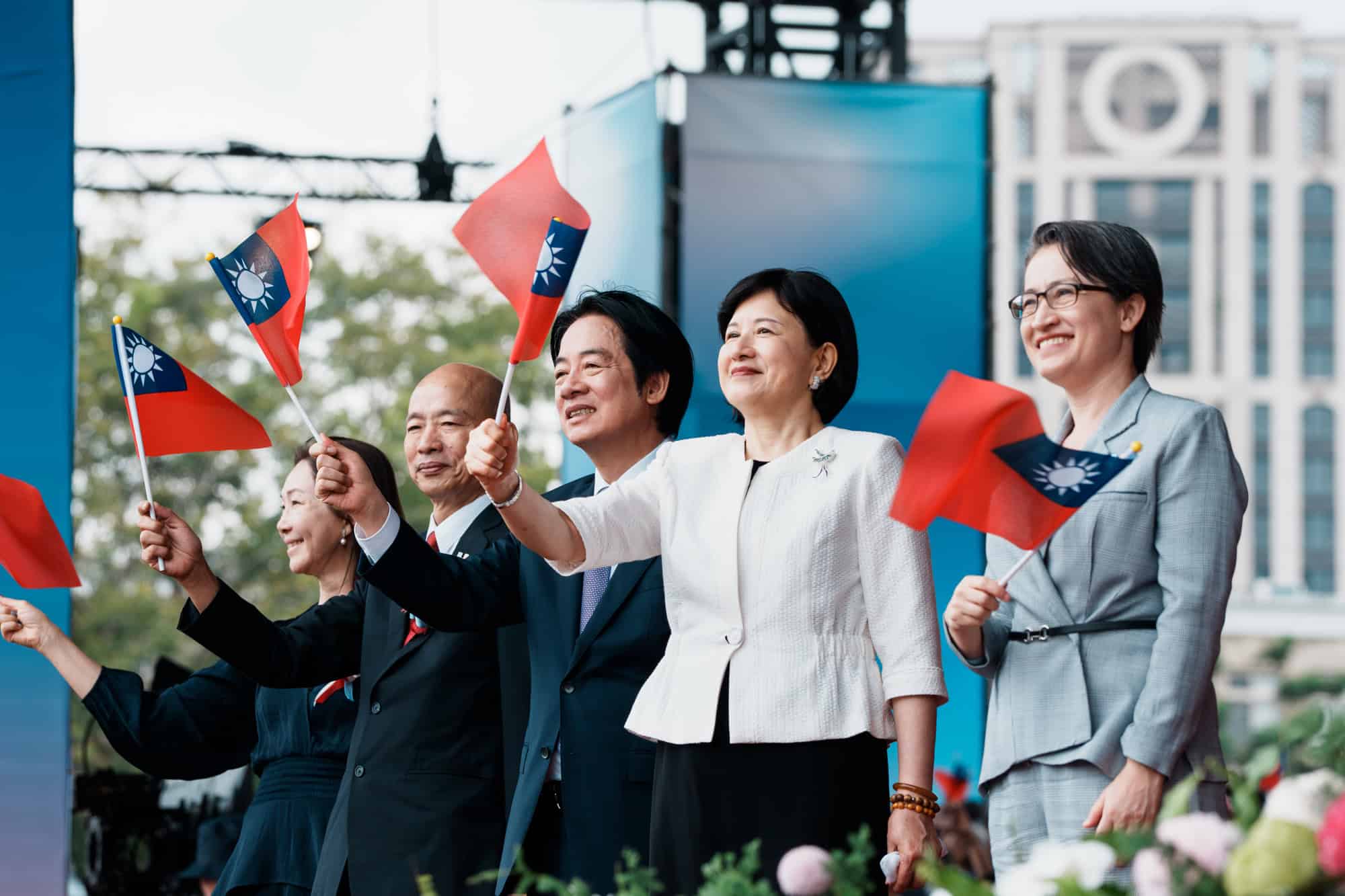
While many eyes are on the U.S. midterms, another set of November elections also matters for global security. Taiwan, which The Economist once called “the most dangerous place on Earth”, holds mayoral and magistrate elections on November 28. They will set the field for the 2028 presidential race, and with it the risk of a crisis between Washington and Beijing.
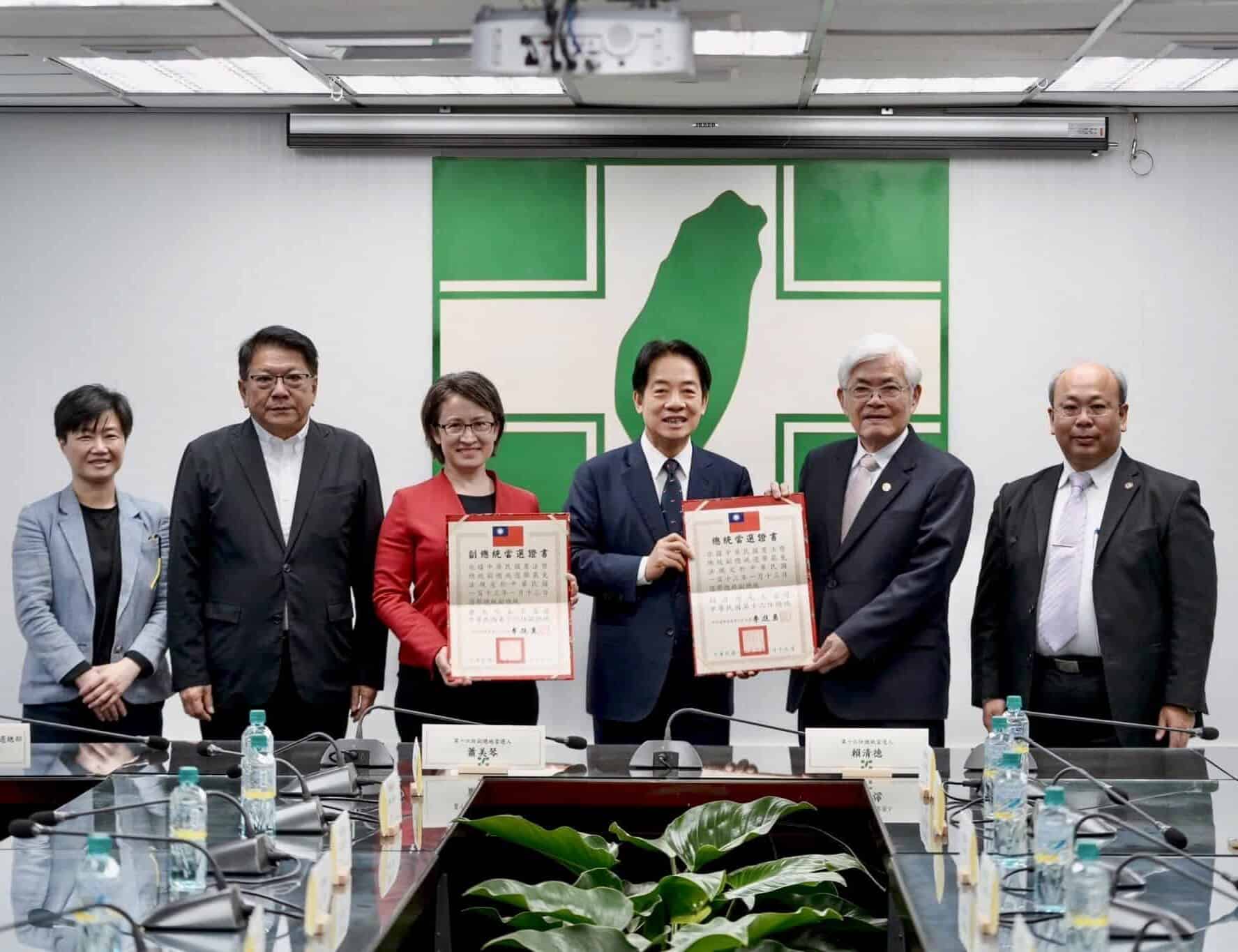
Taiwan’s ruling Democratic Progressive Party (DPP) is within reach of historic upsets in strongholds of the opposition Kuomintang (KMT), thanks to shrewd campaigning. Key DPP wins in November would in turn turbocharge Taiwanese President Lai Ching-te’s reelection campaign in 2028 — but a Lai win would also portend harder military coercion from Beijing.
A DPP surge in November would mean the 2028 presidential field would most likely pit Lai against Lu Shiow-yen, the moderate KMT mayor of Taichung, Taiwan’s second-largest city. This now has the potential to be a close race, raising the chances that Beijing will get involved through economic or even military pressure next year.
The China Coast Guard (CCG) and other agencies have already been practicing ship boardings, normalizing movements east of Taiwan, and hailing foreign vessels heading to Taiwanese ports. These moves are clearly a form of preparation for imposing an economic quarantine on Taiwan. If Lai and the DPP emerge from November’s election in a position of strength, China will likely try to cow Taiwanese voters in the run-up to the 2028 vote, perhaps by operationalizing a soft blockade.
Taiwan’s 2028 Matchup is Already Set
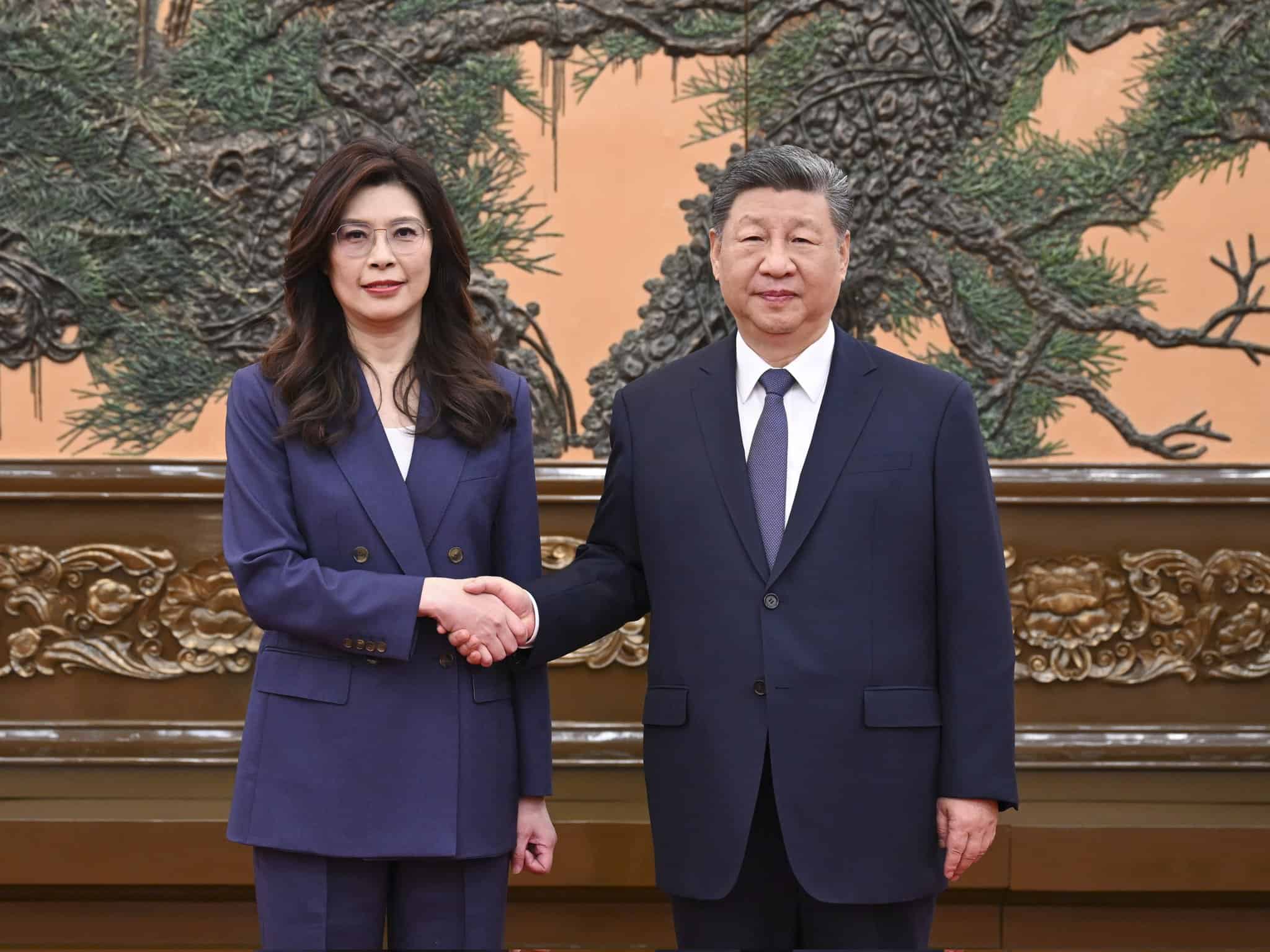
The KMT’s field of potential candidates for 2028 is shrinking fast. Controversial KMT chairwoman Cheng Li-wun, who has ambitions for the nomination, has become so toxic that the party’s candidates are outright avoiding her on the campaign trail for this November’s elections. Her lack of governing experience and pro-China stance — exhibited most clearly during her obsequious meeting with Xi Jinping in April — mean she has earned little trust from Taiwan’s public.
A poor KMT showing in November would extinguish Cheng’s presidential ambitions and pressure her to resign as party chair. That would also leave Lu Shiow-yen as the strongest contender for the KMT’s 2028 nomination. Lu is term-limited for the upcoming elections and will thus have to leave her office as Taichung’s mayor after eight years, freeing her up for a presidential run.
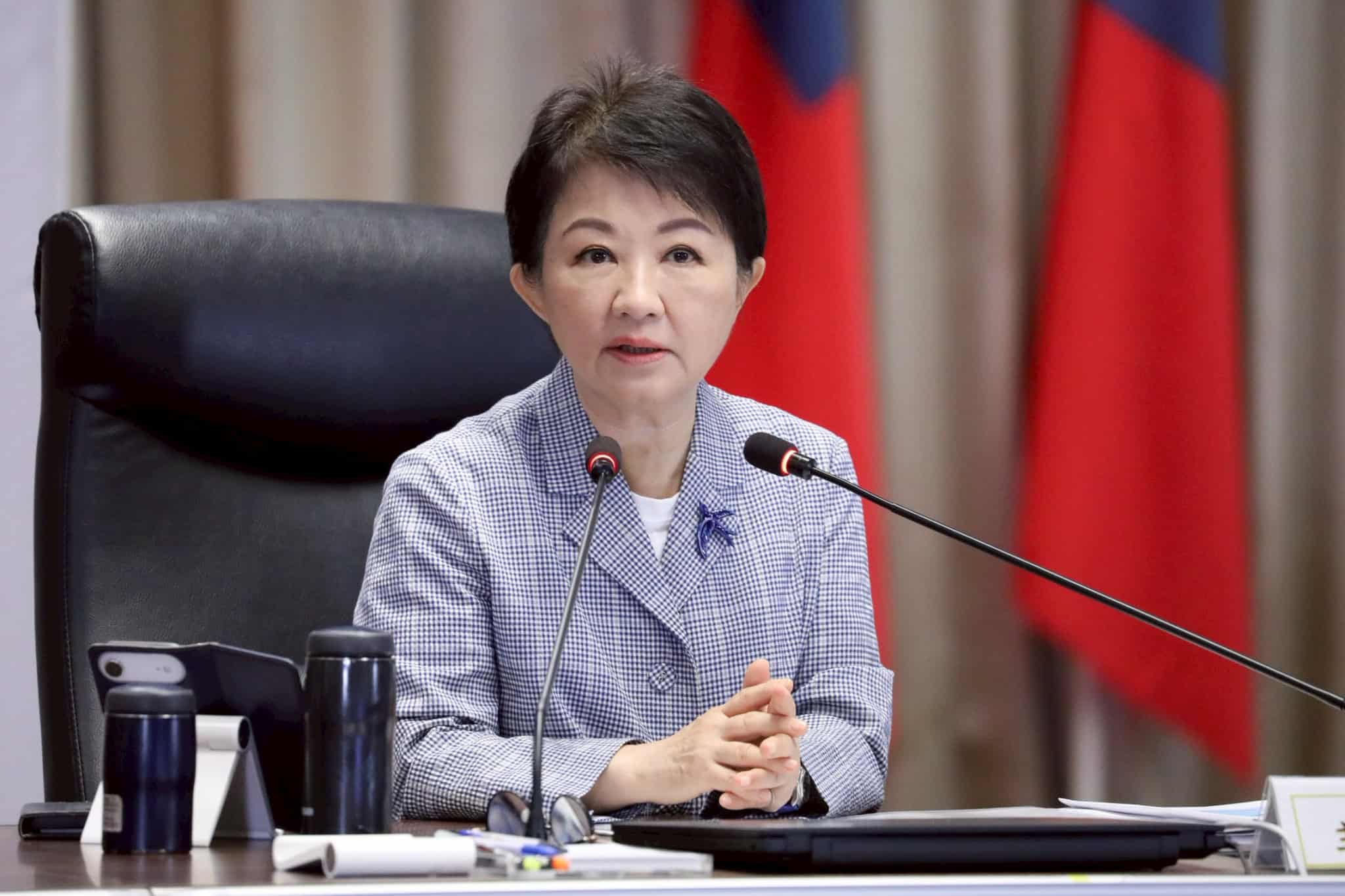
Lu is a relative moderate who has advocated for higher military spending and criticized her own party for aligning too closely with China. She has also cultivated a collaborative relationship with Taiwan’s third-party, the Taiwan People’s Party (TPP), opening the door for an alliance in 2028 that would provide a stern test for Lai. (The KMT’s failure to work with the TPP the last time around cost it the 2024 presidential vote.)
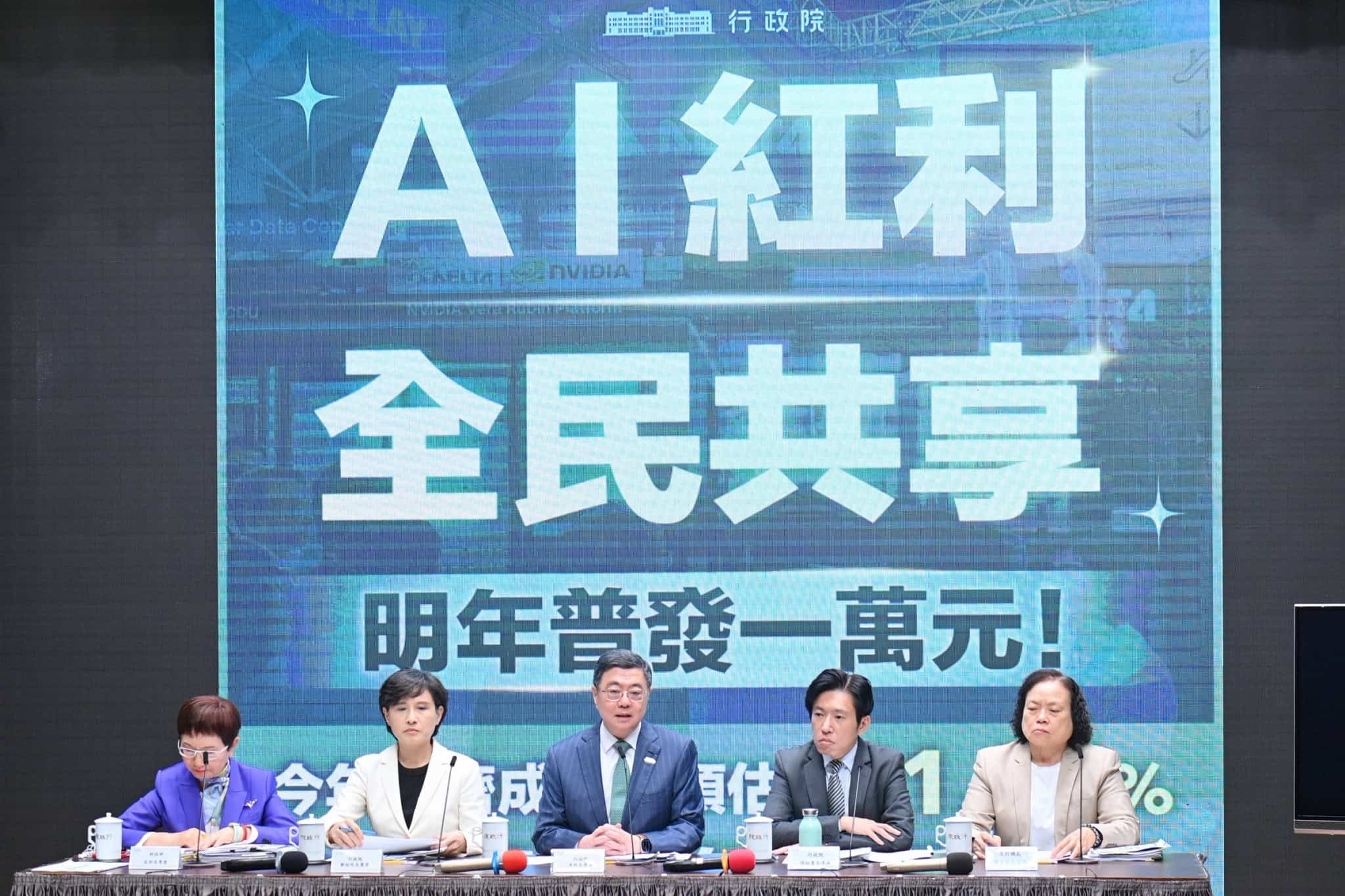
The Western press has, though, largely overlooked Lai’s remarkable turnaround in fortunes. In July 2025, after a failed campaign to recall legislators and an aborted visit to the United States, Lai’s approval rating fell to just 31 percent. Today it’s at 51.4 percent, thanks in part to missteps by KMT chairwoman Cheng, and an economy surging on the back of the AI chips boom.
Taiwan’s GDP is now forecast to grow by 11 percent in 2026, a 39-year high. On August 17, Lai announced that the government would be handing out NT $10,000 (USD $313) to each citizen as a dividend from the AI boom, buying him and the DPP more love from voters.
Watch Taipei’s Local Elections
The DPP is currently overperforming in two traditional KMT strongholds: Taipei City, and its surrounding municipality, New Taipei City. The last and only time the DPP won Taipei, Taiwan’s capital, was in 1994, and the last time it won New Taipei was in 2001. It could now win both in the same election, giving Lai’s re-election prospects a substantial boost. By contrast, it would be an unmitigated disaster for the KMT to lose one, let alone both races.
A DPP breakthrough around the capital would give Lai momentum, all but finish Cheng Li-wun and clear Lu Shiow-yen’s path to the KMT nomination. It could also trigger Beijing to tighten the screws. Watch China’s coast guard as closely as Taiwan’s ballot box.
In Taipei City, the DPP is running Puma Shen Po-yang, a young, defense-minded legislator and founder of the civil defense group Kuma Academy. Shen is running an energetic and well-resourced campaign, swapping his proselytizing on national defense (which had made him one of Beijing’s least-favorite Taiwanese politicians) for an emphasis on quality of life and urban planning.

The DPP has given Shen a successful makeover, swapping the scruffy hair and hoodies he donned as a legislator for a neater haircut, a suit and tie. In the streets of Taipei, images of Shen’s face outnumber those of his opponent, incumbent mayor Chiang Wan-an, ten to one. His team has given his campaign a clever, orange-coloured theme — providing a thematic distance from the green-themed DPP in the minds of KMT-leaning Taipei voters.
Despite earlier being projected to lose in a landslide, Shen has narrowed his deficit in the polls to just 1.2 percent behind Chiang as of September 22. And while Chiang may still win, Shen is establishing himself as a next-generation powerhouse for the DPP.
Beijing’s Response
China will almost certainly try to scare Taiwanese voters in the run-up to the 2028 elections. Beijing has already branded Lai Ching-te a “destroyer of peace” and termed Puma Shen a “diehard Taiwan independence separatist”, a label which can carry the death penalty in China.
If the November elections strengthen Lai’s hand, expect PRC pressure to intensify through to 2028. Yet Beijing’s attempts to bend the outcome of the vote could backfire as they have in the past.
The China Coast Guard and the Maritime Safety Administration are already setting the groundwork for coercive moves. Since June, the Coast Guard has expanded “law enforcement patrols” to the waters off Taiwan’s east coast and has begun radioing foreign vessels bound for Taiwanese ports. These signal Beijing’s preparations for a potential economic blockade — one whose timeline could move up if Beijing’s preferred partners, the KMT, falters.
November’s vote will not pick Taiwan’s next president, but it will shape the race to do so. A DPP breakthrough around the capital would give Lai momentum, all but finish Cheng Li-wun and clear Lu Shiow-yen’s path to the KMT nomination. It could also trigger Beijing to tighten the screws. Watch China’s coast guard as closely as Taiwan’s ballot box.

John Pomfret was the Washington Post’s Beijing bureau chief from 1996 to 2003.

Seamus Boyle is a senior associate at Garnaut Global LLC, a global strategic consultancy.