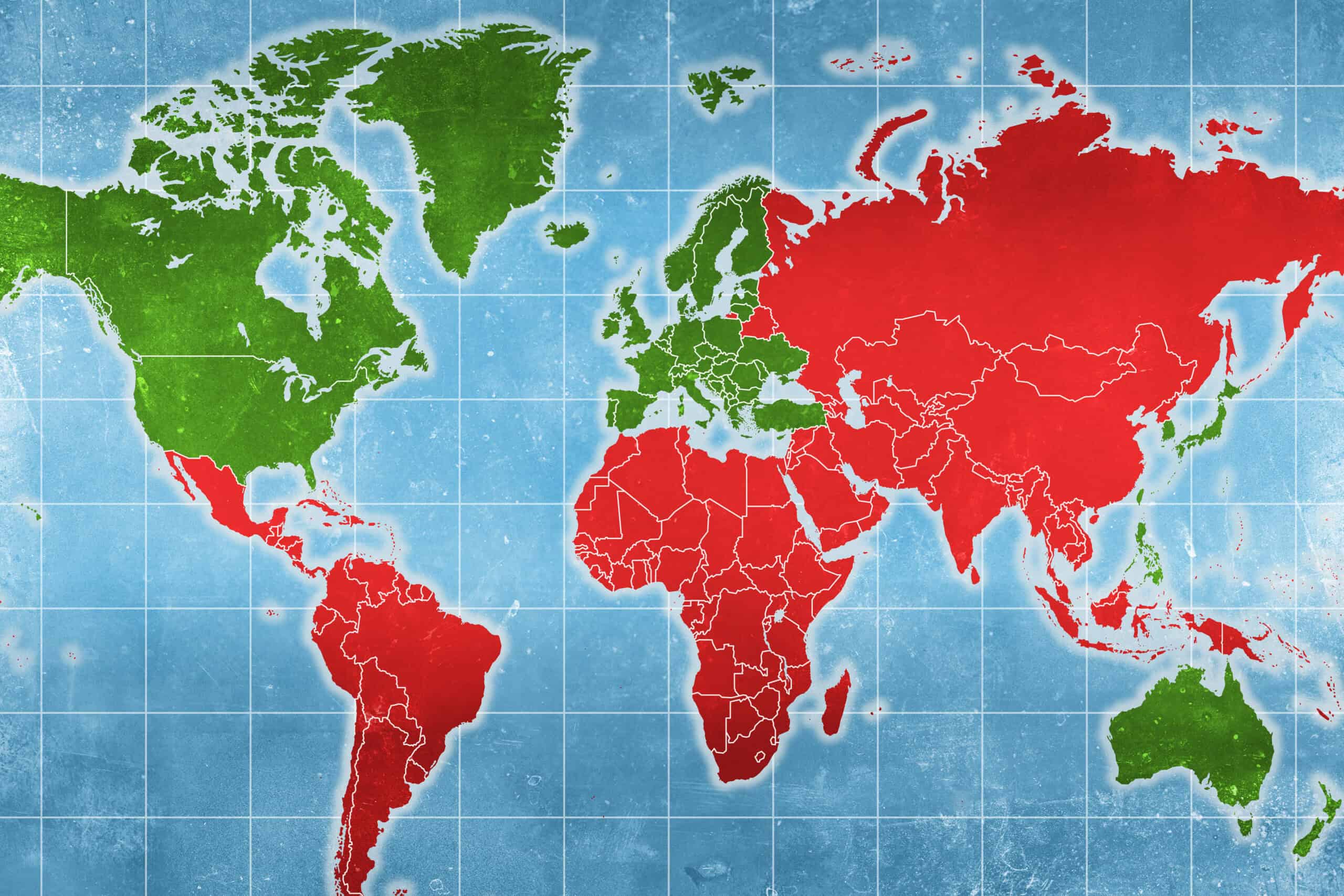
On August 29, the U.S. government ended a trade exemption that has helped small package shippers worldwide earn billions of dollars. Exporters around the world, from mom-and-pop stores to clothing brands like Lululemon, are now reeling. But not Temu and Shein — the apparent original targets of the move.
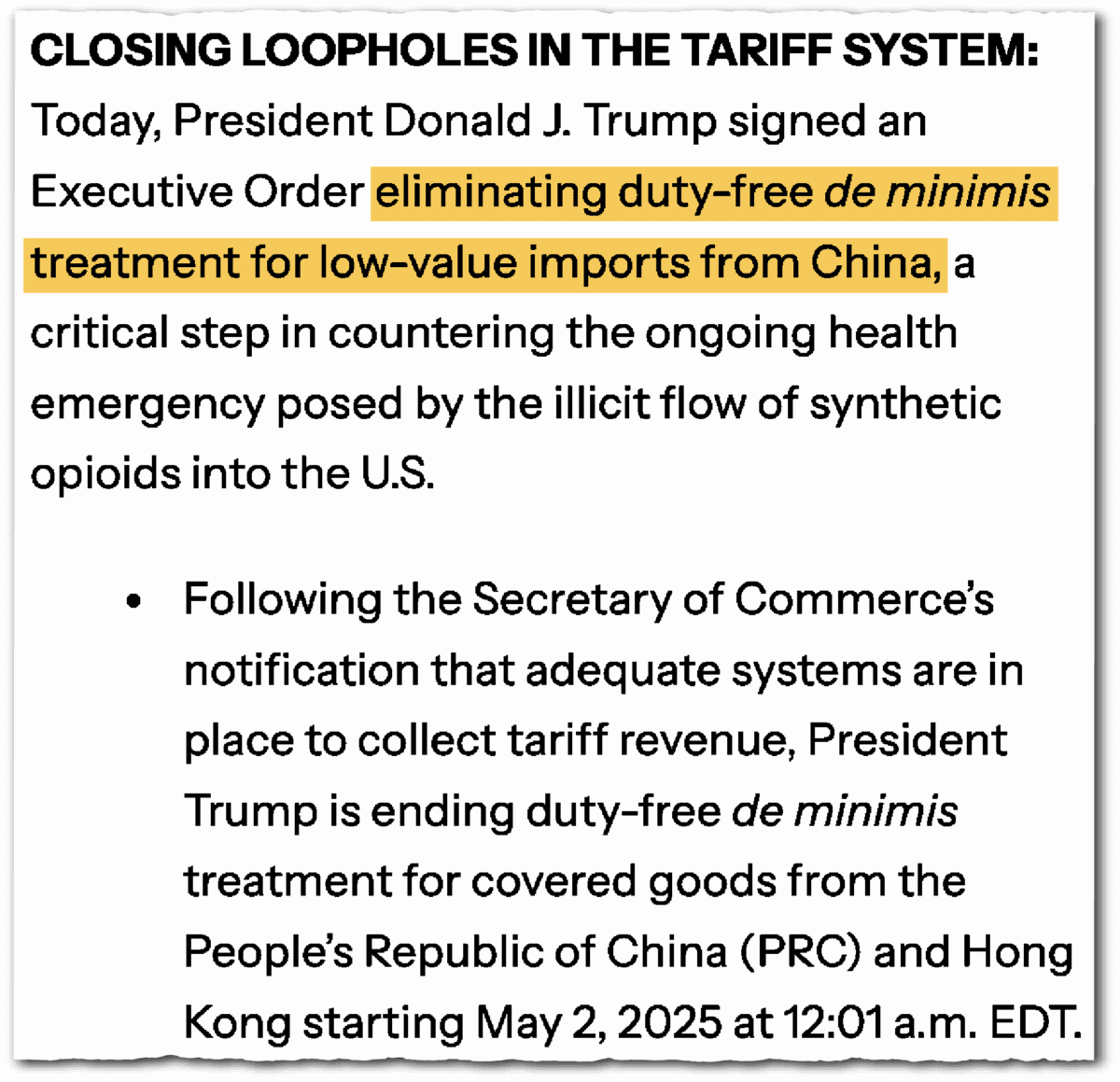
The meteoric rise of the two Chinese companies since 2021 changed the way consumers shop for clothing and household goods. Amplifying their success was what’s known as the ‘de minimis’ exemption, which allowed them to import packages worth less than $800 into the United States tax free.
China hawks, worried about the loophole’s conduit role in fentanyl trafficking, and industry associations that decried an unfair advantage for foreign producers both celebrated when the Trump administration announced an end to the exemption for Chinese goods starting on May 2, with the rest of the world to follow on August 29. Some even proclaimed Temu and Shein’s impending demise.
But after a brief retreat, the pair are back. Their apps have returned to the top five on U.S. app stores, after dropping out for several weeks. Both are increasing their U.S. ad spending, sending a clear message: they have no intention of going away.
These companies have learned that they need not only a ‘China plus one’ strategy on the supply side, but a ‘U.S. plus one’ strategy on the demand side.
Li Chen, a professor of manufacturing management at Cornell University’s College of Business
“De minimis was hailed as a simple explanation for the success of these apps, but it’s not the end all to their existence,” says Juozas Kaziukenas, an independent e-commerce analyst. “[The exemption] allowed them to scale and be competitive early on while maintaining a high number of existing customers. But it’s naive to assume the end of de minimis will also end them.”
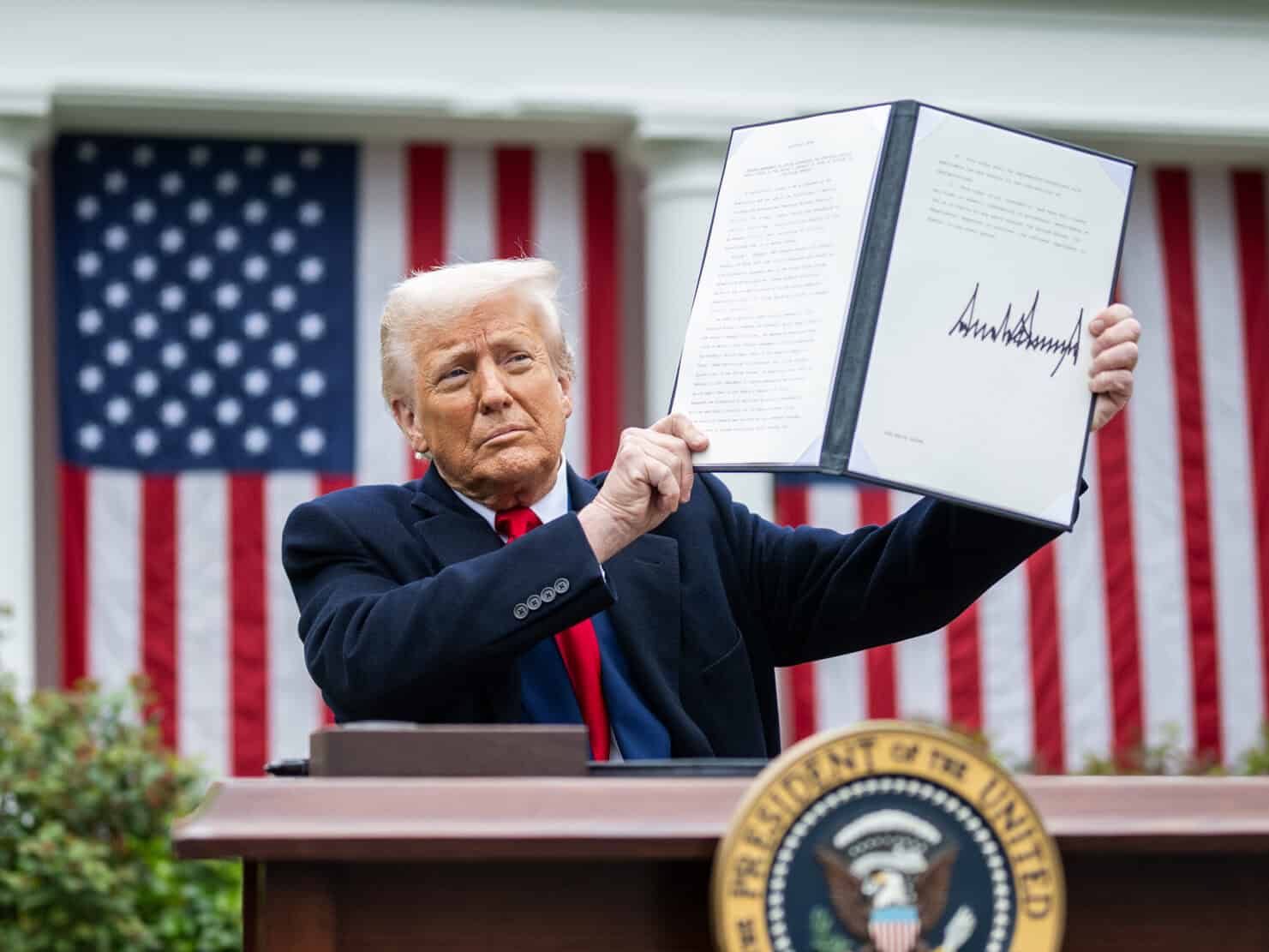
The scrapping of the exemption is not the only challenge Chinese exporters have faced in recent months. Most had long braced for its ending, while also anticipating new tariffs with President Trump’s return. Sellers on Temu estimated they could cope with tariff rates as high as 50 percent, according to Ed Sander, a researcher with Tech Buzz China, a research and advisory firm.
But as the tariff on Chinese imports steadily rose, from 30 percent in February to as high as 145 percent in April, it threatened to “crush them,” he says.
In response, the companies raised prices and retreated. PDD Holdings, Temu’s parent company, reported a 40 percent decline in operating profit year-on-year in the first quarter, which it attributed in part to the tariffs. After the de minimis exemption ended on May 2, spending by Temu on U.S. ads plummeted, falling in June and July more than 90 percent year on year, according to data from Sensor Tower, a market intelligence firm. Shein’s decline was less drastic, but its ad spend still fell by 30 and 10 percent year-on-year in June and July, respectively.

“That was a very chaotic time for these apps,” says Kaziukėnas. “They had to delist most of their inventory, increase prices, pause their customer acquisition and suspend a lot of the ads.”
Shein is privately held and does not publicly disclose its financial performance. Its plans to publicly list its shares have been repeatedly delayed.
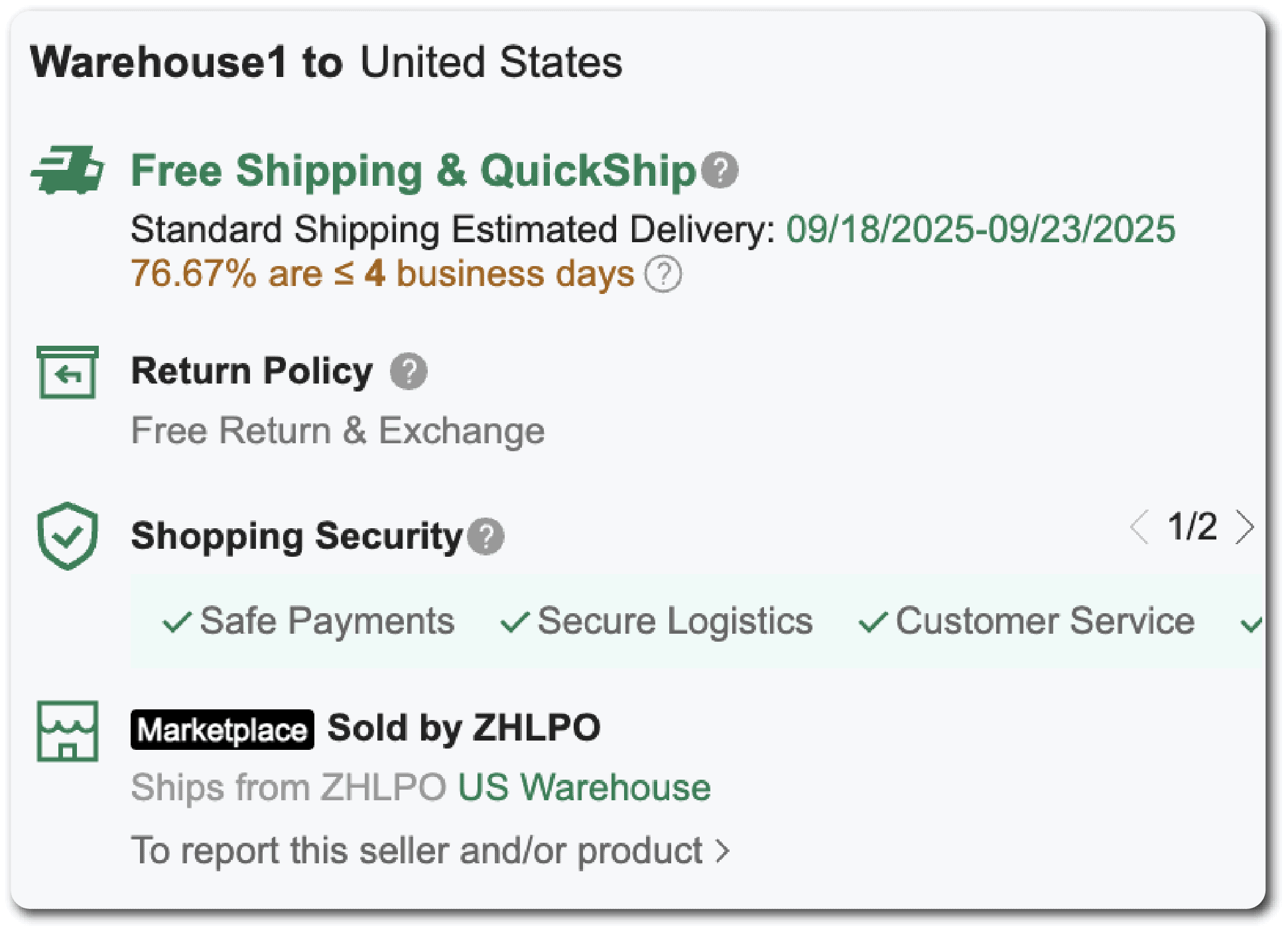
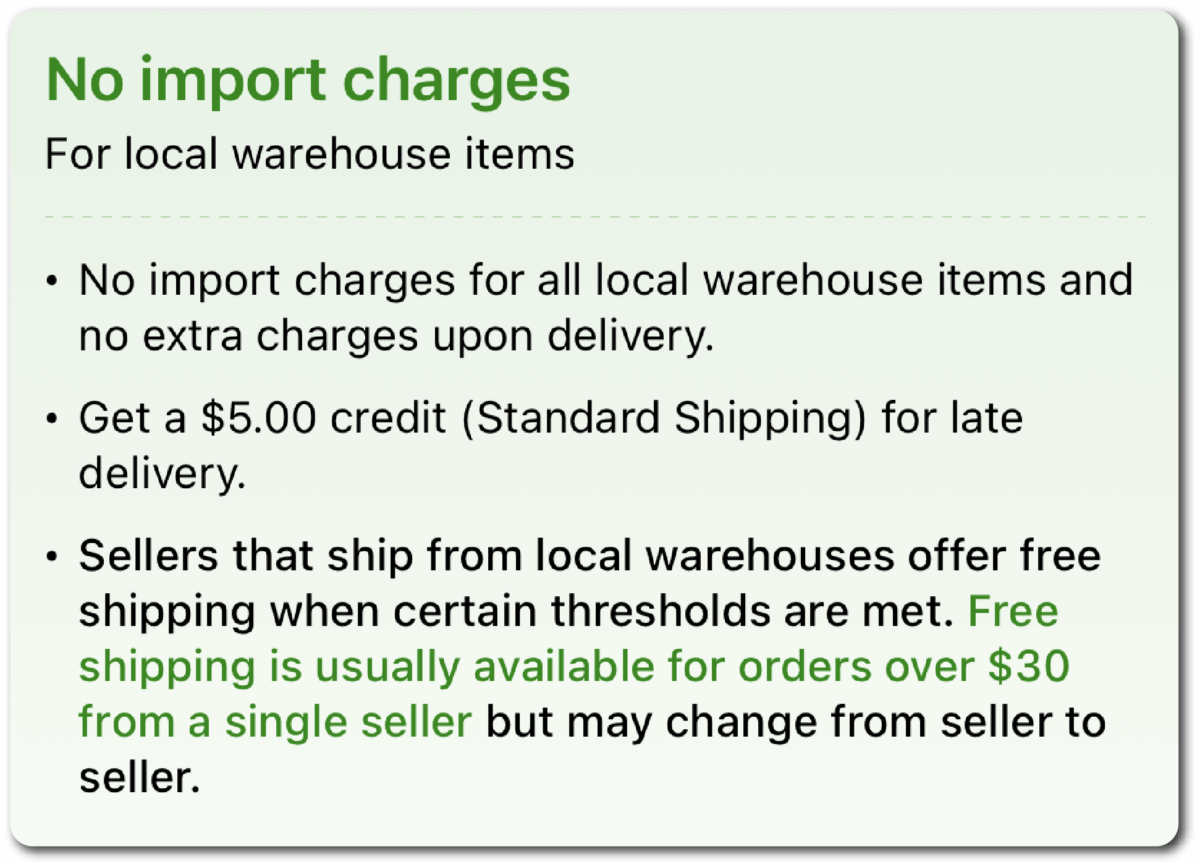
Four months on from the end of de minimis, the two companies have built a comeback plan. A key component has been to change the way they export, moving away from small packages to a more traditional model in which they ship products in bulk from China to depots in the U.S., where orders are repackaged for last-mile delivery — akin to rival Amazon’s system.
While fulfilling orders in the U.S. is more expensive, this model has become more appealing thanks to the recent tariff truce, under which the Trump administration agreed to set tariff rates for bulk imports from China at 30 percent. By comparison, small packages are taxed at 54 percent.
“Suppliers are shipping less through de minimis, but still producing common goods that they know they can sell,” says Cameron Johnson, a Shanghai-based supply chain expert. “The platforms have algorithms that tell them what the most popular items are. Then they can ship those in bulk — not by de minimis, but to a warehouse in the U.S.”
Temu has found other ways to stem its losses. For example, it has raised its average minimum spend for an order, which can range up to $80 or more depending on the customer, destination and promotions.
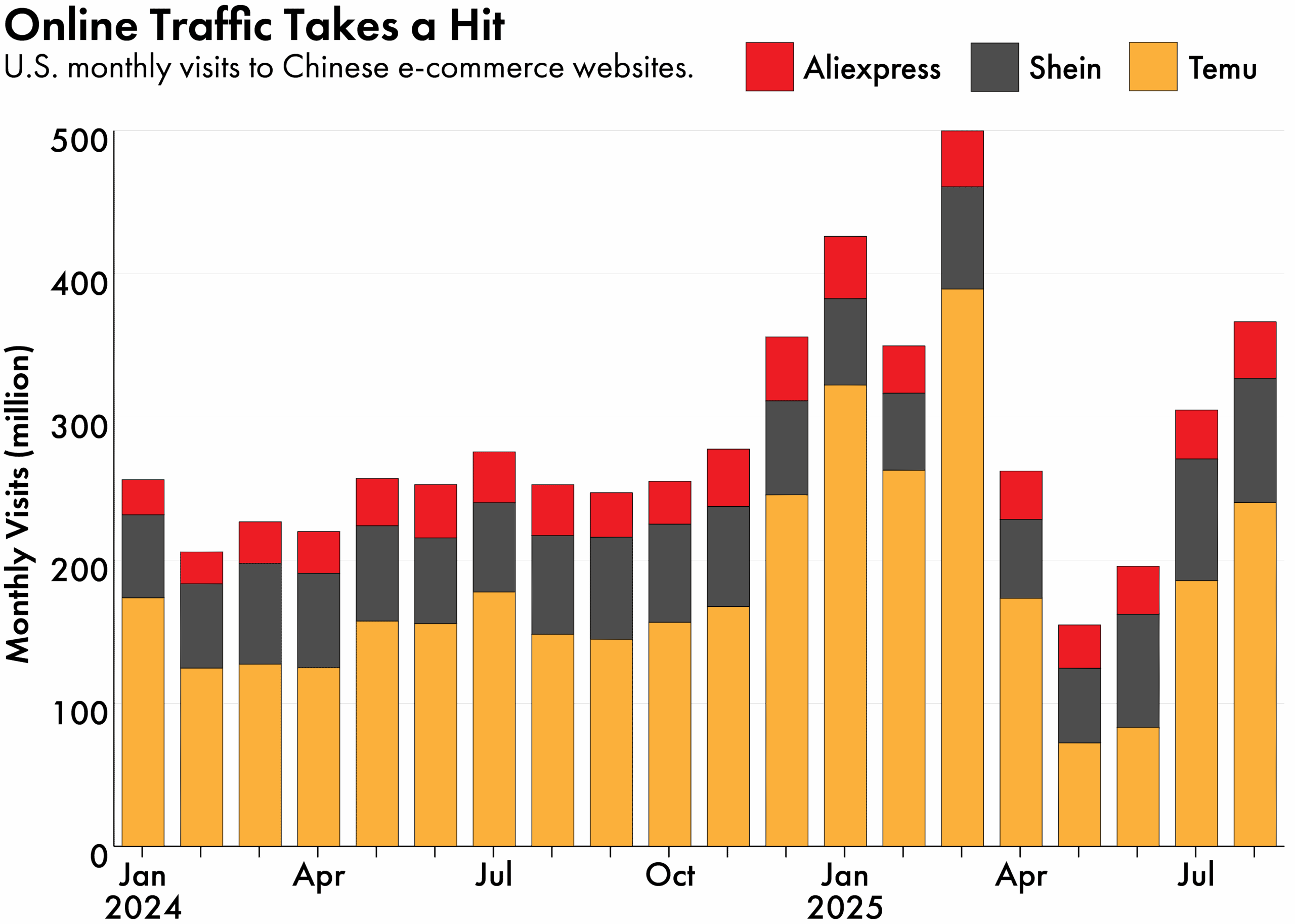
Shein, which focuses more on selling clothes, has adapted differently. Interest in its wares declined less than Temu’s following the initial tariffs, according to data from Similarweb, a digital market intelligence company. While U.S. traffic to Chinese marketplace sites like Temu fell almost 70 percent in April, traffic to Chinese fashion sites like Shein declined by around 30 percent, its data shows.
Shein faces other obstacles. The company disrupted the fast fashion industry not just with low prices, but with its high turnover of new offerings, which it produces thanks to an agile network of factories that can churn out small batches of clothing at a time. That model is harder to operate with bulk shipping, as it leaves the company at risk of an inventory pile-up if the clothes don’t sell quickly.
Shein has already found some workarounds, suggests Li Chen, a professor of manufacturing management at Cornell University’s College of Business.
“There are many basic apparels less subject to fashion demand that are pre-made and shipped in bulk — things people call timeless pieces,” Chen says. “Shein is also very good at marketing, from leveraging social media, to promotions, to setting up pop-up shops. These are all means for them to get rid of excess inventory.”
Temu and Shein’s efforts to diversify have also helped them weather the de minimis blow. Temu, for example, has invested heavily in Brazil, where monthly average visits to its website soared from 600,000 in 2023 to more than 85 million this year. The company cranked up ad spending in Brazil by almost half in April, and web traffic from Brazil quickly overtook the U.S. by mid-month, Similarweb data shows. It has also been growing fast in South Korea and Mexico. In addition to diversifying its customer base, Shein has meanwhile expanded its factory network to Brazil and Turkey.
[The exemption] allowed [these apps] to scale and be competitive early on while maintaining a high number of existing customers. But it’s naive to assume the end of de minimis will also end them.
Juozas Kaziukenas, founder of Marketplace Pulse, an e-commerce intelligence firm
“These companies have learned that they need not only a ‘China plus one’ strategy on the supply side, but a ‘U.S. plus one’ strategy on the demand side,” Chen says.
For the rest of the world, the pain is just beginning.
Several Canadian apparel companies that used to take advantage of the de minimis exemption to ship goods directly to consumers have been rocked by the policy change. Ssense, a Canadian luxury retail e-commerce company, filed for bankruptcy protection on August 29, citing the end of the de minimis exemption as “the last straw.” Lululemon, in an earnings call in August, warned of a $240 million hit to its gross profit in 2025 due to tariffs and the end of the exemption.
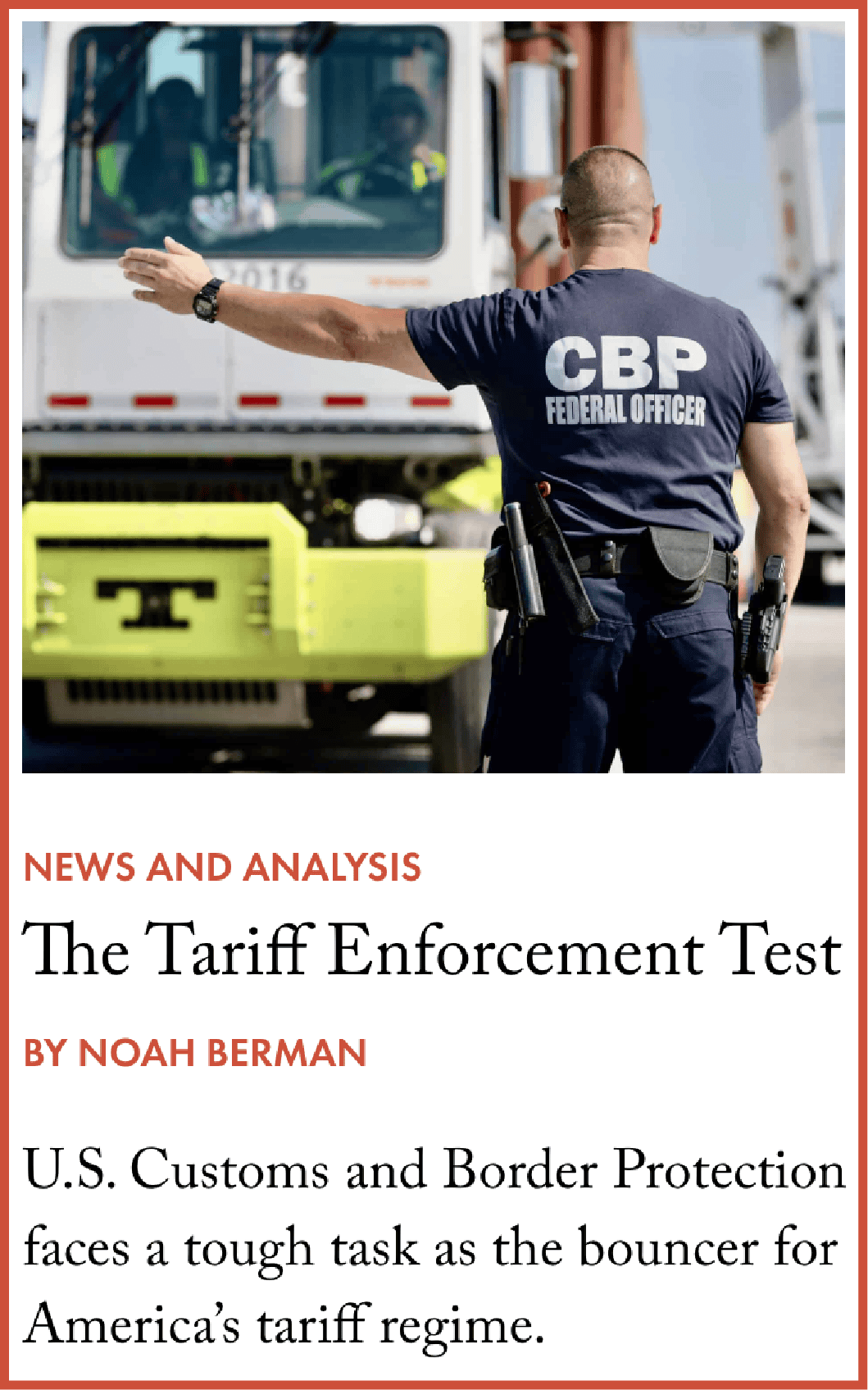
The new tariffs have caught shippers of artisanal goods, from furniture to hobby products, off guard. Logistical confusion has left couriers with a backlog of packages, leading dozens of postal services to stop sending mail to the United States. Postal traffic to the U.S. plunged more than 80 percent after Washington ended the exemption on August 29, according to the Universal Postal Union.
Smaller shippers and companies “don’t have the margin or capital to subsidize the price increases to the same degree these Chinese companies are able to,” says Kaziukenas. “It’ll definitely hurt companies that have benefitted from that way of logistics. If anything, they were hurt indirectly by the growth of de minimis, because it raised the profile of [the exemption].”

Eliot Chen is a former staff writer at The Wire. Previously, he was a researcher at the Center for Strategic and International Studies’ Human Rights Initiative and MacroPolo. @eliotcxchen