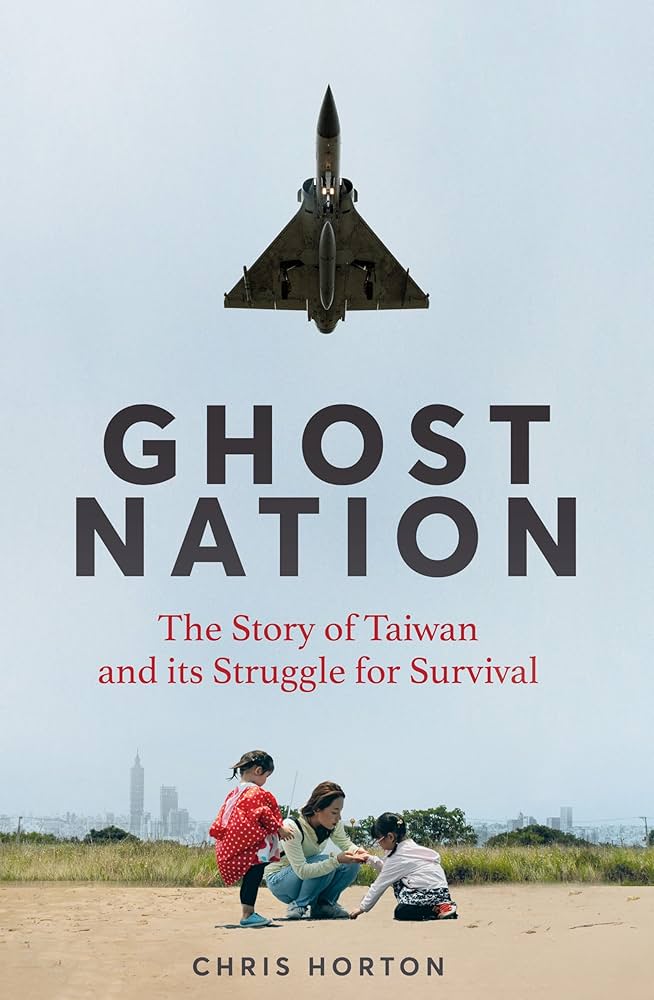
Chris Horton is a Taipei-based journalist who has spent the last decade reporting on Taiwan for outlets including the New York Times, Bloomberg News, and The Wire China. Before arriving in Taiwan in 2015, Chris was based in China for 13 years, followed by a two-year stint in Hong Kong, where he covered the Umbrella protests. His new book, Ghost Nation, paints a detailed picture of Taiwan’s complex past, present, and future. The following is an edited transcript of a recent conversation in Taipei.
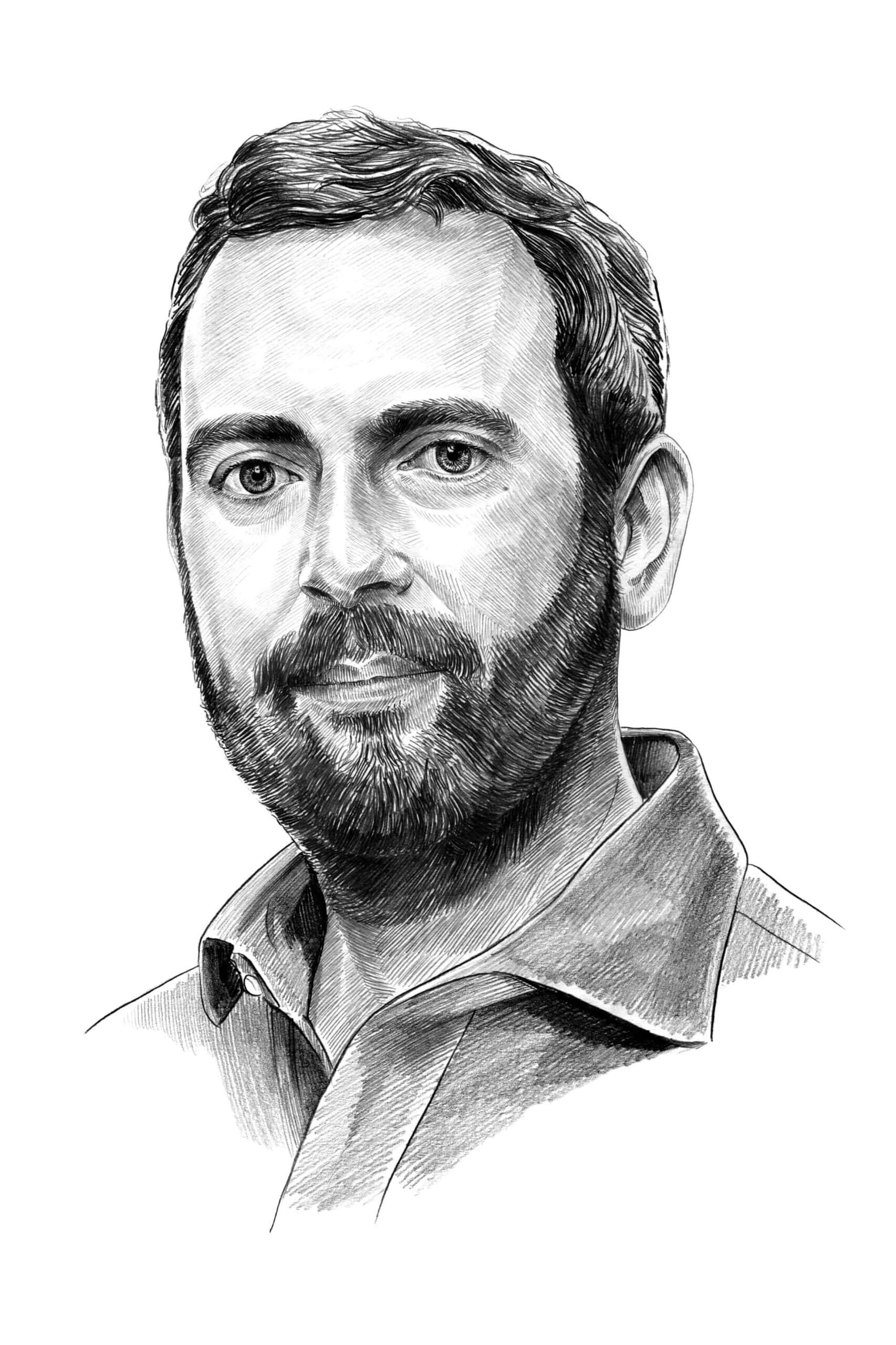
Illustration by Lauren Crow.
Q: Tell me about the aim of Ghost Nation and why you chose that title?
A: I wanted to write a book that centered Taiwanese people in a story about Taiwan. Taiwan is generally framed as either a node of “a greater China” — a concept that has been forced upon it — or as a bargaining chip or a pawn in this great power rivalry between China and the United States. By reducing it to those framings we’re weakening our understanding of a very important country.
Originally we were going to call it Ghost Island, after a Mandarin word (guidao) that comes from Japanese. It referred to the dangers that awaited people who went to Taiwan. Primarily, these were invisible diseases. But also, centuries ago, Taiwan was not welcoming in terms of its physical geography and its Indigenous peoples, some of whom were happy to keep Taiwan to themselves and did not take kindly to visitors [or foreign powers].
It was also used as a slur for Taiwan, something akin to ‘Shit Island’, by some of the Chinese who had fled there to escape Mao’s revolution. They were embittered by having to flee China and live in an unfamiliar foreign land where they were not popular with the locals. More recently, younger Taiwanese have used the term ‘Ghost Island’ with a sense of defiant pride. My editors pointed out that a major point of the book is that Taiwan is a country, not just an island, so we changed to Ghost Nation.
| BIO AT A GLANCE | |
|---|---|
| AGE | 48 — I’m both a fire dragon and Scorpio |
| BIRTHPLACE | Rochester, Michigan, USA |
| CURRENT POSITION | Freelancer who has covered Taiwan for the NYT, Bloomberg, Nikkei Asia, Atlantic and others over the past decade. |
But Ghost Nation is also a description of Taiwan’s current place in the world: a technological and economic power that has no representation in the United Nations. It’s a ghost nation, floating among the official, recognized countries of the world. The democratic world professes certain values like self-determination and democracy, but we’ve shunted Taiwan to the side, as those values overall have mattered less than our relations with Beijing.
It seems like the status quo is not going to be maintained for much longer, in which case democratic countries have decisions to make now on what kind of Taiwan they want to see in the future. It’s either going to be as it is today, a close, trusted friend; or it’s going to be a weapon that’s utilized against us by the Chinese Communist Party. They would have access to what remains of Taiwan’s tech infrastructure and workforce; they would be right on the doorsteps of the Philippines and Japan; they would have a naval base where their submarines could escape into the Pacific without detection, adding uncertainty to military and regular commercial operations in this part of the world.

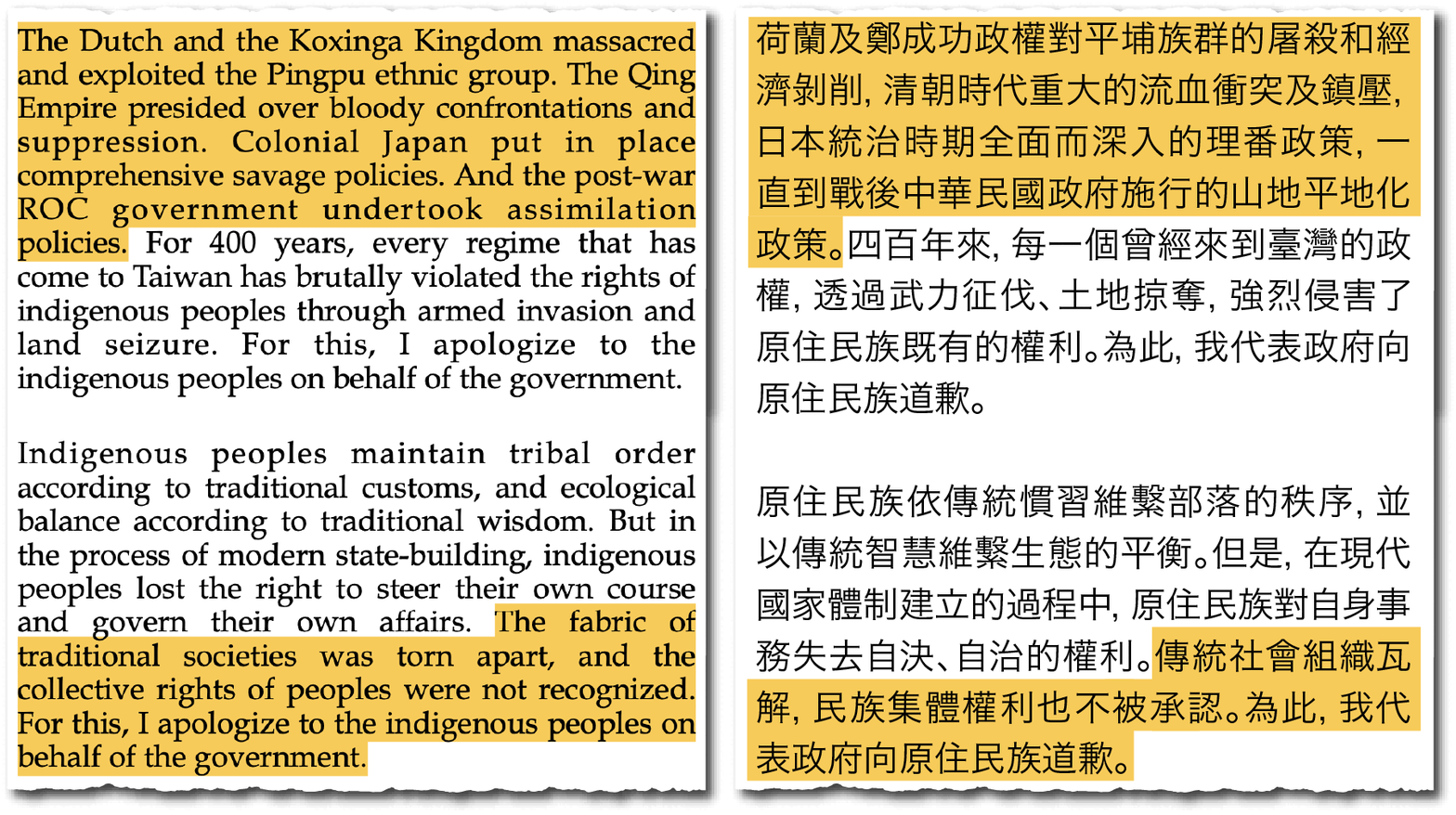
You start your book in 2016, with then-President Tsai Ing-wen’s apology to the Indigenous people of Taiwan for the four centuries of mistreatment and marginalization they had suffered at the hands of Han settlers and successive rulers of Taiwan. When you spoke to Tsai, how did she reflect on this moment?
I spoke with her in October of 2024, in her first interview after stepping down as President. In the campaign for the 2016 election, Tsai had promoted an image of a multicultural and diverse Taiwan, as opposed to the more Chinese Taiwan that her opponent Eric Chu of the Kuomintang (KMT) presented.
With regards to the Indigenous people, an initial first step that a lot of countries still haven’t made elsewhere in the world is a formal apology. The way she described her apology to me, she had a lot of sympathy for the struggle of Indigenous Taiwanese people, being part-Indigenous herself. The diversity of Taiwanese identity resonates with her. I think she got some sort of moral satisfaction from trying to right the wrongs of how the Indigenous people have been treated in the last four hundred years.
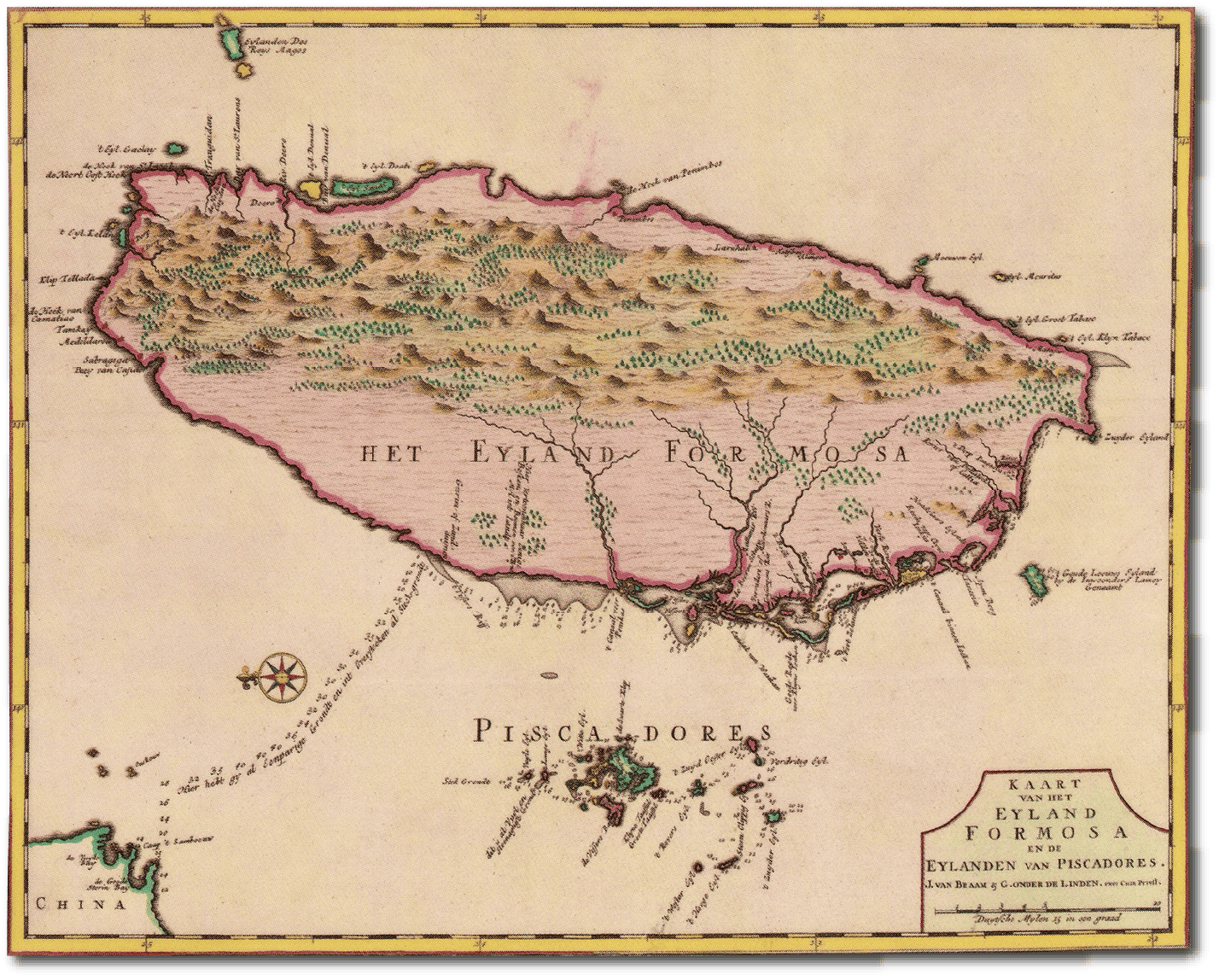
The first of the rulers that Tsai mentioned in her apology were the Dutch. How and why did they arrive in Taiwan?
In 1622, the Dutch tried to dislodge Portugal from Macau. That didn’t work out for them, so they set up shop in Penghu (known back then as the Pescadores). The Ming Emperor at the time viewed the Pescadores, which are in the Taiwan Strait, as Chinese territory, and so he sent a flotilla there, telling the Dutch that it was in their best interests to remove themselves from Chinese territory. The Dutch were outmatched and outnumbered, and they packed up, and moved to Tainan.
The Ming Dynasty was fine with that; they considered Taiwan as guanwai [beyond the Empire]. One interesting thing to note is that the name “Taiwan” comes from the Indigenous Siraya people’s name for the area where the Dutch moved to. At the time, the Ming dynasty was falling apart, and there were lots of young men willing to come from Fujian to work as farmers for the Dutch. These Hokkien-speakers picked up and used the Dutch transliteration of that Sirayan word, and from Hokkien it entered Mandarin as Taiwan.
The most recent government that featured in Tsai’s apology was that of the post-war Republic of China [ROC]. In 1945, after fifty years of Japanese colonial rule, Tokyo handed Taiwan over to the ROC, then the official government of China under the Chinese Nationalist Party [KMT]. Could you paint a picture for me of Taiwan in 1945 at this pivotal moment?
Taiwan was very much ready to join the ROC. Taiwan’s efforts at achieving home rule under Japan had largely been unsuccessful, even if, towards the end of the war, the imperial government in Tokyo elevated the status of both Taiwan and the Taiwanese people within the empire In 1945, the United States started bombing Taiwan, and they also dropped leaflets which included promises of democracy, freedom of expression, and a glorious future as part of a newly rebuilt China under the ROC.
A lot of people in Taiwan got behind that idea. They recognized some degree of connection to China; they were ready to turn the page on the Japanese era and a lot of them genuinely believed that they would have a greater say in their government under the ROC. That very quickly turned out to not be the case.
As people become more aware of the threat to Taiwan’s sovereignty that’s posed by the PRC, they have three options: looking at it for what it is, ignoring it, or telling themselves it’ll never happen.
In 1945, before the KMT arrived, Taiwan had a very developed legal system, it was very safe, and it was free of most of the nasty communicable diseases that had plagued it in its past. After the KMT arrived, they abandoned the quarantine measures, and there was a recurrence of cholera and bubonic plague. With the wealth generated under Japanese rule, and particularly in comparison to war-ravaged China, KMT soldiers came to refer to Taiwan as Treasure Island (baodao). It was very attractive to poorly paid KMT soldiers, and there was a lot of pillaging when they arrived.
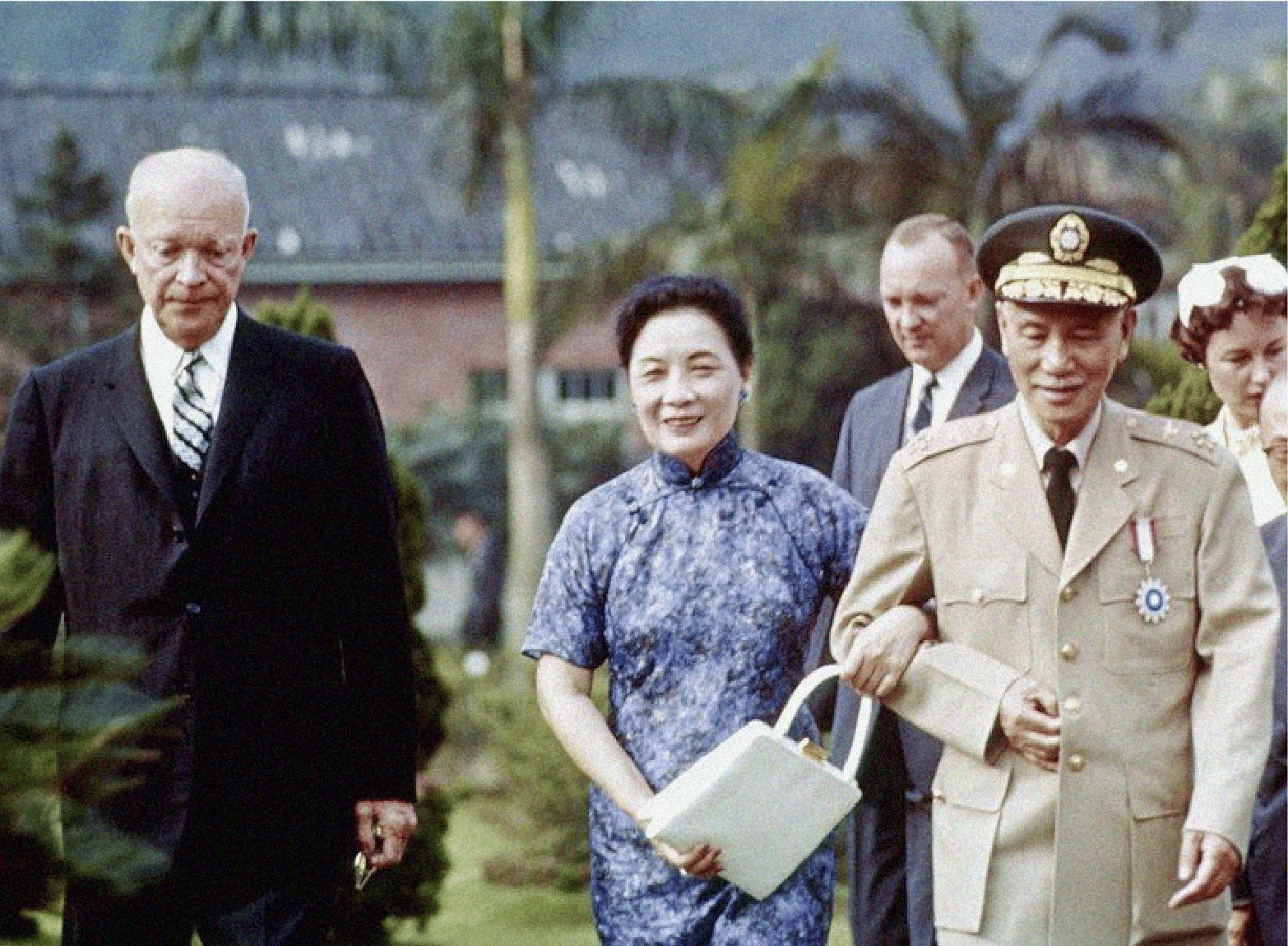
In 1979, the U.S. broke off formal diplomatic relations with the ROC government in Taiwan, recognizing Beijing as the only legal government of China. What were the ramifications for the KMT, which ruled Taiwan as a one-party state at the time?
Post-1949, the government in Taiwan was no longer just a provincial government, but a national government. Derecognition was a real blow to the ROC’s legitimacy and to the house of Chiang more generally. [Taiwan in 1979 was led by Chiang Ching-kuo. He was the son of Chiang Kai-shek, China’s wartime leader who ruled the ROC in Taiwan from 1949 until his death in 1975].
But derecognition was also a big boost for the Taiwanese self-determination or Taiwan independence movement, however you want to think of it. It’s no coincidence that, not long after, you had the Kaohsiung Incident, where the “Kaohsiung Eight” pushed for an end to that version of the ROC [a one-party state under martial law], and for something much more inclusive and democratic. [The Kaohsiung Incident was a crackdown on pro-democracy protests in Taiwan’s southernmost city in December 1979]. Most of the Taiwanese who were sentenced to prison, and their lawyers, would go on to be members of the Democratic Progressive Party — among them were former president Chen Shui-bian and former vice president Annette Lu.
The shift to multi-party democracy happened in a very short period of time in Taiwan. Martial law was lifted in 1987 and there were elections within 5 years. How did that happen?
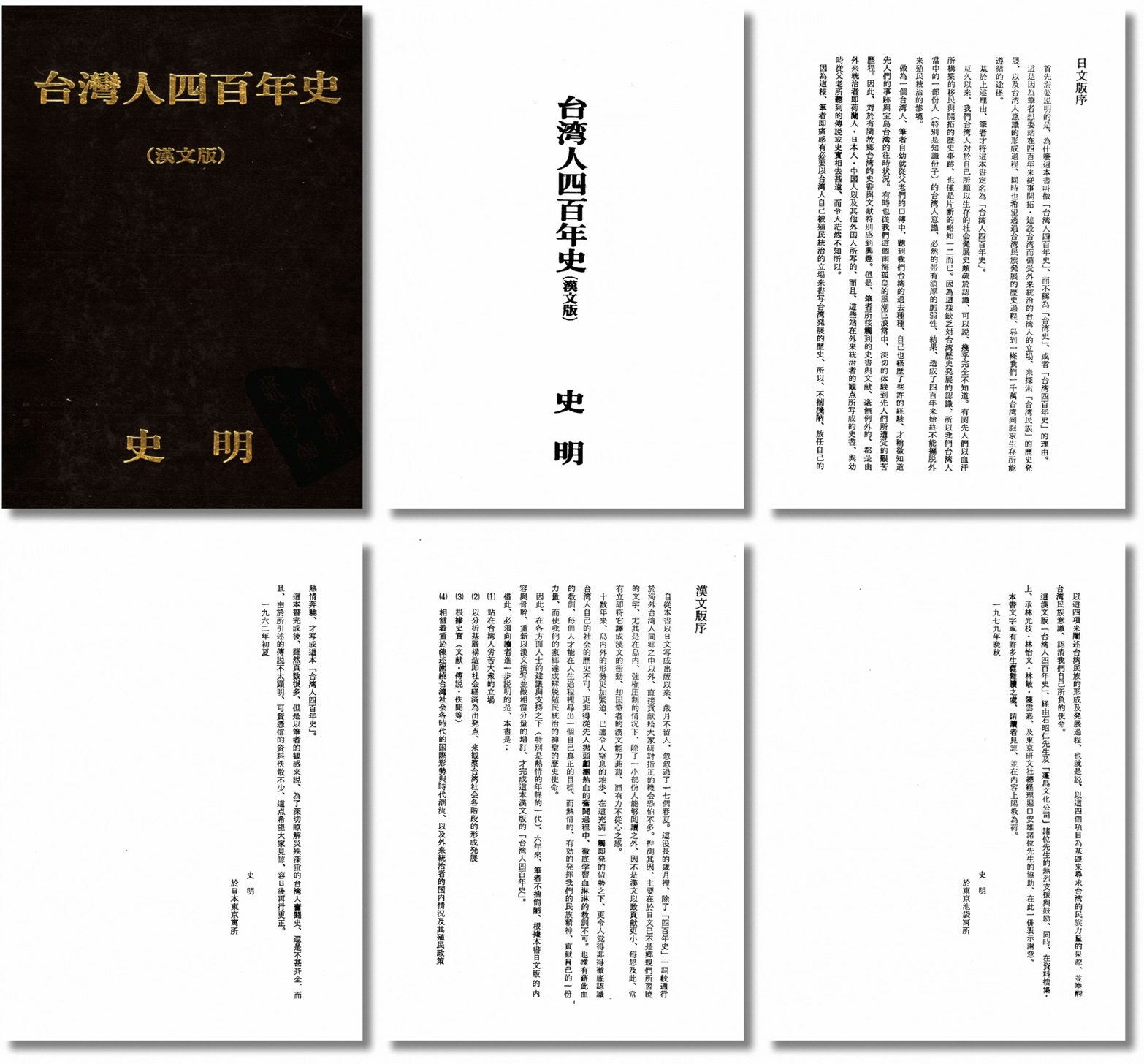
The majority of the pressure came from the Taiwanese people. You had fewer countries recognizing the ROC, you had higher levels of education, especially students that had gone to the United States. A lot of them had read one particular book, Taiwan’s 400 Year History by Su Beng. It was banned in Taiwan but not in the U.S., and it got printed by a publishing house and a California-based publishing house in Chinese, giving thousands of young Taiwanese access to their own history for the first time during martial law.
In 1947, there had been an incident known as 228 [because the first day of mass protests was on February 28]. It became an uprising against the KMT, which responded by massacring thousands of people. You couldn’t talk about this in Taiwan for a long time, and lots of young people learned about 228 for the first time from that book. So lots of these young people went to study things like engineering or statistics in the United States; they became radicalized once they got exposed to information about their own country while studying abroad. There were also pro-democratization forces inside the KMT, though they were a minority. For example, [Chiang Kai-shek’s son] Chiang Ching-kuo envisioned Taiwan as something more like a one-party democracy, like in Singapore.
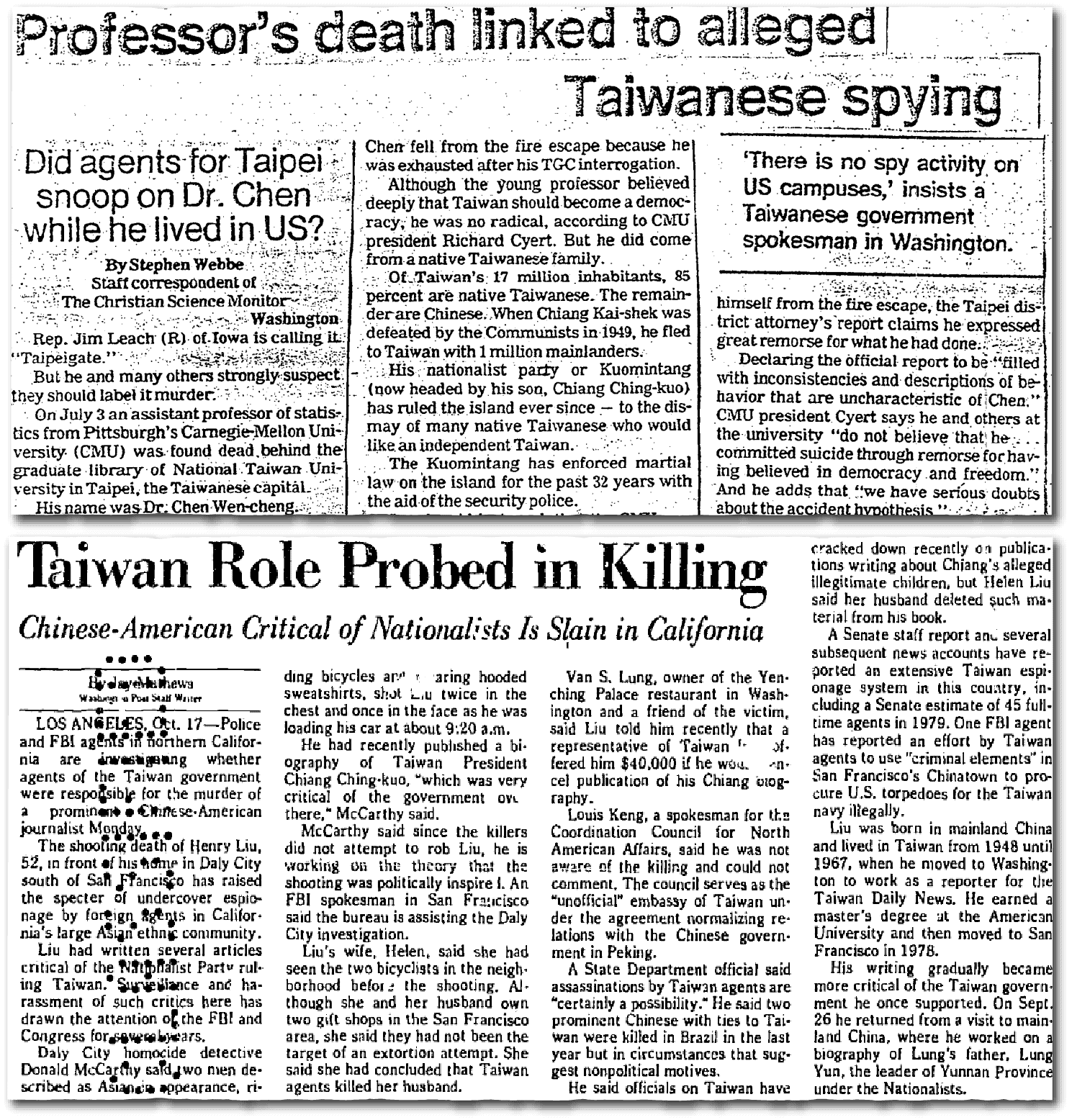
Then there was the spate of assassinations. In 1981, Chen Wen-chen, a Taiwanese assistant professor in the U.S., was found dead in Taipei in suspicious circumstances; the KMT claimed it was suicide but nobody believed them. In 1984, Henry Liu, a KMT critic who was a naturalized American citizen, was killed in his garage in California by Taiwanese gangsters working for ROC military intelligence.
The U.S. had provided weapons and political cover for the KMT; those weapons were used on Taiwanese people, and since 1947 the U.S. had looked the other way, or at least expressed its opinions in private. In Henry Liu’s case, the ROC settled with his widow in court, paying her a million dollars and admitting that they had done it.
So in the early 1980s people on Capitol Hill were starting to wonder: if we’re helping the ROC out, why are they behaving this way? Why did they kill an American citizen on U.S. soil? That was a turning point for relations between the ROC and the United States. Washington began to pressure Taipei to be less rogue and more democratic.
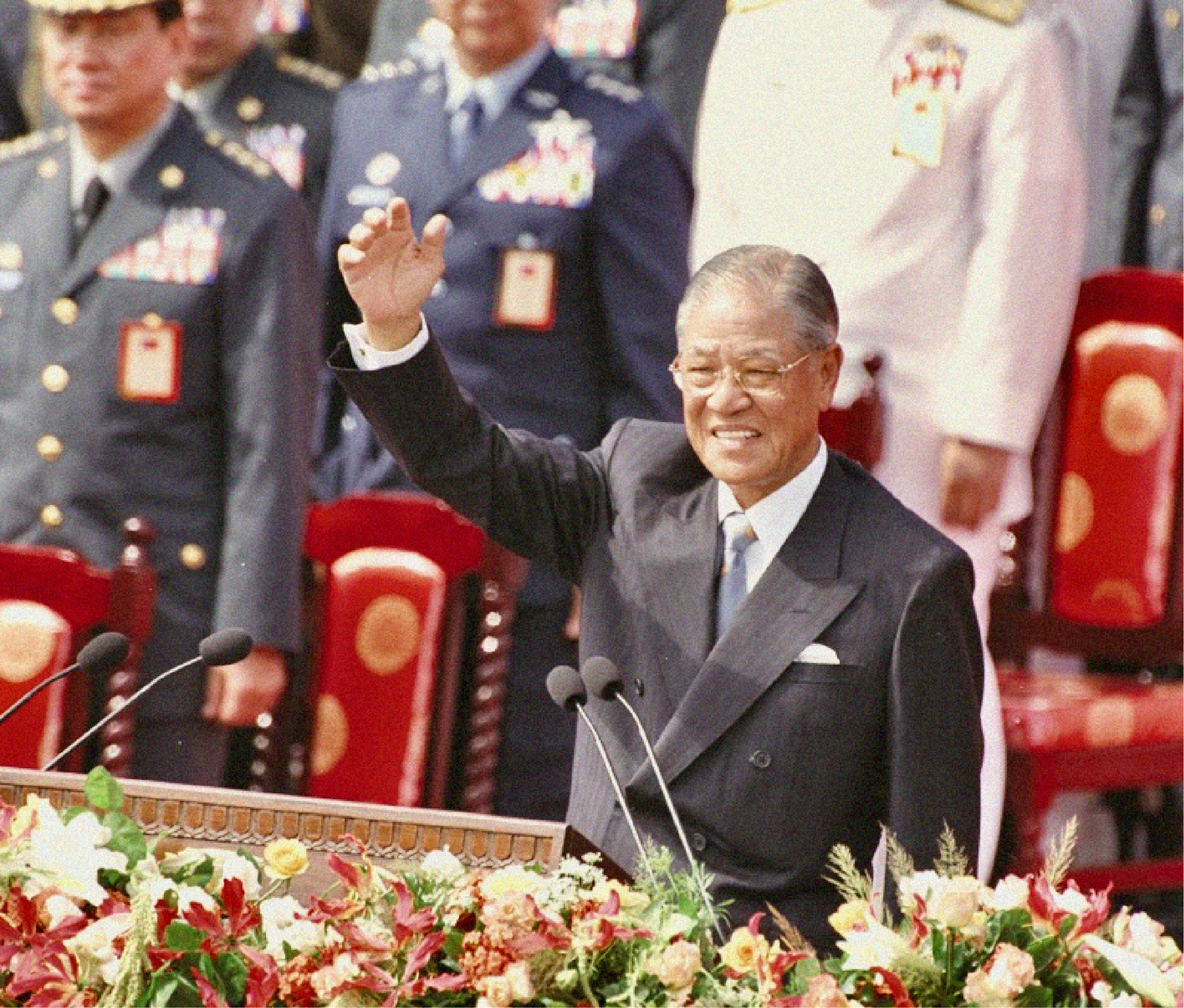
In the book, you talk about your interview with Lee Teng-Hui, a KMT party man hand-picked by Chiang Ching-kuo as his successor. Lee’s response to the mass student protests of the Wild Lily movement in 1990 wasn’t to crush them, it was to engage in dialogue with the students. Within two years, there were elections for the Legislative Yuan. What stood out to you from that interview?
I interviewed him less than one year before he passed away. I’ve interviewed a few famous people, but he felt like a genuinely historic figure. He was an interesting reflection of his upbringing, particularly in the languages he used: he was speaking mostly in Taiwanese [Hokkien], but he would occasionally switch to Mandarin, with some Japanese and English sprinkled in.
He was in his late nineties, and I didn’t want to go too hard on the questioning, so I asked him what his proudest accomplishment as president was. I expected it to be overseeing the transition to democracy. Instead, he was most proud of the nationalization of the ROC military, meaning that the ROC military was no longer the armed wing of the KMT (as the PLA still is for the CCP).
There’s a term “residual poison” used in Taiwan for the stuff that’s left over from the days of martial law. There’s less of it all the time, but it’s still around in different aspects of the ROC government.
His answer caught me off guard, but it made sense. Everything flows from that: if you have a party-state where the military only answers to the party, can you really ever have democracy? Now the military answers to the constitution.
Lee Teng-hui was playing the long game, but he also always faced the possibility of a coup against him. He had to maneuver to reduce the odds and refrain from certain actions because of that. So bringing to justice the people who committed atrocities during KMT martial law wasn’t politically feasible for him at the time. If he had done that, the ROC military probably would have stepped in and relieved him of his position, one way or another. The next president, Chen Shui-bian, was also concerned about the possibility of a coup. Ma Ying-jeou (who took office in 2008) is probably the first president of democratic Taiwan who wasn’t worried about that possibility.
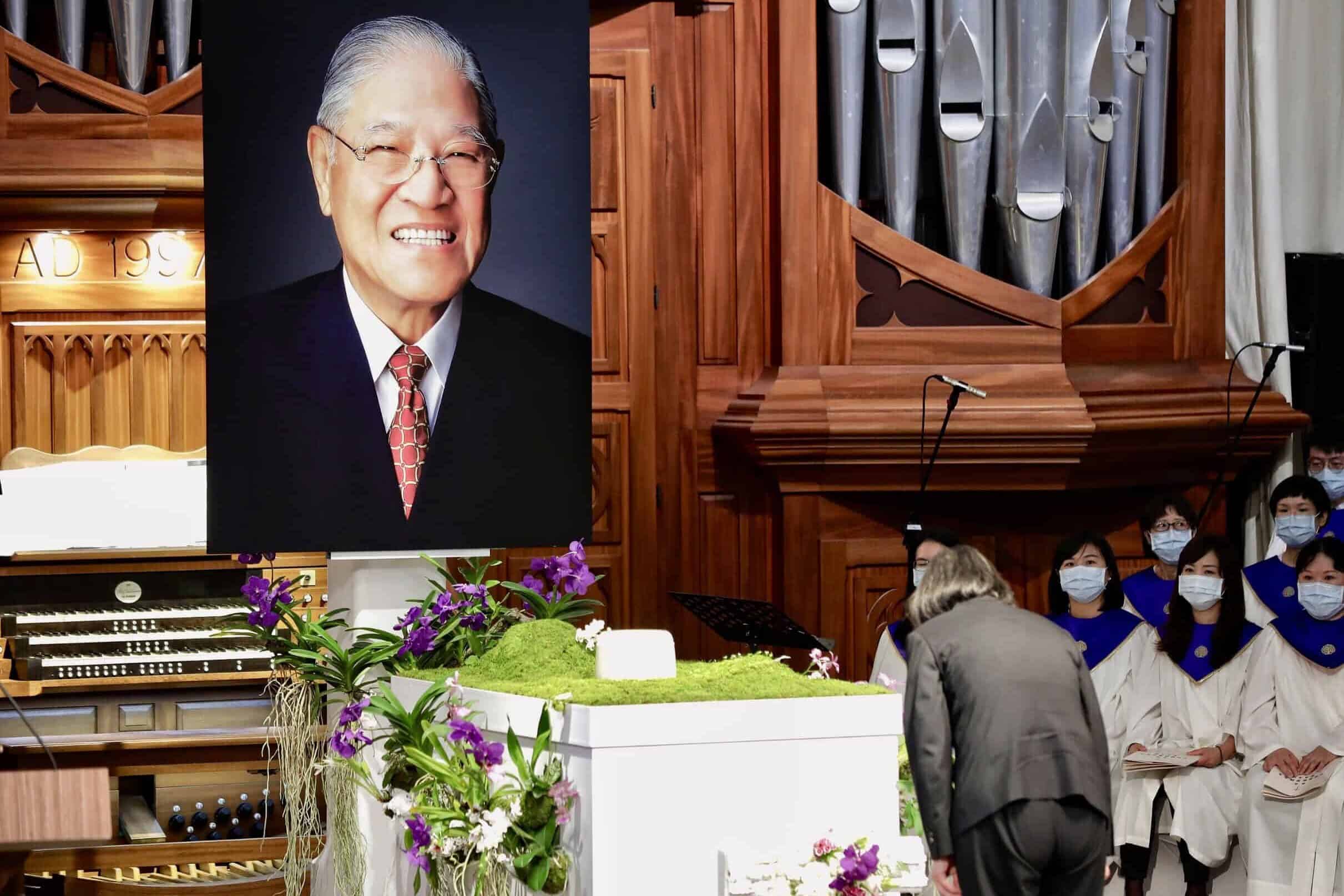
Lee’s passing marked the passing of the leaders who had grown up under Japanese rule. Within a three-year period, others I mention in the book — like democracy activist Peng Ming-min, the author of the history book Su Beng, and Lee — all of them had passed away aged roughly 100 years old. It was as though the torch was being passed from the Japanese-educated generation to the ROC-educated generation.
You describe in horrifying detail the massacres that followed the 228 uprising against the KMT, and the White Terror period. Until the late 80s, even private discussion of what happened was extremely dangerous. But you write about how after martial law was lifted in 1987, very gradually, discussion became more open. What did your interviewees tell you about what it was like to live through that process?
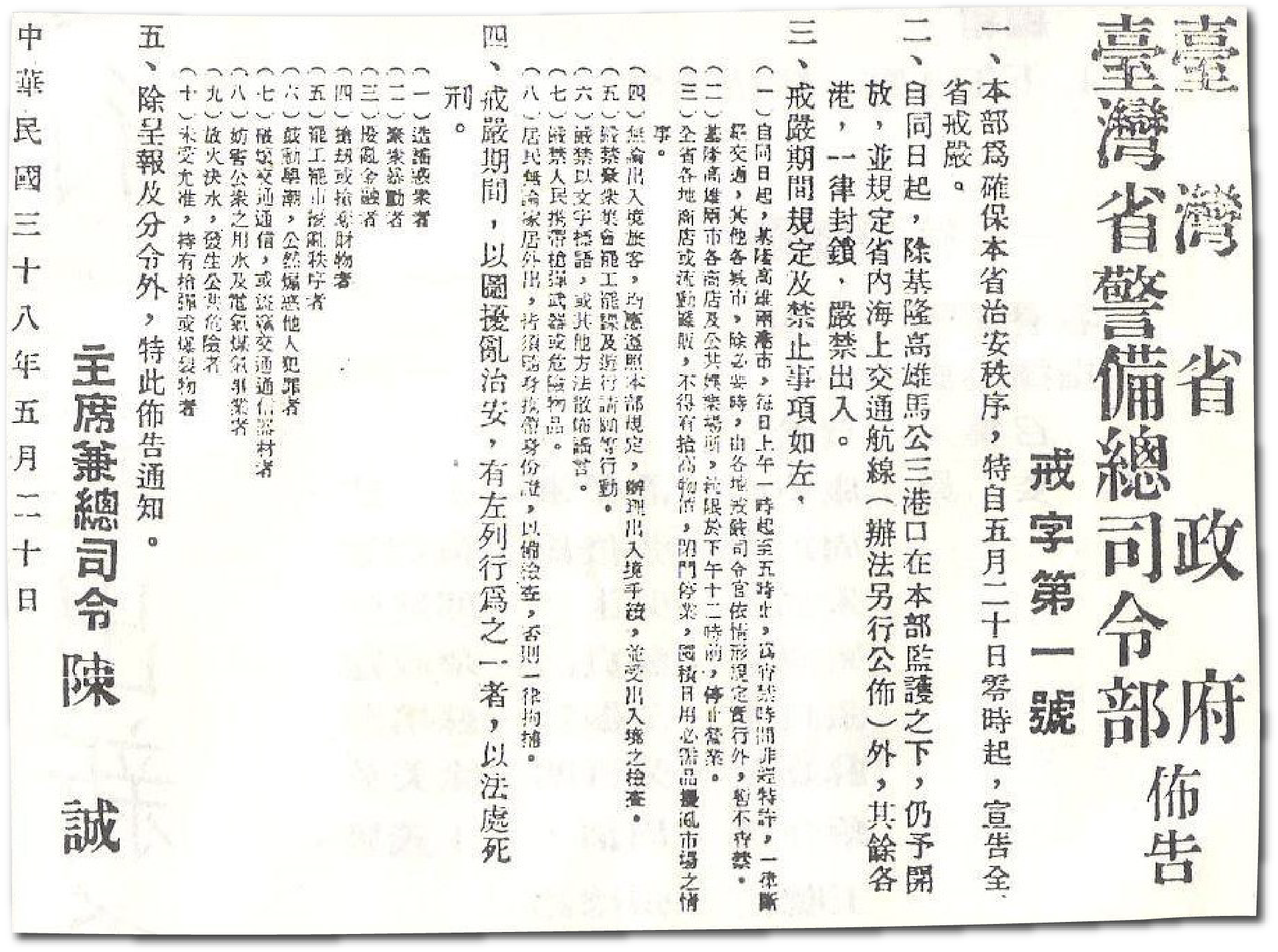
In the book, I write about an interview I did with Lee Lieh. She is now best known as a producer, but she was an actress during martial law and the transition to democracy. In the arts, under a military dictatorship, you have to internalize certain red lines and err on the side of caution. But for her, and many other Taiwanese like her, there was a gradual realization that Taiwanese society under martial law was not like liberal democratic countries. The older you got, the more you started to be able to read between the lines of what the government was telling you.
In terms of the end of martial law, I don’t think anybody suddenly just thought “oh, well, that’s over now, I can do whatever I want”. [Publisher and pro-democracy activist] Cheng Nan-jung self-immolated almost two years after the end of martial law was declared. He did that because in some ways martial law wasn’t really over; there were still anti-sedition measures, and he helped to bring an end to those to a certain extent. There’s a term “residual poison” used in Taiwan for the stuff that’s left over from the days of martial law. There’s less of it all the time, but it’s still around in different aspects of the ROC government.
Lee and other people of her generation I’ve spoken to talked about an initial hesitancy to test the waters. People were afraid to talk frankly about certain things, even in private conversations with their friends, because anybody could have been a spy for the KMT back then. But after a while, people started to open up to their closest friends. And then you’d start to have slightly larger groups in which people would open up more and it started becoming more of a public thing. Every time the waters got tested, it became apparent that this was okay.
One other thing: for many people of her generation, even if they think of themselves as Taiwanese, they still have trouble separating the ROC and Taiwan. They’re the same thing, even if the ROC has its origins in China, before the end of Japanese rule. For that generation, the ROC and Taiwan are more or less interchangeable.
How does the younger generation of activists, who don’t remember the struggles of the democratization period, differ from that older generation?
There’s a huge gap in the amount of state violence that’s been used against them. That said, there has been some used against this current generation of protesters: the police beat students and blasted them with water cannons during the [2014] Sunflower movement.
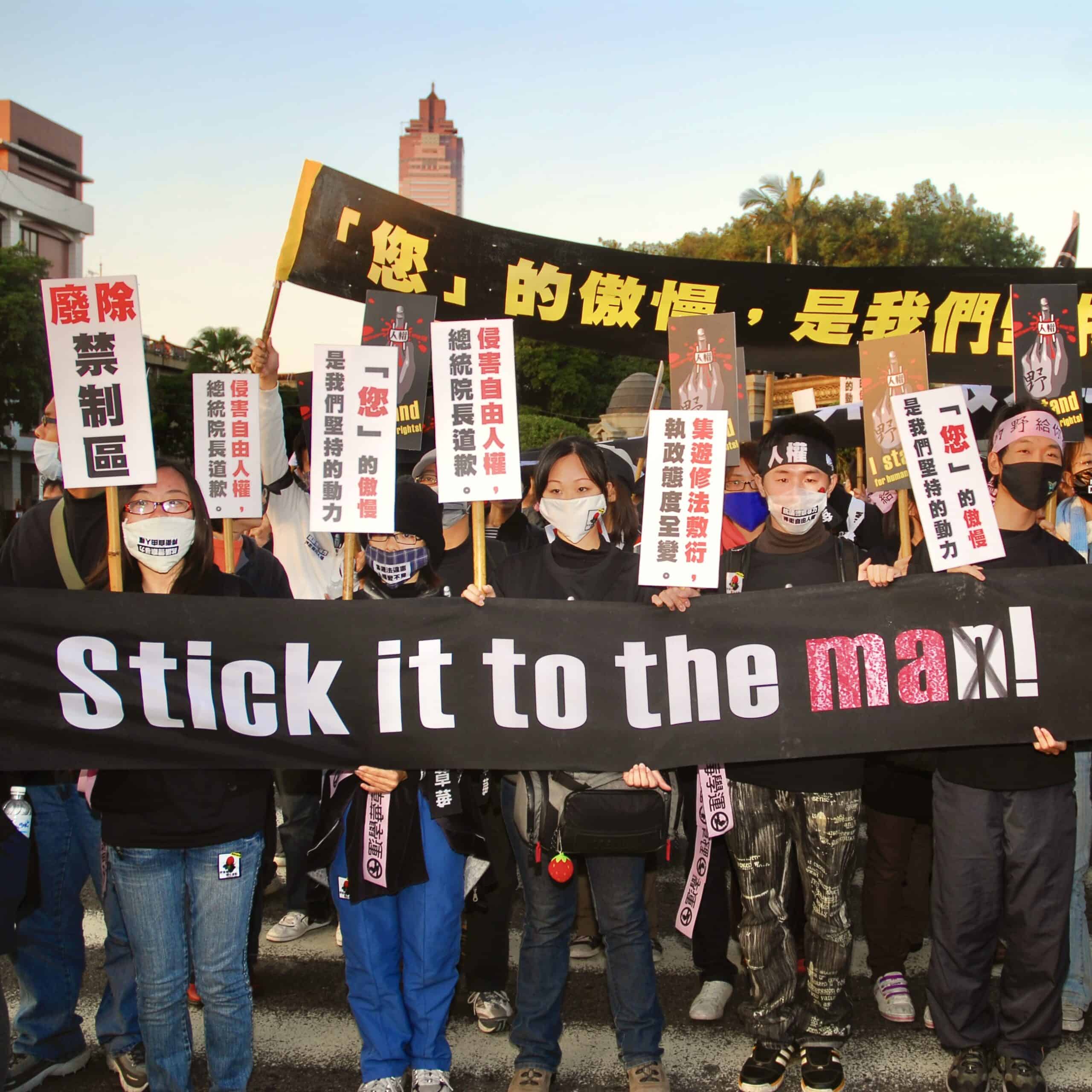
During the Wild Strawberry movement of 2008, right after [KMT leader] Ma Ying-jeou became President, he invited Chen Yunlin — who was in charge of the Taiwan portfolio in the PRC — to Taipei. Not only were Taiwan independence flags barred from public display, but the ROC flag was barred as well. At this point, even though a lot of people were tired of the DPP, they weren’t looking to suddenly make Taiwan part of China again. There was a huge police presence, police were beating up protesters to prevent them from upsetting a PRC official. For the people who have seen this stuff under martial law, it was very visceral.
A lot of those people are concerned about the younger generation who are able to vote right now, who haven’t seen or experienced a protest where they’re put in the line of fire or beaten up. A lot of them are using [Chinese social media app] Douyin; [Taiwanese civil society organization] Doublethink Lab recently released a report showing that they’re more amenable to CCP propaganda.
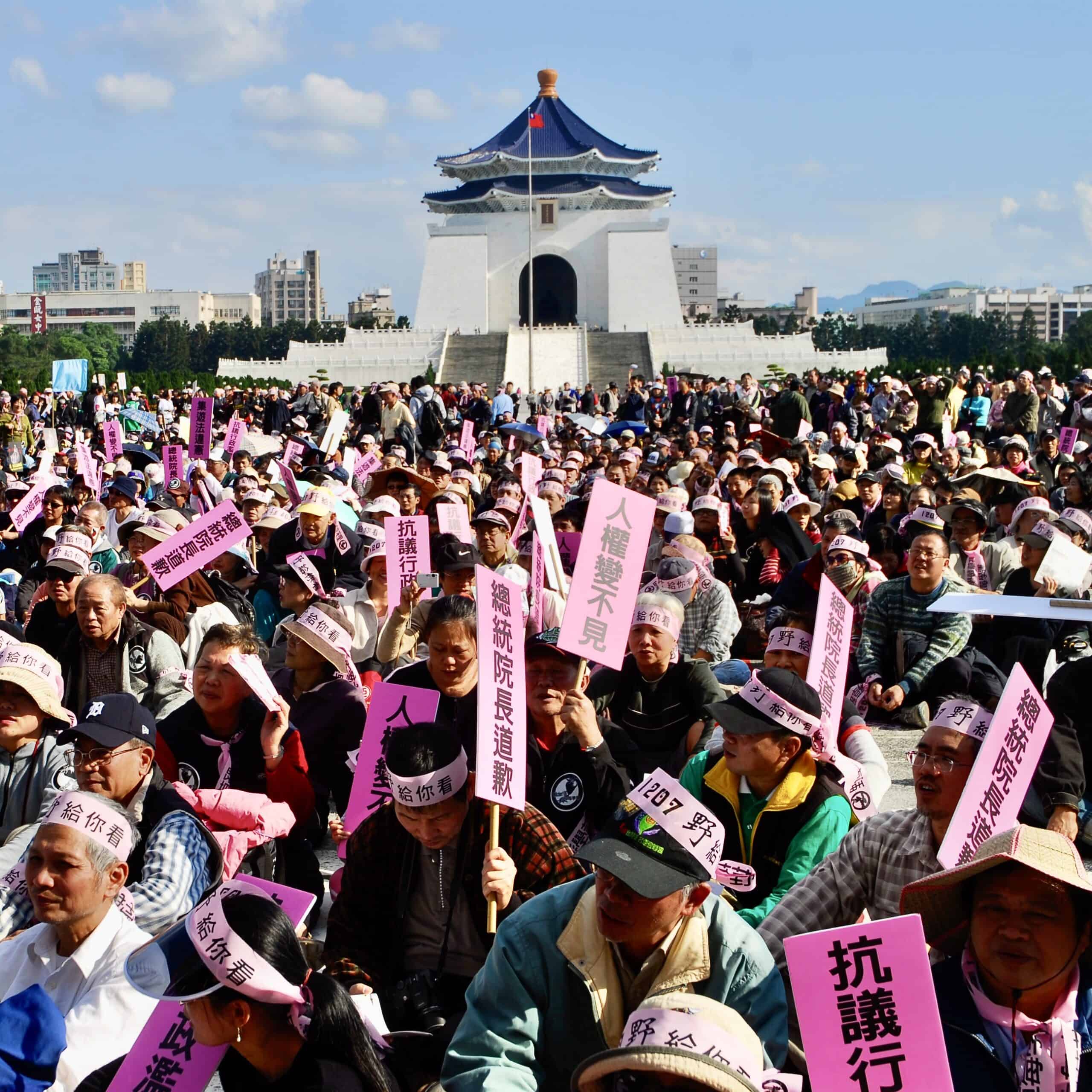
But historically, the youngest generation in Taiwan is always looking back at the previous generation and feeling like they’re being looked down upon as weak or soft. The Wild Strawberry movement called themselves “wild” to reference the Wild Lily movement in 1990, which led to a sort of tipping point in the democratization movement. “Strawberries” was how older Taiwanese denigrated the younger generation at the time as easily soft and easily bruised, and so, in the sarcastic Taiwanese way, they adopted that name.
Having reported from Taiwan for ten years, how do you think people there think about the future, and how has that changed?
As people become more aware of the threat to Taiwan’s sovereignty that’s posed by the PRC, they have three options: looking at it for what it is, ignoring it, or telling themselves it’ll never happen.
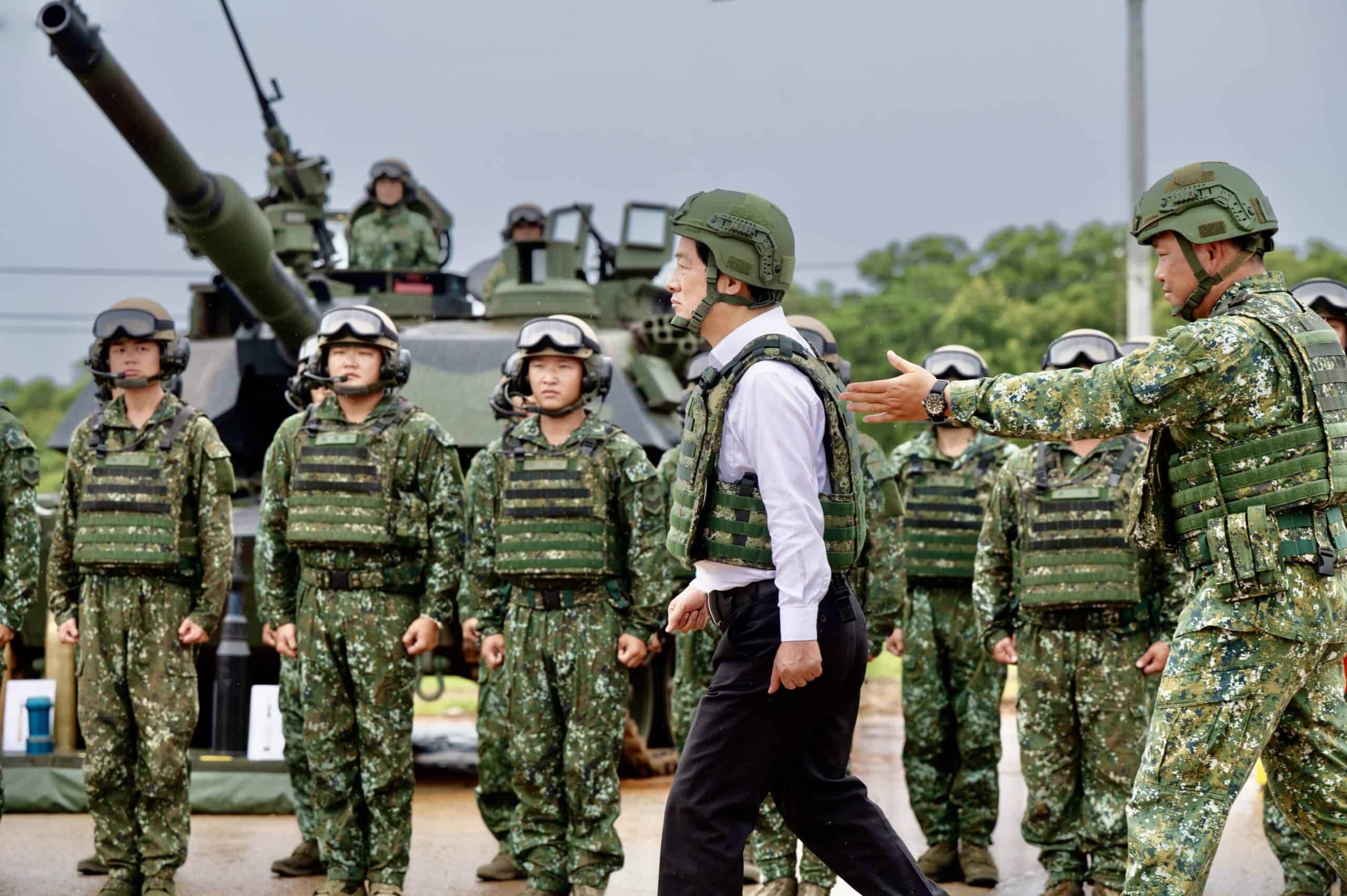
…the Lai administration right now, one of its main tasks that they’re trying to achieve is to wake Taiwanese society up to the very real notion that China could attack.
The first group of people are really worried and a lot of them are willing to stand and fight to the end. They’re often doing things like joining civilian resilience movements such as Kuma Academy.
Then you have a lot of people who don’t want to think about it. I have sympathy for these people: imagining what a Chinese invasion attempt would look like, it’s hard not to have very grim thoughts, and most people don’t want to go down those mental pathways. But ignoring it doesn’t really help the cause.
There’s also a lot of people, often older KMT supporters but sometimes young people too, who say “China will never do it”. Amongst some older people there’s this attitude that “it’s too hard, they can’t do it”. That was indeed true for most of the decades that PRC has been threatening Taiwan. But things have changed.
I’ve also heard younger people say things like “China would never do that, it would tarnish their image”; it’s like they know nothing about Xinjiang or Tibet. I remember people not long ago saying China would never crack down on Hong Kong, because it was “the goose that lays the golden eggs”. But they did. I think the Lai administration right now, one of its main tasks that they’re trying to achieve is to wake Taiwanese society up to the very real notion that China could attack.
| MISCELLANEA | |
|---|---|
| BOOK REC | Everyone who covers China should read Spies and Lies by Alex Joske. |
| FAVORITE FILM | 2001: A Space Odyssey |
| FAVORITE MUSIC | Pretty much anything by Miles Davis or Brian Eno. |
| MOST ADMIRED | Harriet Tubman |
That was less of a priority during the Tsai administration [from 2016 to 2024]. When she came to power, the threat posed by China was much lower, and it increased significantly during her tenure. Also, in terms of domestic politics, the previous DPP president was Chen Shui-bian and his term didn’t end very well. After that, the DPP was not trusted as a steady pair of hands, either by Taiwanese voters or the international community.
Tsai came in not wanting to rock the boat too much, and while she did stand up in the face of Chinese threats, she was quite successful at portraying the DPP as a safe pair of hands and a party that wouldn’t disrupt the status quo. The baton has now passed to Lai and his job is now to prepare for the worst case scenario, hopefully to deter China from doing so: to make it too risky for Xi Jinping to feel comfortable pushing the button.

Paddy Stephens is a freelance tech and energy journalist based in Taipei. He has written for The Economist, Financial Times, and Sinification newsletter, and is the author of The New Space Race Substack.