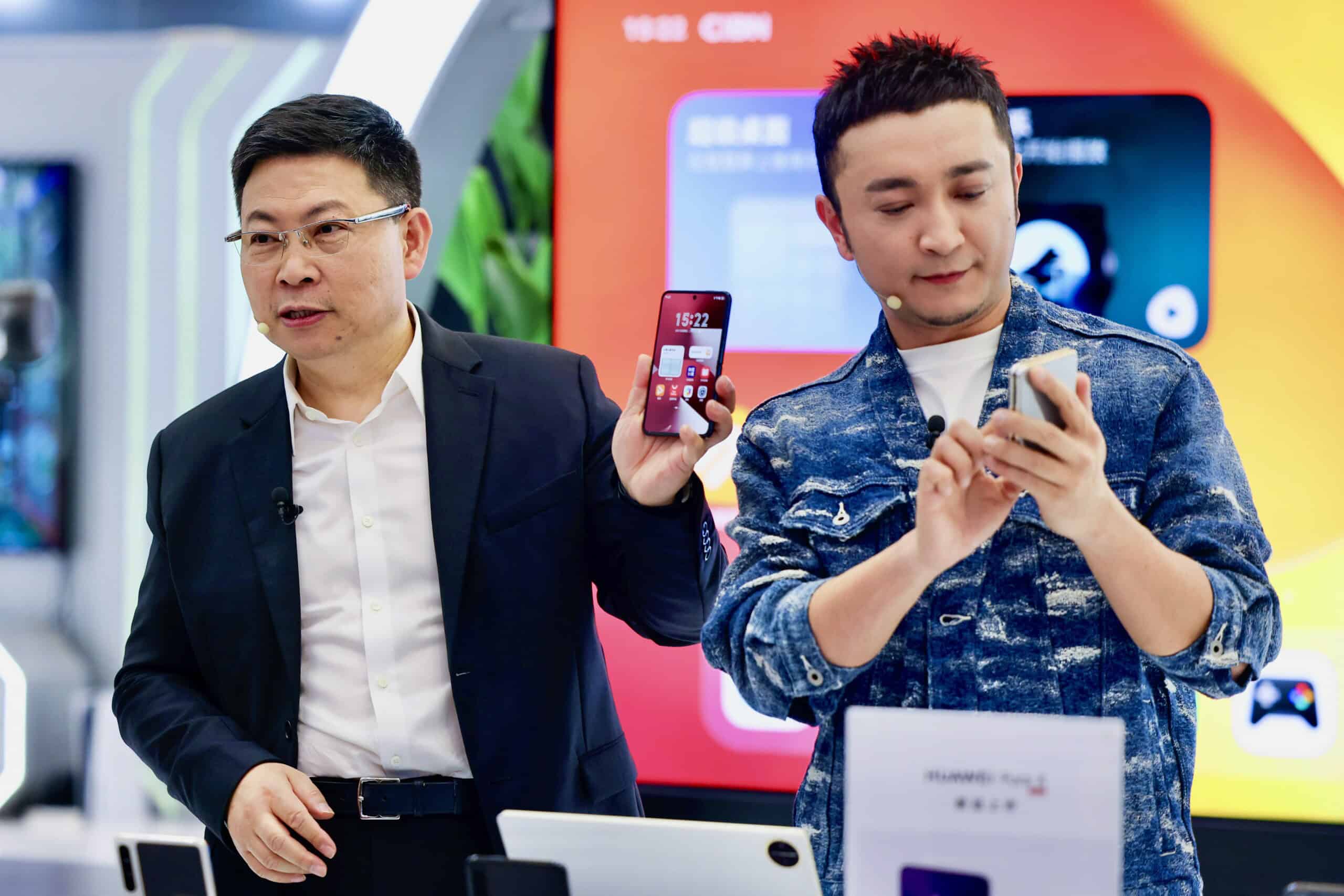
Despite three administrations’ bipartisan efforts to restrict China’s technological advancement, our adversaries continue to evade American export controls at an alarming rate and are keeping pace with America’s strongest companies. The Trump, Biden, and now second Trump administrations have all wielded export restrictions as a key tool — yet Chinese firms like DeepSeek are developing advanced AI while Huawei recently released a sophisticated smartphone despite years of sanctions.
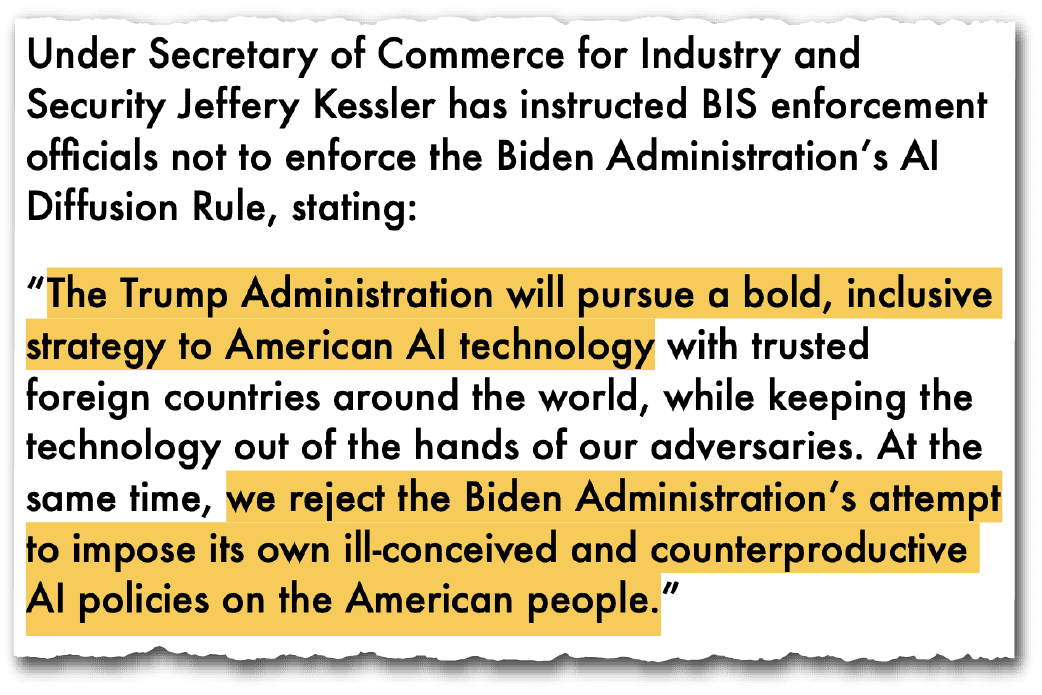
The United States and China are locked in a multi-decade struggle for global leadership. At the heart of this competition lies the question of who will develop and control next-generation technologies. While the Trump administration this week rescinded the Biden administration’s AI Diffusion Rule on export controls, with reportedly plans to replace it, the situation remains unchanged: our export control regime has not modernized or grown with the times and requires an overhaul to meet today’s challenges.
Given China’s success in hardening its economy against sanctions, export controls have evolved into a cornerstone of American national security policy. The U.S. has wielded these controls to try to sever technology access for major Chinese firms like Huawei and, more recently, to block China’s acquisition of advanced chips and equipment essential for artificial intelligence systems. Similarly, these controls have constrained Russia’s military-industrial capabilities, forcing Putin to source weapons from Iran and North Korea.
Policymakers must be strategic, embedding export controls within broader initiatives — such as complementing semiconductor restrictions with investments in domestic semiconductor development.
Recent policy innovations expand our controls beyond specific technologies to address China’s strategic goals outlined in their Made in China 2025 plan. This approach recognizes that restricting only specific items is insufficient when adversaries can repurpose seemingly benign technologies for military applications.
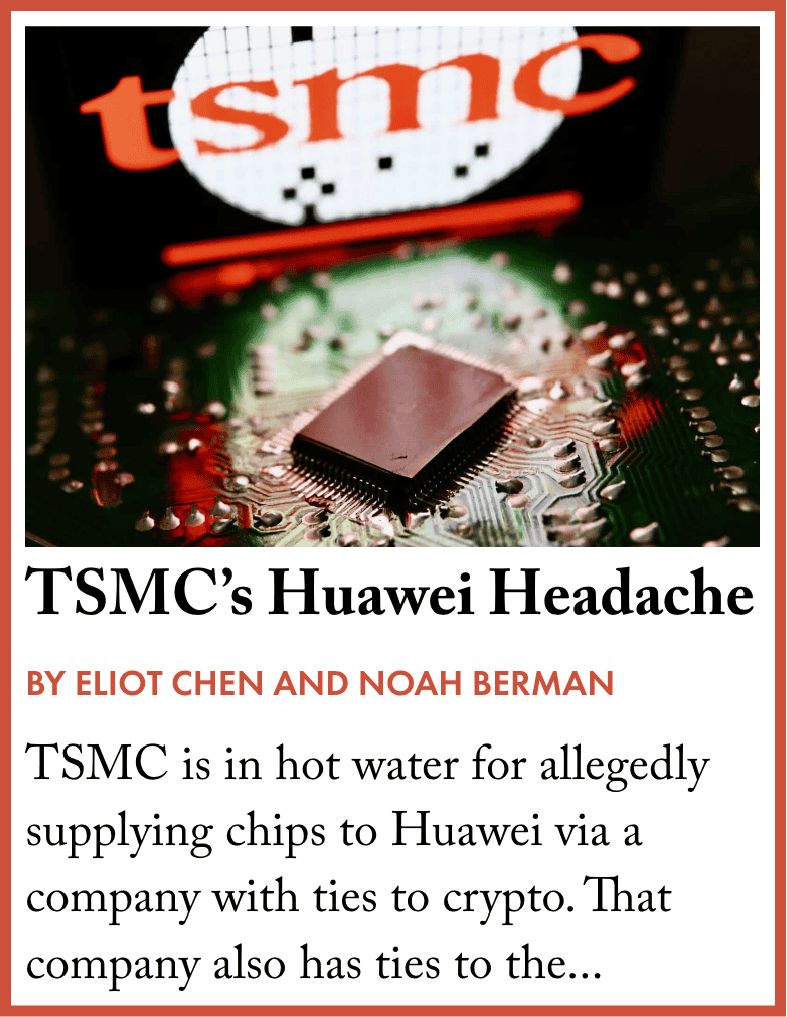
Yet, alarming gaps separate export controls as written from their actual enforcement. Put simply: China and Russia are eating our lunch. China has established sophisticated networks of front companies that have successfully imported (or smuggled) advanced chips worth hundreds of millions of dollars. Key U.S. allies remain hesitant to fully align with American restrictions, while China rapidly develops indigenous supply chains beyond Western oversight. Meanwhile, Russian missiles and drones continue to incorporate Western components, acquired through intermediaries that circumvent existing safeguards.
Following the 9/11 terrorist attacks, the U.S. government launched a deliberate campaign to operationalize financial sanctions, ensuring terrorist groups could no longer transfer vast sums through global banking networks. This effort had three critical components.

First, the Treasury Department established a dedicated financial intelligence office to track illicit money flows, enabling targeted sanctions and identifying red flags shared with the private sector. Second, officials pursued aggressive enforcement against major global institutions like BNP Paribas and HSBC, imposing billions of dollars in penalties. These fines compelled banks worldwide to develop sophisticated “know your customer” (KYC) systems to identify front companies, block sanctioned entities, and halt illicit transactions. Third, the government invested in the Financial Action Task Force (FATF), a multilateral organization that evaluates countries’ anti-money laundering frameworks and pressures those with inadequate systems to strengthen them.
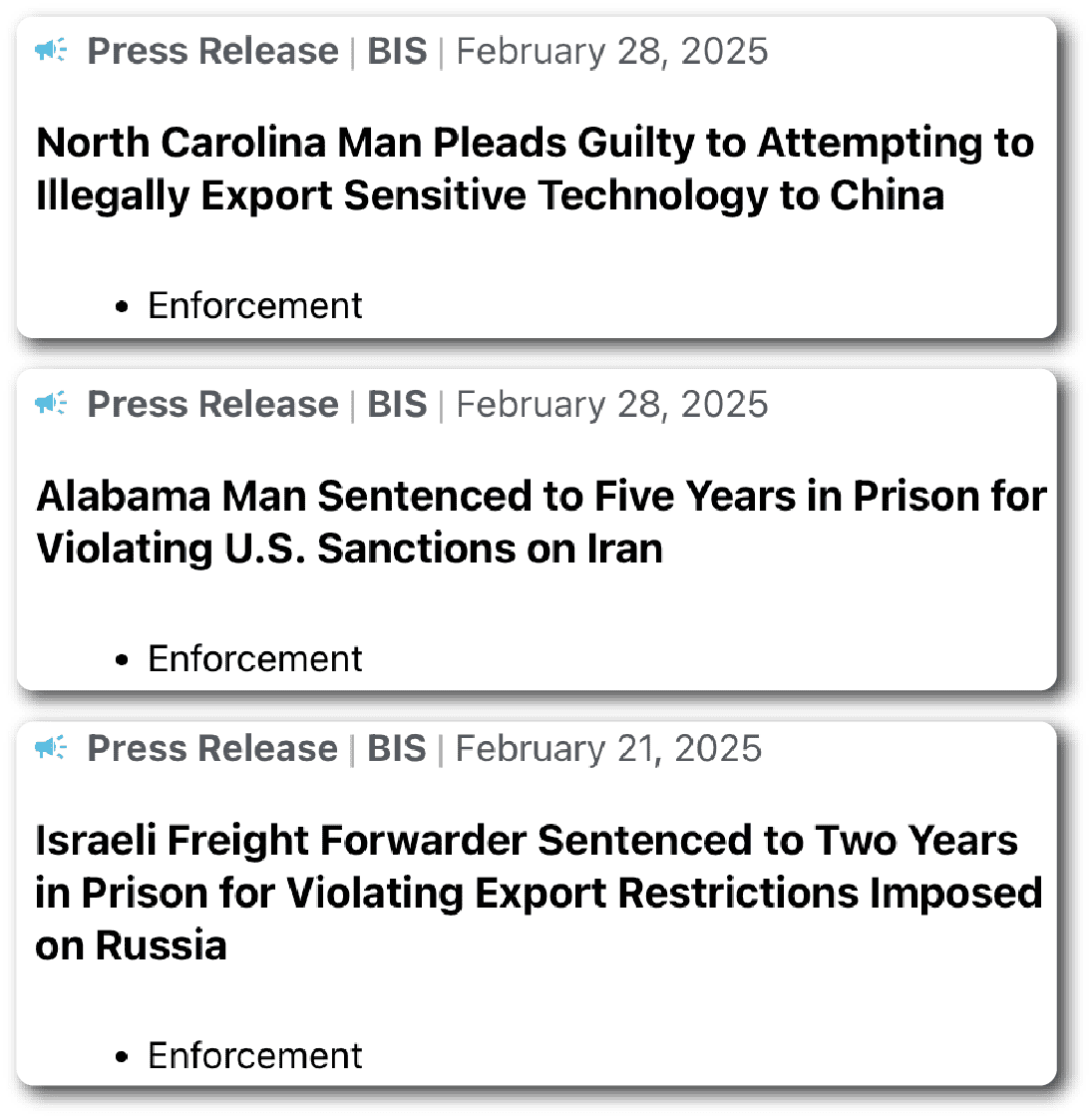
The U.S. urgently needs a parallel initiative focused on export controls to counter Chinese and Russian evasion tactics. This would begin by significantly empowering and expanding our Commerce Department’s export control arm known as the Bureau of Industry and Security. This bureau requires enhanced staffing, greater intelligence community and law enforcement support, and resources for technology, analysis, and real-time intelligence sharing with industry. It also needs an enforcement approach that, like Treasury’s transformation nearly 25 years ago, pushes companies to overhaul compliance operations and close gaps that front companies exploit.
Beyond strengthening our export control capabilities, just as the U.S.-China Economic and Security Review Commission recommended last year, the Trump Administration should establish a Joint Interagency Task Force with dedicated budget and staff. This task force would assess and implement aggressive strategies to limit China’s access to advanced technologies that pose national security risks. Drawing expertise from Commerce, Defense, State, Treasury, and Energy, along with the intelligence community, the task force would evaluate existing export controls, design new controls that maximize impact while minimizing economic disruption, and recommend new authorities, institutions, and international arrangements. This whole-of-government approach would ensure that export control policy receives the strategic attention it deserves.
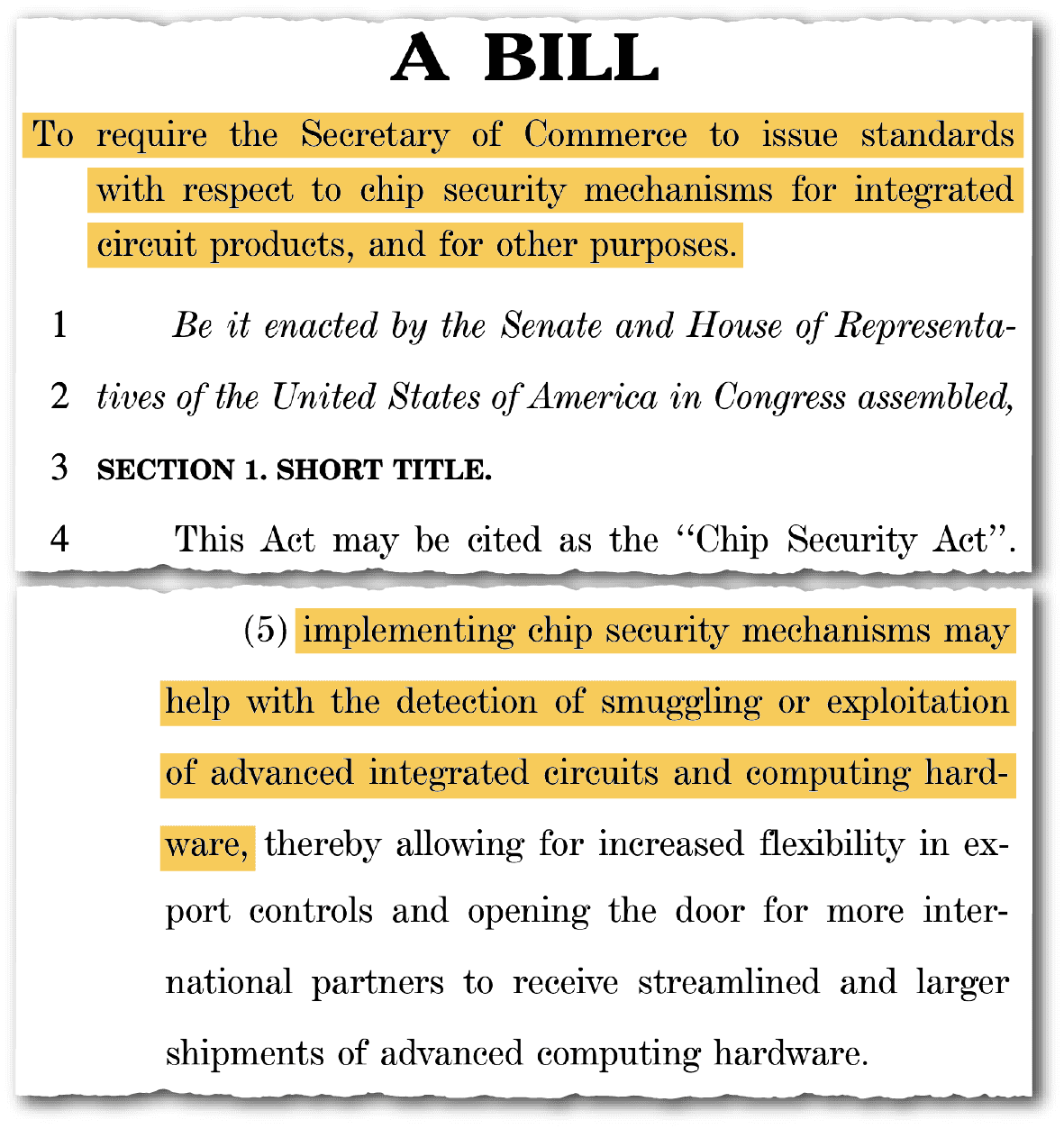
Commerce should also increase its partnerships with industry to develop practical compliance solutions. Consider tracking technology: while a $25 consumer AirTag can monitor a suitcase globally, manufacturers of multi-million-dollar advanced equipment could implement similar capabilities to prevent diversion to China. Just as your phone can tell you when your luggage arrives at baggage claim, a chip manufacturer should know if their products end up in Beijing rather than Barcelona. Government and industry must also implement robust verification systems, building on initiatives like a recent partnership with a UK non-profit that helps exporters identify high-risk resellers.
Further, there needs to be deepened connections between sanctions and export control mechanisms. A sustained campaign to sanction foreign companies reselling prohibited U.S. technology would increase costs for smuggling operations. Treasury and Commerce have recently coordinated to encourage banks to investigate financing of high-tech sales to Russia — an initiative ripe for expansion to address semiconductor sales to China. This cooperation should become a permanent, strategic effort.
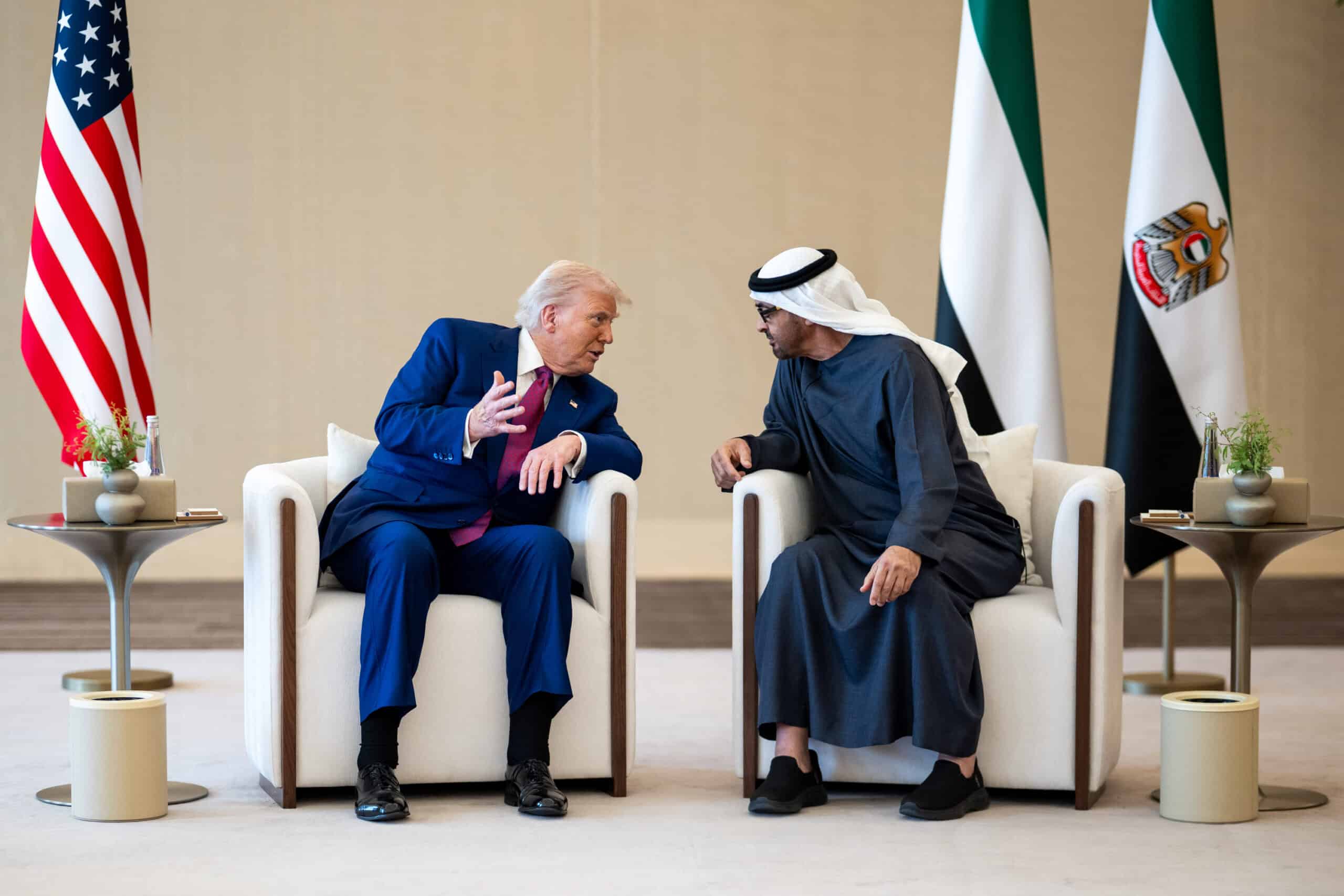
Finally, reinforced diplomacy is essential. During the Cold War, the U.S. and allies operated CoCom, a joint organization assessing exports to the Soviet bloc. Today’s export control diplomacy occurs informally through the G7 and ad hoc coalitions. We need our partners to join us in a unified approach that closes smuggling loopholes. The U.S. and allies should also pressure known evasion hubs like Turkey and the UAE to implement stronger countermeasures, similar to FATF’s approach with banking regulations.
While export controls cannot single-handedly maintain America’s technological edge over China or completely degrade adversaries like Russia, modernizing our export control framework will significantly complicate China’s acquisition efforts. Some industry stakeholders may resist these proposals, but the status quo is failing. Policymakers must be strategic, embedding export controls within broader initiatives — such as complementing semiconductor restrictions with investments in domestic semiconductor development. With proper investment and implementation, export controls can become a powerful weapon in America’s technological arsenal.

Mike Kuiken is a Distinguished Visiting Fellow at the Hoover Institution at Stanford University and a Commissioner on the U.S.-China Economic and Security Review Commission.
Randall Schriver is the Chairman of the Institute for Indo-Pacific Security (formerly Project 2049) and the Vice Chair of the U.S.-China Economic and Security Review Commission.