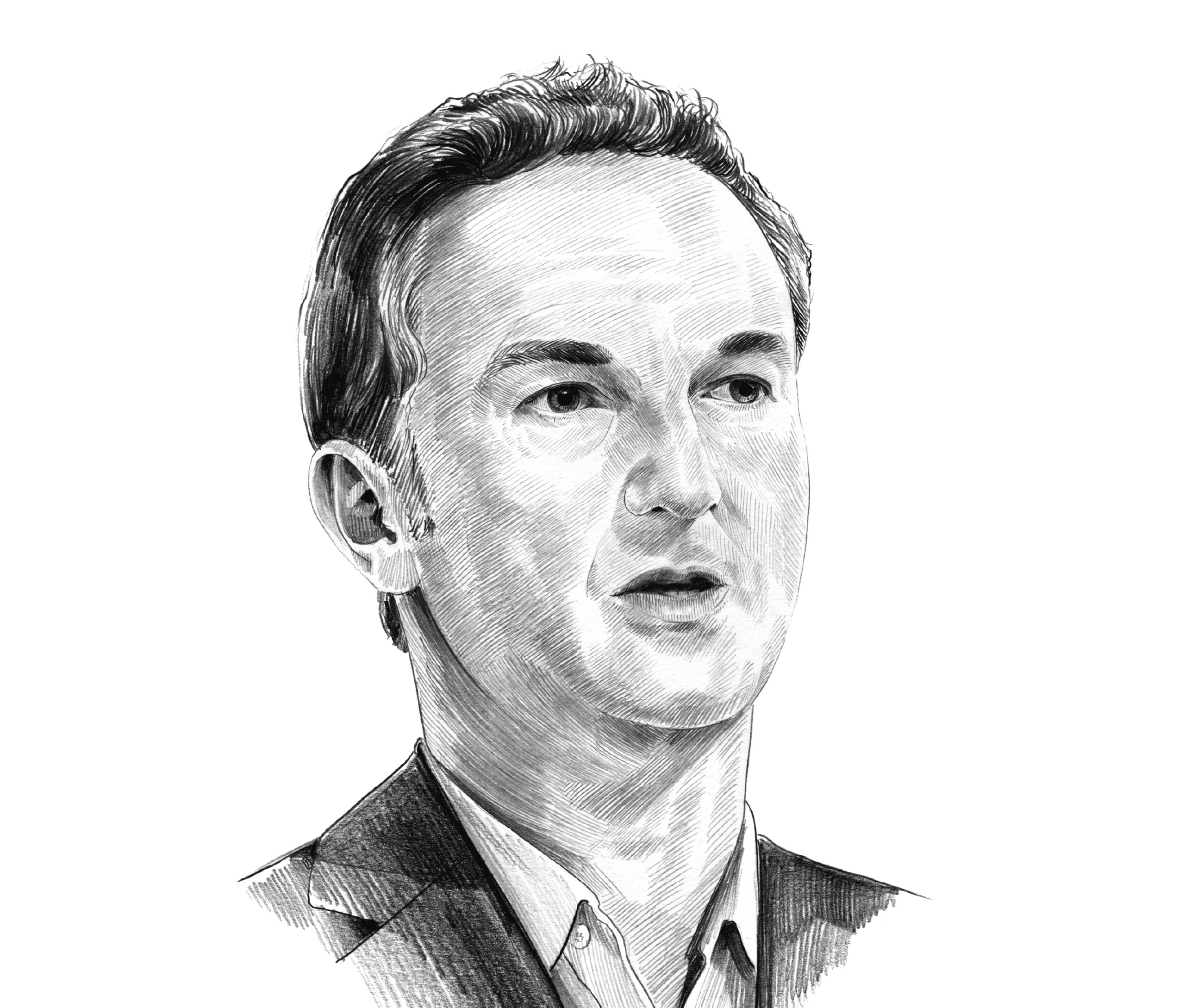
Henry Huiyao Wang is the founder of the Center for China and Globalization, a think tank based in Beijing. He has been an advisor to several Chinese government bodies, including the State Council, China’s cabinet. He’s also a prolific scholar and previously served as chief trade representative in Hong Kong for the Canadian province of Quebec. In April, he led a delegation of Chinese scholars on a trip to the United States, where they met with academics and business leaders. It was the first such trip to the U.S. by a Chinese think tank since President Trump unveiled his “Liberation Day” tariffs. Below is a condensed and lightly edited transcript of a recent conversation that took place in New York.
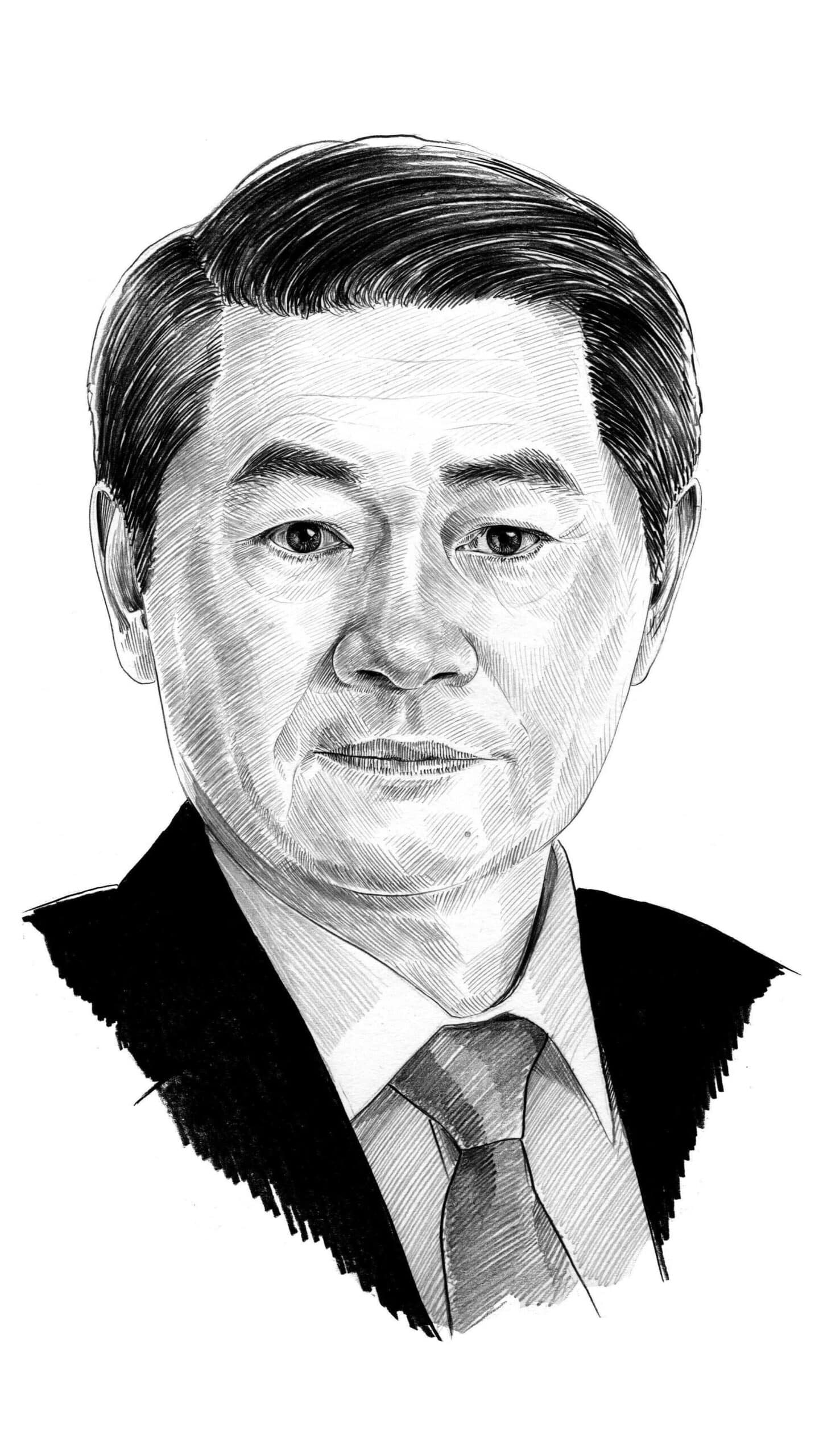
Illustration by Lauren Crow
Q: You lead a nongovernmental think tank in Beijing. What do you think is the role of your organization? Who is the audience?
A: My think tank Center for China and Globalization (CCG) was established in 2008, right after the Beijing Olympics, whose motto was “one world, one dream.” I wanted to build a think tank that connects China and the world. The audience is basically policymakers in China, but also outside China. Our motto is “global vision for China, and China’s wisdom for the world.”
Think tanks in the U.S. have a revolving door with the government. China has a blurrier line between the government and civil society. How do you maintain your independence?
First of all, your funding has to be independent. We are largely funded by the private sector, by businessmen, by other non-government sources, and also by some fundraising and the sponsorship of multinationals.
We hire our own people. We have about 100 events in China on a yearly basis. All our events are publicly aired without censorship, whether it’s a foreign ambassador or someone from a foreign think tank speaking: we have many of those on our website, on our Twitter, on our YouTube and LinkedIn accounts. All of them are completely uncensored, public, and published. We’ve also published over 100 books now: with all these books, there has been no censorship.
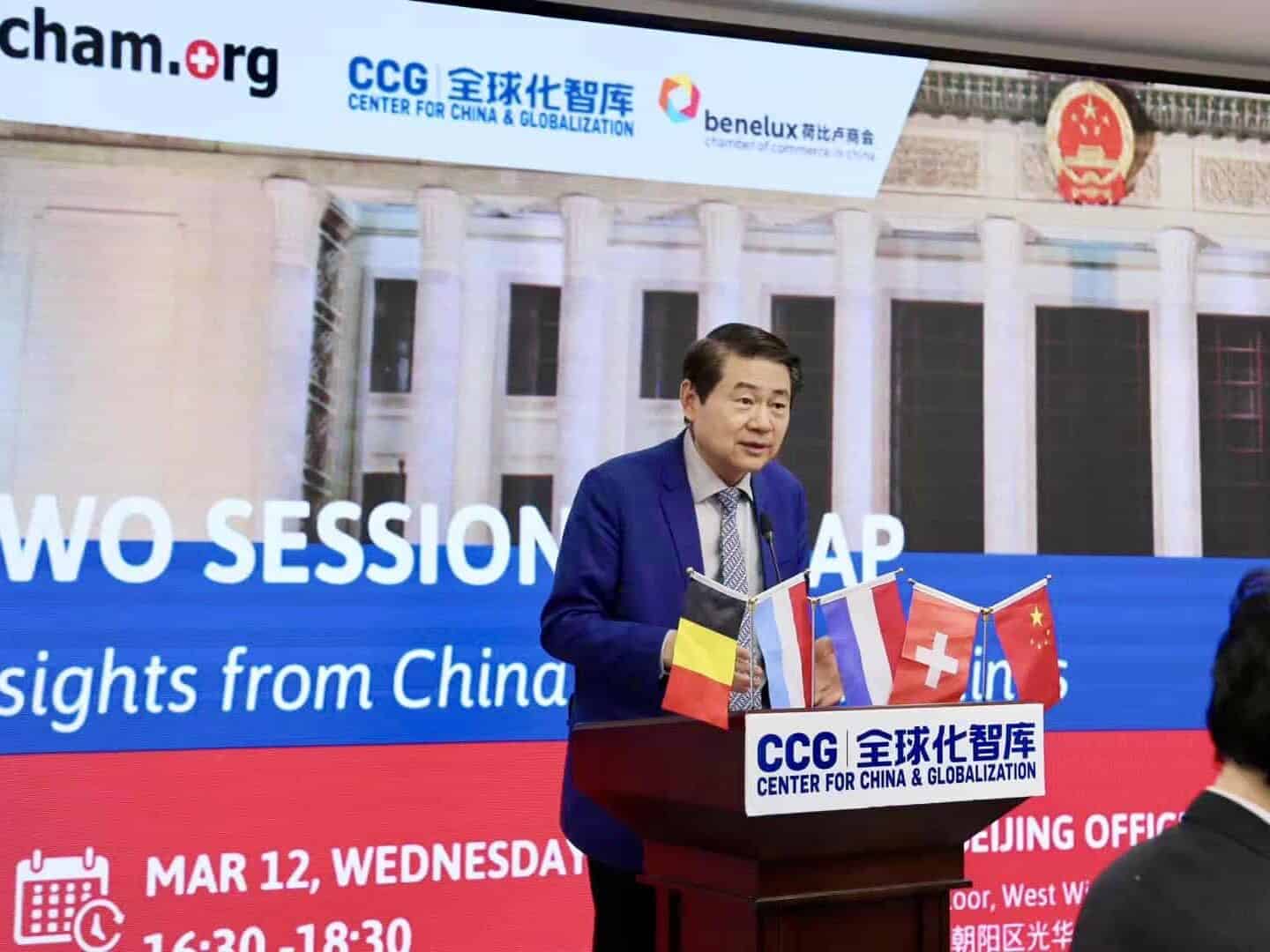
We’re not really stopped or forbidden to do anything by the government. We’re managing to maintain a good relationship with the government and outside world, but we maintain our independence and we are a bridge builder between China and the outside world.
One issue that sometimes comes up is that you’ve been associated with the United Front, which seeks to influence public opinion abroad in favor of Beijing’s policies. Why should foreign audiences perceive you as independent from the government?
That was not substantiated. Any organization in China is governed by the party in power, which is the CCP. We’re non-governmental, but that doesn’t mean we are anti-government.
I think the reason some people thought we are related to the United Front is because there is a social organization in China, called the Western Returned Scholars Association. I had a social post there as a vice president. The WRSA has a more than 110-year-old history, longer than the Communist Party of China. It was founded by some prominent western returnees, such as Tsai Yuan-pei, the then president of Peking University, and Jeme Tien Yow, the first Chinese railway designer in China. It’s a very prestigious organization in China. They have 300,000 members, students who have studied in the U.S., Europe, Japan, and in many other Western countries.
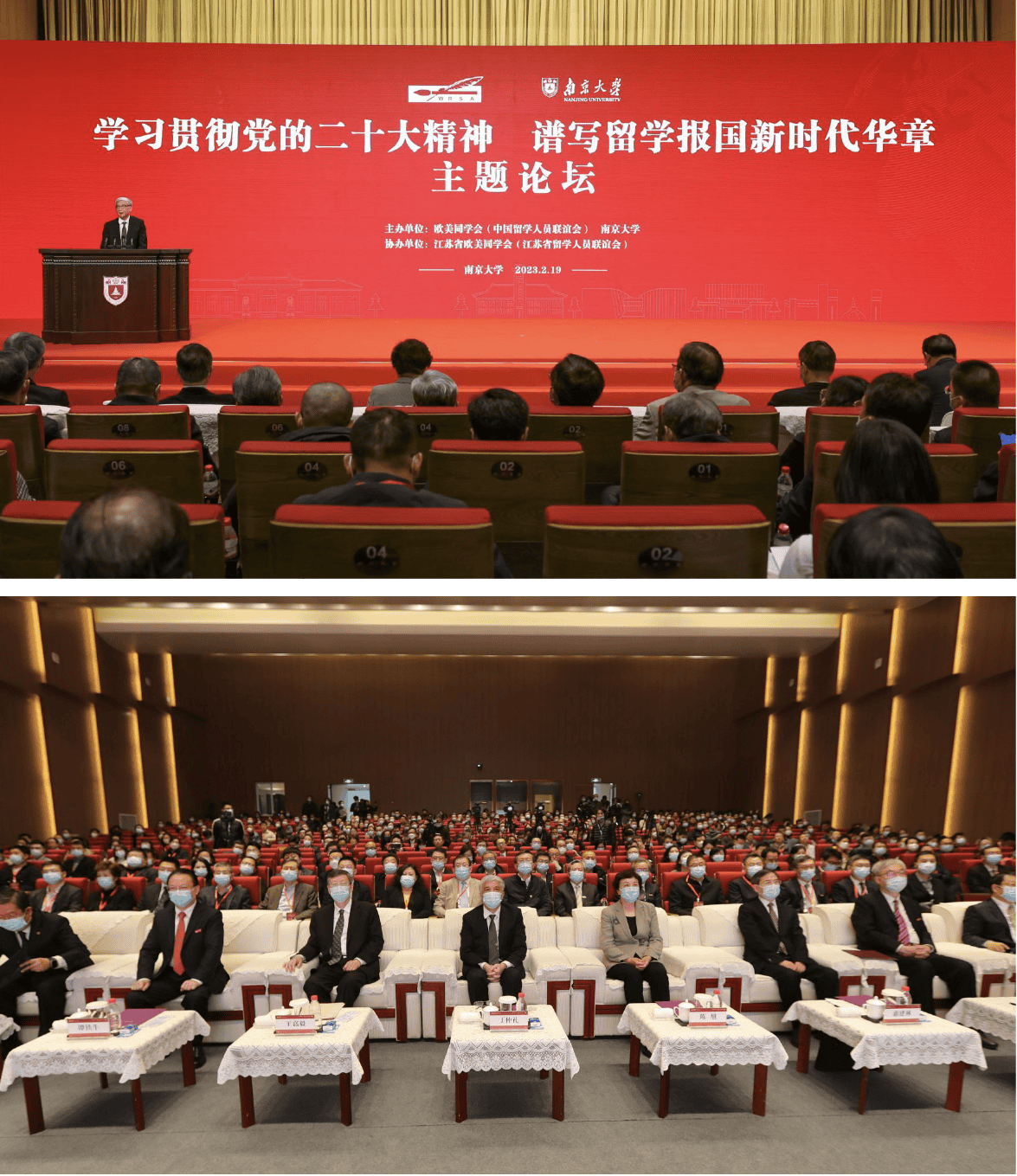
That organization is under the leadership of the government. It just happens to be [under the jurisdiction of] the United Front. All government organizations in China have to have a party stand-in or party position. That doesn’t mean you cannot do your own work. It doesn’t mean you have to negatively influence others. The WRSA is part of things like helping students to settle down when they come back to China: we help them to start a business, or to be social, even on personal matters: networking, dating, finding your spouse etc. I was actually the founder of the WRSA Chamber of Commerce. Those are very normal things to do. It doesn’t mean you’re going to overthrow the government or influence foreigners. I think there’s a lot of unjustified criticism about that.
On an archived version of your website, you said that you were on an expert advisory committee for the United Front Work Department.
Being an expert for the United Front doesn’t mean you’re doing bad things. Being an expert to advise on how to help returnees, I wasn’t wrong to do that. And also that was only for a few years —three, four years, that’s all. I used to be [an expert advisor to the committee], but that doesn’t mean you’re that forever. Furthermore, I am no longer holding any positions in WRSA and am not an adviser to any United Front organization. I am not even a CCP member.
| BIO AT A GLANCE | |
|---|---|
| AGE | 66 |
| HOMETOWN | Chengdu, Sichuan Province |
| FATHER’S HOMETOWN | Hangzhou, Zhejiang Province |
Let’s move onto U.S.-China relations. Right now, they seem to be at a low point. Do you think this is a new Cold War?
Certainly, there’s a cold war mentality. If we are not careful, we are going to slide into a Cold War, and even a hot one. So it’s extremely important that we have a good understanding of each other.
Does China know what President Trump wants?
President Trump has passed his message on very clearly, but sometimes there’s confusion as well. He has said very good things about China, and yet he’s also launching a trade war on China.
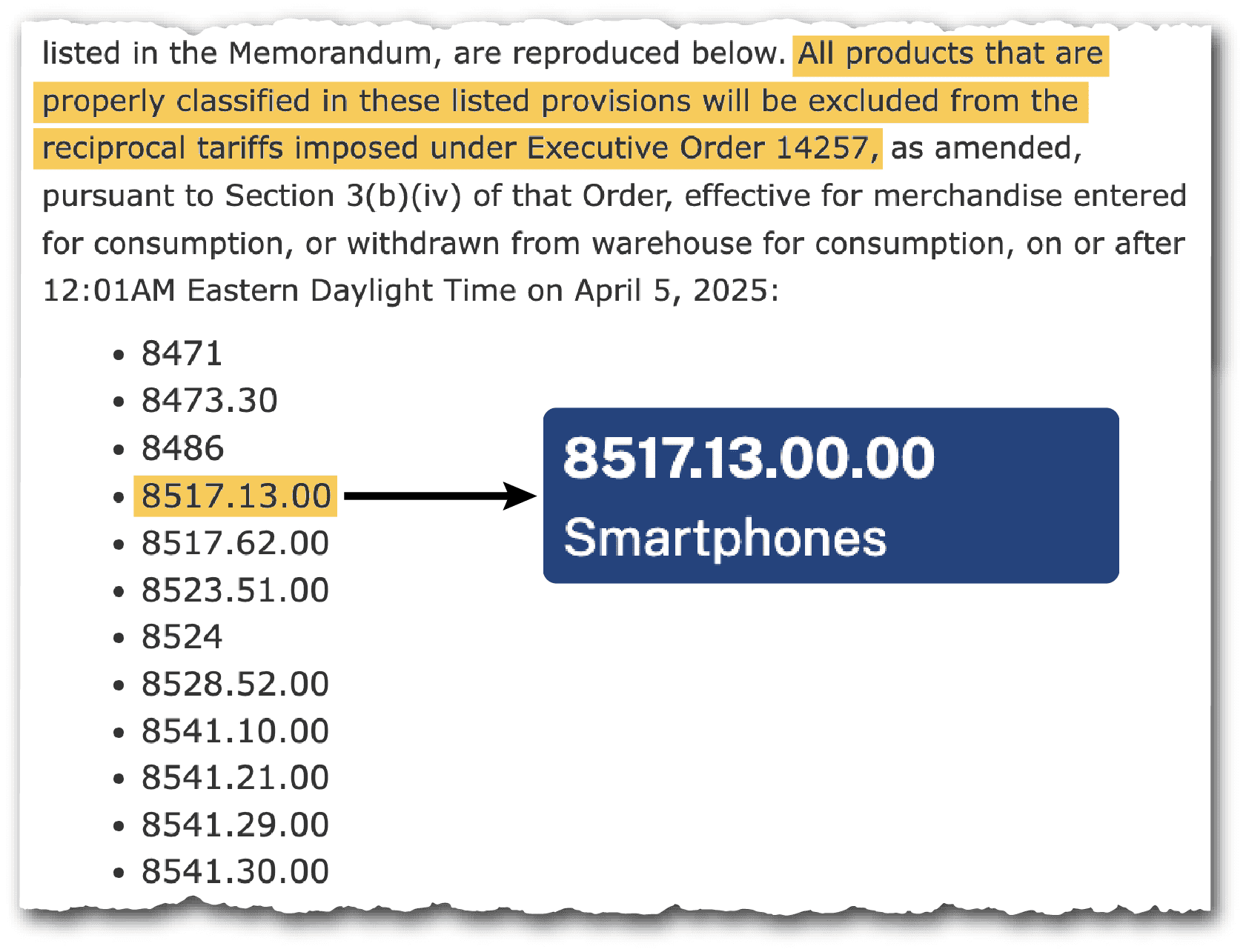
The narrative needs to be updated. He has been saying China has ripped the U.S off. But it’s not really correct to say that. For example, China has enjoyed a big surplus with the U.S. on merchandise trade, but that is largely multinationals. They make up one-third of China’s import-export trade. You can see President Trump already relaxing tariffs on iPhones and computers. 80 or 90 percent of iPhones are made in China. So out of this $300-400 billion trade deficit the U.S. has with China, a big chunk of that is due to multinationals exporting.
The other thing is that the U.S. has enjoyed a huge services trade surplus with China. They have a $1 trillion service trade, and a $300 billion surplus — a big chunk of that is from China.
I just can’t imagine that the U.S. is going to dominate everywhere. So if China, India, or ASEAN has manufacturing, let’s enjoy our comparative advantage. It is not fair for President Trump to criticize China for ripping America off.
You also have U.S. dollars used in most trade settlements. That has made a lot of investment come to the U.S. The U.S. has a deficit because it is printing a lot of dollars to buy stuff from the world. So they must have a deficit in merchandise. China is also the second largest holder of U.S. debt.
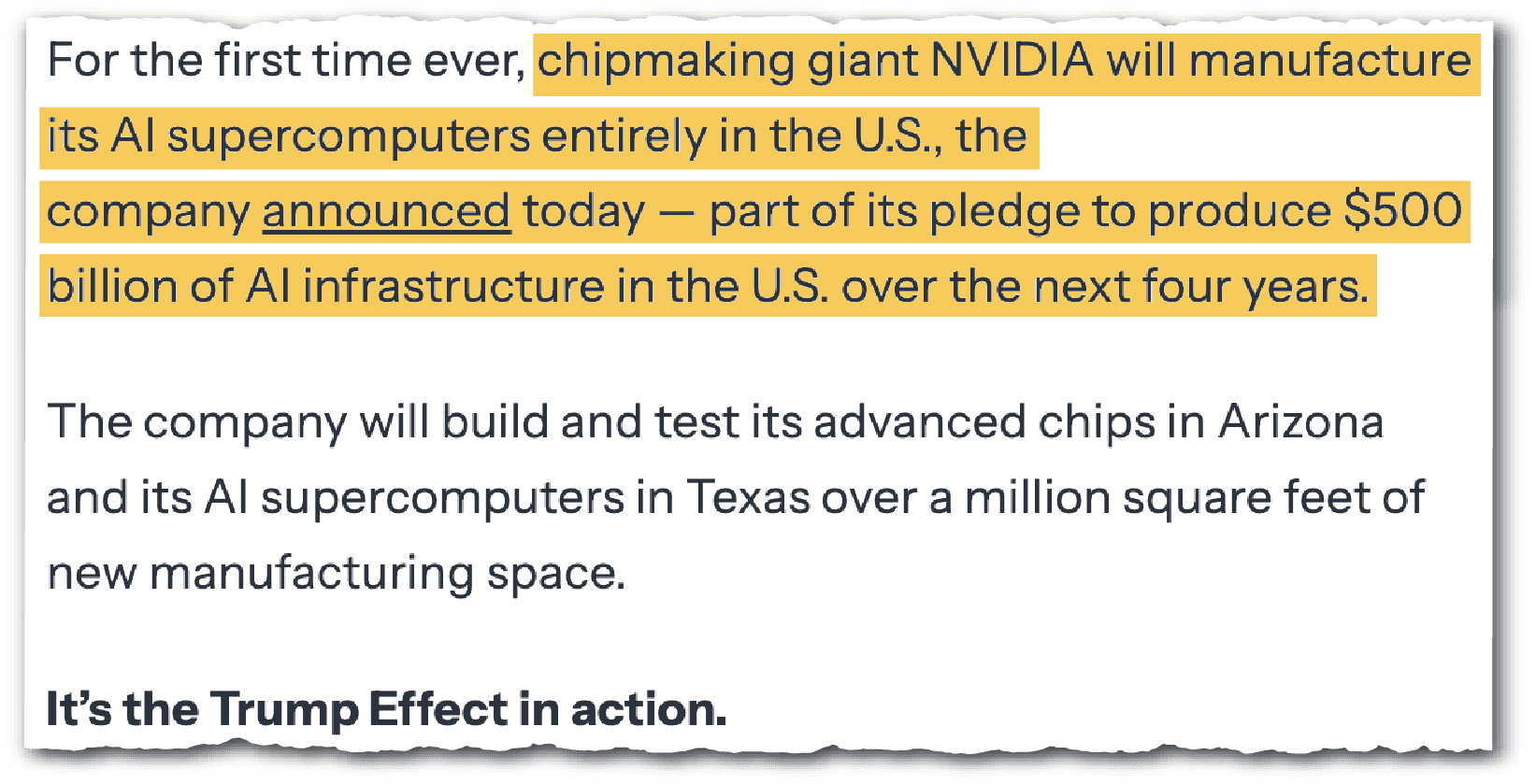
Finally, the U.S. is deliberately getting out of those heavy-duty, dirty-laundry, environmentally unfriendly manufacturing jobs to concentrate on high-tech, on biotech, on digital, crypto, or AI. They are dominant in those areas. And the U.S. has a big surplus on global talent harvested from around the world. In the U.S., 30 percent of AI talents come from China.
I just can’t imagine that the U.S. is going to dominate everywhere. So if China, India, or ASEAN has manufacturing, let’s enjoy our comparative advantage. It is not fair for President Trump to criticize China for ripping America off.
Trade talks are now underway. Do you think they will lead to some form of deal?
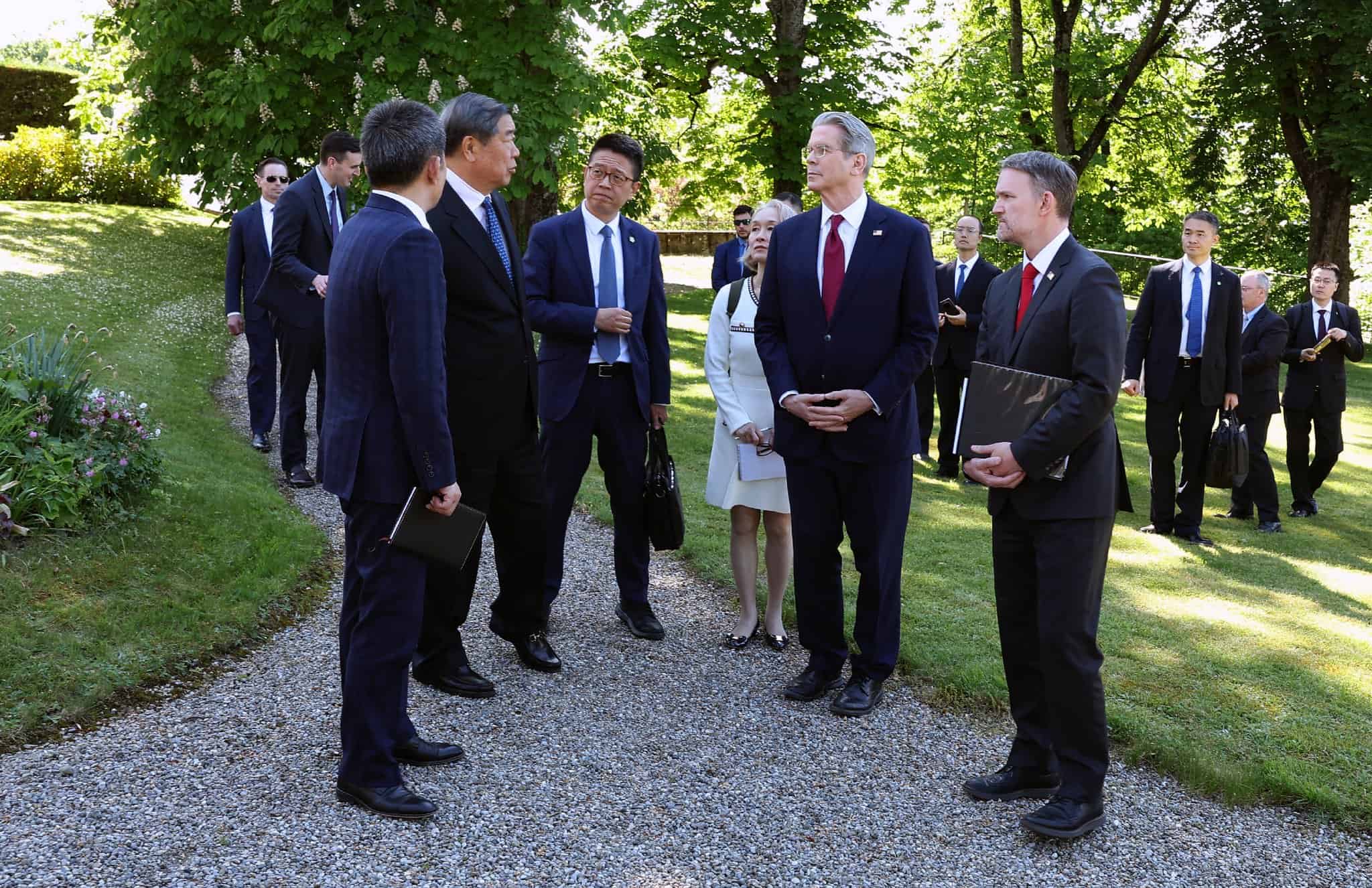
This trade war cannot be sustained. You see a lot of pressure built up in the U.S.and it’s affecting China too. There must be a way to deescalate. Certainly the 20 percent of the tariffs due to fentanyl should come down. The fentanyl death rate dropped almost 30 percent last year. This is low-hanging fruit that can easily be resolved.
But if a deal is made, any changes that either side makes would likely depend on each side viewing the other as credible.
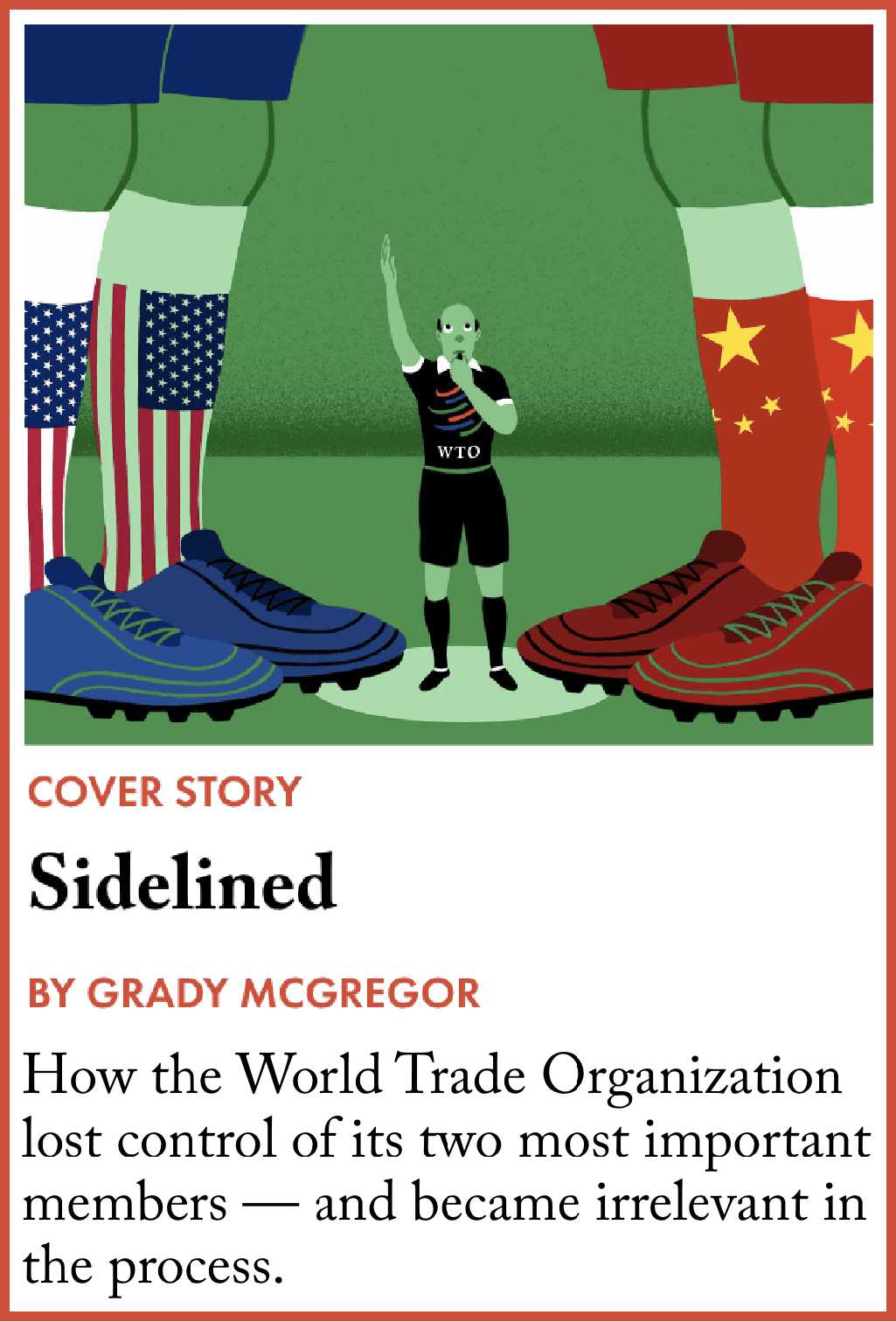
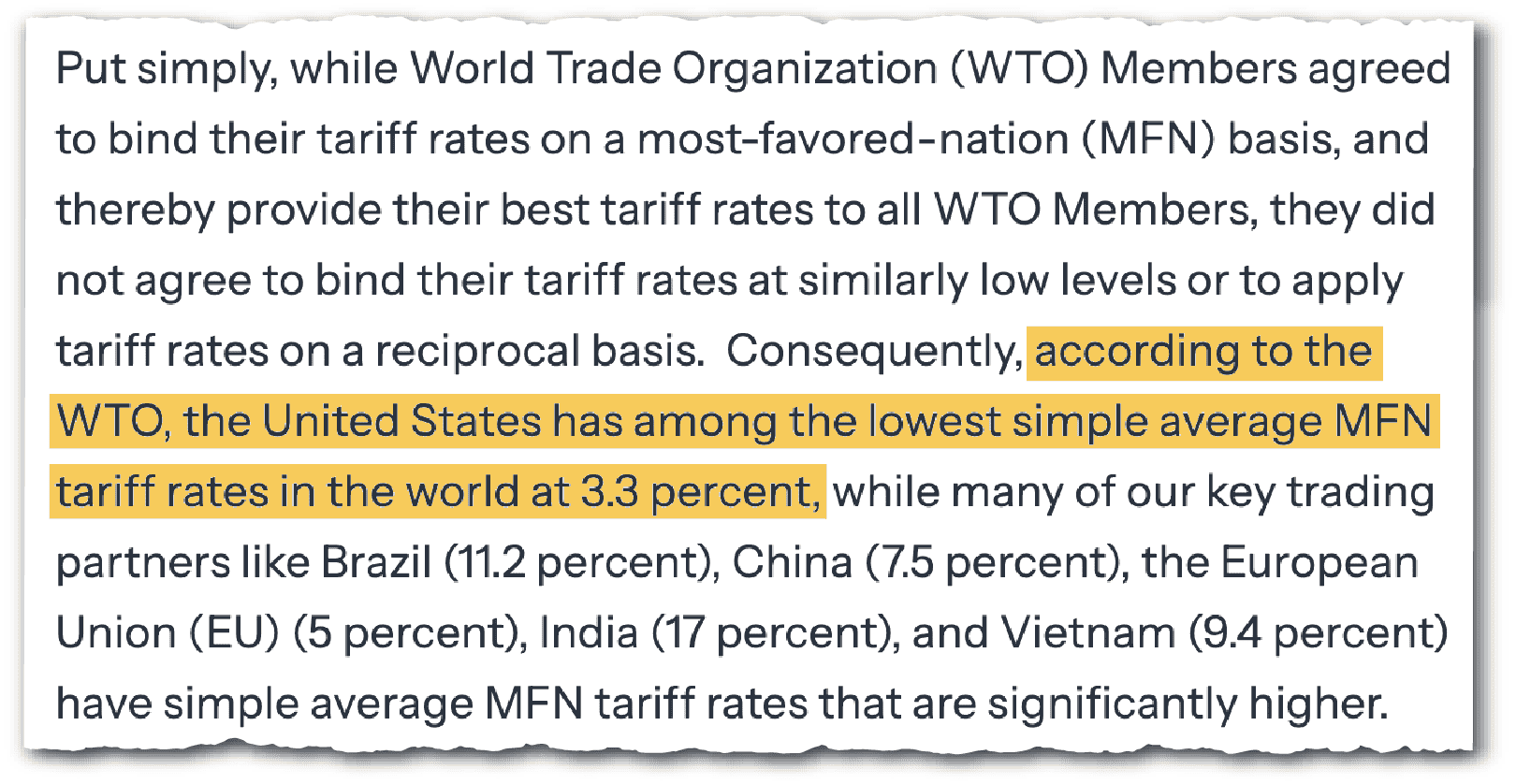
We had the Phase One deal, but it was not successfully completed due to Covid. So I think we shouldn’t use that as a reference. But in general, China [is a good partner to] many countries. Even with the World Trade Organization, China has largely honored its commitments there. China also voluntarily gave zero tariffs to 43 developing countries, which is not required by the WTO. So I think that if the U.S. and China make a deal, it would be very good for both countries to carry through with that.
Does China see the United States set on an anti-China path in the foreseeable future? Biden was hard on China. Trump was hard on China. Does it expect that to last?
There’s some structural problems between these two largest economies now, and their governance models, their cultures, their histories, backgrounds — it’s so different. But that doesn’t mean they cannot get along as peers, coexisting peacefully.
They can talk, for example, about how they can maintain good global governance, how to improve the current Bretton Woods system that the U.S. has led, how they can maintain the United Nations. They are equal now in both contributing above 20 percent of the UN’s budget. About the WTO, if the U.S. is not happy, how can we reform the WTO?
Administration after administration, there’s always changes and vetoes for the sake of vetoes. The big thing that we have to think about in the long term, is how the two largest economies, for the sake of 8 billion people, need to find a way to coexist. We cannot afford to have a war. If we have a hot war, we will totally destroy each other and the world. So that option is not there. If people realize that option is not there, then they have to sit down to find a way to coexist.
You mentioned earlier that the Trump administration says that China has ripped the U.S. off for years. It would argue that China has used open markets to export its overcapacity, and that the WTO system wasn’t designed to allow for that level of market distortion. In this sense, decoupling is about correcting that mistake, about rewriting rules that didn’t achieve their objectives. How would you respond to that?
There are some narratives that are too Western-dominated. For example, in China, you hear that there’s not really a big overcapacity issue. Ten to 15 years ago, Beijing was heavily polluted, and they [Western countries] were worried about China polluting the world. When China realized that, and then China started to improve on that and build green power, Western countries said it was overcapacity.
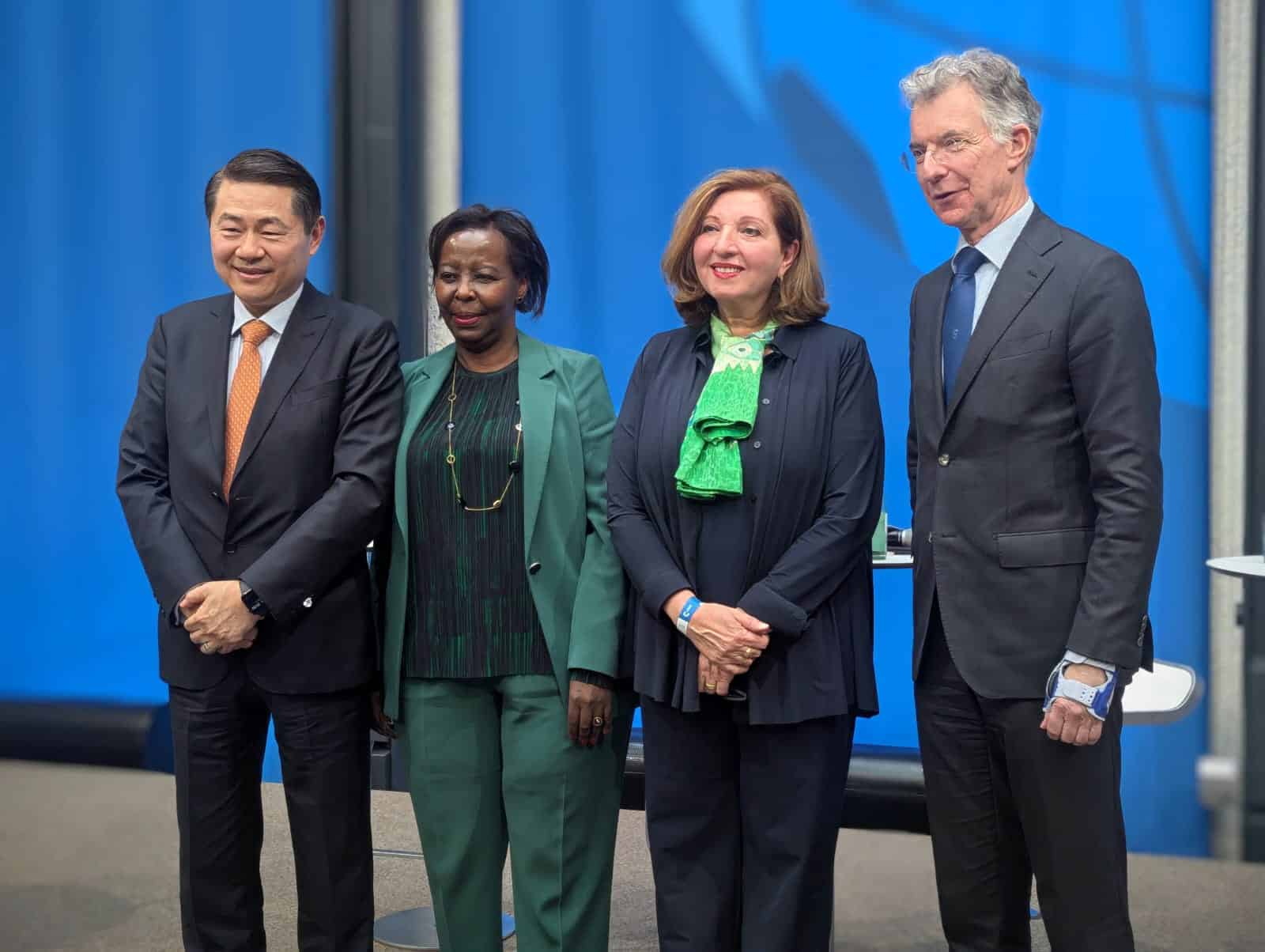
The International Energy Agency says that the world needs to spend $4.8 trillion in green spending. There’s only $1.8 trillion being spent on a yearly basis. I was at the Munich Security Conference, and we organized a big roundtable, and there were quite a few German and Western experts saying, “Look, if China can produce low cost chips, solar panels, let it be. If they can produce cheaply, that would be great.”
They will always say, “Oh, if China produces so many cars, China must be subsidizing overcapacity.” But it’s really not. For example, there are over 100 EV producers in China. But through fierce competition now only a dozen remain.
The other thing is that China does the hard work of innovation. For example, all the German automakers want to be in China, because the state-of-the-art technology is there, the upstream and downstream supply chains are there. So there’s a synergy to produce very cost-effective vehicles.
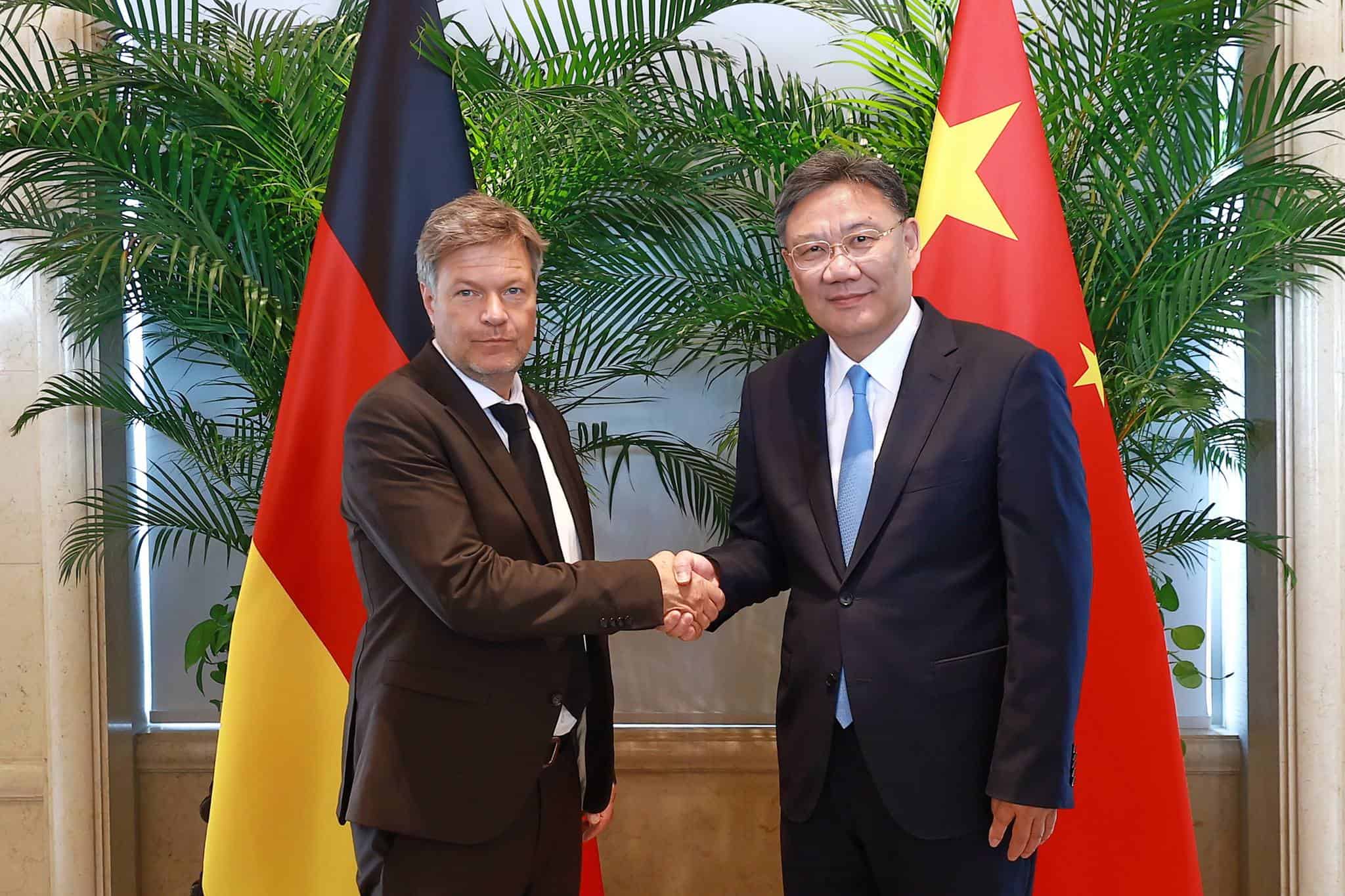
When former WTO Director Pascal Lamy came to my office, we discussed that we should work together. There’s so many German and European automakers in China. They have joint ventures in China. So the JV can really invest back into Germany, invest in Latin America or ASEAN, to help all those countries to build EV capacity. Chinese EV manufacturers want to come to the U.S, but because the environment is so hostile, they’re not going to. If we can improve this political environment, a massive investment into industry could come to the U.S. and help make America great again.
Those points are distinct though. China produces more EVs, for example, or solar cells, than it consumes domestically, and so it exports the rest to the world. And while that can be good for the planet in terms of emissions, it also can have negative effects on the local markets China sells to. Do those markets not need to protect their own industries and jobs?
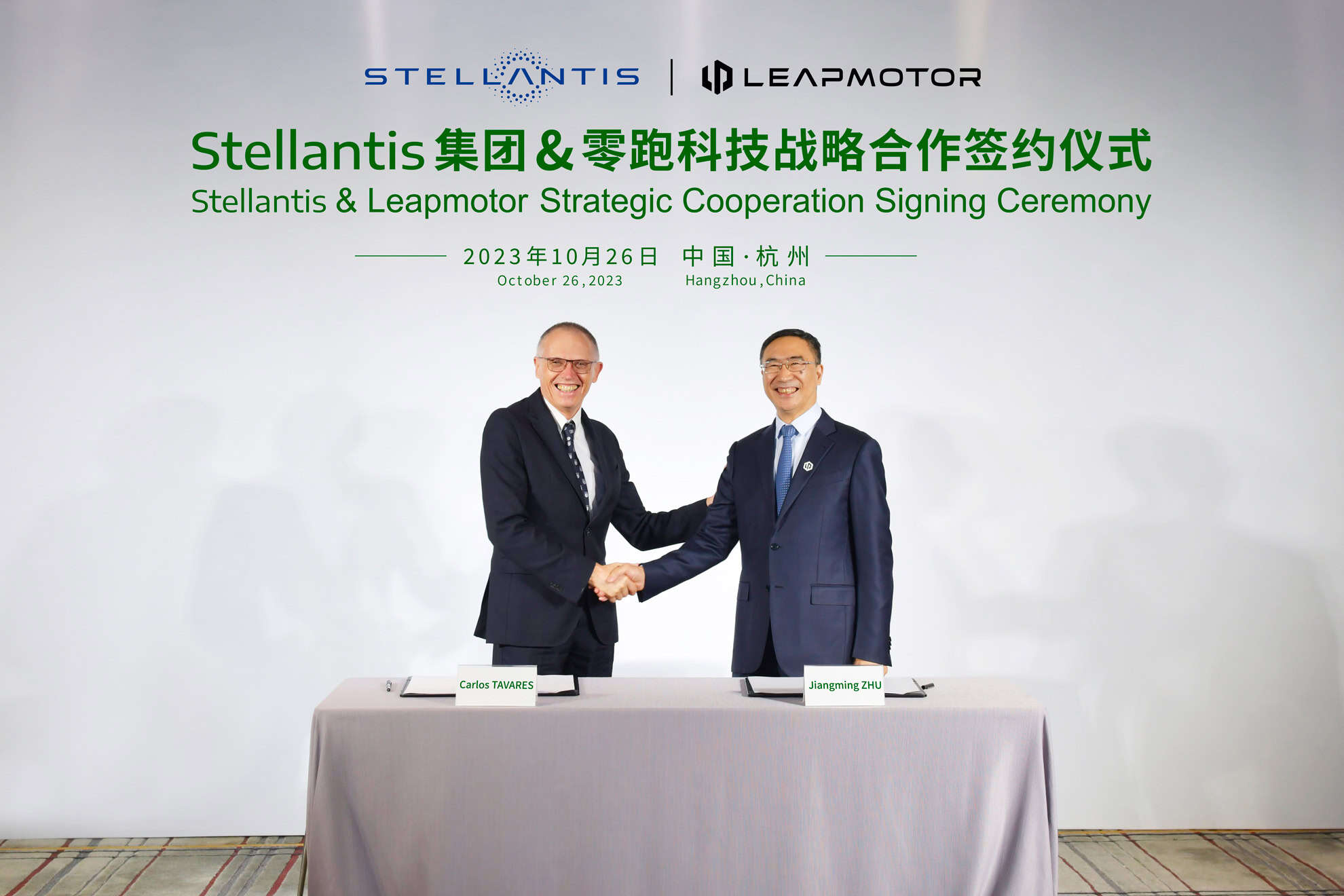
There are ways to solve that. Joint investment in manufacturing in Europe or in other foreign countries is a way to solve this kind of problem. Airplanes were invented in the U.S., and Airbus and Boeing dominate about 90 percent of China’s market. We don’t say Airbus or Boeing is oversupplying. Many years ago, China was flooded by German cars. Volkswagen was everywhere. But now China is coming up. The same thing could happen to other countries too. Joint production, JVs, coinvestment, other negotiation measures, rather than a trade war. Chinese companies can also invest in the U.S. in a big way.
Do you think that Chinese companies will have the appetite for some type of technology transfer to Western companies?
I think so. They are business oriented. Just like BMW, Mercedes or Volkswagen, they want to capture a big market. They are willing to transfer technology. People still think of China from 20 or 30 years ago, as backwards or guarded. China applies for more patents than the U.S. and EU now. You can see how well-connected China is now. That kind of technology can be transferred to other countries.
You’ve said in previous interviews that China is in a better position than the U.S. to win a trade war because it can respond by trading more with other countries. But what will it do if tariffs go up against it around the world?
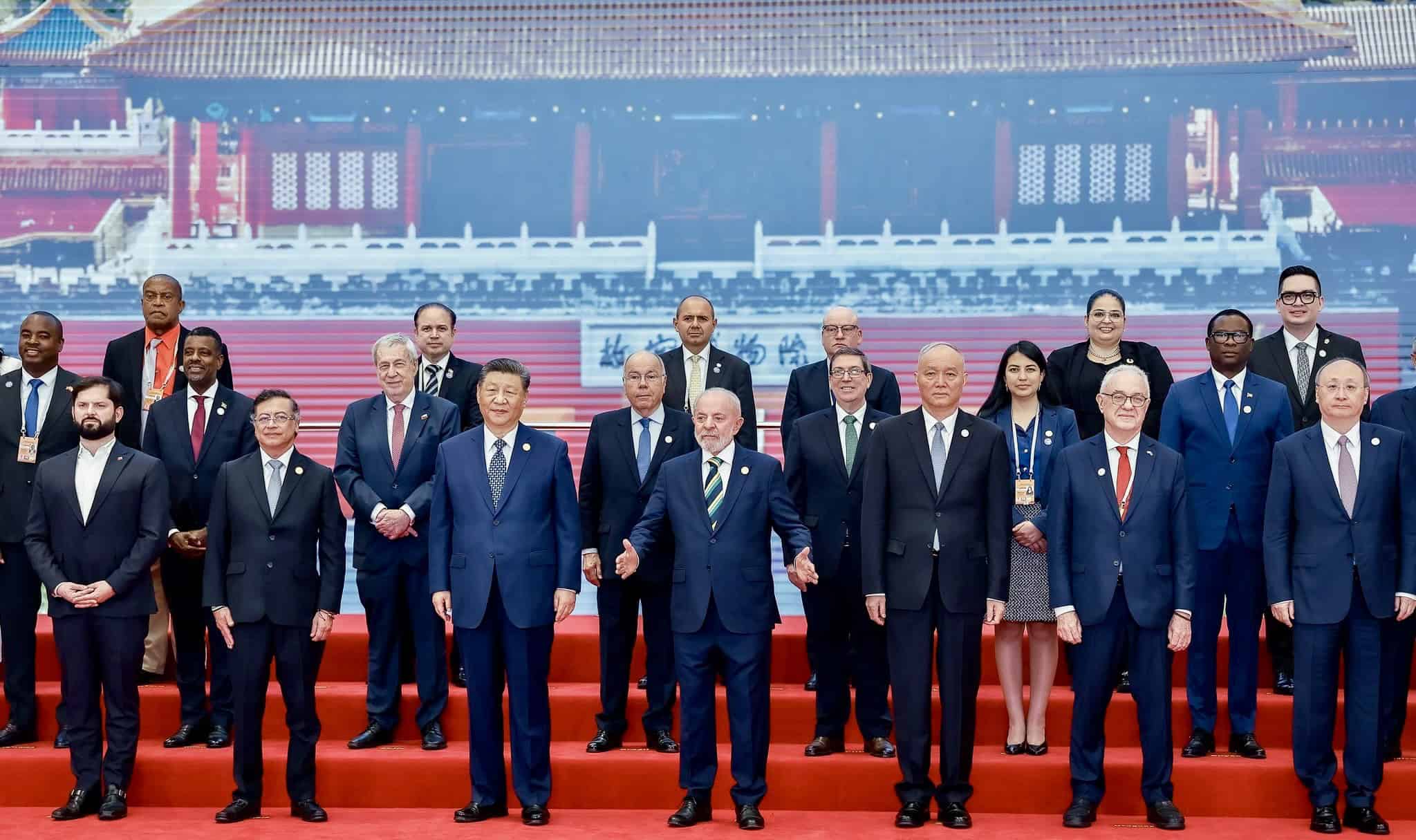
If the U.S. is really launching this trade war, China can trade more with ASEAN, Latin America, the Middle East and Europe.
What if they put tariffs on China too?
That won’t happen. There could be a few countries that may be able to follow, but just imagine ASEAN. They are so close to China. They depend so much on Chinese trade to prosper. I don’t think they’re going to pick sides.
Let’s have a UN peace summit. Get the U.S., EU, Russia, Ukraine, all other P5 member countries. That would be the biggest draw for President Trump. He wants to be a president for peace. And China can certainly support that.
If the U.S. is forcing every country to raise tariffs, it’s going to gradually reduce the U.S.’s share in these markets. And then you gradually push up China’s share of global trade. So, maybe in the short run, they may slow China down a bit, but in the long run, I don’t think so. You see that happening in every field: in AI chips, in green cars, in solar panels. On top of that, China’s trade with Belt and Road countries is already more than 50 percent [of its total trade]. China’s trade with non-G7 countries is already 70 percent [of its total trade]. It could really push China to be the largest trader and largest market in the world. But you [the U.S.] don’t want that to happen because you’re going to really hurt U.S. businesses and benefit China.
| MISCELLANEA | |
|---|---|
| BOOK RECS | Soft Power and Great-Power Competition by Joseph S. Nye, Jr. and Escaping Thucydides’s Trap: Dialogue with Graham Allison |
| FAVORITE MUSIC | The songs of Fei Xiang |
| MOST ADMIRED | Deng Xiaoping. “He liberated our generation.” |
Economists both in China and internationally have been saying for a long time that China needs to make domestic consumption more of a pillar of its economy. Do you think that this is the moment where that could finally happen?
It is happening. Tourism is already exceeding pre-pandemic levels. The airline industry is all profitable now, and airports are crowded everywhere.1China’s three major state-owned carriers have not had a profitable year since before the pandemic, but losses narrowed last year and there is optimism they will record a profit in 2025. And then you have Deepseek, the AI revolution. China, all the hospitals, and factories are AI-plus.
Local governments used to be measured by how many roads and bridges they had built, and how many infrastructure projects they had done. Now they are measured by local consumption: how many people you attract to the cinema, how many people you attract to restaurants, how many hospitals have been opened. With the aging population, there’s 300 million people in China over 60 years old. Encouraging them to consume more is already on the agenda. And the Chinese government has launched a massive trade-in program, so that if I buy a computer, I get a 1,000 yuan [$138] discount. So you have many plans and policies to drive consumption now.
Xi Jinping meets with entrepreneurs from the tech sector, Beijing, February 17, 2025. Credit: CCTV
The reason consumption doesn’t go up is because of confidence. A lot of people don’t feel confident, particularly in the private sector, and they don’t spend, they don’t hire. But then, personally, President Xi is meeting the private sector, meeting Jack Ma, meeting CEOs of multinationals. You can see in the first quarter, there was really a lot of confidence coming back, and China achieved 5.4 percent GDP growth in the first quarter.
This trade war is going to have some impact, but it isn’t going to have a devastating impact. They are reasonable on both sides. I see quite a few occasions for both leaders to meet, but I think we have to pave that foundation for doing so. Let’s have a UN peace summit. Get the U.S., EU, Russia, Ukraine, all other P5 member countries. That would be the biggest draw for President Trump. He wants to be a president for peace. And China can certainly support that.

Noah Berman is a staff writer for The Wire based in New York. He previously wrote about economics and technology at the Council on Foreign Relations. His work has appeared in the Boston Globe and PBS News. He graduated from Georgetown University.