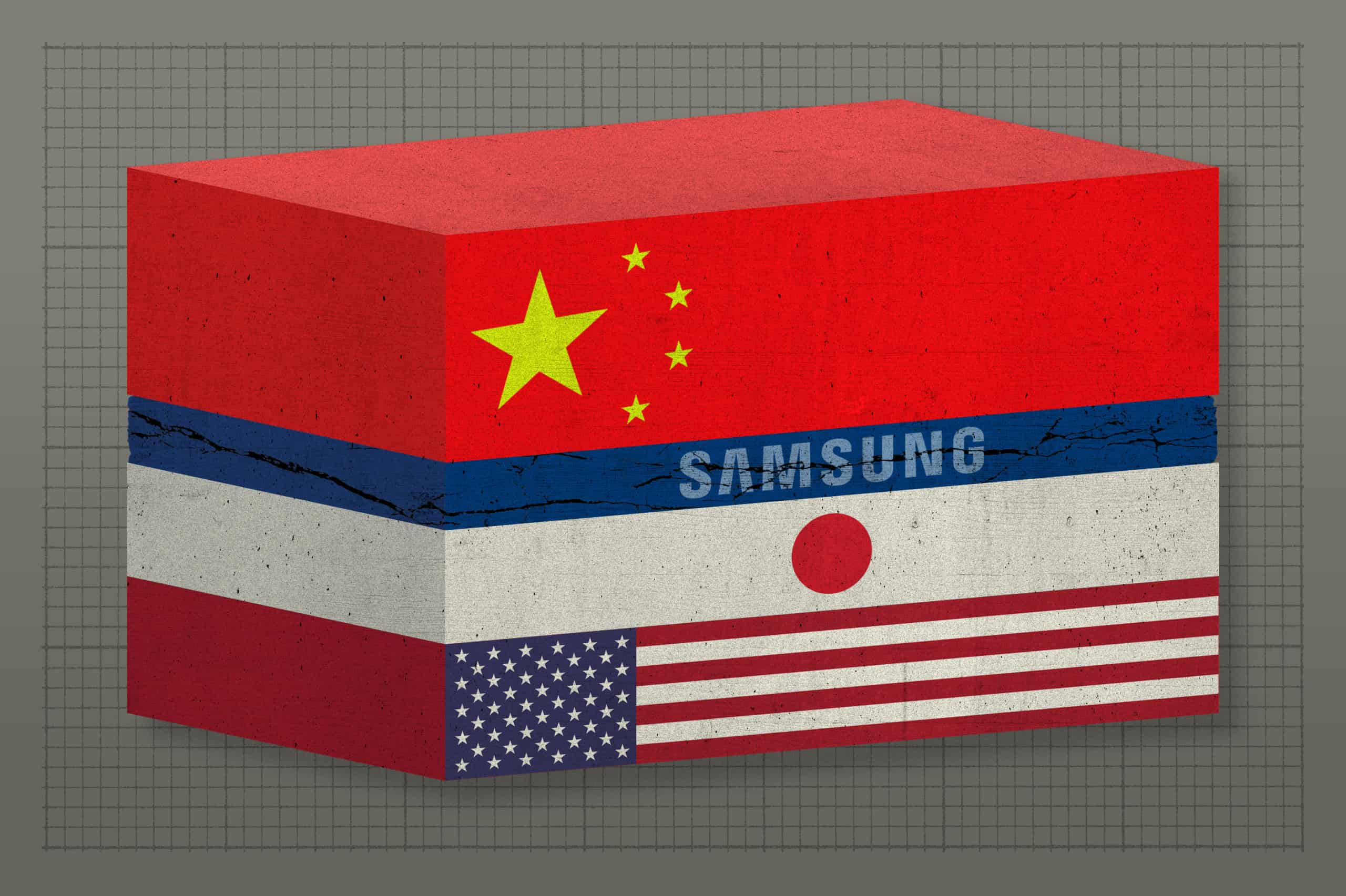
The Korean giant pumped billions of dollars into China and came to dominate its smartphone market. Now, it’s closing factories. What happened?
Illustration by Ryan Olbrysh
It was a stifling hot July day in 1992 when Qian Qichen, China’s foreign minister, took a helicopter to the lakeside villa of Kim Il Sung, North Korea’s leader. Qian was used to uncomfortable situations — he had sparred with Brent Scowcroft three years earlier after the massacre at Tiananmen Square — but this trip was uniquely sensitive. Qian’s task was to deliver a message to Kim from his boss, Jiang Zemin, explaining that China had decided to establish diplomatic relations with South
Exclusive longform investigative journalism, Q&As, news and analysis, and data on Chinese business elites and corporations. We publish China scoops you won't find anywhere else.
A weekly curated reading list on China from Andrew Peaple.
A daily roundup of China finance, business and economics headlines.
We offer discounts for groups, institutions and students. Go to our Subscriptions page for details.
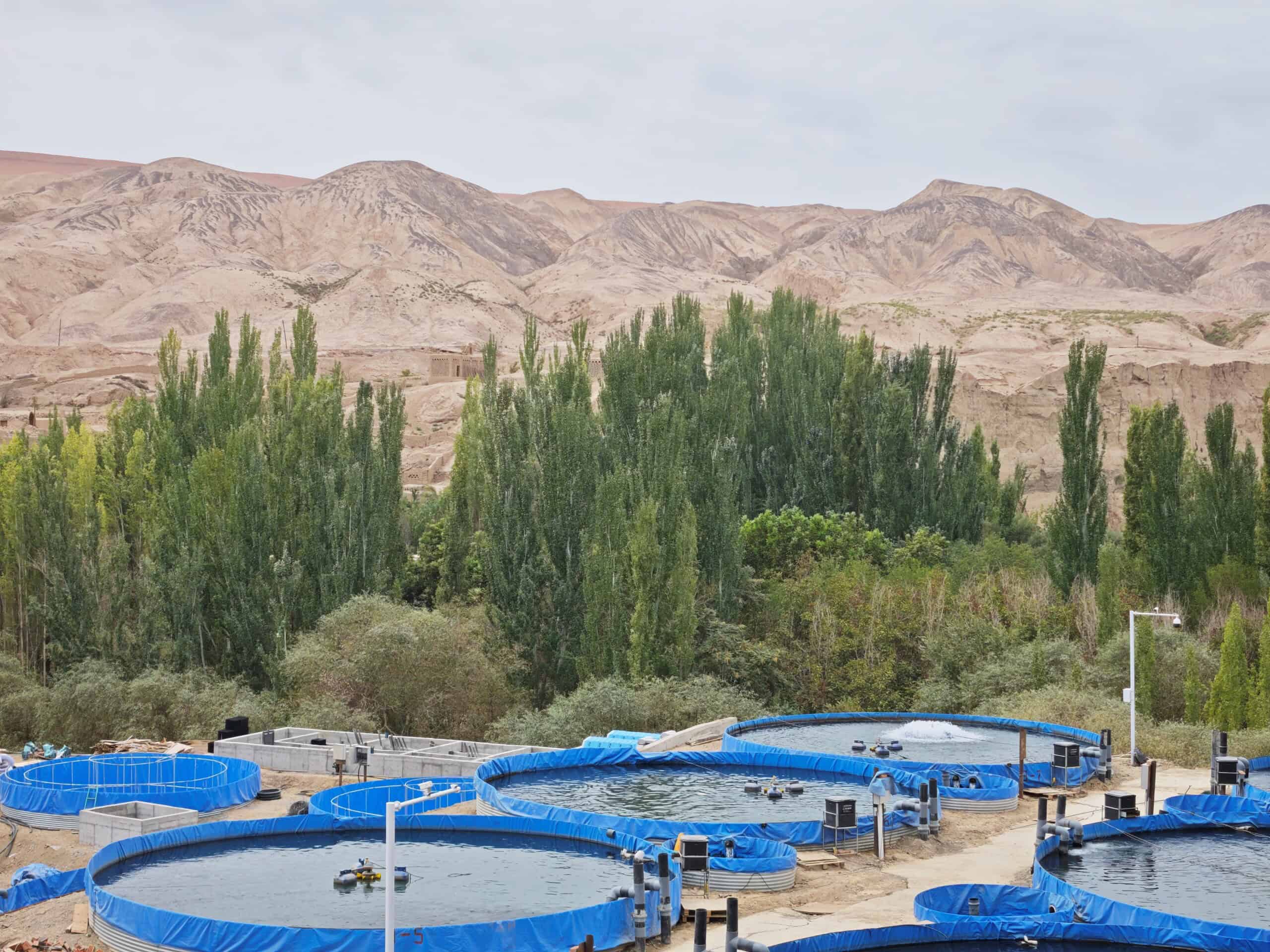
Fish farming in Xinjiang is being sold as proof that technology can overcome geography. The reality is more complicated: a desert seafood boom built on political control, imported feed and a food system that masks its real burdens.
The foreign correspondent describes meeting with the Uyghurs from Xinjiang who played a key role in the Syrian civil war, but who now find themselves potentially stateless.
Corporate Risk Intelligence for National Security, Compliance & Due Diligence
We use cookies to ensure that we give you the best experience on our website. If you continue to use this site we will assume that you are happy with it.