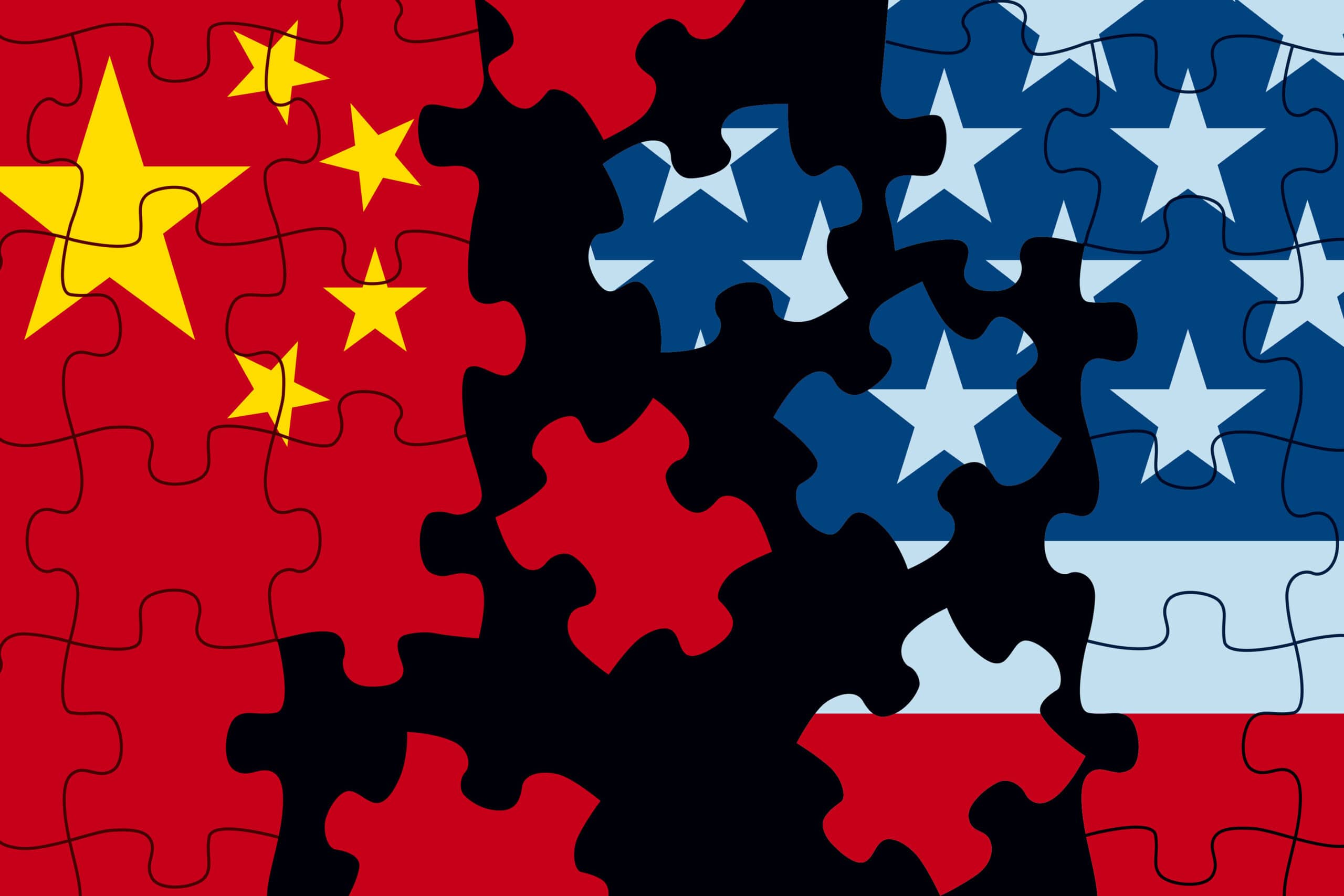
Our series of interviews with top U.S. policy makers of the last 30 years has revealed how and why the American approach towards China has morphed from seeking closer ties to a desire for estrangement.
Illustration by Sam Ward
Twenty-five years ago, Charlene Barshefsky, the tough-as-nails U.S. Trade Representative, negotiated China’s entry into the World Trade Organization
Exclusive longform investigative journalism, Q&As, news and analysis, and data on Chinese business elites and corporations. We publish China scoops you won't find anywhere else.
A weekly curated reading list on China from Andrew Peaple.
A daily roundup of China finance, business and economics headlines.
We offer discounts for groups, institutions and students. Go to our Subscriptions page for details.
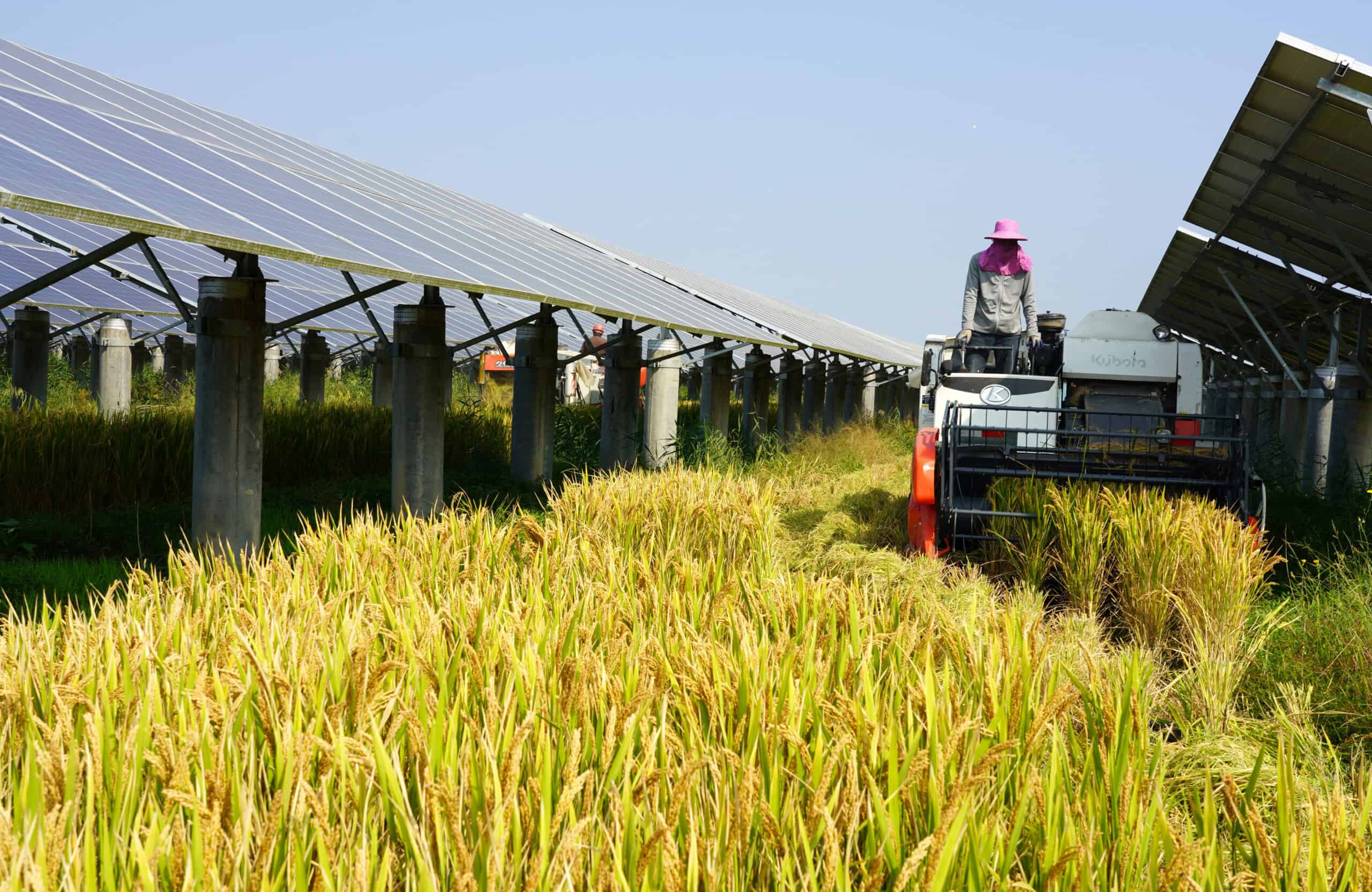
China needs land for crops and solar energy installations. Rather than compete against each other, farmers and green energy companies are realizing that they can cooperate by using one piece of land for both purposes. They are also now exporting their newfound dual land-use expertise around the world.
The former State Department official in the Biden administration talks about leading the first talks with China on AI, and what the realistic goals should be of any dialogue between the two superpowers about the...
We use cookies to ensure that we give you the best experience on our website. If you continue to use this site we will assume that you are happy with it.