Global investment firms face a risky balancing act as they create separate operations in Asia.
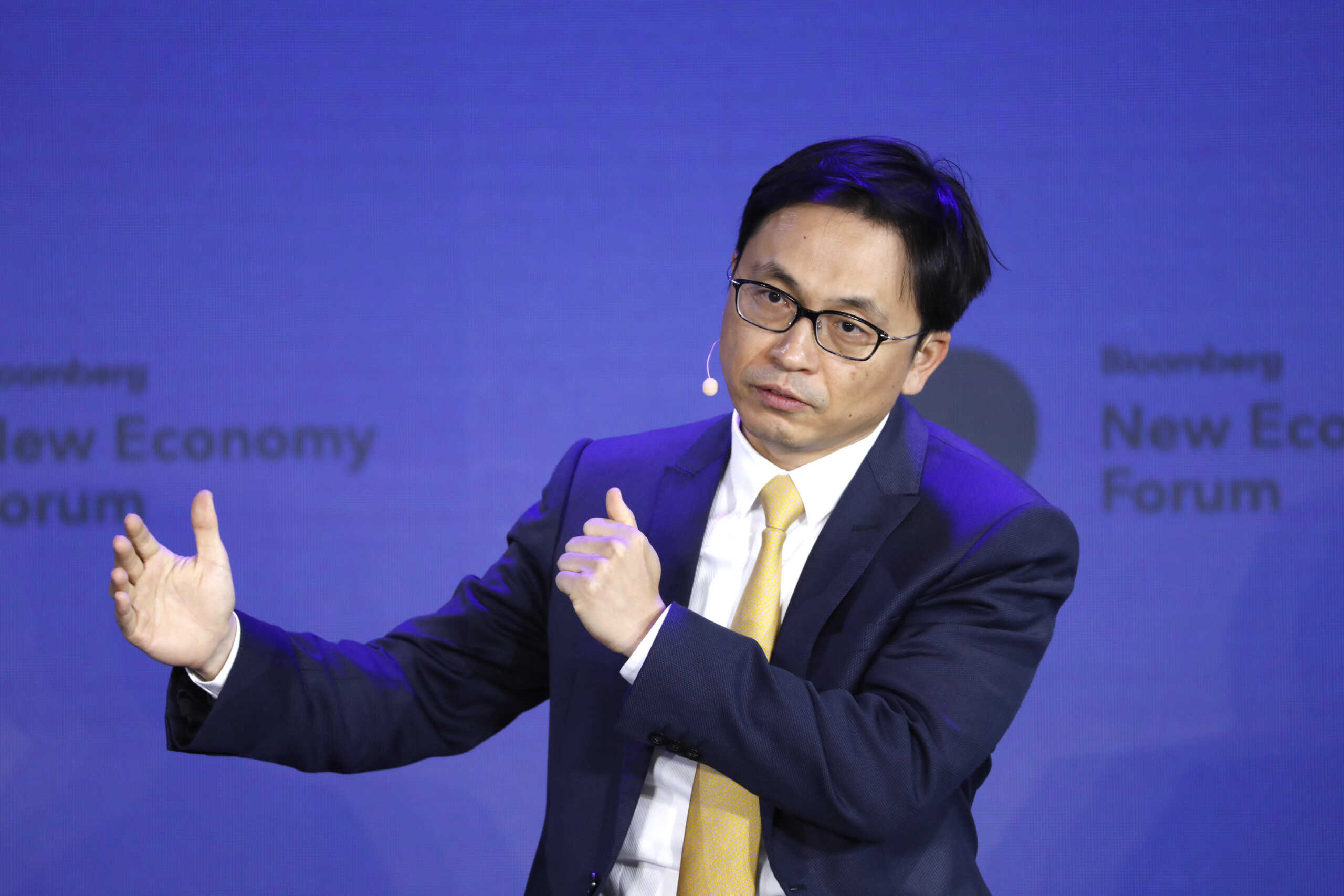
Zhang Lei, chairman and chief executive officer of Hillhouse Capital Management Ltd., speaks during a panel discussion at the Bloomberg New Economy Forum in Singapore, November 6, 2018. Credit: Justin Chin/Bloomberg via Getty Images
Following the relocation of several global Chinese companies' headquarters out of China, leading private equity and venture capital firms like Hillhouse Capital and GGV Capital have been expanding their Asian operations. Their aim with this strategic shift appears to be to mitigate the risks associated with rising geopolitical tensions between Beijing and Washington.
But it prompts a crucial question: can this "China-shedding strategy" adequately address the firms’ complex challenges, or
Exclusive longform investigative journalism, Q&As, news and analysis, and data on Chinese business elites and corporations. We publish China scoops you won't find anywhere else.
A weekly curated reading list on China from Andrew Peaple.
A daily roundup of China finance, business and economics headlines.
We offer discounts for groups, institutions and students. Go to our Subscriptions page for details.
The U.S. and EU are restricting Chinese inverters over cybersecurity and supply-chain concerns, but replacing them may create new challenges for the renewable-energy industry.
The former Trump official argues that the president’s approach to China is working, and explains why time is on the American side as the U.S. and China continue to move apart.
Corporate Risk Intelligence for National Security, Compliance & Due Diligence
We use cookies to ensure that we give you the best experience on our website. If you continue to use this site we will assume that you are happy with it.