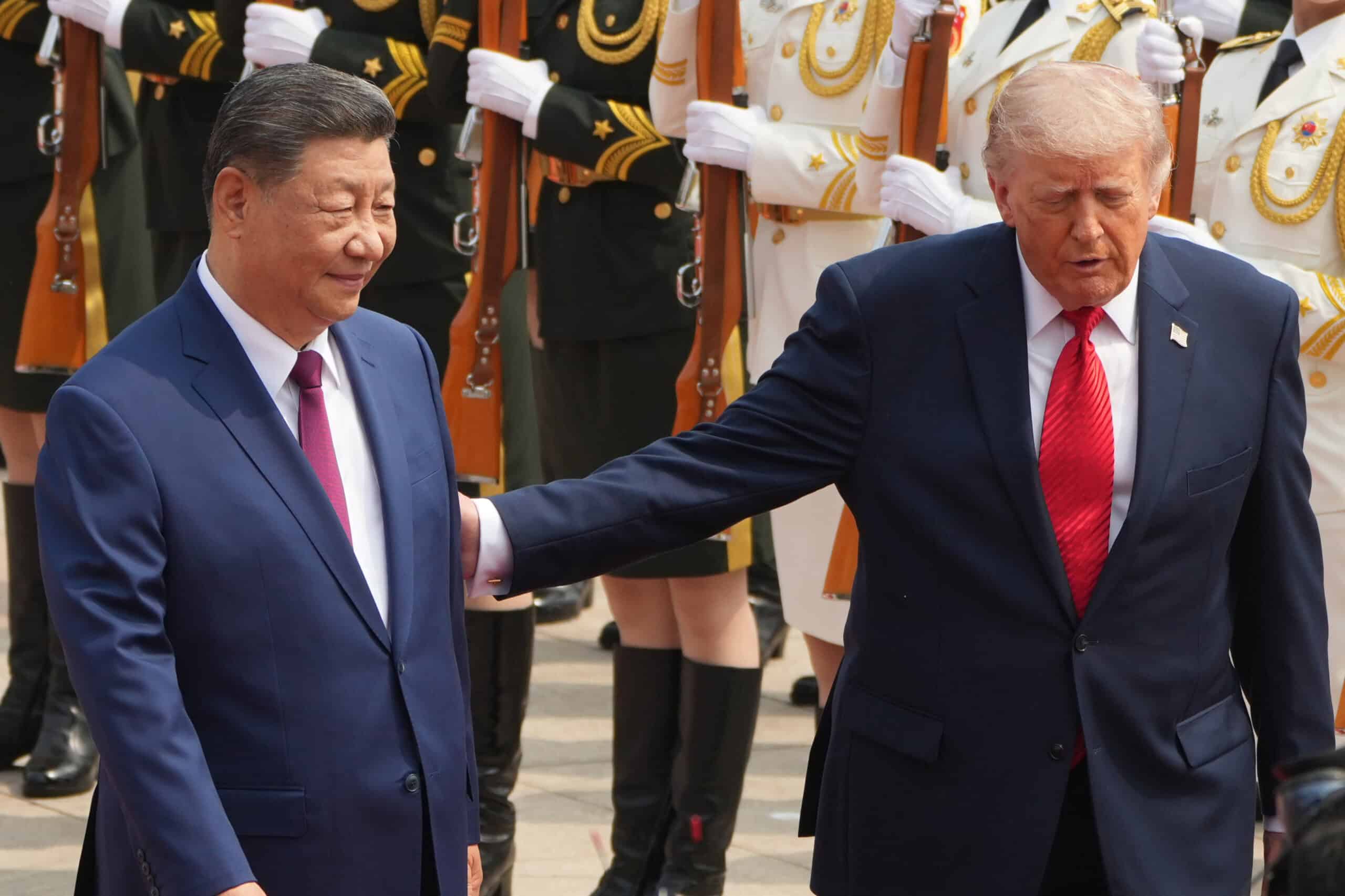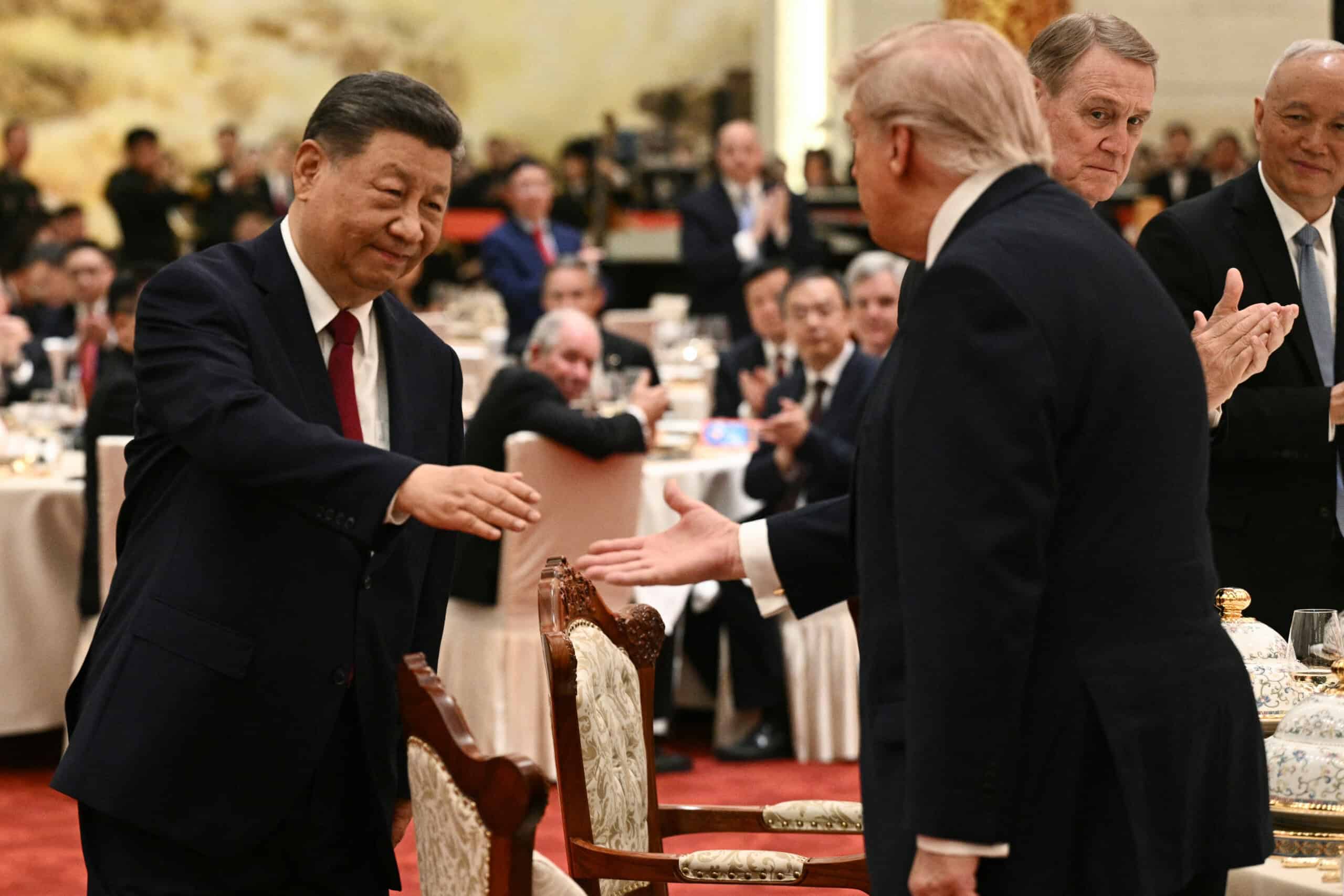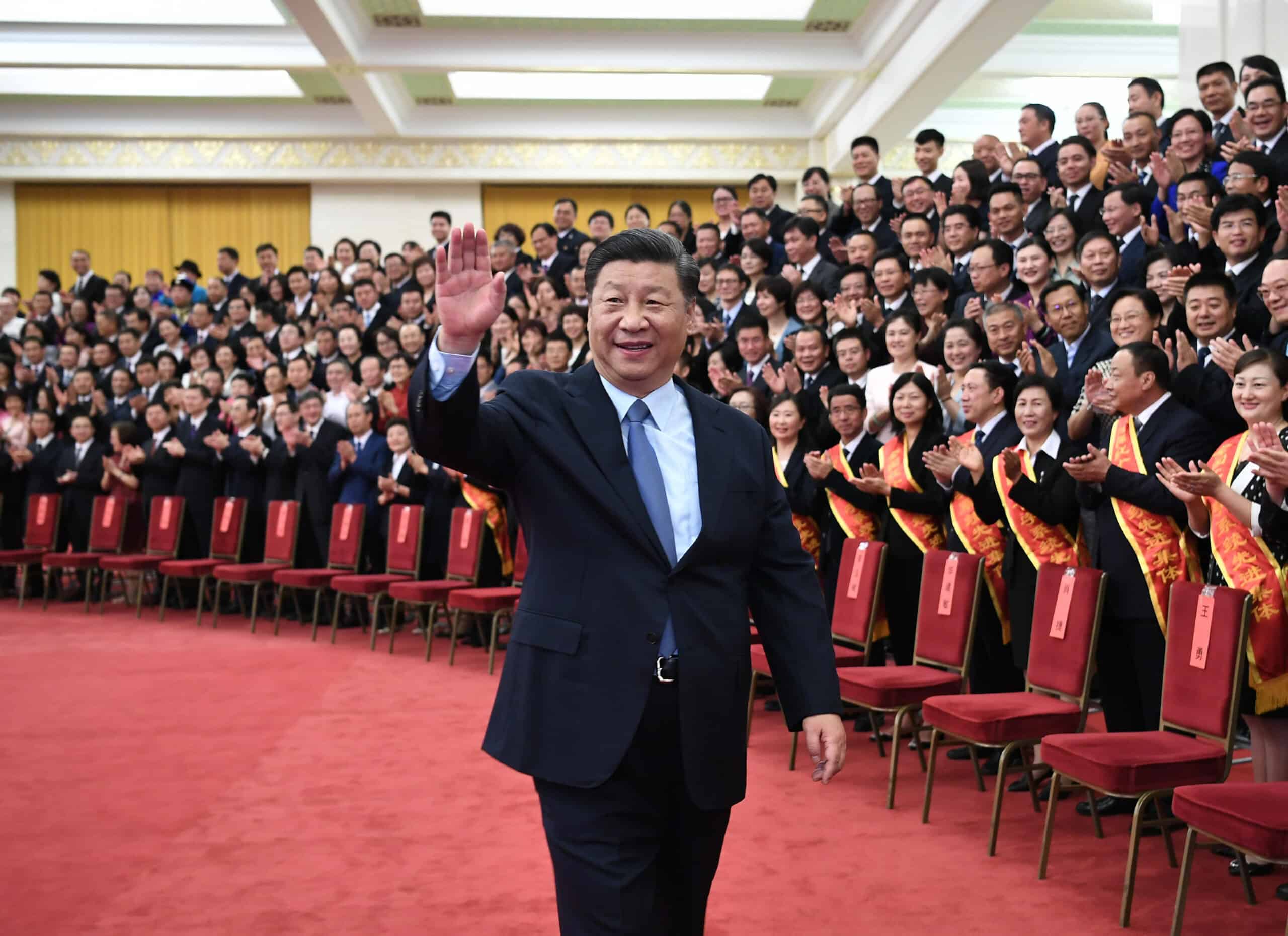
For China watchers, the most noteworthy event of 2022 was the 20th Party Congress of the Chinese Communist Party, at which Xi Jinping officially obtained another five-year term as the general secretary. Having broken the less-than-three term norm established in the early 1990s, Xi has set the stage for his lifetime rule over China. However well or not he has governed in the past ten years, we can expect a similar process for some time to come, dictating outcomes in what is still set to be the world’s largest economy one day.
The composition of the top leadership Xi put in place at the congress also sent an important signal to the entire party about their career prospects. Top leadership changes in the past created uncertainty about potential winners and losers in the promotion tournament, which actually created incentives for policy innovation. With the perpetual leadership of one person and predictable patterns of promotion among senior officials, the vast majority of party officials now know that they have little chance of taking senior level office. Their focus will be on minimizing risks instead of taking policy initiatives to enhance performance. Even those close to Xi will not dare to propose a new policy until he himself has signaled a change of mind. In this sense, China’s Covid policy gave us a taste of policy making for years to come.
The ebbs and flow of elite politics in China for many years essentially served as a natural lottery for millions of mid-ranking officials. If they followed the right “mountaintop” and were seen as competent, they had a chance for high level office if their patrons moved up. During the Mao period, the Chairman himself radically changed his political strategy from power sharing among Long March veterans to a personal dictatorship. That, of course, created a decade of political turmoil, but gave a group of relatively junior officials a chance at the pinnacle of power. Wang Hongwen, an ordinary worker with daring and charisma, became vice chairman of the party, for example.
The dynamic and somewhat unpredictable promotion tournament of the 1990s and 2000s stands in sharp contrast with the situation today.
After Mao’s passing, Deng Xiaoping called on other Long March veterans to identify a large group of young officials who could succeed as national leaders. A generation of relatively unknown officials were plucked from obscurity and placed into national level positions. At first, young leaders close to Zhao Ziyang and Hu Yaobang were favored. After the shock of 1989, the likes of Bao Tong and Hu Qili fell out of favor. However, leaders like Jiang Zemin, Hu Jintao and Li Ruihuan were thrust into the most senior positions. The dozens of cadres who had worked with them suddenly found themselves with much higher career prospects. The elevation of Jiang alone eventually produced several Politburo members like Zeng Qinghong, Huang Ju, Wu Bangguo, and Li Lanqing.
Cadres in the Communist Youth League, a sprawling bureaucracy with hundreds of thousands of members, also went through a career roller coaster in the 1980s and 1990s. When Hu Yaobang was secretary general, he cultivated a group of Youth League cadres, but when he fell from power in 1987, their prospects dimmed. They then recovered when Deng designated Hu Jintao, a former head of the Youth League, into the Politburo Standing Committee (PSC) at the tender age of 50. Youth League cadres further entered a promotion “escalator” when Hu was formally appointed secretary general of the CCP in 2002. In the Jiang and Hu eras it wasn’t just the members of their factions who benefited. Members of other power elite factions also saw promotions to senior positions. For example, former security chief Zhou Yongkang cultivated scores of cadres in the oil sector and in Sichuan province, who for a time benefited from his patronage and took up powerful ministerial level positions. Factional competition made for messy politics, but cadres from the “five lakes and the four seas” of the party all had some chance of rising to a full ministerial position on the coat-tail of their patrons.
The expectation of regular high level personnel changes, starting with the turnover of the secretary general, motivated mid-level cadres with some elite connections to innovate on policy. Policy innovations at the local level often became political weapons for elite power struggles. The third plenum in 1978 saw the deployment of household responsibility farming as a weapon to sideline Hua Guofeng on the basis of his adherence to the Maoist policy of communal farming. Followers who took the risk to innovate were rewarded if their patrons won in the power struggle. Wan Li, who risked his career with an experiment with household farming in Anhui, eventually became a Politburo member and vice premier in charge of all agricultural policies. Moreover, if the policy innovation furthered overall regime objectives like growth, the promotion of one’s patron could turn obscure innovations into national models, which further paved the way to one’s promotion.
The dynamic and somewhat unpredictable promotion tournament of the 1990s and 2000s stands in sharp contrast with the situation today. For most current members of the PSC and the majority of the Politburo, their paths to the top were sealed decades ago when they gained the trust of a younger Xi Jinping. The flip side of this is that the vast majority of mid-level cadres, who have never had a chance to work closely with Xi or those in his orbit, know they have no chance of ever rising to the top. For some time to come, there will be no more “two line” struggles between senior leaders which afford daring mid-level officials an expressway to the top.
Knowing this, the vast majority of mid-level officials will just do their best to keep their positions by ensuring that their competitors cannot point fingers at any wrongdoing. Instead of innovation, the optimal response is risk minimization and carrying out instructions from the top to the letter, or at least in a way that they can not be blamed for disobedience.
… this pattern of deep reluctance to change the status quo, followed at times by a rapid change of policy when Xi himself changes his mind, might drive policy for years to come.
Those in Xi’s orbit, meanwhile, already know that their paths upward are guaranteed so they have little incentive to take policy risks. Instead, like senior officials of the late-Mao period, they spend a lot of effort trying to detect the preferences of the top leader so that they can scramble to be the first one to heed his latest dictate. Even when decisive action is called for, those around Xi would prefer multiple rounds of studies and data collection instead of a clear recommendation, while they wait for Xi himself to signal a change of mind.
This logic might have dictated the eventual revision of China’s Covid’s policy. It is all but certain that senior officials in the regime had been collecting data on Covid and on various global public health responses, but these officials clearly had not made a strong case for moving away from Zero Covid even as the policy’s pitfalls became increasingly apparent in early 2022. Some new development, perhaps China’s dismal economic performance, perhaps the multi-city protests, finally changed Xi’s own mind, which was followed by an immediate and hap-hazard about-face on Zero-Covid.
Whatever the eventual outcome of this change of policy, this pattern of deep reluctance to change the status quo, followed at times by a rapid change of policy when Xi himself changes his mind, might drive policy for years to come. Meanwhile, real, meaningful local policy experiments, which had propelled two decades of reform in China, will continue to fall victim to turgid politics at the top.
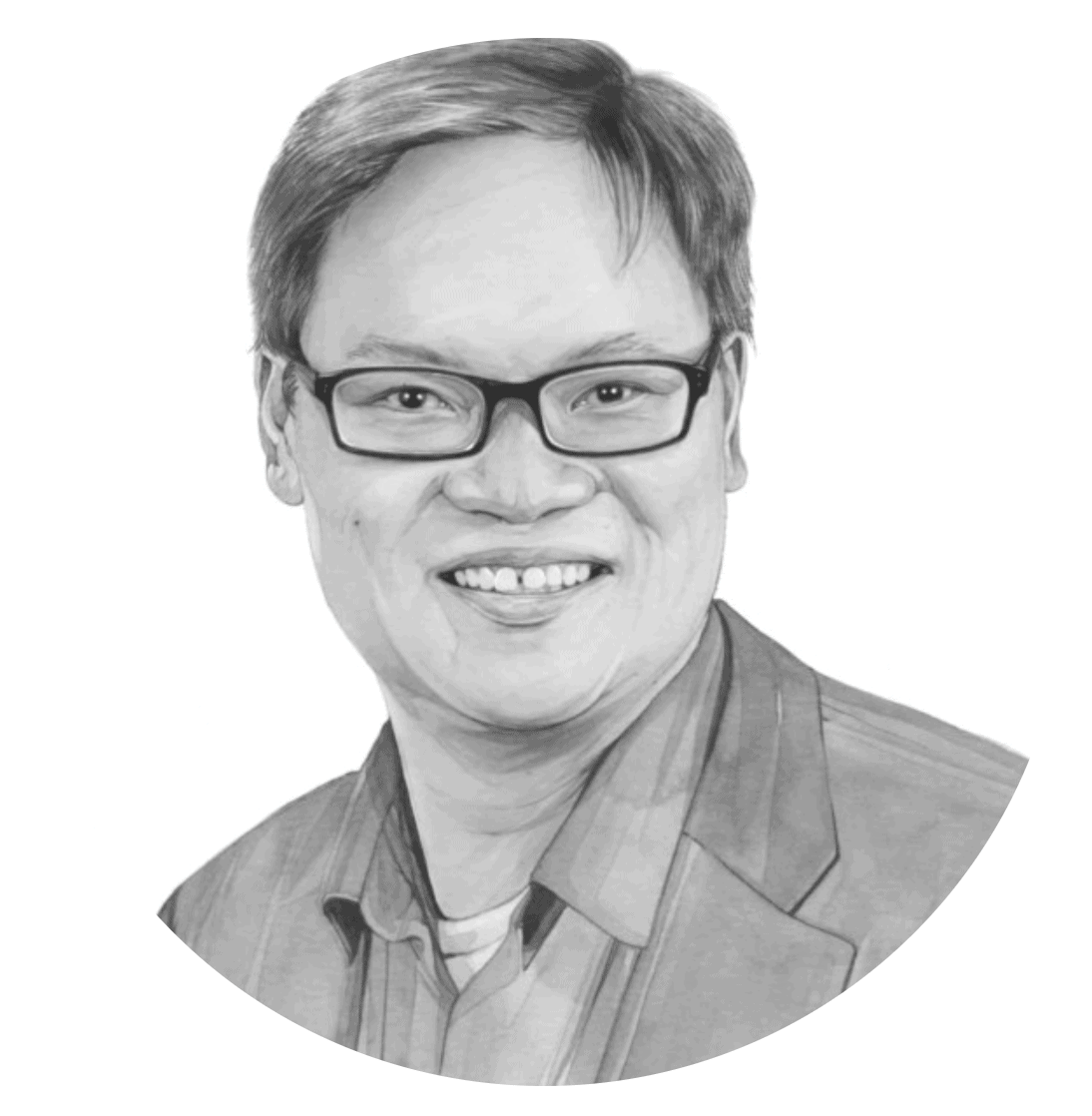
Victor Shih is an associate professor of political economy at UC San Diego, and the author of Factions and Finance in China: Elite Conflict and Inflation. @vshih2