Good evening. The Biden administration had an Abu Dhabi dilemma. The United Arab Emirates had a powerful and influential advocate, Sheikh Tahnoon bin Zayed Al Nahyan, who knew how to work the system in Washington and wanted the UAE to be able to purchase Nvidia’s most powerful semiconductor chips. But administration officials worried that any such chips sold to the UAE might be obtained by China. In an extract from their new book, The Bitter Struggle: Superintelligence, Superpowers, and the Fate of the World, Ben Buchanan and Tantum Collins tell the story of how they helped draft the “diffusion rule” to govern chip sales to the UAE, Saudi Arabia and other countries who they note were “critical U.S. partners but also had fairly close ties to China”.
In other articles this week:
Robert Kaplan speaks with Brent Crane about his new book on America’s most influential China Hands.
China’s pharmaceutical industry is struggling to realise its potential.
The Big Picture profiles Hengli, a private-sector maker of textile equipment turned sprawling industrial conglomerate.
In this week’s opinion piece, Ho-Fung Hung writes about the renminbi’s real utility vis-a-vis the dollar: helping friends such as Russia, Iran and North Korea work around U.S. sanctions.
And finally, our latest weekly podcast features Noah Berman speaking about his recent reporting on The United States v Huawei Technologies, now being heard in a Brooklyn courtroom.
Want this emailed directly to your inbox? Sign up to receive our free newsletter.
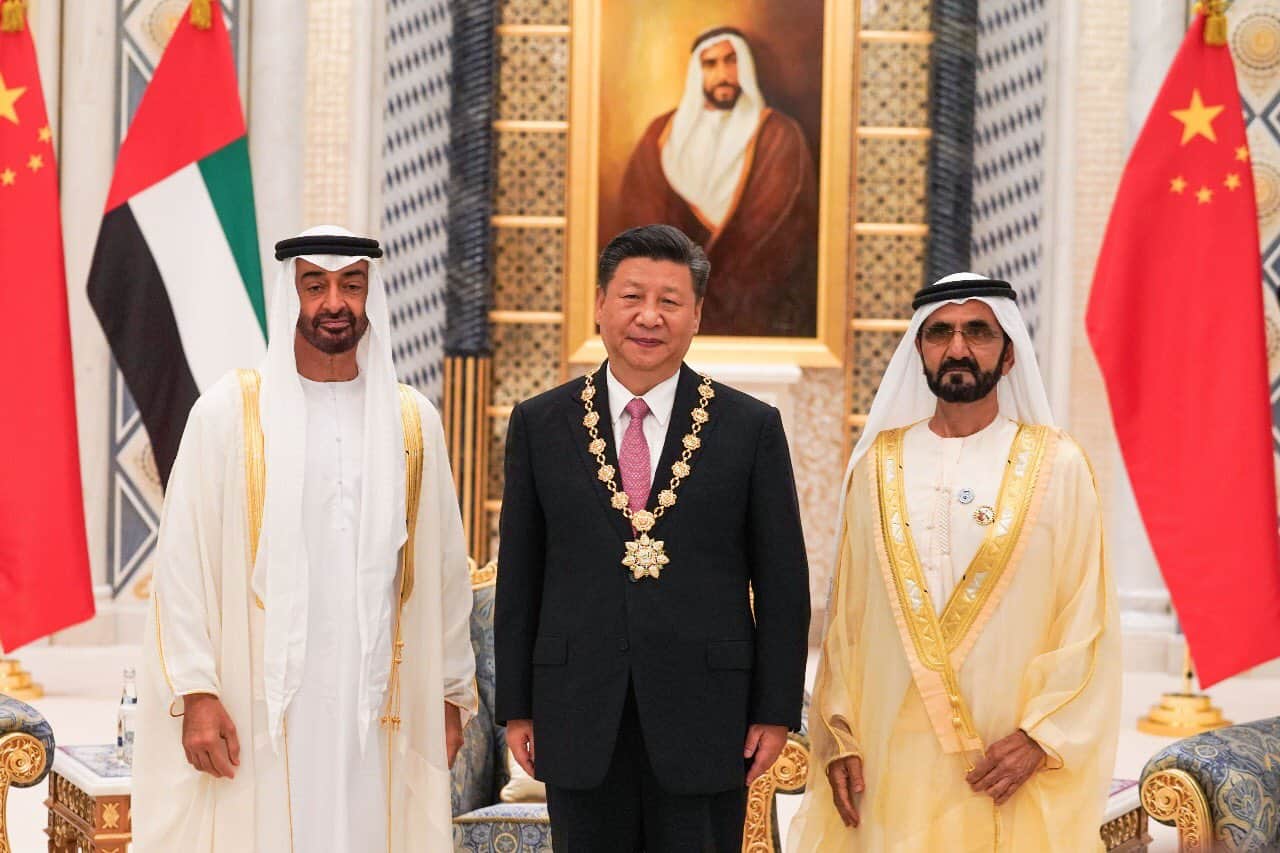
Policing Chip Diffusion
“When a country such as the UAE or Saudi Arabia was ready to buy tens or hundreds of billions of dollars’ worth of chips, was the U.S. government really going to say no,” ask former Biden administration officials Ben Buchanan and Tantum Collins in an excerpt from their new book, The Bitter Struggle. “In 2024, we set about crafting a policy, which came to be known as the diffusion rule, to answer this question not just for the Gulf nations but for the world … [The rule established] a global license requirement on advanced AI chips. It placed countries into three groups. Many close U.S. allies needed no license. Arms embargoed countries such as China and Russia could not buy advanced chips at all. Everyone else fell into the middle.”
A Q&A with Robert D. Kaplan
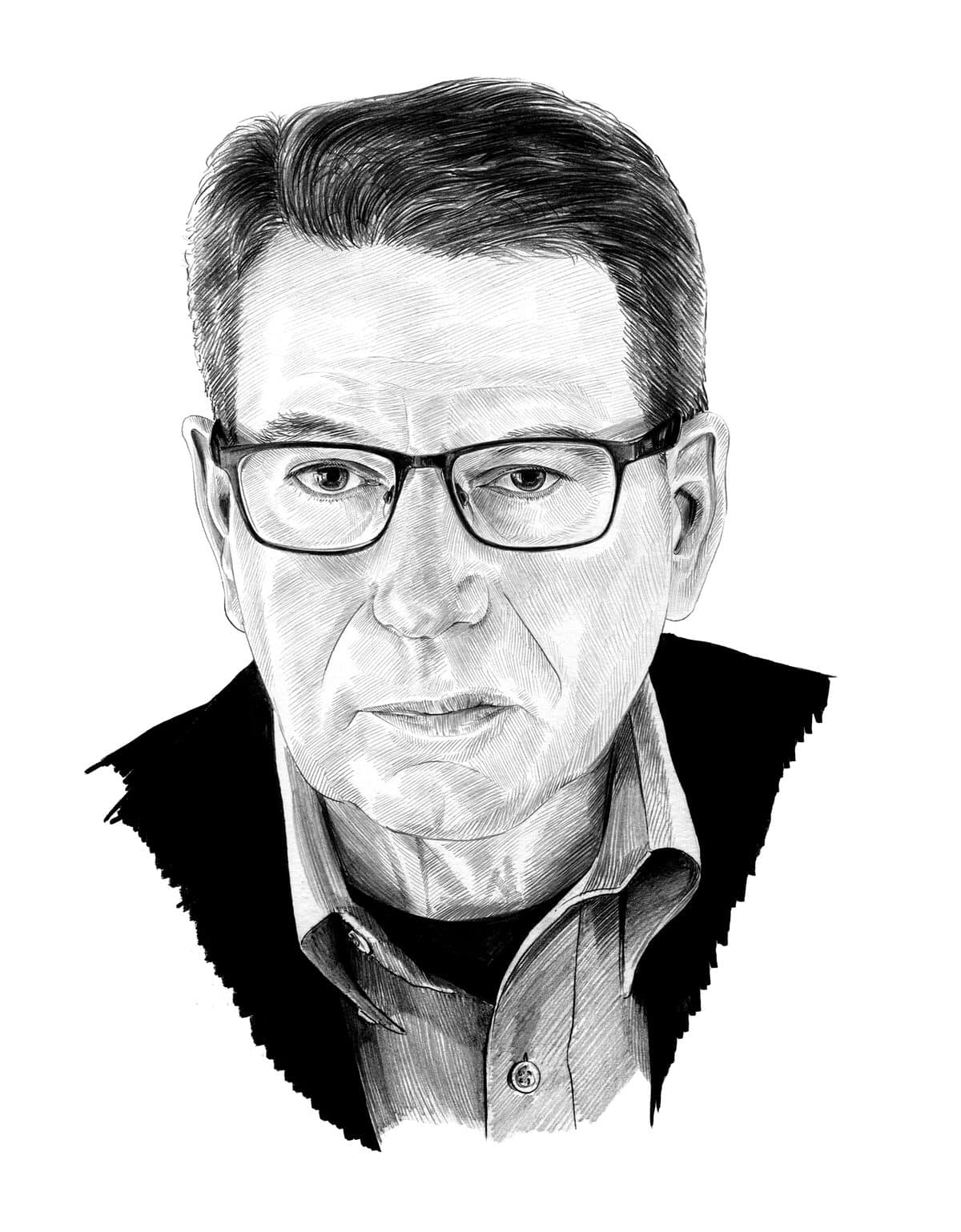
Robert Kaplan, a longtime foreign correspondent for The Atlantic who now teaches at the University of Texas at Austin, has just finished a new book on America’s most influential China Hands, from Owen Lattimore before and during World War Two to Evan Medeiros and Matt Pottinger.
In a conversation with Brent Crane, Kaplan talks about Edgar Snow’s blind spots, Henry Kissinger’s pragmatism, and his favorite China books. “Trump is creating the impression that he’s fine with China having a sphere of influence in the Western Pacific,” he warns. “That could lead to the Chinese misinterpreting us in thinking they could attack Taiwan and we would do nothing.”
Robert D. Kaplan
Illustration by Lauren Crow
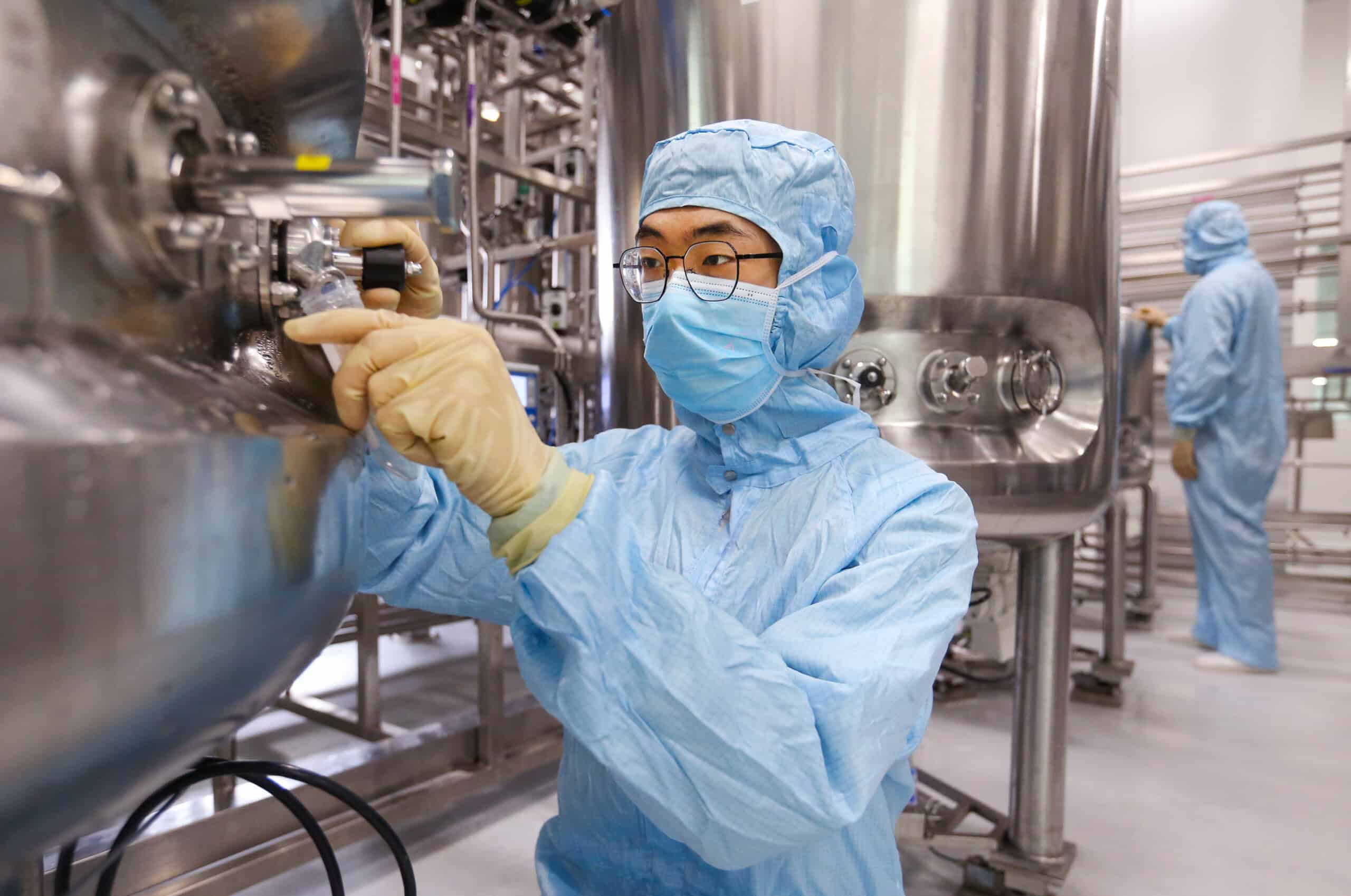
Big Pharma’s Big Problem
China’s biopharma industry is great at discovering new drugs, writes Rachel Cheung. It is not so great at developing and selling them globally. At home they suffer from slim profit margins due to intense competition and government policies that prioritize affordability for patients. Overseas, Chinese pharma companies’ share of global sales of innovative drugs was 1.4 percent, compared to 73 percent for their American rivals. The Chinese government, as is its wont, has a plan to fix that.
Company in the News: Hengli Group
In this week’s Big Picture Company in the News, Savannah Billman profiles one of the most important companies most people outside of China (and many inside) haven’t heard of before. Meet the petrochemicals, shipbuilding and textiles conglomerate Hengli Group and the ever richer power couple at the top of it: Chen Jianhua and Fan Hongwei.
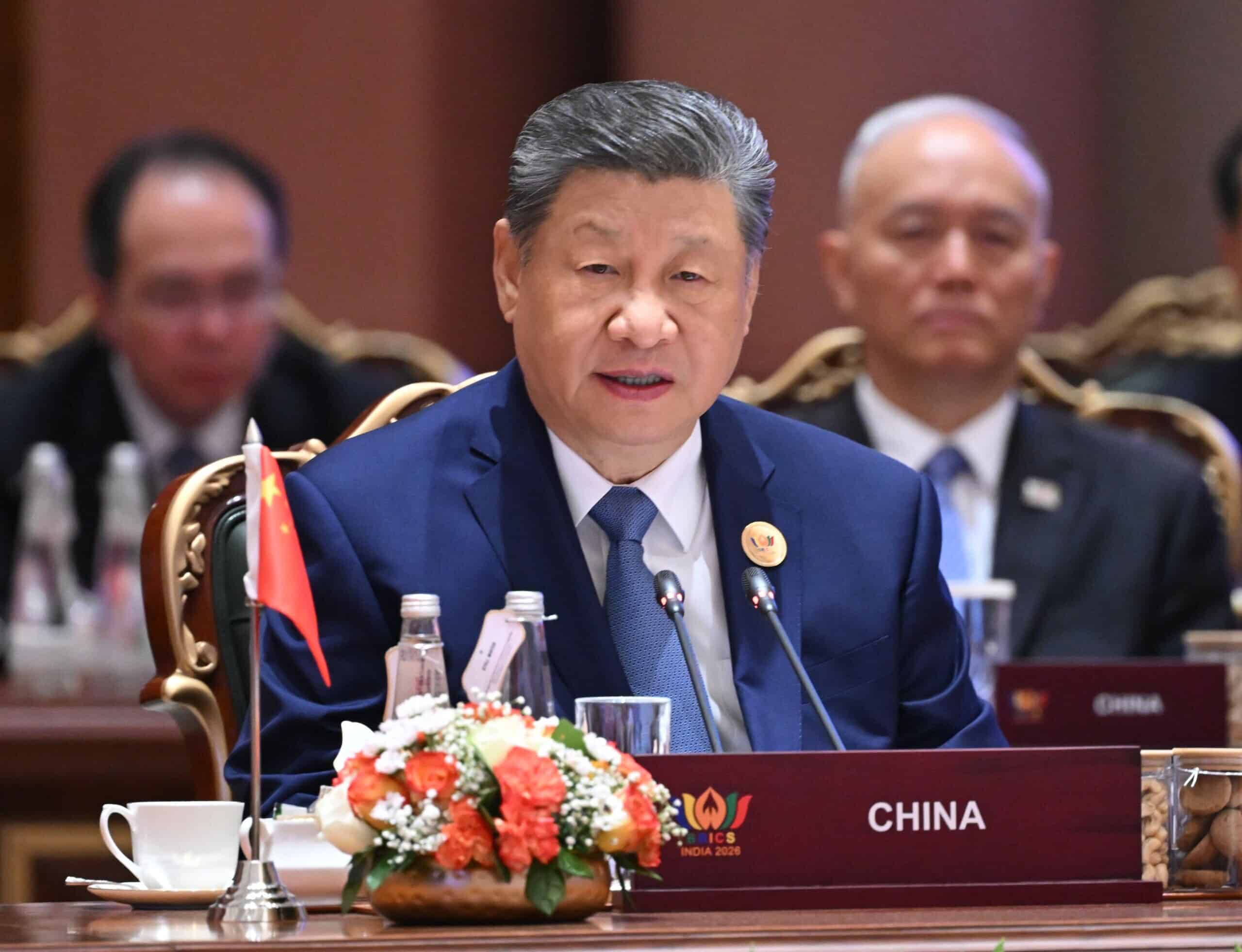
China’s Real Problem with the Dollar
The renminbi (accounting for 2.1 percent of official foreign exchange reserves globally) is nowhere near dethroning the dollar (56.7 percent). But, writes Ho-Fung Hung, this is also not a near-term objective for Xi’s administration given the painful reforms it would require. For now it is content for the renminbi to be a useful tool that Iran, Russian and other U.S.-sanctioned countries can use to transact their foreign trade in — albeit at a cost.
Subscribe today for unlimited access, starting at only $25 a month.
The Wire China, Issue No. 308