Good evening. If all had gone according to plan, the United States v Wanzhou Meng and Huawei Technologies would have opened in a federal courtroom in the waning months of President Donald Trump’s first term. And what a trial it would have been: an heir to one of China’s most successful and strategically important companies, detained in Canada and extradited to the U.S., on trial for allegedly lying to banks about Huawei operations in Iran that were in violation of American sanctions on the country. But Xi Jinping forestalled that humiliating spectacle by ordering the arrest of two Canadians in China, Michael Kovrig and Michael Spavor, and not releasing them until the U.S. and Canada allowed Meng, the daughter of Huawei’s founder, to return to China in September 2021. Five years later the United States v Huawei Technologies, minus Meng, is finally underway. Noah Berman reports from the courtroom in Brooklyn.
In other articles, Leon Panetta speaks with Bob Davis about his dealings with China as a Congressman, White House Chief-of-Staff, CIA Director and Secretary of Defense.
Noah Berman on DayOne, the Singaporean data center operator that is helping Chinese companies realise their AI ambitions.
In The Big Picture, Savannah Billman writes about the enormous popularity of AI-generated “short dramas” in China.
Lizzi C. Lee and Simon Hedlin on the barriers to a common-sense Sino-U.S. AI safety agreement.
And finally, be sure to catch up on the latest episode of our weekly podcast, with Peiyue Wu talking about her recent cover on dual-use farms in China.
Want this emailed directly to your inbox? Sign up to receive our free newsletter.
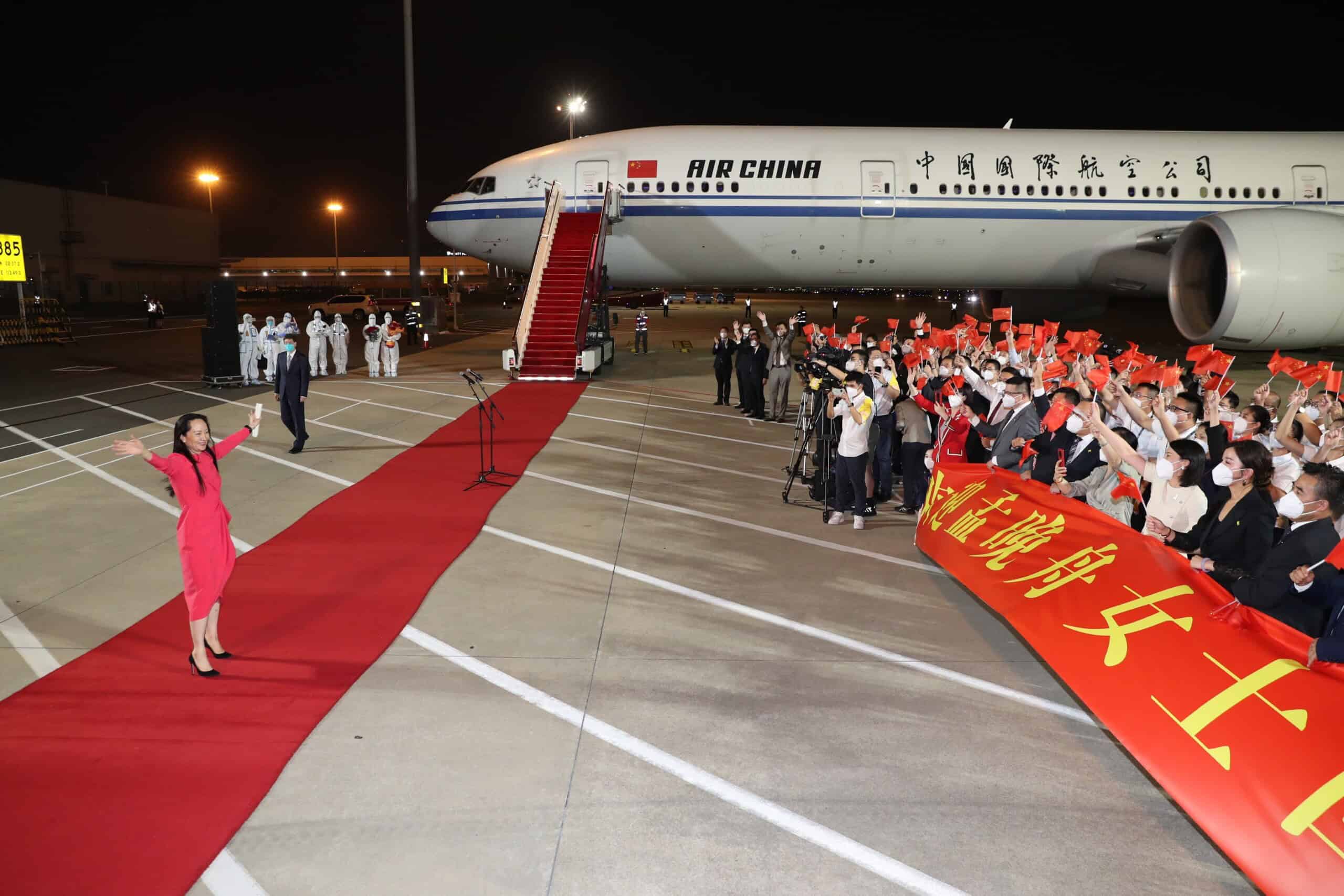
The Woman Who Got Away
In 2021 Meng Wanzhou, daughter of Huawei Technologies founder Ren Zhengfei, signed a “statement of facts” to resolve U.S. charges against her. According to that statement, “Ms. Meng [told HSBC] … Huawei’s relationship with Skycom was ‘normal business cooperation’ and … she described Skycom as a … ‘third party Huawei works with’ in Iran … Those statements were untrue because, as Ms. Meng knew, … Huawei controlled Skycom.” The U.S. let Meng go regardless because the Chinese government made it clear that it would not release two Canadian hostages until she was freed. Five years later the U.S. government’s case against Huawei is finally underway in New York, with Meng safely back in China.
A Q&A with Leon Panetta

Leon Panetta fought with, and engaged with China over a long career in politics. The former Congressman, White House Chief of Staff, CIA Director and Defense Secretary talks with Bob Davis about why China thinks President Trump is good for China.
“If China senses weakness, they’ll take advantage of it,” Panetta says. “Right now, China is in a stronger position because we’re locked in a war in Iran, our economy is being impacted by that war, and there’s a lot of unpredictability about the U.S. China has been able to take advantage in areas where once we had some influence, particularly in the Pacific.”
Leon Panetta
Illustration by Lauren Crow
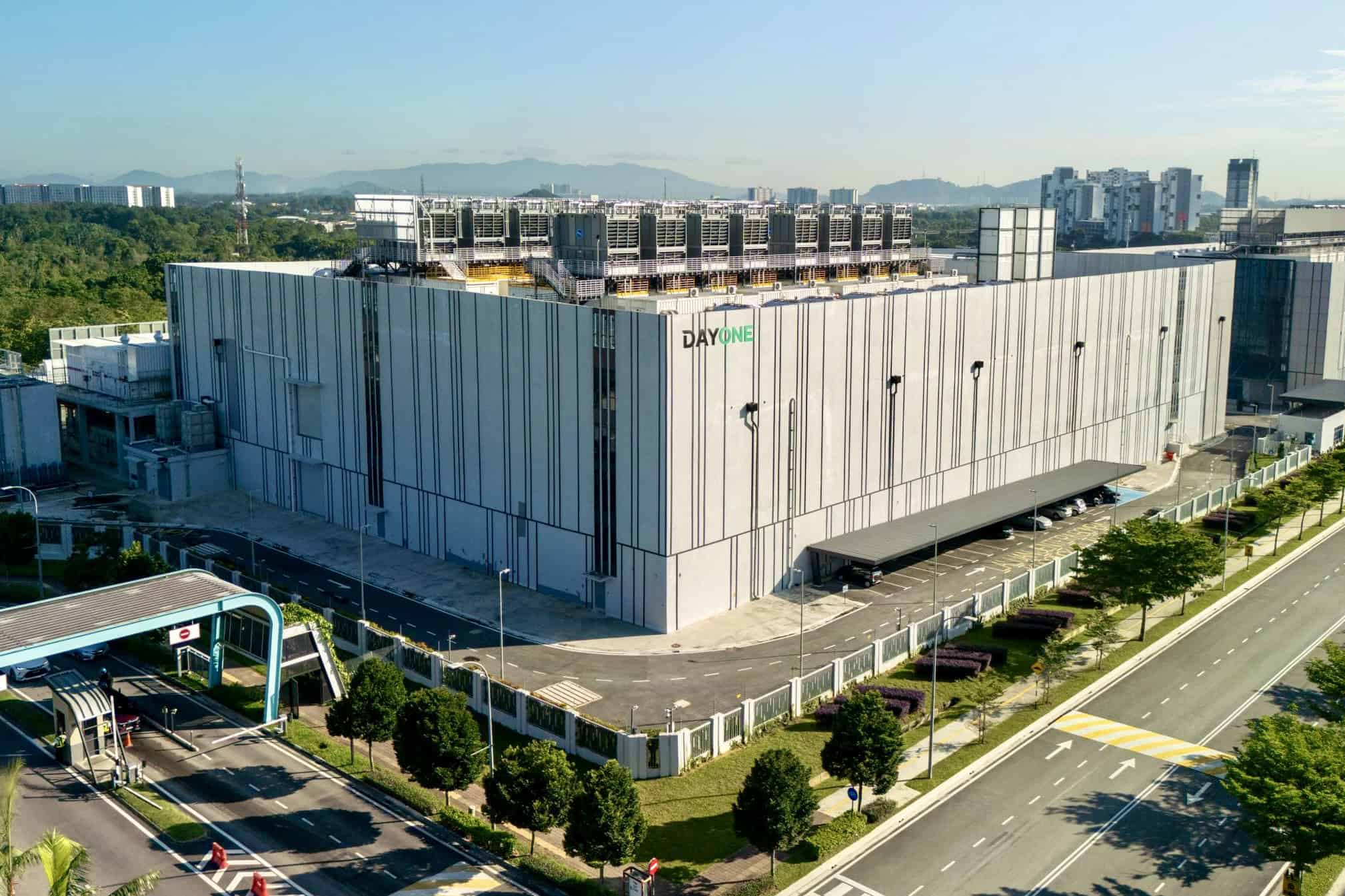
Chip Controls Arbitrage
The U.S. government doesn’t want America’s best chips to power Chinese data centers that would then help Chinese companies hone their AI models and applications. DayOne, a Singapore-based data center provider, profits from this by building data centers in Southeast Asia where Chinese AI firms can legally access America’s best chips. Noah Berman looks at DayOne and the IPO prospectus it has just issued. “DayOne’s rise,” he writes, “illustrates how companies can profit, and even gain backing from American investors, as U.S. export controls lead Chinese companies to seek access to data centers overseas.”
More AI Slop Brainrot
Are you, like the Old Dad who writes this newsletter, also a parent who dreads the short videos on YouTube and elsewhere that so easily reel in your kids? Alas, writes Savannah Billman, if China is anything to go by — as it increasingly is when it comes to tech trends — the madness is only going to get worse. Almost 900 million (!) Chinese people are watching AI-generated “short dramas”, issued as a seemingly endless stream of two-minute videos, on a new generation of apps tailored to the new genre. Over the first half of this year alone about 267,000 AI short videos were released. Ugh.
Clearing an AI Safety Channel
Recent steps taken towards the establishment of a U.S.-China AI incident-reporting channel are important, write Lizzi C. Lee and Simon Hedlin. But, they add, there is “a more pressing issue: frontier AI companies currently do not provide the information they need”.
Subscribe today for unlimited access, starting at only $25 a month.
The Wire China, Issue No. 307