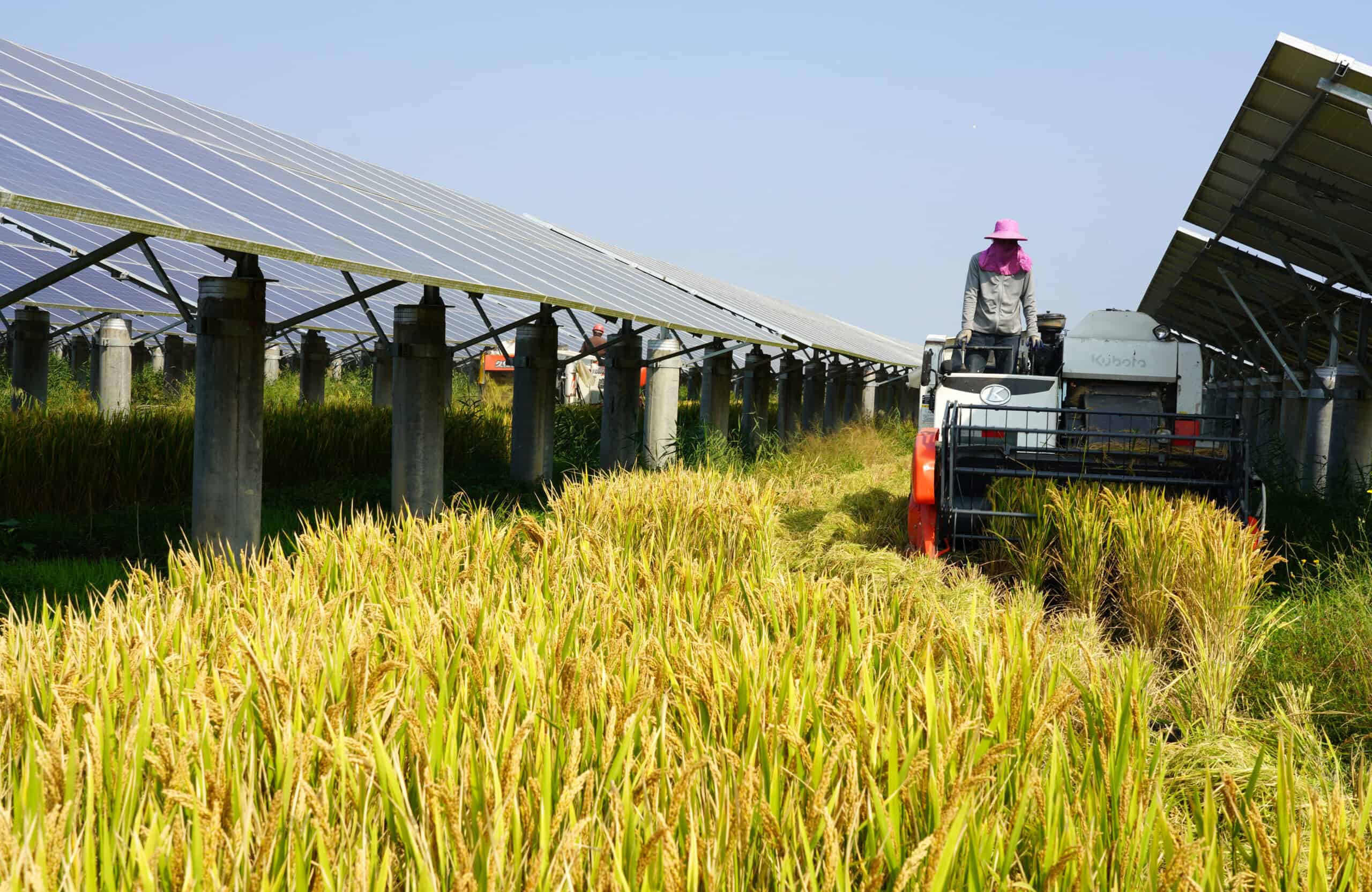
Good evening. In the early 1980s a German physicist envisioned a future in which a single tract of farmland would be used to grow food and generate solar energy. Nowhere does this make more sense than in China’s most populated central and eastern regions where land for farming and solar energy installations is scarce. This week’s cover story looks at China’s efforts to master this “dual-use” approach, which would also make a lot of sense in Donald Trump’s America given his inflationary war on Iran.
And as is so often the case in so many industries, China is not only adopting this European innovation at home — it is also starting to export its newfound know-how around the world. The same pattern in sectors from autos to telecom equipment, George Magnus writes, has led to a crisis in Sino-EU relations. Elsewhere in this week’s issue, Clement Ngu talks with Gunnar Wiegand, former head of EU diplomacy in the Asia-Pacific region, and Alberto Moel assesses China’s efforts to end Dutch dominance of lithography.
Finally, Savannah Billman profiles the National Natural Science Foundation of China in The Big Picture and, in our latest podcast, talks with Rachel Cheung about the rise and rise of Chinese memory chip maker YMTC and, conversely, the troubles brewing at CATL, the world’s dominant manufacturer of EV batteries.
Want this emailed directly to your inbox? Sign up to receive our free newsletter.
Dual-Use Farms
Imagine an America in which Donald Trump is not cruising for a mid-term electoral bruising, in part because red-state farmers aren’t so worried about sky-high diesel prices. In this fantasy land, the Trump administration noticed that China is promoting efforts by farmers, herders and green-energy companies to grow crops or graze animals while producing solar power — and then decided this was a good idea that America too should imitate. As Peiyue Wu writes in this week’s cover story, farmers who do this are less dependent on, if not entirely independent of, expensive fossil fuels and also make money by selling excess electricity to the grid.
George Magnus on Europe’s China Crisis
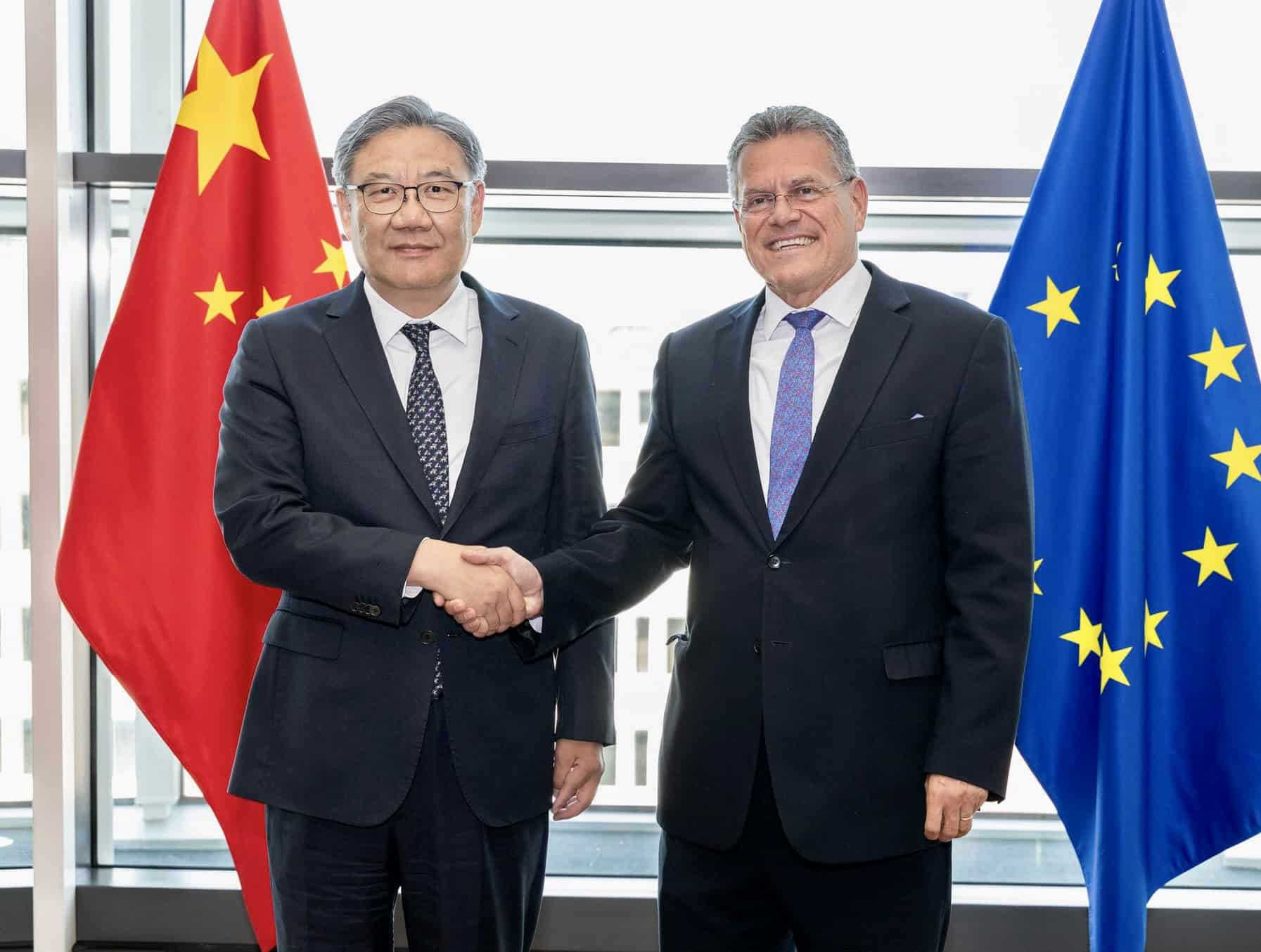
For the EU, China Shock 2.0 is to China Shock 1.0 what Trump 2.0 is to Trump 1.0 — a sequel that is even worse than what it regarded to be a terrible original. “The current China shock is more serious than its 2000s predecessor because China’s 20 percent share of global exports is four times larger than back then, while the country is now at the technological frontier,” writes George Magnus. “China also now accounts for a third of global manufacturing, and is dominant in products that are central to strategic and military sectors.”
NSFC vs NSF
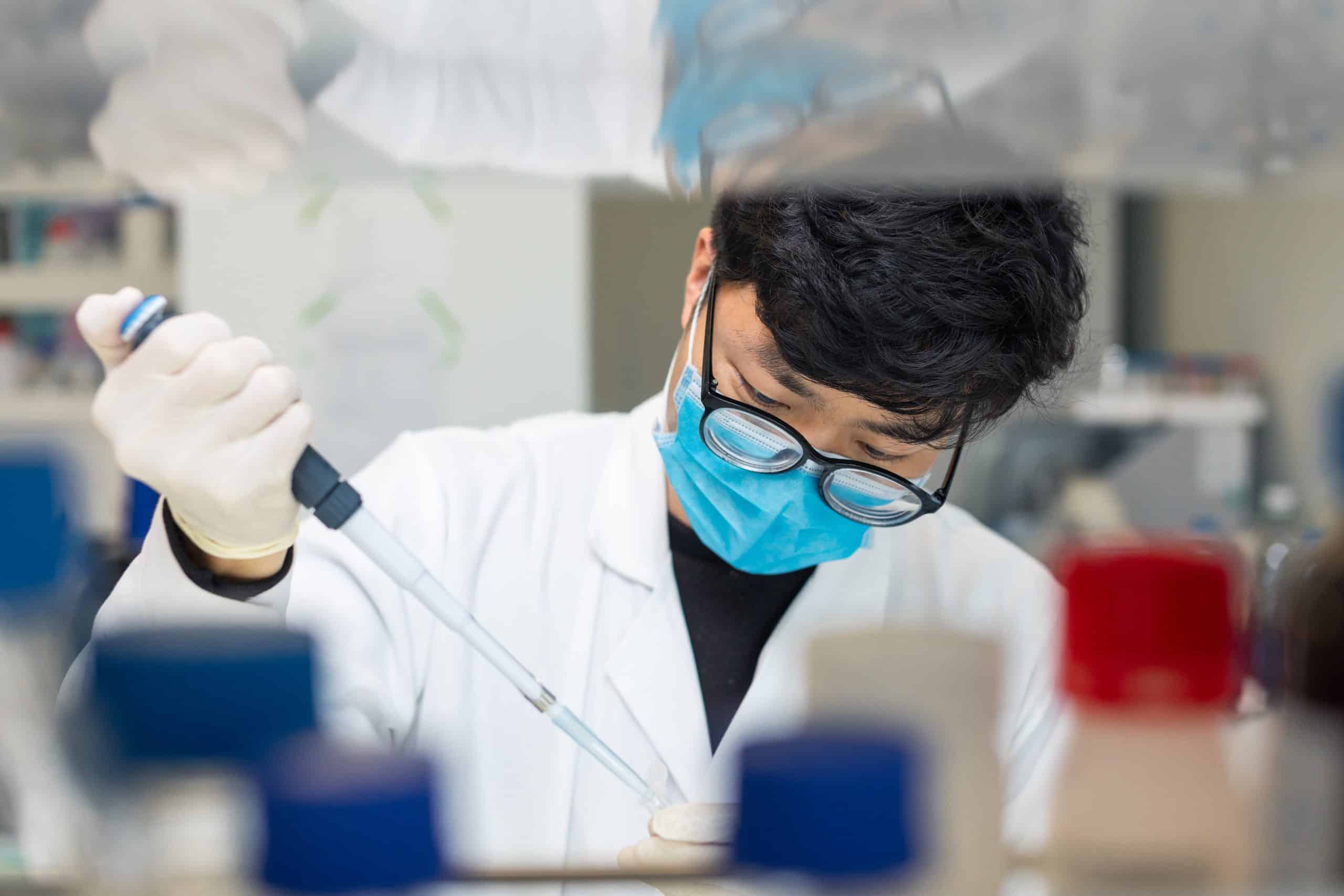
While the Trump administration wars with the National Science Foundation, Beijing’s equivalent, the National Natural Science Foundation of China, is pouring more and more money into basic scientific research. As Savannah Billman notes in this week’s Big Picture: “Funding scientific research in such ways, even when it doesn’t necessarily have a clear aim, is a high-level priority for Beijing. Government funds are flowing accordingly.”
A Q&A with Gunnar Wiegand

Gunnar Wiegand is a visiting distinguished fellow at the German Marshall Fund’s Indo-Pacific program. Wiegand previously served as managing director for Asia-Pacific at the European External Action Service, the EU’s diplomatic service, from 2016 to 2023. In a conversation with Clement Ngu, he discusses the recent China-EU trade agreement and the bloc’s rapidly evolving China strategy.
“The EU is starting to recognize the need to have protective measures in place but has not entered into a protectionist position,” Wiegand says. “The EU’s market is largely open; otherwise we wouldn’t have this enormous surge of Chinese imports.”
Gunnar Wiegand
Illustration by Lauren Crow
Learning Lithography
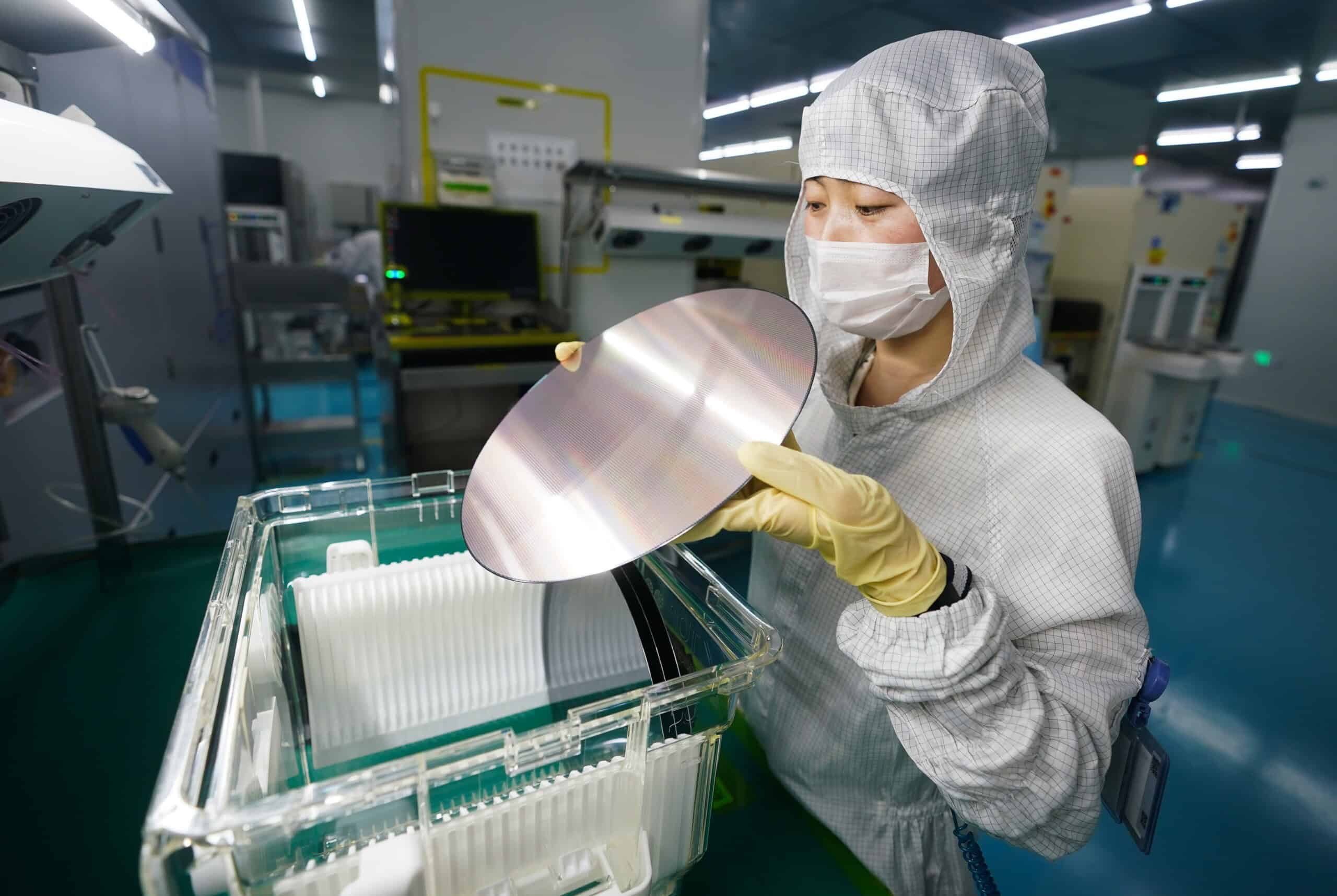
Not even the U.S. can compete with Holland when it comes to making the lithography machines at the center of the semiconductor chip-making process. Can China succeed where America did not? Alberto Moel looks at recent Chinese progress in this critical technology.
Subscribe today for unlimited access, starting at only $25 a month.
The Wire China, Issue No. 305