Good evening. In industries both modern or ancient, the success of Chinese development policies often exceeds the dreams of their Communist Party creators — and the fears of governments in North America and Europe. But they also can have unintended consequences, as two of our stories in this week’s issue explore.
Chinese companies are world-beaters when it comes to electric vehicles — and the battery technology that powers them. But did Party technocrats ever envisage a day when the profits of China’s leading battery maker, CATL, would exceed those of the country’s top ten EV makers combined? Rachel Cheung looks at the efforts by the latter to cut costs and restore profit margins by developing their own batteries, a trend referred to as “de-CATLization”. Or consider the success of the Party in developing, of all things, a thriving aquaculture industry in, of all places, the arid wastes of Xinjiang. Villagers there can now eat and profit from the sale of “Atlantic” salmon grown in fish farms on the edge of the Taklamakan desert. But what, asks Ian Urbina, is the true cost of this success when those same salmon are fed smaller “forage fish” caught in Peruvian and East African waters — and are they being exported to the U.S. in violation of the Uyghur Forced Labor Protection Act?
The Wire China also looks this week at Chinese industrial policy-in-the-making, as it were, for what many believe will prove to be the world’s most consequential industry ever — artificial intelligence. In the Big Picture Savannah Billman profiles the party and government agencies and officials responsible for policing AI. And in an op-ed, Lea Thome looks at how Chinese companies and officials are racing to place AI computing and data-center infrastructure in space.
Repression is also an industry in its own right in China, especially in Xinjiang. And it too can have unintended consequences. In a conversation with Brent Crane, NPR’s White House (and former China) reporter Emily Feng discusses her new book on how many Uyghurs who fled Xi Jinping’s “anti-terrorism” and “re-education” campaign in Xinjiang ended up at the center of Syria’s civil war. There they were able to exact a measure of revenge against Xi by playing a pivotal role in the rebellion that brought down his erstwhile ally there, former Syrian President and dictator Bashar al-Assad.
And finally, in our latest podcast Andrew Peaple and Noah Berman discuss Noah’s recent reporting on a Chinese company’s alleged theft of Belgian semiconductor technology.
Want this emailed directly to your inbox? Sign up to receive our free newsletter.
Farming Fish in the Desert
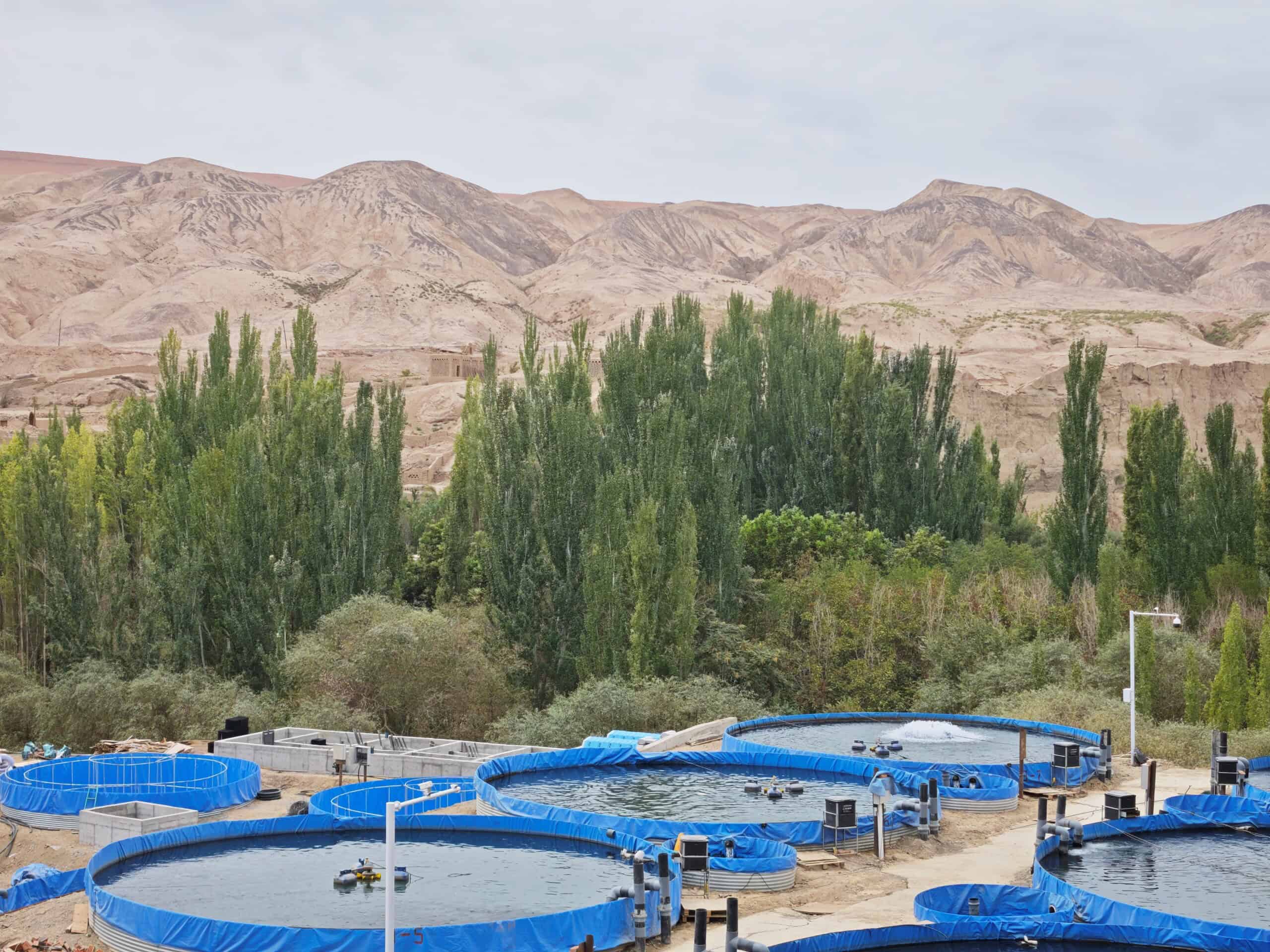
More than 1,000 fish farms now dot the arid northwestern region of Xinjiang, producing about 200,000 tons of seafood annually, Ian Urbina writes in this week’s cover story. Atlantic salmon, lobster, bass, carp, crab, shrimp — all of them and more raised in Xinjiang. Chinese media calls it the “Blue Miracle” — a maritime economy in one of the most landlocked areas on the planet, known to geographers as the Eurasian Pole of Inaccessibility given its distance from the nearest ocean. The Outlaw Ocean Project, based in Washington, DC, mapped these farms as part of a sweeping investigation showing how much Xinjiang-raised seafood is reaching the U.S. in violation of the Uyghur Forced Labor Prevention Act.

De-CATLized
The industrial policies that gave rise to China’s dominant position in the global EV industry were a boon for battery maker Contemporary Amperex Technology Co. — until they weren’t. Government support for the industry resulted in overcapacity, overproduction and price wars. Suddenly profit-challenged EV makers needed to cut costs wherever they could, and replacing CATL’s relatively expensive batteries with in-house batteries of their own was one way to do this. The trend, Rachel Cheung writes, has contributed to a 40 percent fall in CATL’s share price since May.
Xi Jinping’s AI Enforcers
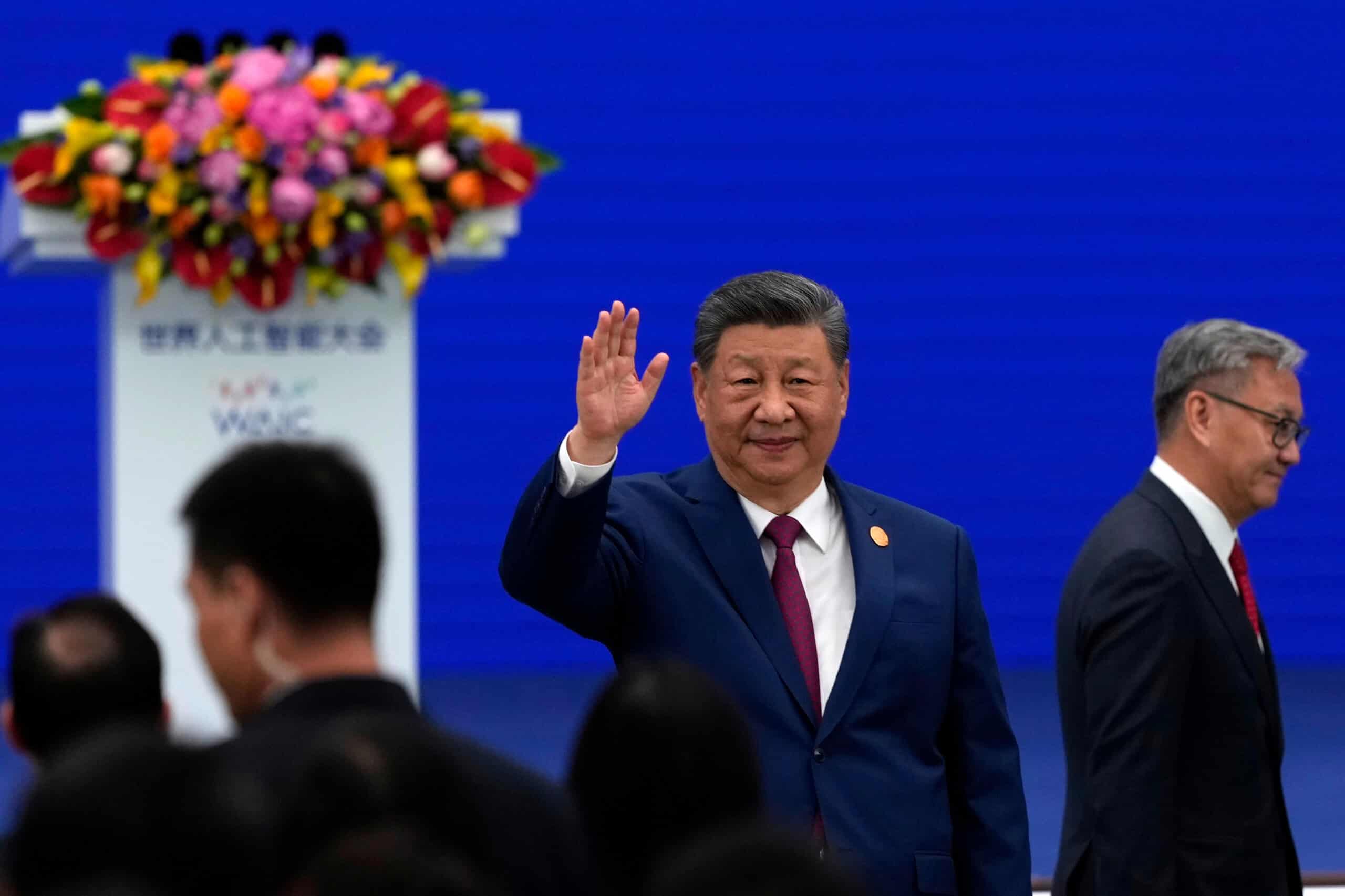
Donald Trump has displayed little interest in regulating the AI and other Big Tech firms that wield so much financial, political and social power in America. When it comes to independent vested interests, the Chinese Communist Party takes a different approach. There will be no more Jack Ma’s. In this week’s Big Picture, Savannah Billman looks at the party and government agencies and officials tasked with regulating AI.
A Q&A with Emily Feng
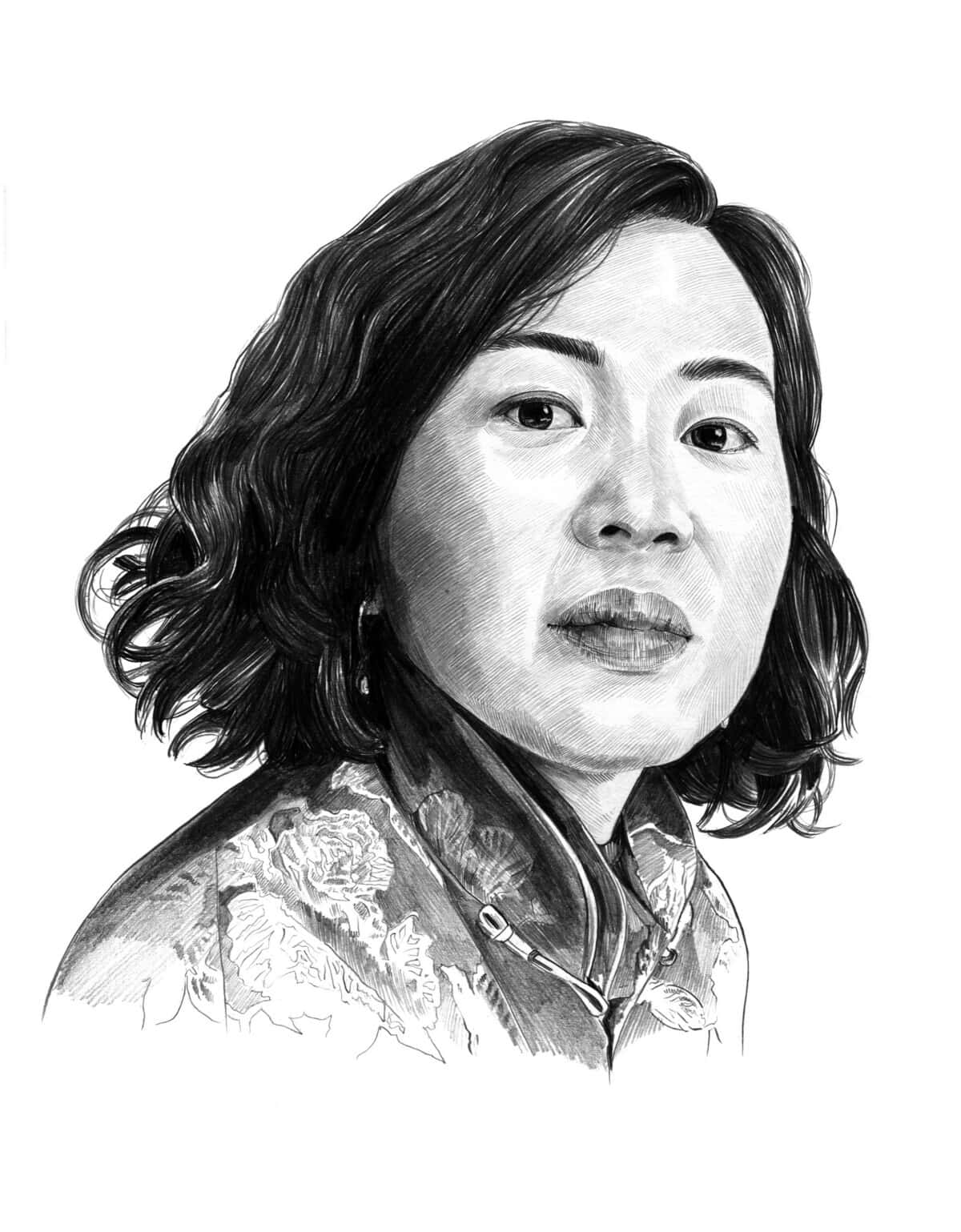
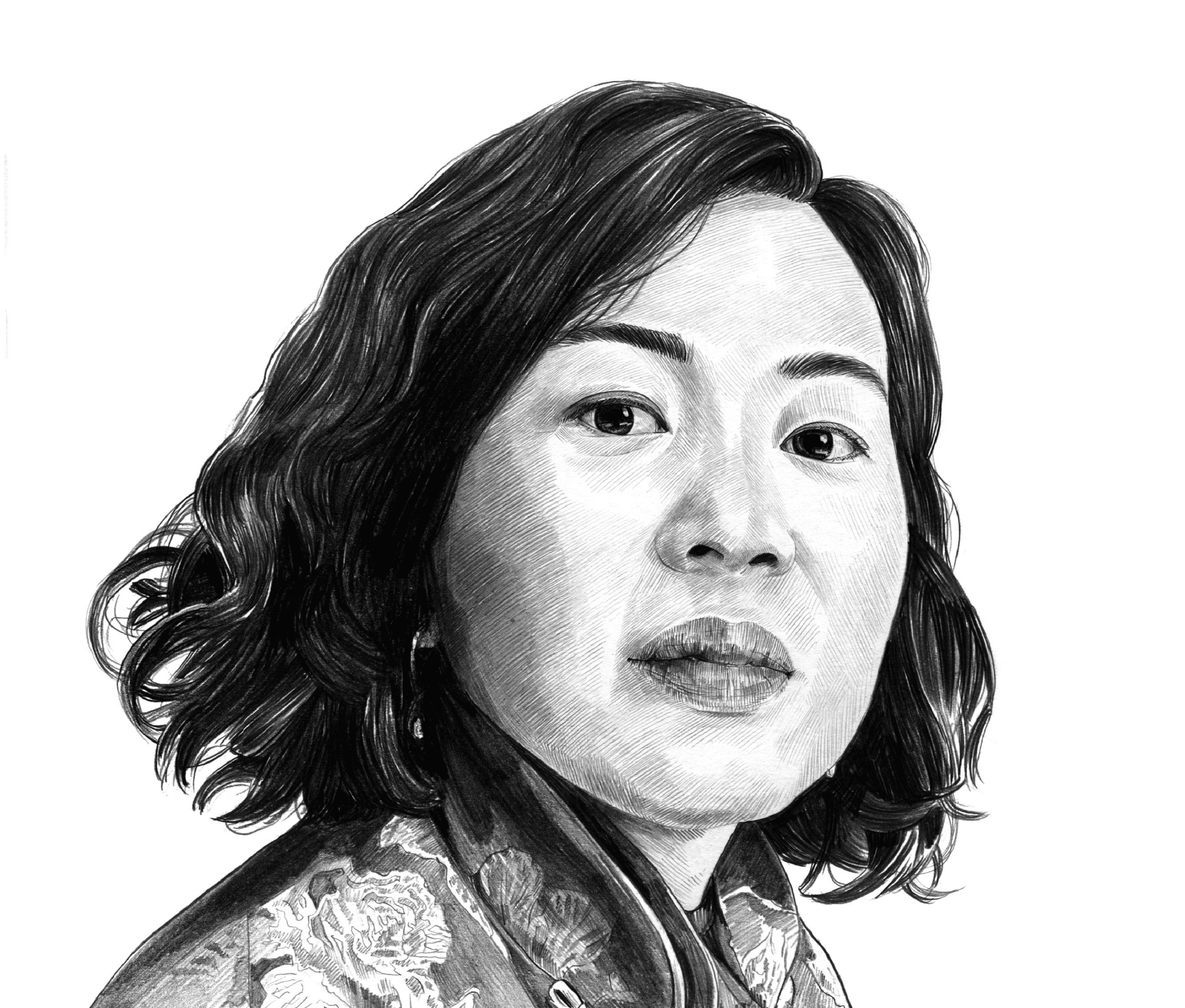
Emily Feng, a White House correspondent for NPR, first started covering the persecution of China’s Muslim Uyghur population a decade ago while working for the Financial Times in Beijing. Her latest book, Our Hearts Burned for Home, is about Uyghur militants who fought in Syria’s civil war.
In this week’s Q&A, with Brent Crane, Feng reflects on her and her subjects’ journey from China to the Middle East, Uyghurs’ sense of alienation from the “Inner Lands” of Han China, and their place — or lack thereof — in post-Assad Syria. “The Uyghurs are valued because they were so loyal and effective during the civil war,” she says. “[Syrian rebel turned president] Ahmed al-Sharaa sees them as a kind of Praetorian Guard, people he can rely on and call upon to protect him if needed, as they have in the past.”
Emily Feng
Illustration by Lauren Crow
The Race to put Data Centers in Space
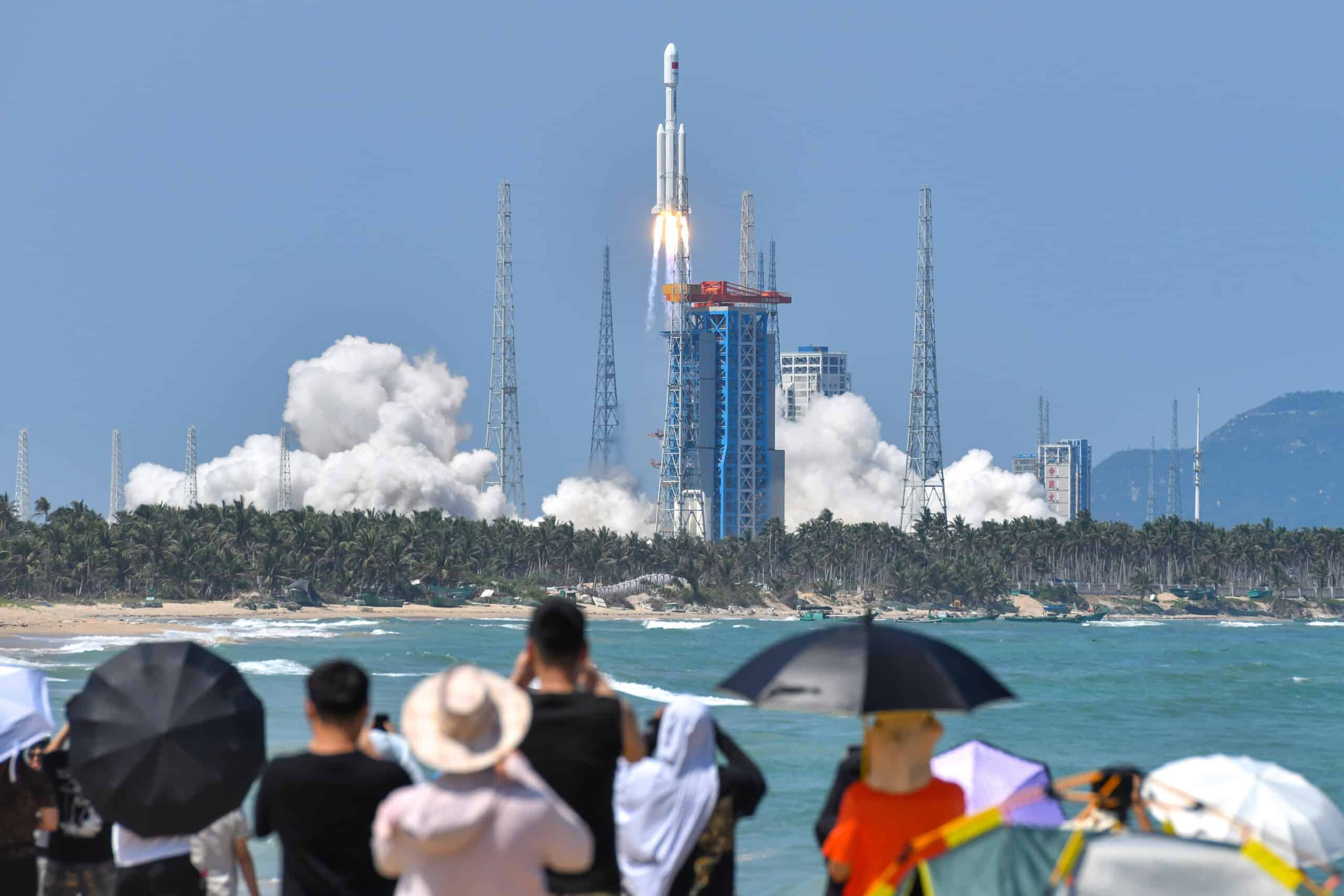
Between May 2025 and July of this year at least four Chinese companies announced plans to launch “constellations” of satellite-based computing and data storage infrastructure into space. Lea Thome writes that there are still many technical and economic hurdles to overcome, but speed is of the essence as U.S. and European rivals also race to secure finite orbital positions.
The Wire China, Issue No. 304
Subscribe today for unlimited access, starting at only $25 a month.