The Chinese entrepreneurs, researchers, and policymakers driving the country’s rise as a space power.
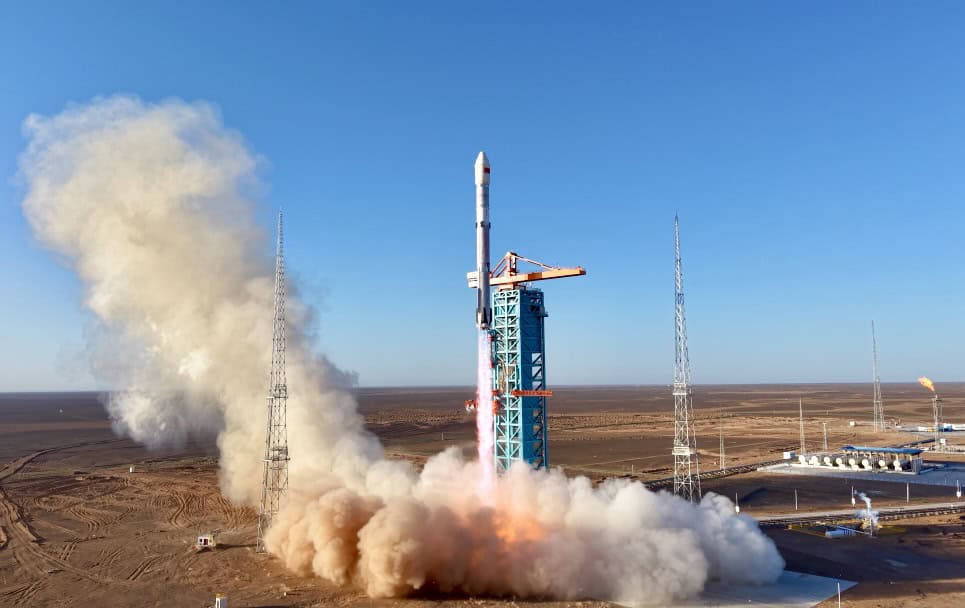
The Zhuque-3 reusable Y2 carrier rocket blasts off at the Dongfeng Commercial Space Innovation Pilot Zone in Northwest China, August 19, 2026. Credit: Landspace
Outer space has long been a priority for China. In the 1950s, the Communist Party coined the term “two bombs, one satellite” as a signpost for its scientific aspirations: develop an atomic bomb, a missile, and a satellite.
Today, China is aiming much higher, with the help of the private sector. Beijing ended its decades-long state monopoly of the space industry in 2014, since when some six hundred commercial space firms have been formed, working in tandem with state-owned enterprise
Exclusive longform investigative journalism, Q&As, news and analysis, and data on Chinese business elites and corporations. We publish China scoops you won't find anywhere else.
A weekly curated reading list on China from Andrew Peaple.
A daily roundup of China finance, business and economics headlines.
We offer discounts for groups, institutions and students. Go to our Subscriptions page for details.
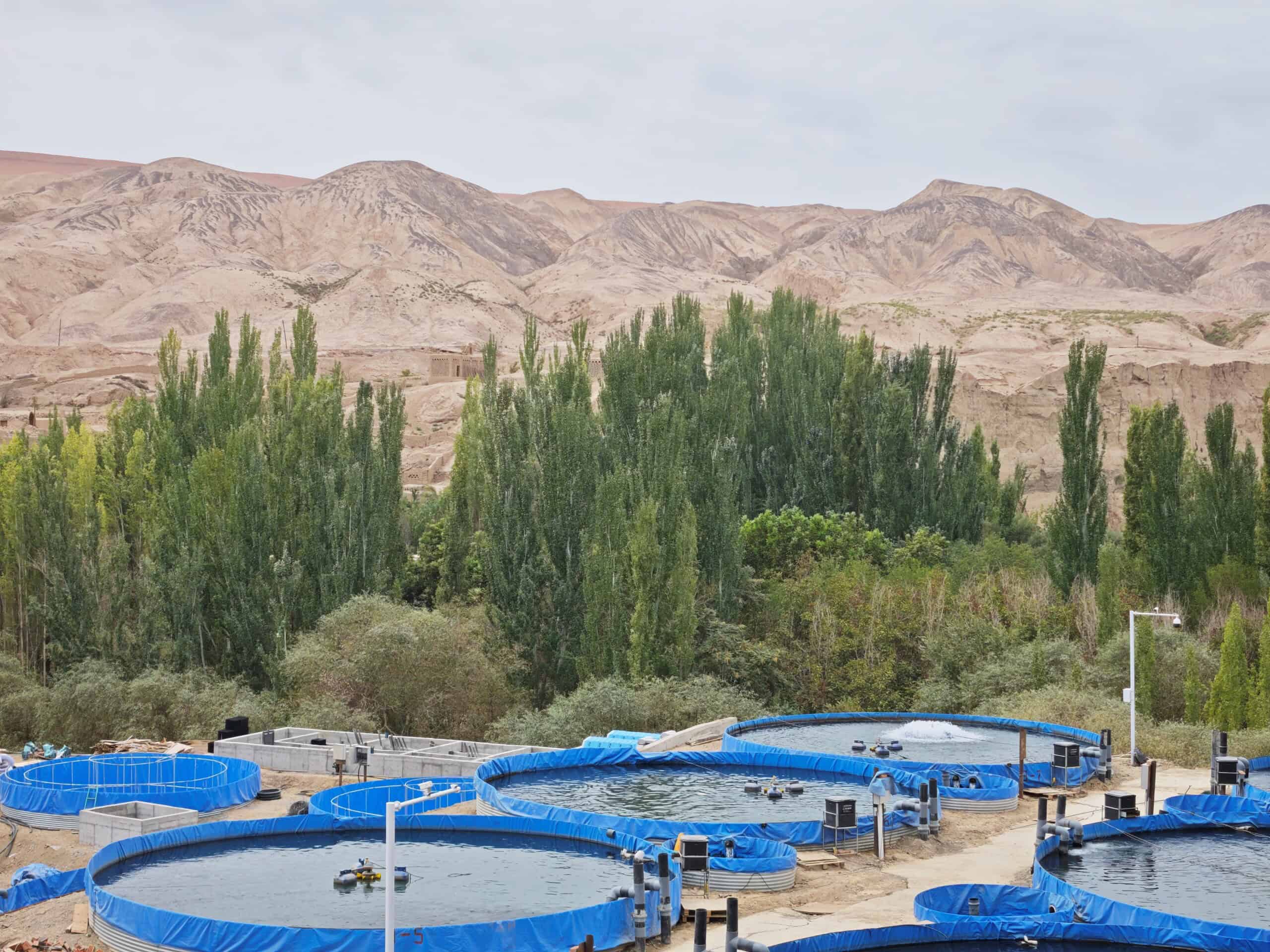
Fish farming in Xinjiang is being sold as proof that technology can overcome geography. The reality is more complicated: a desert seafood boom built on political control, imported feed and a food system that masks its real burdens.
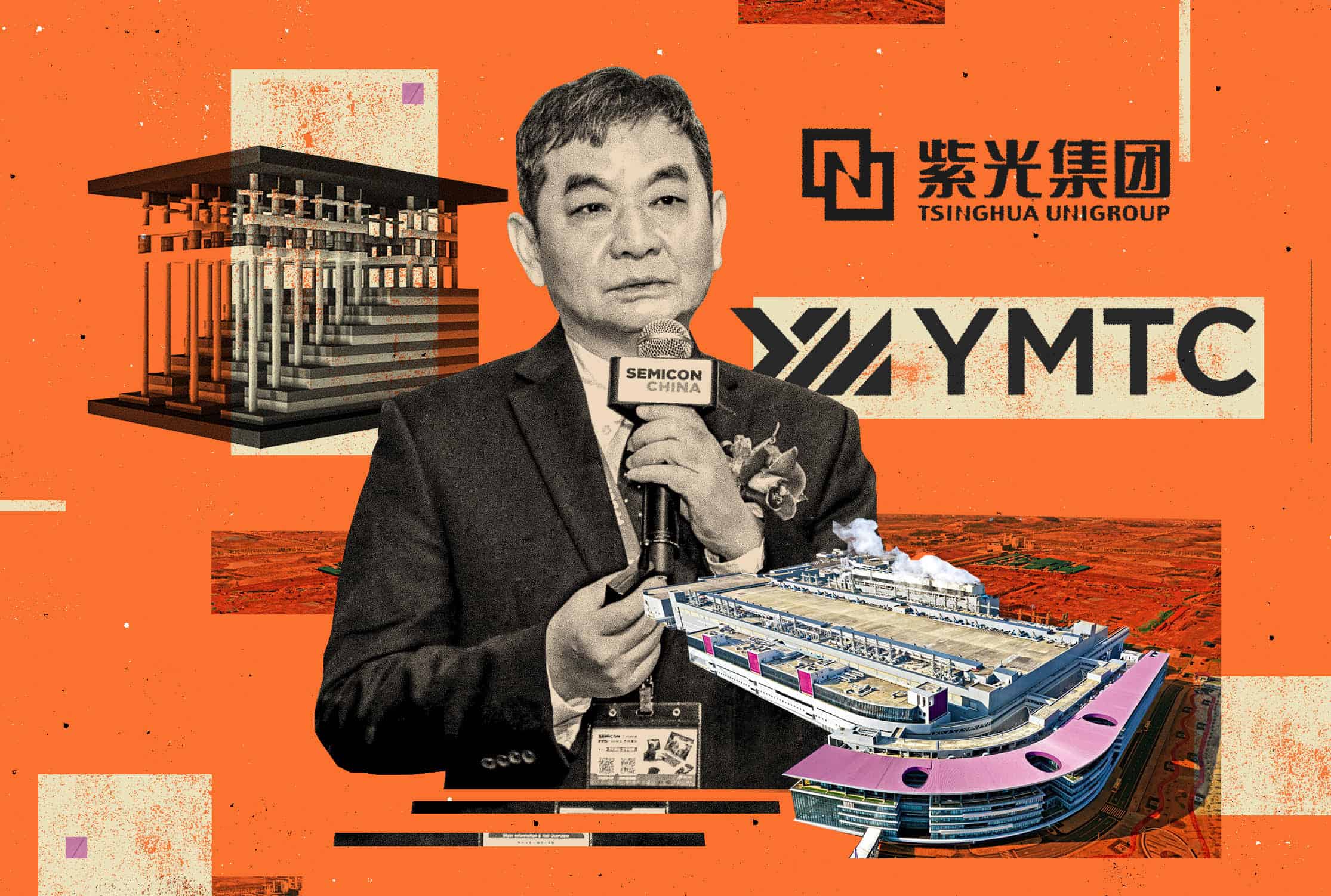
Sanctions and export controls failed to contain the rise of Yangtze Memory Technologies Corp. Now the national champion is riding the AI boom to a record IPO.
We use cookies to ensure that we give you the best experience on our website. If you continue to use this site we will assume that you are happy with it.