For years, Americans told ourselves a comforting story about China: We invent, they copy us. That story is badly out of date.
China is no longer just the world’s factory. In many technologies that will define the next decade, it is rapidly becoming the world’s laboratory, and U.S. companies now have much to learn from China. But here is the trap: Just as we may need more access to China’s best technology, Beijing is tightening the legal net around it.
As former Google boss Eric Schmidt and others have explained, China is now a real leader in open-source AI models, drones, robotics, advanced manufacturing, electric vehicles, batteries, and autonomous driving systems. The Australian Strategic Policy Institute’s Critical Technology Tracker lays bare plenty of evidence to back up such claims.
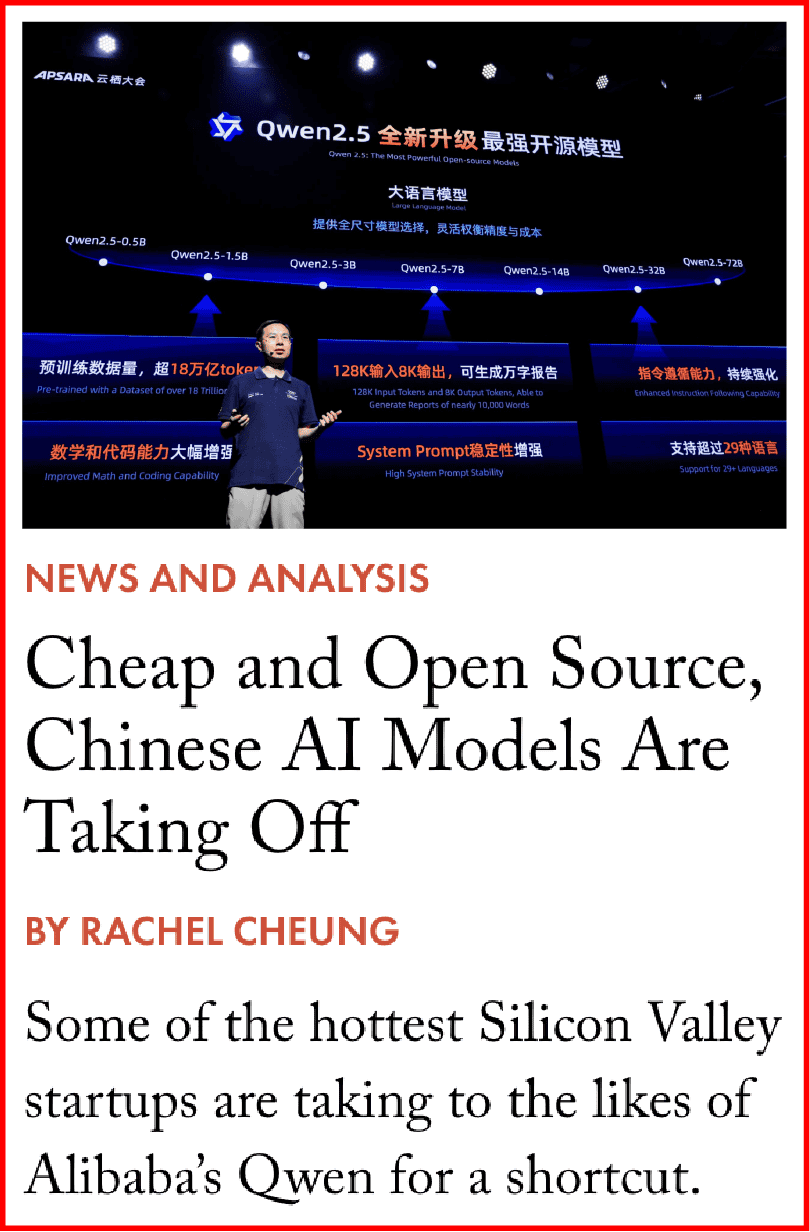
You can see it in artificial intelligence. Chinese companies such as DeepSeek, Kimi, Qwen, Z.ai, Tencent and ByteDance are building powerful models with fewer top-end chips than their American competitors. Many are open-weight and free, so they are becoming the go-to AI layer for start-ups world wide. A developer in Jakarta or Berlin can download a Chinese model and start building on it today.
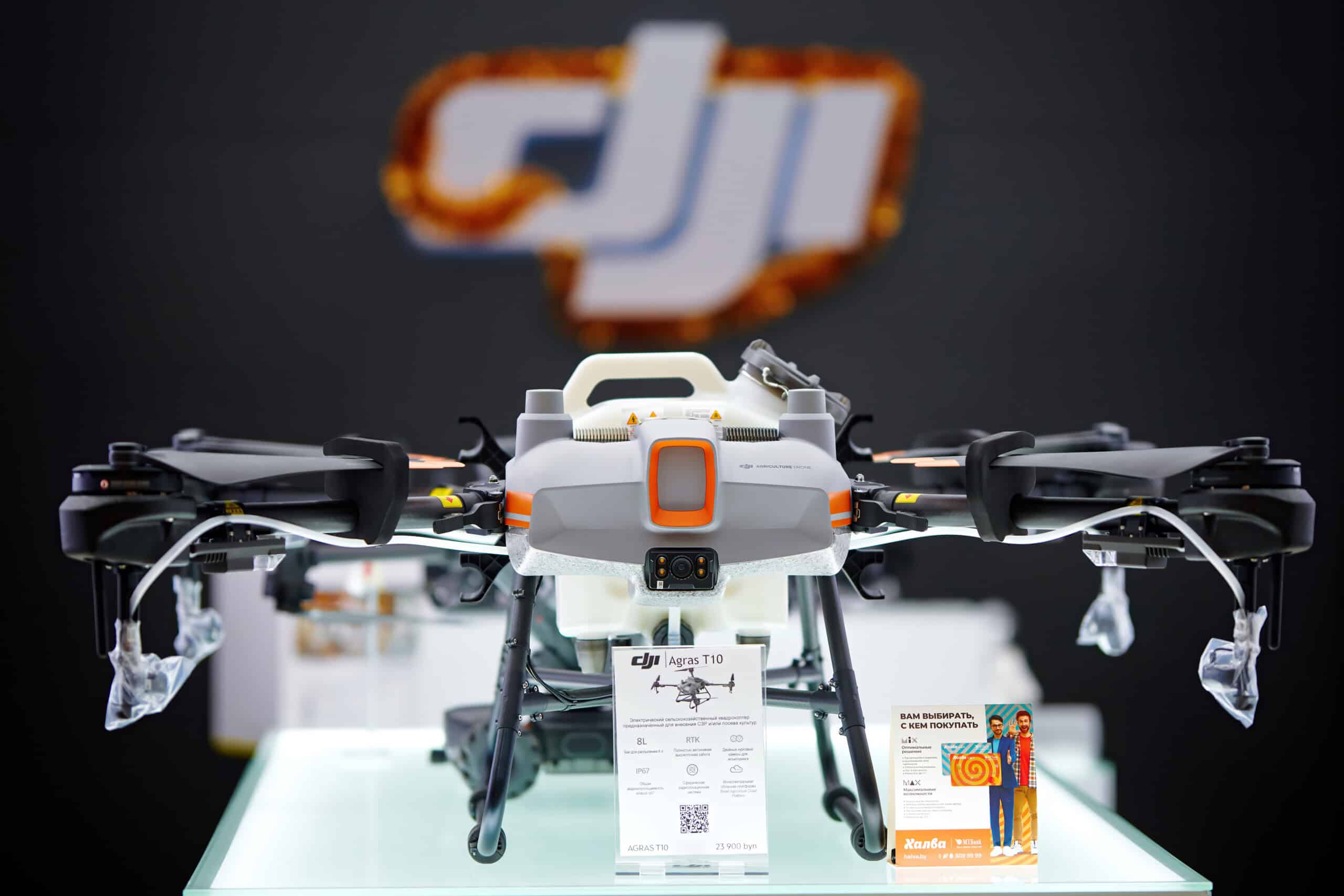
You can also see it in the physical world. Chinese company DJI sets the standard in commercial drones. Across China, robots weld, paint, sort and inspect around the clock; some “dark factories” run with the lights off and only a handful of engineers nearby. China now has about two million industrial robots in operation and accounts for more than half of new installations worldwide. In Shenzhen and Guangzhou, hardware firms move from idea to scale at a speed that should unsettle Boston, Austin and Silicon Valley.
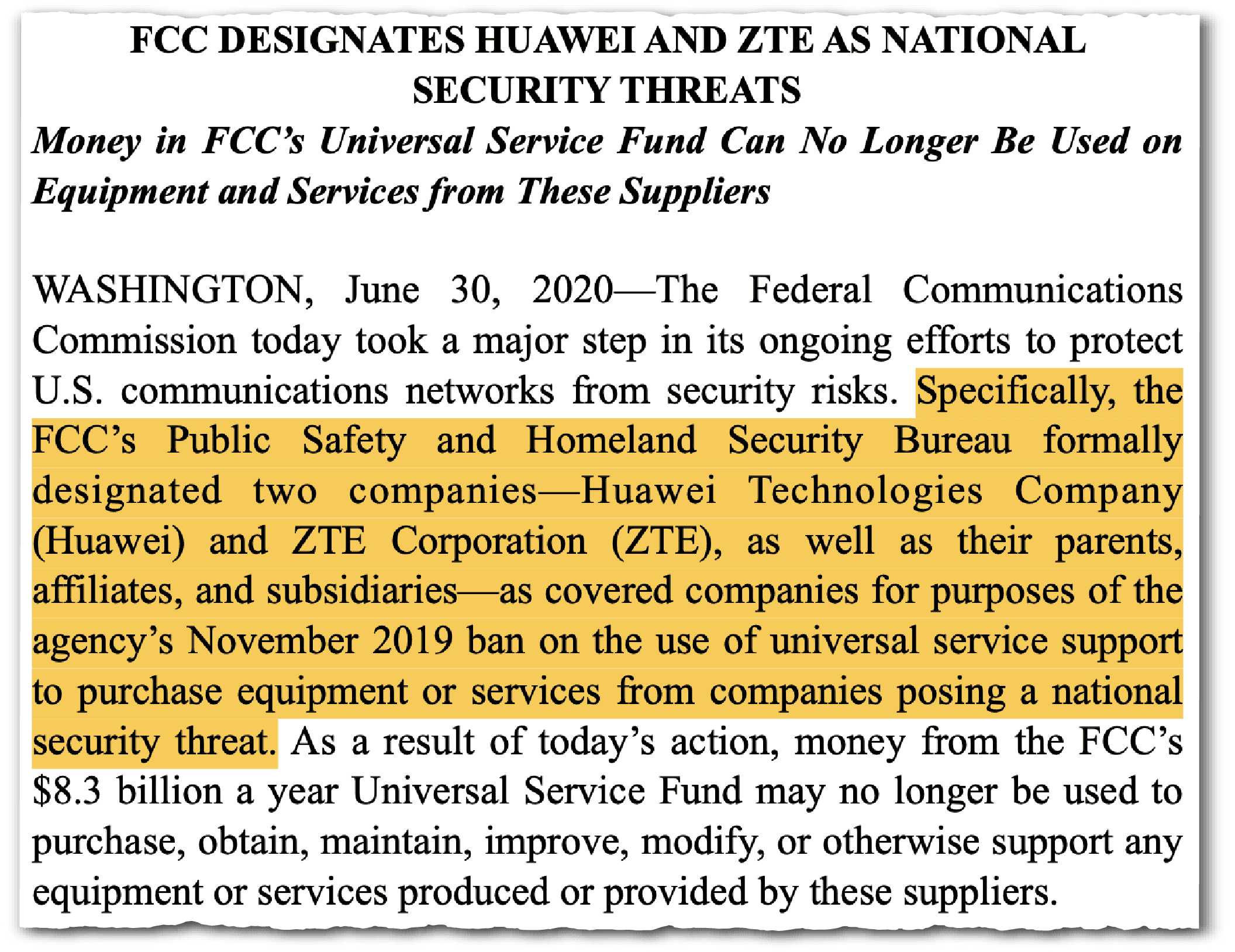
America’s instinct so far has been to ban what frightens us. We restrict Chinese 5G telecom equipment and some drones. We keep Chinese electric vehicles out of the U.S. market. Some of this is justified by real security concerns. But the cumulative effect is that we are hiding Chinese innovation from ourselves. Much of the world is instead buying, testing and learning.
That raises an uncomfortable question. If China now leads in important areas, should American and European companies work with Chinese firms to catch up?
We should not be too proud to learn. The West taught Chinese companies for decades through joint ventures, supplier relationships and open access to our markets. Knowledge should flow both ways.
China is trying to prevent this. In just the past few months, at breakneck speed, Beijing has issued new State Council orders to make sure foreign companies and governments cannot use acquisitions, offshore structures, sanctions pressure or partnership agreements to learn from China’s technology crown jewels.
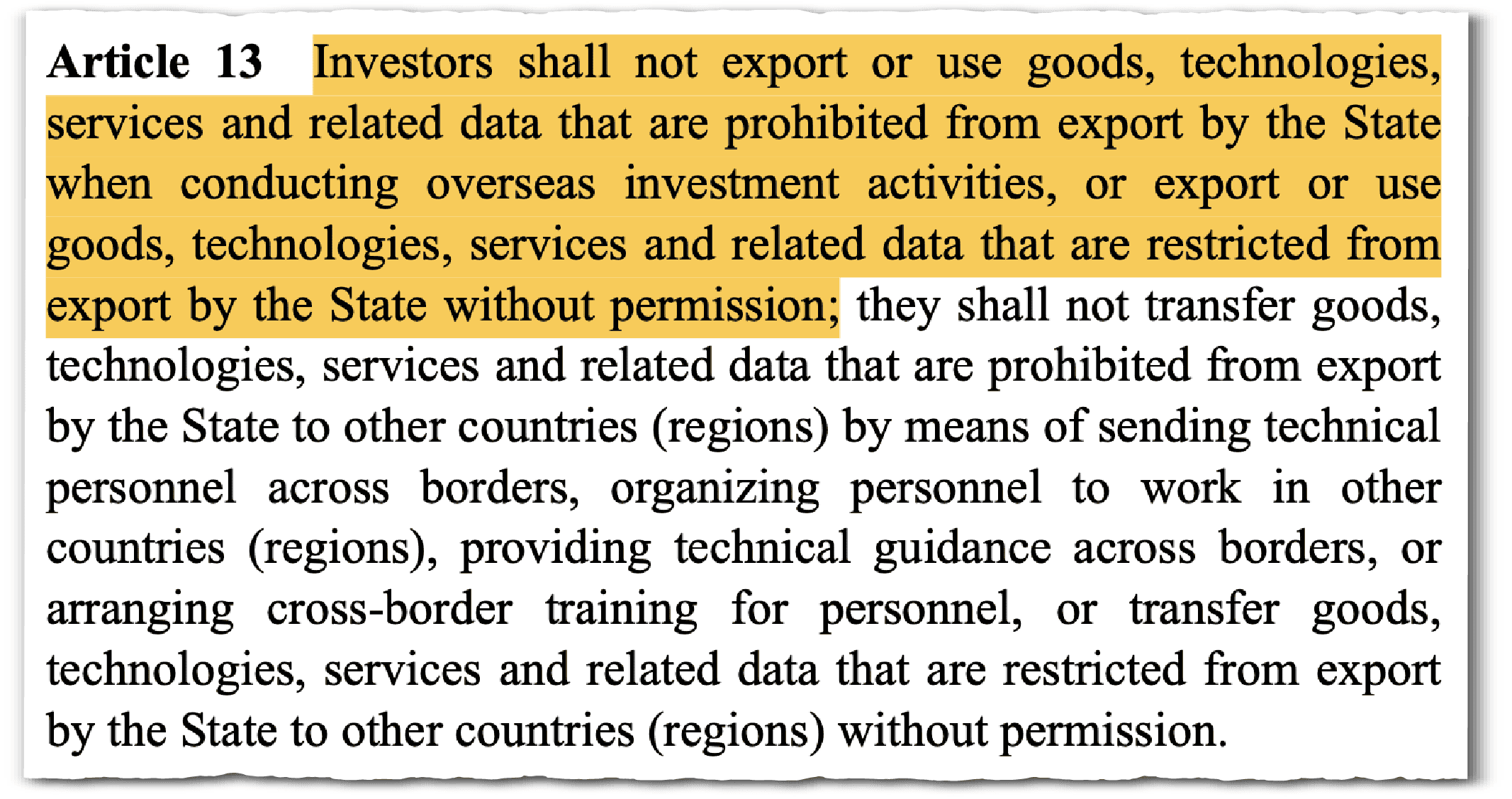
The most important new order governs outbound investment. It gives Beijing more tools to keep Chinese technology, data, model weights, corporate control and even people — founders, engineers and scientists — from moving abroad. A Chinese AI startup can no longer simply leave the mainland, reincorporate in Singapore and sell itself to the highest foreign bidder, as the Chinese AI company Manus tried to do last year. The Chinese authorities have now blocked Meta’s $2 billion deal to buy Manus.
That is a very big deal. The technologies where America most needs to learn from China — some AI, drones, robotics, autonomous systems, batteries and advanced manufacturing — are precisely the ones Beijing is now trying to keep under tight state supervision.
Where China is cheaper because of subsidies or forced labor, or because Chinese technology creates a security threat, say so and block it. Where China is cheaper because it designs better factories, or iterates faster, we should study, license or emulate.
American companies should not assume they can buy a Chinese AI firm and absorb its model stack. They should not assume a clever offshore structure will make a sensitive robotics or autonomous-driving deal work.
Collaboration is still possible, but it will have to be more practical and narrow: a battery component made in one place, a factory technique studied in another, a safety standard written jointly, an industrial robot tested for a narrow use.
The U.S. government must wake up to this new reality. Washington should stop treating Chinese technology as either a mortal threat or a knockoff. Where China is cheaper because of subsidies or forced labor, or because Chinese technology creates a security threat, say so and block it.
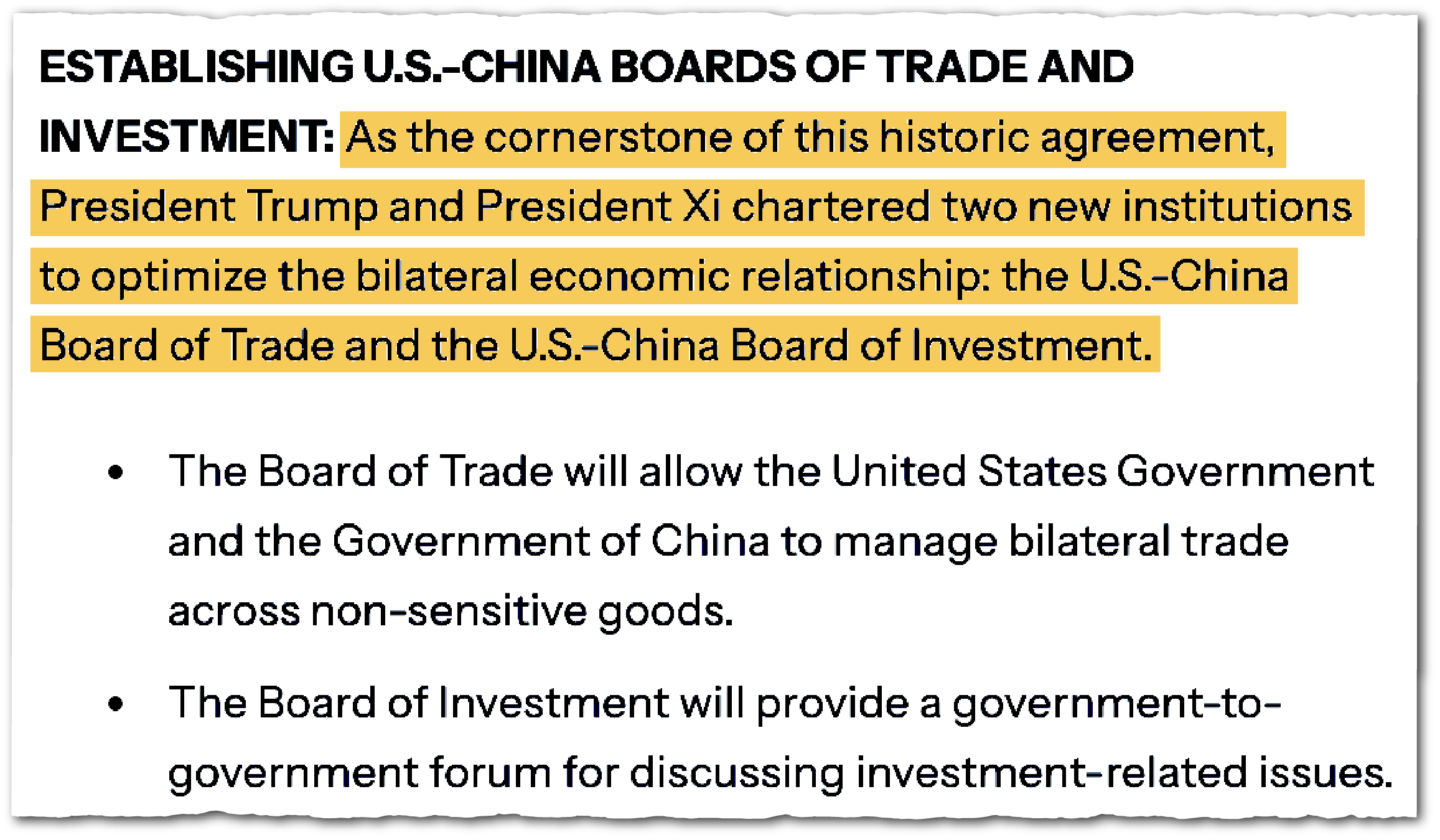
Where China is cheaper because it designs better factories, or iterates faster, we should study, license or emulate. The new U.S.-China Board of Investment, which Treasury Secretary Scott Bessent says will focus on non-sensitive areas, could help if it creates predictable lanes where U.S. companies can still collaborate with China.
America also needs a serious learning agenda. Not IP theft, but the humility to ask why Chinese firms can build faster and cheaper, along the lines Dan Wang argues in Breakneck, and the discipline to replicate some of those techniques here.
That means faster permitting for factories and power, more industrial apprenticeships, skilled immigration for engineers, smarter procurement, and financing tools that help companies scale production here rather than merely invent here.
The danger is not only that China is pulling ahead. It is that China will pull ahead, lock the door behind it, and America will still be congratulating itself for refusing to look inside.

Former diplomat, author, and advisor on foreign policy, Anja Manuel is Co-Founder and Principal in Rice, Hadley, Gates & Manuel LLC, a strategic consulting firm that helps U.S. companies navigate international markets, along with former Secretary of State Condoleezza Rice, former National Security Advisor Stephen Hadley, and former Secretary of Defense Robert Gates.