Though at very different stages of their careers, Peter Chan and Yajun Zhang have first-hand experience of AI’s pains and promise in the world’s largest labor market.1While India recently overtook China as the world’s most populous nation, the latter still has a bigger labour market with 725 million people in the workforce.
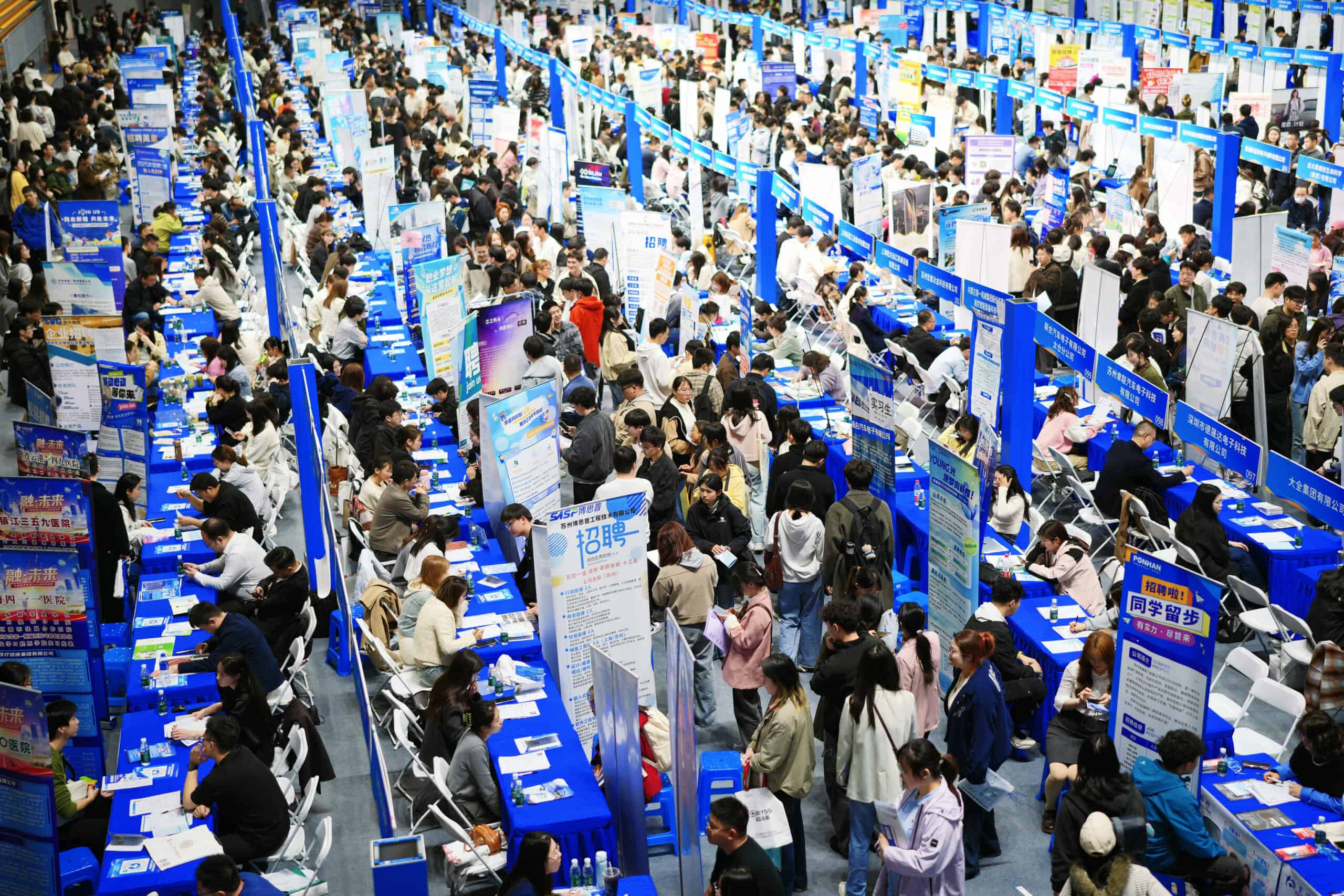
Chan, a recent graduate, worked for a few years as an administrative clerk but saw a limited future. Expecting that AI will soon be used for standardized and repetitive tasks, he returned to school in order to transition to a new career in sales or information technology. Even so, Chan is not optimistic about his prospects in China’s current economy. By the time he receives his Master’s degree, a record number of graduates will be fighting over relatively few jobs.
Speaking to The Wire China at a recent jobs fair at Shenzhen University, Chan blamed the situation on “a structural mismatch” in the economy rather than technological change alone. China, he believes, has transitioned from traditional sectors to high-tech industries so quickly that its education system has yet to catch up. “Many students graduated only to find that what they have learnt has no value in society,” Chan said.
Zhang, by contrast, is a mid-career professional who has worked for high-profile foreign entities such as The World Economic Forum and Brunswick, the global advisory firm. In March, she set up a Hong Kong-based consultancy to help Chinese businesses expand overseas.
Zhang decided to launch her own company because she expects AI to upend traditional corporate structures and reduce the need for middle managers like herself. “Instead of middle managers who lead and mobilize people, companies need people who can leverage different AI agents and execute tasks directly,” she says.
At her start-up, Zhang deals directly with clients while using AI agents to generate content, manage social media accounts and monitor media outlets — work that would require a team of five people.
Zhang doesn’t have a background in engineering or computer science. Instead she binge-watched online tutorials by AI gurus. When a Malaysian vendor asked for $6,000 and three weeks to build a website, she declined, subscribed to a $50 AI coding platform, and knocked out her own website and logo in three days.
“It is quite a cruel time, because you have to make all sorts of adjustments,” she says. “But it also depends on whether you can seize the opportunity and jump on the bandwagon. For me, this is a golden era.”
THE UNEMPLOYMENT DIARIES
Unlike in the U.S., where companies from Meta and Oracle to Estee Lauder and Walmart are all slashing their workforces, there have not been similar waves of large-scale layoffs in China. China’s urban unemployment rate has remained stable at around 5 percent, beneath the 5.5 percent target set by the government. The country added nearly three million urban jobs in the first quarter and is on track to create 12 million jobs by the end of the year.
But for many Chinese workers, the situation feels grimmer than what the statistics purport to show. They speak of the “curse of 35,” an age at which it is easy to get fired and hard to be hired.
The 12 million students graduating from universities each spring struggle to find jobs. The youth unemployment rate — 16.3 percent in April — is near a record high. Recent research has documented a trend known as “horizontal mismatches” as college grads enter occupations different from their field of study. They can also experience “vertical mismatches” when they settle for jobs they are overqualified for.
The shiye riji hashtag. Credit: Xiaohongshu
Many frustrated job hunters have turned to writing about their experiences on Chinese social media platform Xiaohongshu. They call these accounts their “unemployment diaries”, or shiye riji (失业日记) in Chinese.
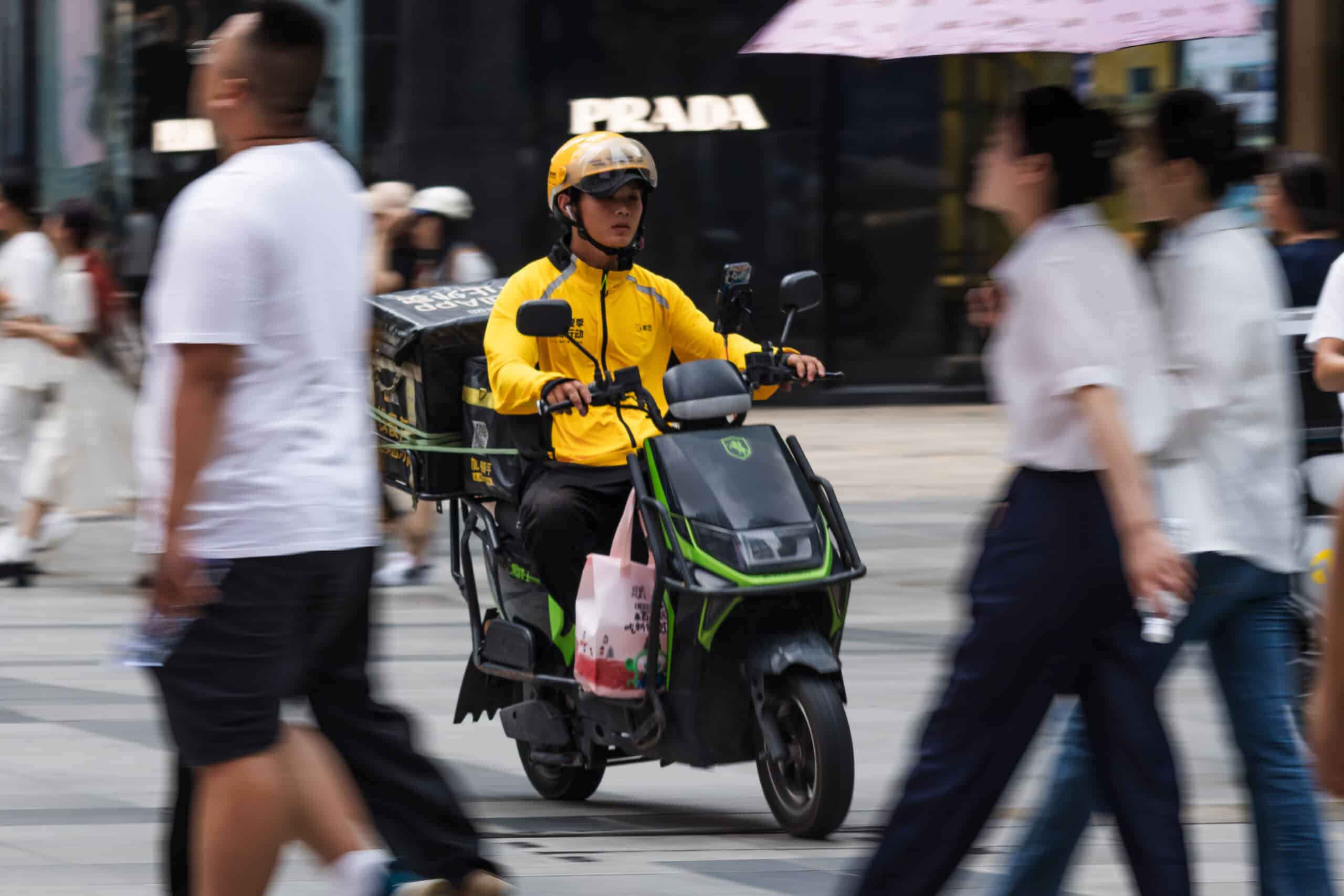
One such diarist is Deng, a licensed accountant in Beijing who, when between job interviews, delivers food on a motorcycle.
To maximize orders, the 38-year-old, who said he was “too busy” to do an interview and declined to give his full name, works for two different platforms. On a good day he can earn 160 yuan ($24) from about 18 orders. But on a bad day he might be penalized for a late delivery.
Deng claims to have worked at a large international accounting firm and an investment bank. Last year he was laid off from a state-owned securities firm after he refused to take a 30 percent pay cut as part of a corporate restructuring. Initially he was glad for some time off with a severance package. But one year and 27 interviews later, he is not so sure anymore.
Deng mass applies for jobs on online recruitment platforms and typically hears back from only a few. In advance of an interview, he memorizes AI-generated answers to potential questions. An acquaintance told him he is perhaps too old for Chinese firms. Another said not to bother applying to his bank, which is eliminating entire teams.
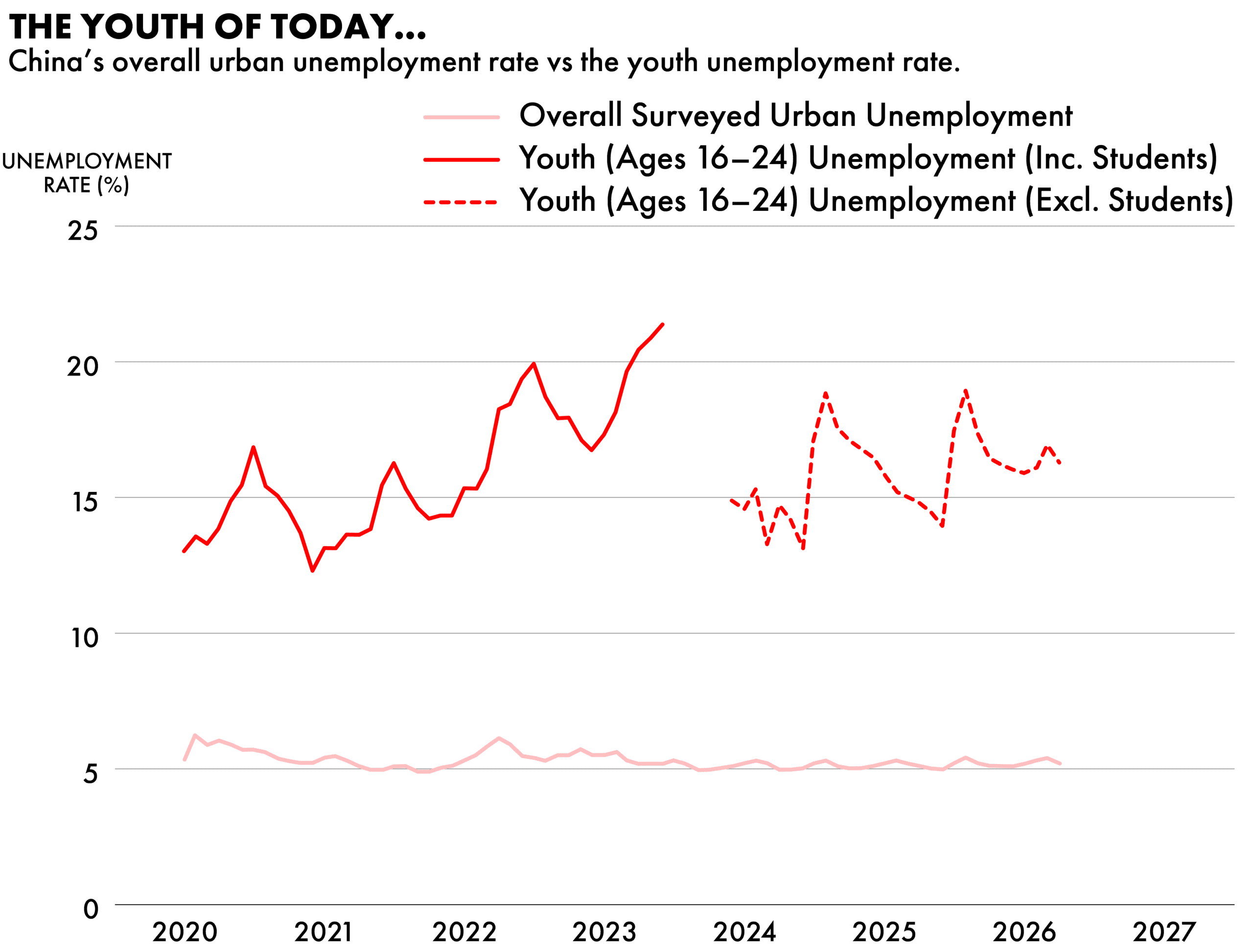
While U.S. workers fear that artificial intelligence will take their jobs, their Chinese counterparts are dealing with an even more daunting set of labour challenges arising from demographics, the post-Covid economic slowdown and industrial transitions.
Labour market conditions were starting to improve late last but took another turn for the worse in March, according to Leah Fahy, senior China economist at Capital Economics.
You have two goals. One is to protect the employees; the other is for China to become a leader in AI and make its companies very, very competitive. How do you balance those two?
Jeffrey Wilson, a Shanghai-based labor lawyer with JunHe
“So far I think it’s less to do directly with AI-driven job losses, and more the fact that China’s economy is becoming increasingly dependent on exports for growth,” says Fahy. “Industry is less labour-intensive than the rest of the economy, so when industrial activity picks up while the rest of the economy weakens, that drags on overall employment growth.”
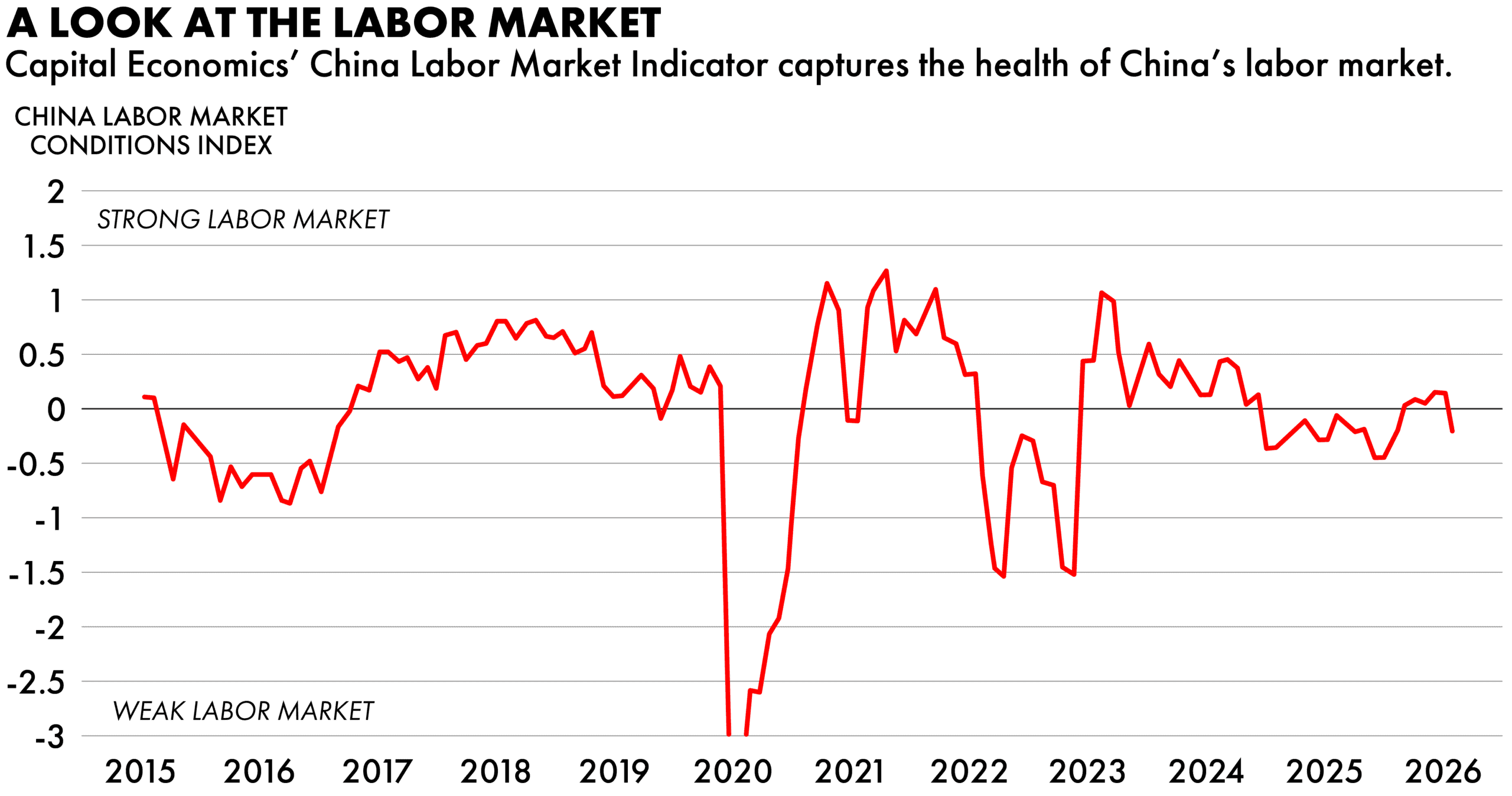
Increasingly concerned that AI could exacerbate the situation, the Chinese government is trying to mitigate the disruption. The question is if China can have it both ways: protect jobs from the impacts of AI and still beat the U.S. in the race to lead the industry.
“The weak labor market we’ve seen in the last year or two hasn’t really included the impact of AI yet,” says Vincent Chan, China strategist at Aletheia Capital, an investment advisory firm. “Once that’s included, the problem will be even more serious.
“If the benefit of AI doesn’t translate into wage income growth, you’ll have a small group with a lot of capital and a very deflationary economy,” he adds, warning that China could be left with structural underemployment similar to what the U.S. faced during the Great Depression.
HOLDING OFF THE AI ONSLAUGHT
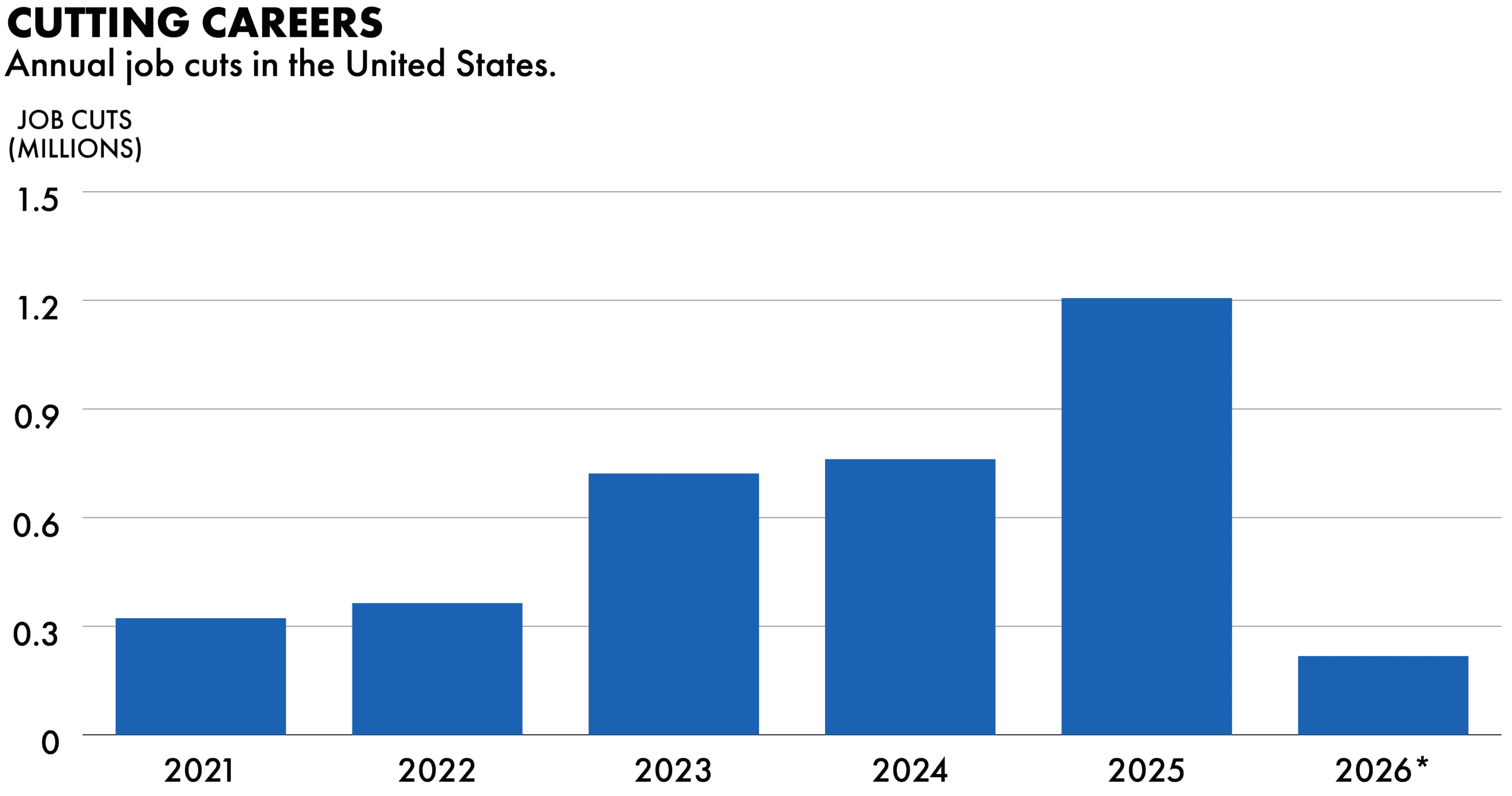
In February Block, the U.S. fintech startup, fired over 4,000 employees, nearly half of its workforce. Its CEO, Jack Dorsey, said AI tools are “enabling a new way of working which fundamentally changes what it means to build and run a company.” Last month Cloudflare, a cybersecurity company, axed 1,100 employees globally, saying it would adopt AI agents in engineering, finance, sales and more. More recently, Meta cut 8,000 employees and abandoned plans to hire an additional 6,000 workers amid a larger reorganization to reinvent itself as an AI company.
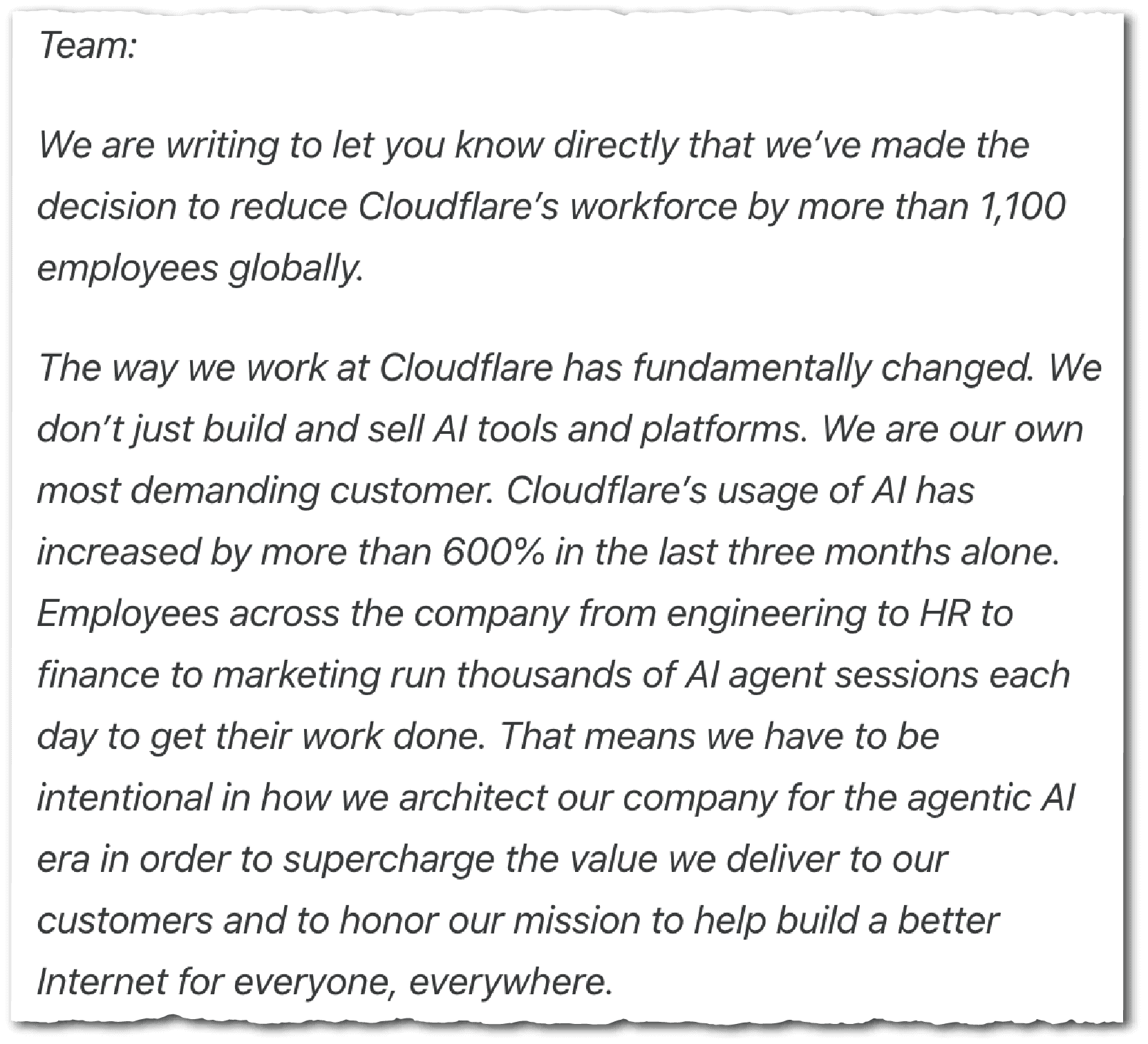
Announcements like these are spurring panic about what the future holds for ordinary workers and professionals alike. “Previous automation, such as digitization and computerization, displaced mostly the low end of the skill distribution,” says Lisa Simon, chief economist at Revelio Labs, a labour market analytics platform. “AI is different because it does impact high-skill work.”
Anthropic’s Dario Amodei and other AI executives are warning that AI will eliminate vast swathes of white-collar jobs.
Many economists are more optimistic. Contrary to the dystopian warnings, they expect only a small and gradual decline in labour force participation rates by the end of the decade and new-job creation related to AI. “People are over-hyping the short-term impact of AI and very much underestimating the long term impact,” Simon says.
Modern China has more experience with labor tumult than the U.S. From the millions of youths (including President Xi Jinping) who were “sent down” to the countryside during the Cultural Revolution to mass state-sector layoffs overseen by Zhu Rongji as Vice Premier then Premier during the 1990s, workers have endured hardships unimaginable in many Western countries.
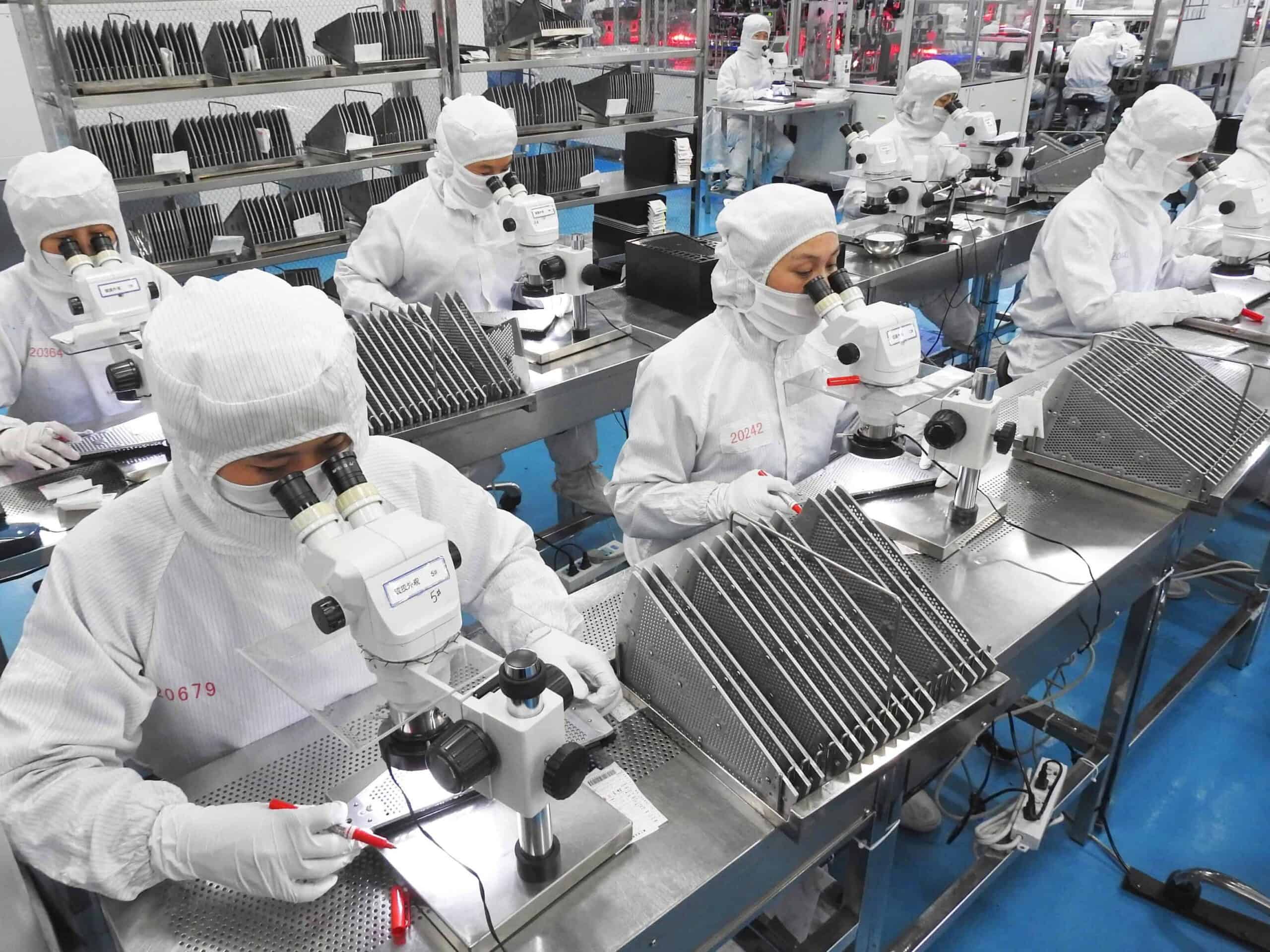
For now, however, China is relatively well insulated from the potential impacts of AI. As a manufacturing powerhouse, it is less reliant than the U.S., Japan and Europe on the professional service sectors most vulnerable to AI. By some estimates, less than a quarter of China’s 725 million-strong working population hold white-collar jobs.
China’s labour costs are also much lower, with the average office worker making only 93,190 yuan ($13,700) a year according to official statistics. As a result, Chinese bosses are under less pressure than America’s to adopt AI.
That doesn’t mean many Chinese companies aren’t starting to experiment with AI. Dan Wang, a director at the Eurasia Group, visited dozens of companies in a wide cross-section of industries in China last year, all of which are rolling out the technology. Chinese tech firms such as ByteDance and Alibaba are using AI for programming; Chinese banks are developing platforms that match borrowers with lenders, potentially eliminating the need for loan officers, sales staff and clerks.
But so far, Wang says, AI job displacement is not yet showing up in China’s aggregate economic statistics: “Chinese urban emerging industries are about a single digit of the GDP. For the whole Chinese economy, the replacement is not that significant.”
The biggest factor behind this is politics.
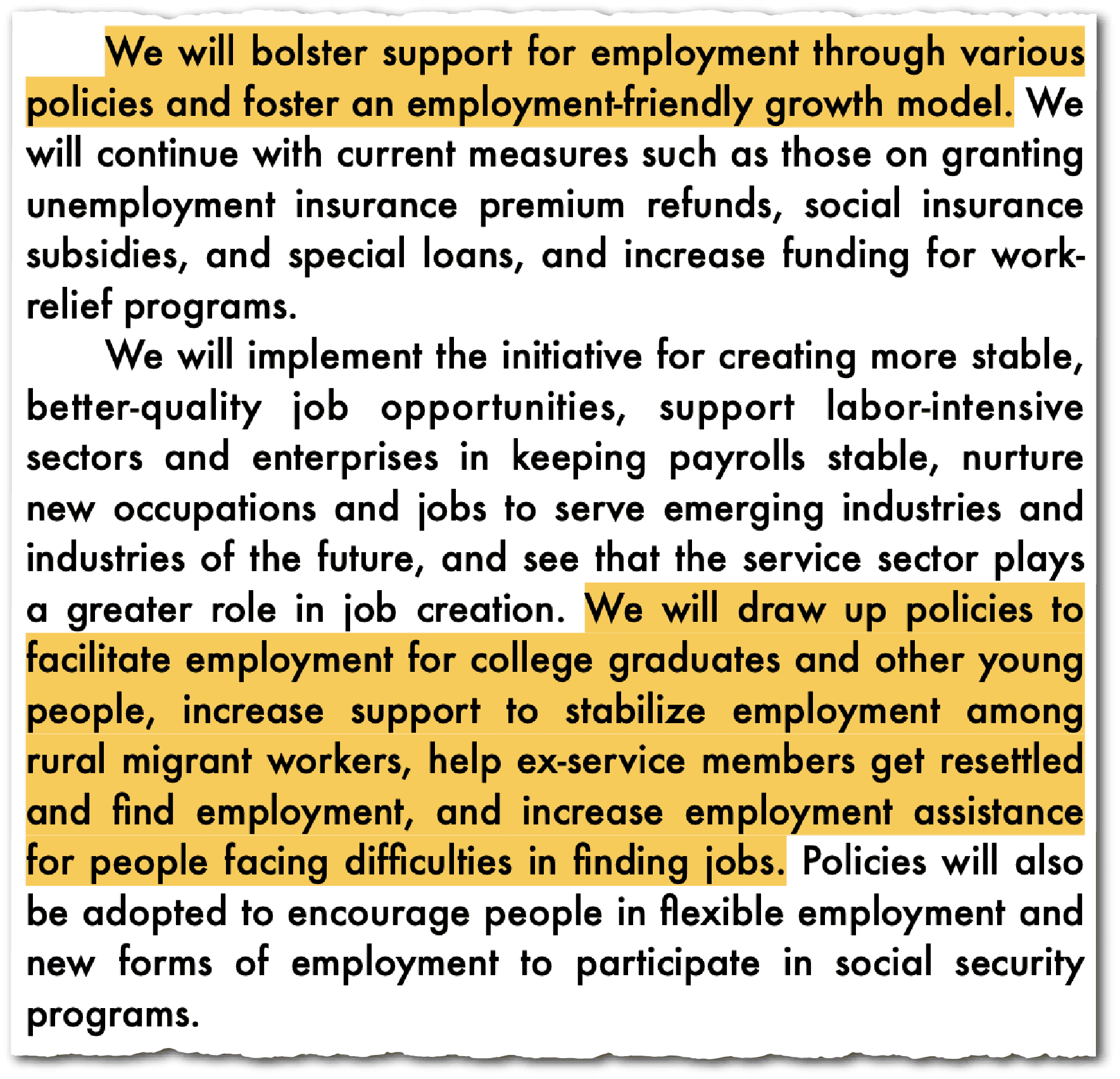
The Chinese Communist Party’s political legitimacy is tied to its ability to protect people’s economic well-being. Boosting employment is a perennial priority for the Party, so it is pulling every policy lever it has.
SOEs act as buffers to absorb surplus labour. Local governments are dispensing subsidies to encourage the hiring of new college graduates. The Wall Street Journal has reported that tech companies, which typically have younger workforces were told late last year to avoid lay-offs.
“Local officials are incentivised to keep regional unemployment rates stable,” Fahy says. “As a result, large or state-owned companies are likely to face pressure not to lay off workers, even if AI adoption reduces the labour needs.”
China’s strict termination laws also make it difficult — and very expensive — to dismiss workers.
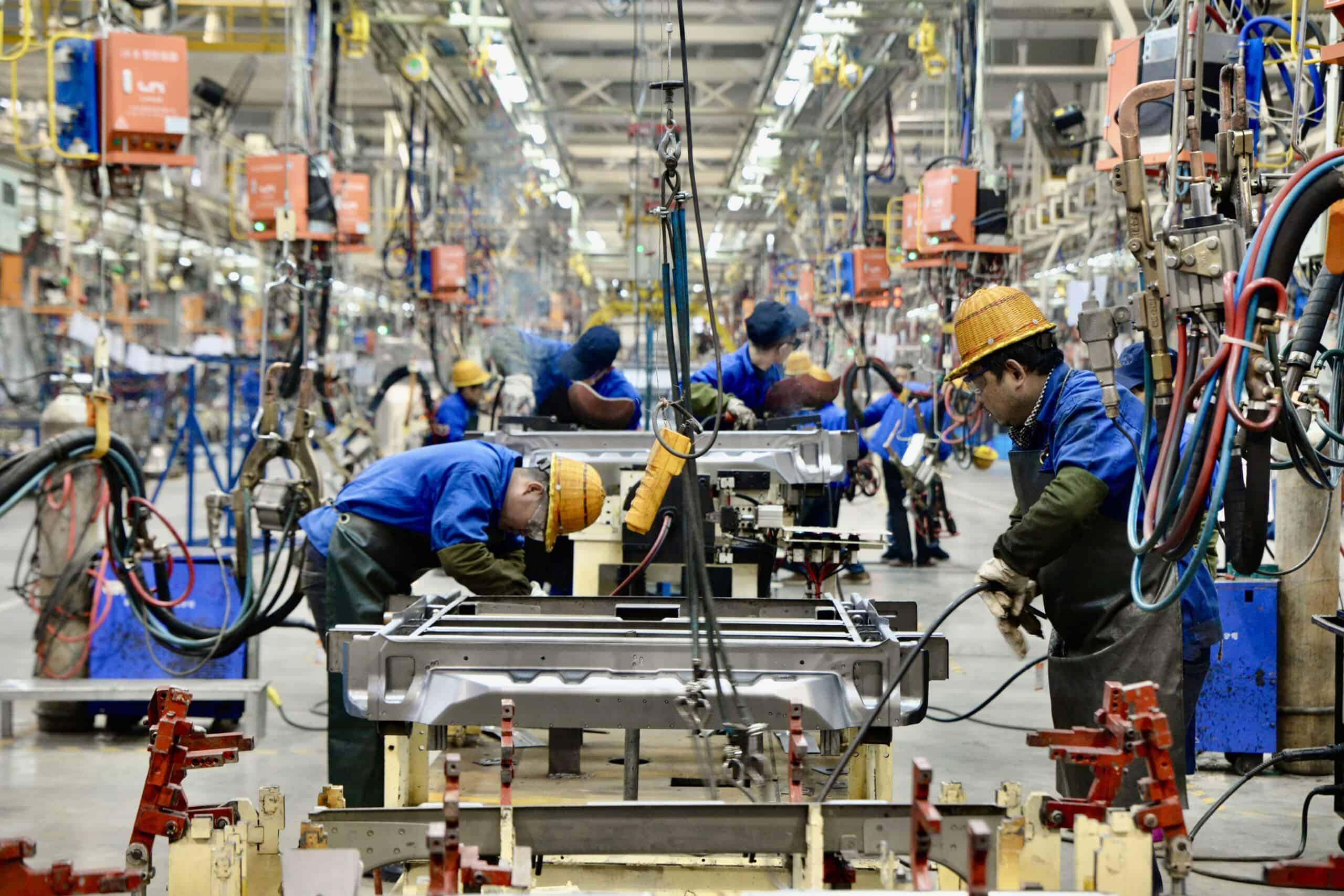
“Even though there’s a black-letter law similar to redundancy that gives the employer a right to terminate, the hoops to jump through are very difficult and in practice, not often accomplished,” says Jeffrey Wilson, a Shanghai-based labor lawyer with JunHe. “In China, the employer has to show that there’s been a change in objective circumstances since the employee was hired. That is, performance of the current contract isn’t possible.”
Recent court rulings have made it clear that AI substitution is not legal grounds for terminating a worker.
Last month, state media publicized the case of a 35-year-old tech worker identified only by his surname, Zhou. Zhou vetted answers generated by large language models at a fintech company. His employer dismissed him last January, citing the impact of AI. A Hangzhou court ruled Zhou’s termination was unlawful and ordered the company to pay an additional compensation of 260,000 yuan ($38,000).
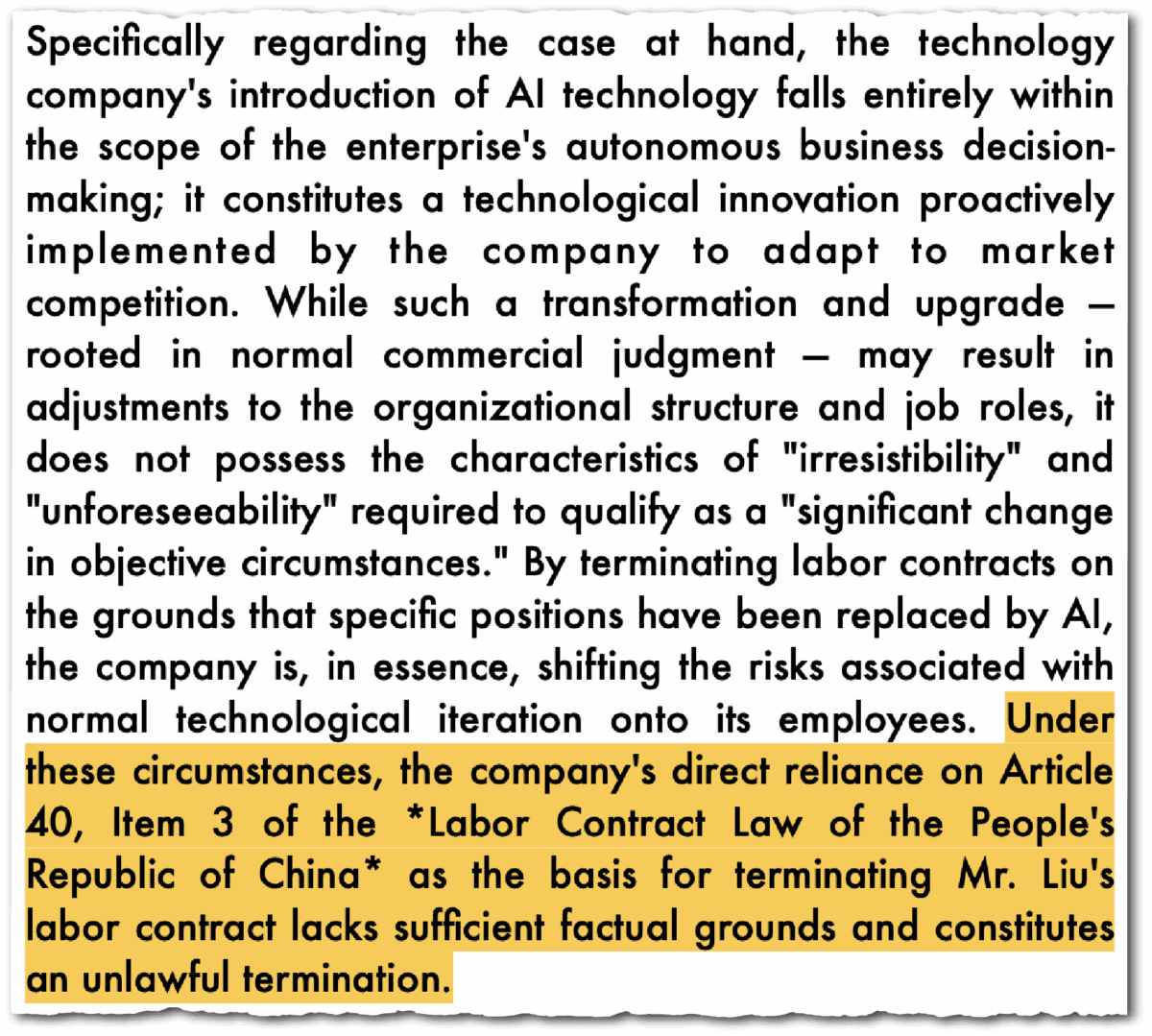
In another landmark case, a Beijing arbitration court ruled in favor of a worker who was let go after 15 years at his job because his company was automating data collection for maps. According to the ruling, companies that adopt AI are responsible for training their staff to serve in new roles.
The latter ruling, according to a Xinhua commentary, was meant to serve as a warning. “Businesses that enjoy the dividends of AI technology must also fulfill their responsibility to protect workers’ jobs,” it said.
Whether these legal precedents are sufficient to prevent mass layoffs remain to be seen. Very few workers have the means to challenge their employers in court, and companies could find workarounds, including not citing AI as a factor in the decision.
They also highlight a tension between two policy aims that may prove irreconcilable in the end. “You have two goals,” Wilson says. “One is to protect the employees; the other is for China to become a leader in AI and make its companies very, very competitive. How do you balance those two?”
WHERE HAVE ALL THE JOBS GONE?
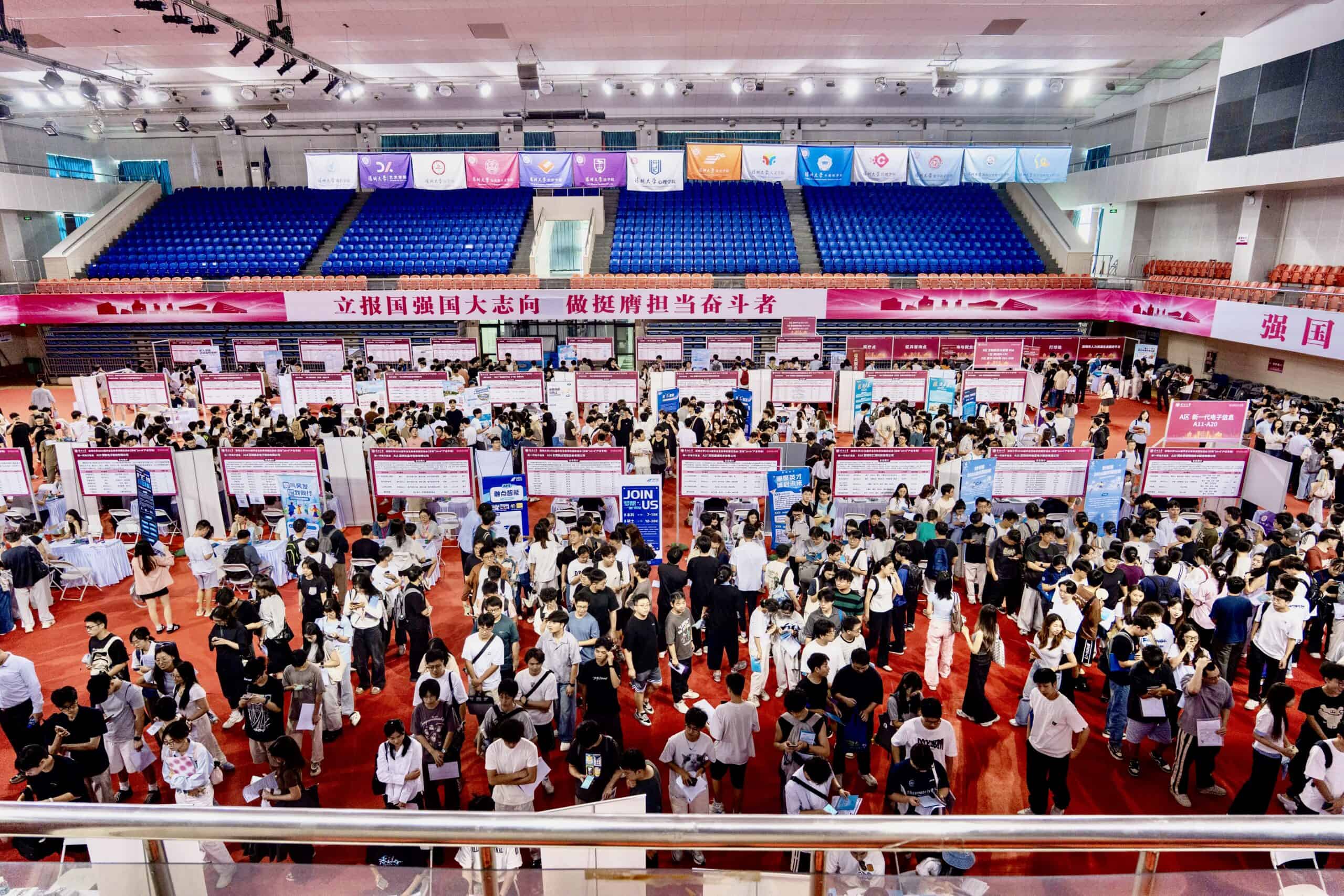
At the Shenzhen University job fair where The Wire met Peter Chan, dozens of students lined up at booths for interviews. From electronics to fast fashion, two dozen companies from Guangdong province were there to recruit.
One exporter was seeking foreign-language speakers to operate its Amazon stores. Monthly salaries started at 5,000 yuan ($740).
A company from Shantou, the biggest city in Guangdong’s eastern region, that makes copper-clad laminates for printed circuit boards was offering engineers annual compensation of 100,000 yuan ($16,000). The Shantou government also has a policy offering new graduates subsidies totaling up to 29,000 yuan ($4,300) to take jobs with companies there.
For now at least, it is more cost effective for Chinese businesses to equip junior staff with AI tools rather than replacing them entirely. But as AI capabilities grow and their costs decrease, that could change…
In the U.S. roles that are highly vulnerable to AI, such as auditing and data analysis, are being eliminated. Openings for entry-level roles in this area have fallen 40 percent since 2023.
In China, by contrast, the number of job postings is falling across the board regardless of their exposure to AI, according to data from Revelio Labs, the labour market analytics platform.
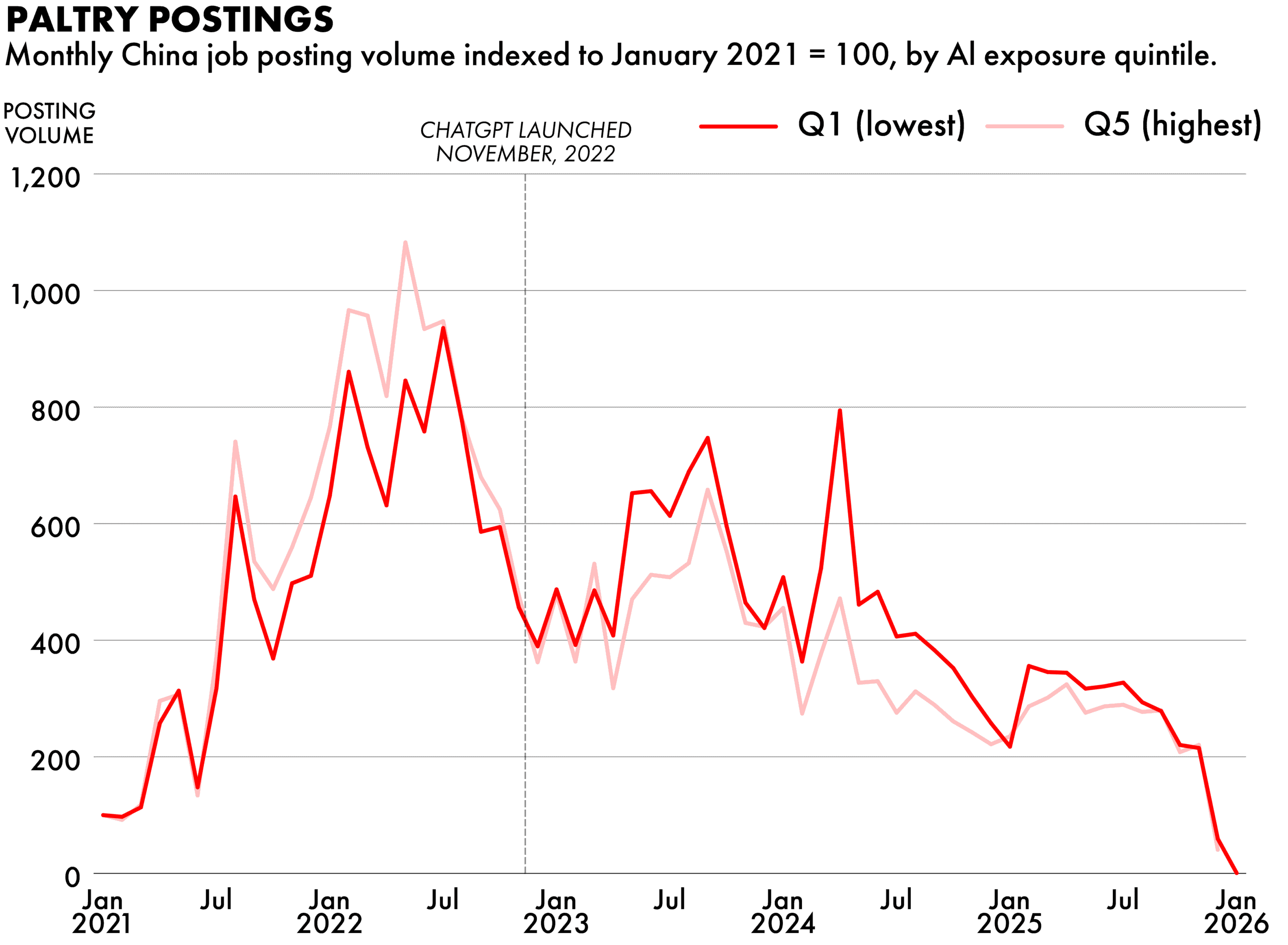
Recruitment for entry level roles has, however, held steady at around 7 percent of total postings on Boss Zhipin, China’s largest online job platform. For now at least, it is more cost effective for Chinese businesses to equip junior staff with AI tools rather than replacing them entirely. But as AI capabilities grow and their costs decrease, that could change, researchers at Tencent have warned.
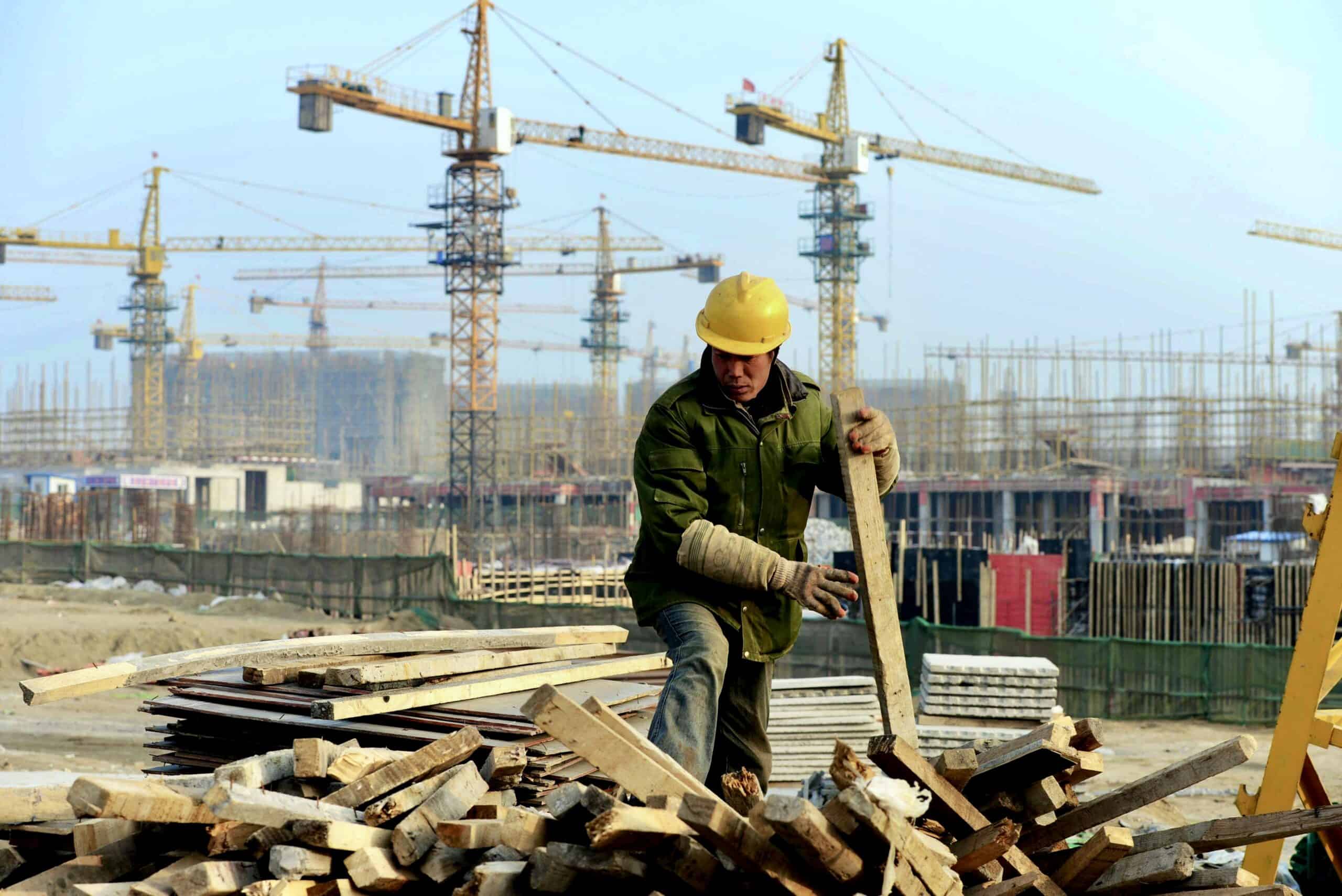
One problem unique to China is government crackdowns on industries that, for one reason or another, Xi’s administration has decided it doesn’t like.
Young graduates could once find promising careers in private education, finance and online platforms, all of which have been targeted by Xi. Similarly, his felling of highly leveraged property developers, initiated by former Vice Premier Liu He, has wiped out millions of construction jobs.
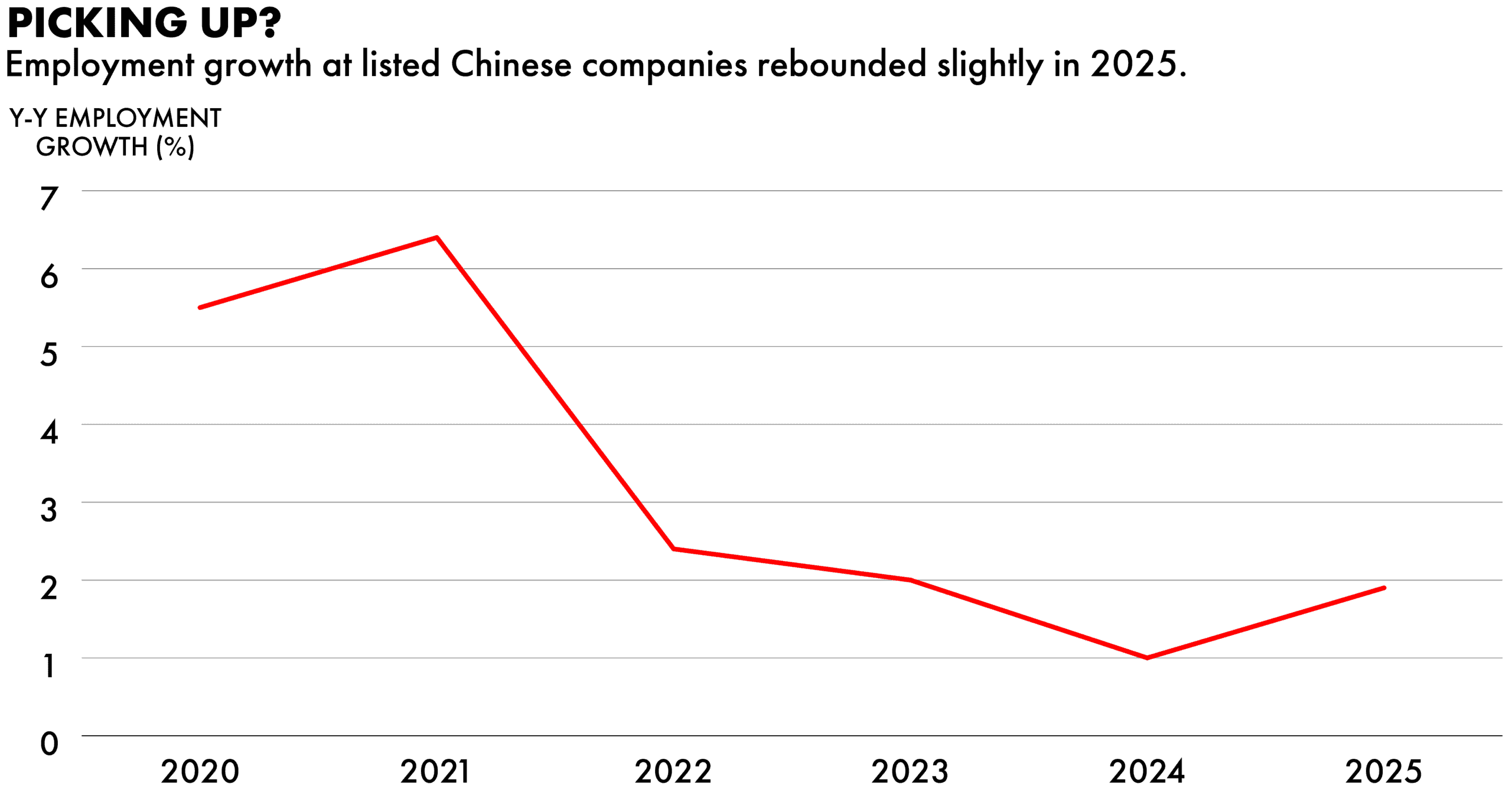
Year-on-year employment growth at listed Chinese companies fell from 6.4 percent in 2021 to 1 percent in 2024 and only recovered slightly to 1.9 percent last year, according to Aletheia Capital. Almost half of all listed companies reduced the size of their workforces last year.
Before 2010, Chan says, China’s economic growth was driven by labour-intensive sectors such as property, construction, and commodities. Now it relies on industries that tend to be much more automated. “The sectors that are growing fastest now, such as automobiles and semiconductors, don’t make much money and don’t hire many people,” Chan adds.
The auto sector, for instance, added 258,000 jobs in 2024, accounting for 70 percent of employment growth among listed companies that year. But as price wars swept through the industry last year, the sector’s total workforce declined. BYD, one of China’s largest employers, slashed 100,000 jobs in 2025, a 10 percent reduction.
As the number of traditional employment opportunities falls, many workers must turn to precarious work in ride-hailing, food delivery and other sectors that often do not provide basic benefits and social insurance. China’s gig economy now employs 280 million workers, accounting for nearly 40 percent of the urban workforce.
“There’s no other work,” says Da, a Didi driver who declined to give his full name. He moved from Shanxi to Shenzhen in search of work twenty years ago.
Over recent years Da’s career path has led him from one disaster to another. He was a property agent until the real estate crisis hit. Then the Covid pandemic forced the closure of a grocery shop he ran. Now Da drives 14 hours a day, supporting his family of four. But with more and more cabs on the road, his income is dwindling. Some days he takes home as little as 500 yuan. “Neijuan is sweeping through every industry,” he says, referring to “involution” or relentless competition that ultimately harms rather than benefits the economy.
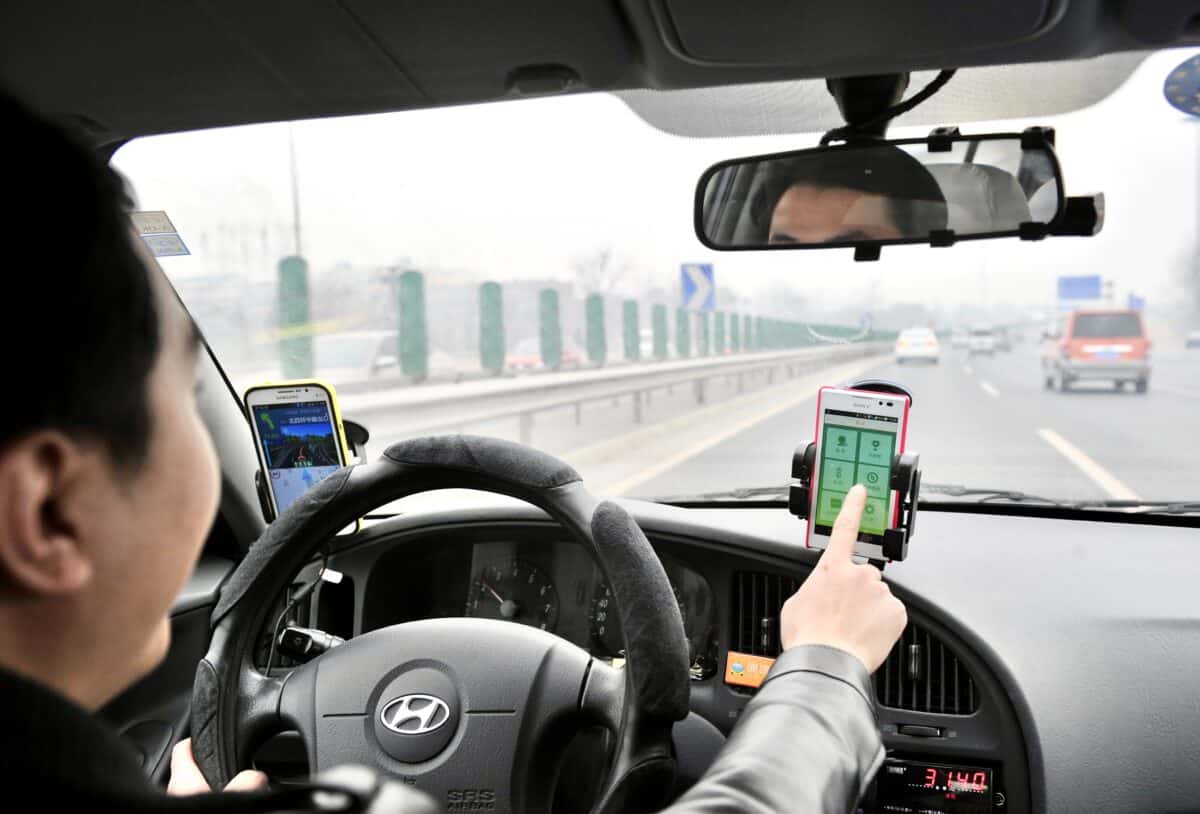
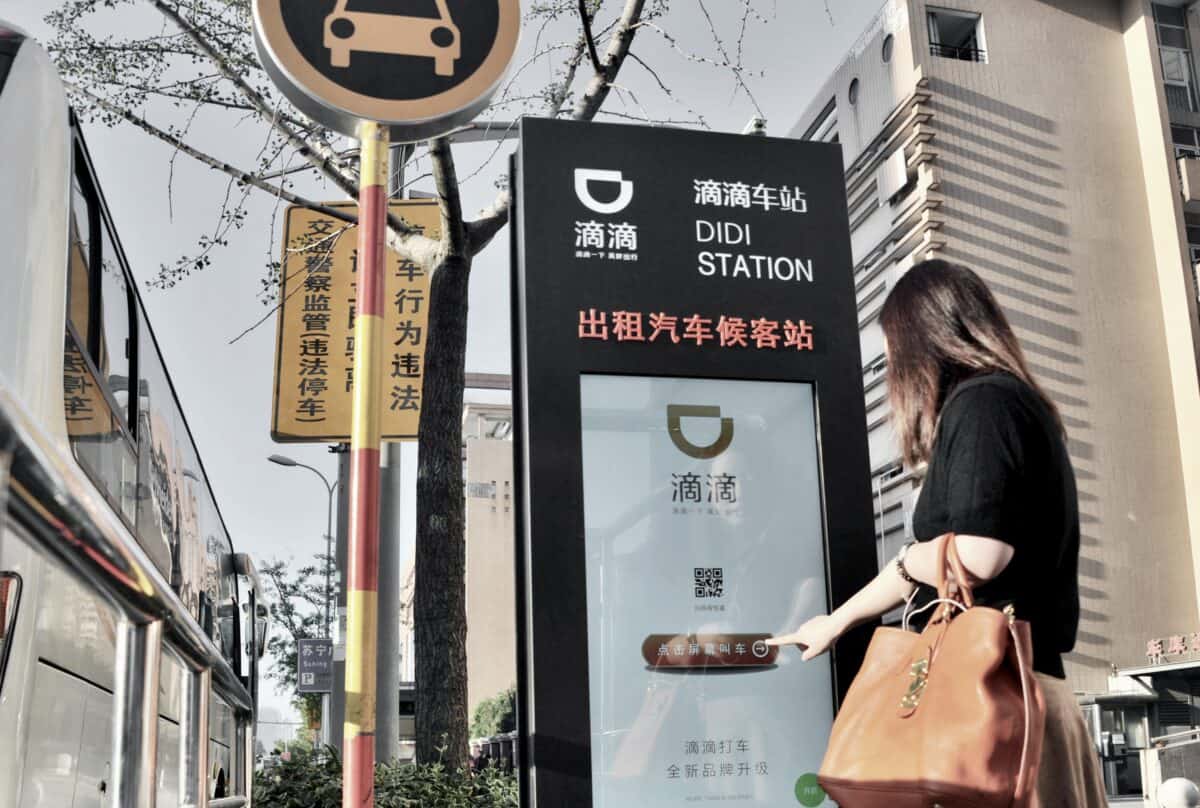
Left: A Didi driver in Beijing. Right: A woman hails a Didi in Shanghai. Credit: IC Photo via Depositphotos
PREPARING FOR THE AI FUTURE
Many experts are worried about the prospects for employment as traditional labor-intensive industries fade away. Cai Fang, at the Chinese Academy of Social Sciences, warns that gains from an AI-enabled digital economy won’t “trickle down” without the right policies in place.
“This latest technological revolution has the capacity to both create and destroy jobs,” he writes in a new book on technology and China’s labor market. “But job destruction is almost always greater than and precedes job creation.”

Instead of one-and-done layoffs, continuous cuts may become the new norm, Peking University’s Shen Yan wrote in a recent column in Economic View. New positions created by AI often require highly specialized skills and therefore cannot offset the disappearance of many traditional jobs, creating an additional drag on economic growth, she noted.
Larger Chinese enterprises are also reimagining their workflows. Some are collecting employees’ data to “distill” them into AI avatars. Others are deploying AI agents to take over tasks previously handled by human employees.
“It will take a few years, but future companies will be made of small units and a significant portion of the operational cost will be spent on AI,” says an executive at a listed tech company, where it is now up to each department to decide if they want to spend their budget on hiring staff, AI tools or computing power.
The most sought-after talents, he adds, are people who can use AI tools to increase their own productivity and then develop even more specialized skills.
You can’t ask every Didi driver to become a software engineer. Work that is hardest to replace by AI is that requiring embodied or tacit knowledge that is accumulated over years. Often these skills are not valued by policymakers, or even by people within the industry itself.
Jack Linzhou Zhang, a researcher at Harvard University’s Fairbank Center for Chinese Studies
Ideally, the individual and corporate productivity gains from AI could dovetail with China’s demographic headwinds, balancing out its declining workforce and helping the country get rich before it gets old — and thus avoid the middle income trap.
But the skills needed in the age of AI are hard to acquire, says Jack Linzhou Zhang, a researcher at Harvard University’s Fairbank Center for Chinese Studies. Determined adopters such as Yajun Zhang are the exceptions, not the rule.
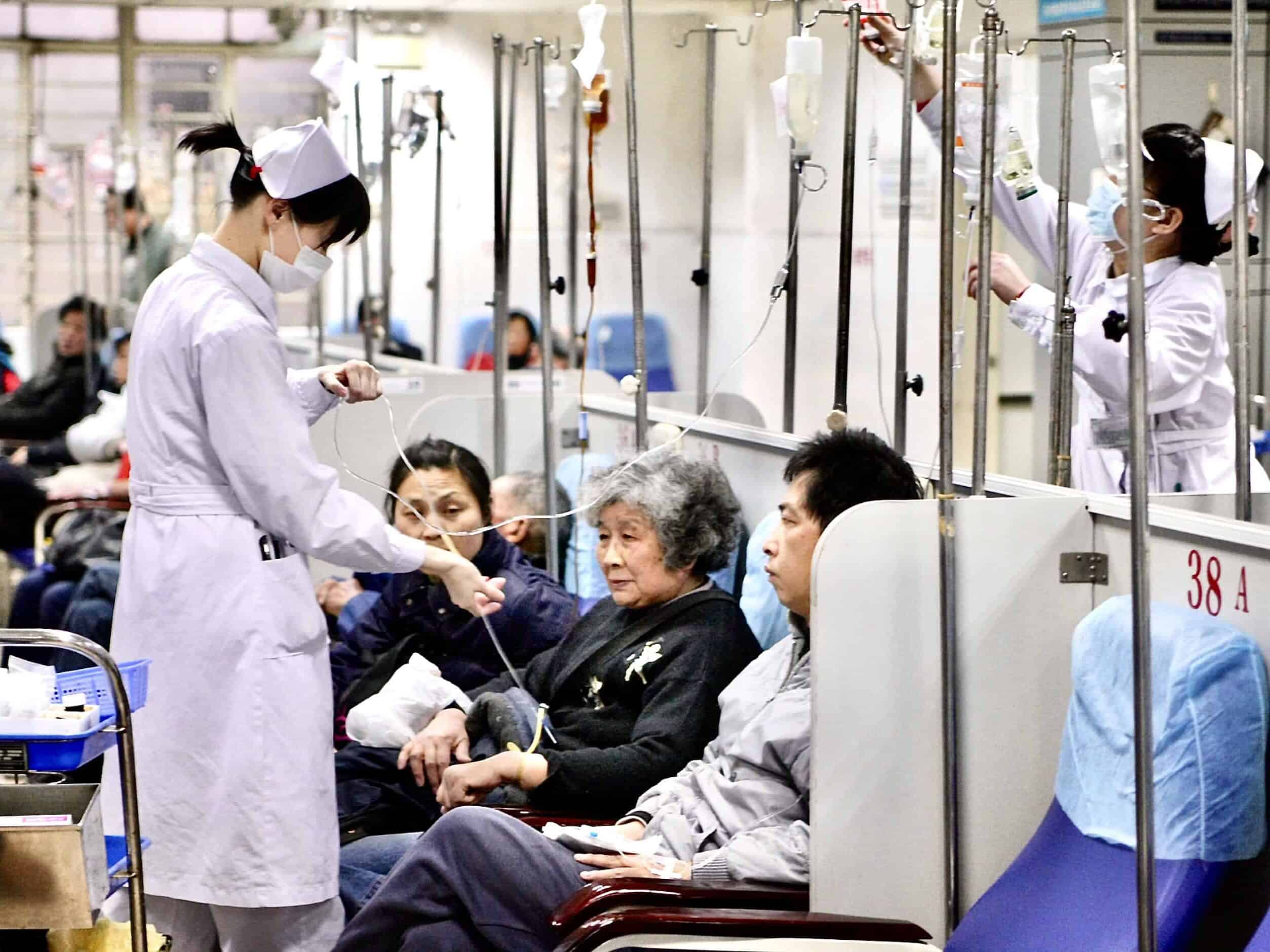
“You can’t ask every Didi driver to become a software engineer,” Jack Zhang says. “Work that is hardest to replace by AI is that requiring embodied or tacit knowledge that is accumulated over years,” he adds. “Often these skills are not valued by policymakers, or even by people within the industry itself.”
Such examples could include a factory worker who can instinctively tell when a temperamental piece of equipment is about to act up — or a nurse who instinctively recognizes the subtle changes that signal a patient is about to take a turn for the worse.
It will also test China’s ability to provide for those who slip through the cracks. The Chinese government’s safety-net spending is infamously stingy, which doesn’t bode well for those who struggle to weather the coming AI storm.
“I don’t think that many new job positions are going to emerge,” says Bai Guo, an associate professor at China Europe International Business School. “Income redistribution will be a must.”
“It’s not just about how quickly AI will grow the whole pie,” she adds, “but how that pie is going to be distributed.”

Rachel Cheung is a staff writer for The Wire China based in Hong Kong. She previously worked at VICE World News and South China Morning Post, where she won a SOPA Award for Excellence in Arts and Culture Reporting. Her work has appeared in The Washington Post, Los Angeles Times, Columbia Journalism Review and The Atlantic, among other outlets.