China and the U.S. together dwarf the rest of the world when it comes to artificial intelligence research. Collaboration between scientists from the two countries is becoming ever more fraught, however.
In the latest example, a prestigious annual international conference on machine learning effectively shut its doors late last month to Chinese companies such as Huawei and SenseTime, as part of a ban on U.S.-sanctioned companies and institutions. And while the conference organizers soon reversed the move, blaming it on a misunderstanding, it has nevertheless sparked a backlash that is still rippling through Chinese academia.
The fact that geopolitics is now threatening such a prominent event highlights the troubled state of scientific collaboration between China and the U.S., especially in a sensitive sector like AI. The ban, albeit overturned, has spread alarm among Chinese scientists who worry they could be excluded from international platforms at a moment’s notice, despite their growing contribution to advances in AI and other fields.
The row is also the latest sign that as AI technology develops, the world’s two leading economies are splitting into separate camps. The U.S. government, for instance, has curbed private investment in Chinese AI startups and restricted joint research with Chinese entities, especially in advanced AI.
“Individual persons, even organizations, are at the mercy of international politics and governments,” says Ren Mengye, an assistant professor of computer science at New York University, who served as communications chair for the event in question, the Conference on Neural Information Processing Systems or NeurIPS, in 2025.
“It’s not a great direction that we’re heading in,” he says.
The incident roiling the AI scientific community kicked off when NeurIPS, which is run by a foundation based in San Diego, announced late last month that it would not review or publish papers from institutions subject to U.S. sanctions and trade restrictions.
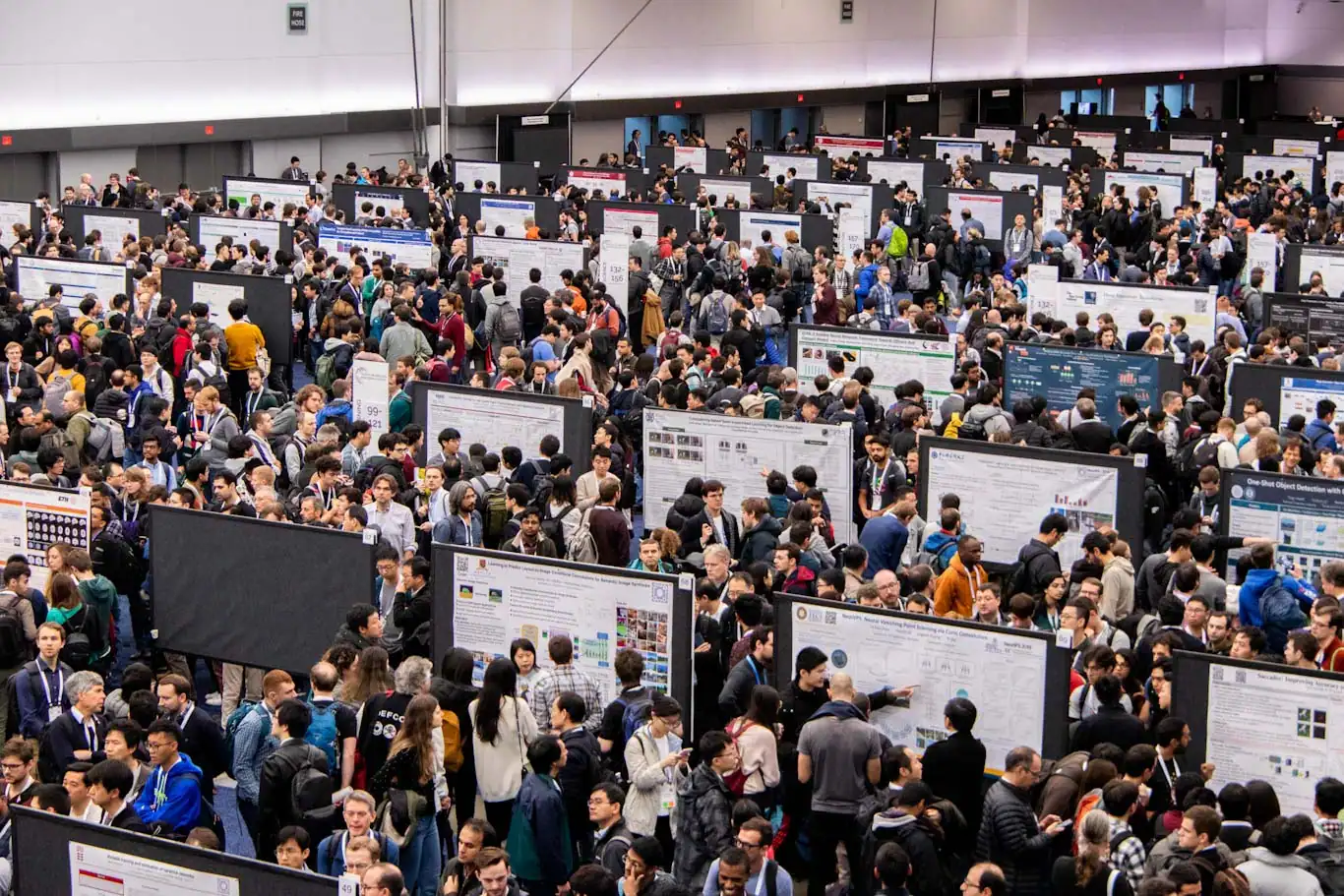
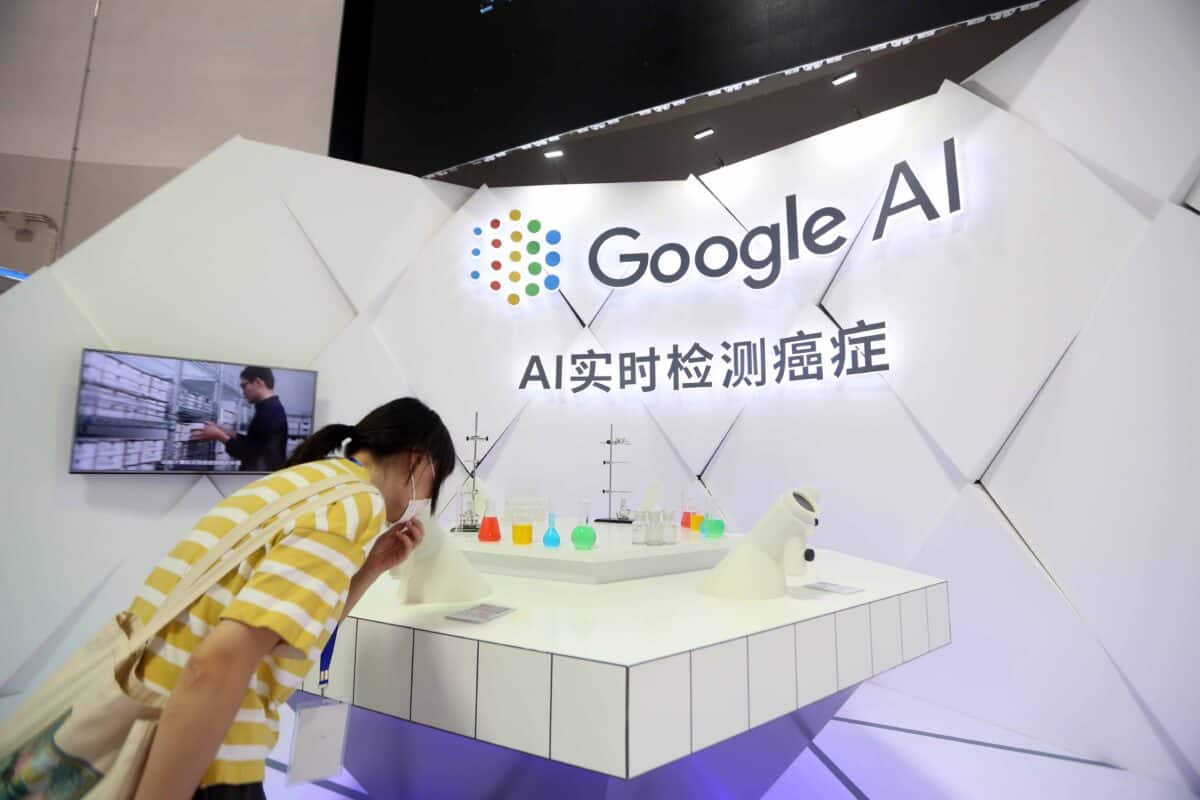
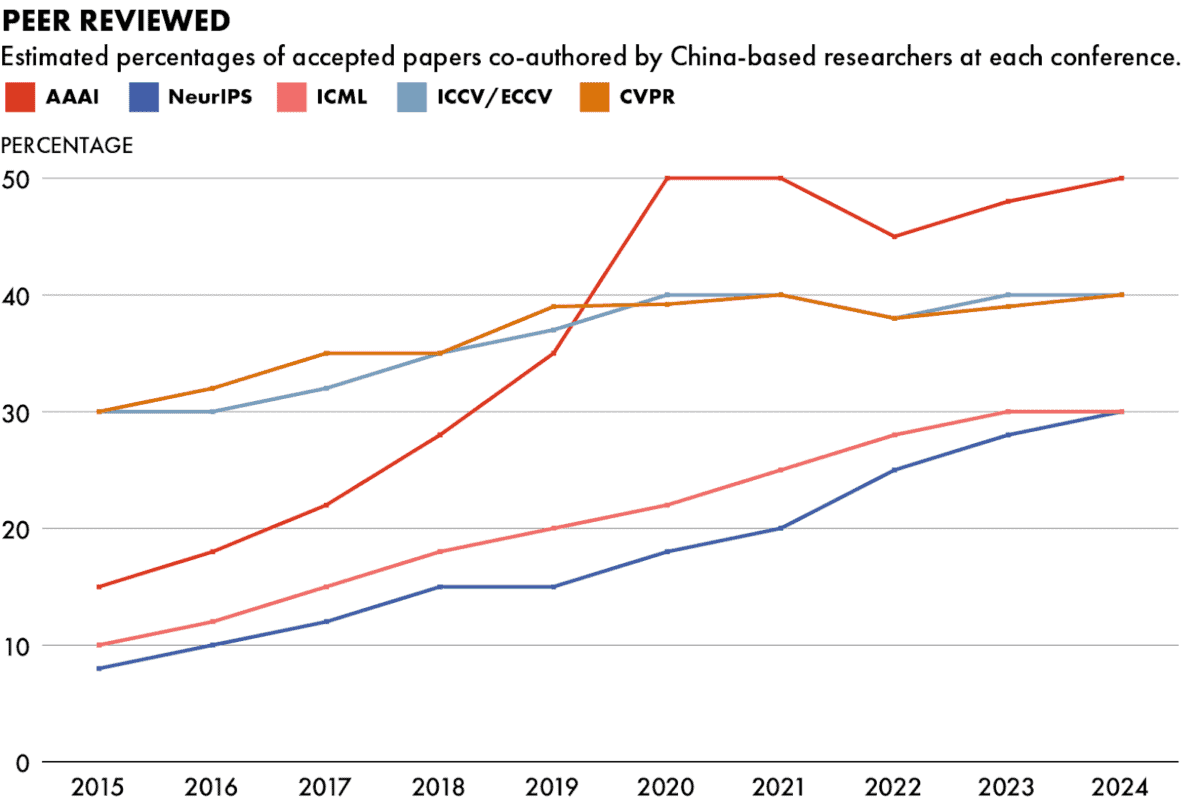
Tens of thousands of the top minds in AI normally gather each year at the NeurIPS to present cutting-edge research and get feedback from other scientists. And China has become a major player: last year, it overtook the U.S. in terms of papers presented, while Tsinghua University replaced Google as the top contributor, according to an analysis by AI World, a tool that maps the global AI ecosystem.
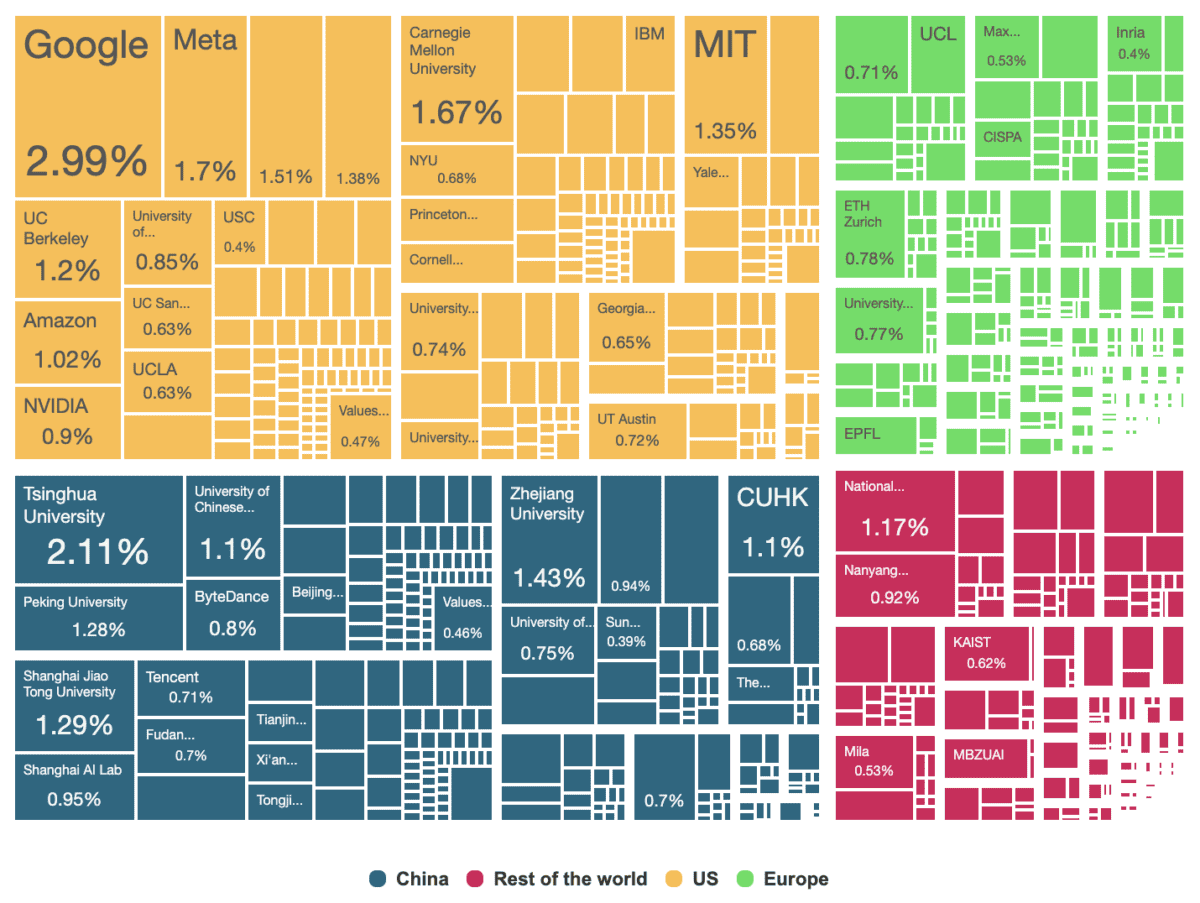
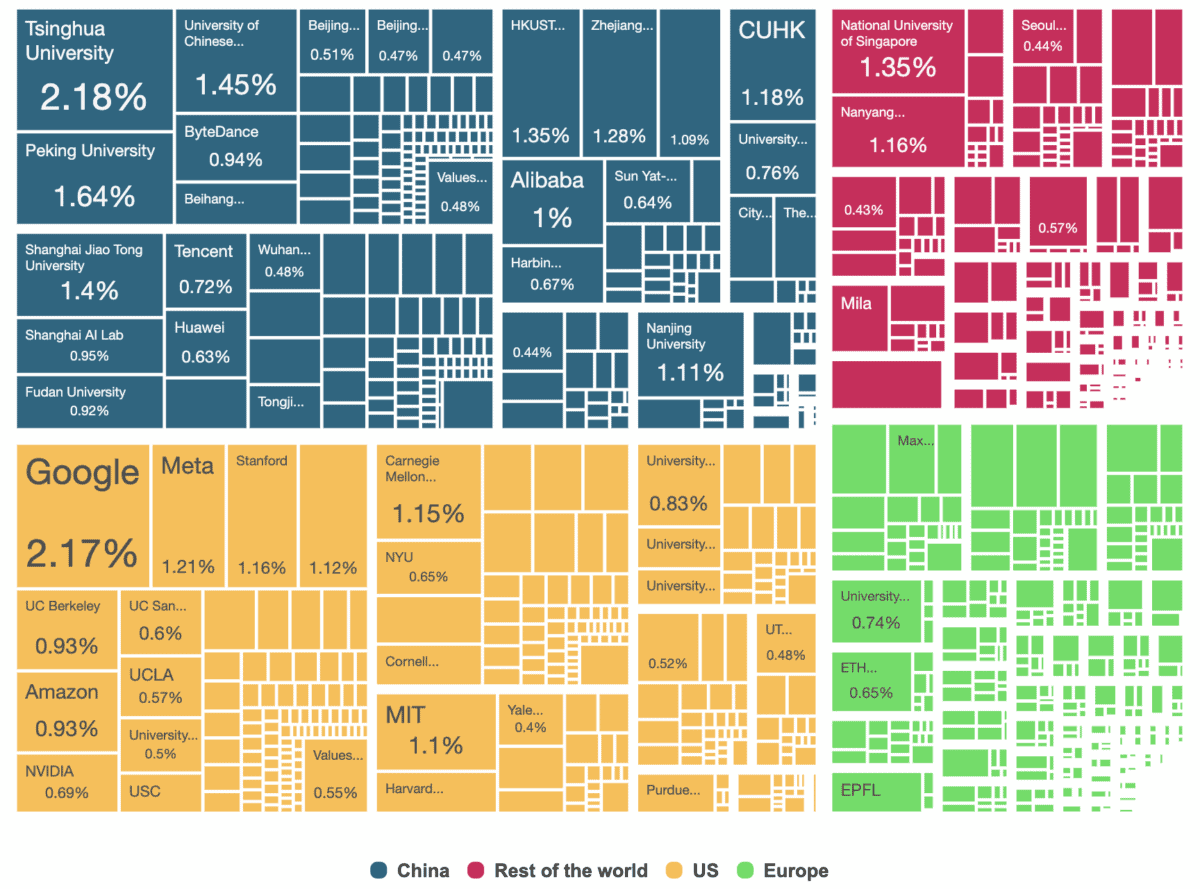
That all looked set to come to a shuddering halt after the conference organizers published a handbook on March 23, ahead of this year’s event, that included a link to a broad U.S. government database of entities currently under its sanctions — indicating that they, and their collaborators, would be banned from taking part at this year’s NeurIPS. The database includes dozens of Chinese entities including major telecom firms and AI companies such as Megvii and CloudWalk.
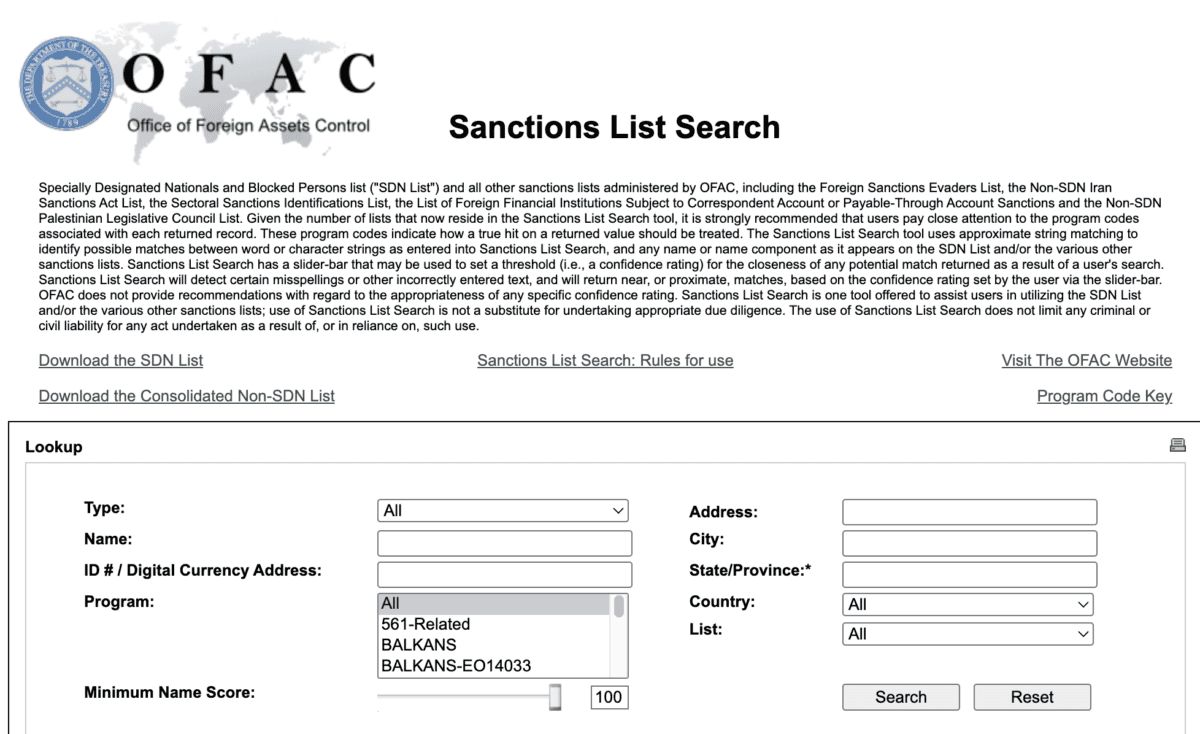
The move drew immediate protests from China. Chinese professional bodies, such as China Association for Science and Technology (CAST) and China Computer Federation, have revoked funding for Chinese scientists applying to attend NeurIPS and called for a boycott of the conference. Some Chinese scientists have rejected NeurIPS’s invitations to help oversee the review process for new work presented there.
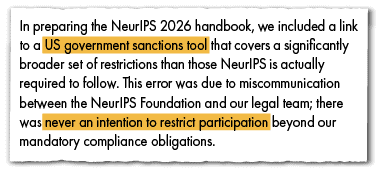
The fallout has persisted even though NeurIPS reversed its decision four days after the apparent ban on Chinese interests emerged. It also issued an apology, clarifying that it intended its restriction to apply only to a sanctions list targeting drug traffickers and terrorist groups.
“There was never an intention to restrict participation beyond our mandatory compliance obligations,” the organizer wrote on its website, blaming the error on miscommunication between the foundation and its legal team.
For China, the episode has underscored the need to promote a parallel ecosystem for AI-related research that is independent of America.
Despite NeurIPS’s clarification and apology, CAST, an influential organization in China, has maintained its position: it will not consider papers accepted to NeurIPS 2026 as an academic achievement when assessing its scientists’ work.
Chinese scholars are meanwhile debating online whether they should still take part in this year’s conference, due to be held in Sydney in December. The deadline for paper submissions is in May.
“I am still unsure whether to submit to NeurIPS this year, and it has been a rather difficult decision,” a researcher at a Chinese university told The Wire China, requesting anonymity to speak freely. His collaborators come from different regions, institutions and companies, and thus have different priorities and constraints, he added.
Another Chinese scientist who has served as an area chair for NeurIPS in the past, says many of his peers have decided not to submit papers this year for fear that it will be deemed “politically incorrect” in China and affect their future academic careers.
National scientific bodies in China, including CAST, have also approached organizers of domestic AI conferences in the past two weeks to discuss how they can become more competitive, says the scientist, who is involved in one such conference and is not authorized to speak to the media.
“This [NeurIPS] incident has exposed deeper issues: we need a healthier, more rational, and more equal academic evaluation system,” Lijun Wu, a Chinese research scientist who is part of NeurIPS 2026’s organizing committee, recently wrote in a post on Xiaohongshu. “We cannot always tie our destiny to rules formulated by others.”
China’s prominence in global AI and related research has become increasingly evident. Scott Delman, director of the New York-based Association for Computing Machinery, says the rising number of publications authored by Chinese computer scientists is a major trend of the last five years. Articles whose corresponding authors are based in China accounted for 40 percent of the 40,000 articles published by ACM last year, double that of 2020.
But the share of joint publications from Chinese and American researchers has been declining in recent years, according to Marina Zhang, an associate professor at the University of Technology Sydney, who has analyzed 1.4 million publications from the Web of Science over the past 25 years.
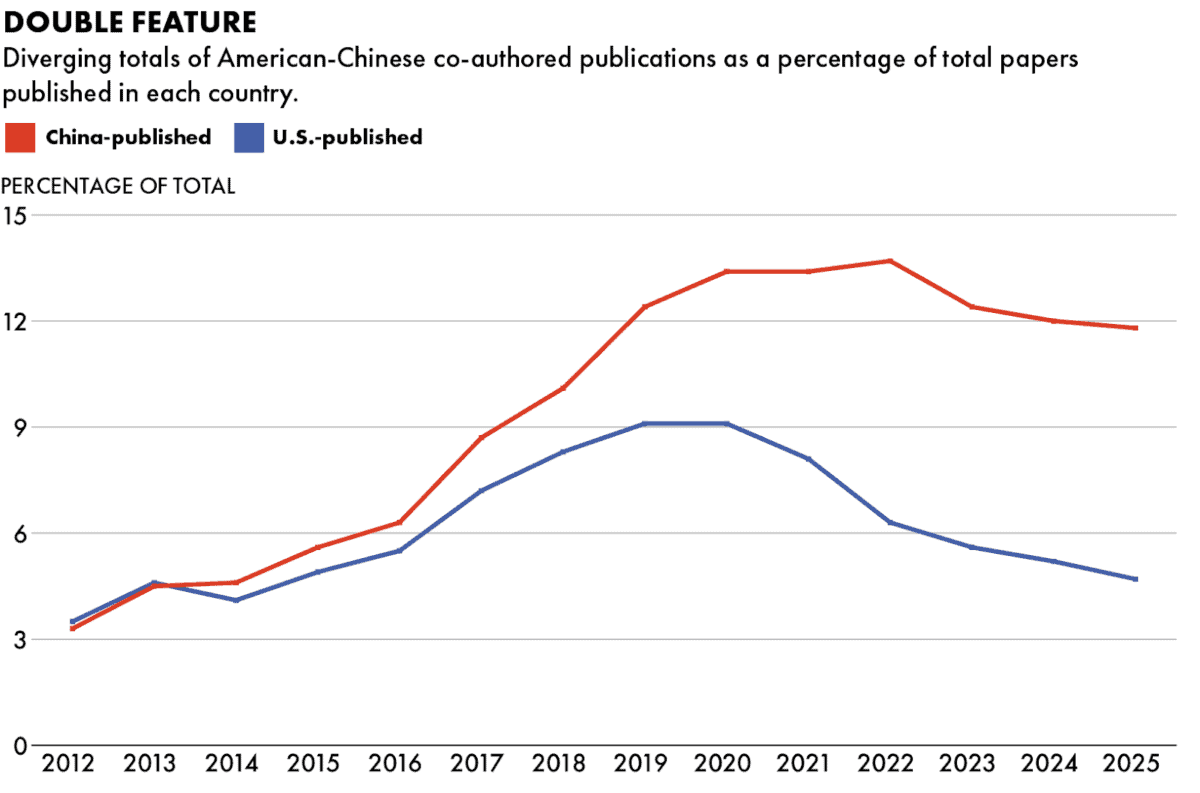
“We can see an emerging trend: global collaborative networks are forming a more bifurcated pattern with one cluster centered on China, and the other on the U.S.,” Zhang says. Her study found that Sino-U.S. partnership in AI peaked in 2019.
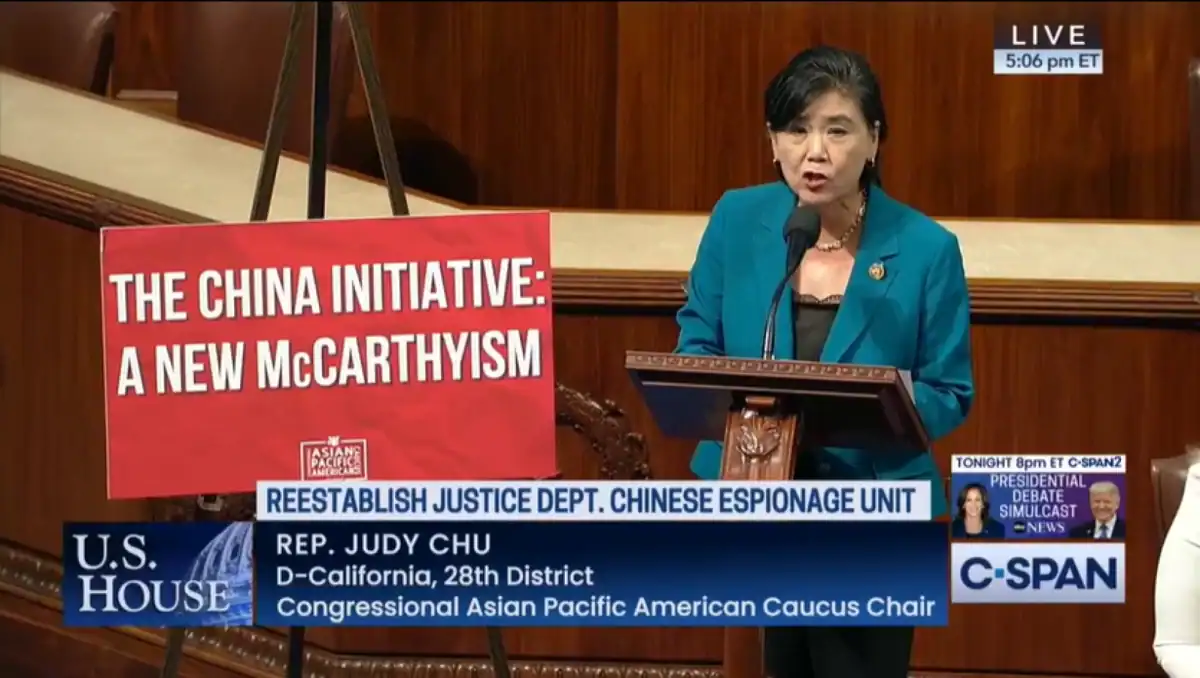
Scientists in the U.S. highlight other factors that have hindered engagement, such as visa restrictions on Chinese scientists and the legacy of the China Initiative — a program launched by the first Trump administration to counter economic espionage which ended up targeting mainly scholars of Chinese heritage.
“Based on my personal observation, there have been very few, if any, collaborations across China and the U.S.,” Ren, of New York University, says. “The chilling effect is real. People are concerned whether they should even give a talk at Chinese universities.”
“Everyone tends to overreact in order to be on the safe side,” says a computer science professor at a top public American university. Though his research is in the public domain, he is very careful about his interactions with his counterparts in China for fear that it will draw unwanted scrutiny.
The chilling effect has affected the university’s ability to recruit the best talents from China, he observes. “It’s very hard for us to find any applicant from Tsinghua University or Peking University [these days],” he says.
Some warn that ultimately such barriers cut both ways and affect the progress of the entire field.
“We are enriched by the work of Chinese researchers and vice versa,” says Delip Rao, an AI researcher at the University of Pennsylvania. Western researchers, for instance, came up with the neural network architecture that has enabled the AI models as we know it today, but innovations from Chinese companies such as DeepSeek and Alibaba’s Qwen have changed other practices in the industry, he adds.
“It’ll be a massive loss if researchers get into geographical siloes and don’t freely cross pollinate ideas,” Rao says.
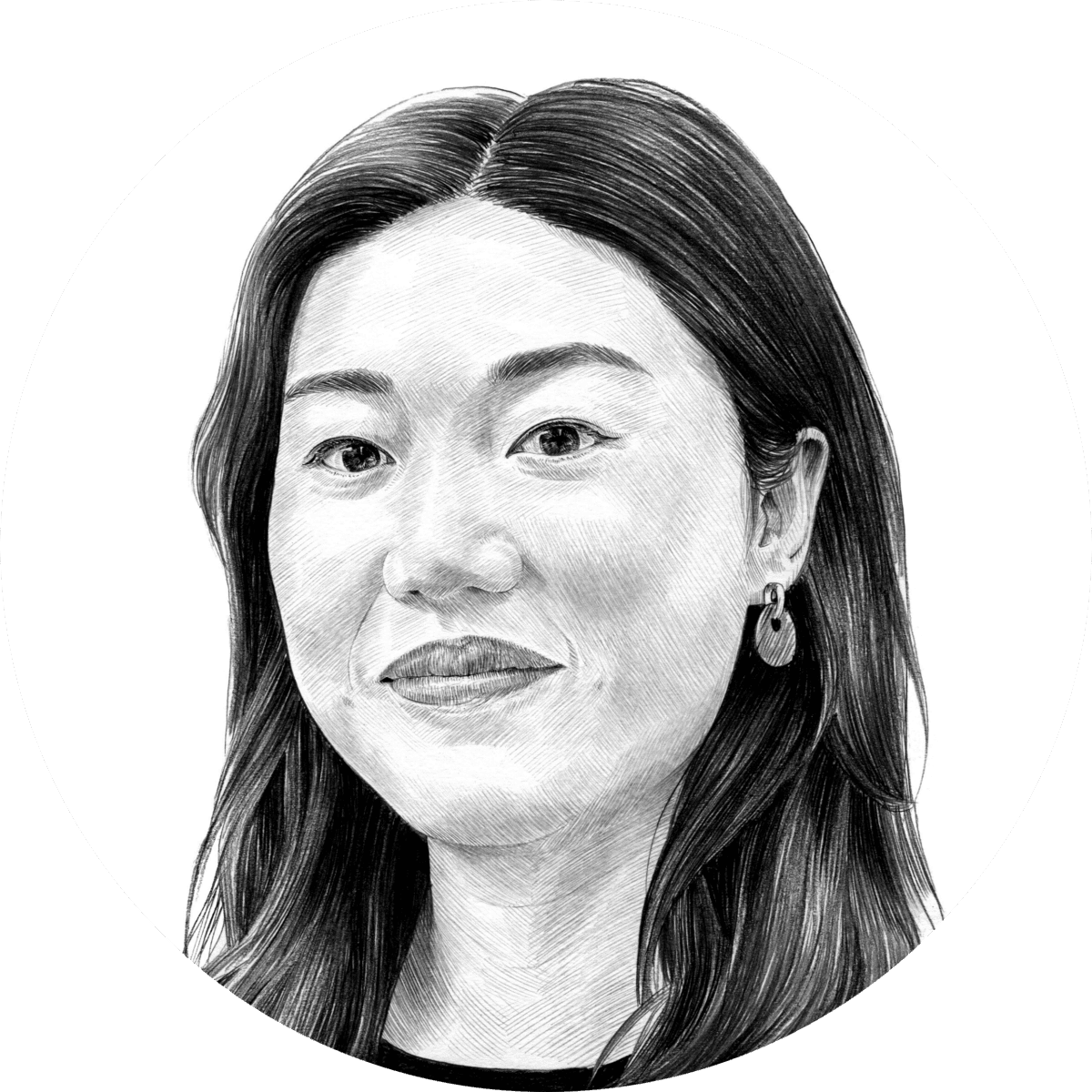
Rachel Cheung is a staff writer for The Wire China based in Hong Kong. She previously worked at VICE World News and South China Morning Post, where she won a SOPA Award for Excellence in Arts and Culture Reporting. Her work has appeared in The Washington Post, Los Angeles Times, Columbia Journalism Review and The Atlantic, among other outlets.