Amid the twists and turns in the Trump administration’s China trade policy, one feature has attracted little attention: the United States has apparently eased its efforts to block imports of goods made using the forced labor of China’s Uyghur population.
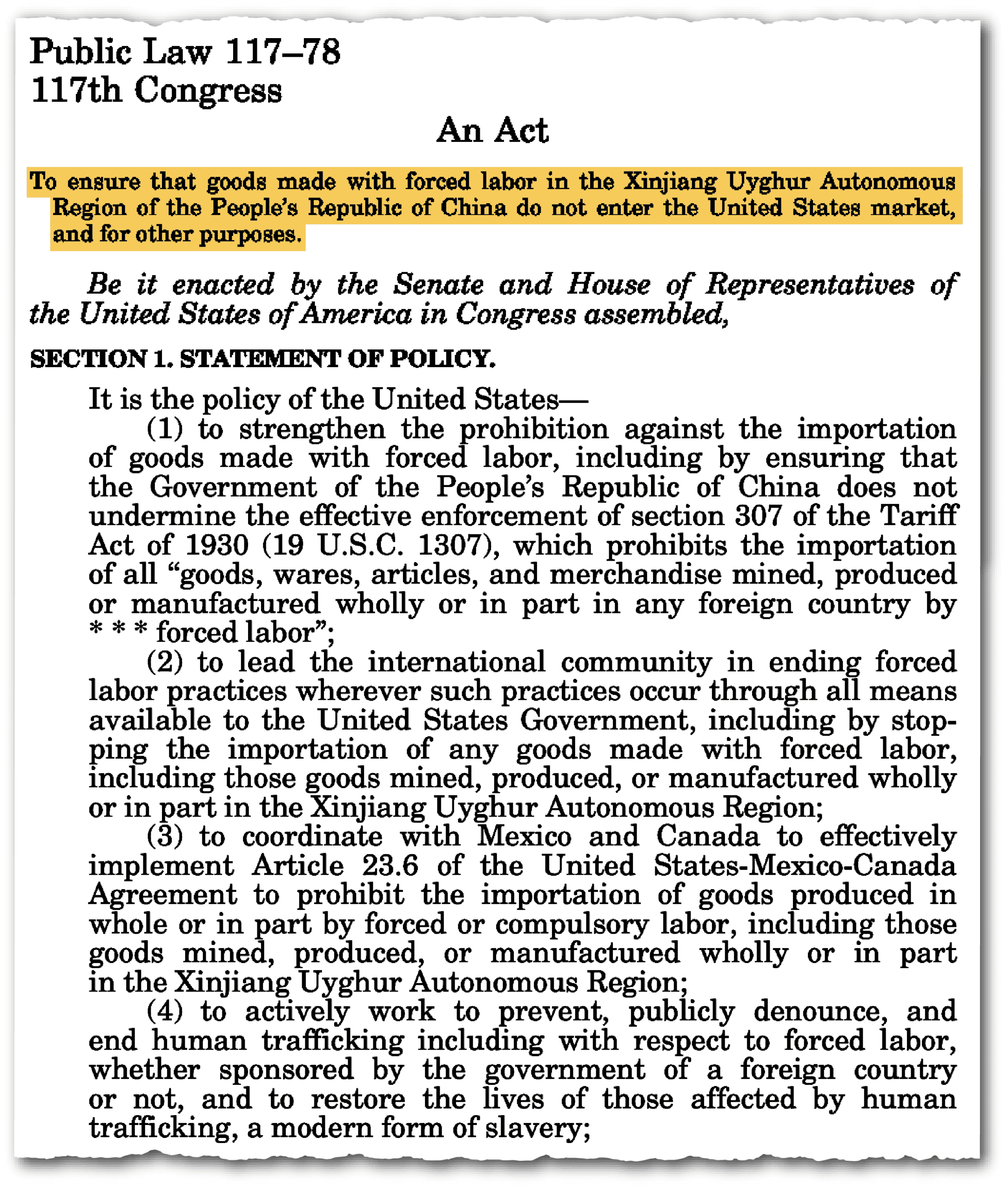
When President Joe Biden left office, his administration left a stack of Chinese companies that it hoped its successors would add to a blacklist of firms tied to Uyghur forced labor — particularly in Xinjiang, the western region of China where foreign governments and the United Nations have said human rights violations are rife.
“We very intentionally left the Trump administration a really strong pipeline,” says Laura Murphy, who led research for the list as a senior policy advisor with the Department of Homeland Security. “There is absolutely no practical reason why we should not have seen hundreds of companies added in the past year.”
Yet the Trump administration has to date not added any new companies to the blacklist, which was created under the Uyghur Forced Labor Prevention Act, a law passed in 2021 with near-unanimous bipartisan support. More time has now passed since the last addition to the list than at any point since the legislation came into effect in June 2022.
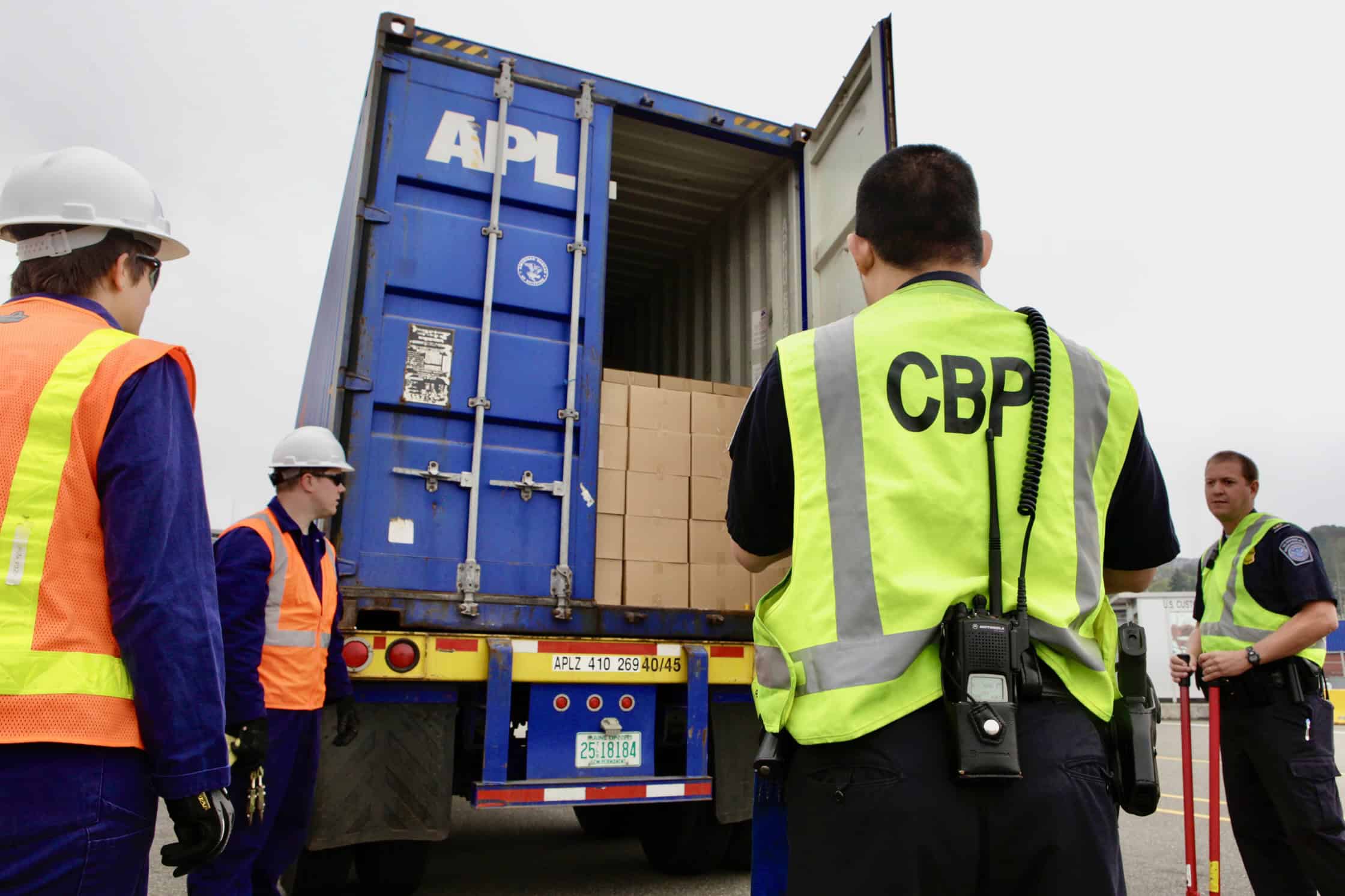
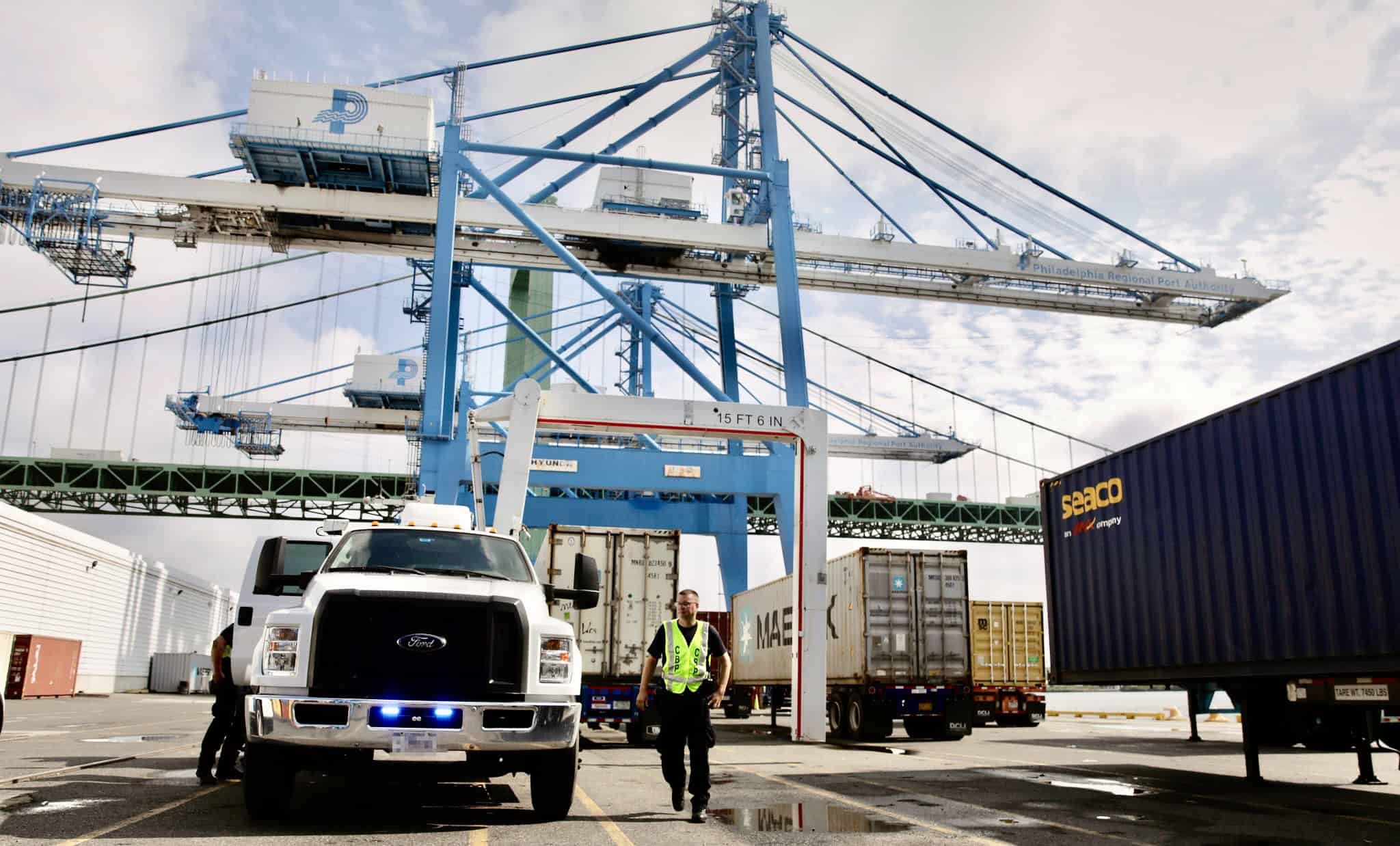
Official statistics show that last year Customs and Border Protection, the government agency responsible for monitoring U.S. imports, detained just $178 million worth of goods suspected of being made, in whole or in part, using Uyghur forced labor — 87 percent down from 2024, when CBP detained $1.4 billion worth.
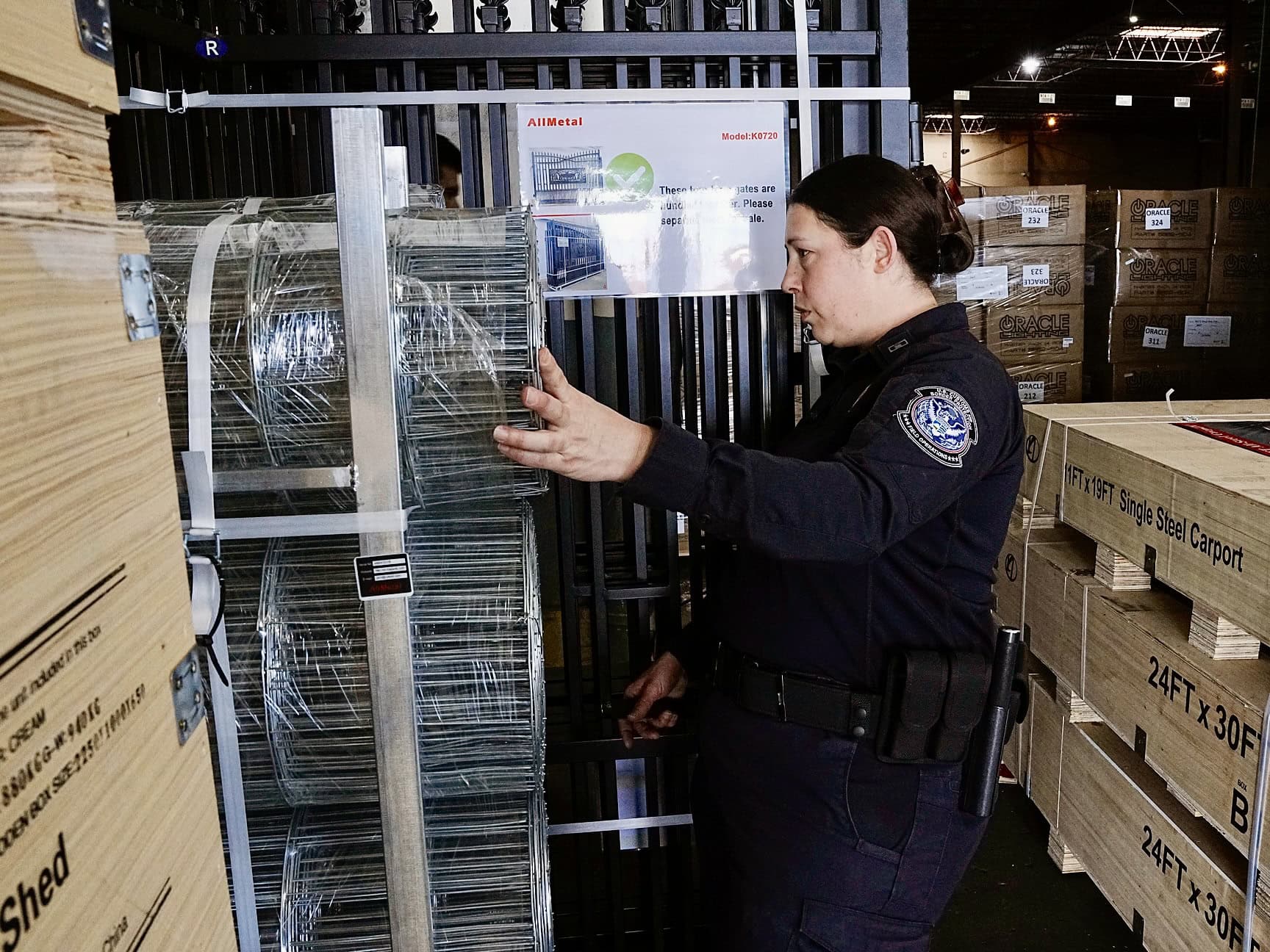
Inspection rates appear to be falling too. The CBP stopped an average of 224 shipments per month between April and August of last year, while in the five preceding months, it stopped more than four times that number on average, according to a letter thirteen House Democrats sent to the agency and the DHS in December. The data the House members relied on is no longer available: CBP changed its reporting methodology in January, and replaced the old figures.
The reduction in scrutiny has raised questions about how strongly the Trump administration is enforcing rules in an area that has previously been a major source of controversy between the U.S. and China.
“The U.S. government has a tool to use, and that tool is sitting on the shelf while we waste our time with a bunch of random tariffs against random countries for random reasons,” says Thea Lee, who helped enforce the UFLPA as the deputy undersecretary for international labor affairs under Biden. “It’s a shame.”
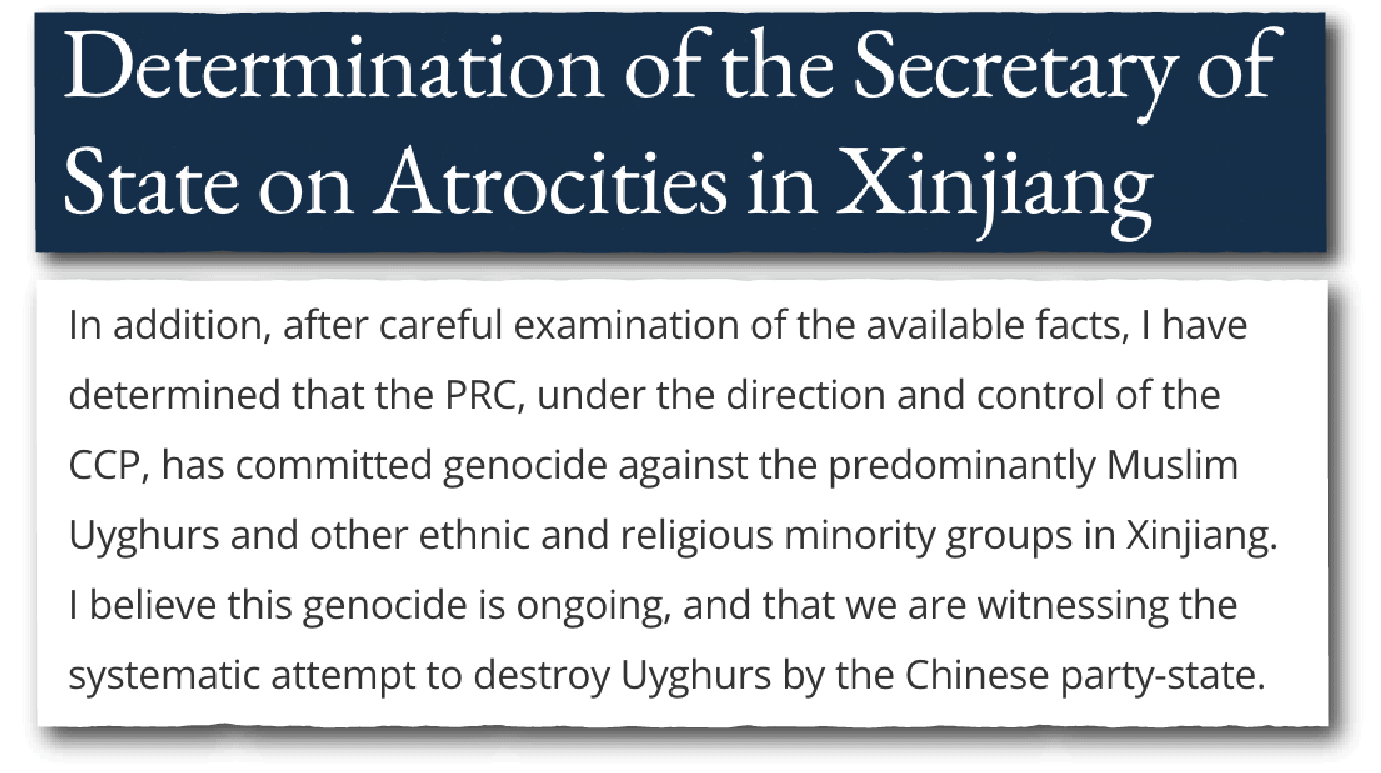
President Trump’s first administration kickstarted U.S. efforts to target China over its actions in Xinjiang. Just before leaving office in 2021, Secretary of State Mike Pompeo declared China’s repression of Uyghurs and other minority groups there a “genocide.” Independent human rights groups have long documented cases of China imprisoning Uyghurs and other Muslim minorities, as well as coercing them into work at factories.
Biden maintained the genocide designation and shepherded the UFLPA through Congress, requiring U.S. importers to prove that products made in Xinjiang did not involve forced labor. China has always denied its use and has recently promoted Xinjiang as a tourism hub.
“They’ve used tourism as a way to say, look, how could anything be possibly wrong?” says Peter Irwin, a former researcher at the Uyghur Human Rights Project who studied tourism in Xinjiang. “China’s hand is becoming strengthened by the day.”
It seems like there is a reluctance to do anything regarding China until the summit and perhaps even after that. I worry that important trade restrictions that protect American and global businesses, and protect human rights worldwide, are up for negotiation.
Laura Murphy, a professor at Sheffield Hallam University in the UK
Proving that goods are not made using Uyghur forced labor has always been difficult due to a lack of independent auditing. The value and total number of shipments stopped by CBP under the new law rose steadily through 2024.
But after Trump first imposed higher tariffs on Chinese imports last April the number of shipments inspected began to shrink, which some say is due to Customs officials having less time to focus on UFLPA enforcement.
Jim McGovern, a Democratic Congressman who introduced the Uyghur forced labor legislation, told The Wire that CBP and DHS have made no outreach to his office in the past year.
“I have major concerns that this law is not being enforced with the urgency and seriousness Congress intended,” he said by email. “I worry that DHS has forced Customs and Border Protection to divert resources from UFLPA enforcement to tariff enforcement to suit the President’s priorities.”
To be sure, the CBP’s new statistics show that it stopped more than 39,000 shipments in 2025, a three-fold increase over the year prior. The new data counts each stopped item individually, rather than grouping together items that arrive together. But it is not clear how the CBP applied the new methodology to data from before last year. It did not respond to The Wire’s request for clarification. DHS also did not respond to a request for comment.
Not everyone sees cause for alarm. A decline in the number of shipments being inspected may be a result of companies simply responding to the law by importing fewer products made with Uyghur forced labor, says Michael Littenberg, a partner at law firm Ropes & Gray.
“Larger companies have just gotten better at this,” he says. “I’ve not seen any change in compliance.”
Nury Turkel testifying during the CECC hearing on forced labor in Xinjiang, October 17, 2019. Credit: Congressional-Executive Commission on China
Advocates of the UFLPA argue that enforcing it more forcefully would complement Trump’s ‘America First’ agenda, which seeks greater parity between the U.S. and its trade partners.
“You cannot have reciprocity with a country using slave labor,” says Nury Turkel, a corporate lawyer in Washington whose testimony before Congress in 2019 helped spark the drive for the UFLPA. “Not implementing this law is out of line with the Trump administration’s own trade policies.”
In a statement to The Wire, a State Department spokesperson said: “China’s use of forced labor to produce artificially cheap goods undercuts market prices, puts American business at a disadvantage, and displaces American workers.”
The way the Trump administration is handling UFLPA enforcement is part of a mixed picture regarding its China trade approach. While the president pulled back on ultra-high bilateral tariffs on China last year, they remain on many Chinese products. Trump has also relaxed tight export controls on advanced semiconductors designed in America and sold to Chinese firms. On Thursday, the U.S. initiated trade investigations into China and dozens of other countries for failing to effectively ban imports made with forced labor.
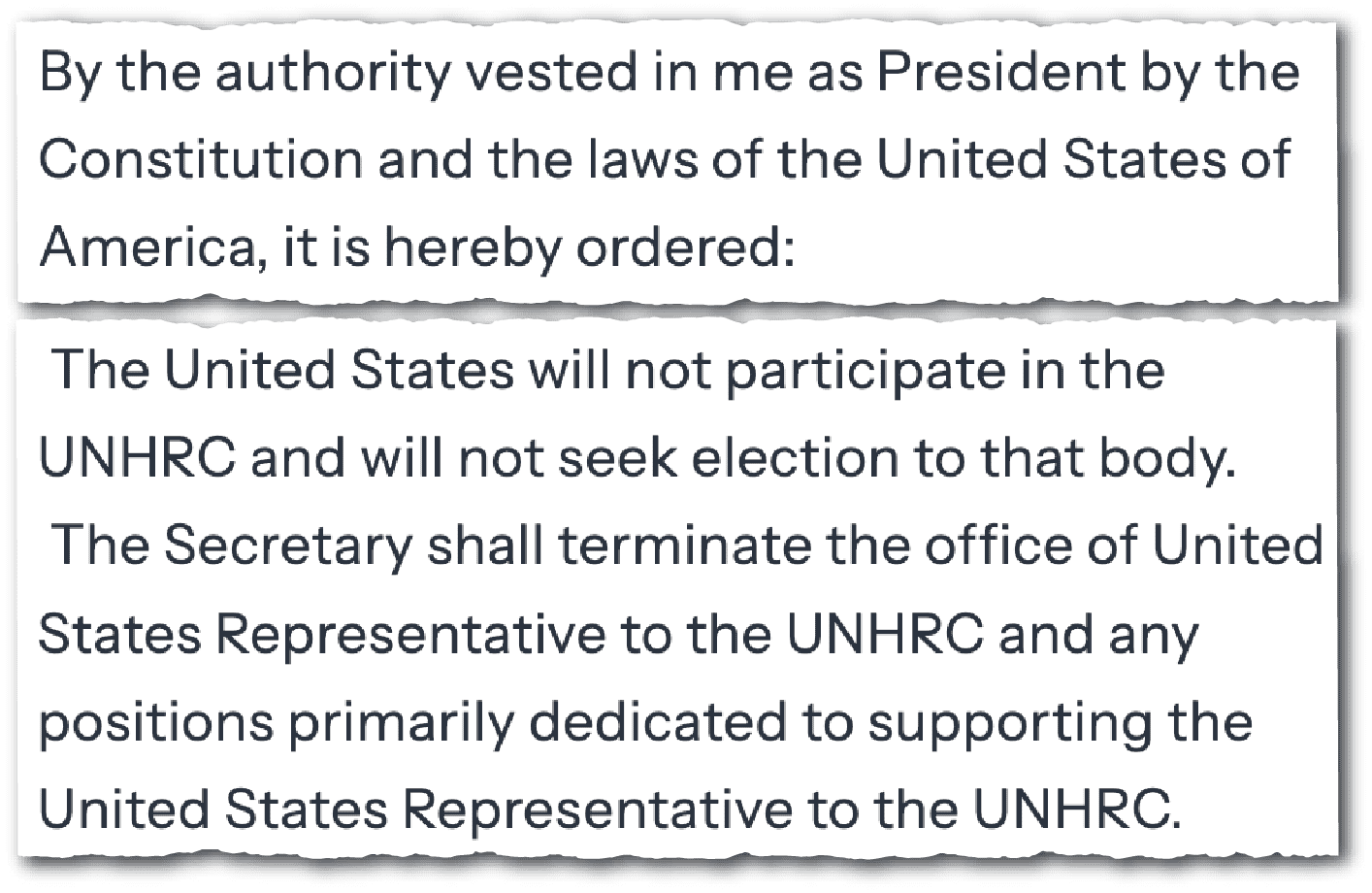
The administration has meanwhile placed less emphasis on human rights as a foreign policy priority generally, not just in China. Trump has, for example, stopped funding the UN Human Rights Council.
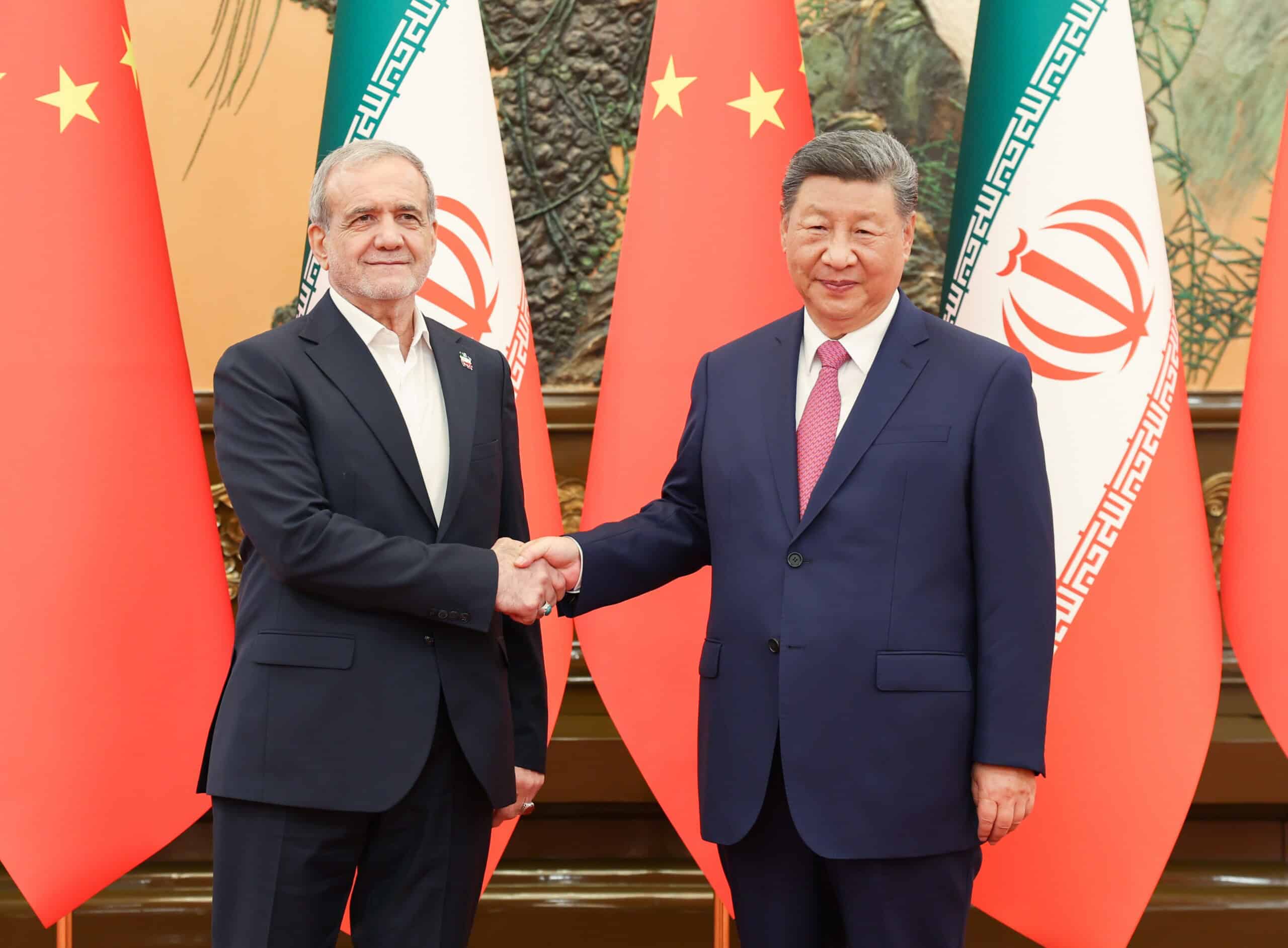
Some suggest Trump may be holding back on the Uyghur issue as he seeks a trade deal with China. The president is expected to meet Chinese leader Xi Jinping in Beijing later this month.
“It seems like there is a reluctance to do anything regarding China until the summit and perhaps even after that,” says Murphy, now a professor at Sheffield Hallam University in the UK. “I worry that important trade restrictions that protect American and global businesses, and protect human rights worldwide, are up for negotiation.”
The White House did not respond to a request for comment.
The visit could present Trump an opportunity to publicly raise China’s treatment of the Uyghurs for the first time this term, says Turkel. Born in Xinjiang, he was reunited with his mother in 2024 after years of forced separation and is now hoping that the Trump administration will send a delegation to meet with the relatives in China of American Uyghurs, some of whom haven’t heard from their family members in years.
“That kind of request will put the Chinese government on notice that there is a high level of concern and attention to individual cases that have not been addressed,” he says.
Experts say it is unlikely that China’s repression of Uyghurs and other Muslim minorities is declining. An independent panel appointed by the United Nations warned in January that many cases of a “persistent pattern of alleged State-imposed forced labor involving ethnic minorities across multiple provinces in China” could amount to a crime against humanity. On Thursday, China’s legislature passed a law requiring the country to promote “ethnic unity.”

Noah Berman is a staff writer for The Wire based in New York. He previously wrote about economics and technology at the Council on Foreign Relations. His work has appeared in the Boston Globe and PBS News. He graduated from Georgetown University.