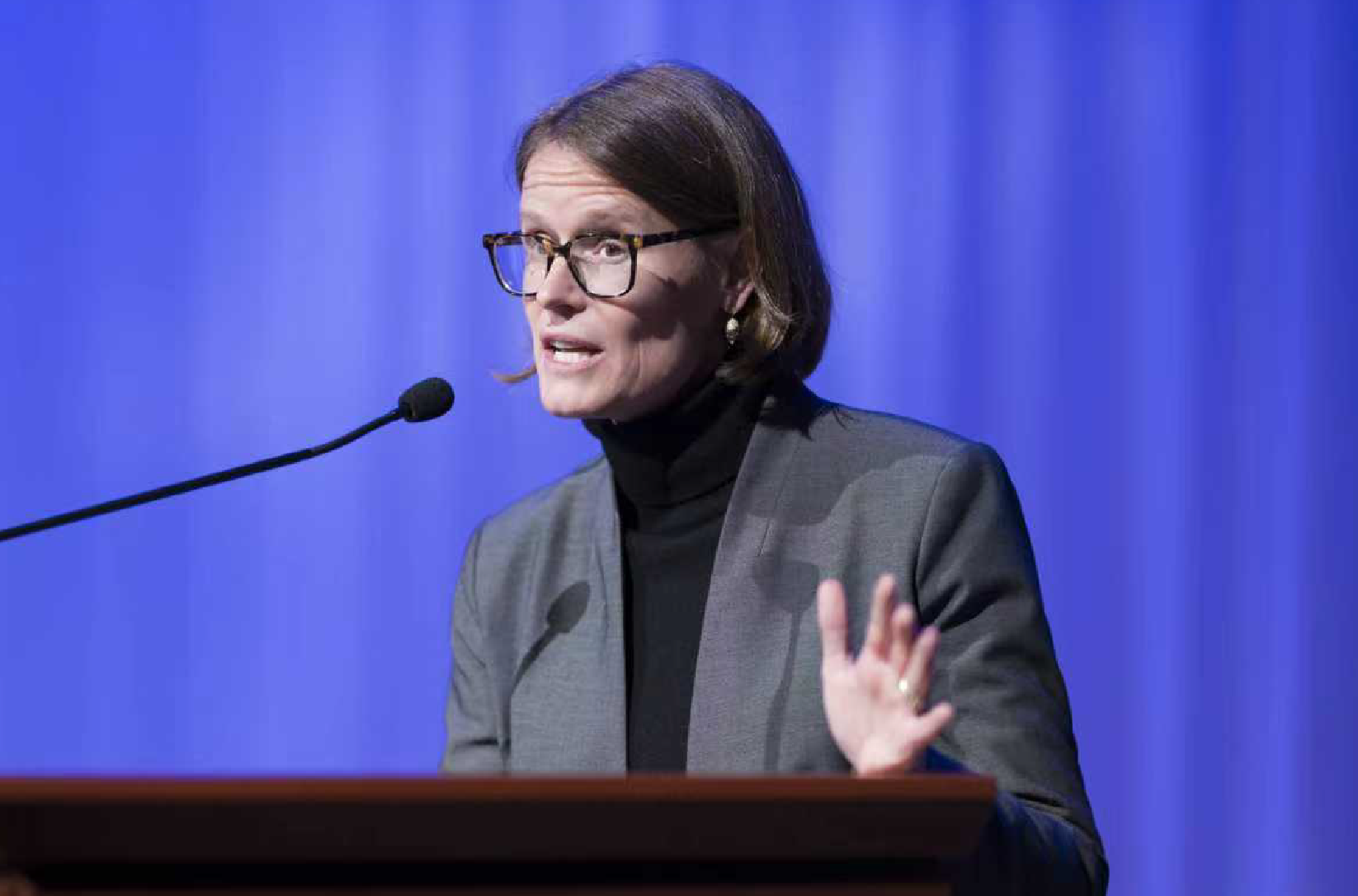
With a U.S. Foreign Service career spanning 23 years, Sarah Beran has deep experience in U.S. diplomacy with China. A few of her various past government roles include special assistant to the president and senior director for China and Taiwan Affairs in President Biden’s National Security Council, director of the Office of Chinese and Mongolian Affairs in the State Department, and, most recently, deputy chief of mission at the U.S. Embassy in Beijing. Since leaving government, she has joined strategic advisory firm Macro Advisory Partners as a partner and China practice lead.
The following is an edited transcript of our recent conversation, which was updated to take account of the postponement of President Trump’s visit to China.

Illustration by Lauren Crow
Q: President Donald Trump’s planned meeting with Xi Jinping has been postponed but it is still hoped the summit will go ahead at some point soon. How important are head of state meetings?
A: In the top-down Chinese system, leader level meetings are the most important and impactful way to make progress on any issue. A meeting with the top leader sends a demand signal down through the entire bureaucracy — not just the Ministry of Foreign Affairs but all the other ministries as well — to deliver and create positive optics. This has a halo effect on other issues as well, like unrelated corporate deals and even travel and tourism.
But work needs to be done ahead of time. You can’t just roll into a meeting with Xi and expect a big announcement. You need a channel to set up negotiations, multiple negotiating sessions, leverage, and designated negotiators.
Each U.S. administration has approached summit prep slightly differently, and has had varying success in the outcomes of those leader-level engagements over time. And there’s an adjustment period with a new administration too, where Beijing tests to see how far they’ll bend and what the parameters are.
During the first Trump administration, the lead negotiator was Robert Lighthizer. He had clear parameters, a narrow scope, written text, and clear outcomes.
| BIO AT A GLANCE | |
|---|---|
| AGE | 48 |
| BIRTHPLACE | Pullman, Washington |
| FORMER POSITION | Deputy Chief of Mission at the U.S. Embassy in Beijing |
| CURRENT POSITION | Partner at Macro Advisory Partners |
During the Biden administration, the focus shifted to national security issues, away from trade, and the prep channel was between the U.S. National Security Advisor and Chinese Foreign Minister Wang Yi, and the outcomes focused on putting a floor under the relationship, counternarcotics, cross-Strait stabilization, and reestablishing military communications. And because there was a process, we had real deliverables to announce.
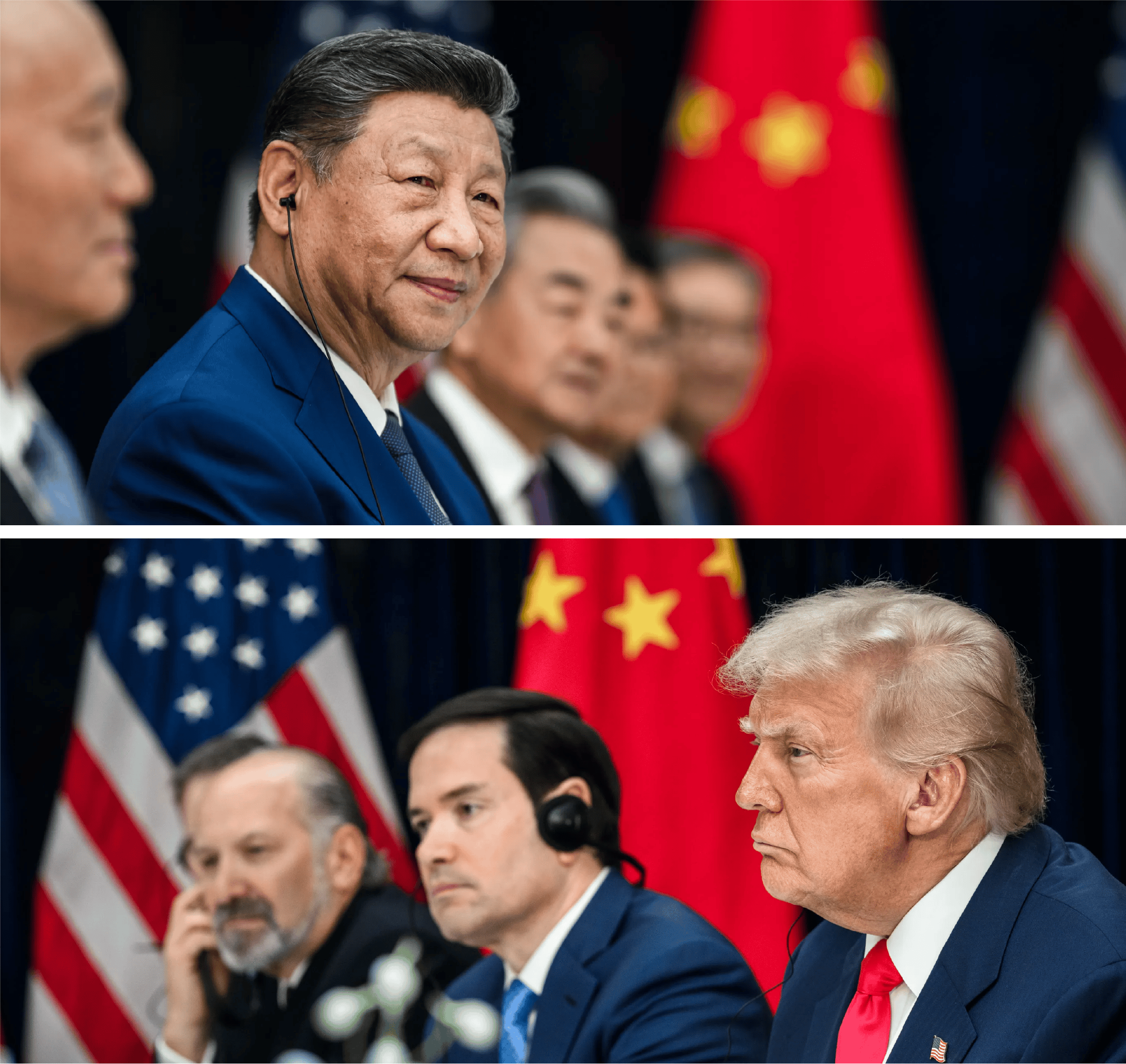
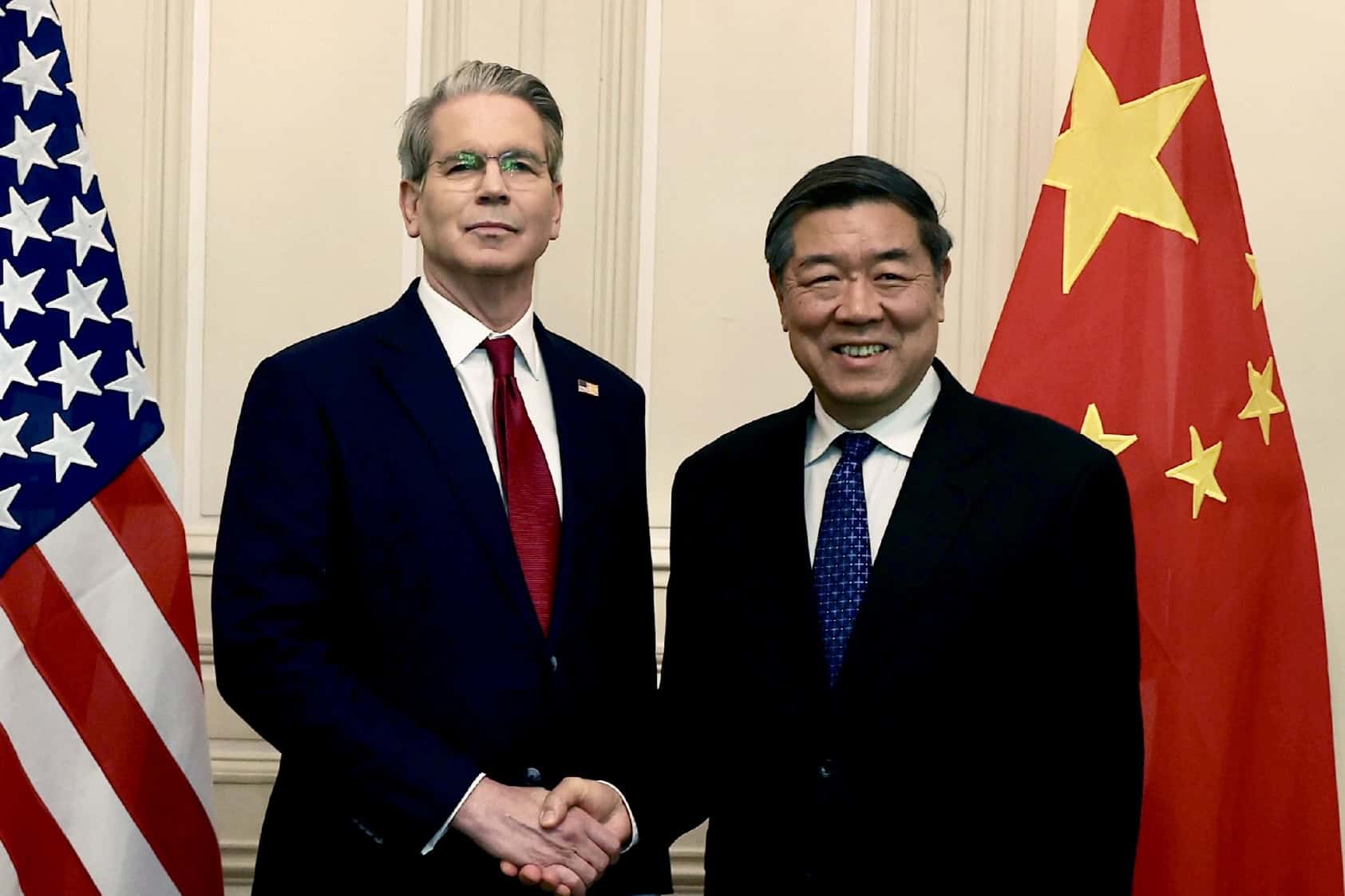
The prep has been slightly more chaotic in Trump 2.0, though the Treasury Secretary Scott Bessent and Vice Premier He Lifeng now have a functioning negotiating channel for economic issues. Beijing sees the four meetings this year between Trump and Xi as the best-case scenario in managing the volatility that comes with a counterpart like Trump: manage him through constant negotiations — no big announcements, but just continued small steps.
The Chinese leadership generally wants positive optics out of a meeting… The U.S. side generally has a far different approach, and seeks actual, concrete deliverables. That mismatch of a focus on optics versus deliverables has been apparent in the last couple of leader-level engagements.
As long as the postponement doesn’t turn into a cancellation, delaying until the conclusion of active hostilities in the Middle East is in the interests of both sides and a net neutral. The optics of a meeting during the conflict, the differences in views about China’s role and measures to re-open Hormuz, and the derailing of the bilateral agenda all argued for a delay. The announcement in the midst of the Bessent-He Lifeng talks [in Paris last weekend] likely took the pressure off both sides to make progress, so I would expect we would need to see another touchpoint before the summit should the delay be more than a few weeks.

Do you see any differences in the way that the current Trump administration has done diplomacy with China compared to his first term? How has China adapted?
The patterns of behavior are very different in Trump 1.0 and Trump 2.0. In the first Trump administration, he was surrounded by traditional Republican national security hawks, and so the framework that they placed around national security policy actually sounded pretty similar to Obama and to Biden, although the tone was sharper, certainly.
During Trump’s first visit to Beijing in 2017, the outcomes were traditional: a joint statement, establishment of military-military channels, the launch of a comprehensive economic dialogue, and trade negotiations. That’s not what we’re seeing during the second Trump administration. This time, the prep appears to be driven by the president, with minimal preparatory work by U.S. agencies or channels to prepare these engagements. And so, from Beijing’s perspective, when the leaders walk into the room, no one has any idea of the agenda, or the outcomes.
| MISCELLANEA | |
|---|---|
| BOOK RECS | I recently read and recommend Chokepoints by Edward Fishman and Red Scare by Clay Risen |
| FAVORITE FILM | The best I have seen in a long while: Everything Everywhere All at Once |
| FAVORITE MUSIC | As a native Washingtonian of a certain age, any ’90s era Seattle band. |
| MOST ADMIRED | Eleanor Roosevelt, for obvious reasons — a visionary diplomat and civil rights advocate. |
For the Chinese system, that probably creates profound nervousness, limits progress on hard issues, but it also creates opportunity, because if Beijing can convince the President to say or do something, it could result in a U-turn in U.S. policy quite quickly, in a way that may have unintended consequences. For example, if he were to choose to say something different on Taiwan, or if he were to choose to make an agreement that would allow Chinese investment into the United States without adequate screening, that could fundamentally change the U.S. position, and that will not have been done with a thorough study of what the consequences would be.
And Beijing certainly has adapted to this new normal, and been more forward-leaning on leveraging Xi as the primary channel. In the past, Chinese officials were very careful to protect Xi’s space, to only put him forward in very prepared negotiations or very prepared channels. That Xi and Trump have agreed to four meetings this year is a change, and it demonstrates the value Beijing sees in the leader-to-leader meetings to control the volatility.
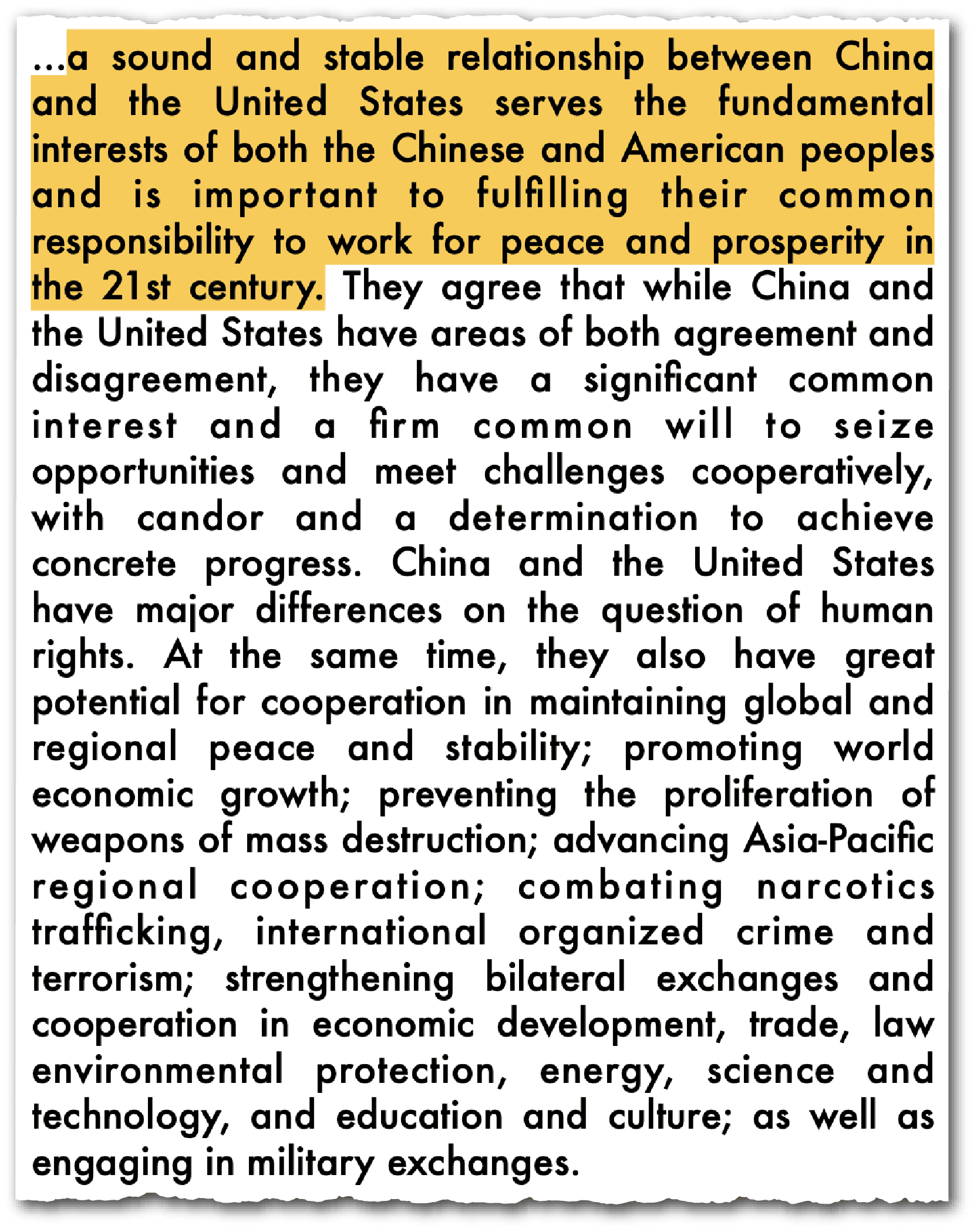
Can you take us behind the scenes of those high-level meetings with China that you were involved in? What does the Chinese side hope to get out of the meetings versus what the American side is looking for? Where do those aims intersect, and where are they at odds?
It has changed over time. When I first started working on U.S.-China relations in the 1990s, it was a very different era. It was one of joint statements, of joint outcomes, of cooperation. And later, of disappointment on both sides that that approach didn’t actually yield real results, that there were still deep concerns on both sides: on the U.S. side about market access and a level playing field, on China’s side that the U.S. was seeking to contain or at least constrain China’s growth. Both sides were disappointed with the results, and I think that led to that next period of more intense competition.
The Chinese leadership generally wants positive optics out of a meeting, a sense of external stability, so that they can focus on the issues at home. These optics send a top down message through the Chinese system of the directionality of the relationship. That means, when you go behind the scenes: What is the photo op going to look like? How long is the meeting? Is there a meal involved? All those little logistical details don’t sound important, but you bring them together, and it creates the optic of a really positive engagement.
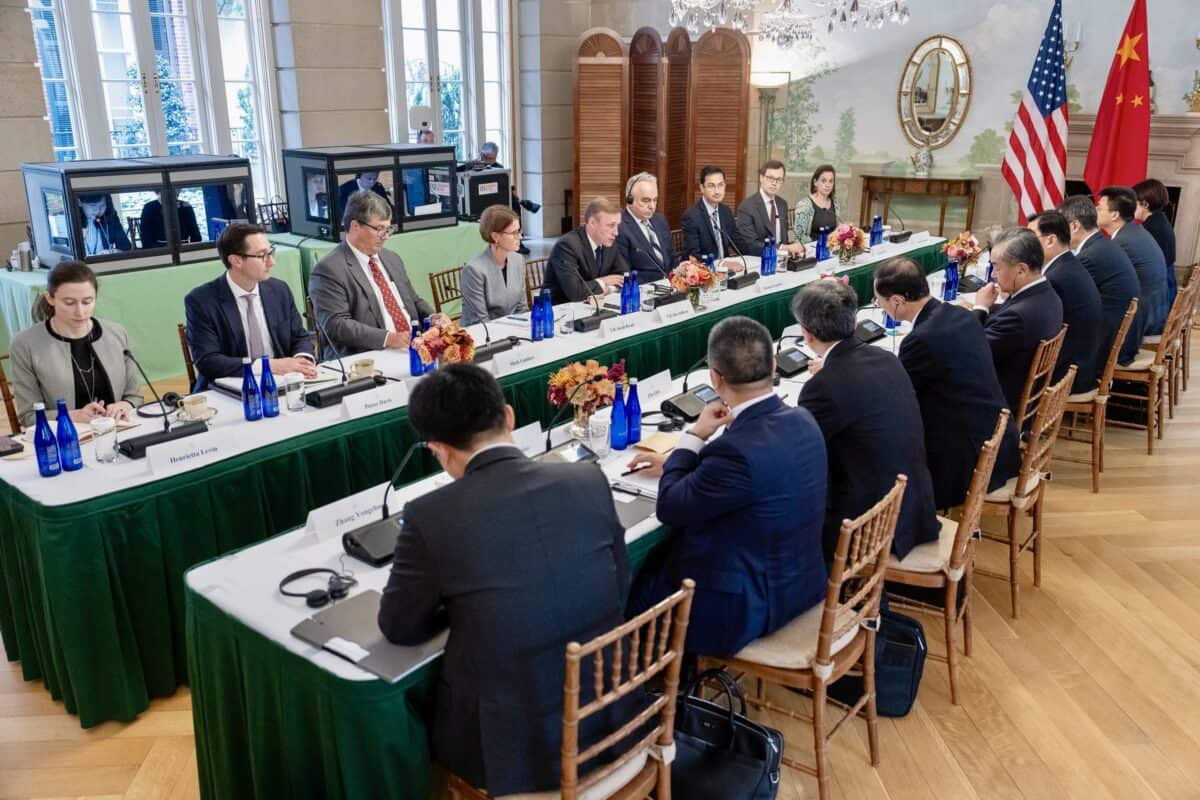
The U.S. side generally has a far different approach, and seeks actual, concrete deliverables. That mismatch of a focus on optics versus deliverables has been apparent in the last couple of leader-level engagements.
In your diplomatic work, when the U.S. and China did reach agreements, how did the two sides get there?
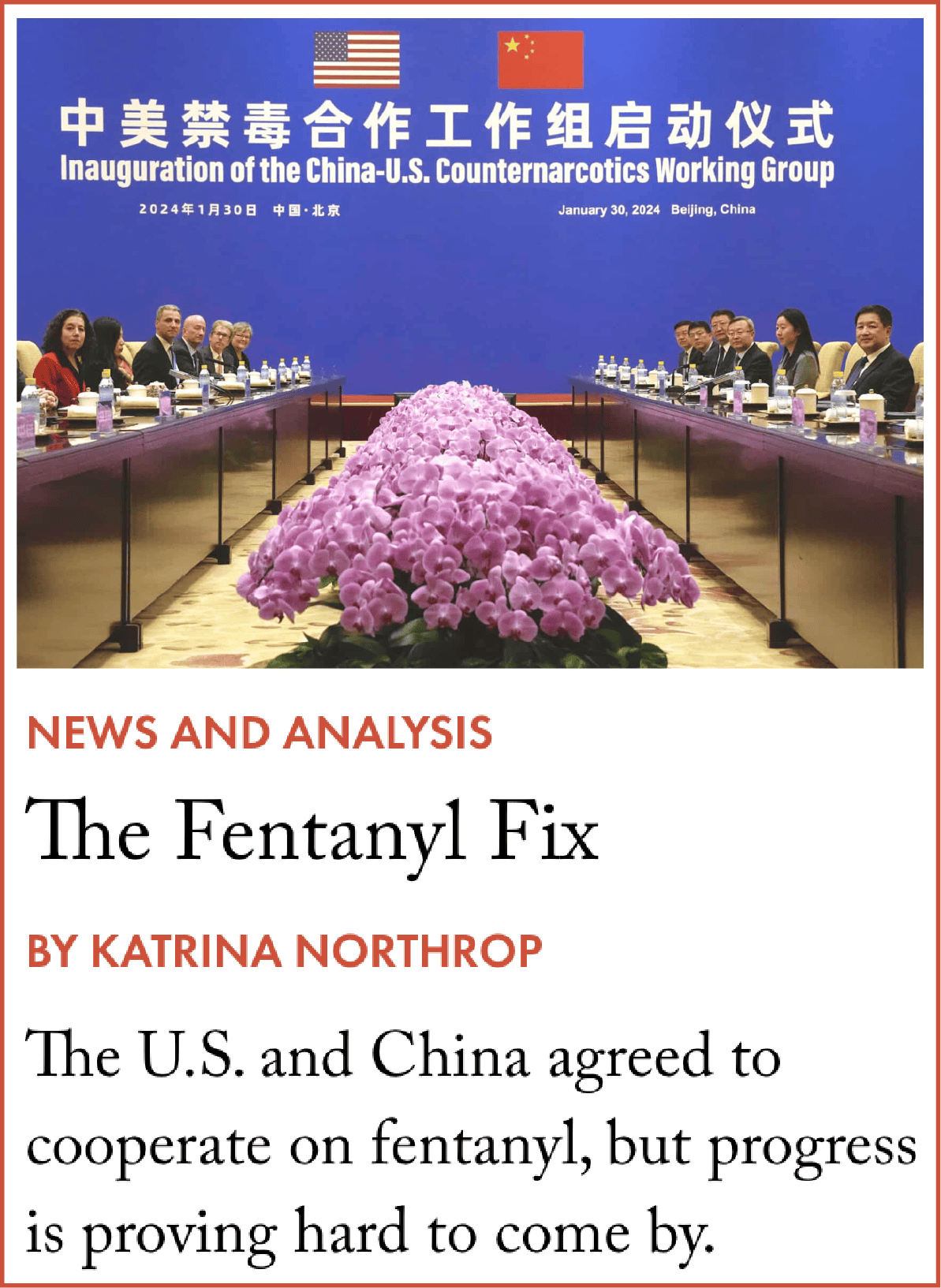
I’ll give an example of the one I’m most proud of from my time working on U.S.-China relations at the National Security Council, and that is the agreement to work together on counternarcotics that resulted in a drop in the flow of fentanyl to the United States and a reduction in death rates in 2023 and 2024. It’s not often you can quantify results in diplomatic work with a concrete impact on making American people’s lives safer or better.
The agreement was reached in 2023 at the Woodside Summit between Biden and Xi that China would take a series of steps to reduce or eliminate the flow of precursor chemicals to Mexico that were then used to produce fentanyl that was sent to the United States.
One of the primary Chinese concerns was the narrative in the United States that we were blaming them for our drug problem and for fentanyl deaths. And so they wanted credit for taking action to show that they were being responsible citizens. Obviously, we couldn’t do that until we actually saw changes on the ground, but this had been a key obstacle to progress in the past and one we sought to address.
Without diplomacy, rapid deterioration is much more likely. The question is, how do you use diplomacy to really ensure that the landing spot is as stable as possible and that both sides find a way to keep living together but protect their national security interests?
Second, we sought to show that precursor chemicals from China were a concern of multiple countries, not just the U.S. And so we talked with Mexico and in international bodies to get other countries to raise concerns to China. And that chorus of voices, including from the Global South, was critical in shaping the Chinese decision to actually take steps.
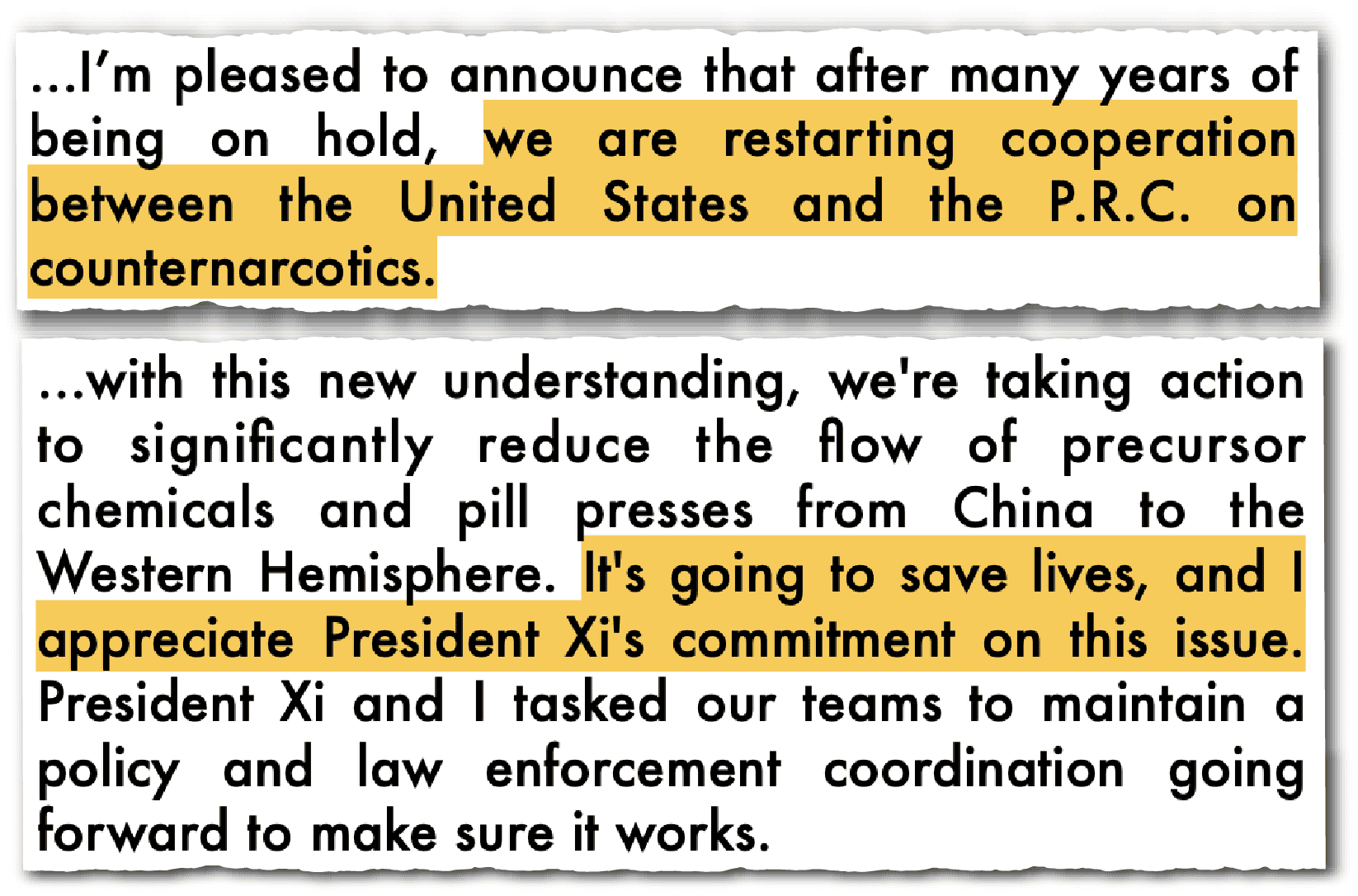
The third piece was having not just diplomatic channels make this ask, but everybody that went to China. So we talked to members of Congress. Senator Chuck Schumer went to China about six months before the President met with Xi and talked about the deaths in his state of people from fentanyl. California Governor Gavin Newsom also traveled to China shortly before the summit, and similarly raised this.
Those three elements altogether made a difference. We were able to reach an agreement that China would take steps to initiate law enforcement investigations in specific cases, arrest individuals and ban sending certain precursor chemicals to Mexico. And that was a big lift, because it meant all those different parts of the Chinese bureaucracy had to line up together when very few had an incentive to work with the United States.
Turning from the past and present to the future of the U.S.-China relationship, what’s your big-picture view of where it might be headed?
I would characterize three possible scenarios for the U.S.-China relationship going forward. First, and least likely in my view, is a grand bargain, where the two sides reach a wide-ranging agreement on economic, political and military issues, and are able to resolve their differences and fundamentally change the course of the relationship. That’s unlikely because of the depth of mistrust and the lack of real channels other than those at the leader level.
The second possible scenario is a rapid deterioration or break in relations. This could be precipitated by a crisis of some kind, like a metal-on-metal incident where ships or planes collide, or a massive cyber attack hits domestic civilian critical infrastructure. All of those could precipitate a real break in relations where both sides escalate with sanctions, with export controls, sanctions, and channels shut down. I think that’s unlikely, because both sides see a need for stability right now, and will work to try to find off-ramps, but it is a possibility.
The third and most likely scenario, and this has been a base case for me for the last eight years, is continued competition, but stabilization, as both sides make an effort to buy time to derisk and diversify away from reliance on each other, to strategically decouple in certain areas.
What role can and will diplomacy from both sides play in leading to one of those possibilities?
Without diplomacy, rapid deterioration is much more likely. The question is, how do you use diplomacy to really ensure that the landing spot is as stable as possible and that both sides find a way to keep living together but protect their national security interests?
Right now, the two sides have an economic channel — through the Treasury Secretary and Vice Premier — and a leader-level channel. But diplomatic discussions are limited on national security issues, that means there are almost no conversations at a high level on issues like Taiwan, cross-strait stability, the South China Sea, arms control or nuclear issues, or AI safety and risk.
How does the rest of the world play into these possible futures, both in how they interact with China and how they interact with the U.S.?
I am most concerned about this element right now. When the Biden administration left office, we left a really strong basis for coordination across partners and allies on the China challenge. We had multiple different minilateral groupings that compared notes, shared best practices and then implemented policies together, like export controls, investment screening and other elements that were meant to ensure we’re acting in concert — not to contain China, but rather to push back against national security threats. And that’s important with a counterpart like China, to have that collective pushback and that deterrence.
The erosion of alliances, and this administration’s attacks on Europe and other partners, has meant that interest in cooperating together on the China challenge is also eroding. It’s not that these countries think the China challenge is any less pressing, but they can’t have bad relationships with both of their top two trading partners. So if it is not possible to stabilize with the U.S. in a meaningful way, in a predictable way, then they’re being forced to choose stabilization with China.
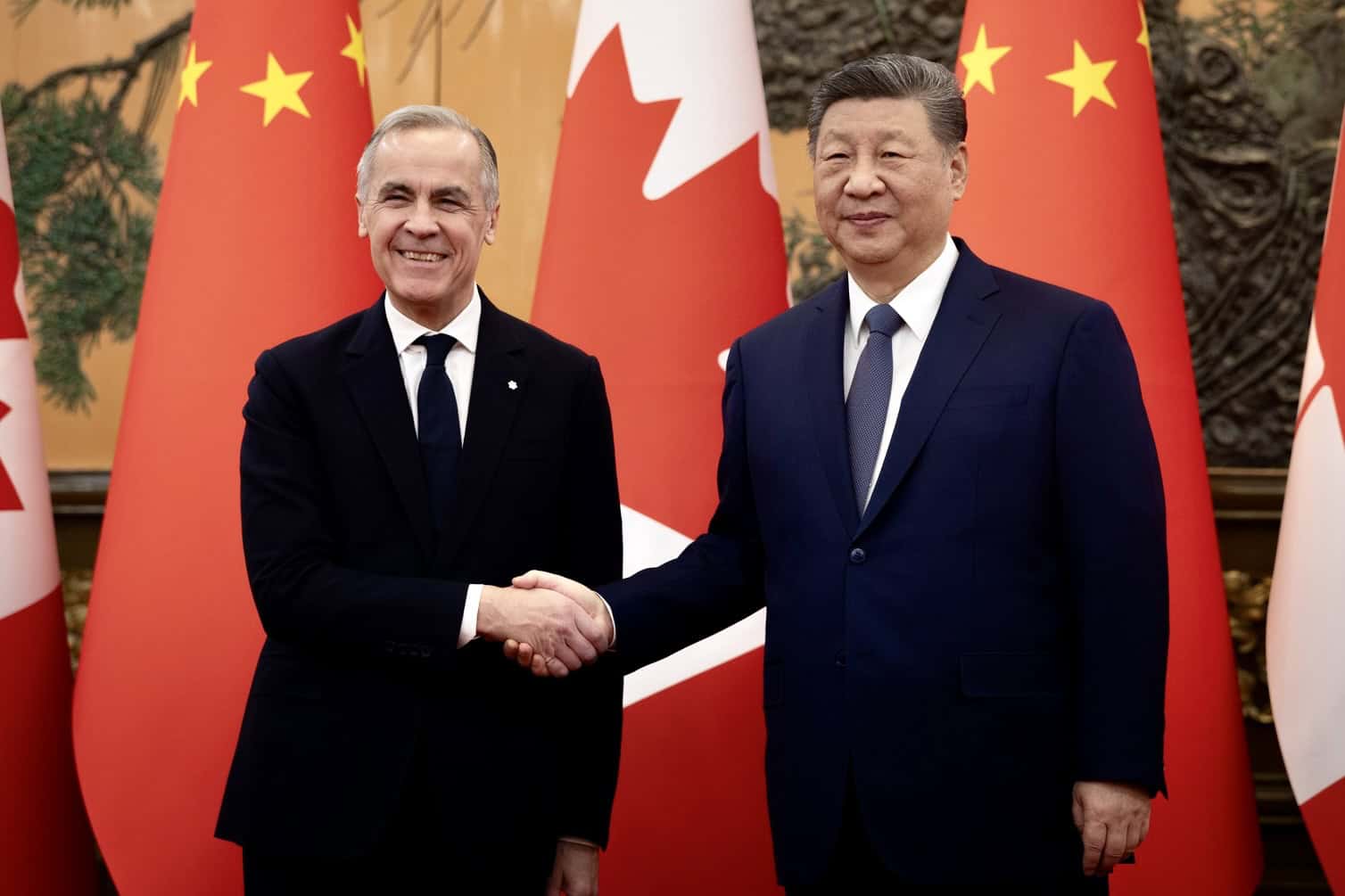
We saw elements of this with Canadian Prime Minister Mark Carney’s visit to China last month, where Carney was still very clear about the challenges from China and national security threats. But he clearly saw that diversification away from reliance on the U.S. is critical, and I believe we will see the same from Europe.
Does China see the U.S.’s actions in Venezuela and on Greenland and think, since the U.S. is getting away with it, maybe they can push the envelope?
I don’t think it fundamentally changes China’s strategic goal or its immediate approach or timeline, because those are driven largely by domestic priorities.
But it changes China’s perceptions of what is possible. The U.S. use of blockades around Venezuela, and the seizure of Venezuelan ships on spurious legal grounds — even if we can all agree that there was a serious problem in Venezuela and Maduro was not the legitimate president — set a precedent for China potentially doing the same to Taiwan. It won’t be the only reason they do it, but it will be a justification and an example they can cite where, if international law did not apply to that, if the U.N. Security Council did not censure the United States, then China should be free to do as it chooses as well. That is extremely dangerous.
Does it move up any sort of timeline on the Taiwan question?
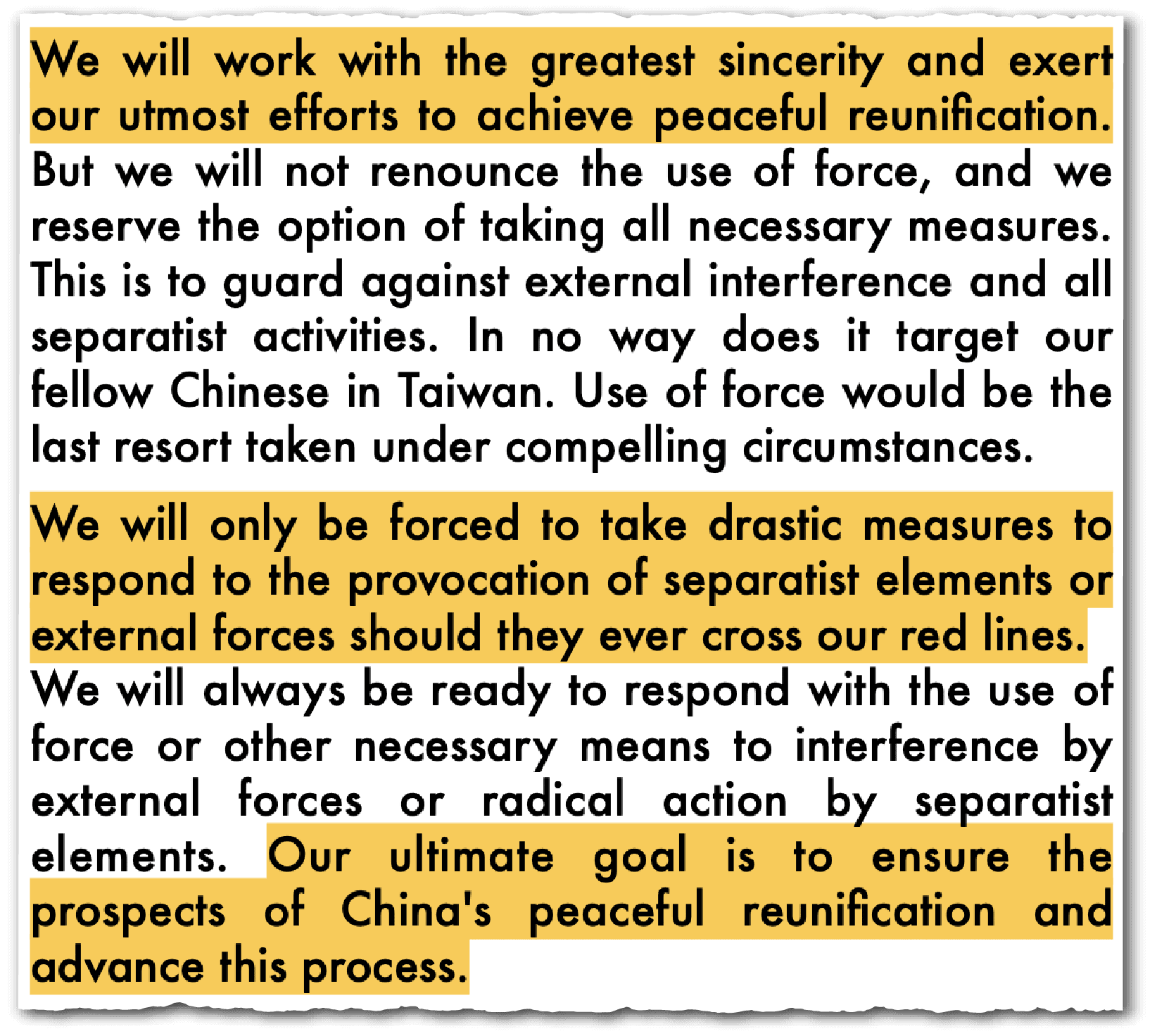
We have to be humble about our ability to know what is in the leadership’s mind. I will preface my comments with that, but based on my experience the last 15-20 years, and what I’ve heard Xi Jinping say directly to President Biden and other leaders, Beijing does not have a timeline, and use of force will be the last resort.
In terms of how China compares to other countries, I’ve served in Pakistan, in Jerusalem, in Tunisia, and in Ecuador, and Chinese diplomats were by far the most well-prepared and formidable negotiators at the table.
The 2027 target timeline was never meant to be the date when China is going to rule across the Taiwan Strait. Instead, it was meant as a military planning timeline where that is the date by which China’s leadership wants to have the capability to take action. That is a very different thing. That also means that they don’t have the capability right now, that the balance of military edge is not in their favor.
So that gives some space to continue efforts at deterrence, to ensure Beijing never feels like it has that capability, that it can never predict 100 percent the outcome of an invasion. I think we are starting to see the outlines of what their strategy is, and that’s enhanced coercion, it’s using maritime militias, drones, and lawfare to enforce sovereignty in air, on the water, and over outlying islands.
That is what I would expect the next five to 10 years to look like: continued pressure on Taiwan as the U.S. is seen as pulling away from the region. My concern is that that will create the conditions where the people of Taiwan may feel like they have no choice. And again, deterrence is important, and I’m just not seeing that from the U.S. side in a way that I think will be determinative.
Is there anything particular about China’s style of communication or customary way of doing things compared to your experience with other countries?
The Chinese bureaucracy does an excellent job of ensuring continuity and that those working the Americas file have the background, the previous notes, and readouts of all past meetings, so they always came to the table in negotiations very well prepared.
I found U.S. diplomats in particular, just by nature of how often they and administrations changed, didn’t have that same long-term background on past negotiations. That was often a hurdle.
In terms of how China compares to other countries, I’ve served in Pakistan, in Jerusalem, in Tunisia, and in Ecuador, and Chinese diplomats were by far the most well-prepared and formidable negotiators at the table.

Evan Peng is a journalist based in New York. His work has appeared in POLITICO and Bloomberg.