A member of a politically powerful family in the Philippines, Jose Manuel Romualdez has been the Philippine ambassador to the United States for the last eight years — serving under both former President Rodrigo Duterte, and continuing in the role under the administration of his second cousin, Ferdinand Marcos Jr.. The 78-year-old, who worked as a journalist prior to being an ambassador, still writes a weekly opinion column in a Philippine newspaper, offering candid views on topics ranging from domestic corruption scandals to the country’s relationship with China.
This interview took place before the latest clash between Chinese coast guard ships and Philippine fishermen in the Sabina Shoal earlier this month. Asked for a response, Romualdez said, “We continue to express concern over illegal, coercive, aggressive, and deceptive actions in the South China Sea that violate the Philippines’ sovereignty, sovereign rights, and jurisdiction. We appreciate the continued support of the U.S. in this regard, including the statement by the Department of State on this latest incident.”

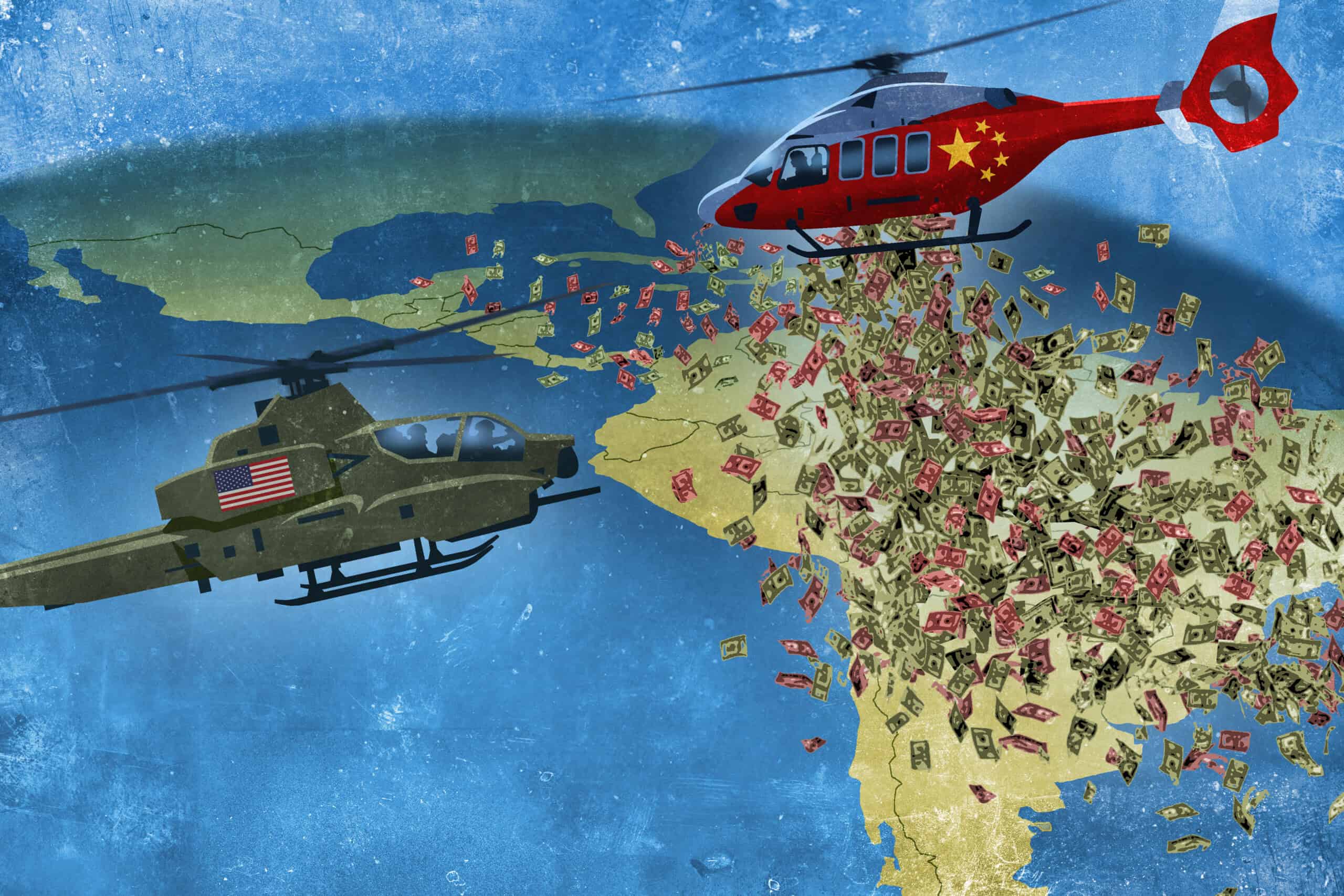
Illustration by Lauren Crow
Q: Under former President Duterte, the Philippines flirted with getting closer to China. Is it unavoidable in the long run that the Philippines will become closer to Beijing given China’s position as the region’s economic center of gravity?
A: I have been a close watcher of China since the 1970s, when President Marcos Sr. formed the “basketball diplomacy” policy. China is a country with which we have to have very good relations, and good economic ties. All of us have Chinese blood, I have Chinese blood, so it’s only natural. They are our close neighbor.
We Filipinos don’t look for trouble or conflict. But when people are trying to say that what is yours is mine, and what is mine is yours, that’s something that we can’t accept. That’s probably the reason why we are where we are today, where we have good relations with the United States. We also want to be close to China, but issues surrounding the South China Sea do linger. Hopefully at some point we’ll be able to resolve them in a manner that will be acceptable.
There are other countries that have the same kind of overlapping claims with us, but we’re trying to resolve it in a peaceful way. That’s the only way that will be beneficial for all the countries that have the same type of claim in the region.
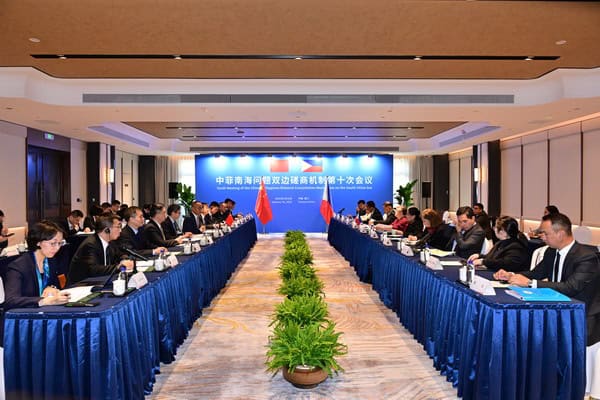
The ASEAN-led talks on the Code of Conduct in the South China Sea have not progressed, and China has been accused of stalling them. As the chair of the ASEAN in 2026, what can the Philippines do to move that process forward?
Our new Foreign Affairs Secretary, Theresa Lazaro, is working out a program that will convince China that we are serious in trying to find a peaceful resolution, or at least some form of a temporary resolution.
What we’re trying to point out to China is that since you are a big country, and you claim the entire area of the South China Sea, you have to recognize the fact that this conflict will remain. But let’s try to work on ways to be able to find cooperation in areas that would be good not only for the Philippines, but for the other claimant countries.
We would like to invite China to be present during the ASEAN Summit next year; we want President Xi Jinping to come. I think Secretary Lazaro would very much like to go to Beijing to meet with Foreign Minister Wang Yi. All of these moves are part and parcel of the fact that we want to reach out, being the chair of ASEAN. We’re not out there to use our chairmanship to advocate for conflict or to stop China. We want to be the one now to reach out to China.
Are you hopeful China will respond to that offer?
There’s some indication that they probably will. They’re doing the same thing with the United States right now; I don’t see why they can’t do it with us.
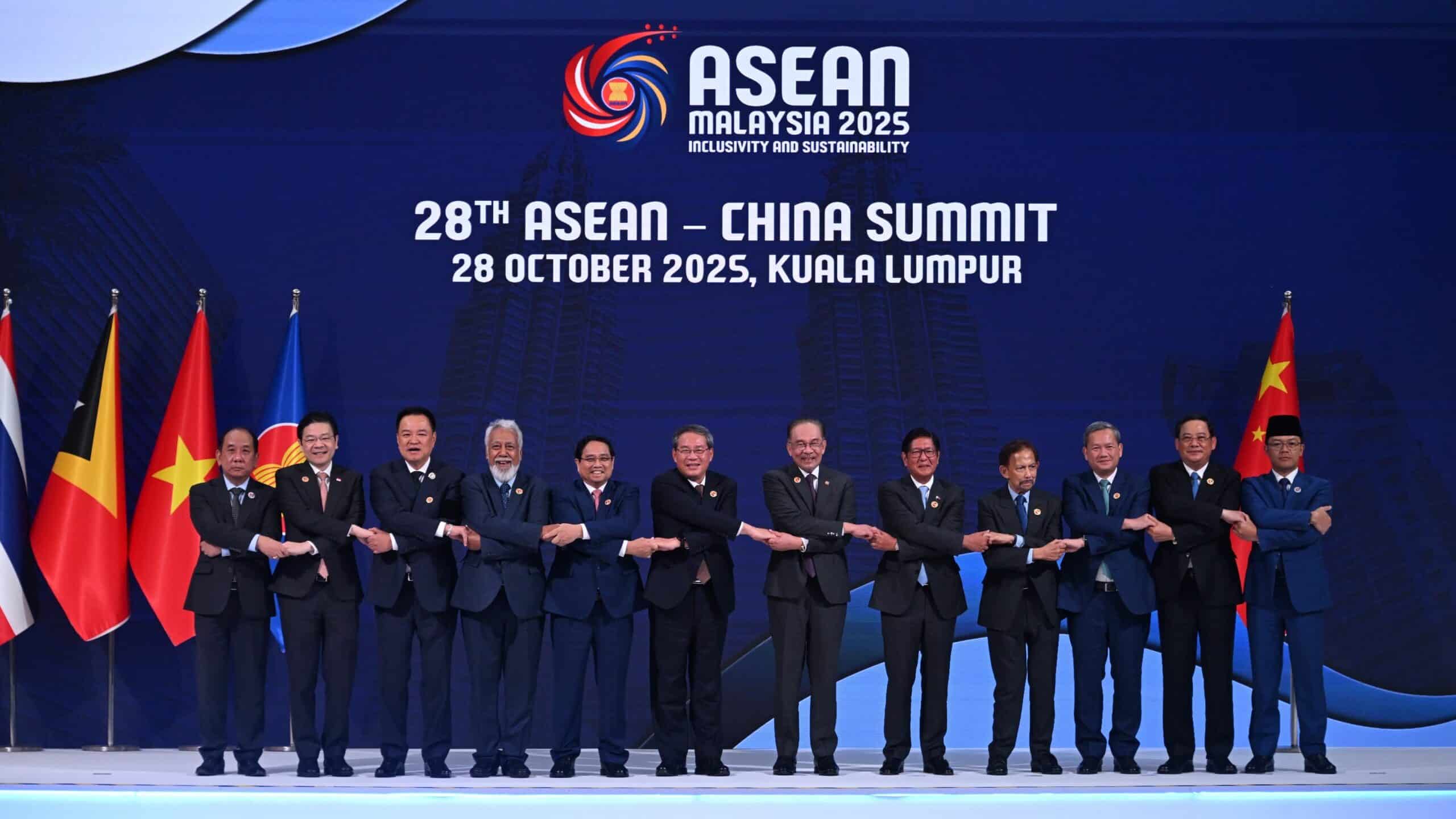
The Philippines seems isolated among its ASEAN partners and other South China Sea claimants in trying to tackle China’s aggressive tactics. What’s your assessment of the lack of unity among regional players?
Every country has their own national interest to protect. Obviously, trade has to do a lot with it. China is our number one trading partner, and we would also like to increase our trade with China. That’s why we want to try to separate the issues surrounding the South China Sea and trade.
We are being cautious. We are being patient. We want to stretch it as far as we can go, because we know what the consequences are.
The only way we can connect trade with the South China Sea is for us to find ways and means to cooperate, because there’s supposed to be a lot of natural resources there. Why don’t we work together and see whether we can find a way to divide the so-called treasures of the South China Sea? We’ve made some agreements with Vietnam and Malaysia on this, to a certain extent.
We are nearing the one-year anniversary of Trump 2.0. What’s your analysis of U.S.-Philippines relations as they stand today?
I’d like to think it’s the golden years of our relationship. We have bipartisan support from the U.S. Congress, and the administration of President Trump has been very supportive in all our efforts to modernize our armed forces, to be part and parcel of a partnership given our mutual defense treaty. We are also very strong in our trade, even if we have the tariffs that we’re working our way through.
How confident are you about the U.S. invoking the Mutual Defense Treaty if there was an attack or accident that results in loss of Filipino life in the South China Sea?
If you remember what happened not too long ago, there was a major conflict, where the Chinese boarded our ships and one of our sailors lost his finger [in June 2024]. We had calls coming from our friends from the U.S. Congress, saying, why don’t you invoke the treaty, this is an act of war. We should tell the White House. But we restrained ourselves from doing that, because we are a country that doesn’t want conflict.
And so we said, no, we want to try to resolve these issues. We will not invoke the Mutual Defense Treaty unless it’s absolutely necessary.
But don’t you think China would see this as a sign of weakness?
The Chinese also are well aware that the United States has made a strong commitment. Our friends here in the United States have told them, in so many words, that if anything happens, that they are committed to our mutual defense treaty with the Philippines. They know that this is a serious matter. Clearly both the United States and China do not want conflict, and the same with us.

But, it doesn’t mean that we’re being weak. We are being cautious. We are being patient. We want to stretch it as far as we can go, because we know what the consequences are. People who are instigating this type of behavior do not know what it can do. Being irresponsible, and trying to create a major conflict between two major nuclear powers could bring about the end of the world.
Some experts say the rules-based international order is being eroded, and that the U.S., which helped build it, is contributing to that shift. The 2016 arbitration ruling on South China Sea territorial claims which favored the Philippines, was grounded in that rules-based framework. Are you concerned that current disruptions could further weaken Manila’s position in the South China Sea?
It’s our policy that that is the basis of our claim. We and many other countries recognize the 2016 arbitration ruling; China is a signatory to the International Tribunal too, and in our view, they should follow whatever the tribunal has said. Of course, they don’t agree. So that in itself is already not following the rule of law.
What’s your assessment of the Trump administration’s foreign policy priorities, with an apparent focus on the western hemisphere? Do you believe that Washington is still committed enough in the Indo-Pacific region?
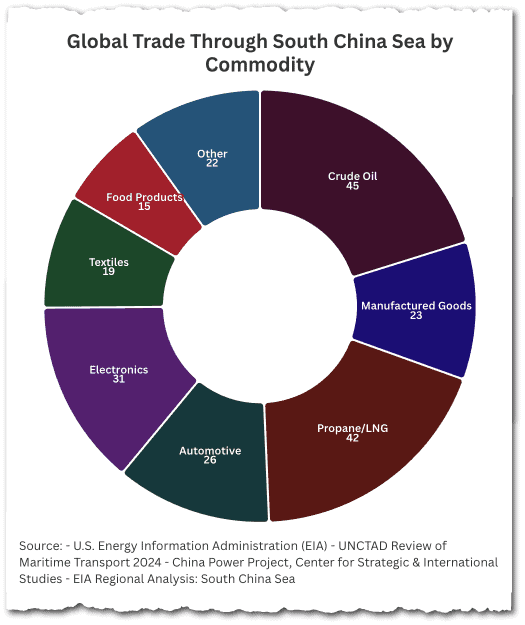
The bottom line is that right now, the Indo-Pacific region is an important region for the United States, and it’s also important for the European Union, because trillions of dollars’ [worth of trade] pass through the South China Sea. So it is in the interests of all countries that this area remains free and clear. Just because the focus of attention is in one area, it doesn’t mean that they’re letting their guard down on other areas.
The Philippines is committed to finding ways and means to be able to avert any kind of trouble. We have reached out to like-minded countries to say that we want to have this area free and clear of any dominant power.
Multiple media outlets recently reported that President Trump advised the new Japanese Prime Minister Sanae Takaichi to temper her statements over Taiwan after a phone call with the Chinese President Xi Jinping. What’s the message here for U.S. allies like the Philippines and other friends in the region?
In the case of President Trump, [he] is one of the few presidents who says what is in his mind. So he’s just saying that it might create a problem if Japan continues to have this difference with China. I know that Japan is also reaching out to China and that it was not meant to create any kind of meddling into Taiwan and the One-China policy.
We keep telling our Chinese friends that our relationship with Taiwan is economic in nature. We want to have an economic relationship with Taiwan. We also have a One-China policy. And so if Taiwan becomes like what’s happened to Hong Kong, we will continue to do business with Taiwan, just as we’re doing business with Hong Kong.
With Japan, Taiwan, and the Philippines in the first island chain, and with recent U.S.-involved exercises on Filipino islands near Taiwan – wouldn’t Beijing see this as military preparation and view Manila as aligning with Washington at the expense of Chinese interests? How do you view that logic?
They can think that way. That’s probably what’s in their minds. Ours is purely a defensive strategy. It’s a strategy where we feel that our allies, like the United States, can best help us in our defensive posture when it comes to potential problems that may arise.
Now, as far as Taiwan is concerned, as I said, our main relationship with Taiwan is economic. And secondly, which is also just as important, is the fact that we have about 220,000 Filipino workers now in Taiwan. That’s very important for us. We want to make sure that they are safe. And if anything happens, we certainly would have to make sure that they are brought back safely to the Philippines.
There’s a saying that simply says, politicians come and go, but businessmen are always here to stay, which basically means that business and commerce will always make the wheels go round, not the politicians.
You have previously argued that the Philippines’ security relationship with the U.S. is inseparable from economic prosperity. However, the Philippines is still negotiating a trade agreement with Washington as security ties remain firm for now. Is it possible to disconnect frictions over trade and economic ties from security priorities? Is that sustainable?
Well, it has to be. It has to be sustained for the simple reason that if we do not have the resources to be able to be a mutual defense partner with the United States, then we will go back to being a colony or to being a supplicant, asking for continuous aid. I don’t think the United States wants that.
We want to be able to spend our own resources to be able to defend ourselves and be a partner, a real partner, but if they want us to be a mendicant, their interests are going to be jeopardized.
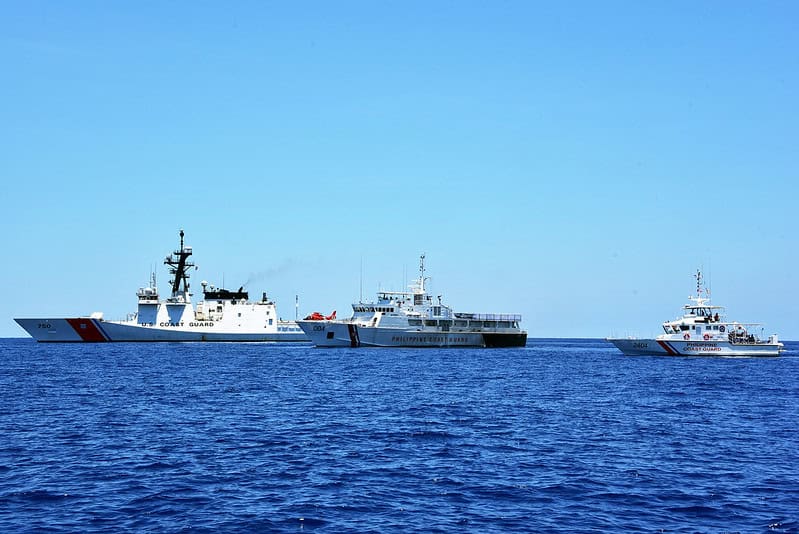
It’s like you’re telling us to fight, but we just have a handgun to fight the enemy that has big missile silos, then it doesn’t make sense. It’s in your interest that you become strong enough economically; otherwise, to be honest about it, we will fall into the wrong hands. This is what happened to other countries. They don’t have the wherewithal. They end up having to depend on a country that’s willing to give them what they need.
Apart from strengthening security ties with the U.S., the Philippines has also reached out to other countries like India with the recent purchase of BrahMos missiles. There are reports of possible Japanese defense exports to the Philippines. Is this an attempt to forge closer partnerships with regional countries given the uncertainty about U.S. policy?
I think all countries are doing the same thing. It’s not a question of whether the U.S. is dependable or not dependable.
We reach out to countries to get the arms that we need. If we can get a good deal from India, which is what we’re doing right now, and we have good relations with India, which is also an important country for us, then by all means. If we can do business with China, we’ll do the same thing.
We’re doing business with other countries outside of the United States. Of course, business is business. We have to do what we have to do. That’s the same thing that the United States is doing right now. They’re reaching out to China because they need them. They also need business from China and vice versa. That’s what makes the world go round.
However, the Trump administration is different from any other previous administrations. Is it not?
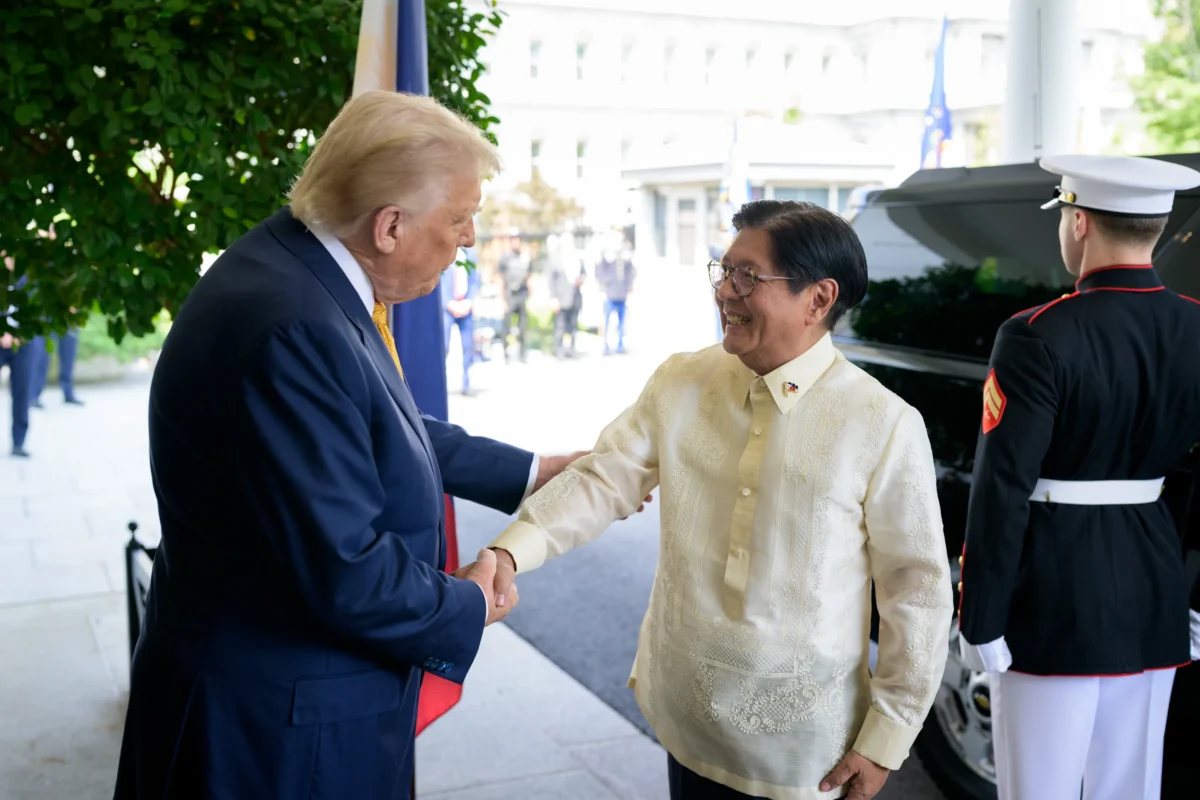
There’s a saying that simply says, politicians come and go, but businessmen are always here to stay, which basically means that business and commerce will always make the wheels go round, not the politicians.
Much of the world is still trying to navigate the Trump administration’s shifting foreign policy priorities. Based on your experience in Washington over the last one year during this government and also seven years before that, what lessons should diplomats and foreign governments adopt to manage an unpredictable United States?
The only advice I can give is the fact that this administration values friendship and personal relationships, starting from President Trump. And so diplomats should continue to do what they do best, which is to develop strong personal relationships.
Fortunately for me, I have a lot of Filipino ambassadors: The Filipino American community here in the United States, they’re all my ambassadors, because they have a very good image in all the 50 states. All the Congressmen and Senators that I’ve talked to tell me how happy and how fortunate they are that they have Filipinos that work in their community.

Nayan Seth is a Washington, D.C.-based multimedia journalist and policy research analyst with previous professional experience in China and India.