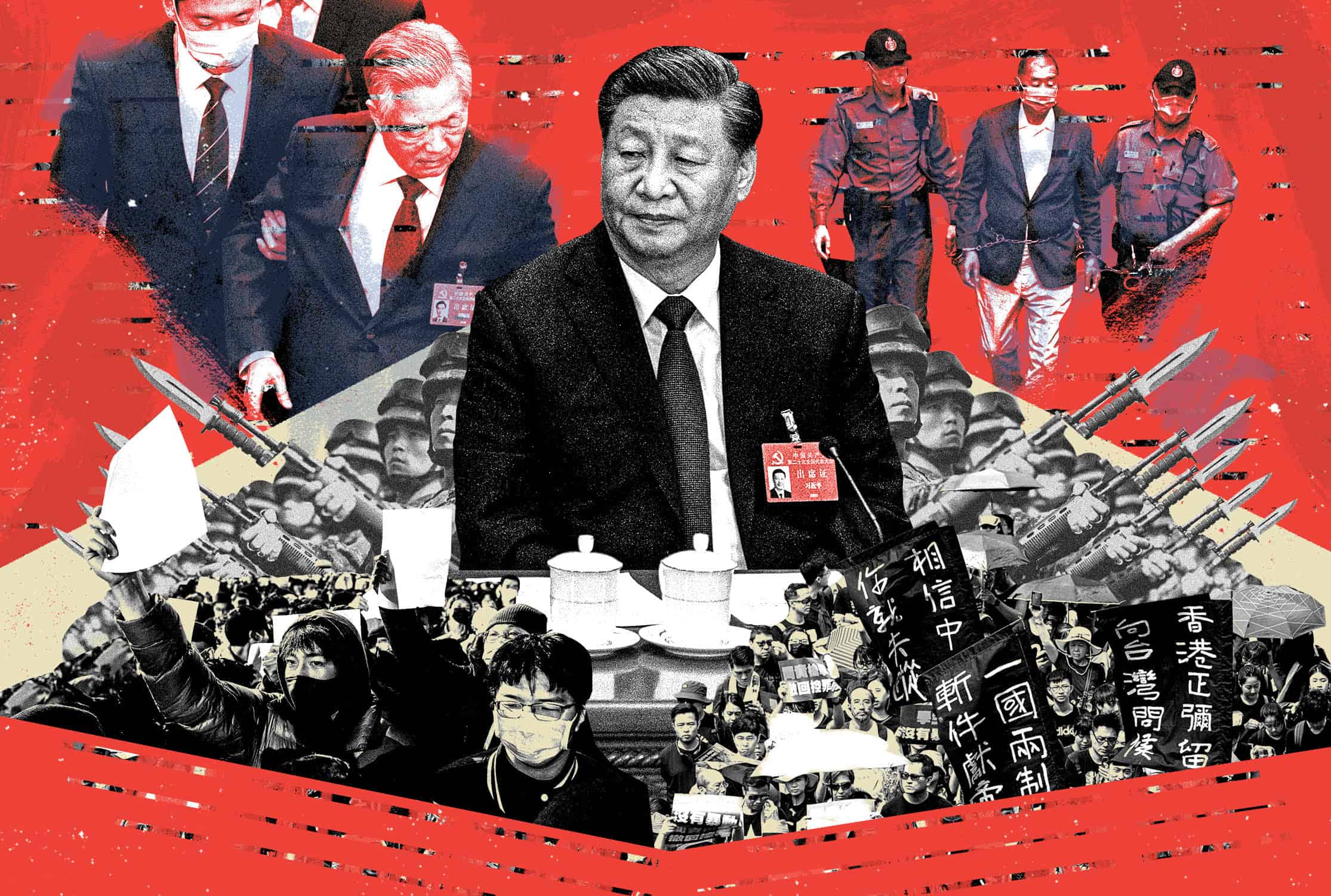
The closing ceremony of the 20th National Congress of the Chinese Communist Party (CCP) on October 22, 2022, was supposed to be a festive occasion celebrating Xi Jinping’s unprecedented third term as the party’s general secretary. But something evidently went awry. Xi’s predecessor, former party chief Hu Jintao, then 80 years old, was escorted off the podium, apparently against his will. The more than 2,300 delegates to the congress stared in stunned disbelief while Xi and the other top party leaders seated with Hu sat expressionless, pretending not to notice what was widely seen as an act of public humiliation of a former party chief.
What exactly happened remains a subject of fevered speculation. The most plausible explanation is that Hu noticed in the file given to him that his protégé and two-term member of the Politburo, Hu Chunhua (no relation), was not on the list of members to be appointed to the new Politburo, even though he was only 59 years old and had more experience than most other members of the Politburo. As Hu Jintao likely had not been notified of this last-minute change, he probably wanted to ask those seated around him (Xi Jinping sat to his right) why Hu Chunhua had been dropped from the Politburo. Apparently, this was too much for one of Xi’s closest loyalists, Li Zhanshu, a retiring member of the Politburo Standing Committee. Li seized the file from Hu Jintao while Xi summoned an aide and appeared to instruct him to remove Hu from the podium.
This incident, unanticipated by Xi as it may have been, nevertheless serves as a fitting marker of the total political dominance he had attained since becoming CCP chief in November 2012. During his decade in power, he had dismantled the political order constructed by his predecessors and had revived the central elements of totalitarianism: personalistic rule, a cult of personality, permanent purges, stifling social control, ideological indoctrination, and an aggressive foreign policy. The reinstitution of fear as a vital instrument of rule can be seen in a long list of acts previously thought to be inconceivable in the post-Mao era: the mass incarceration of millions of members of ethnic minorities (mostly Uighurs) in Xinjiang in the second half of the 2010s; the unilateral imposition of a national security law on Hong Kong in July 2020 that all but ended the “one country, two systems” governance model in the former British colony; the ferocious crackdown on civil society, the press, and social media that has raised repression to its worst level in the post-Mao era.
Before the rise of Xi, few could have imagined that a country that had made such tremendous progress through economic development and globalization could restore totalitarian rule at home and precipitate a new cold war with the West. Tragically, that is exactly what has happened.
Within the regime, Xi made himself the most powerful — and most feared — Chinese ruler since the death of Mao Zedong in 1976, largely by deploying the tactics of the permanent purge and monopolization of decision-making power favored by totalitarian leaders. By the time he ordered that Hu Jintao be escorted off the podium, Xi had broken nearly all the norms and rules established by the party in the post-Mao era, including collective leadership, term limits, mandatory retirements, and security of political elites. (By late 2022, Xi’s decade-long war on corruption had led to the investigation of 4.6 million party members, including more than 500 “centrally supervised” officials and more than 200,000 mid-level and local officials. About one in eight full and candidate members of the Central Committee had been investigated, prosecuted, and imprisoned.)
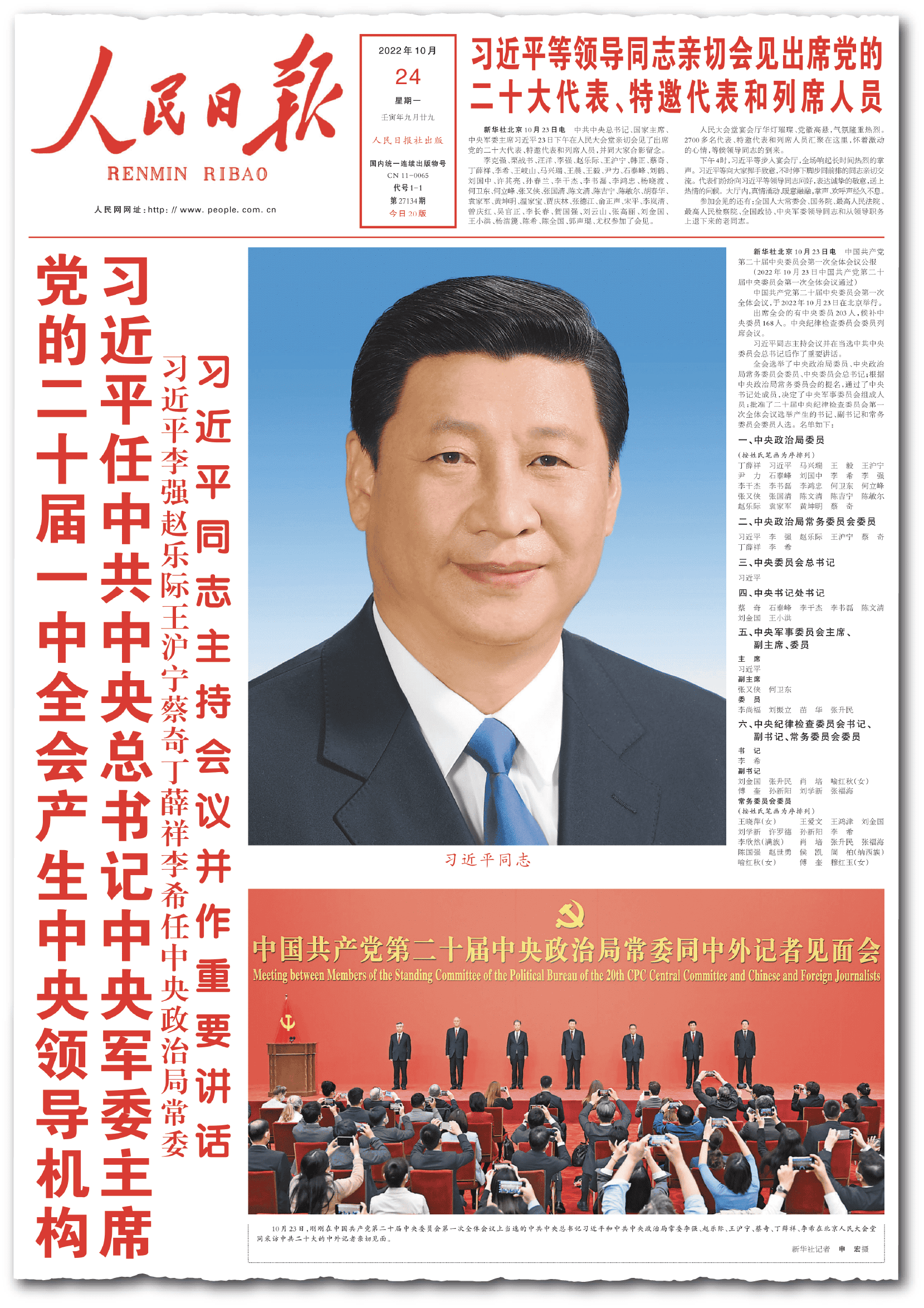
The day after his display of raw political power in front of the officials who ran the country, the Central Committee duly elected Xi as general secretary for another five-year term, breaking the unwritten two-term limit and effectively making him the first lifelong ruler since Mao Zedong.
The return of a neo-totalitarian ruler and practices reminiscent of Stalinism was scarcely imaginable four decades earlier when survivors of Mao’s Cultural Revolution had regrouped in Beijing to salvage a regime traumatized by its self-destructive policies. Prominent among them were Deng Xiaoping, who had the distinction of being purged thrice by the party (twice by Mao), and Chen Yun, another veteran revolutionary and the party’s most respected economic planner. Although Deng and Chen would later clash over economic reform, they shared the same goal of restoring collective leadership and preventing the rise of a Mao-like figure who could again terrorize the party. They pushed through a series of reforms enshrining the principle of collective leadership, prohibiting the building of a personality cult, and introducing the practice of mandatory retirement and term limits.
In addition to such efforts to steer the party away from its totalitarian past, the party in the early 1980s also boasted liberal-leaning incumbent leaders running its day-to-day affairs (even though Deng and Chen would still call the ultimate shots). Hu Yaobang became party chief in June 1981 after Deng and Chen forced out Hua Guofeng, a transitional leader credited with the coup that led to the arrest of Mao’s widow and three other radicals in early October 1976. Hu Yaobang oversaw the party’s routine administration for the next five and half years and played a pivotal role in drafting some of the party’s historic documents in the 1980s. On the economic side, Zhao Ziyang, the premier, worked tirelessly to turn Deng’s vision of “reform and opening” into a reality. The reformist duo was instrumental in nudging the party in a kinder, gentler direction. Indeed, before Deng ordered the Chinese military to crush the peaceful prodemocracy protests in Beijing on June 4, 1989, China had experienced the most open and free decade in the post-1949 era.
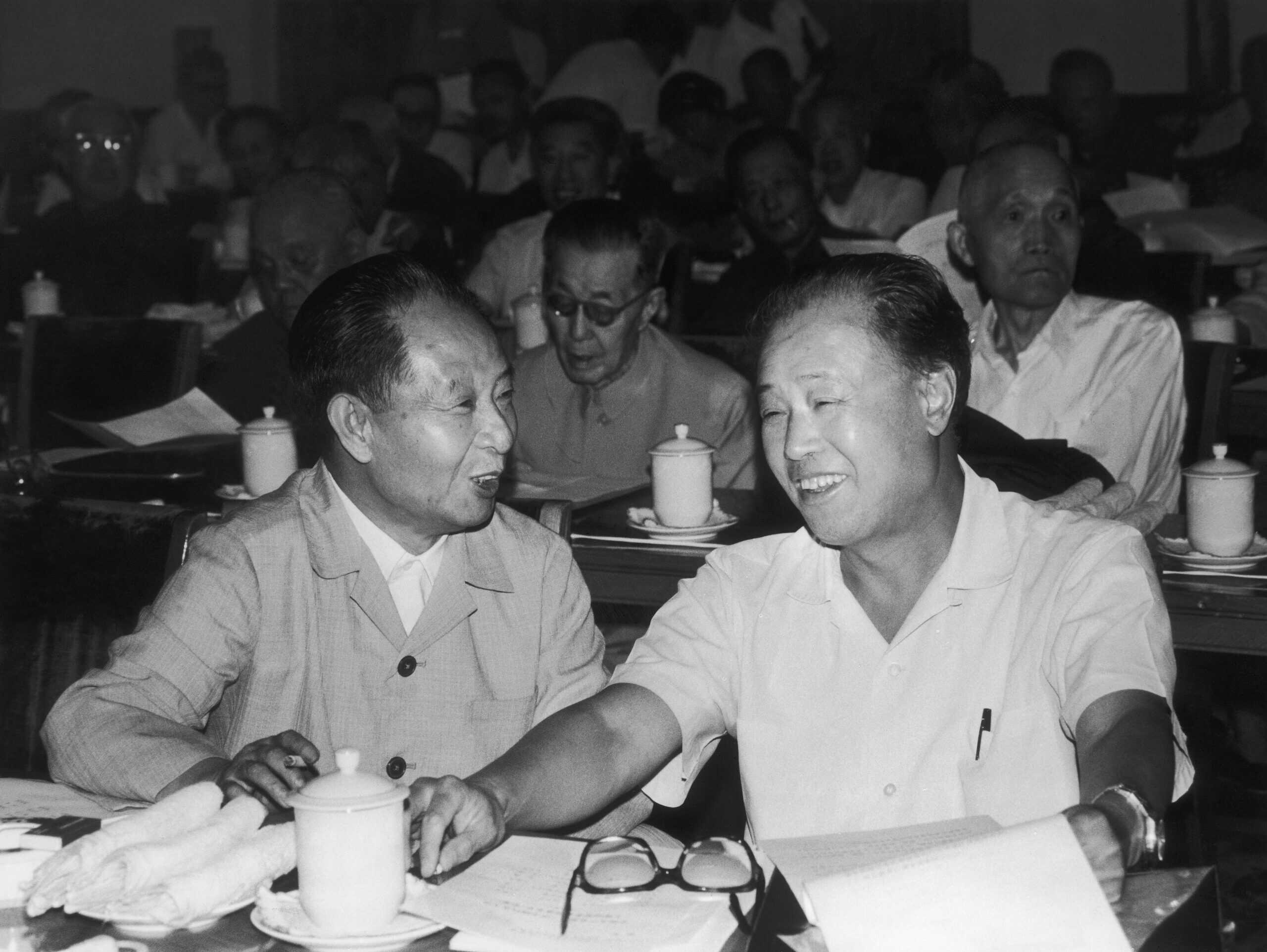
Hopes that China would continue to evolve into a more prosperous and open society did not die even after the brutal suppression of the protesters in Beijing in June 1989. The collapse of the Soviet Union in December 1991 led Deng to launch his final attempt to revive the country’s economic revolution in early 1992, as he knew that the CCP, like the former Soviet Union, would also lose legitimacy if it failed to deliver a better standard of living for the Chinese people.
During the following two decades, modernization on an unprecedented scale in human history completely transformed China, even though the party retained its power and continued to resist political liberalization. For those believing that growing economic prosperity and integration with the West through trade and investment would increase the odds of bringing democracy to the country, democratization through economic modernization seemed a feasible route for China in the post-Tiananmen era. In the twenty years between Deng’s tour of South China in 1992 that reignited the economic reforms and the installation of Xi Jinping as the new party chief in late 2012, the Chinese economy grew at an average of 10 percent each year. Per capita income measured in purchasing power rose nearly tenfold, from 1,262 purchasing power parity (PPP) to 11,169 PPP, during the same period. In 1992, only 27.5 percent (or 322 million) of the population lived in urban areas. By 2012, 52.6 percent (or 712 million) of the population were urban residents. The Chinese population had also become better educated. In 1992, 604,000 people graduated from college. In 2012, 6.24 million people graduated from college, representing a tenfold increase. The globalization in the post–Cold War era helped make China an integral part of the global economy and also the world’s largest manufacturing power. Between 1992 and 2012, more than $1.2 trillion in foreign direct investment (FDI) flowed into China, and foreign merchandise trade increased from $136 billion to $3.867 trillion.
Before the rise of Xi, few could have imagined that a country that had made such tremendous progress through economic development and globalization could restore totalitarian rule at home and precipitate a new cold war with the West. Tragically, that is exactly what has happened. By the time that Xi effectively became China’s new lifetime ruler, he not only had revived totalitarian rule at home but also had implemented an aggressive foreign policy that eventually contributed to the collapse of Sino-American relations and the rise of a new cold war.
What Happened?
No single theory in the existing social science literature can fully explain the revival of totalitarian rule in China despite decades of transformative socioeconomic modernization, the immense improvements in economic well-being, and integration with the global economy. To understand how China underwent a great political leap backward under Xi’s rule, we must first appreciate the odds against a potential opposite outcome — political liberalization or even democratization in parallel with rapid economic development.
One of the greatest puzzles about China since the end of the Maoist era is the apparent disconnect between economic development and democracy. Contrary to the strong correlation between the level of economic development and the existence of democratic regimes that has long been observed, rising prosperity and social change in China since the 1980s have created many favorable preconditions for democracy but have not actually led to meaningful democratization of its political system. Explanation of this puzzle may not be difficult to find. For starters, despite the observed correlation between wealth and democracy, the exact mechanisms by which economic development leads to democracy remain unclear. Research on democratization since the mid-1970s shows that the choices made by authoritarian ruling elites play a far more important and direct role in the transition from authoritarian rule. One of the most influential studies of the relationship between economic development and democracy finds no linear relationship between economic development and the transition to democracy. The single most important variable in a country’s transition to democracy is not the attainment of a particular level of wealth but the demise of dictatorship.
One-party rule has persisted in China in spite of modernization mainly because the CCP not only has chosen to resist pressures for political liberalization but also has adopted effective measures to neutralize the political effects of economic development.
If the strategic choices made by China’s leaders in the post-Mao era matter more than the structural changes of the country’s society and economy in determining the evolution of its political system, then there may be a simpler and more straightforward explanation of the Chinese puzzle. One-party rule has persisted in China in spite of modernization mainly because the CCP not only has chosen to resist pressures for political liberalization but also has adopted effective measures to neutralize the political effects of economic development. Indeed, we do not need to look far to find evidence that Deng Xiaoping, the leader who almost single-handedly steered the party away from Maoism in the direction of modernization, had no intention of allowing his project of “reform and opening” to endanger the party’s political monopoly. In March 1979, three months after he effectively became the paramount leader, Deng laid down the “Four Cardinal Principles” — upholding the socialist path, the people’s democratic dictatorship, the CCP leadership, and Mao Zedong Thought and Marxism-Leninism — as the political limits not subject to challenge. However hard he pushed for market reforms, integration with the West, and measures favorable to development during his rule, Deng made it abundantly clear that economic modernization was the means by which to perpetuate one-party rule, and nothing else. Although he fought the hard-liners in the party who resisted his economic reforms, he consistently took their side, often wittingly, in lashing out against what he called “bourgeois liberalization” — his shorthand for societal pressures to advance political liberalism and democracy.
To be sure, there was perhaps a narrow and brief window for democratization in the 1980s, the most open period since 1949. During the decade, liberal reformers such as Hu Yaobang (party chief from 1981 to January 1987) and Zhao Ziyang (premier from 1980 to 1987 and party chief from 1987 to May 1989) did what they could to open up the political system. Taking advantage of Deng’s support for administrative reforms to improve the efficiency of the state, in 1986–1987 Zhao even drafted a blueprint that had the potential of introducing a limited form of political pluralism into the Chinese party-state. Despite their positions as the top leaders, these two reformers did not have ultimate decision-making authority. Deng Xiaoping and the other aging revolutionary veterans wielded such power and made sure that Hu and Zhao, whose limited mandate was to implement Deng’s economic reforms, would not condone liberalizing trends that could endanger one-party rule. Indeed, Deng purged these two reformers when they supported prodemocracy forces in defiance of Deng’s expressed hard-line views. As the balance of power in the 1980s consistently favored political hard-liners such as Deng and Chen Yun, the odds for genuine and sustained liberalization were never great.
After the thorough purge of the liberal reformers following the crackdown in June 1989, such odds evaporated. In the post-Tiananmen era, the regime adopted a sophisticated survival strategy that relied on a diverse set of tools to ensure that economic development and globalization would not endanger the party’s hold on power. The party maintained broad-based popular support mainly by delivering rising prosperity. Regime legitimacy was also reinforced with appeals to nationalism. To expand its base, the party carried out a concerted program to recruit capitalists, professionals, and intellectuals — new social elites whose support would help it rule a more diverse and complex society and economy. The post-Tiananmen period also saw the rise of a security state equipped with a vast network of informants and advanced technology, underwritten by a massive increase in fiscal resources generated by the economic boom. As a result of the party’s response, rapid economic development in the post-Tiananmen era strengthened party power instead of weakening it.
Excerpted from THE BROKEN CHINA DREAM: HOW REFORM REVIVED TOTALITARIANISM. Copyright © 2025 by Princeton University Press. Reprinted by permission of Princeton University Press.
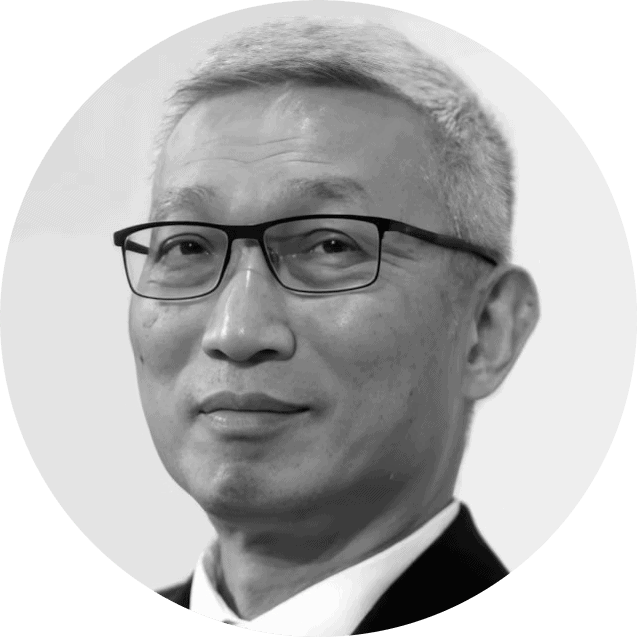
Minxin Pei is the author of several acclaimed books on contemporary China, including The Sentinel State: Surveillance and the Survival of Dictatorship in China, China’s Crony Capitalism: The Dynamics of Regime Decay, and China’s Trapped Transition: The Limits of Developmental Autocracy. He is the Tom and Margot Pritzker ’72 Professor of Government and a George R. Roberts Fellow at Claremont McKenna College.