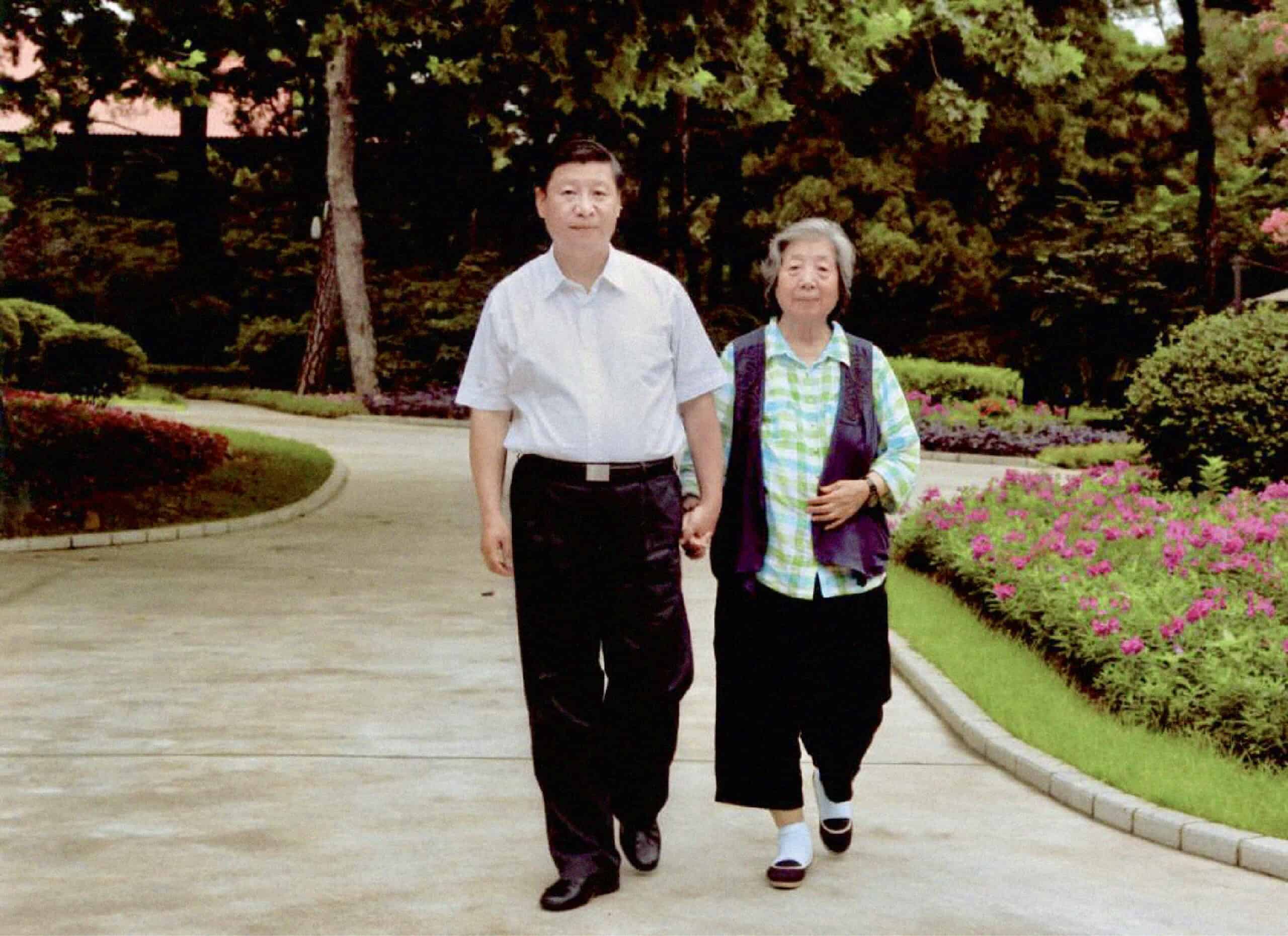
In 1937 a young girl from a wealthy Chinese family witnessed an invasion that would upend her life — and help determine the politics of China today.
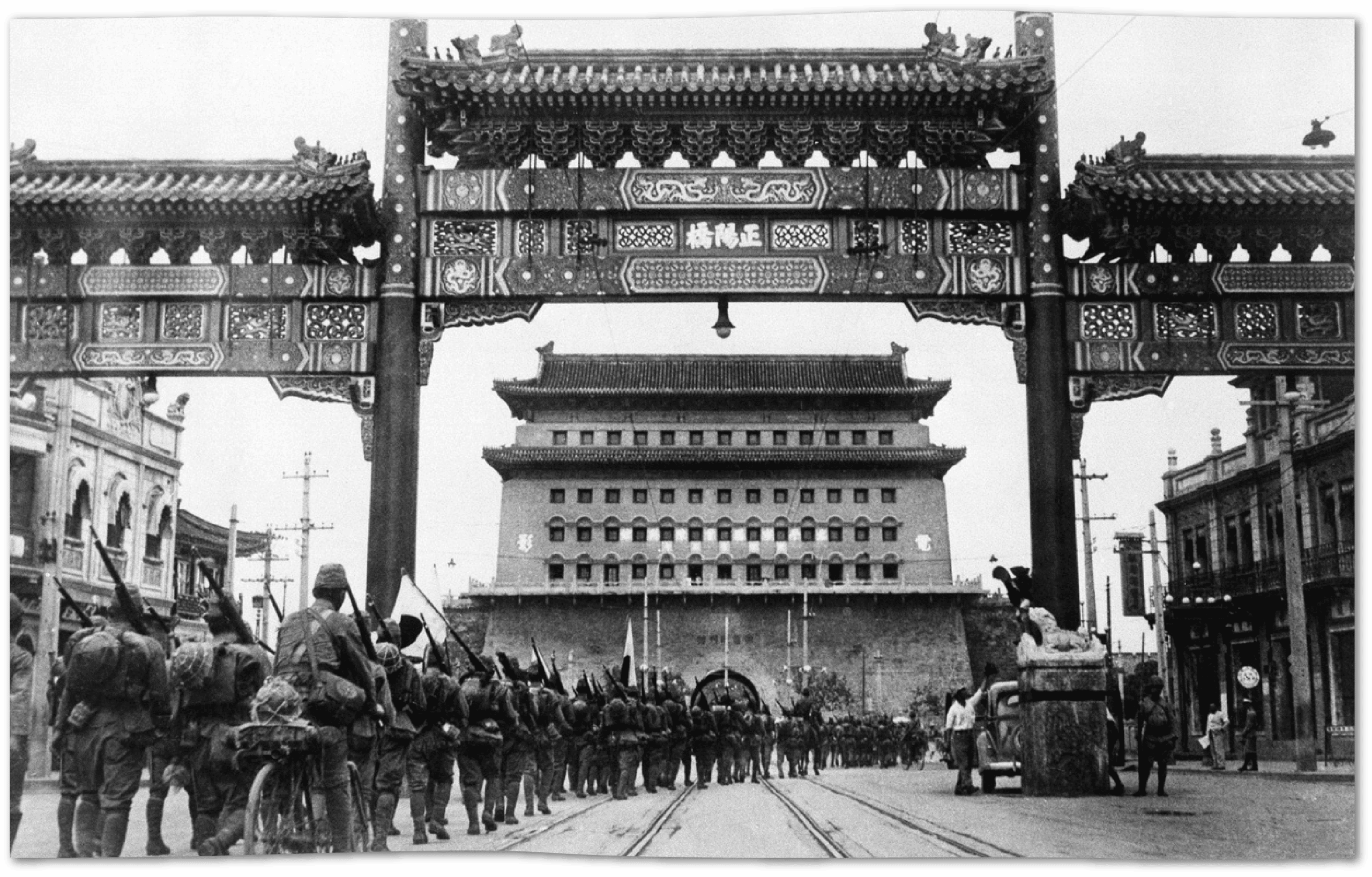
“With my own eyes I saw the army piling up sandbags to prepare for street fighting,” she wrote. “When Peiping [Beijing] fell, I stood at my aunt’s door and watched the mechanized units of the Japanese devils roll past. The artillery, the tanks. The cavalry with wreaths slung around their big foreign horses, arrogantly commanding the street. My heart was filled with anger.”
That girl was Qi Xin, the mother of China’s top leader Xi Jinping. As China commemorates the 80th anniversary of the end of the Second World War this week, the Communist Party is drawing on the popular legacy of resistance to Japan as part of its narrative of patriotism and legitimacy. For Xi, that legacy is personal, and embodied in the life of his mother.
Xi Jinping’s mother has garnered little attention, as scholars and journalists focused on the influence of his father, veteran Communist leader Xi Zhongxun. Yet for decades she was a familiar figure to Chinese historians and senior Party members, as she devoted her considerable energy and propaganda skills to advancing her son’s career by burnishing the reputation of her husband.
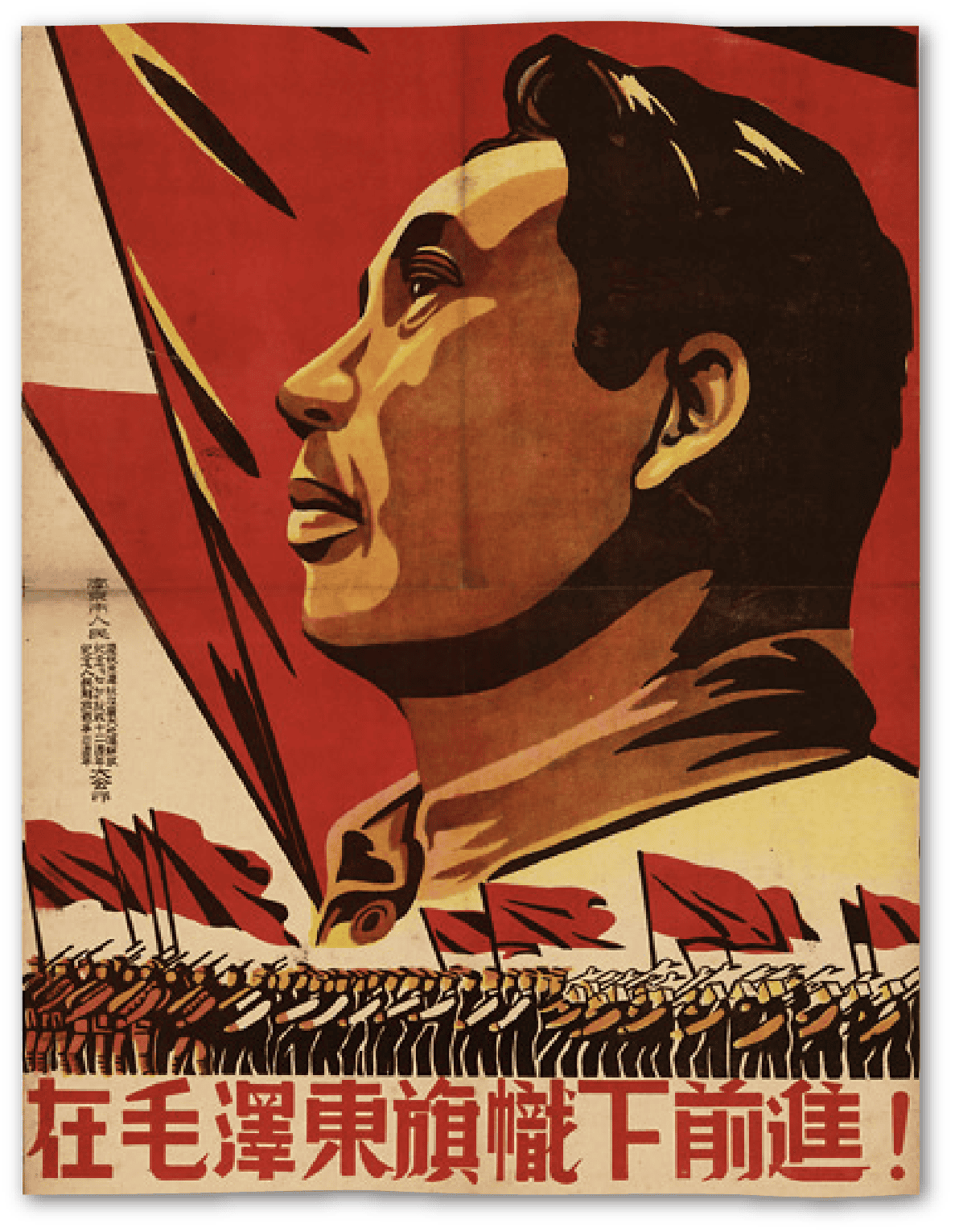
Thirteen years old at the time of China’s catastrophic defeat to the armies of Imperial Japan, Qi Xin fled Beijing with her older sister and ended up in one of the rural, Communist-run ‘soviets’ that coalesced in the wake of the invasion. She ultimately made her way to Yan’an, where she became one of the highly indoctrinated young warriors who enforced the new orthodoxy of Mao Zedong.
“Qi Xin is a blank paper, who will take any dye she is given,” her sister once said. That dye turned out to be Communist Red, a potent mix of patriotism, rigid ideology and cut-throat political instincts.
The life of Xi Jinping’s mother is the story of the educated, middle-class Communists whose patriotism the Party tapped into after it abandoned class struggle as a source of popular legitimacy.
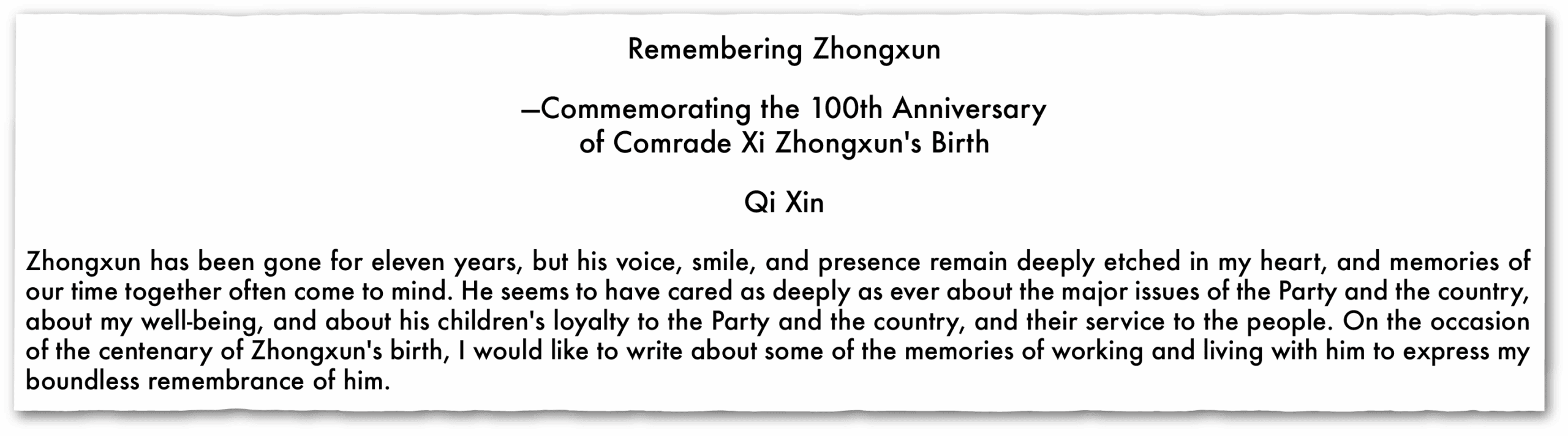
In the 1990s and 2000s, Qi Xin convened seminars that highlighted her husband’s revolutionary career, his good nature and fatherly devotion. She commissioned books about her siblings, revolutionaries in their own right, and wrote essays about her own life, just as the Communist Party adopted the Chinese legacy of anti-Japanese resistance to shore up its popular support.
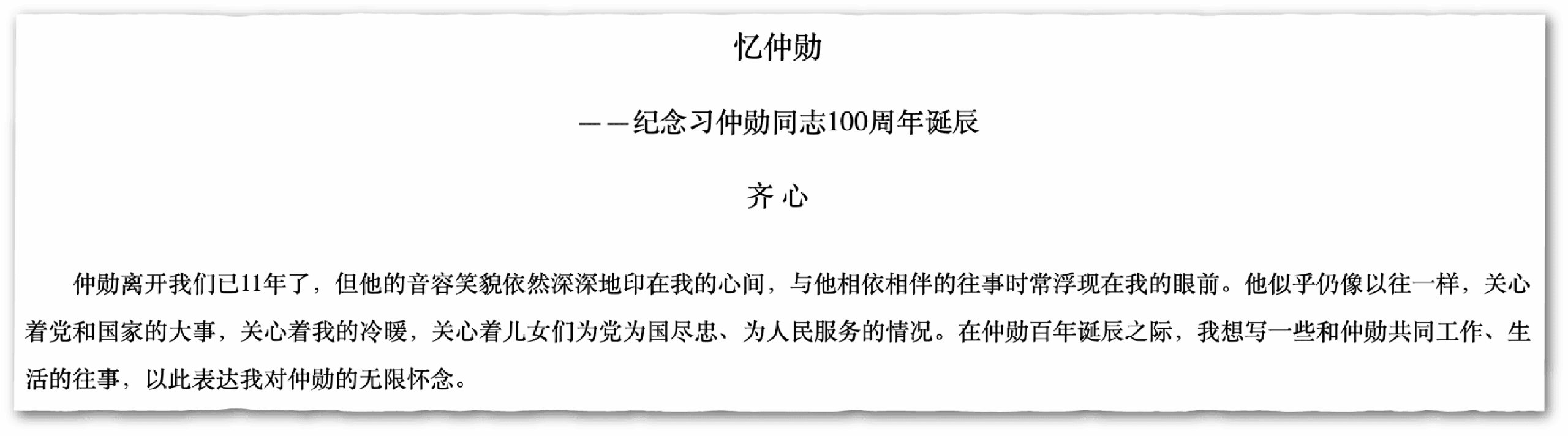
The cumulative effect was to center her son’s reputation as heir to the purest revolutionary heritage of the Chinese Communist Party, rather than as a privileged product of its nepotistic princeling class.
Qi Xin was a “pillar of strength and integrity,” a source within the Communist Party’s elite reformist wing told Australian journalist John Garnaut in 2012, before Xi Jinping took power. Yet after he revealed his authoritarian tendencies, Xi’s disillusioned opponents smeared his mother as an ambitious, marriage-wrecking harpy who nearly abandoned her husband when he ran into political trouble in the 1960s.
“I see her as a Marxist-Leninist old lady,” one Chinese historian said in an interview.
“THE QI FAMILY WERE CULTURED PEOPLE”
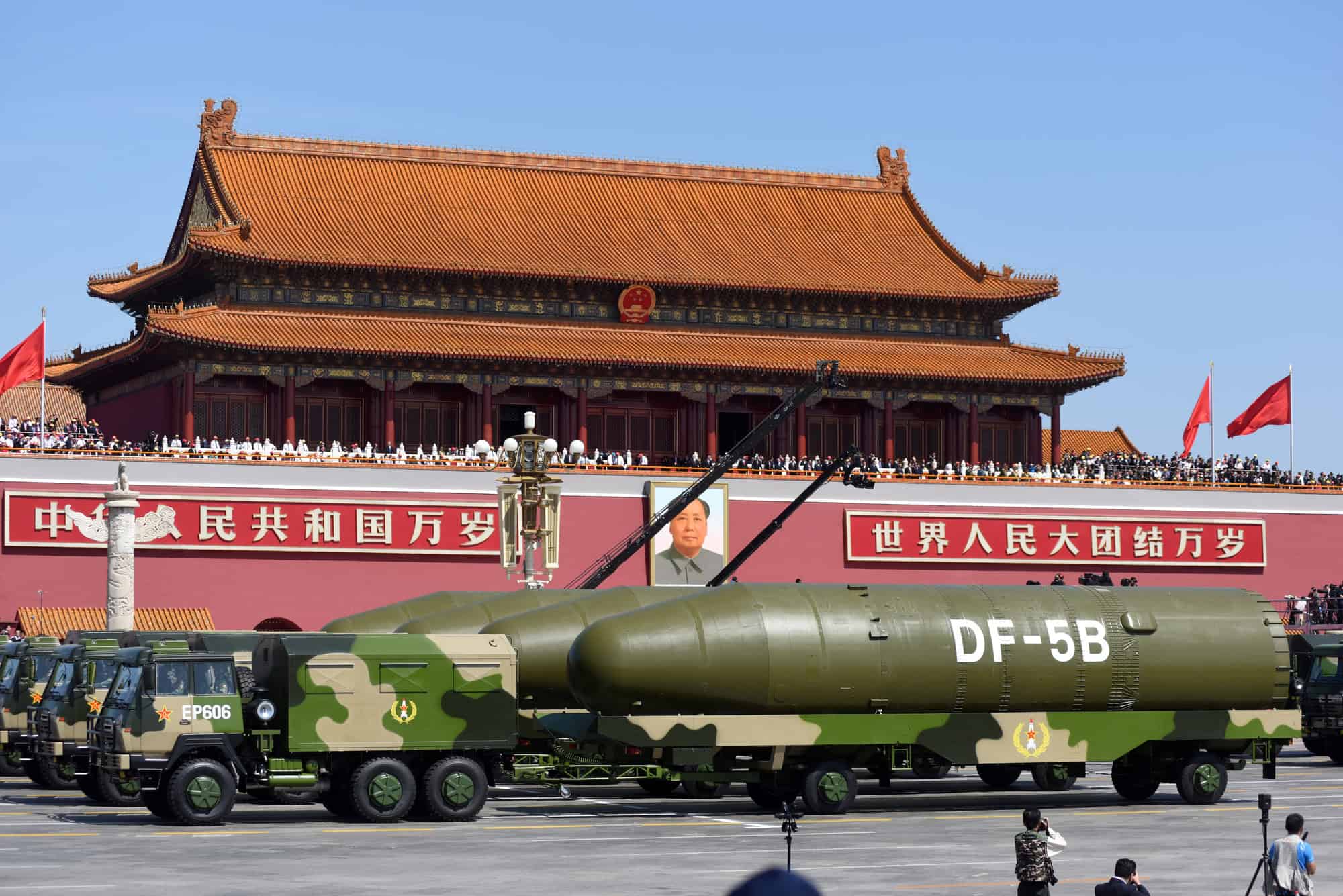
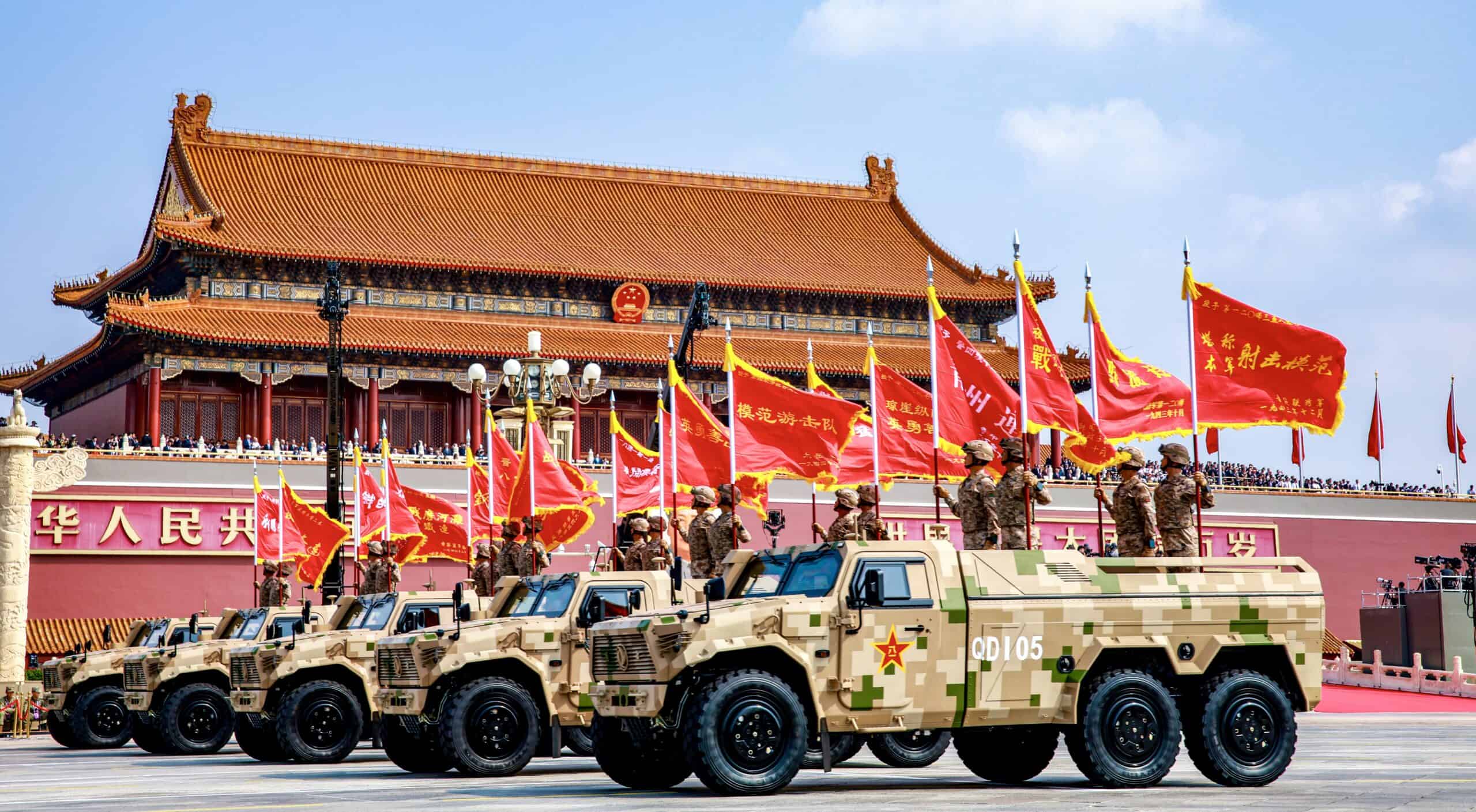
The life of Xi Jinping’s mother is the story of the educated, middle-class Communists whose patriotism the Party tapped into after it abandoned class struggle as a source of popular legitimacy. Xi Jinping instituted a military parade to mark the anniversary of the Japanese defeat in 2015; Wednesday’s military parade is only the second of its kind.
Born in November 1923 (some Chinese sources say November 1926), Qi Xin is currently 101 years old. This summer, amid rumors of her death, Xi Jinping paid a visit to a revolutionary shrine in Shanxi province, part of the wartime heritage his administration has championed. Her last public appearance was about a decade ago.
Qi Xin’s life reflects the near-total sublimation of the ambitions and energy of revolutionary Chinese women to the careers of their husbands and sons.
She descended from a culturally-engaged bourgeois family. Her father served as an administrator under progressive warlord Yan Xishan, a major figure in the resistance to the Japanese invasion. He later worked for Fu Zuoyi, the Nationalist commander who surrendered Beijing to the besieging Communists during the frigid winter of 1949. Appointed as a judge in Xi’an after the Communist victory, he died in 1956 from complications of a stroke.
“The Qi family were cultured people,” Xi Jinping’s cousin Wei Zhuangzi told a biographer, “They joined [the Party] because of nationalism and the fight against the Japanese. They were different from most Communists in the base areas, who were extremely poor.”
Qi Xin’s mother hailed from a family of wealthy textile entrepreneurs in what is now the Xiong’an New District, Xi Jinping’s signature urban development project in Hebei province. She died in Beijing in 1972. Qi Xin’s siblings, who joined the Communists during the Japanese occupation, became senior officials in the new People’s Republic.
“I felt that Xi Jinping was very influenced by a family full of positive energy and passion for progress,” Lei Pingsheng, Xi Jinping’s roommate as a sent-down youth during the Cultural Revolution, told interviewers from the Central Party School.
In Shanxi province during the war, Qi Xin performed agit-prop plays at village fairs to stiffen resistance to the invaders. She slung a rifle over her shoulder to run messages between Communists outposts, she wrote in an essay about her experience. “I wasn’t scared, I was excited!” she told a television interviewer decades later. She fled Shanxi following a Japanese scorched-earth campaign that followed the Communist army’s largest engagement against the occupiers.
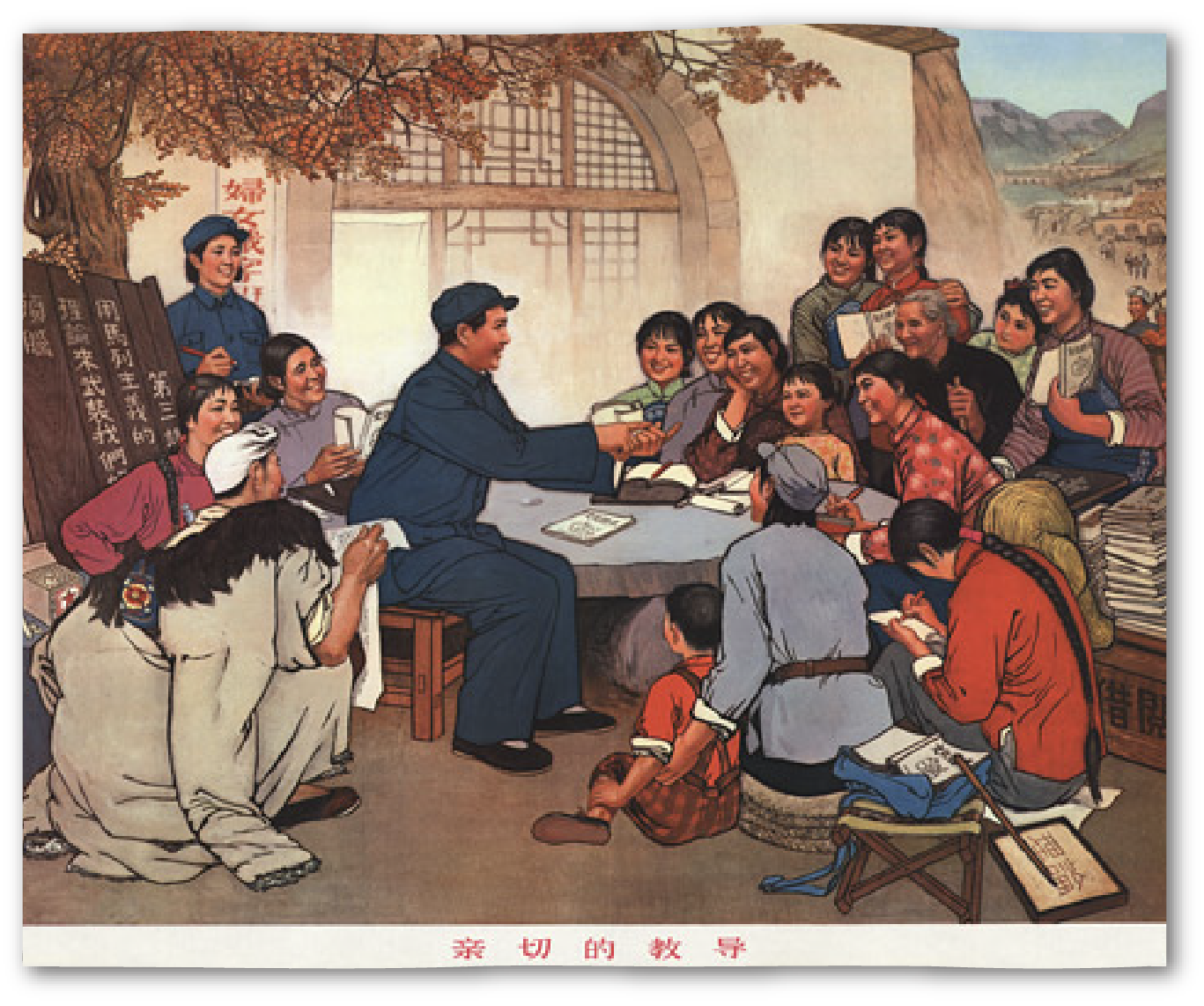
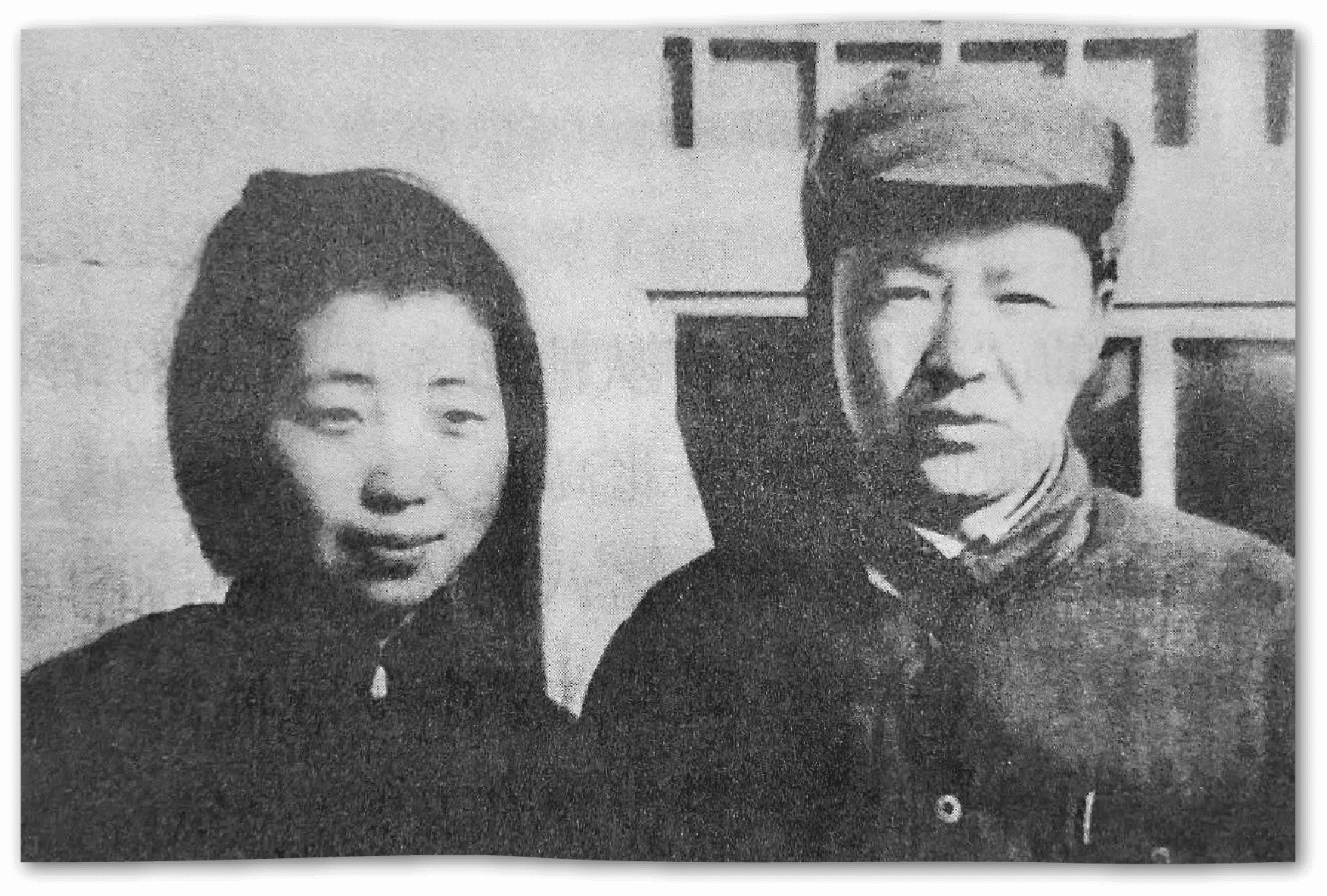
She married Xi Zhongxun in 1944 in a town near Yan’an, the revolutionary outpost where Mao Zedong transformed the Chinese Communist Party from a rag-tag collection of rural guerillas and leftist intellectuals into a cohesive, ideologically-indoctrinated military force.
One day shortly after the end of the Second World War, Qi Xin wrote, she spotted Chairman Mao strolling under the trees in the Communists’ leadership compound in Yan’an, and impulsively called out to him. “He laughed and shook my hand.”
The episode is typical of Qi Xin’s writing, which renders key moments in vivid color while obscuring the broader context. The reason she ran into Chairman Mao was that she was working nearby as a speechwriter for her husband, who by the late 1940s held a senior administrative position in the Communists’ Northwest bureau.
PARTY WIFE
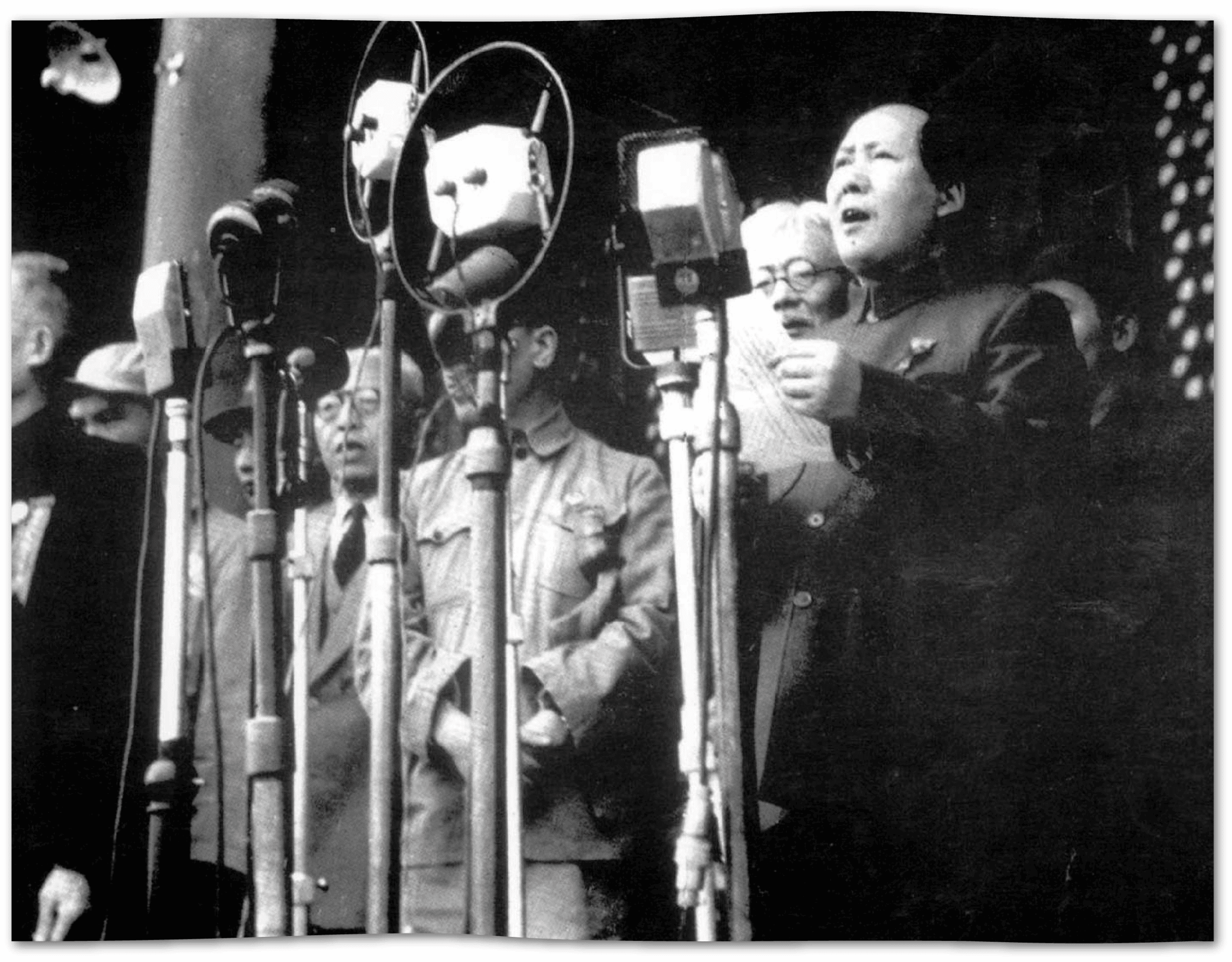
After the Communist victory in 1949, Qi Xin taught at the Central Party School, the epicenter for the ideological disputes of the time. Many other political wives were also stationed there, and the political infighting could be intense. Once Xi Zhongxun became vice premier in 1959, he tried to keep her away from Party gatherings — perhaps because of her refined manners and accent — but Qi Xin successfully appealed to Zhou Enlai for permission to attend diplomatic functions. Her ambitions were cut short by Xi Zhongxun’s purge in 1962, that suspended his career for nearly 16 years.
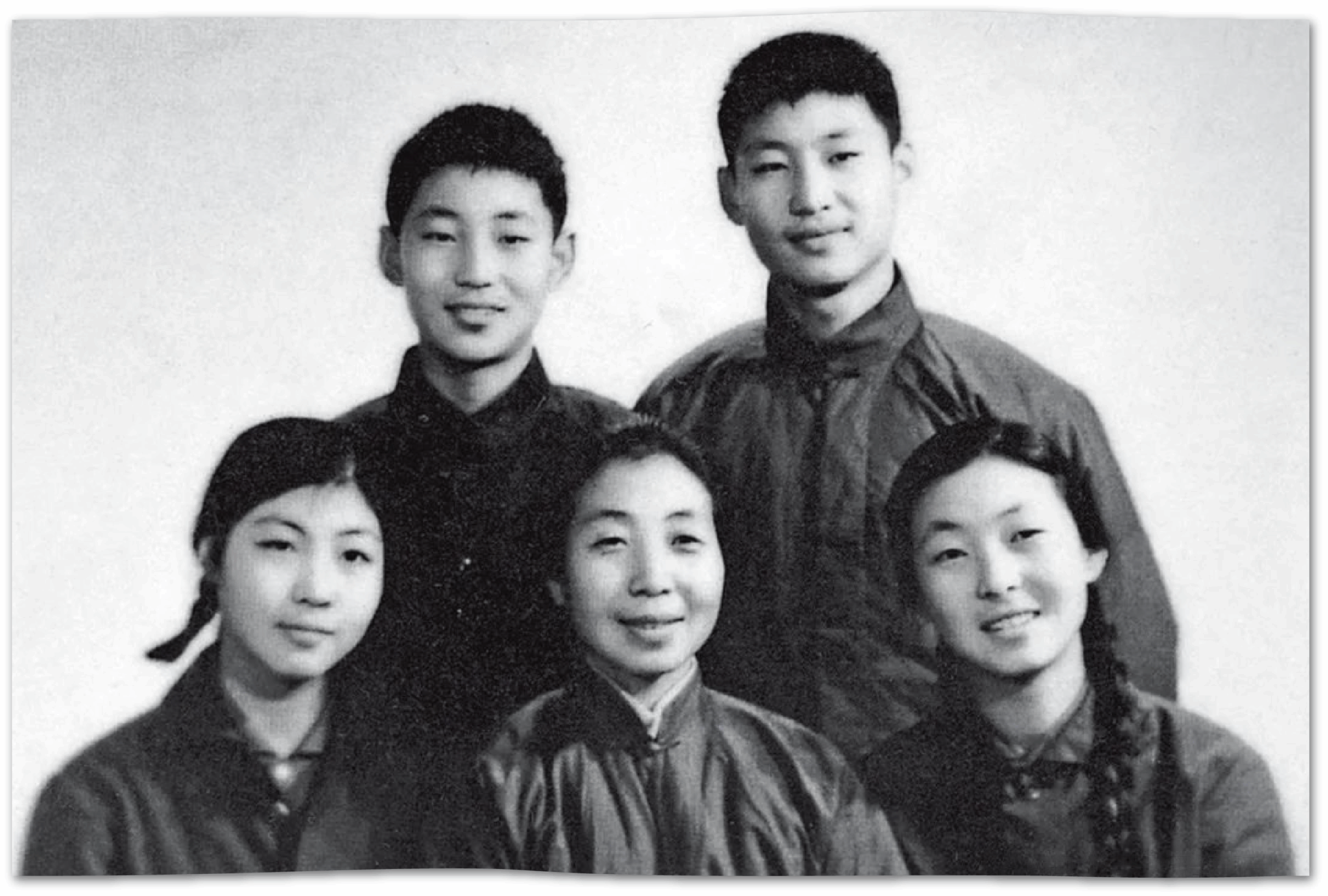
Qi Xin had four biological children (Xi Jinping is her oldest son), as well as raising the three children from Xi Zhongxun’s first marriage and a foster son, the child of a deceased revolutionary. She enrolled them in boarding schools from the age of three (a common practice among elite families) while she lived at the Central Party School, returning home only on weekends.
Even so, she was the more active parent in Xi Jinping’s childhood, since Xi Zhongxun’s official duties kept him on the road for weeks or even months at a time. Xi Jinping didn’t see his father at all during his teenage years, during the Cultural Revolution.
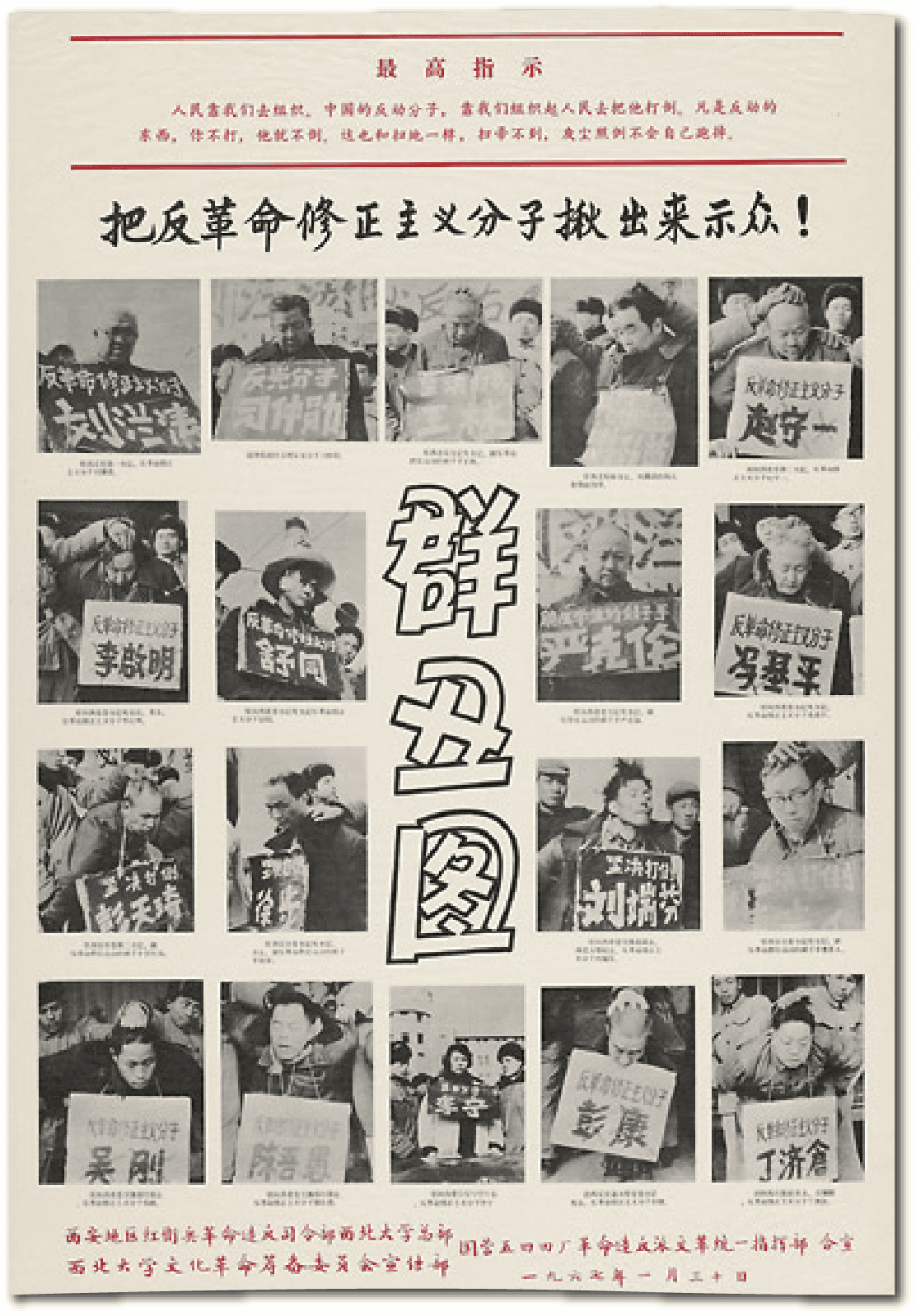
During the Cultural Revolution, Qi Xin was denounced for being part of the ‘May 16 Conspirators’, a loose accusation applied to people who were active in the earliest stages of that decade of political violence. She was pressured to renounce her husband and his ‘crimes’.
She once participated in a struggle session against the teenaged Xi Jinping, and tried to turn him in when he escaped from a ‘cowshed’, or informal prison, during the Cultural Revolution, Yang Ping, a family friend, wrote in Chinese magazine Yanhuang Shijie in 2013. She endured a stint at a labor camp in Henan for Central Party School intellectuals, her youngest son Xi Yuanping has said.
By the mid-1970s, she was back in Beijing, lobbying senior officials for her husband’s release and rehabilitation. She also journeyed to Yan’an, near where Xi Jinping was working in the countryside as a sent-down youth, in an effort to ease her son’s return to Beijing.
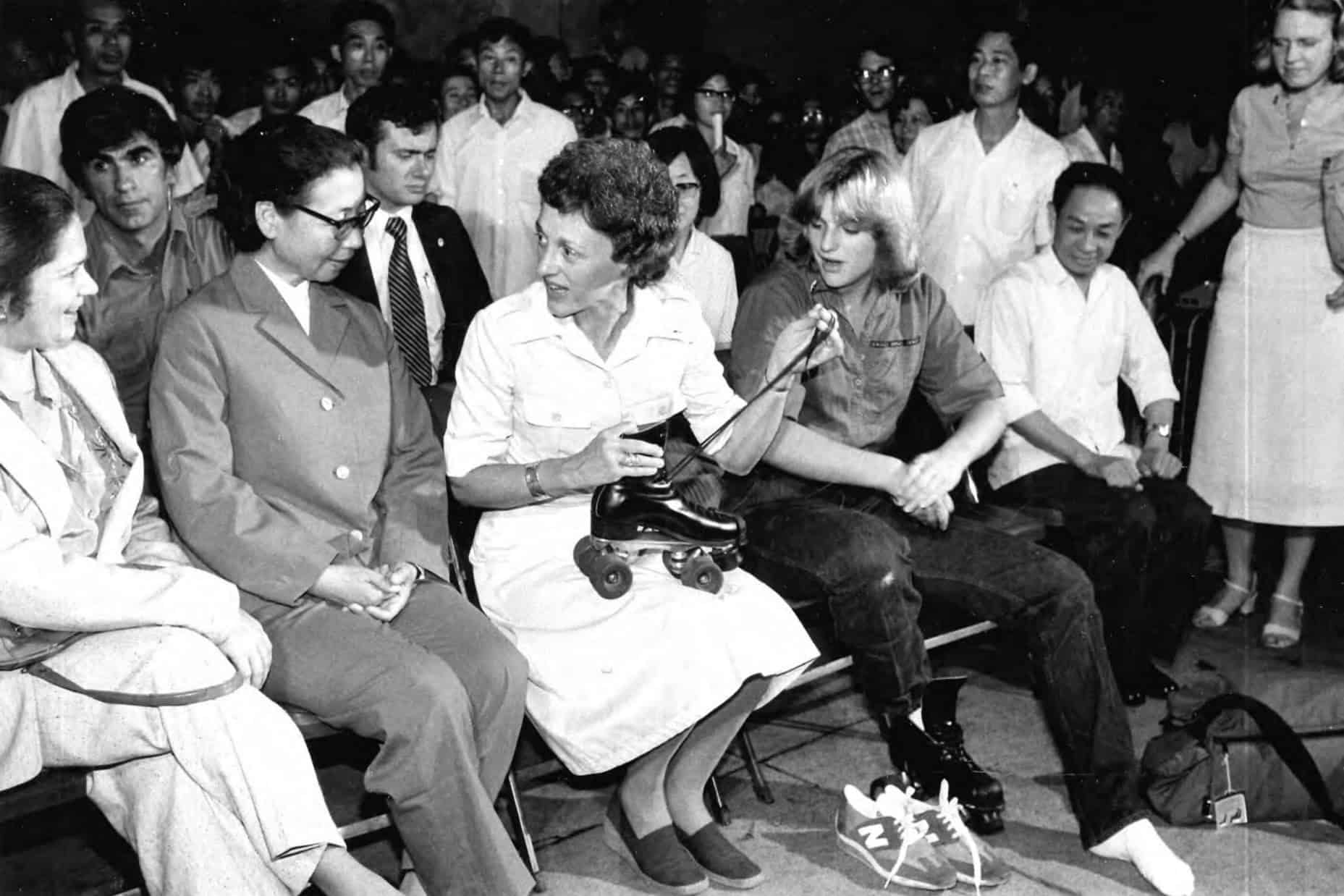
During China’s reform era, Qi Xin followed Xi Zhongxun to the Guangdong, where reforms were being pioneered and where he became the top official. Qi Xin handled appointments in the provincial organization department. When Xi Zhongxun returned to Beijing as one of the most powerful officials in China in the 1980s, his wife served at the national corruption watchdog and in the Central Advisory Commission, a body composed of influential elderly revolutionaries.
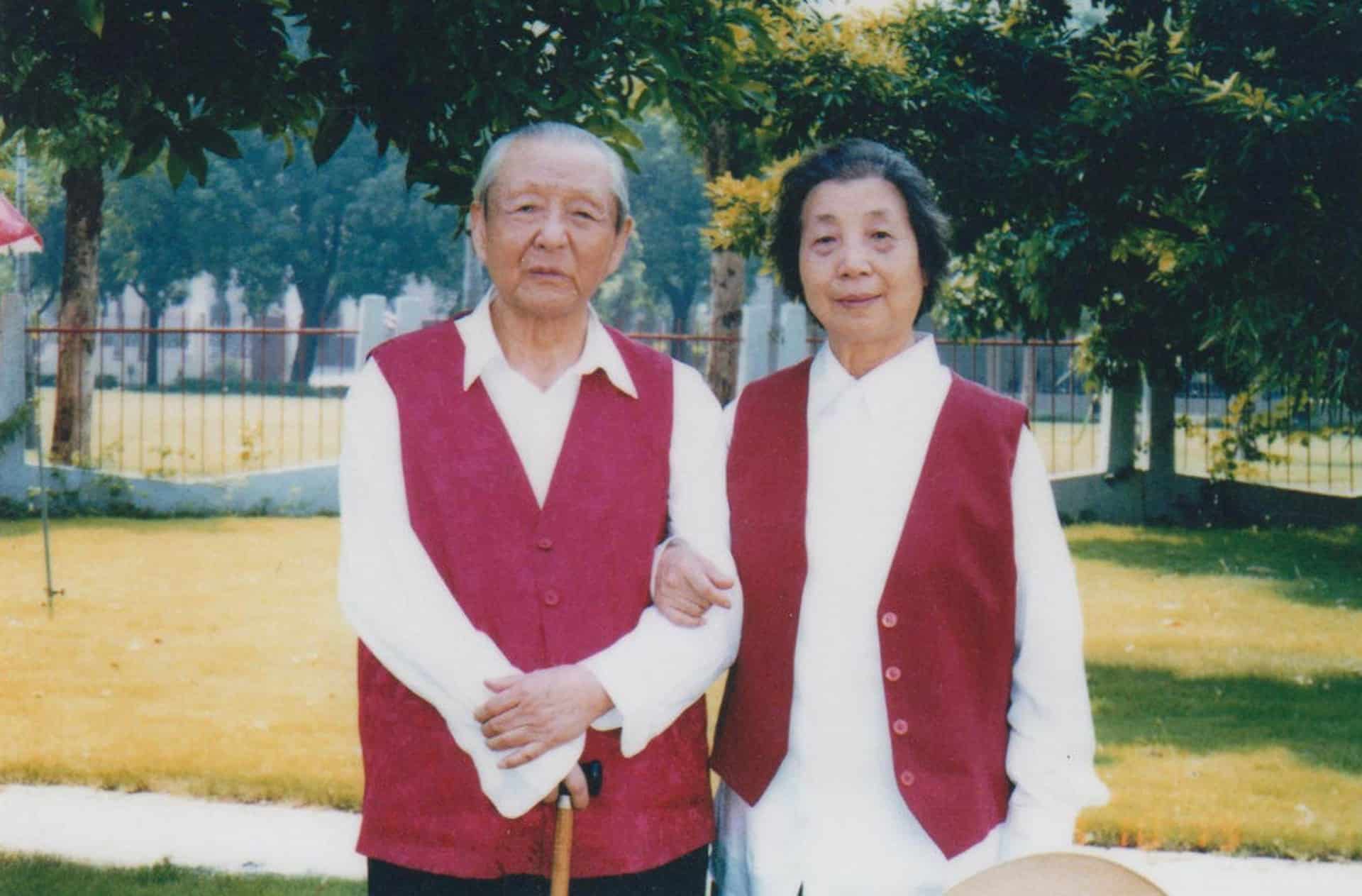
Xi Zhongxun’s career ended in 1991, when he suffered an emotional breakdown and moved permanently to Shenzhen, the southern city on the border with Hong Kong. Qi Xin remained in Beijing.
YELLING BACK AT HISTORY
Qi Xin’s life reflects the near-total sublimation of the ambitions and energy of revolutionary Chinese women to the careers of their husbands and sons.
The Communists’ military heritage and “a lot of unarticulated, unacknowledged conservatism” meant that young women who joined the Party ended up as wives, rather than officials in their own right, says Gail Hershatter, historian of modern China at the University of California, Santa Cruz.
I don’t think a lot of these women got involved in the revolution so that they could be stuck as second-class leaders, but that’s how they ended up.
Gail Hershatter, historian of modern China at the University of California, Santa Cruz
After the Communist victory, elite wives served as secretaries and unofficial go-betweens for their much older and usually less-educated husbands. Their rivalries helped fuel the animosity of the Cultural Revolution, and their connections helped broker their husbands’ return from political exile at the end of that violent decade.
“I don’t think a lot of these women got involved in the revolution so that they could be stuck as second-class leaders, but that’s how they ended up,” Hershatter said.
Xi Jinping’s early career benefitted from the sponsorship of Xi Zhongxun, who was one of China’s most powerful officials in the 1980s. But after his elderly father’s health deteriorated in the 1990s, his mother crafted the public image that helped propel him from a provincial role to China’s highest office.
Qi Xin marshalled secretaries and historians into seminars and conferences, vetted books, and jealously guarded his reputation. Historian Joseph Torigian, in his deeply-researched biography of Xi Zhongxun, The Party’s Interests Come First, details one episode in 1994, when Qi Xin intervened to make sure her husband’s contribution was duly reflected in the official history of the First Field Army, which fought in Northwest China in the 1940s.
Memoirs by elite women in the 1990s — many of them, like Qi Xin, the widows or caretakers of frail and elderly husbands — told the story of the Communist revolution from a more personal point of view. Their reminiscences often give a human side to the sacrifices and infighting that plagued the Communist Party from the start.
Revolutionary women’s writings in the 1990s and 2000s are “fascinating,” Hershatter said. “They finally have the chance to be ‘yelling back’ at history.”
“There’s frustration and a personal axe to grind. Their writings are a way to stash their personal ambition and the beating it took along the way.”
But Qi Xin’s writing had another goal — bolstering the profile of her son, at the time a rising official in coastal Fujian province. By selectively highlighting her husband’s revolutionary reputation and her own patriotic legacy, she boosted Xi Jinping’s reputation at a time when many Party members resented the privileges and entitlement of the elite Princeling class.
“In our culture, a mother is expected to devote herself to advancing her oldest son,” one Chinese analyst of elite politics said in an interview, discussing Qi Xin.
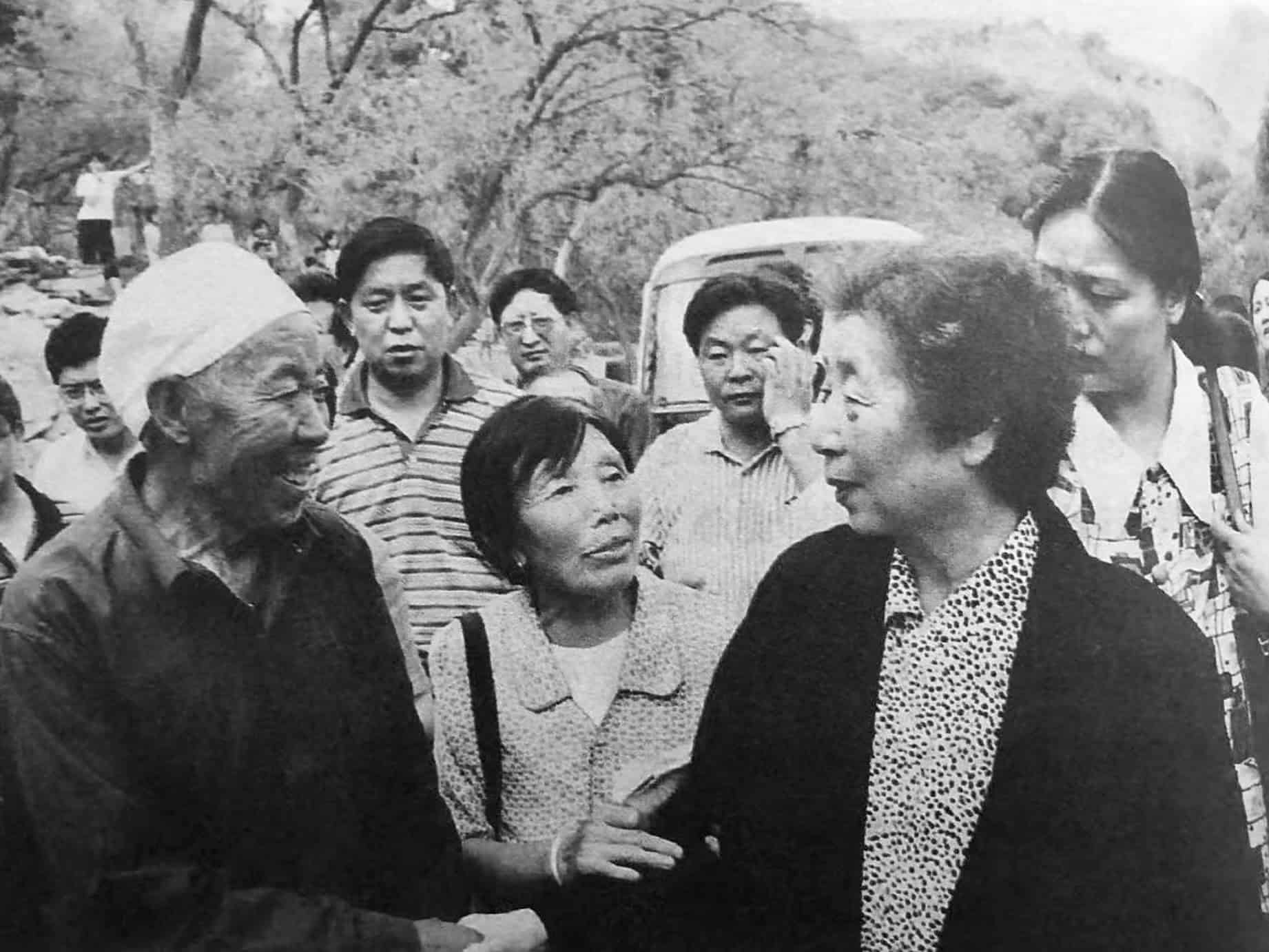
Her direct experience of the Chinese revolution helped in that endeavor. In the late 1990s, she embarked on a grand tour of northwest China, gathering groups of retired revolutionaries at sites associated with Xi Zhongxun. She travelled to coastal Fujian Province to build support for Xi Jinping among older Party members who worked with her siblings in rural Communist bases during the traumatic Japanese occupation.
A clip from a documentary showing Qi Xin speaking to Xi Jinping on the phone, after hearing Xi would not return home for the Spring Festival, 2001. Credit: CCTV
One documentary featured her talking to 48-year-old Xi Jinping on the phone, praising his work ethic when he decided not to visit his parents over the holidays.
Xi Jinping’s wife, famous Chinese singer Peng Liyuan, has hinted at some tensions with Qi Xin early in their relationship, although she has also told state media interviewers that she got along very well with her mother-in-law. When a newspaper published a profile, Peng Liyuan has said, Qi Xin mailed her a copy with instructions to thank the journalist.
Qi Xin’s frequent attacks of emphysema, due to decades of chain smoking, helped persuade Xi Jinping to quit smoking by the mid-1990s.
Xi Jinping has credited his mother with instilling the severe sense of duty and patriotism that the Communist Party urges on its citizens, including at symbolically-laden events like the 80th anniversary parade in Beijing this week.
“I remember when I was five or six, my mother took me to buy books,” he remarked in 2014, during a speech that imposed new restrictions on literature in China. “I was lazy and didn’t feel like walking, so my mother carried me on her back.”
At the Xinhua bookstore, she bought a storybook about the legend of Chinese hero Yue Fei, whose mother tattooed a patriotic motto down his back.
“When we got back, she told me about “serve the country with unreserved loyalty”, and read me the story of how Yue Fei’s mother tattooed him. I said, ‘Tattooing! Wouldn’t that hurt?’”
“My mother said, ‘It hurts, but your heart will remember it.’”

Lucy Hornby is an award-winning foreign correspondent, who reported from Asia for many years for the Financial Times, Reuters and Dow Jones. She was a 2020 fellow at the Nieman Foundation for Journalism at Harvard and a visiting fellow at Harvard’s Fairbank Center for Chinese Studies. She is currently a non-resident Senior Associate at the Center for Strategic and International Studies (CSIS).