
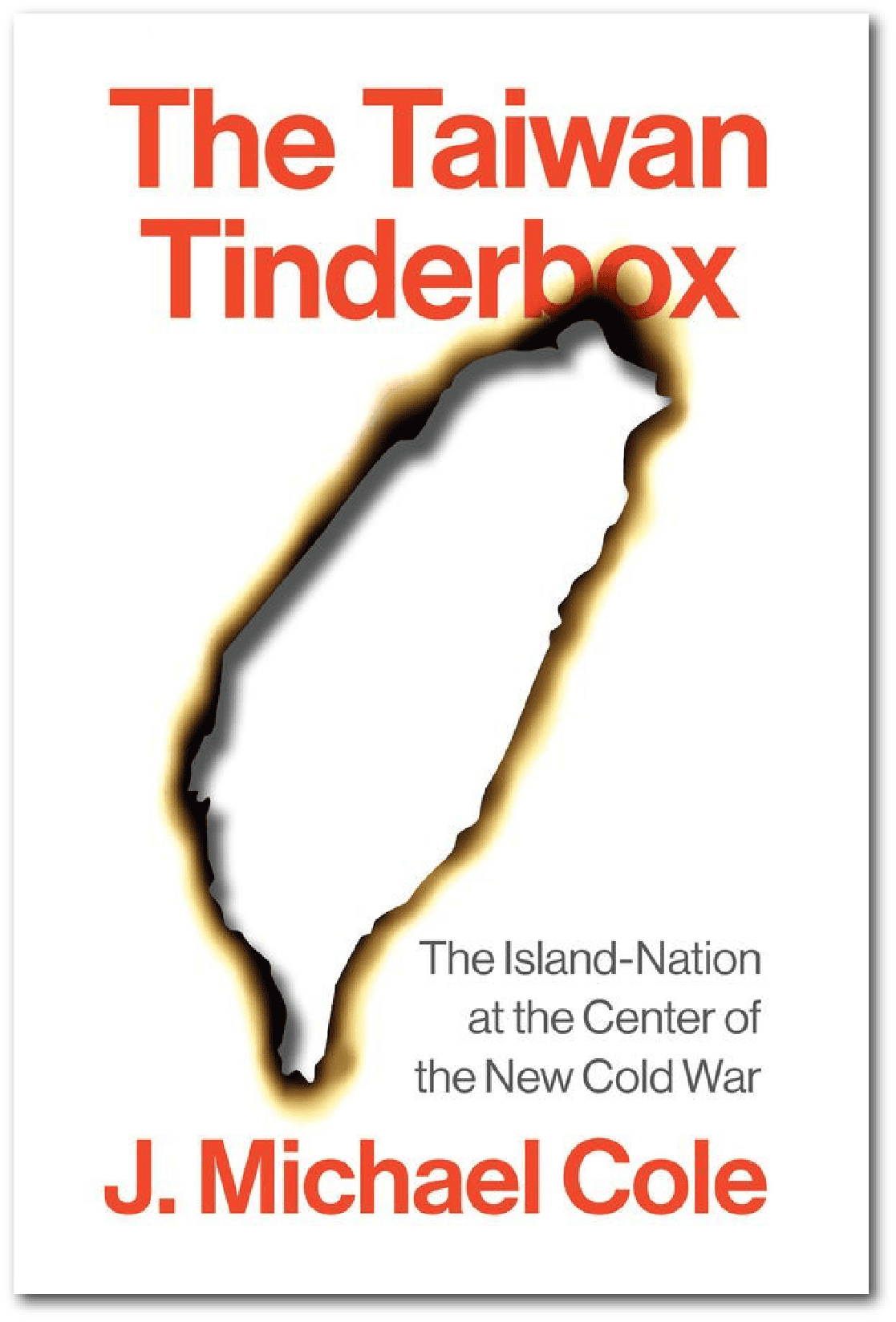
J. Michael Cole is a Taipei-based policy analyst and journalist. He was formerly a senior advisor on Countering Foreign Authoritarian Influence at the International Republican Institute. From 2014-2016, he was an employee of the Thinking Taiwan Foundation, a think tank founded by Tsai Ing-wen, the now-former president of the Republic of China (Taiwan). Prior to relocating to Taiwan in 2005, he was an intelligence officer with the Canadian Security Intelligence Service in Ottawa. His latest book, The Taiwan Tinderbox: The Island-Nation at the Centre of the New Cold War, was published in September.

Illustration by Kate Copeland
Q: Why is Taiwan a “tinderbox”?
A: The Russian invasion of Ukraine in 2022 has driven home the reality that there are a few hot spots around the world that, if things go south, could spark a major conflagration. When you talk about Taiwan, inevitably, you talk about potential clashes involving China, the United States and possibly Japan. Taiwan has all the elements that could spark something quite major if all the wrong decisions are made.
Why did you write this book?
Because it’s important to have a more granular understanding of what’s going on within Taiwan. That way you can understand how difficult it is for China to get through that democratic firewall which has stood in the way of unification for several decades now. We’re also seeing greater interest in Taiwan following Russia’s invasion of Ukraine and I wanted to demonstrate why the two conflicts are linked, why what happens on one side of the planet matters to the other side and will have consequences for the future of democracy.
In the near-term, what is the worst case scenario for Taiwan?
For there to be armed conflict in the Taiwan Strait, whether that occurs by design, i.e. a decision by the leadership in Beijing to initiate hostilities against Taiwan to annex it; or by a series of miscalculations; or an embargo or blockade that spirals out of control. It would be costly and catastrophic for everybody involved. Every effort is being made to ensure that this kind of decision is not made.
And the best case?
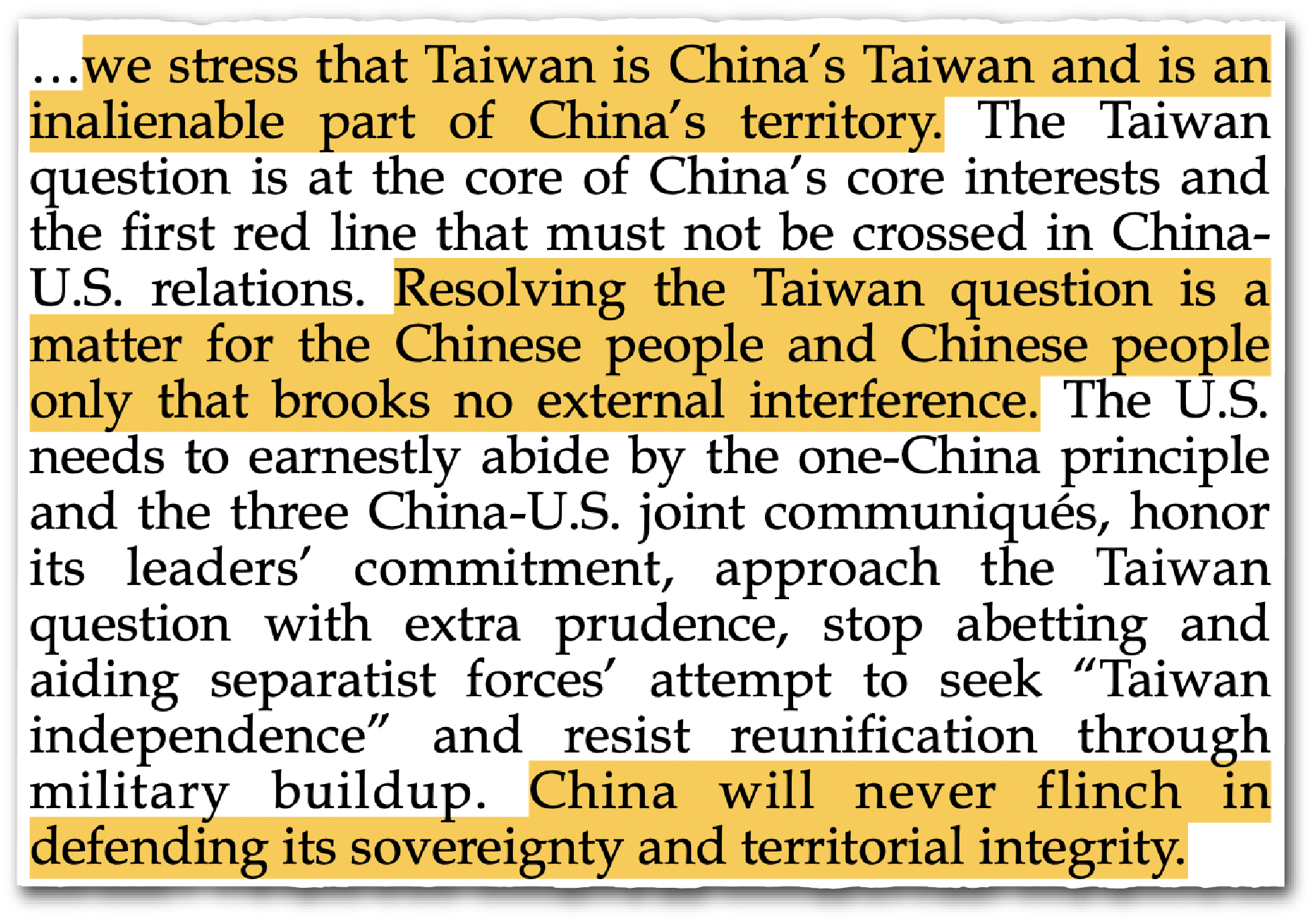
Certainly the best case scenario would be for some sort of enlightened leadership in Beijing — I don’t think we’re going to see this anytime soon — but a leadership that better comprehends democracy and is more appreciative of the fact that the two societies have moved in opposite directions, that understands that accomplishing what Beijing calls “peaceful reunification” is simply unthinkable without there being an unacceptable cost to the people of Taiwan.
Another pretty good scenario would be for Beijing to make an offer to Taiwan that goes well beyond what is currently on the table, which is unification under “one country, two systems.” Beijing has long insisted that Taiwan would be able to retain its way of life after unification. But that’s the same kind of promise that Beijing made to Hong Kong prior to the 1997 handover and we all know what happened. It inevitably led to their erosion of freedoms.
The current ideology in Beijing under Xi Jinping does not suggest that the Chinese leadership is moving in the direction of making a more realistic and palatable offer to the people of Taiwan. The best case scenario for Taiwan in the near-term, therefore, is the maintenance of the status quo, which ultimately is de facto independence.
Chinese propaganda aims to create the impression that China could quickly and successfully invade Taiwan. This is psychological warfare, and an attempt to dissuade other countries from coming to Taiwan’s aid. It’s meant to subdue the people of Taiwan, to convince them that resistance is futile.
Why is peaceful unification so implausible?
Firstly, “reunification” is a term that China uses as part of its propaganda. Historically, Taiwan was never part of the People’s Republic of China. You cannot reunify something that never was unified to begin with. So what we’re really talking about here is annexation. The older generations of Taiwanese already know what it’s like to live under an authoritarian regime. They lived in such a system from 1949 until the late 1980s. This is not something that they want to revisit or want future generations to have to deal with.
| BIO AT A GLANCE | |
|---|---|
| AGE | 50 |
| BIRTHPLACE | Quebec City, Quebec, Canada |
| FORMER POSITIONS | Former senior advisor on countering foreign authoritarian influence, International Republican Institute; former intelligence officer, Canadian Security Intelligence Service. |
| CURRENT POSITIONS | Senior non-resident fellow, Global Taiwan Institute; senior non-resident fellow, Macdonald-Laurier Institute; research associate, Prospect Foundation. |
For historical reasons, the two societies have moved in very different directions. Taiwan is liberalized. It has democratized. It’s one of the freest societies in all of Asia. It has adopted several elements from Western liberal democracies. Whereas China has moved in an opposite direction. Things have certainly gotten worse under Xi — the country is more authoritarian than it was under more recent predecessors — but it’s more that the two societies’ mores and ways of life are markedly different. It’s very difficult to imagine that you could find a way to make these two societies compatible.
China has attempted that with other minorities on its territory: Tibetans, Uyghurs, Hong Kongers. We’ve seen in every instance that this has resulted in Beijing imposing things on societies that simply do not align with their own identities and expectations. Identity is not just something that you can calculate with well known variables.
Oftentimes we hear, unification would be possible if China were to become a democracy. But even if it did, the societies are too different. The ways of life are different. As a Canadian, if a certain American President said that he wants to annex Canada, you would see overwhelming opposition among Canadians. And those two societies are markedly more similar than Taiwan ever was with China, especially after Taiwan democratized. The thought that you could somehow unify these two societies without there being a heavy cost to freedoms in Taiwan and the way of life of its people is really, really hard to imagine. This, at least, as long as people remember history and pay attention to what’s going on back in China.
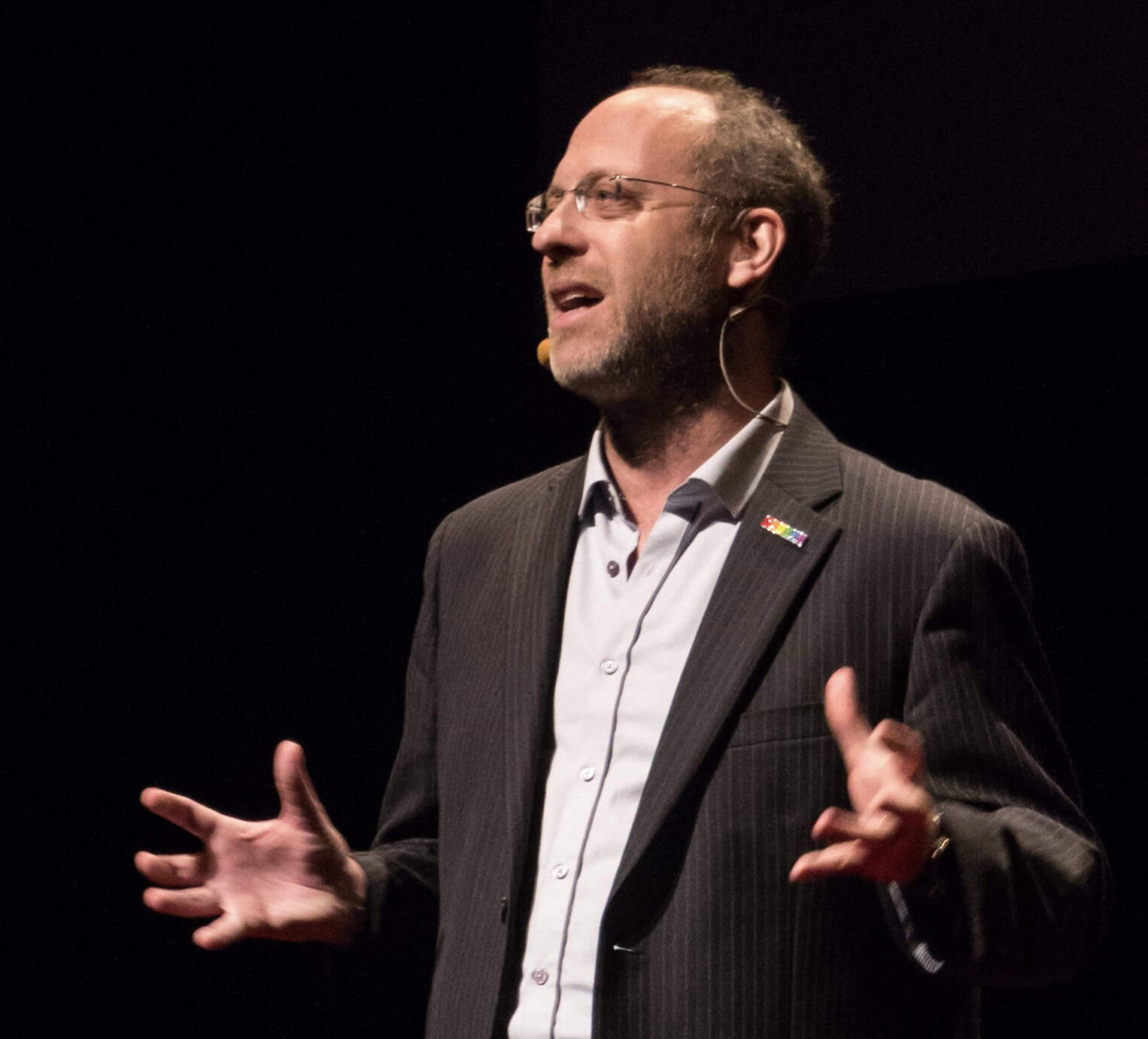
You were an intelligence officer before you became a journalist in Taiwan. How did that shape your analytical approach?
Ultimately, both security intelligence and journalism are about the quality of your sources and what use you make of the information they provide. You need to know your audience. If you’re a journalist, your audience is your readers. When you work in intelligence, you’re competing with a number of agencies for decision makers’ attention. It was all about framing and making responsible use of your sources and protecting them.
I found my training as an intelligence officer quite useful to the work that I did as a journalist and later on as an analyst working for think tanks. It also opened a lot of doors because I worked closely with a number of governments on the issue of Taiwan and China. In some respects, having been a spy once, I remained “one of them.”
What do international observers get wrong about Taiwan?

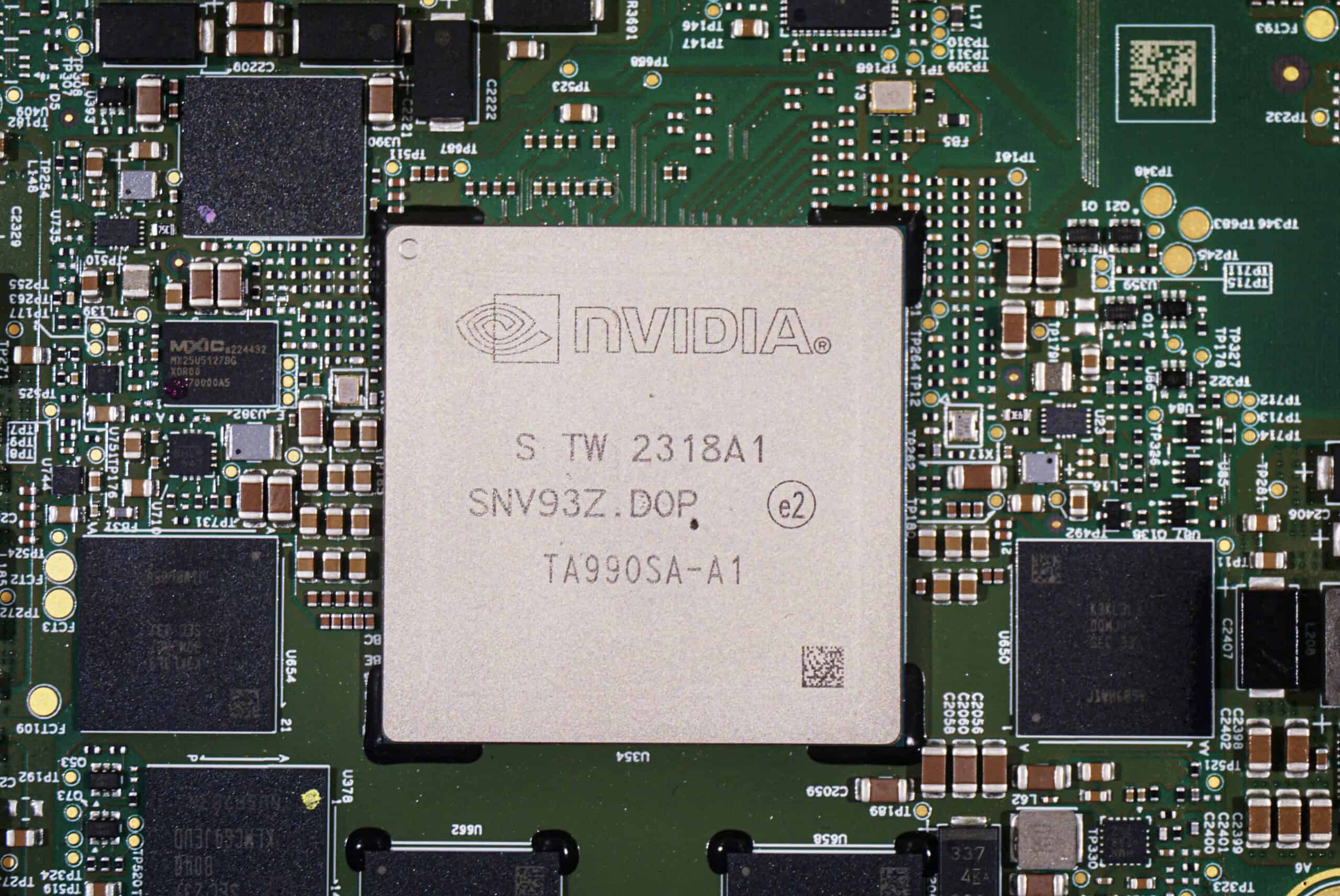
There’s a lot, but here are a few recurrent themes that come to mind. Oftentimes in news reports you hear references to only twelve countries recognizing Taiwan. But it’s important to point out that beyond that, Taiwan has extensive relationships with an ever growing number of countries. This speaks to its essentiality to the international system, the role that it plays on the front lines of the defense of democracy against authoritarian revisionism and the role that it plays in semiconductor production and supply chains.
There often are references to the opposition Kuomintang, or KMT, as “pro-China.” While undoubtedly some of its members are indeed ideologically inclined toward Beijing, the reality is a lot more complicated. It’s important to note that there are two main forces in Taiwan opposing annexation by the PRC: the Taiwanese independence movement, and those who are committed to the continued existence of the Republic of China. Those two have a lot in common, even if often this is not acknowledged.
I also wanted to address this in my book: the notion that China could, on a whim, decide to launch an invasion against Taiwan and accomplish this in a matter of days is absolute fiction. I took a fairly deep dive looking at why it would be such a complex operation and why there’s so much fog of war and why it would be so costly to everybody involved.
Chinese propaganda aims to create the impression that China could quickly and successfully invade Taiwan. This is psychological warfare, and an attempt to dissuade other countries from coming to Taiwan’s aid. It’s meant to subdue the people of Taiwan, to convince them that resistance is futile. In reality this is a scenario for which Taiwan and the United States have been preparing for decades.
Yet absent U.S. involvement Taiwan would be pretty easily overwhelmed, right?
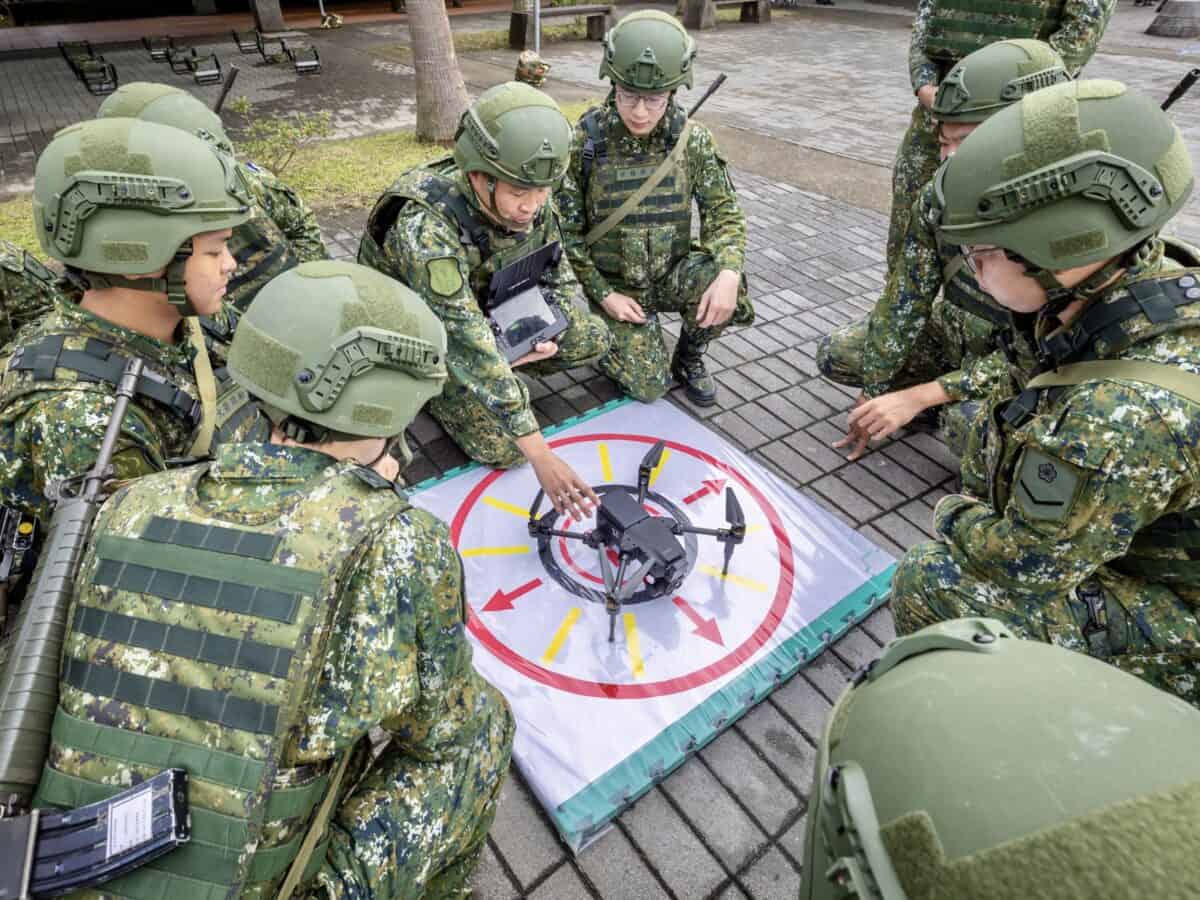
If you’re realistic on the Taiwanese side, you cannot hope to defeat the PLA plane for plane, boat for boat. The definition of success for the Taiwanese military is to deter an attack by China by promising that an attempt to do so would be too costly. Taiwan, in that regard, has been developing an asymmetrical defense posture. They are learning important lessons from recent developments in Europe.
I would add as well that attempting an amphibious assault is one of the most difficult operations a military can undertake. Taiwan must do what’s necessary to promise the Chinese side that it would be hugely costly, even absent American or Japanese involvement.
But that doesn’t mean that Xi Jinping might not be willing to pay that cost.
Absolutely. That’s the problem that we’re facing with authoritarian regimes. Assumptions of rational decision making go out the window when you’re dealing with leadership like that. It’s a closed leadership, it’s ultra-personalistic. Oftentimes in that type of regime, the uppermost leadership is not receiving the advice that they need from their analysts to make enlightened decisions. We certainly saw that with Vladimir Putin, whose advisors prior to the invasion of Ukraine were warning that it could be catastrophic for Russia. He didn’t listen.
There is the possibility that Xi Jinping could make the same miscalculation. There’s no assurance that he will. But even if there is only a small chance of that, Taiwan has to be prepared. It cannot afford not to.
What is the strongest argument for American servicemen and women rescuing Taiwan from a Chinese invasion?
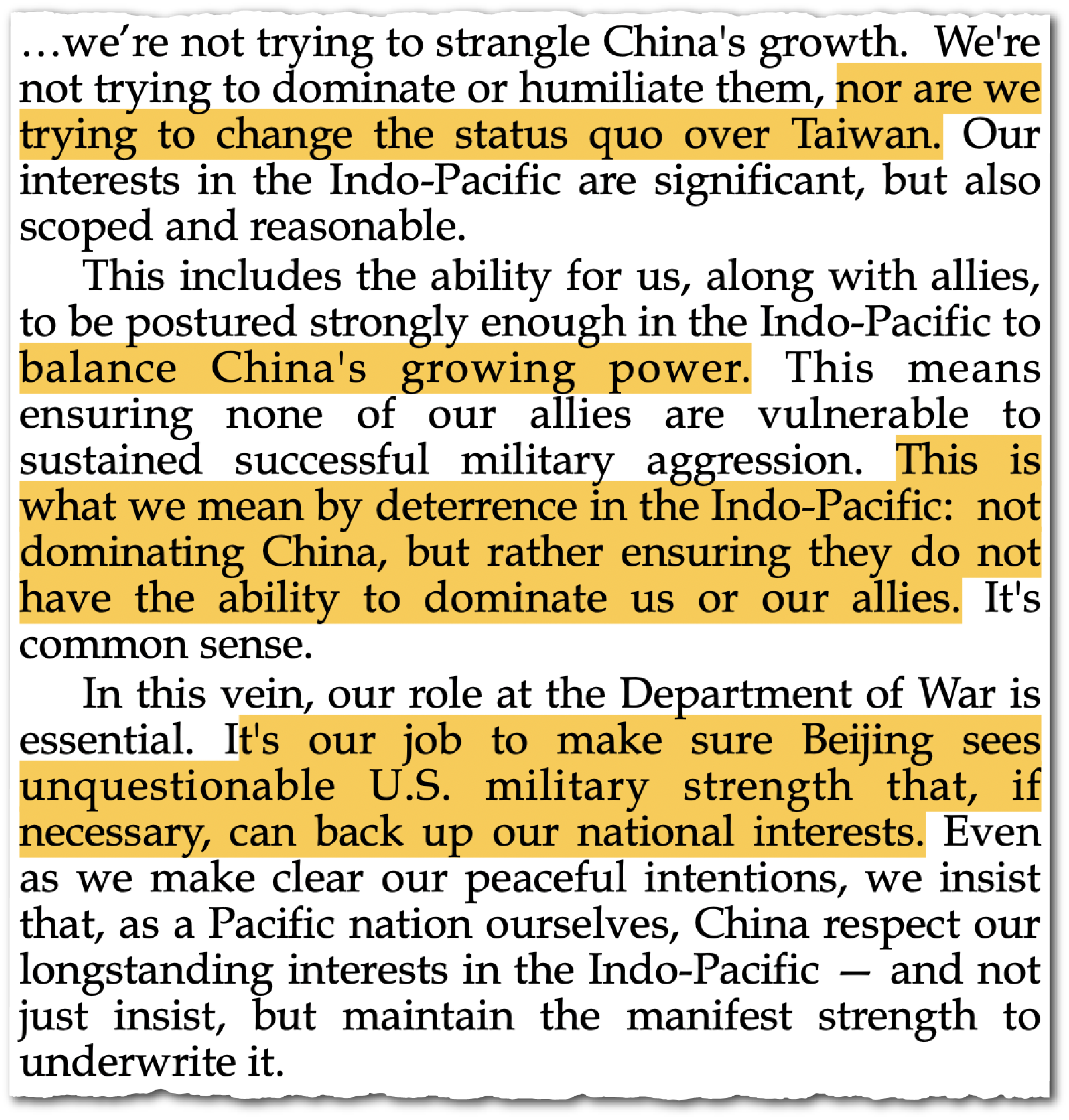
I’ve seen people argue that Taiwan deserves to be defended because it’s a democracy. That’s all fine and well but that does not have traction with a lot of people. Taiwan has had to find ways to make it clear to other countries why it is important to them for Taiwan to retain its sovereignty. You need to appeal to the self-interests of other people.
From a purely military perspective, the loss of Taiwan to China would have a major effect on Japan’s sense of security. It would spark an arms race in the region that would very likely lead to Japan going nuclear. That goes against the stated policy of the United States to prevent proliferation of weapons of mass destruction. Moreover, this could ultimately spark a war between China and Japan. And the U.S. has a defense treaty with Japan.
Taiwan also falls within what we call the “first island chain” in the South China Sea. It prevents the full expansion of the People’s Liberation Army Navy towards the second island chain, towards Guam, Hawaii and the continental United States. The fact that Taiwan remains independent and has its own military and alliances with democratic partners complicates PLA expansionism, and that is very much an American interest.
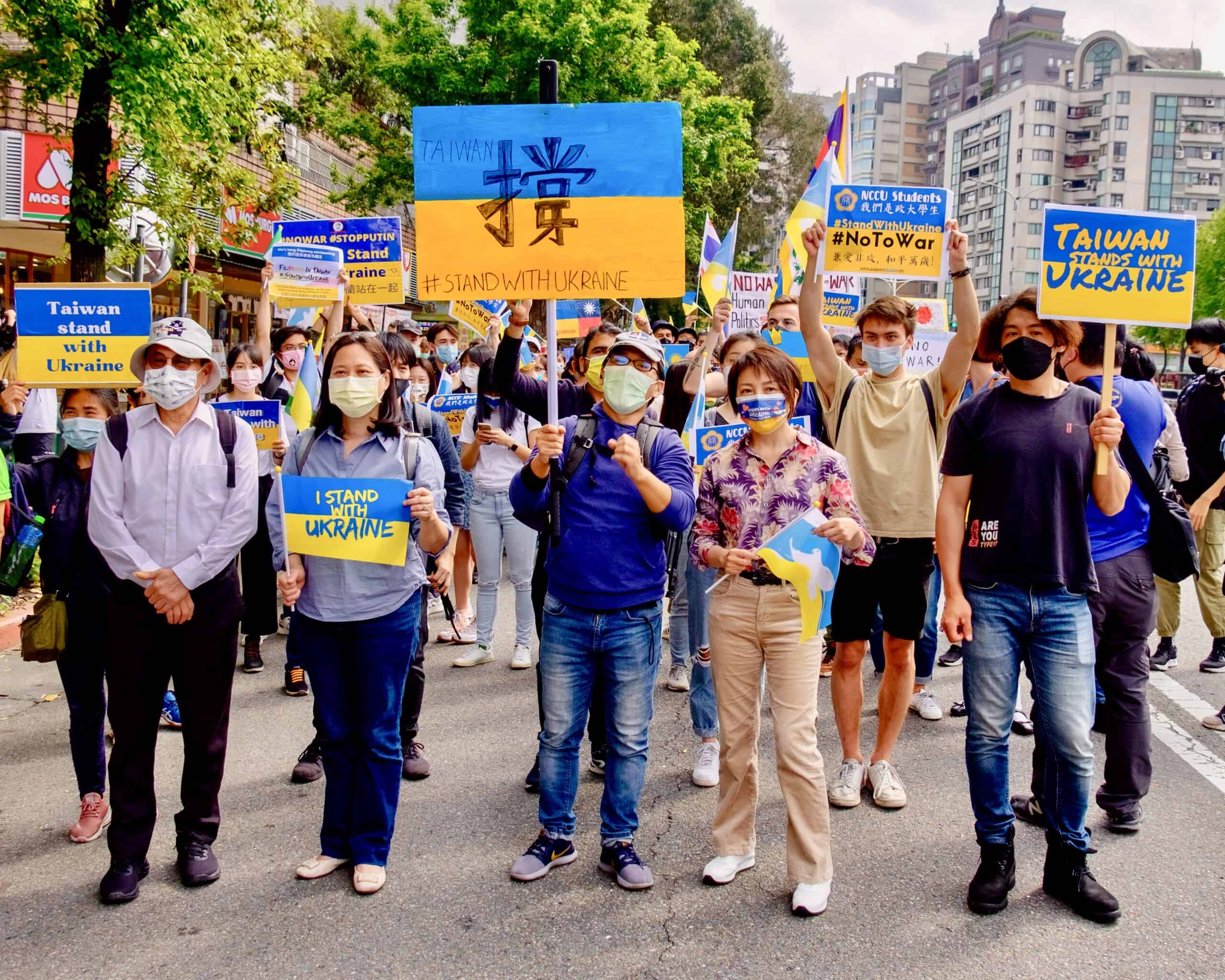
Finally, we’ve learned the lesson through history that if you abandon a state to aggression by a regional hegemon, especially an expansionist, authoritarian one, the leadership there will regard this as weakness on the part of the international community. They will not stop there. I should add that continued deterrence against a Chinese attack on Taiwan is, to a significant extent, contingent on Ukraine’s successful resistance against Russia. It would send the worst signal that you could possibly send to Beijing if you were to abandon Ukraine. Democracies need to stick together to prevent and defeat aggression so that it does not encourage the wolves to thirst for more.
How is Taiwan’s defense posture changing?
Until recently, Taiwan’s posture tended to be more passive. They would wait for the PLA to try to cross the Taiwan Strait. You had this “porcupine” strategy whereby you tried to make Taiwan very hard to digest.
Given Taiwan’s idiosyncratic position within the international community, there are occasions where you cannot have government to government relations, but civil society can play a very big role in furthering Taiwan’s interests abroad.
What we’ve seen in the past decade or so is a shift towards a counter-force defense posture. Taiwan has been acquiring the capabilities and making changes to its doctrine so that rather than wait for PLA forces to approach, you start attacking PLA capabilities on the Chinese side. This has been reflected in not only what Taiwan has procured from other partners, primarily the United States, but also the types of weapons that the Taiwanese defense sector has been developing en masse: land attack cruise missiles, anti-ship cruise missiles and different platforms to move them around. You have more distribution, more survivability and greater capability to inflict damage on Chinese naval bases, radar sites and all that. UAV production is moving in that direction as well.
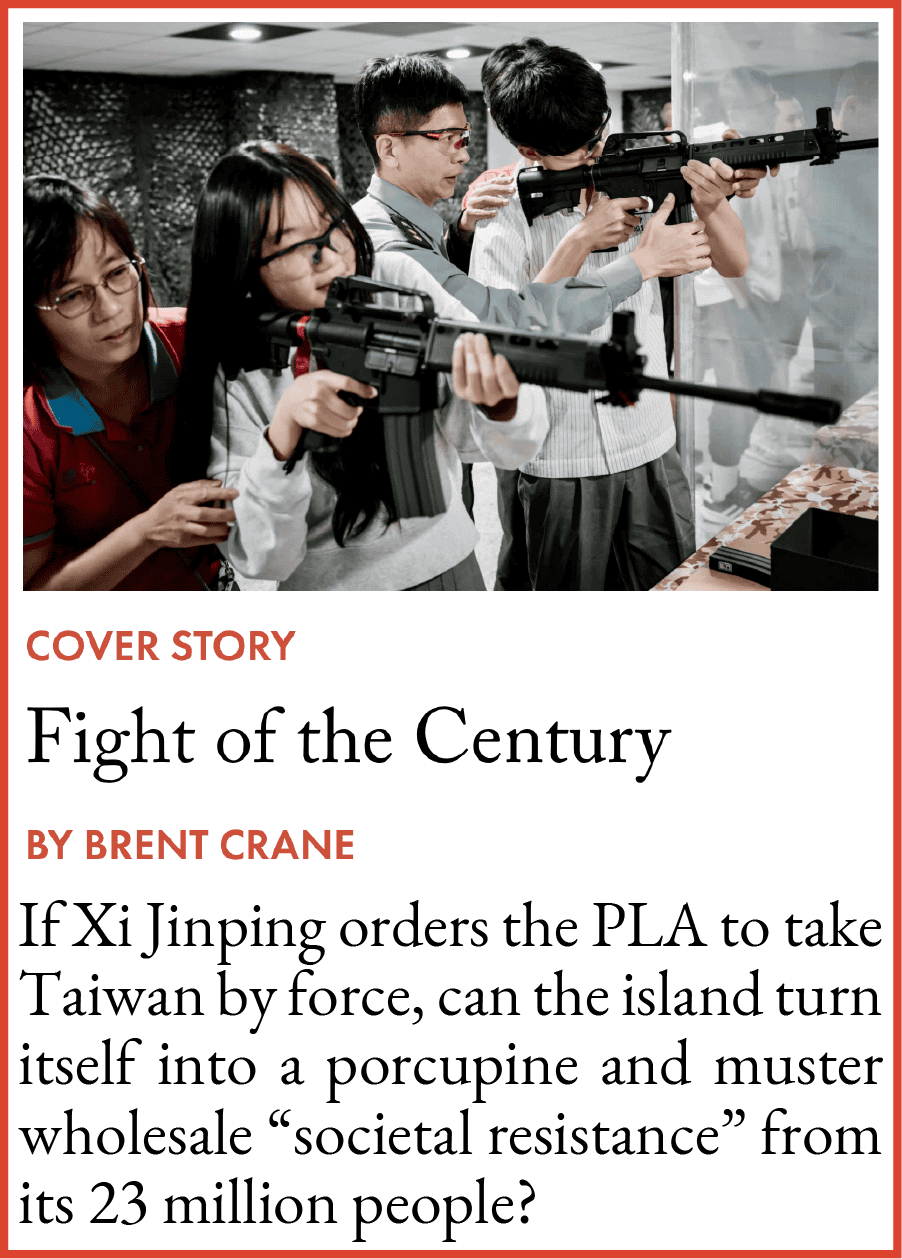
Essential to this has been a shift in how Washington DC has regarded Taiwan’s capabilities. For the longest time, the United States, under the Taiwan Relations Act of 1979, would limit itself to selling to Taiwan weapons or technology that were defensive in nature. But Chinese belligerence and a shift in attitudes in Washington DC towards China — the realization that playing nice has not resulted in a more liberal, democratic China — has resulted in Washington becoming more permissive, if you will, over the kind of weapons that Taiwan can acquire from the United States. More and more, Taiwan is fielding an offensive capability with a longer range that makes it possible for Taiwan to hit targets in China. About a decade ago that would have been unthinkable.
What do you most want readers to take away from this book?
I’ve lost count over my years in Taiwan of the times when people either thought that war was imminent or that it was game over for Taiwan. The country has demonstrated stunning resilience and an ability to adapt to very difficult situations and international isolation. That resilience is a formidable defense against Chinese designs on Taiwan.
| MISCELLANEA | |
|---|---|
| FAVORITE BOOK | Life and Fate by Vasily Grossman |
| FAVORITE FILMS | The Thin Red Line by Terrence Malick, with Heat by Michael Mann a very close second. |
| FAVORITE MUSIC | Progressive rock/metal (Porcupine Tree, Dream Theater, Opeth, Leprous, etc) for most of my adult life, but in recent years dark ambient. |
| MOST ADMIRED | Thomas Mann, Václav Havel |
This is yet another reason why Taiwan is so precious to the international community. It demonstrates the ability of a small-to-medium-sized democracy to stand up to an authoritarian giant in ways that still do not undermine its commitment to democracy. We certainly saw that throughout the Covid-19 pandemic as well. They can use big data and adopt national security laws in ways that do not unduly violate privacy or turn the country into that which it is defending against.
Taiwan is also one of those rare societies that has a very active civil society, which often serves as a force multiplier for the government. That also contributes to Taiwan’s resilience; that’s an important, albeit often overlooked, aspect of Taiwan that I find fascinating. Given Taiwan’s idiosyncratic position within the international community, there are occasions where you cannot have government to government relations, but civil society can play a very big role in furthering Taiwan’s interests abroad.
All of that, in the aggregate, makes Taiwan a very distinct, very complex society that repeatedly has thwarted Chinese designs upon it. By virtue of that, it makes itself a very important partner to other democracies as they try to deal with their own challenges.

Brent Crane is a journalist based in San Diego. His work has been featured in The New Yorker, The New York Times, The Economist and elsewhere. @bcamcrane

.jpg)