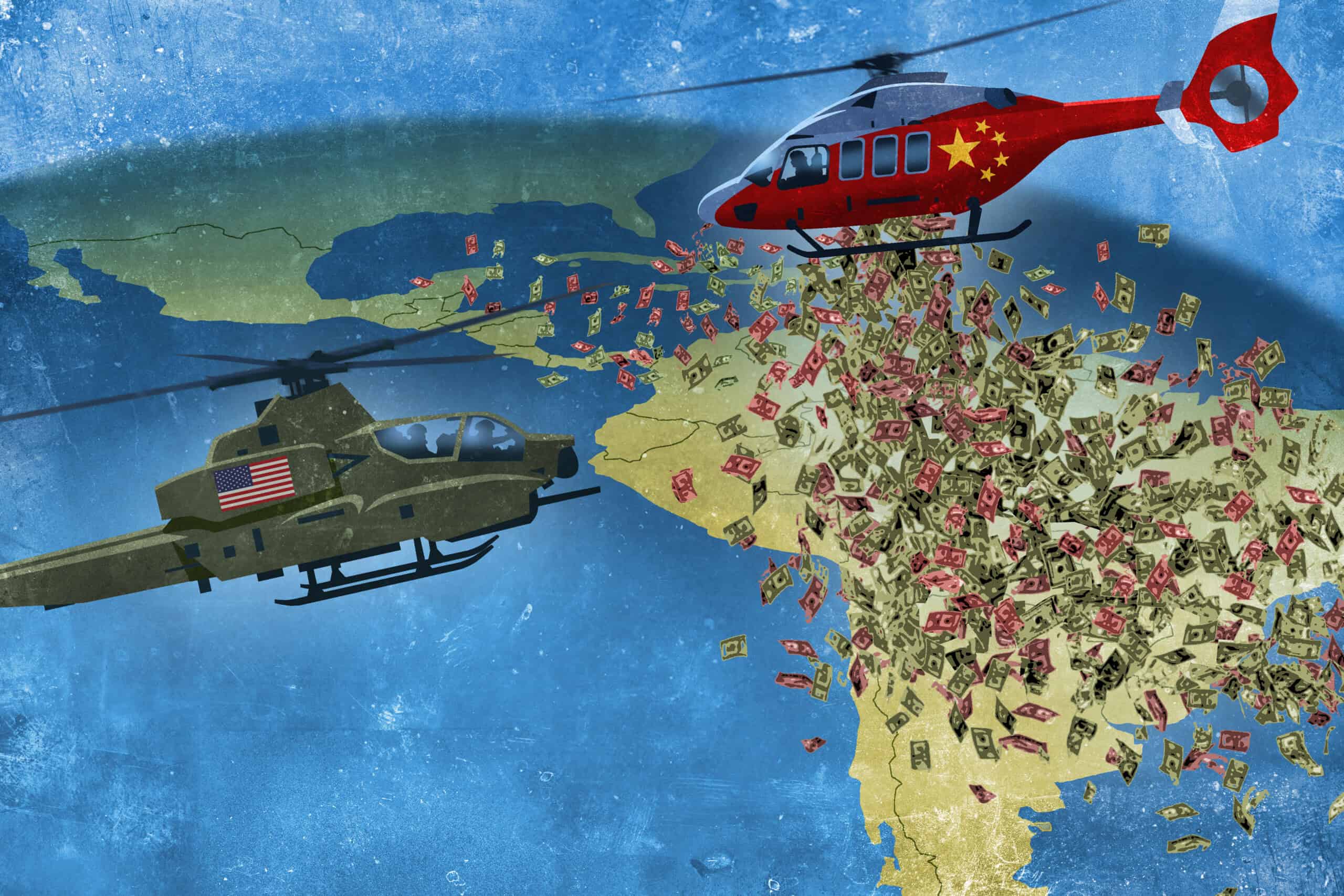
One would think Europe had already learned its lesson about the huge costs of strategic dependencies. The continent’s first reality shock came with China during the pandemic, when Europe had to beg for ventilators and masks. Its second major dependency, which turned out to be extremely costly, was on Russian gas, as exposed after Russia’s invasion of Ukraine. Despite these experiences, the European Union might still respond to President Trump’s current trade and security pressure by drawing closer to China once again.
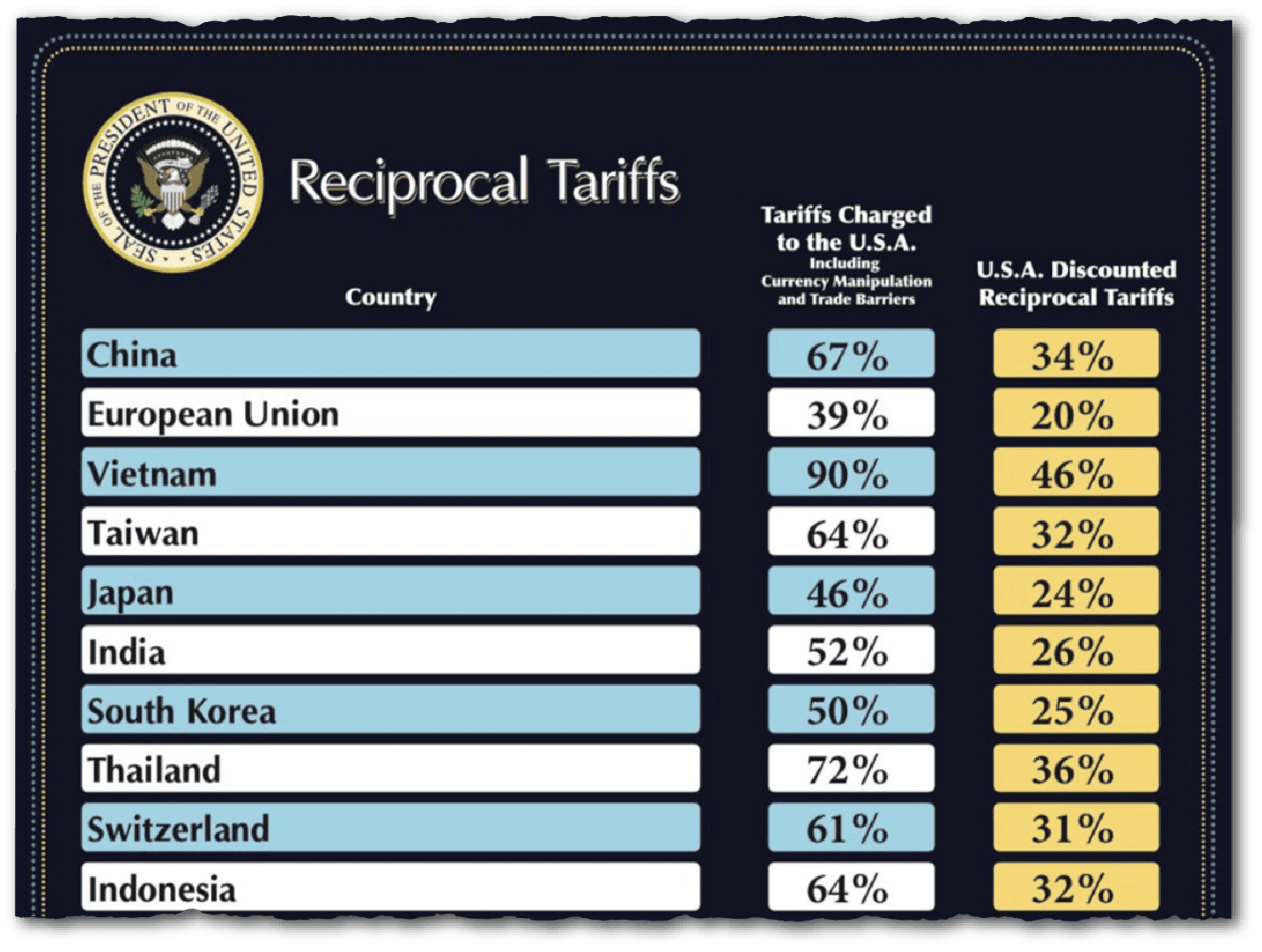
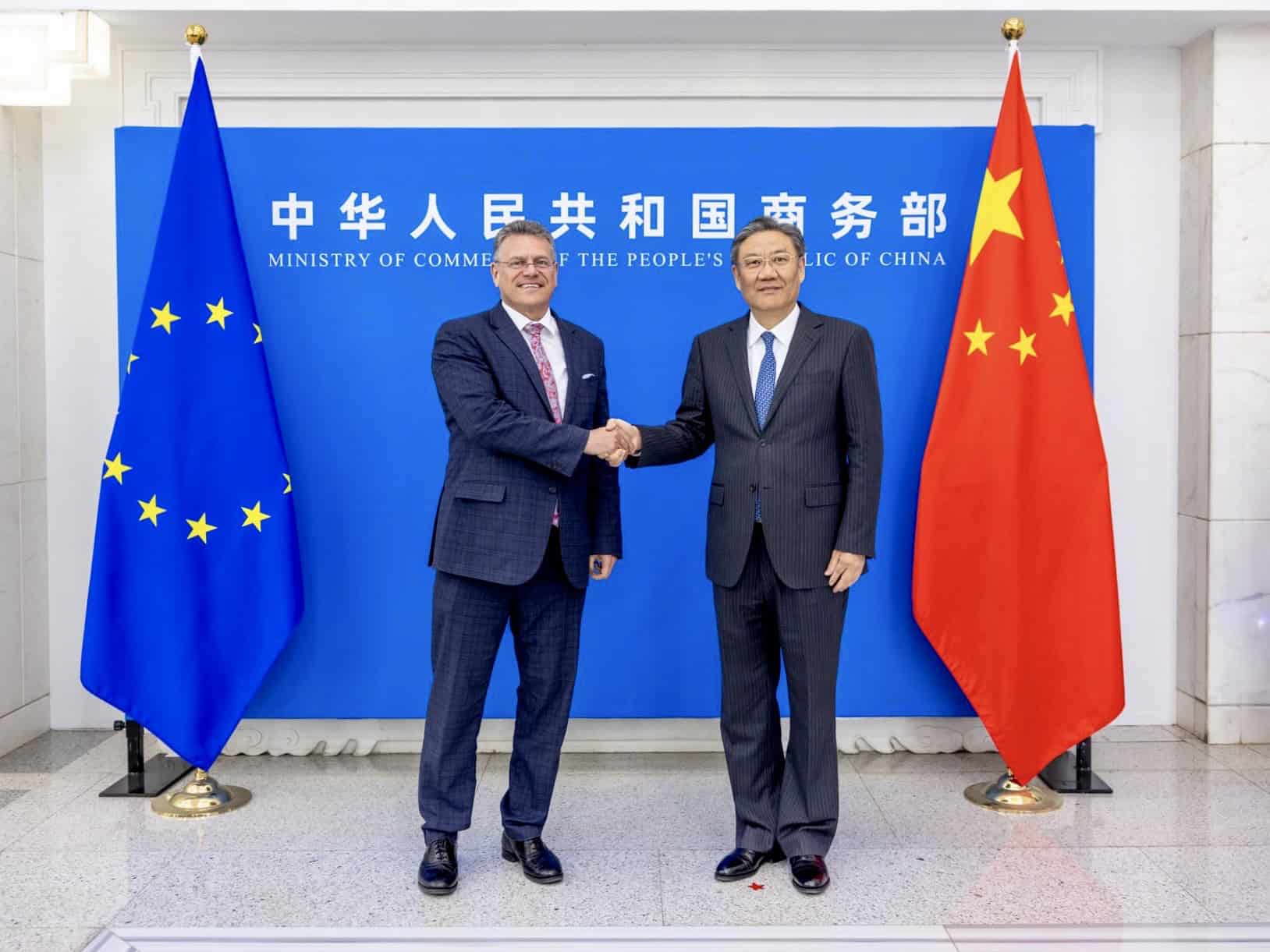
Trump’s measures on the European Union (EU) are for sure hurting European companies and more could come if the proposed 20 percent reciprocal tariffs, which have been paused for 90 days, are finally enacted against European products. The question, then, is whether a “rapprochement” with China can help European companies buffer this potentially huge shock.
The answer to this question is as simple as it is worrisome: No.
The main reason for such a negative answer might seem to be the potential retaliation Trump might enact against the EU if it gets closer to China. In fact, the most important factor is the EU’s own interests.
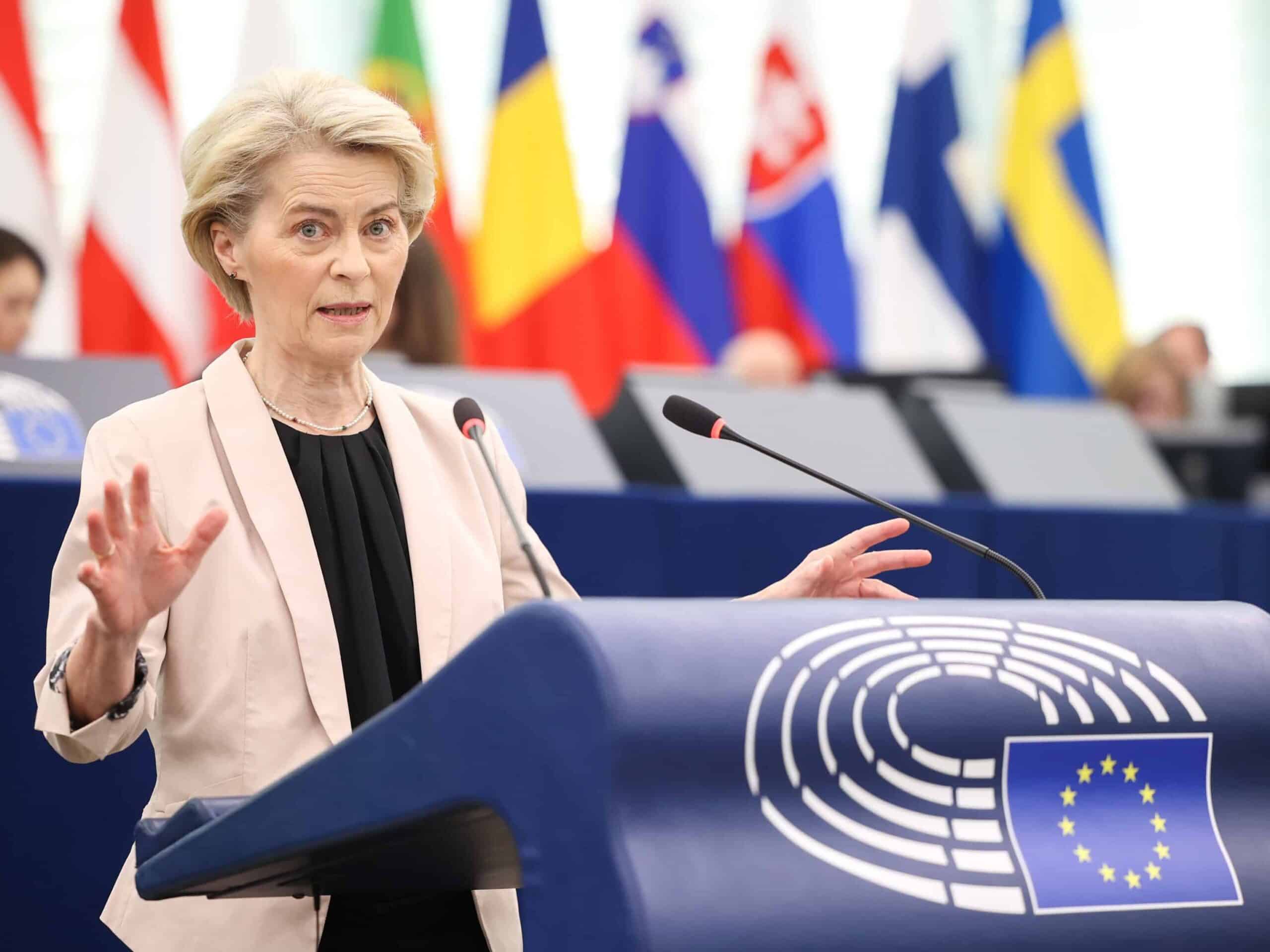
European Commission President Von der Leyen talks about “de-risking”, at a joint MERICS and European Policy Centre event, March 29, 2023. Credit: MERICS
The EU’s “de-risking” strategy towards China, officially announced in March 2023, a few weeks before the Biden administration also switched to a similar approach, was based on European core interests, independent from those of the United States. Those core interests relate to the increasingly small benefits Europe gains from the Chinese market, with European exports there plummeting, resulting in a large annual trade deficit amounting to around 400 billion euros.
There is little scope for improving this situation, even if EU-China relations warm up. China already produces much of what it used to import from Europe, and it now has a clear interest in using even more local production, as its external sector will be hit hard by Trump’s trade war. The last thing China intends to do is increase its imports from Europe.
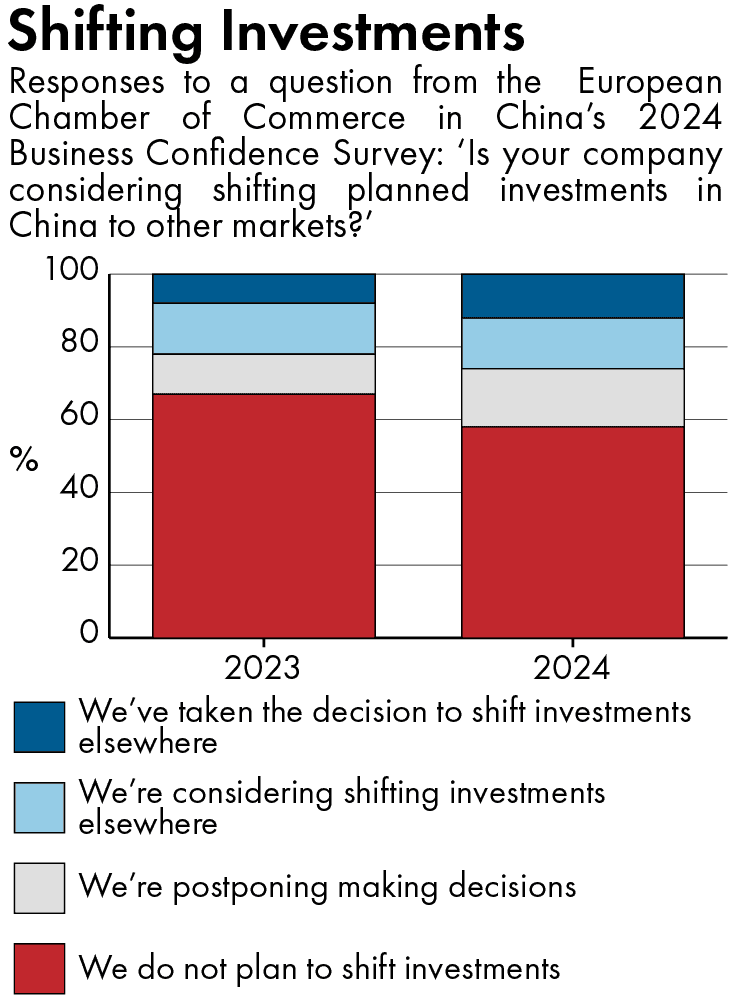
Another potential benefit that some European leaders might still hope for from a “rapprochement” with China is better market access for European companies. The reality is that business sentiment among European companies operating in China has never been lower, not only because of the unequal treatment they face and increasingly intrusive regulation, such as cross-border data regulations and the new anti-espionage law — but also because of stagnant demand. To this gloomy picture, one should add the phenomenon of so-called “involution” (内卷, nèijuǎn) within the Chinese market, the term Premier Li Qiang has applied to China’s over-competition in the manufacturing sector, which is pushing down profit margins and feeding deflationary pressures.
The net result of all these factors is that a growing share of European companies (30 percent or so) are thinking of moving business outside of China, as shown in the latest business survey by the European Chamber of Commerce in China.
…any rapprochement with China would also entail the EU giving up on its hard-fought diversification strategies which are so necessary to reduce Europe’s dependence on China in critical areas like the minerals needed for the green transition.
So much for expectations of a shift towards China in terms of exports or outward investment, then. Some European leaders, meanwhile, still have high hopes that Chinese investment into the continent, especially in green tech manufacturing, could help create jobs or lead to some transfer of Chinese technology. Hungary is a clear example where such hopes run high, under the leadership of Viktor Orban. But Portugal and, more recently, Spain, have also expressed such hopes.
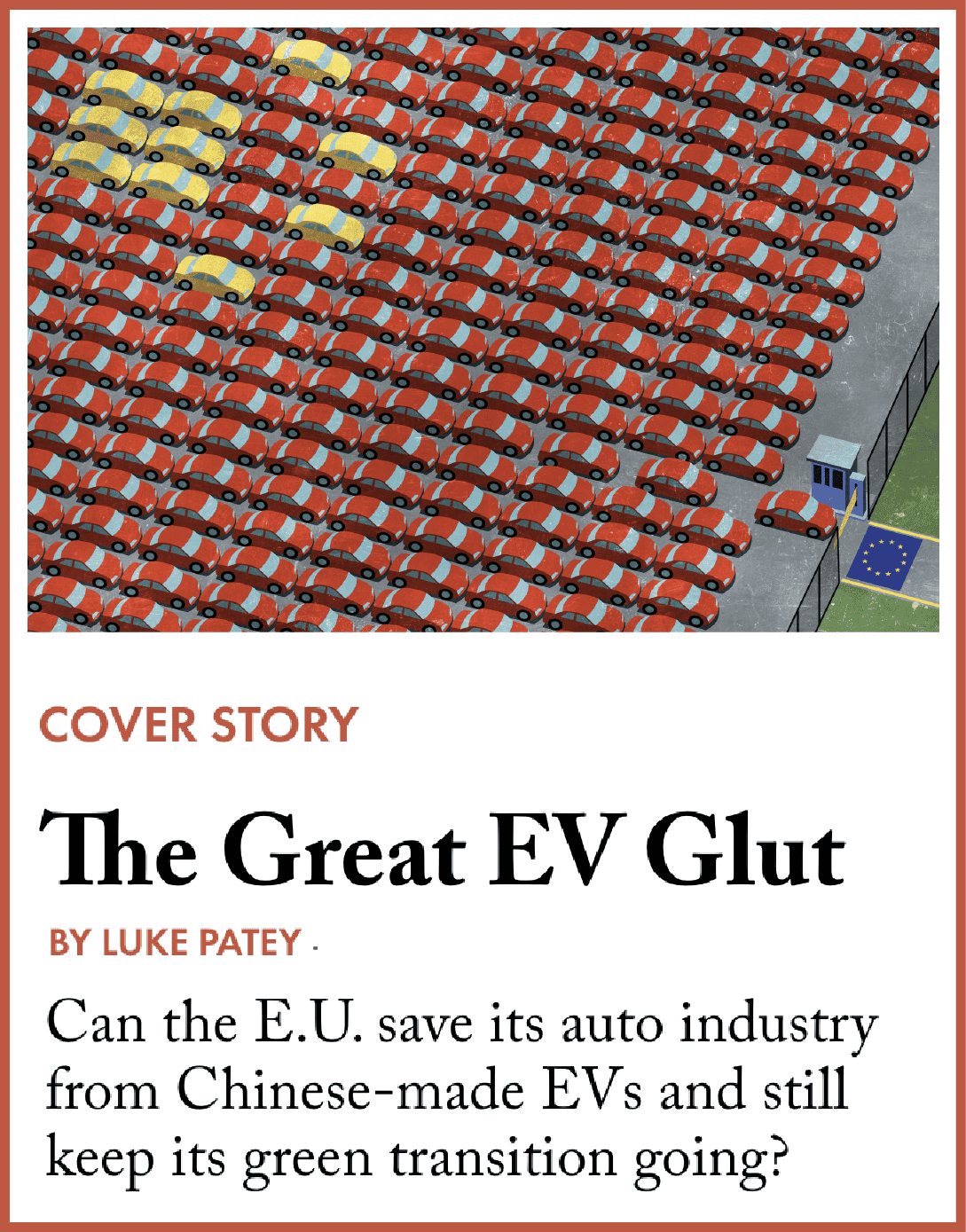
But while it is true that China is building electric vehicle and battery plants abroad, its companies’ main objective is to circumvent growing barriers to their exports. Without such barriers, China would have no interest in producing electric vehicles (EVs) or batteries overseas, as its domestic production is much more efficient, and the country also needs to export more to reduce its growing overcapacity problem in these industries. In other words, if the EU were to seek a rapprochement with China which entailed eliminating the tariffs it has recently imposed on EVs produced in China, it would, ironically, only be discouraging Chinese greenfield investment.
All in all, any rapprochement with China would also entail the EU giving up on its hard-fought diversification strategies which are so necessary to reduce Europe’s dependence on China in critical areas like the minerals needed for the green transition.
The way forward for the European Union can only be for it to rely more on its own market, which can only be achieved by further integration between member countries. Such integration will require more shared policies, which can only be financed with a common fiscal policy. This idea, which had long been discarded by the EU’s richest — and most frugal — countries should be easier today than ever as the world looks for alternatives to the excessive centrality of the U.S. dollar in the international monetary system. Joint European funding of key policies to enhance the single market could thus be cheaper than ever.
Beyond its own market, the EU would do well to increase the number of partnerships it has to continue to derisk from China: here, ongoing negotiations for a major free trade agreement with India will play a key role.
Even though Trump’s policies are pushing Europe to look for alternatives, rushing into China’s arms and abandoning the EU’s two-year-old de-risking policy does not seem wise, therefore. Firstly, there are no obvious benefits, in terms of larger exports or better access for European companies, from a rapprochement with China. Secondly, the likelihood that China steps up greenfield investment in the EU, which is generally seen as a potential benefit from such rapprochement, would possibly be lower, and not higher, if the EU decided to lower existing barriers to Chinese green products. In reality, whatever Trump does or does not end up doing on tariffs has very little to do with all of this.

Alicia García-Herrero is an Adjunct Professor at the Hong Kong University of Science and Technology, and the Chief Economist for Asia Pacific at Natixis. She also serves as a Senior Research Fellow at European think-tank Bruegel.