Oren Cass is the founder and chief economist of American Compass, a conservative think tank. His 2018 book, The Once and Future Worker, sought to explain how American public policy left blue-collar workers behind. It was lauded by Vice President JD Vance and Secretary of State Marco Rubio. He has since emerged as an influential voice in support of tariffs and decoupling the U.S. economy from China’s. Cass spoke to The Wire about how President Trump is using tariffs and why he thinks it is in pursuit of a new form of U.S.-led trading system. Below is a condensed and edited transcript of our conversation.

Illustration by Lauren Crow
Q: You spend a lot of time challenging traditional economic orthodoxy on tariffs and other aspects of free trade. Why can tariffs be a good thing for the U.S. economy and not a tax on consumers that ultimately hurts it?
A: The starting point is to try to understand what the orthodox case for free trade actually is. What has gone so wrong is not that the basic analyses of Adam Smith and David Ricardo were somehow off base, but that the system that we have today bears no resemblance to what they were writing about.
A second problem is that we have defined the end goal of our economy and economic policy merely to be consumer welfare and access to the greatest amount of stuff at the lowest possible price with the least amount of work. To some extent, we’ve achieved that. We do, in fact, have access to more cheap stuff than ever, but there does not turn out to be an especially strong correlation between that outcome and the sorts of human flourishing and strong families and communities and strong nation that we actually care about.
| BIO AT A GLANCE | |
|---|---|
| AGE | 41 |
| BIRTHPLACE | Acton, Massachusetts |
| CURRENT POSITION | Chief Economist, American Compass |
What we have in the international trading system today is a situation where globalization and the intentional policy choices of other countries have led toward enormous offshoring out of the United States, a hollowing out of American industrial capacity and a system of trade in which we have enormous deficits.
At the same time, since the U.S. established this global trading system after World War II, it’s become the most prosperous and powerful country in the world.
I’m not aware of any evidence that the latter led to the former. In fact, if you look at the leading economists of the era, from Paul Samuelson, who wrote the discipline’s leading textbook in the 1940s,1Aptly titled Economics, Samuelson’s book came out in 1948. to Fred Bergsten, who served in both the Nixon and Carter administrations in the 1970s and went on to found the Peterson Institute for International Economics, what they would say is that this [free trade] was primarily a tool of foreign policy. It was intended to rebuild the rest of the Western democratic world. It was not driving economic results necessarily at all.
| MISCELLANEA | |
|---|---|
| FAVORITE BOOK | Jonathan Haidt’s The Righteous Mind |
| FAVORITE MUSIC | Taylor Swift is underrated. |
| FAVORITE FILM | A Few Good Men |
It’s very important to distinguish between two different eras, before and after the Cold War. In the Cold War era, the United States was obviously at the center of a security and economic alliance, and operating within a system in which, among other things, trade was typically quite balanced, where the global trading structure was built on reciprocity, and where the U.S. was the dominant industrial power.
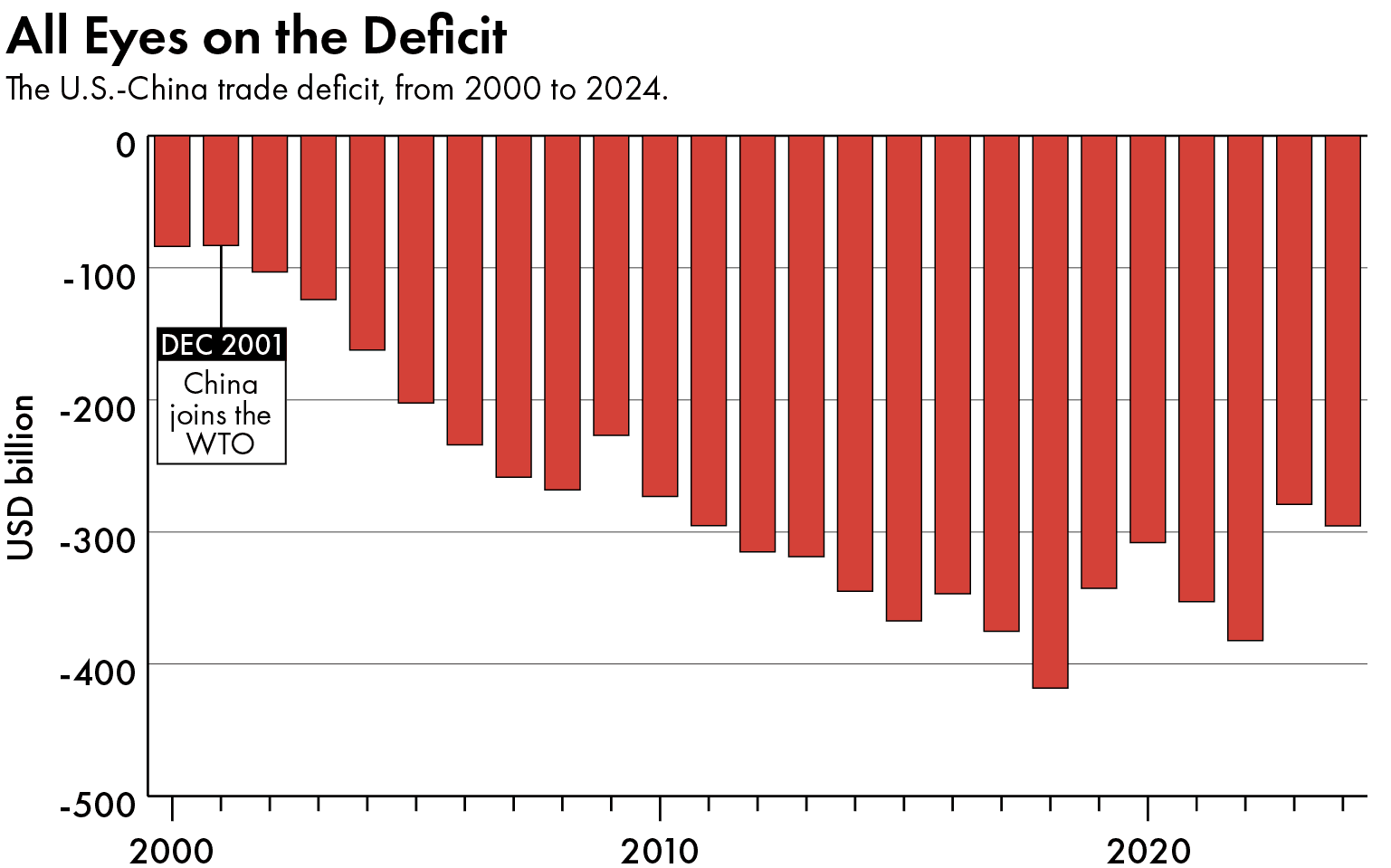
In the post-Cold War era, the U.S. shifted to promote a model of unfettered globalization and a presumption that embracing even obviously undemocratic, nonmarket countries like China would somehow lead to their democratization and all of the wonderful things that we wanted. That is the era in which things went off the rails, the enormous deficits exploded, and the U.S. simply refused to constrain or confront the abuses it was facing.

How much of that do you attribute to automation and technological change?
The best way to measure the effect that automation or technology is having on employment in the manufacturing sector is to look at productivity data. Productivity data, by definition, measures how much labor you need to produce some level of output. And the basic premise of automation is that it is a good thing to increase productivity so that you can get higher levels of output with less labor. That also means that workers should, and typically will, receive higher wages.
So if automation were the explanation for the sudden decline in manufacturing employment, you would expect to have seen some discernible increase in automation reflected in high levels of productivity growth. But in fact, that did not happen. Productivity growth in the manufacturing sector has not increased. Over the last decade, productivity in the sector has been declining. So whatever changed all of a sudden, right at the time we moved to this system of globalization and welcomed China to the World Trade Organization [in 2001], probably has more to do with that than with a level of productivity growth that did not go up.
President Trump imposed broad tariffs on the rest of the world before later rolling them back, at least temporarily. The market reaction was been harsh. What did you make of this episode?
It’s very encouraging to see the failures of the international economic system and the problem of imbalanced trade take center stage, and to have an administration committed to accepting short-term costs necessary to make long-term improvements.

Minimizing the costs and maximizing the benefits of a transition requires phasing in tariffs so as to avoid imposing high burdens more quickly than companies and governments can possibly change course to avoid them; clearly establishing which tariffs are intended to be permanent and legislating them accordingly; and communicating a clear vision of the future economic order, the path from here to there, and the demands that the United States will make of allies.
If the administration is able to make adjustments along these three fronts, the market consequences will be much more manageable and the political support will more likely be durable.
How is the administration’s goal with China tariffs different from the across-the-board measures?
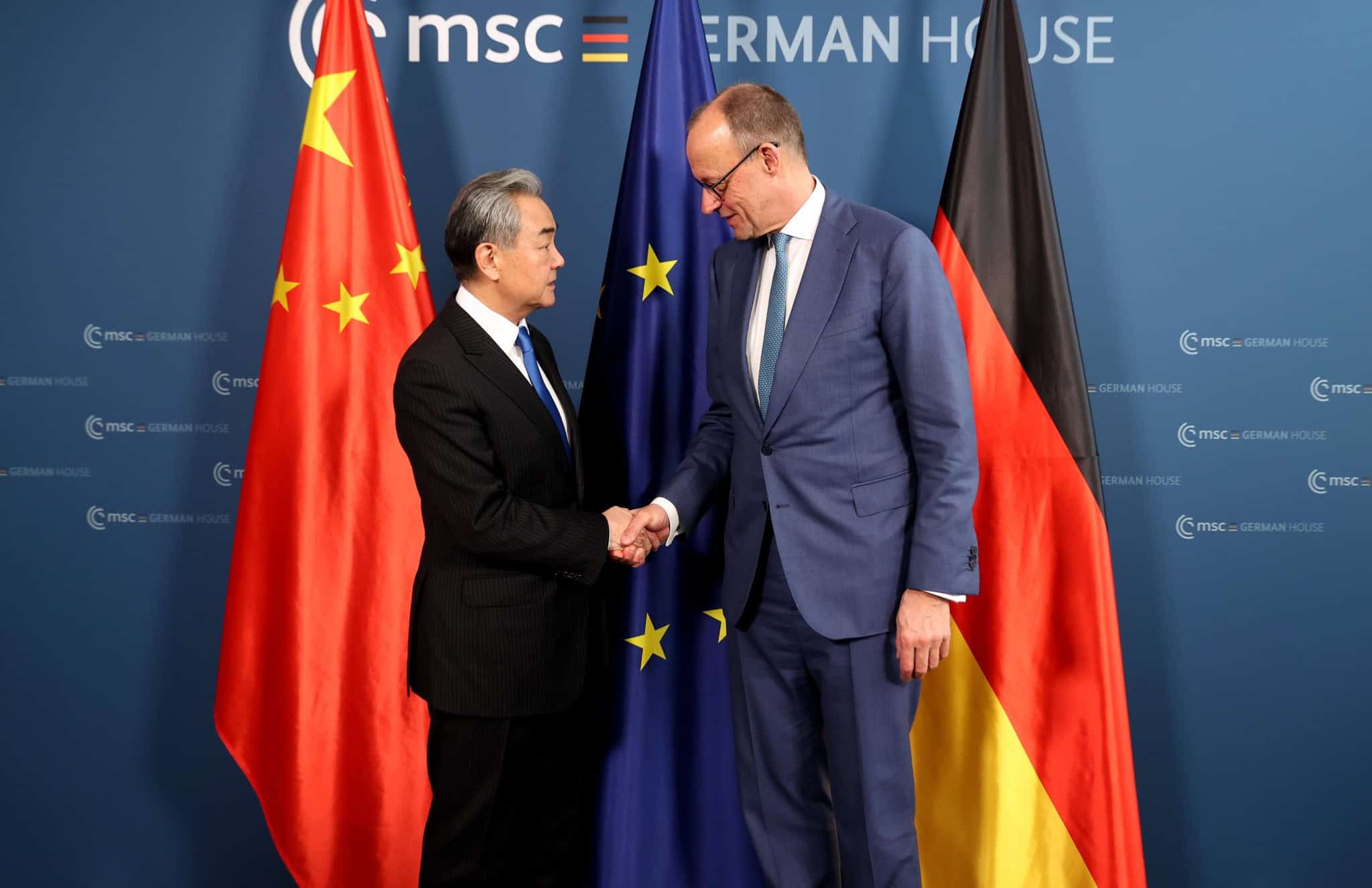
The concerns that we have with China go beyond any of the basic economic questions of balance to the fundamental incompatibility of our economic and political systems and the adversarial relationship we clearly have, and inevitably will continue to have. And so with China specifically, the goal is simply to shift supply chains out of China. Whether manufacturing is reshored to the U.S., or simply moves to other friendlier countries, is a secondary concern, and this is where you hear a lot about friendshoring. The U.S. would much prefer to have Mexico and Mexican companies producing things that China and CCP-controlled companies are producing now, and so that becomes a standalone focus of policy, independent of any of the broader issues of economic balance globally.
It seems like the Trump administration is trying to achieve many goals with its tariffs, whether that’s gaining leverage for some form of negotiation, or re-industrialization of the U.S., or shifting supply chains. Do you think that those goals are in opposition with one another, and if so, do they make them more difficult to achieve?
For the most part, the goals can be consistent with each other. The first distinction that you noted, which is an important one and does create some tension, is between tariffs as an economic tool at all, and tariffs as essentially a tool of statecraft. And there, I do think it’s important to recognize that even though you’re talking about the same policy, a tariff, you’re using it for completely different purposes, in completely different ways, with completely different implications.
When you say, we want a country to change its behavior in this way, and if it doesn’t, we are going to use this tariff until it does, the implication is not that you necessarily have a problem with supply chains or economic flows. It’s that you have a foreign policy issue, essentially, and just as you could use sanctions, or, for that matter, military force, you are using tariffs to try to get what you want.
There’s definitely space for negotiation and progress in the relationship between the U.S. and China. But the decoupling of the two economies and having substantial barriers between them is now a fairly well understood standalone goal, and actually a preferred equilibrium.
One thing that is very valuable and constructive that the Trump administration has brought forward is the principle that geoeconomics, the use of economic power as a tool of statecraft, is legitimate and something that the U.S. should have on the table. The U.S. has an advantage in using geoeconomics, whereas it has essentially tied its hand behind its back for decades in service of trying to promote this liberal world order.
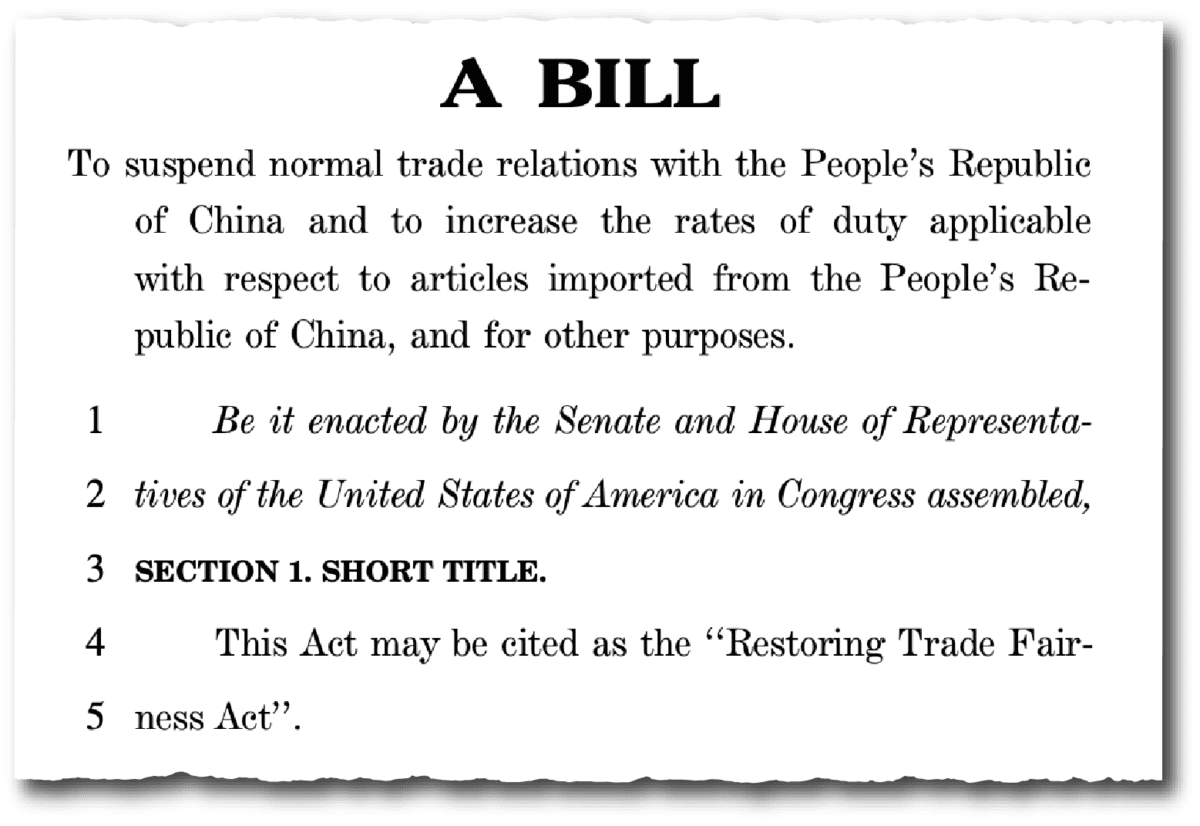
Conversely, when you talk about steadily increasing tariffs on China over time, when you talk about the idea of revoking the Permanent Normal Trading Relationship2The designation that established free trade between the U.S. and China and led to a wide expansion of commerce between the two countries. Signed by President George W. Bush in December 2001, it went into effect in January 2002. with China, in particular, the intention is not that if China would do X instead of Y, we would be delighted to repeal these. It’s that this is a better economic policy for the United States in the long run. It is not inconsistent or incoherent to say that we are going to use tariffs as a fundamental element of our economic policy.
The Trump administration has faced some challenges early on. There has been a lot of fluidity between those two categories. Is the tariff focused on economic issues, or is it being used as a tool for negotiation? Is the idea that this is supposed to shift economic behaviors in the long run, or is it ideally a short-term, temporary measure? If people don’t know how you’re using it or why or what you want, then you end up with a lot of confusion and uncertainty, and you get neither the benefits of the negotiation or the economic benefits of the long-run changes in capital deployment.
President Trump responds to a question from the press regarding China, April 10, 2025. Credit: C-SPAN
There does also seem to be interest in some form of deal between the Trump administration and China. What do you expect that to look like if the fundamental goal is to maintain some degree of economic barrier between the U.S. and China?
There’s definitely space for negotiation and progress in the relationship between the U.S. and China. But the decoupling of the two economies and having substantial barriers between them is now a fairly well understood standalone goal, and actually a preferred equilibrium.
That’s a shift from the first Trump administration, when there was much more of a sense that we just need to do a big deal with China: we need to get them to agree to change their practices, and then we can go back to a happy, free-trading relationship. I don’t think that’s the view of the Trump administration at this point. The obvious indicator of that is that from Trump himself, and increasingly throughout the Republican Party and even on a fairly bipartisan basis, there is support for the idea of revoking PNTR. Revoking PNTR and throwing China out of the most favored nation column is not a negotiating tactic.
U.S. Treasury Secretary Scott Bessent discusses China, trade, and tariffs at a summit hosted by the American Bankers Association, April 9, 2025. Credit: C-SPAN
If you look at the comments that a lot of senior officials have made, someone like Treasury Secretary Scott Bessent on the economic side, and Secretary of State Marco Rubio on the foreign policy side, what you hear is much greater recognition and acceptance that the world is moving away from the unipolar moment of American hegemony and efforts to maintain this global liberal world order, toward what is going to be multipolar world with competing blocs — with one centered around the U.S. and a different one centered around China.
You’re seeing a steady progression from the 2000s era embrace of China, to the 2010s view that the strategy has obviously failed, but we can keep trade flowing, to now a recognition that we’re moving into a different era of security and economic relations; and it’s not going to be one where it is in the U.S. interest to be entangled with China any more than it would have been in the U.S. interest to have an open common market with the Soviet Union.
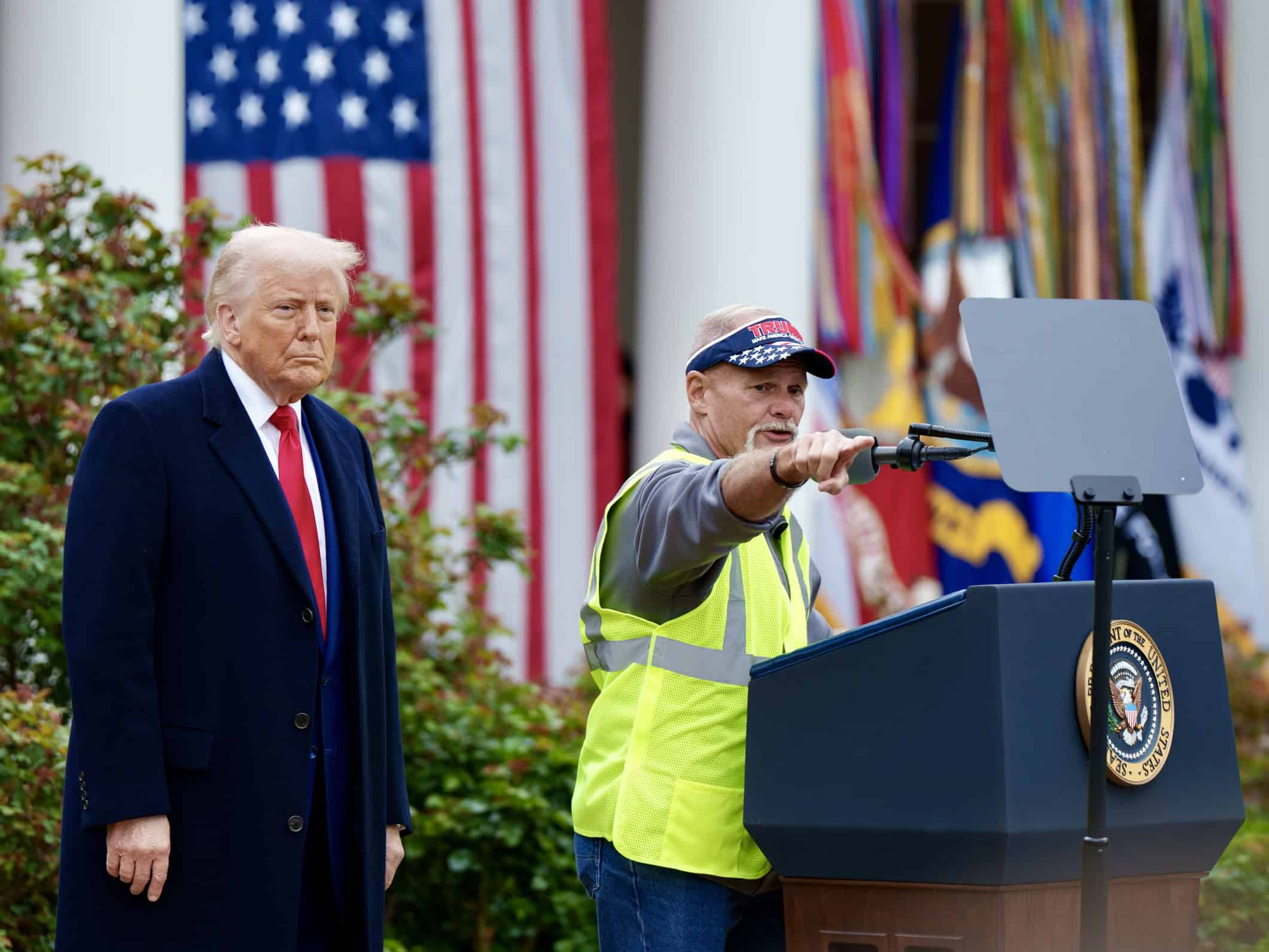
During the campaign, Trump mentioned several times that Chinese auto manufacturers should invest in the United States if they don’t want to see tariffs. Does that change your perception of whether decoupling is being prioritized by the administration?
There have definitely been a number of offhand comments along those lines, which are best understood in the context of the general argument for tariffs. Whenever Trump is talking about tariffs, he’s making the point, “look, if you don’t want to pay the tariff, just come build the thing in the U.S.”
In general, if you look at what the administration is doing on China, and Congress increasingly stepping up when it comes to outbound investment restrictions on China as well, it’s pretty clear that the end game is not ‘let’s find a way to get more investment flows with China.’ It’s that we are going to have to prevent these investment flows from China. And that goes not only for the U.S., but also for U.S. trading partners. If you want to have your products coming to the U.S. market treated as originating in Mexico, they better not be from a BYD factory.
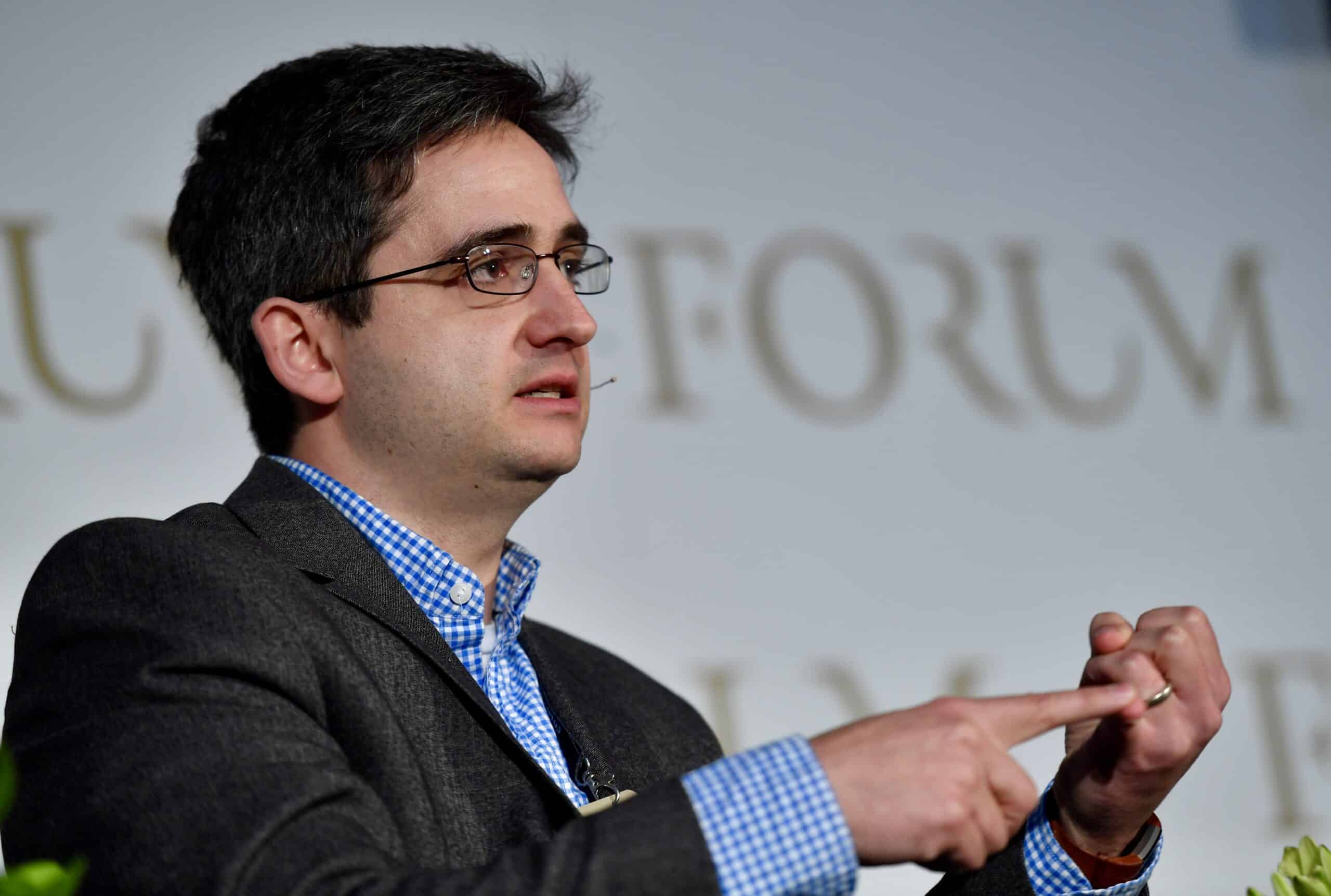
In your book, you point out a number of drawbacks with tariffs, including that when they’re overly broad, they can slow trade down indiscriminately, and when they’re targeted, they can become prizes for industries to chase. You write that a “well-placed tariff” can be easily counteracted with a “well-placed subsidy.” How has your thinking on this issue evolved?
I’ve always emphasized that tariffs are not some panacea that have all benefits and no costs and solve all problems. In recent years, some of the way that my thinking has shifted somewhat is in recognizing that as a matter of political economy, the bluntness of a tariff is likely, for the most part, to be a benefit. From a perspective of policy design, there are all sorts of ways you’d say a blunt, across-the-board tariff isn’t going to get you the best result, but in a world of the realistic options available to policymakers, the relatively broader and blunter tariff is the most plausible structure that gets you the closest to what you’re trying to accomplish.
Do you expect well-placed subsidies to emerge in other countries as counters to these Trump tariffs?
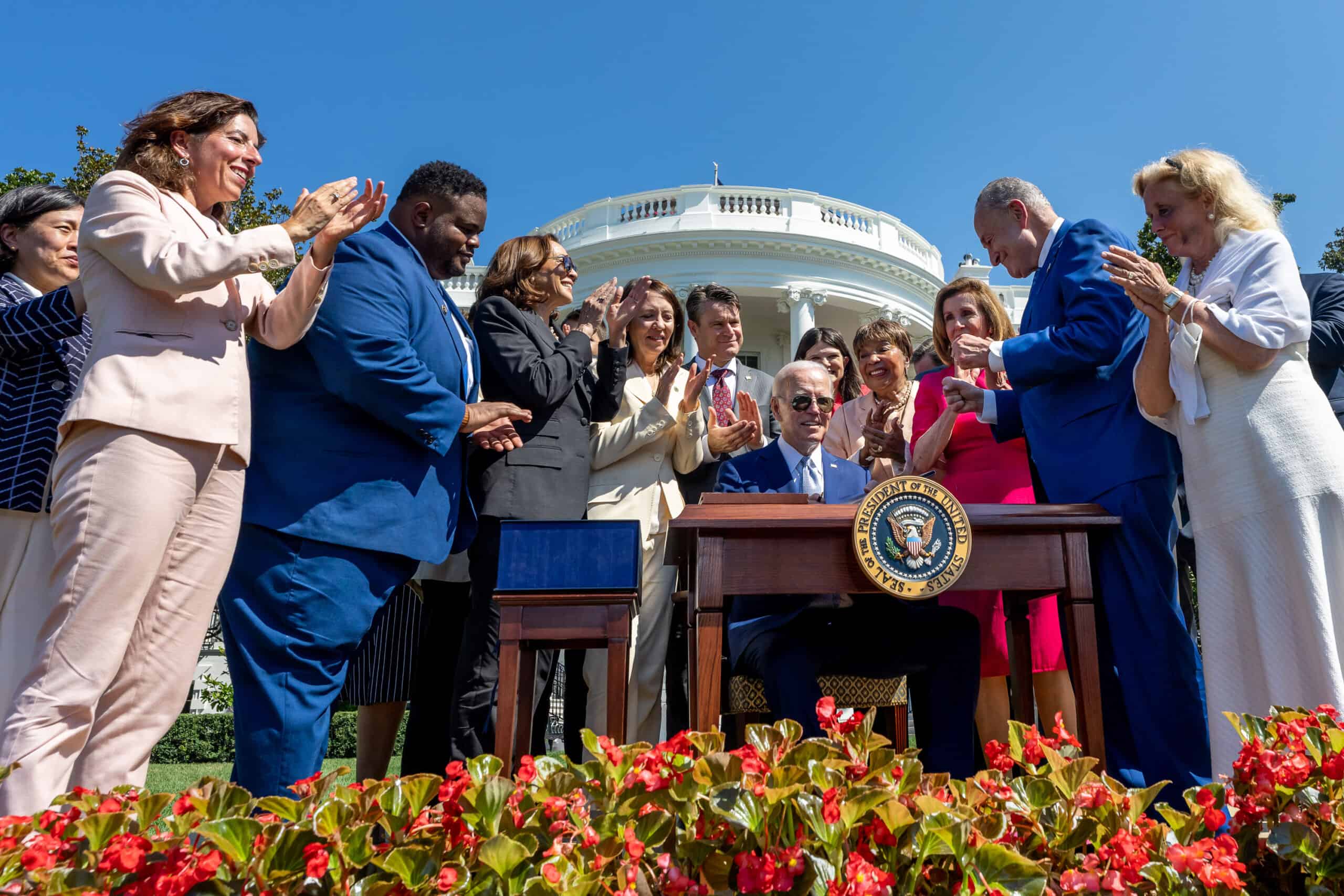
Frankly, you already have a lot of heavy subsidization. In general, it’s not something I worry about, particularly if you’re taking a fairly broad approach. But what it does argue for is, if you care a lot about domestic chip manufacturing, you have to recognize that you’re actually going to have to do a CHIPS Act and support domestic chip manufacturing. You can’t just have a global tariff and trust that that’s going to overcome foreign chip subsidies in bringing a particularly valuable industry like that back domestically.
That seems to be one area where there’s divergence between the Biden administration and the Trump administration. Which approach is most effective?
I think you definitely need a combination. Broad tariffs are the most effective way to address the broad systemic imbalances in the global economy. If there’s a particular industry or product that you’re particularly concerned about reshoring domestically, you can’t count on the broad tariff to necessarily deliver that.

One thing that surprised me in your book is that you have been supportive of some trade deals, including the Trans-Pacific Partnership, which Trump famously called a “rape of our country.” Even Hillary Clinton didn’t support that deal. What makes you think these types of agreements are good ideas, even as you say the overall trading system has led to so many costs?
It speaks to the end point that we want to be put forward, which isn’t one of high trade barriers everywhere. It’s one of balanced trade primarily within a friendlier bloc. Ideally, the United States would have free trade with its allies, and that trade would be balanced. And to the extent that that is a relatively larger market, that’s going to be good for the U.S. in terms of both economic outcomes and national security. The question is, how do you do both those things at the same time, or else how do you sequence them?
I think what you’re seeing the Trump administration focus on now is essentially: okay, how do we create a new structure? Basically, we reset the rules. Instead of trying to transition gradually from the status quo to something new, we are going to go back to square one and say the default is now that you’re out. If you’d like to come in, here are the conditions.
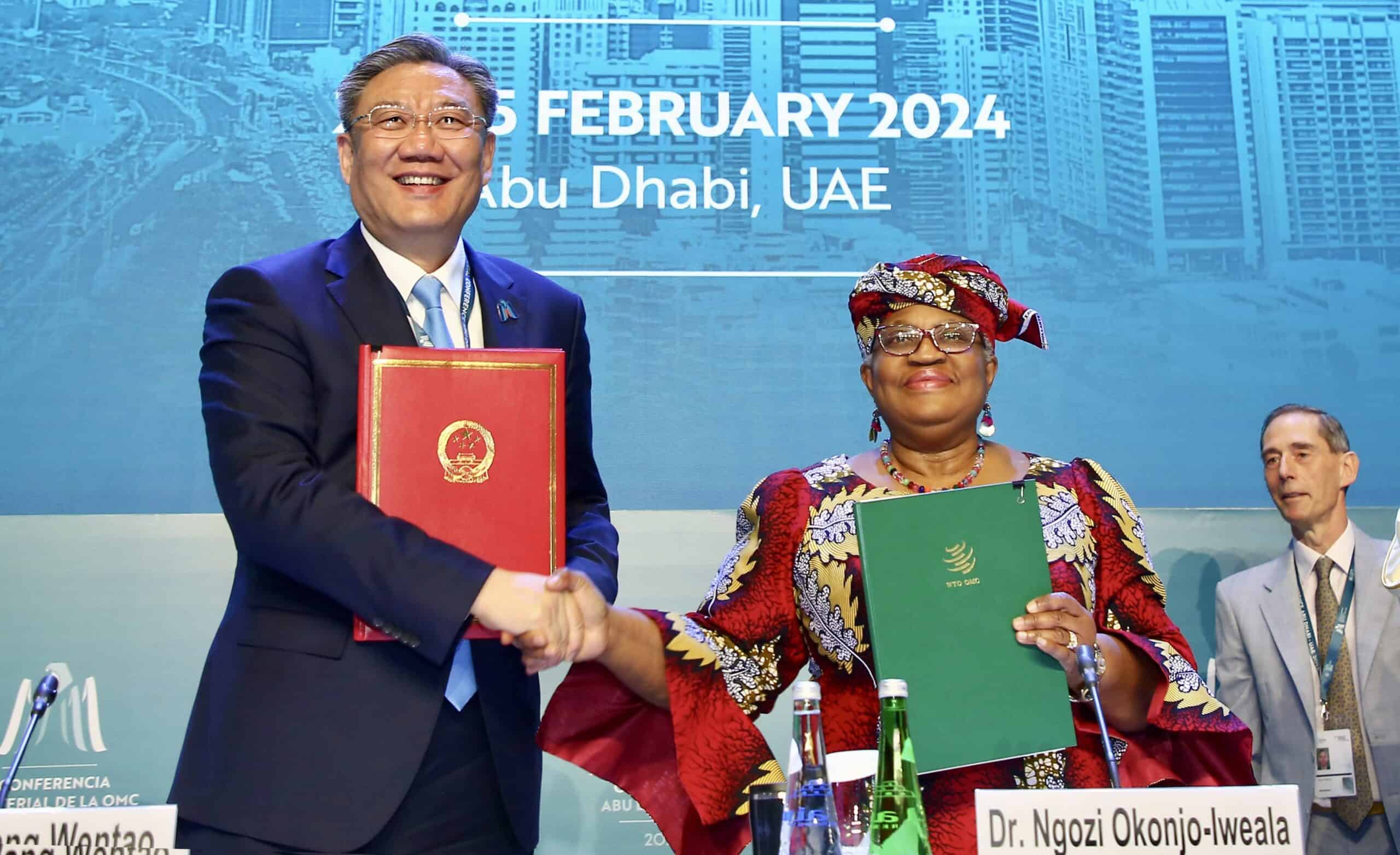
In part, that’s a response to the continued deterioration of the system. We tend to forget how young the actual WTO system is. It only started in the mid 1990s. China joined in 2001. And by roughly 2012 people are observing what a total failure it is. And now what you see is an administration that has a pretty clear idea of a better model that it wants to get to instead, and it’s getting started on trying to build that.
What is that model? How do you have that balanced trade and also have free trade without high tariffs for the industries that you are trying to protect?
The trade balance is a function of policies in various countries. It’s really important to keep in mind that the idea of comparative advantage, the basis of the classical model of free trade, isn’t that you might have giant imbalances, and some countries naturally are going to have huge trade deficits, and other ones are going to be where everything gets made. It’s that which things get made in different places is going to be a function of the natural endowment of the countries, and that’s primarily going to be in terms of things like agriculture and natural resources.
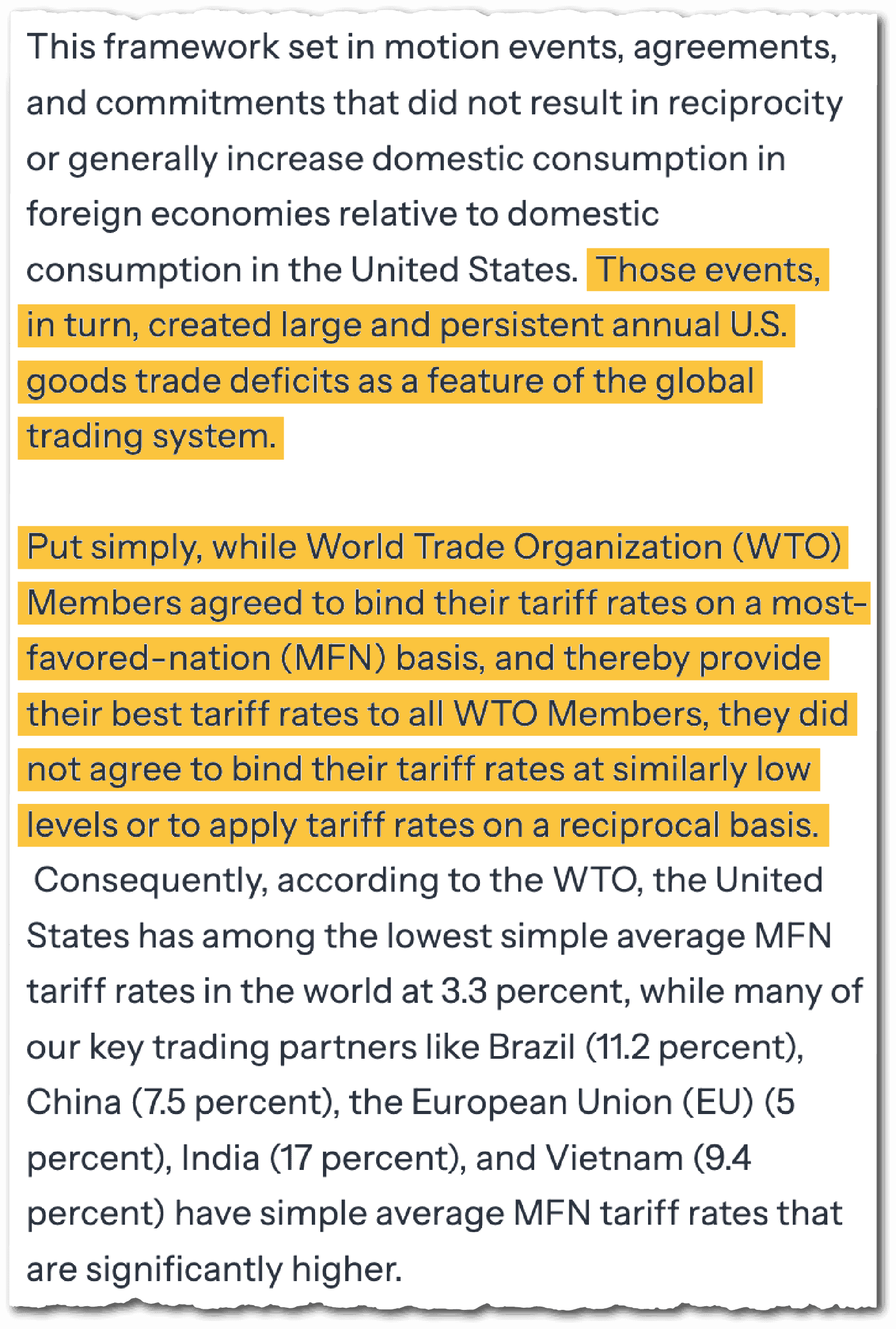
What you do need for that system to work is a set of countries that all see the value in that kind of system, rather than pursuing beggar-thy-neighbor policies in which they try to enrich themselves at the expense of others.
The Trump administration is basically changing the option set. The option set all along has been you can do whatever you want, and the U.S. will just smile, in which case the best option for other countries is all sorts of really counterproductive stuff that harms the U.S. economically. And the Trump administration is now saying that that option is off the table. The options are either you behave, sponsoring what could and should be a balanced free trade system, or you don’t. And there are real consequences for that. And other countries are going to have to decide which they prefer with the options, but I think it’s quite likely that if you’re among the main American allies, you’re going to say, “yeah, that sounds pretty good.”
As you said previously, you expect the global trading system will retrench into blocs led respectively by the U.S. and China. But right now, countries are pretty upset with the U.S. on its tariff policy. What’s going to be the force that allows them to overcome their frustration with the U.S. and choose America in that vision of the trading system?
The force that allows them to overcome their frustration is going to be reality. What they are frustrated about, first and foremost, is that the old system that they like is no longer going to be available. I’m pretty sure that if the choice is between going it alone, teaming up with China, or working with the U.S., most of them are going to get pretty excited about the U.S. option pretty quickly.
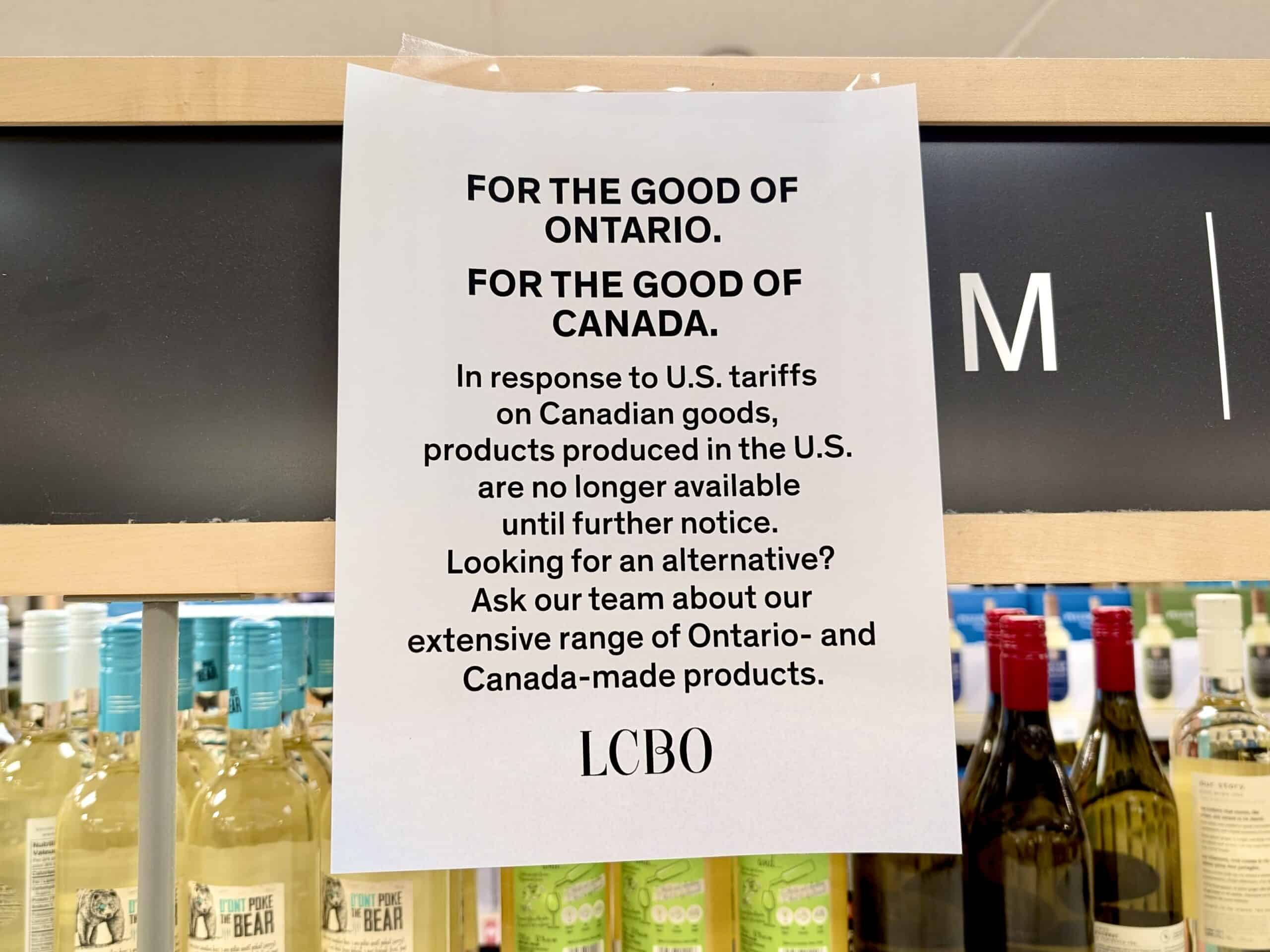
There’s obviously going to be a period of transition and all sorts of disruptions and low-level disagreements along the way. But I struggle to take seriously the posture of a Canada that says “We’re so offended by the United States. We really think we’d be better off in an alliance with China.” The U.S. has an awful lot of room to run on how it behaves before that becomes an actually credible position for Canada to take, which isn’t to say that the United States should push as far as it can, but it is to say that other countries are going to have to accept that the United States is going to advance its own interests.
Earlier in our conversation, you said that the concerns the U.S. has with China speak to the “fundamental incompatibility” of their economic and political systems. What makes these two systems so incompatible?
China is a nonmarket economy dominated by a Communist Party running an authoritarian dictatorship, and the United States is a market democracy. There’s never been an instance in human history of two systems like that successfully integrating their markets.
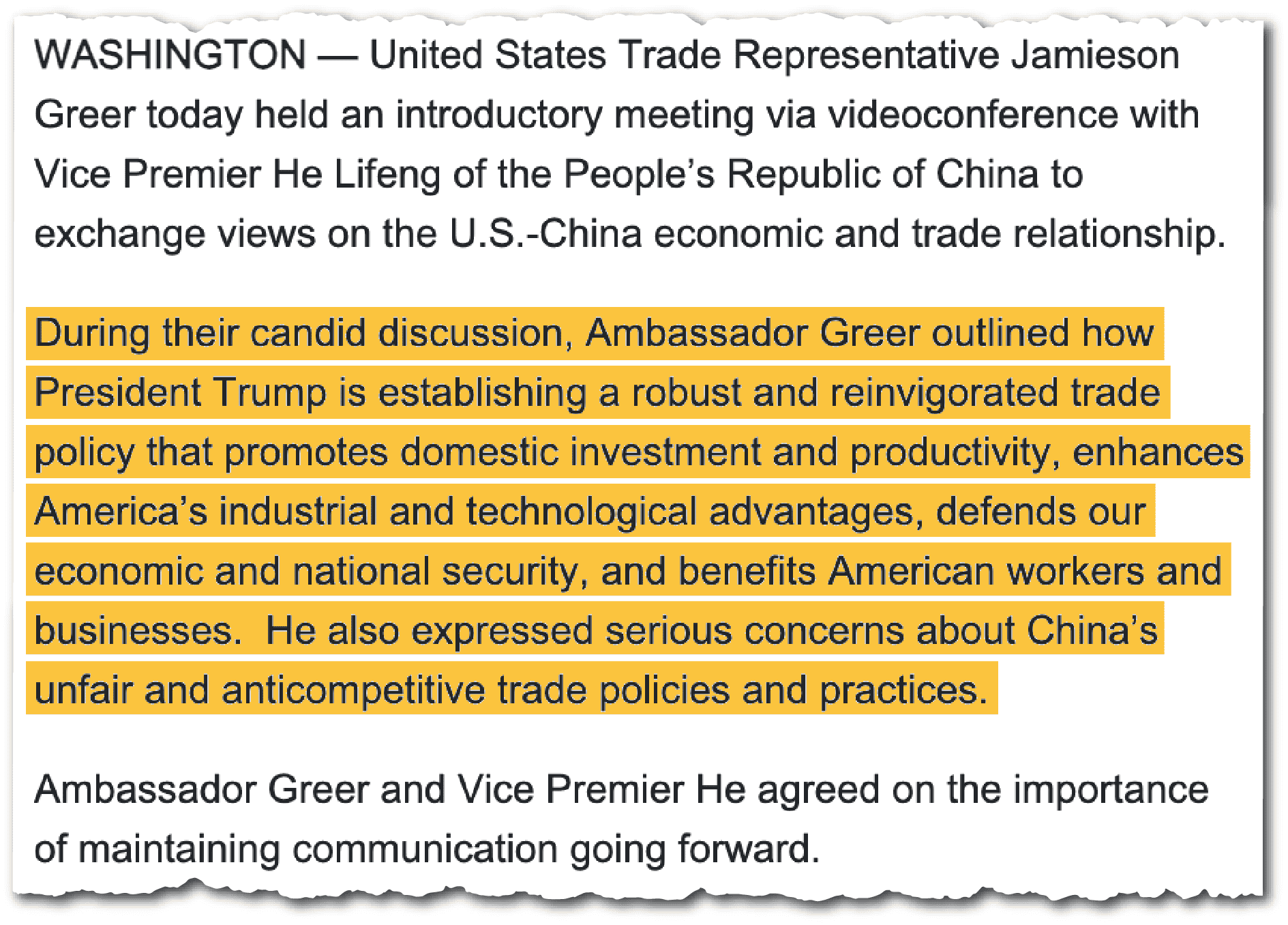
Where the rubber meets the road on that is recognizing that free trade and free markets are only consistent concepts when you’re talking about free trade amongst countries that have free markets. If you propose free trade between the U.S. market and the Chinese market, what you’re saying is that every single decision of the Chinese Communist Party and the distortions that it imposes should be imported into your domestic market as well. That’s simply not compatible with U.S. values or the policies that the U.S. believes are going to be best for its own citizens.
What makes a market democracy work is you can have some faith that business leaders in the private sector pursuing profit can focus on how best to pursue that profit. If you tell American corporations the best path to profit, and the thing that is going to increase enterprise value the most, is becoming friendly with the CCP, and doing what the CCP wants you to do, that’s what American business leaders are going to do.
…if you have investment coming from the CCP, the people who are directing that investment are not making decisions based on market logic. They are making those decisions based on compliance with the priorities of the CCP.
Either you care about those things, or you don’t. But if you actually want the United States to be able to uphold American values, both economically and politically, then you can’t subject them to the whims of the Chinese Communist Party.
Why is it bad for the U.S. economy if a Chinese business in a non-risky sector, like if a Chinese coffee chain opens up stores in America, invests in the U.S. and begins hiring U.S. workers?
That’s a silly and pedantic question. Nobody is focused on or primarily concerned about a Chinese coffee shop opening in the U.S.
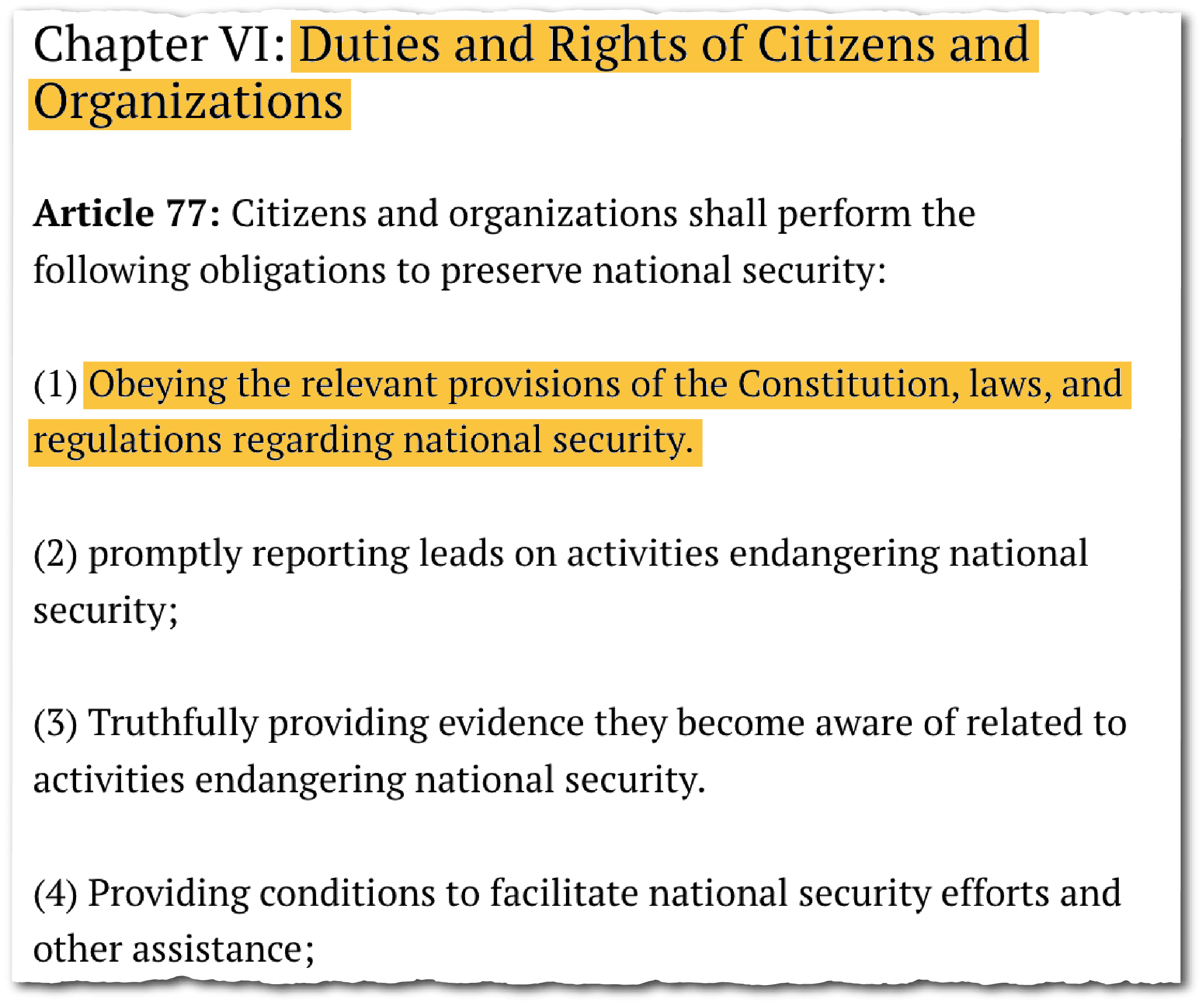
What I mean broadly is any sector where it’s not a national security risk and the investment is creating jobs. Why is that bad?
The distinction I would make is that if you have investment coming from the CCP, the people who are directing that investment are not making decisions based on market logic. They are making those decisions based on compliance with the priorities of the CCP. And secondly, they are going to be subsidized by the CCP to the extent that this is something the CCP wants.
What that means is that you’re now asking American companies to compete with another company that is not oriented around profit maximization and does not face a comparable cost structure. And that is very bad for the domestic market, in principle and in quite inefficient distortions that it’s likely to create. I guess the question would be the converse. Why on earth would you want to allow that? Who on earth would have suggested we should have Soviet coffee shops?
An idea floating around Trumpworld is that the administration will use economic policy as a tool to get other countries to accept dollar devaluation, which in turn would relieve a structural headwind facing American exporters. This is sometimes called the Mar-a-Lago accord. It seems unlikely that China would sign on to that deal unless it had some incentive to do so. What do you view as the likelihood or the tools that the U.S. could use to get it to participate in such an arrangement?
A Mar-a-Lago accord doesn’t require China to sign on. The more likely outcome is that China does not sign on, PNTR is revoked, and China faces very high tariffs. The successful Mar-a-Lago accord is one in which those countries that are going to be in a U.S.-led trading system are comfortable agreeing to it. If a world people can agree they want to see has balance and relatively few tariffs, then a Mar-a-Lago accord that, relatively speaking, reduces the value of the U.S. dollar, is a fantastic step in the right direction.
How do you respond to opponents that say the strength of the dollar has given America geopolitical leverage and made it cheaper for corporations who have operations abroad to do business?
Dollar dominance as a medium of exchange in the global system is a very different question from the level of the dollar. I’ve never been sure, beyond laziness, why people so casually conflate those things. There’s no reason to believe that in the kind of system we’re talking about here, the dollar wouldn’t continue to maintain its primary role, at least within that set of economies that the U.S. wants to be on very good terms with.
There is an argument that the U.S. benefits in foreign policy terms, not economic terms, from the leverage it’s able to gain over the international system, in deploying sanctions and so forth. But I think that’s proven to be almost entirely a paper tiger — people thought it was a power that the United States had until it actually tried to use it in the case of Russia. It’s proved pretty much entirely ineffective. So primarily what the U.S. has done is give the typical working family a set of costs, not benefits, of an overvalued dollar in pursuit of a foreign policy advantage that was not actually conferred. And we should be very glad to move away from that.

Noah Berman is a staff writer for The Wire based in New York. He previously wrote about economics and technology at the Council on Foreign Relations. His work has appeared in the Boston Globe and PBS News. He graduated from Georgetown University.