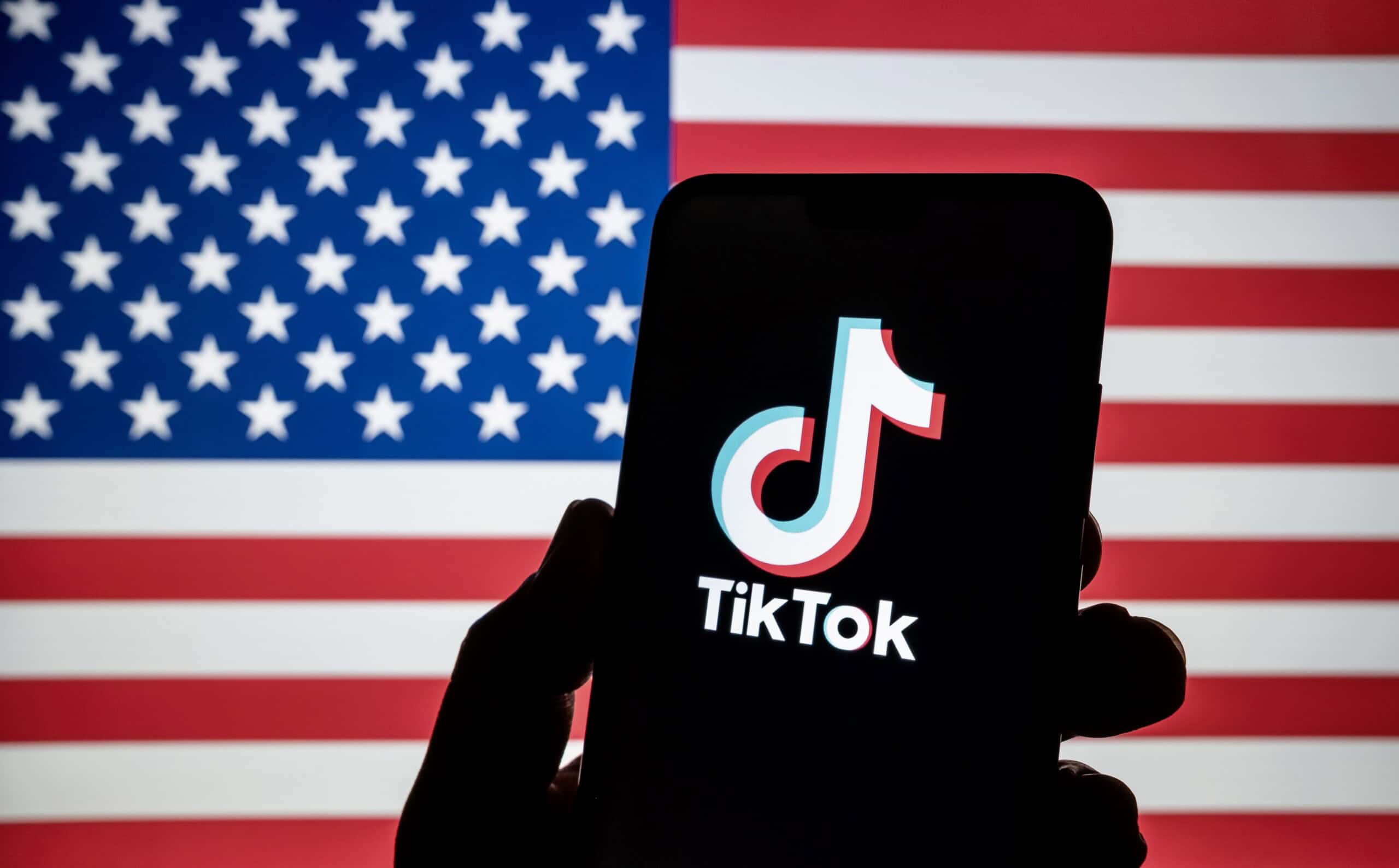
In October 2019, then-Senator Marco Rubio sent a letter to the Treasury Department that began a five-and-a-half year battle between the American government and TikTok. Two presidents and three administrations later, TikTok and its Chinese owner, ByteDance, face a crunch moment.
An excerpt from a letter sent by then-Senator Rubio to then-Treasury Secretary Steven Mnuchin on TikTok and "Chinese influence operations", October 9, 2019.
Or at least they did, until President Donald Trump said
Subscribe or login to read the rest.
Subscribers get full access to:
- Exclusive longform investigative journalism, Q&As, news and analysis, and data on Chinese business elites and corporations. We publish China scoops you won't find anywhere else.
- A weekly curated reading list on China from Andrew Peaple.
- A daily roundup of China finance, business and economics headlines.
We offer discounts for groups, institutions and students. Go to our
Subscriptions page for details.
Includes images from Depositphotos.com