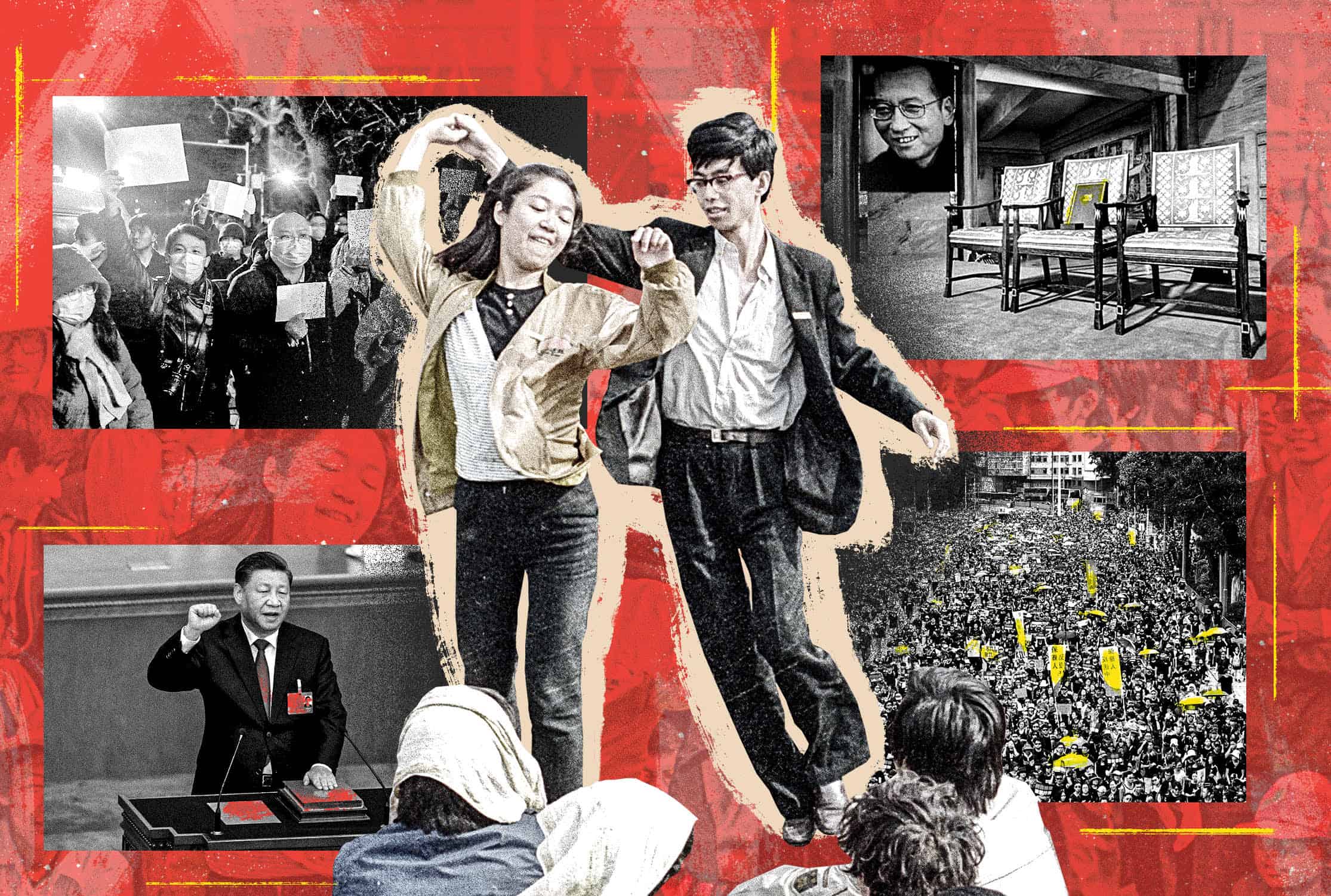
Jeffrey Wasserstrom is a professor of history at UC Irvine and a specialist in modern Chinese history. He is the author or editor of more than a dozen books, including Vigil: Hong Kong on the Brink. His most recent book is Everything You Wanted To Know About China: But Were Afraid To Ask, a very handy primer on contemporary China.
Illustration by Lauren Crow
Q: How did you come to write this book?
A: I was invited to do a marathon podcast session with Lex Fridman, which got more attention than anything I’ve ever done. Minh Bui Jones, a writer and editor friend of mine who has founded periodicals in the past (The Diplomat, Mekong Review) had recently started a series of short books. He thought the interview had the basis to make a valuable primer on contemporary China.
The book unfolds as a series of questions, ranging from Confucius to the Cultural Revolution to the Great Firewall. How did you and Jones formulate the questions?
The initial set of selections was from the podcast, though everything was edited and reworked, with some questions cut and others tweaked. I should note that I did another question-and-answer-based book for Oxford some years ago, co-written with Maura Cunningham, but this is radically different in style, much chattier, and with a much tighter focus on placing developments of the last decade into perspective.
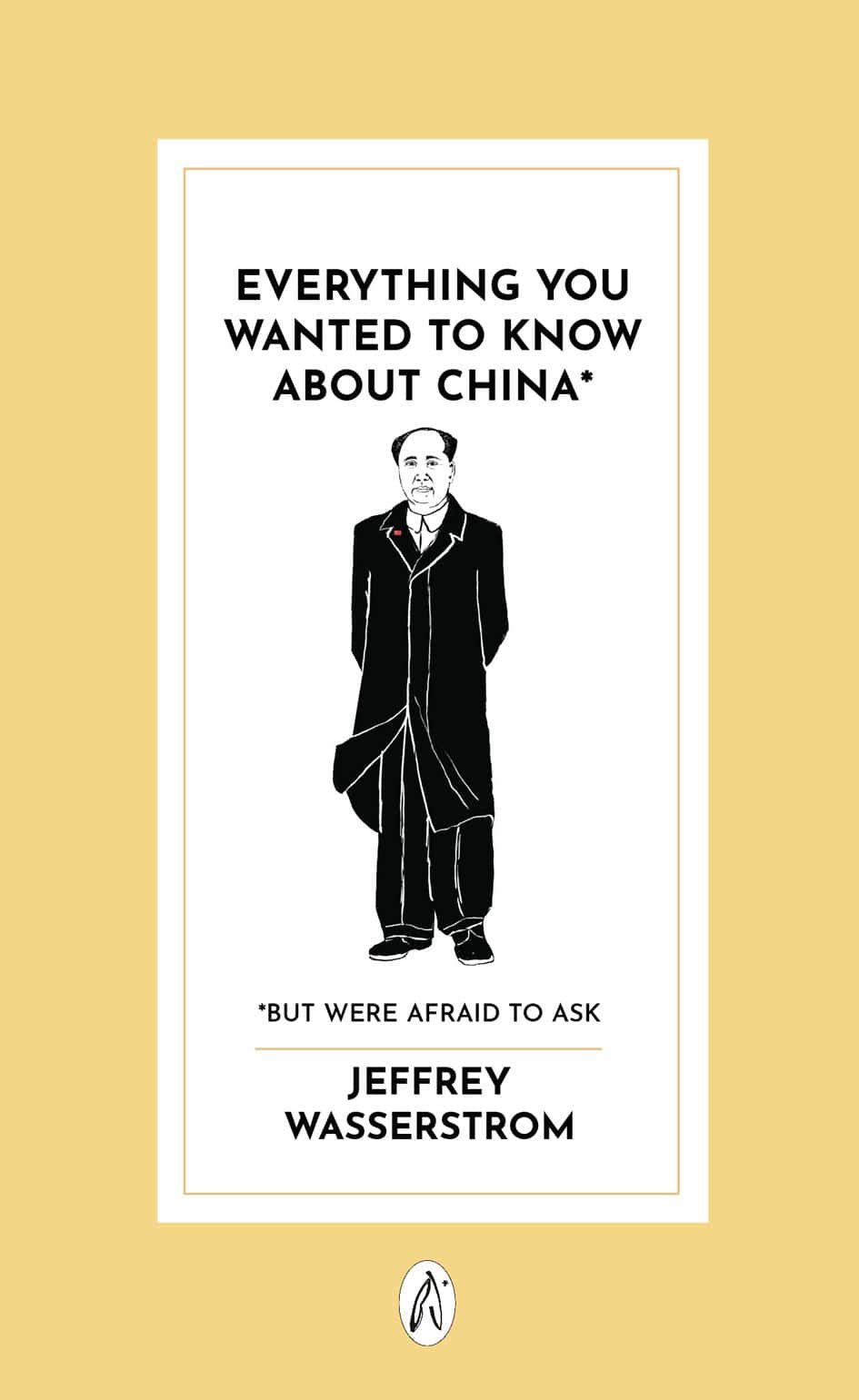
The focus here is to take the temperature of what’s new about the situation in China, after Xi Jinping has really put his stamp on the political system, what’s carried over from the past, and even what it is about the new era in Chinese politics that sometimes alters the meaning of things from the distant past. One of the things that’s distinctive about Xi is a particular eclecticism he’s shown in trying to create a vision of China that is both surging into the future and deeply connected to its own distant past, or rather an imagined version of that past. There’s a strategic use of ideas of a singular Chinese tradition underway.
If there’s one takeaway I hope readers will get, it is to look with suspicion at any claim about there being a singular set of Chinese values or Chinese ways of viewing the world. It always has to be seen in the plural.
Did you also want to correct some common misconceptions about China and Chinese history?
That was more important than anything else. To be clear, a lot of the misconceptions that bother me are ones that other people are challenging; I try to give shout-outs to as many of the important myth-busting works that are done by specialists. But I had this feeling that, while if you read ten books on Chinese history and politics this would clear up a whole series of misconceptions, it was valuable to put them into one place in bite-size informal chunks.
What is one common misconception you tackle?
| BIO AT A GLANCE | |
|---|---|
| AGE | 60 |
| BIRTHPLACE | Palo Alto |
| CURRENT POSITION | Distinguished Professor of History, UC Irvine |
The idea that 1989 in China was like 1989 in Eastern and Central Europe, an effort to put an end to Communist Party rule. It just wasn’t. This is a case where popular understanding gets led astray by overstating the fit of a common analogy: that the protests across the former Soviet bloc and in China that happened at the same time were basically alike, but just had different endings. Sure, there are parallels but it’s an imperfect analogy due to major differences.
To get a clearer idea of China’s 1989, I find it useful to bring in another analogy, which I stress from the start is an imperfect one, but has a value in being unexpected and thereby helping shock people into thinking differently. I argue that 1989 in China was actually a lot like 1968 in Central and Eastern Europe: an effort to have Communist Party rule go on but with different leadership. Then it was repressed with tanks. There was even a photograph in Czechoslovakia of a man standing in front of a tank, baring his chest. It gets you out of a box of some of the misconceptions that arise with putting too much stock in the Tiananmen protests and lead up to the Berlin Wall’s fall comparisons.
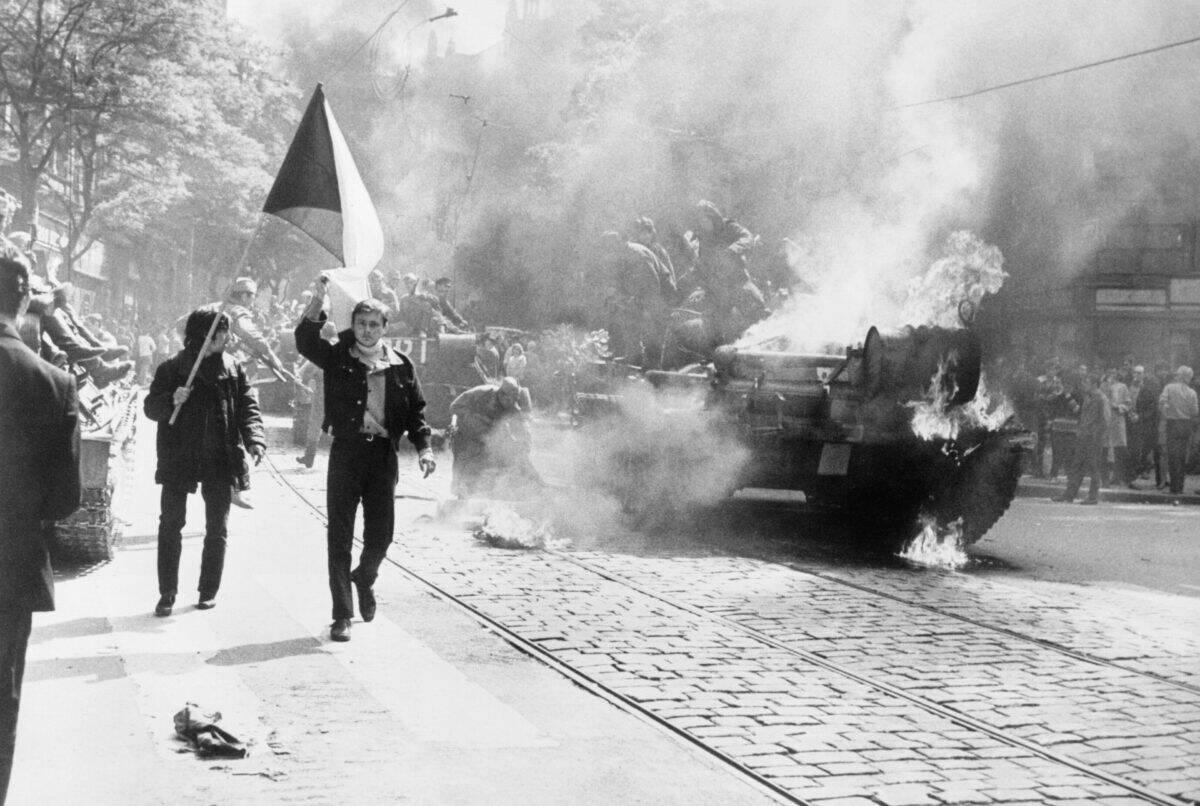
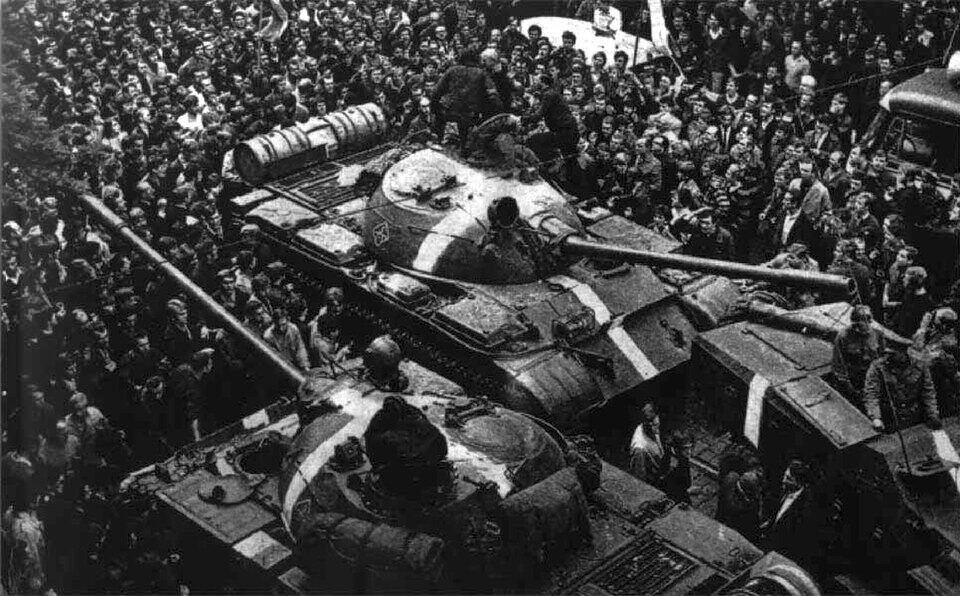
Left: Czechoslovaks carry flags past a burning tank, Czechoslovakia, 1968. Right: A crowd of protesters surround tanks, Czechoslovakia, 1968. Credit: CIA, Engramma via Wikimedia Commons
You do seem to linger on Tiananmen in the book.
In the original podcast there was a lot on Tiananmen and the tank man and it seemed worth keeping much of it in. One reason is that the Tiananmen story may be old but it keeps looking a bit different as history goes on. It looks different to me in the wake of Hong Kong’s 2019. For instance, the idea that the party refuses to talk about moments when there were mass challenges to it is not the same. In Hong Kong, there’s a lot of talk about what happened in 2019. There’s an effort to sell the Chinese Communist Party’s version of what happened then as this chaotic moment in which harsh measures needed to be taken. There isn’t this kind of effort to silence discussion of it, which was the strategy that developed after Tiananmen. Initially, the party talked about Tiananmen a lot but then realized their story wasn’t holding. Now they’re trying this again with Hong Kong, to spin the story rather than silence it, and sticking to their narrative, which I find misleading.
| MISCELLANEA | |
|---|---|
| FAVORITE BOOK | Anne Fadmin’s Frog: And Other Essays |
| FAVORITE FILM | The Princess Bride |
| FAVORITE MUSICIAN | John Prine |
| MOST ADMIRED | Netiwit Chotiphatphaisal and Gwyneth Ho |
You first came to China to study protest movements, right?
Yes, I was interested in the history of protest and revolutions. I had started out focused on Europe but China had such a rich history of revolutions and resistance that I moved into Chinese studies. My original research plan when I went to China was to write a dissertation on Shanghai crowd actions in the Chinese Revolution. But I drifted into focusing on students; and then there were a series of campus protests while I was there in 1986 and I was hooked.
For laypeople trying to make sense of China — readers of your book — why is it important to know the basic arc of Chinese history?
It’s crucial to both know something about the arc of Chinese history and also something about the spin the Chinese Communist Party is putting on that arc. The way historical narratives are told really matters. They’re important in efforts to legitimate governments. You can’t have a critical distance to them unless you have some degree of knowledge. Otherwise, it’s too easy to just take at face value the story that the party tells about the country’s past.
…there are multiple traditions and ways that people can draw on Chinese culture and China’s past. There are more cosmopolitan traditions in the Chinese past, more liberal, more culturally open than the current Xi Jinping order, which says there’s only one way to be Chinese.
There are some odd misunderstandings about Chinese history that the party embraces and that some opponents of the party embrace as well. For instance, some in both camps buy into this idea of 5,000 years of continuous Chinese civilization and a kind of singular view of that, which either the party represents or the party has been bent on destroying. It is really important to break away from that whole dichotomy. There is actually a truer story of Chinese history that is full of various strands being pulled together and recombined in different ways by different power holders.
This misstating of history surfaces often in Taiwan discussions, where you see even neutral observers writing that Beijing wants Taiwan to “return” to China, a country it never belonged to.
Same with Hong Kong. I never say that Hong Kong was returned to China in 1997, because the China that exists now — the People’s Republic of China — Hong Kong was never part of; it was part of the Qing Empire.
The Taiwan story is similar. In the 1950s, Chiang Kai-shek and Mao would have both said, “There’s this one country of China, it’s just that part of it is not under my control, but someday it should be reunified under my control.” Chiang Kai-shek had a mental map that was the Republic of China that included all of the mainland and Taiwan. And Mao had this People’s Republic of China mental map that at some point would include Taiwan. The story that was being told in Taipei and in Beijing was that there was this temporary situation where part of the country was in the hands of nefarious counter-revolutionaries.
How are Mao and Xi imperfect analogies?
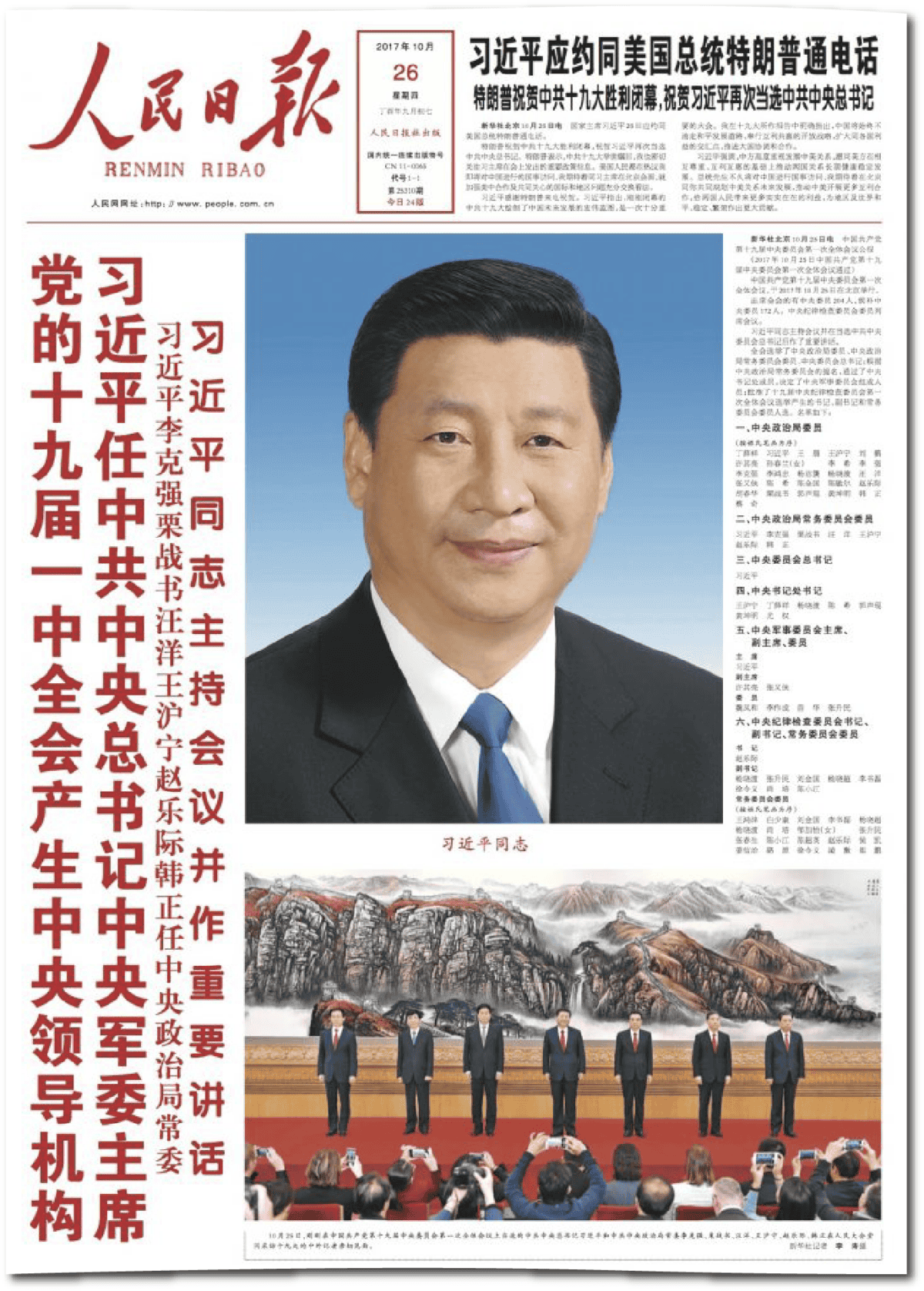
There are important parallels. There are ways in which Xi Jinping is more like Mao than he is like his immediate predecessors. There’s more of a personality cult around him than there was around his immediate predecessor, Hu Jintao. There was no personality cult around Jiang Zemin. Even with Deng Xiaoping there was not the same promulgation of his face and quotations from his work. If you went into a bookstore in China in the late 1980s, early 1990s or early 2000s, you didn’t immediately see collections of the speeches of China’s most powerful living leader, whereas you do see that with Xi Jinping now, and you did see that with Mao. There are reasons to be thinking about Xi Jinping as in some ways returning to Mao’s style — more rule by a single individual than rule by committee in which one person is first among equals.
But there are also key contrasts to keep in mind. Mao liked the idea of stirring things up, of having people out on the streets. He thought that a bit of upheaval could be a good thing. Xi clearly doesn’t. He promotes the idea of orderliness. Mao famously denounced Confucian ideas as something that had held China back. Xi, by contrast, venerates and celebrates Confucian ideas. Mao talked about the idea of promoting gender equality. Under Xi, there’s been a crackdown on feminists and a veneration of traditional roles.
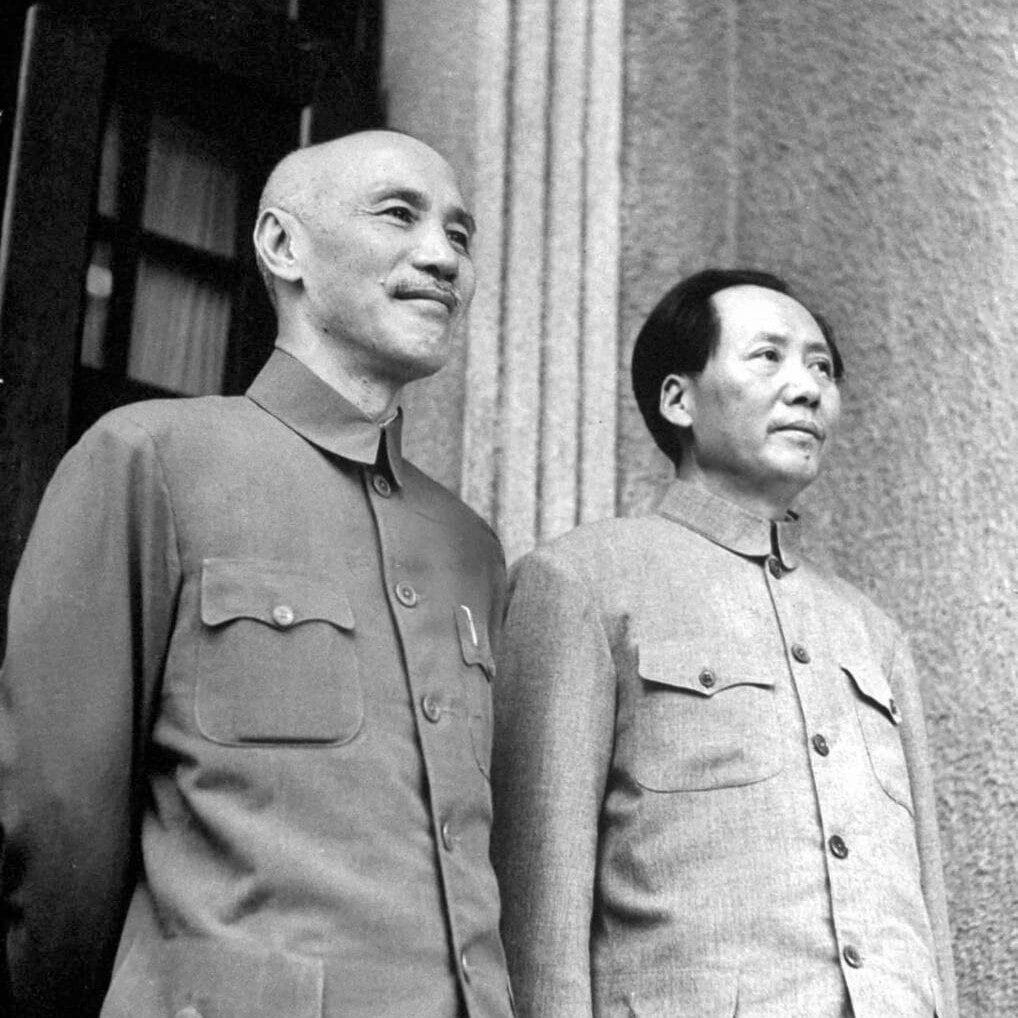
There’s actually another leader who Xi Jinping has a lot in common with, especially if you think about those things that differentiate him from Mao and that is Chiang Kai-shek — who we should remember was the head of a one-party system, one headed by the Nationalist Party, and had a personality cult. He ended up ruling for life, in Taiwan. He and Mao had a lot in common, but one of the things that differentiated them was that Chiang Kai-shek talked about promoting Confucian values; he didn’t like the idea of chaos. He identified with people in the Chinese past who had restored order and maintained stability.
In analyzing contemporary China, you write that Aldous Huxley’s dystopia in Brave New World is more relevant than Orwell’s 1984. Why is that?
It’s another example of an imperfect analogy, or the need to make room for two imperfect analogies that together get us closer to a clear-eyed view. It’s not that Huxley’s Brave New World is a perfect lens through which to see China. But it’s so common for people to think about the PRC as one of the quintessential Big Brother states and to focus on elements of that dystopia. In Brave New World, the idea is that an authoritarian system keeps ticking along largely because of the way the authorities manipulate people’s desires and keep them distracted and entertained. That’s very different from the 1984 image, in which control is through a boot-on-the-face style of intimidation and fear.
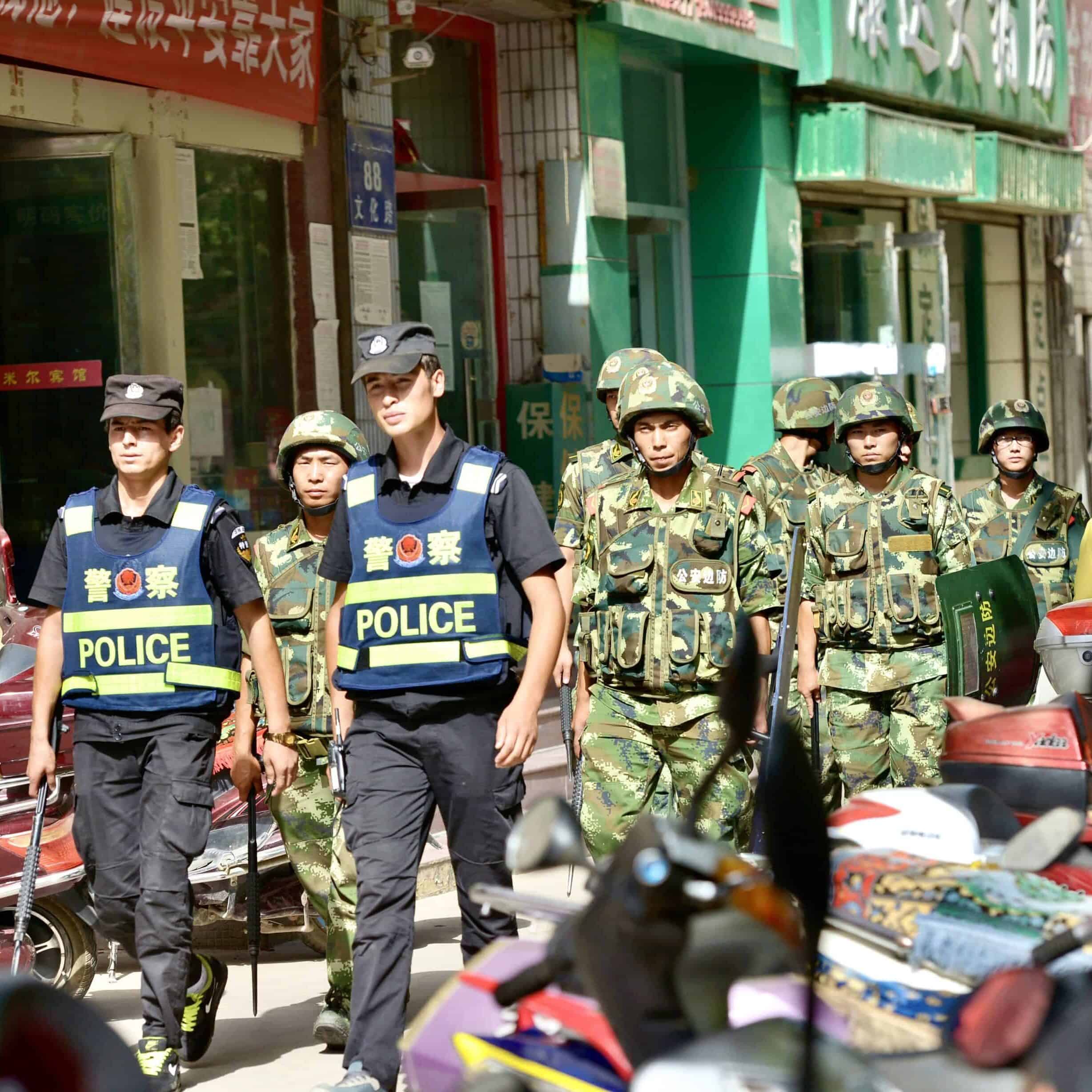
For many aspects of the endurance of the Chinese Communist Party, they’ve developed an appreciation for how important it is to keep at least some parts of society feeling that they have choices — about how to be entertained, how to consume — that maybe will help delay the intensity of their demand for choices in how they’re ruled. There are different parts of the country that are more 1984 and others more Brave New World. The style of rule in Tibet and in Xinjiang is much more of a boot-on-the-face rule through fear. But at least among the middle classes within places like Shanghai and Shenzhen, you have much more of a rule through distraction.
What is the “other China”?
That’s an idea I adapted from Geremie Barmé, whose work I admire a lot. The “other China” is a reminder that there are multiple traditions and ways that people can draw on Chinese culture and China’s past. There are more cosmopolitan traditions in the Chinese past, more liberal, more culturally open than the current Xi Jinping order, which says there’s only one way to be Chinese. There are differences related to religion and ethnicity and language and all sorts of other things,too.
This other China — a vision of a less rigidly defined China, one that’s more open to variation — is something that is kept alive in pockets within even the most repressive moments in Chinese history. There are places within China where people are having different kinds of conversations and questioning these ideas. Hong Kong was a crucial place for “Other China” discussions that you couldn’t have on the mainland. There would be literary events, debates, and all kinds of things that kept alive this “other China.” There’s been a reduction of that space in Hong Kong.
There have been other times in the past when important discussions about China and Chinese culture were taking place outside of physical China — at the end of the Qing era in places like Yokohama, where Liang Qichao and Sun Yat-sen and people affiliated with their causes were cycling through. Now, similarly, a lot of the energy of “other China” kinds of discussions sometimes takes place outside of physical China, in places like diaspora bookstores — JF Books in Washington DC, or the Nowhere Bookstore chain in Thailand, the Netherlands and Taiwan. Ian Johnson’s archiving project of unofficial views of China and journalist Li Yuan’s wonderful “Bumingbai” podcast are also part of this “other China” spirit. It’s pushing back at the notion that there’s only one kind of acceptable, orthodox way to be Chinese.

Brent Crane is a journalist based in San Diego. His work has been featured in The New Yorker, The New York Times, The Economist and elsewhere. @bcamcrane