In November 2023, Ding Linwei stepped onto a stage in Beijing to deliver the most important presentation of his life. In a bright orange polo shirt, black pants and sneakers, Ding looked every bit like the thirty-something software engineer he was. With his pitch at MiraclePlus’s Demo Day, the highlight of the prestigious Chinese investment firm’s biannual incubator camp, Ding hoped to make the leap to the career he dreamed of — that of a successful entrepreneur.
His product was a networking solution that could harness thousands of artificial intelligence chips into a single powerful supercomputer — the kind of technology that China, in its drive to win the AI race, covets.
On a slide displayed behind him, Ding laid out a bold claim: “Fewer than 10 people worldwide have built or can build tens-of-thousands-of-cards compute platforms. Mr. Ding Linwei is one of them.”
What Ding did not disclose to the audience that day was that he was living a double life.
At the same time he was growing his company, Zhisuan Technology, in Beijing, Ding was also an employee at Google — a mid-level software engineer known to his colleagues as Leon, working at the tech giant’s headquarters in Sunnyvale, California. Nor did Google know that Ding was moonlighting as a startup founder in China, pitching investors and claiming expertise over some of Google’s most valuable assets.
What happened next would culminate in one of the most high-profile China-related indictments of the Biden administration.
On December 29, about a month after Ding’s presentation, security officials at Google received a tip about Ding’s activities in Beijing. As investigators reviewed activity logs from his work laptop, they discovered that Ding had uploaded hundreds of files to a personal Gmail account. Many of those files had names that matched internal codenames for Google’s most advanced AI chips.
Within days, Google passed this information to the Federal Bureau of Investigation. On January 6 2024, Ding awoke at 6am to the sound of loud knocking at his front door. Half dressed and without his glasses, he shuffled out of his bedroom. He hadn’t made it downstairs before the battering ram broke through the door. No fewer than 18 officers rushed inside, detaining and handcuffing Ding at gunpoint before turning over his home and confiscating his passport.
There are things about Ding’s behavior that you see in other cases, but not quite as blatantly. He advertised Google’s software in China. He went on a marketing spree, looking for investment and advertising the technology that he allegedly stole.
Nicholas Eftimiades, a former defense department official
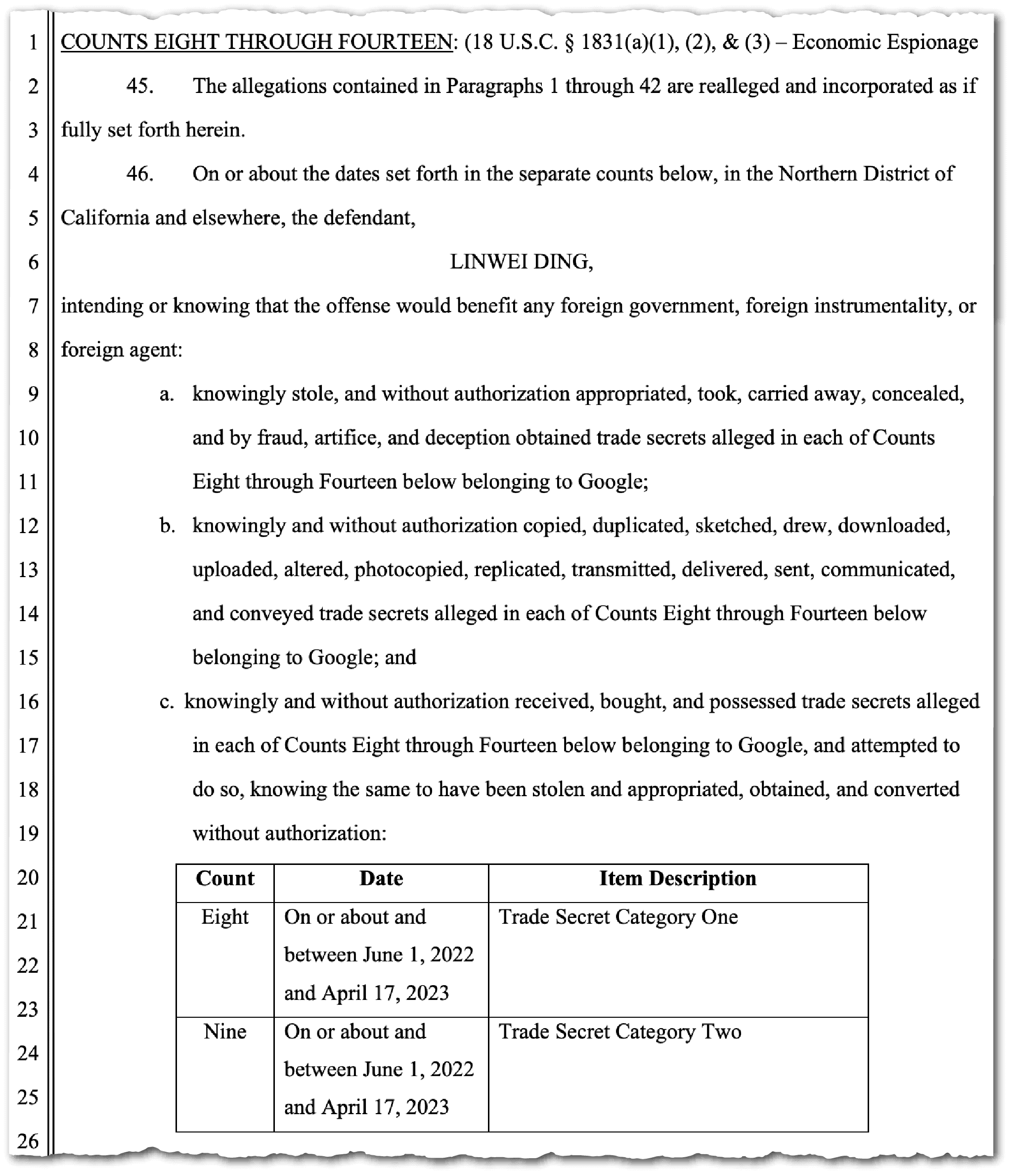
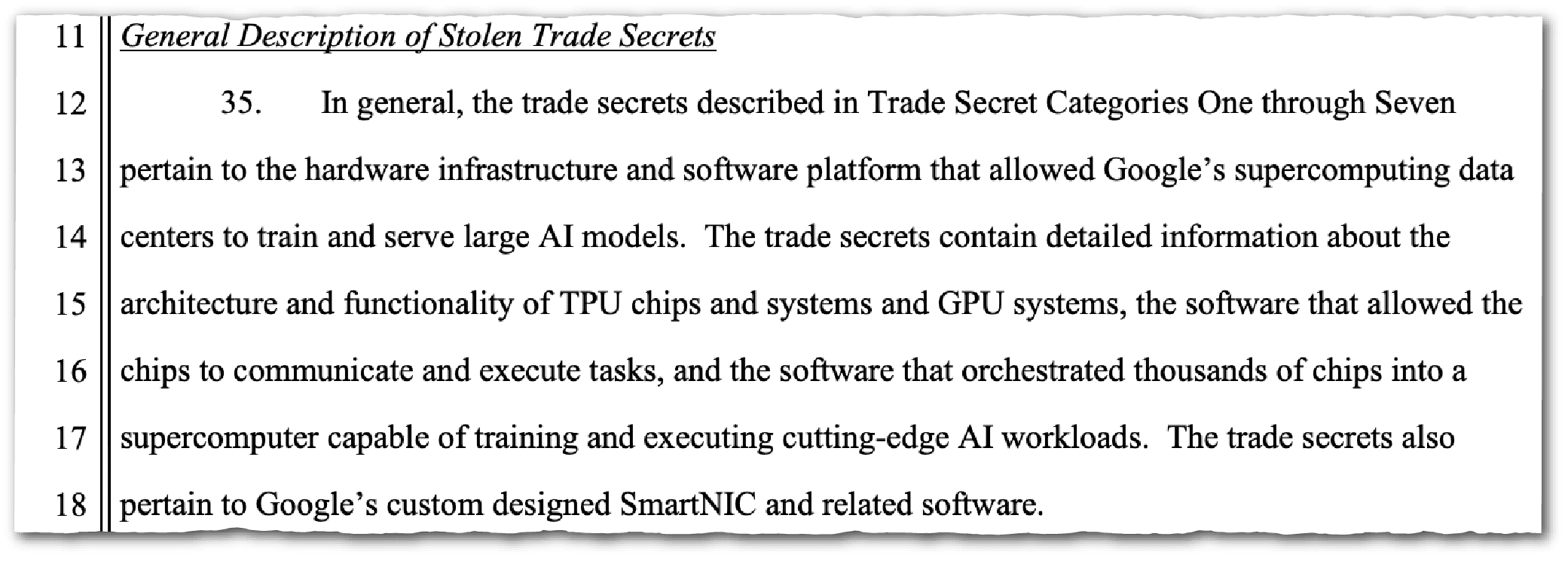
Two months later, federal prosecutors in San Francisco charged Ding with four counts of trade secrets theft. An updated indictment later charged him with an additional three counts of trade secrets theft and seven counts of an even more serious charge: economic espionage. Prosecutors alleged Ding stole 105 trade secrets and uploaded over 1,200 documents totalling more than 14,000 pages.
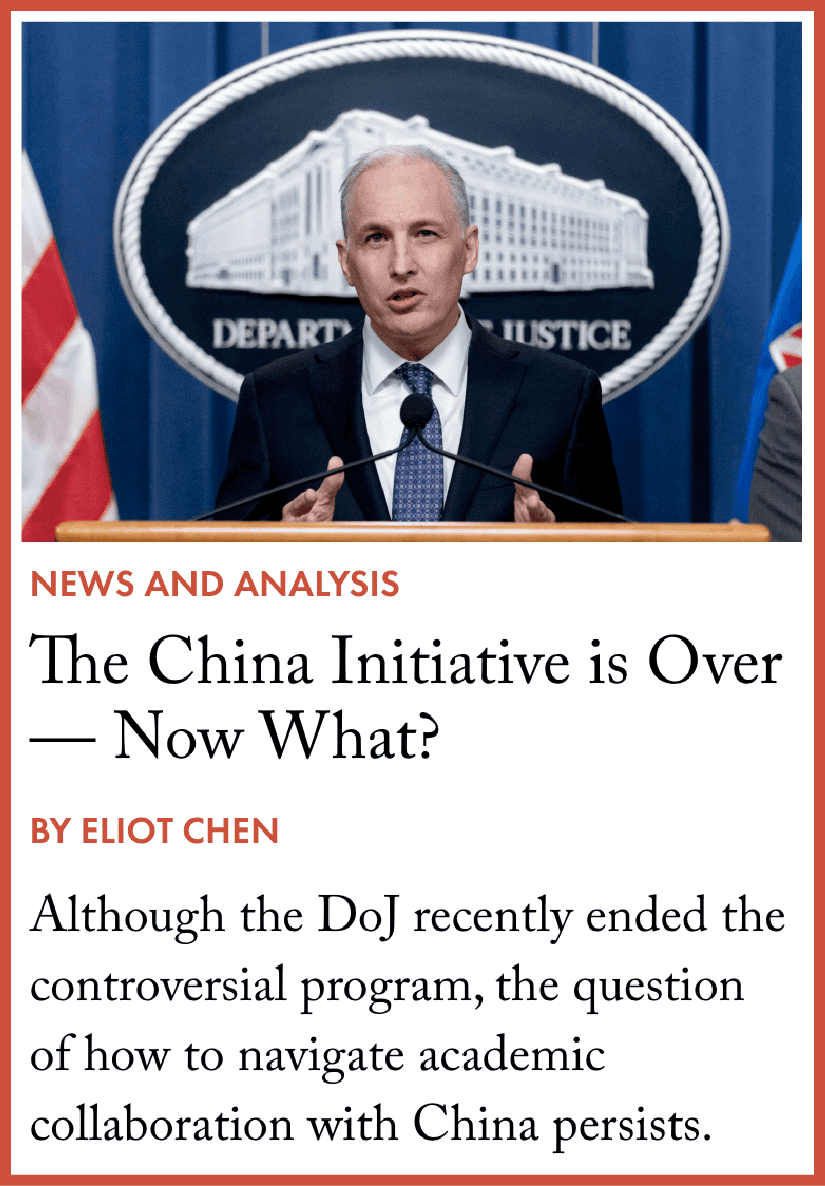
At the time Ding was charged, the Justice Department ensured the case received maximum publicity. Top officials from then-attorney general Merrick Garland to then-FBI director Christopher Wray commented publicly on the case.
During both the first Trump and Biden administrations, top law enforcement officials had sounded the alarm about the threat of Chinese economic espionage. But prosecuting such cases had become politically fraught. A series of mostly failed prosecutions of U.S. academics of Chinese origin in the first Trump administration — part of the so-called ‘China Initiative’ — were criticized by rights groups.
In 2022, the Biden administration ended the China Initiative, emphasizing that it would go after Chinese economic espionage in other ways. Ding’s case was exactly the kind of alleged brazen theft — involving a critical technology at a critical U.S. company — that the Justice Department wanted to focus on.
“There are things about Ding’s behavior that you see in other cases, but not quite as blatantly,” says Nicholas Eftimiades, a former defense department official who tracks Chinese economic espionage cases. “He advertised Google’s software in China. He went on a marketing spree, looking for investment and advertising the technology that he allegedly stole.”
Then U.S. Attorney for Northern California Ismail Ramsey discusses the indictment against Ding, after it was unsealed on March 6, 2024. Credit: DOJ
Now, two years later, Ding has had his day in court. The 38-year-old pleaded not guilty to all charges and received a three-week jury trial in San Francisco in January.
In opening arguments, Ding’s attorneys sought to paint a very different story. In their account, Ding was being persecuted by the government and Google for following a common path for Silicon Valley entrepreneurs — namely, for looking to start his own company while having one foot out the door at his big tech employer. What notes Ding did copy, his lawyers say, were personal notes intended to help him retain knowledge of the work he had done at Google.
Prosecutors offered no evidence that Ding forwarded the alleged trade secrets to anybody, nor that he opened the notes after uploading them to his personal Gmail account.
“This case is about power. It’s about what happens when two powerful entities come together and target a single individual,” defense attorney Lora Krsulich told the jury. “Yes, Linwei took notes. Yes, he started a business in China. But what is the connection between those two things?
“You’ll hear no evidence that he used the technology to harm Google, or that they involved military technology, or transferred that information to the Communist Party,” she further told the jury. “While that might make for a more interesting story, that’s not what happened here.”
“You are not here to decide whether Linwei was a bad employee,” she continued. “You can be a bad employee. That is not a crime.”
The governments’ lawyers, for their part, have sought to dispel any notion that Ding was being prosecuted because of his nationality.
“It is not a crime to leave a big company like Google and start a business, and it is not a crime to leave a company and start your own business in China. It is not a crime to want to help China succeed,” said assistant U.S. attorney Casey Boome. “What you can’t do is take proprietary technology that doesn’t belong to you, that you didn’t create, build a business and then offer to help a foreign government build the very same technology you stole.
“The defendant wanted more in his career than what he had. So he stole and lied to make himself rich, make his company successful, and to help government-controlled organizations in China meet their AI technology goals.”
FROM DALIAN TO SILICON VALLEY
By the time Ding joined Google in 2019, the software engineer had built a respectable CV in the U.S. chip industry. Born in China, he finished college at the Dalian Institute of Technology in 2010 and moved to California at age 23.
After earning a master’s degree from the University of Southern California, Ding worked at Marvell Semiconductor and Cadence Design Systems — leading U.S. firms focused on chip design. In 2018, he bought a townhouse in a heavily Asian suburb in San Francisco’s East Bay area. The following year he started at Google, 20 minutes down the road in Sunnyvale.
From his first day at Google, Ding was a diligent notetaker. In the Notes app on his company-assigned MacBook Pro, he jotted copious records about his work and his personal life. One note summarized a self-help book. In another, titled “Soft skills”, he wrote: “You need to [cooperate], so you have to communicate rather than criticize. You have to build your communication.”
He also took notes about his work, which involved developing data centers and other AI infrastructure that was becoming increasingly central to Google’s business.
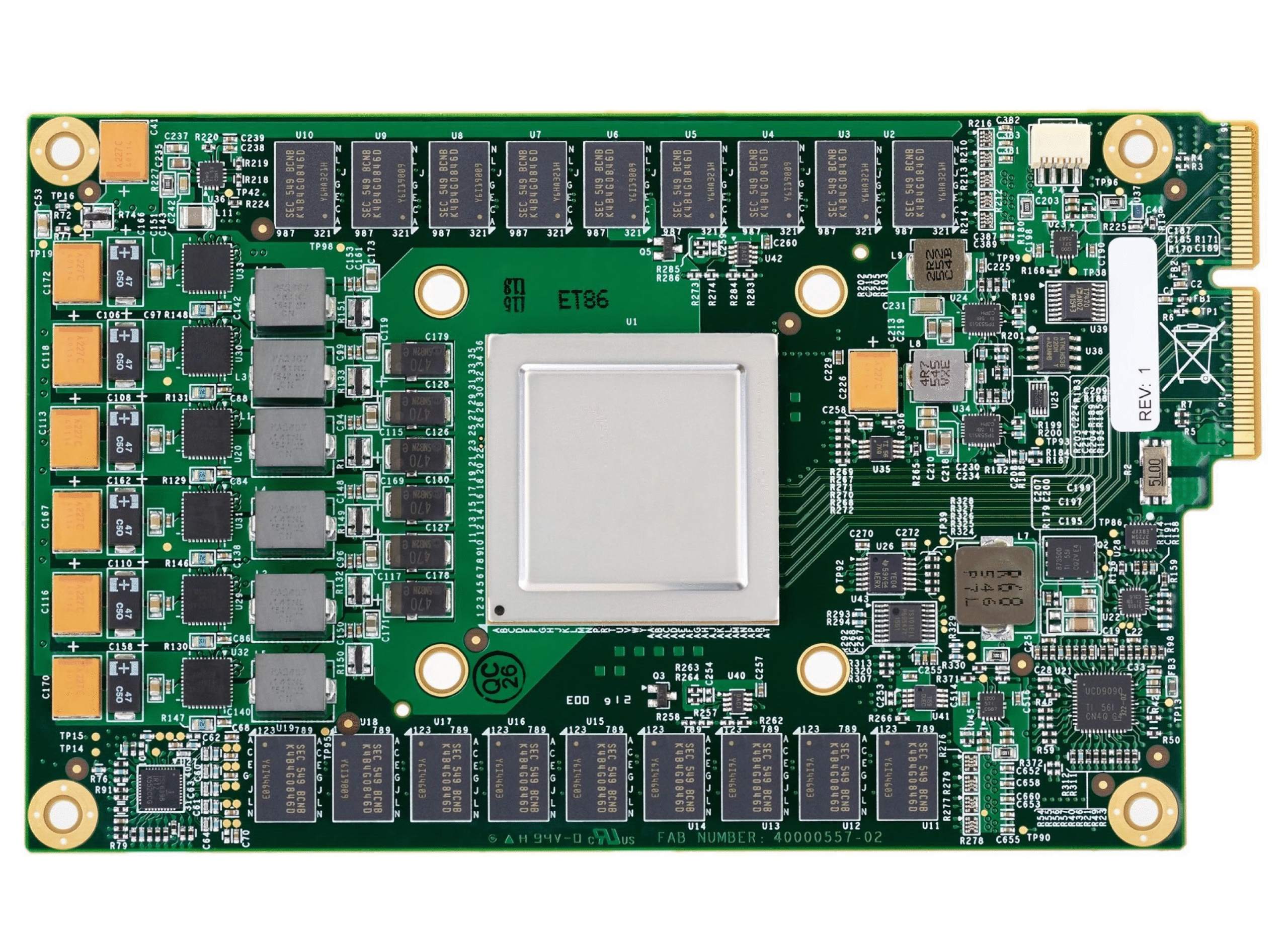
AI runs deep in Google’s DNA. Researchers at the company were responsible for a seminal 2017 paper that is credited with ushering in the AI boom. Google engineers also invented their own in-house chip called the Tensor Processing Unit, or TPU. Unlike graphics processing units, or GPUs, that were popularized by Nvidia and AMD for purposes such as gaming, Google’s TPUs were purpose-built for AI. TPUs have been used to train Google’s large language model, Gemini, and are rented to other AI companies including Anthropic, Microsoft and Apple.
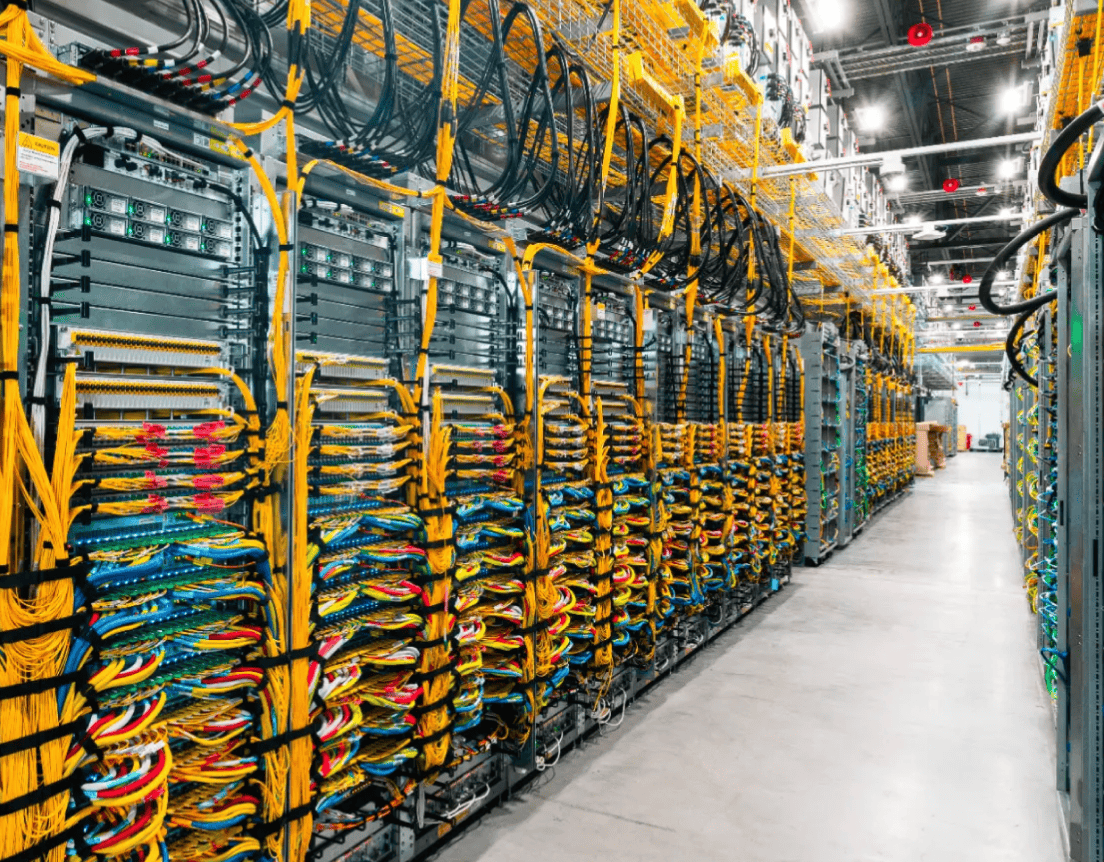
At Google, Ding worked on Google TPUs as well as Nvidia GPUs, giving him access to internal documentation on how the chips were designed and configured. One of the issues he worked on was a kind of networking technology called ‘clustering’. Modern AI models are so large that it’s impossible to fit them onto an individual chip. Clustering involves stringing thousands of chips together so that engineers can break massive AI tasks into manageable pieces that can be spread out and solved simultaneously. Clustering allows engineers to slash training times for a model from years to possibly weeks.
On his work laptop, Ding made copious records of documents related to TPUs, GPUs and high-speed networking technology. Over time, his process developed into a pattern: from Google’s confidential intranet, called Moma, Ding would grab text or screenshots and save them in an Apple Notes document on his Macbook.
A year into Ding’s new job at Google, things seemed to be going smoothly. He and his wife had recently had a child. He was also in the final stages of earning his U.S. green card. He was working on some of Google’s most important technology. Yet Ding did not seem fulfilled.
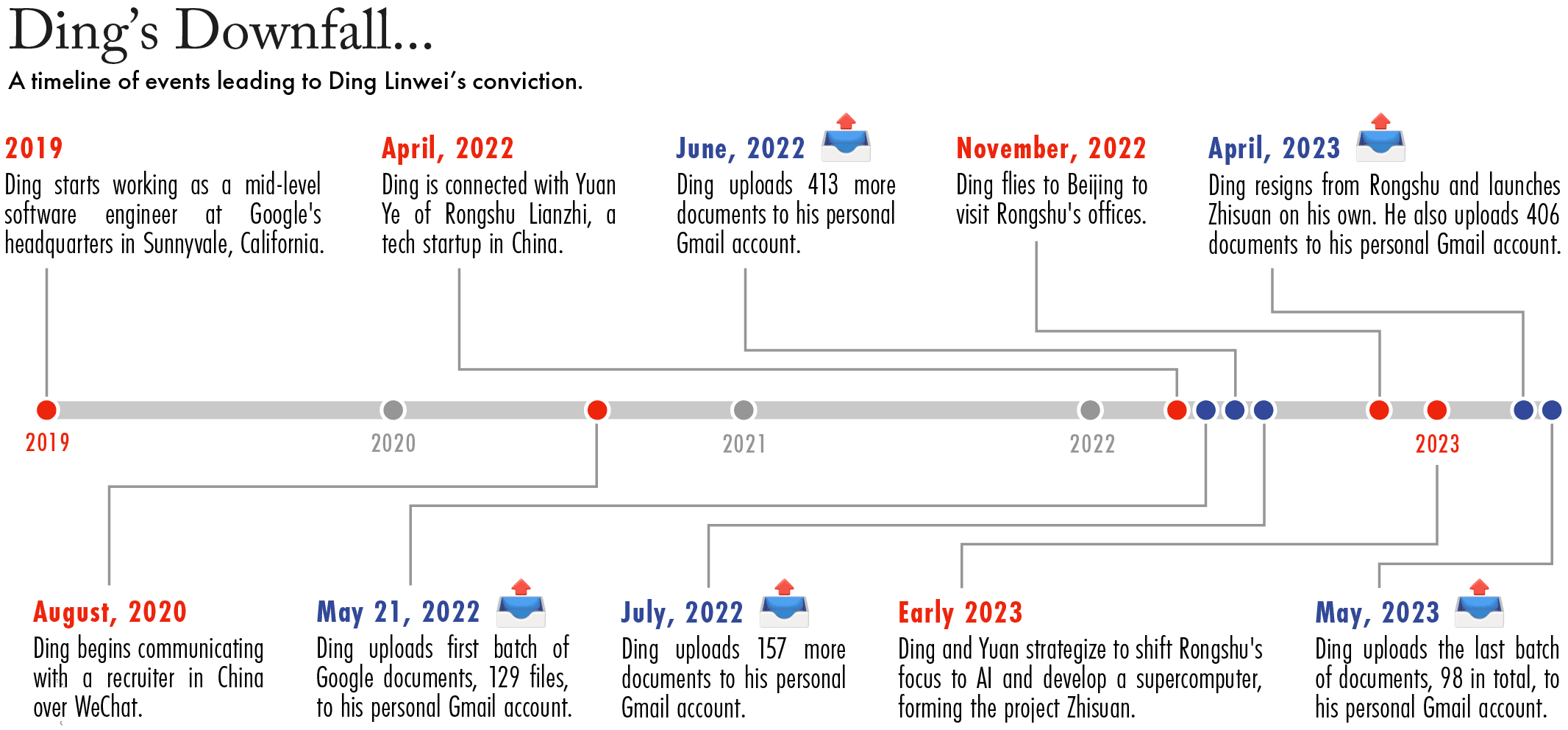
In August 2020, he began communicating with a recruiter in China named Julian Li over WeChat. The conversation petered off, then picked back up again the following May, when Ding sent Li a resume. From 2021 to early 2022, Li connected Ding with six companies in China, to little avail.
After one rejection, Li wrote to Ding: “Hi Linwei. The feedback from Meituan telling why you are not suitable is that they think you don’t have enough experience in GPU R&D.”
On May 21 [2023], he converted 129 files from his Notes app into PDF documents, and then uploaded them to a Google Drive folder in his personal Gmail account. He would do so again the following month and the month after that, uploading nearly 600 documents, including 55 that the government alleges are trade secrets.
After another interview that appeared promising, Li relayed feedback to Ding that suggested that his experience with AI chips was, if anything, too tailored to Google.
“I checked the feedback [from] the tech department,” Li wrote. “Google’s internal infra is mainly self developed with a high degree of integration and maturity. Employee may not be well adapted when going to other companies.”
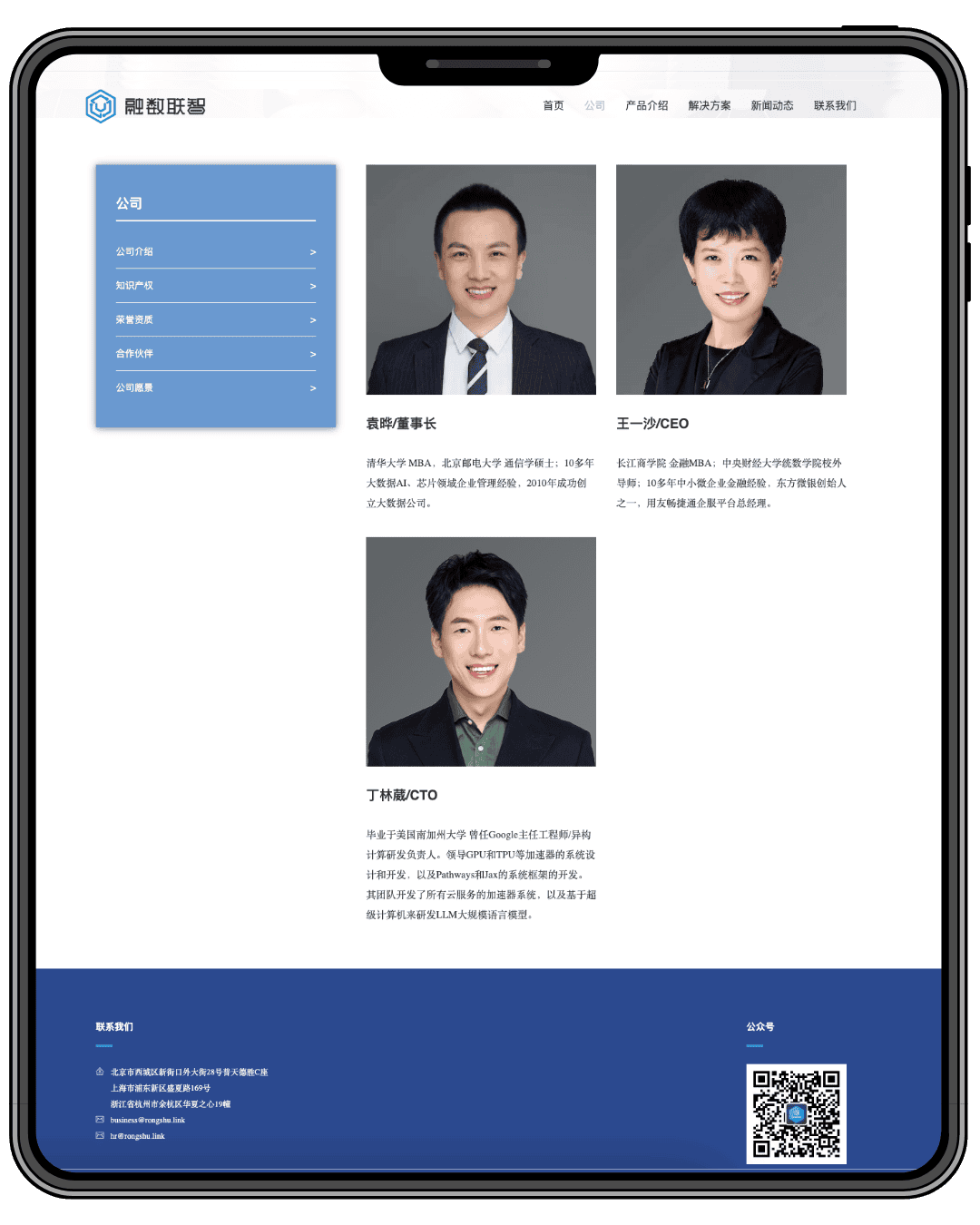
But one connection stuck. In April 2022, Li wrote to Ding: “Hi Linwei. Mr. Yuan from Rongshu Lianzhi would like to invite you for a video chat on the morning of the 5th Beijing time.”
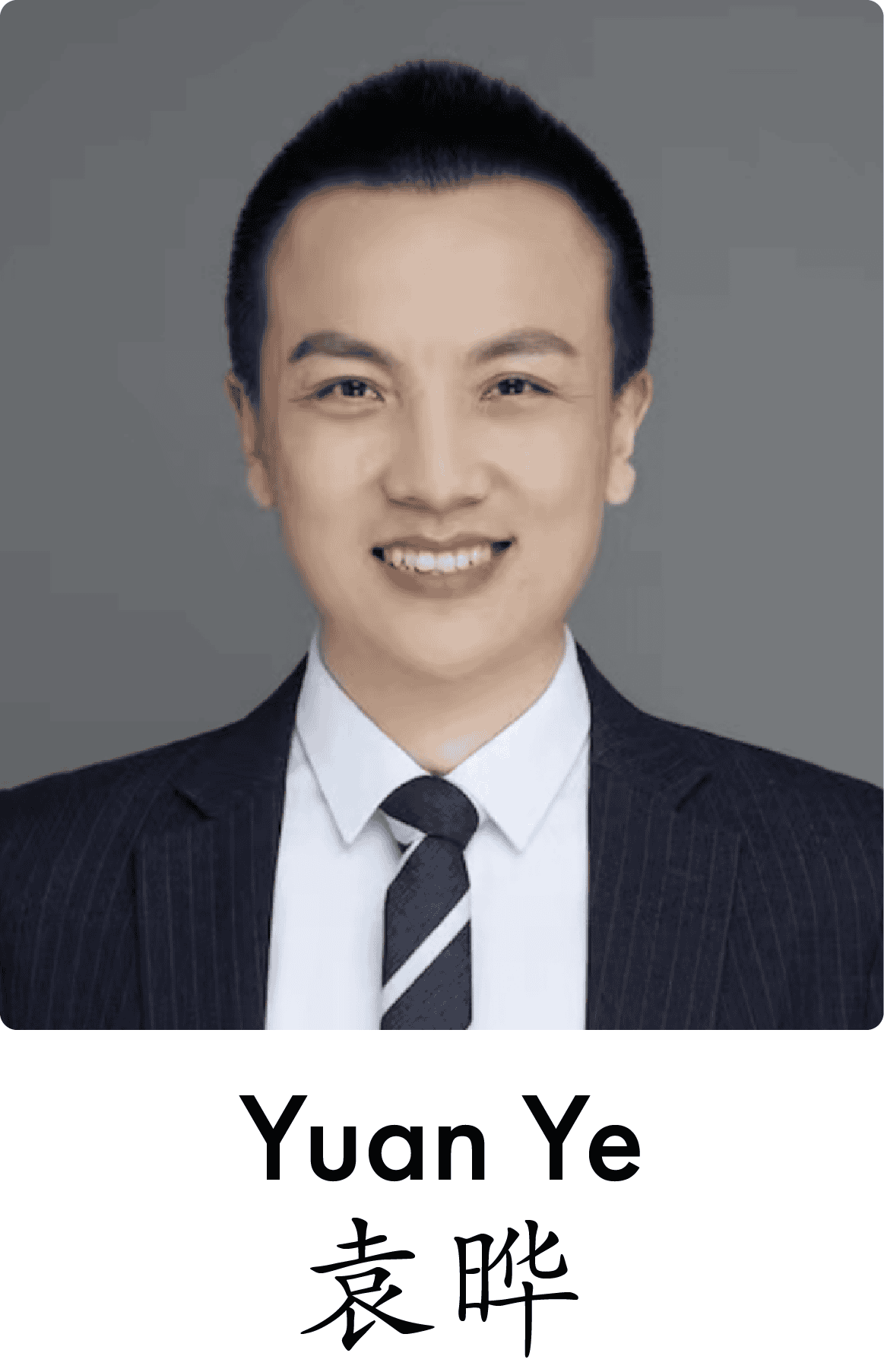
Mr. Yuan was Yuan Ye, the chairman of Beijing Rongshu Lianzhi Technology Co., a tech startup working at the time on privacy computing, which involved data security and encryption. Two months earlier, its technology had earned Rongshu an investment from the payments giant Ant Group, founded by Jack Ma’s Alibaba, data from WireScreen shows.
Yuan was looking for a chief technology officer. And for Ding, Yuan, with a business degree from Tsinghua University and prominent investors backing his company, looked like a strong business partner.
Ding took the call with Yuan in May 2022. That same month, prosecutors allege, Ding pilfered trade secrets from Google for the first time. On May 21, he converted 129 files from his Notes app into PDF documents, and then uploaded them to a Google Drive folder in his personal Gmail account. He would do so again the following month and the month after that, uploading nearly 600 documents, including 55 that the government alleges are trade secrets.
In June, Yuan sent a letter to Ding formally offering him the CTO job. The letter promised a base salary of 100,000 yuan ($14,000) per month. Rongshu would also help him find accommodation in Beijing. Ding accepted, and was set to begin employment at Rongshu later that fall. The two stayed in contact throughout the summer while Ding was in California.
In August, Yuan sent a screenshot to Ding on WeChat that mentioned Moma, Google’s intranet. “Have you heard of this library at Google?” Yuan wrote.
“Well,” Ding replied. “I know it completely.”
“Then how about telling our guys about it at the software group meeting next Thursday morning?”
“It would be better to talk about it when I get back.”
“Are there any confidentiality requirements?” Yuan asked.
“The documents related to it are subject to such requirements, but knowledge is not, after one [leaves] the job,” wrote Ding.
The exchanges were in Chinese and translated for the court.
RONGSHU
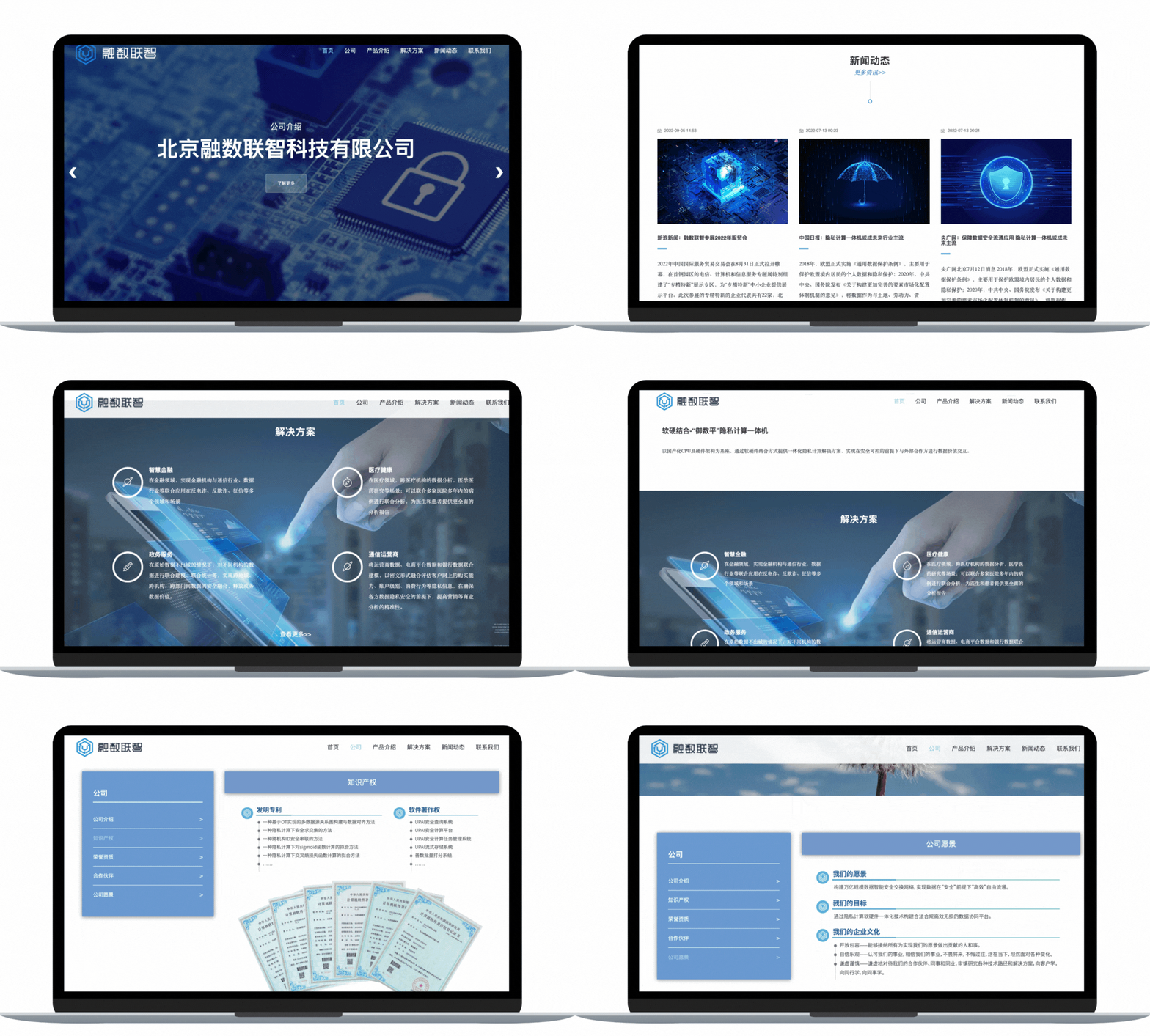
In November 2022, Ding flew to Beijing to visit Rongshu’s offices for the first time. That same month, an obscure San Francisco-based lab named OpenAI released ChatGPT, an AI-powered chatbot, powered by GPT-3, a large language model.
Reaction to ChatGPT in the U.S. was electric, and tech workers in China couldn’t resist its pull either. Over WeChat, Ding and Yuan strategized over the direction for Rongshu in light of the recent news.
In January 2023 Yuan wrote to Ding: “In the post-GPT 3.0 era… the path towards AGI [artificial general intelligence] has been opened. It’s time to build a team now. Can you think about which core people you can bring into our team in the early stage?”
“OK,” Ding replied. “Let me think about what kind of people we need… And how we should do it.”
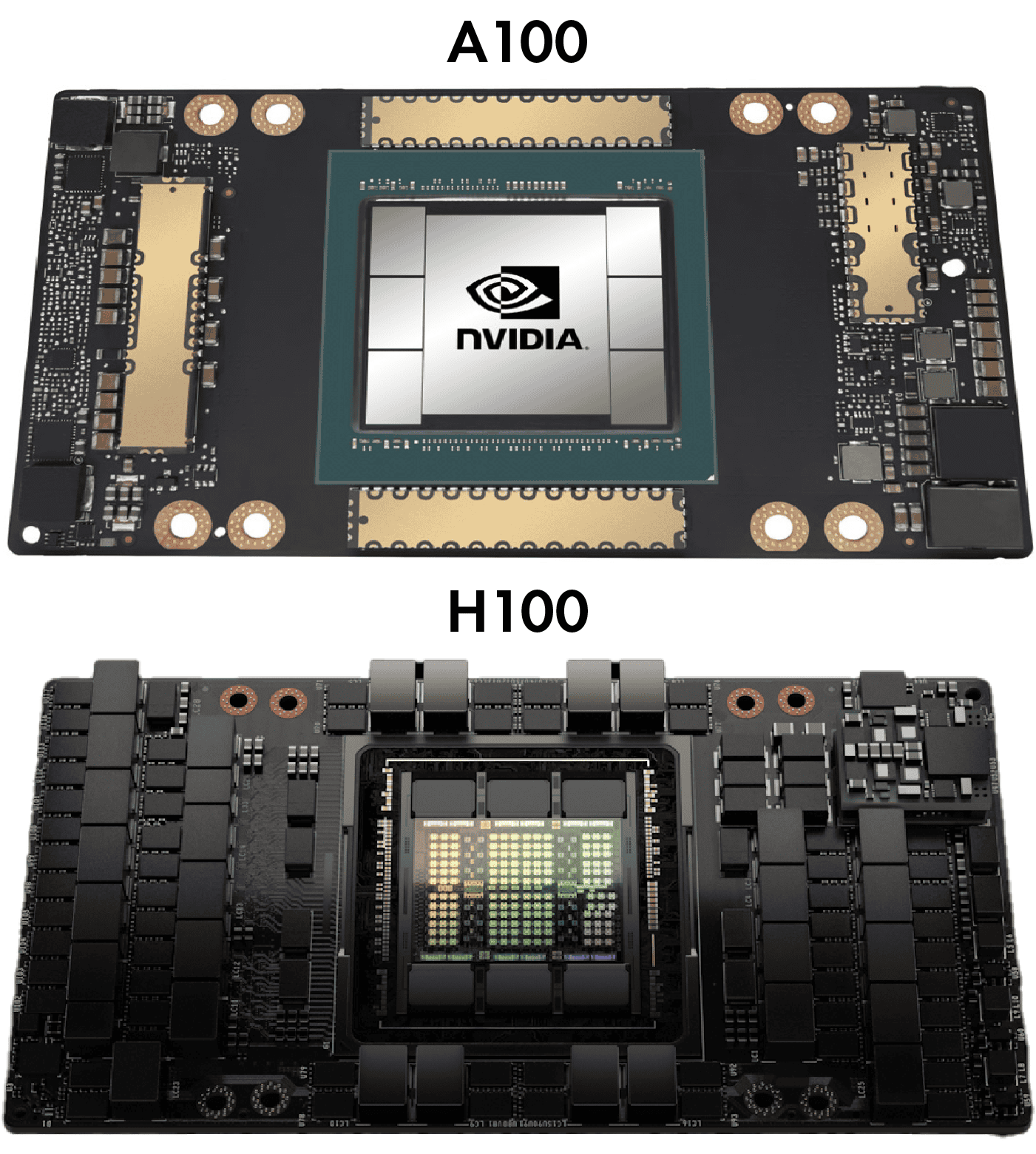
By February, the executives had a business plan. Documents entered in Ding’s trial showed Yuan and Ding discussing a document titled “Plan C” that involved acquiring a large number of AI chips, “[preferably] Nvidia A100/H100” to develop a supercomputer capable of training a large language model.
The following month, WeChat records show that Yuan and Ding hired an external Chinese consultancy named I&R Capital to help them raise money. The executives deliberated over what to name the project. Yuan picked Zhisuan, meaning “smart computing”.
Consultants at I&R helped Yuan and Ding assemble a pitch deck. Its title: “Zhisuan Seed Round Financing — Cluster Management System – Building a Computing Power Acceleration Platform. Financing demand: 5-8 million US dollars.”
One section of the deck mentioned Ding’s experience at Google. “CTEO” Linwei Ding, it read, “led the system design and development of Google Accelerator, and led the development of the system frameworks”.
I&R also connected Yuan and Ding with a series of powerful Chinese investors. Over several weeks in April 2023, they arranged meetings with IDG Capital, Sequoia Capital China (now known as Hongshan Capital) and Sinovation Ventures, WeChat messages showed.
But none of the firms invested. In one case, an I&R consultant relayed to Ding and Yuan the reason for their rejection: “Sinovation Ventures’ investor feedback was that many technical points still weren’t covered. They recognized market demand but the implementation details need to be explained in more depth so they can judge feasibility.”
It’s unclear what happened next, but it appears that Ding and Yuan at this point split ways. In late April, Ding resigned from Rongshu. Around the same time, he signed up for an information session for a prestigious startup incubation program named MiraclePlus. Ding had decided to break out on his own.
MIRACLEPLUS
MiraclePlus was founded in 2019 by Lu Qi, a renowned computer scientist and former chief executive of Bing, Microsoft’s search engine. In 2018 he joined Y Combinator, one of Silicon Valley’s most storied startup incubators, in order to lead the company’s China spinoff, Y Combinator China.
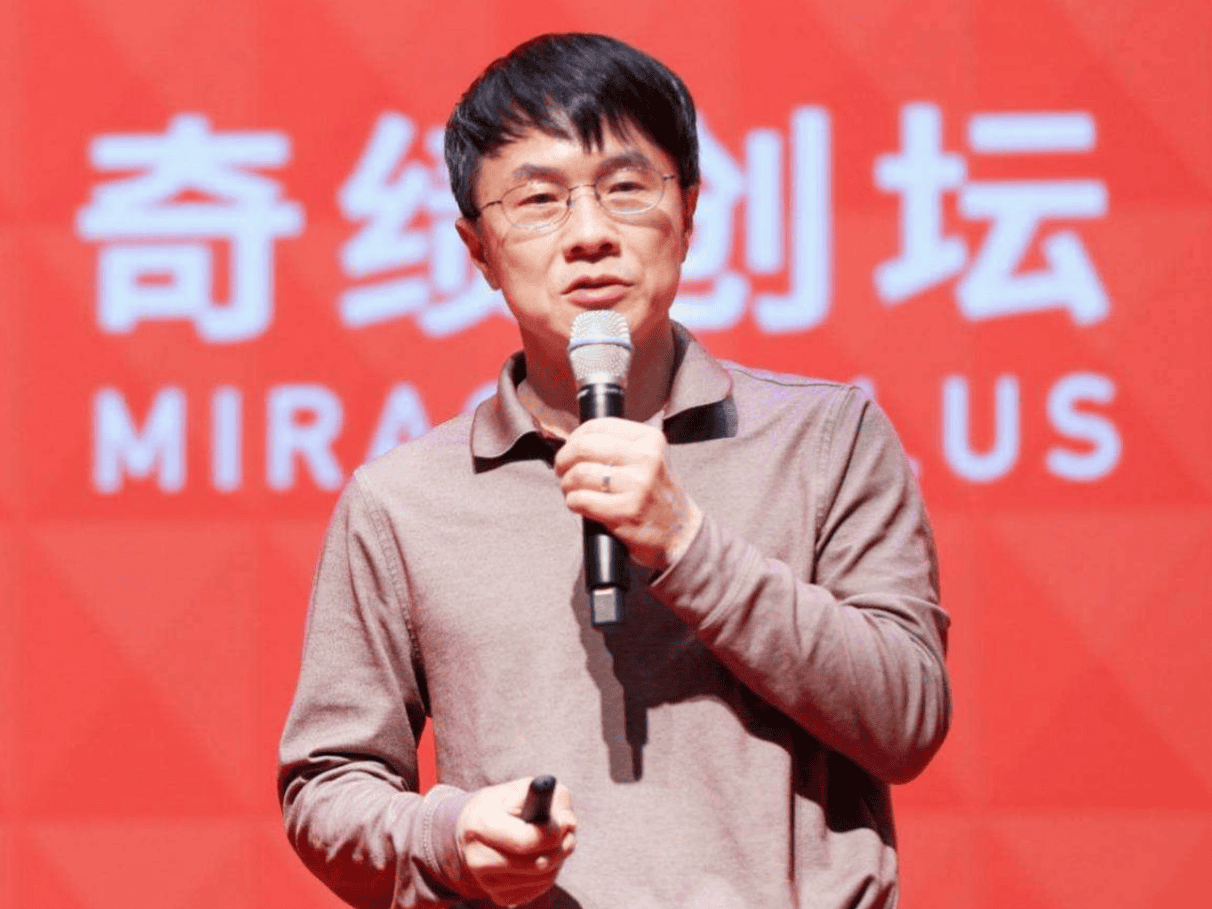
The project was short-lived. After YC’s then-president, Sam Altman, abruptly left in 2019 to focus full-time on OpenAI, it retreated from China, forcing Lu to continue on his own. His resulting company, MiraclePlus, retained much of YC’s operating model, including a standard agreement to invest a fixed amount ($300,000) for a seven percent stake in every startup accepted into each incubator class.
For Ding, admission to MiraclePlus’ Fall 2023 class promised connections and capital. To get in, prosecutors alleged that he chose to deceive both Google and MiraclePlus.
Ding submitted his application on May 30 2023. By August he was shortlisted for an interview. A draft in his Apple Notes showed a list of questions that MiraclePlus had about his project.

One asked Ding to upload a product demonstration video. On August 19, Ding uploaded a video from his work computer to his personal Gmail account. He then made the video viewable to anybody with the URL, activity logs from his work computer showed. Three days later, the same logs showed an executive from MiraclePlus opening and viewing the demo.
Prosecutors say the product in the video was not developed by Ding at all. Rather, they alleged, Ding had recorded a video of himself explaining technology built by Google.
The form also asked applicants to share two professional references. For one, Ding entered the name and email for Aamer Mahmood, vice president of engineering at Google.
After one of Ding’s employees posted a photo of the trio smiling on a high speed rail train, he replied: “They will become historical photos like Google or Apple.” But other messages also betrayed Ding’s anxiety about his parallel life in California — and the possible consequences if he got caught.
Mahmood had never met Ding, nor had he been asked to provide a reference. Prosecutors say the email address Ding shared, aamermmood@gmail.com was an account Ding set up to pretend to be his boss’s boss’s boss.
Prosecutors showed the jury an email to the fake Gmail account in which a MiraclePlus intern requested a call with Mahmood.

“I would be happy to help,” the account owner wrote back. “I would prefer a phone call to a video interview. Feel free to let me know if that works for you. Best, Aamer”
The next day, prosecutors said, Ding downloaded a program called Voicemod to his work laptop, a “free real-time voice changer for PC & Mac”. The call was scheduled for the following day.
It is unclear whether the call took place but, regardless, Ding succeeded. He joined the MiraclePlus bootcamp at the end of August.
ROADSHOW
In October, Ding incorporated his own company: Shanghai Zhisuan Technology Co. He also hired two full-time employees and one part-time employee, named Wang Fei, to help with managing the company’s finances and marketing material.
Over the next four weeks, Ding and his team hit the road in China, meeting with prospective business partners. In early November, Ding wrote to Lu Qi about a promising meeting he had had with Lingang Group, a Shanghai-based state-owned enterprise.
“Hi Qi, I want to update you on our progress. Today in Shanghai, I had a conversation with Mr Wei Weng of Lingang Group. He said they will coinvest RMB 10 million in our startup… if Qi participates in some form in our company, they will provide compute and project support.”
The following day, Ding went to Chongqing for a meeting with officials at Mingyue Lake High-Tech Zone, a government-sponsored industrial development area that had recently declared a focus on AI.
Zhisuan also signed a cooperation agreement with the Innovation Research Institute at Southwest University of Science and Technology, located in Sichuan province, to “jointly apply for and undertake technology projects and research topics at the national, provincial, municipal, and industry-related ministry and commission levels to promote the development of China’s AI large model industry”.
Things were going well, and messages between the colleagues recorded their excitement. After one of Ding’s employees posted a photo of the trio smiling on a high speed rail train, he replied: “They will become historical photos like Google or Apple.”
But other messages also betrayed Ding’s anxiety about his parallel life in California — and the possible consequences if he got caught.
After Wang remarked about their pitch deck: “When you see these three points do you think they are really amazing?”
Ding replied: “Oh, I won’t dare go back to the U.S. for some time now.”
In another exchange, Wang wrote to Ding: “I’m recalling the hardship that Qian Xuesen and his guys endured when they returned from abroad.”
(Qian, celebrated as the “father of Chinese rocketry”, was a U.S.-educated aerospace engineer who left America during the 1950s red-scare era for his native China, where he ultimately helped develop its first satellite and intercontinental ballistic missile.)
Ding responded: “Haha let’s stop this topic right here.”
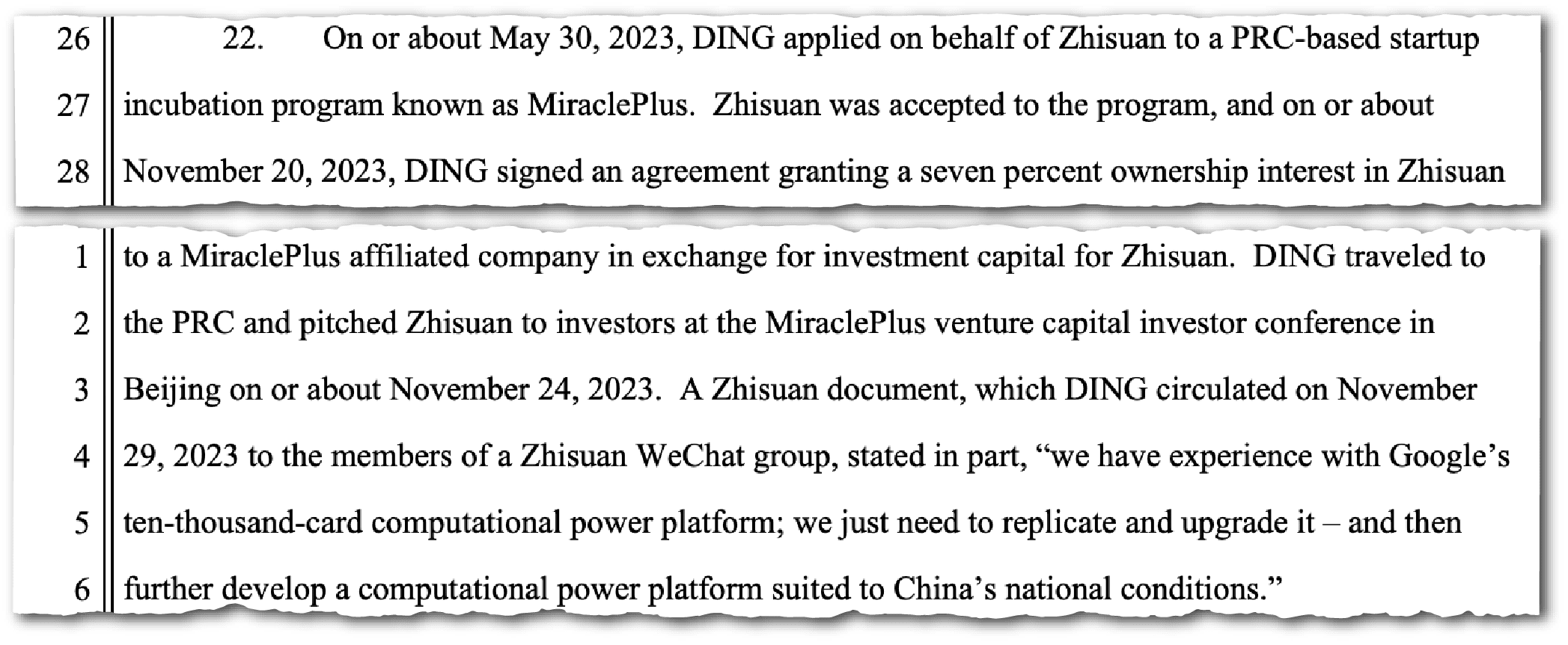
On November 20, 2023, he signed an investment agreement with MiraclePlus giving it a 7 percent stake in his company.
By the time MiraclePlus’s Demo Day rolled around in late November, Ding had lined up nine partners and prospective customers he could boast of in the presentation. At an auditorium in Beijing’s Zhongguancun tech district, Ding introduced his company to the public for the first time.
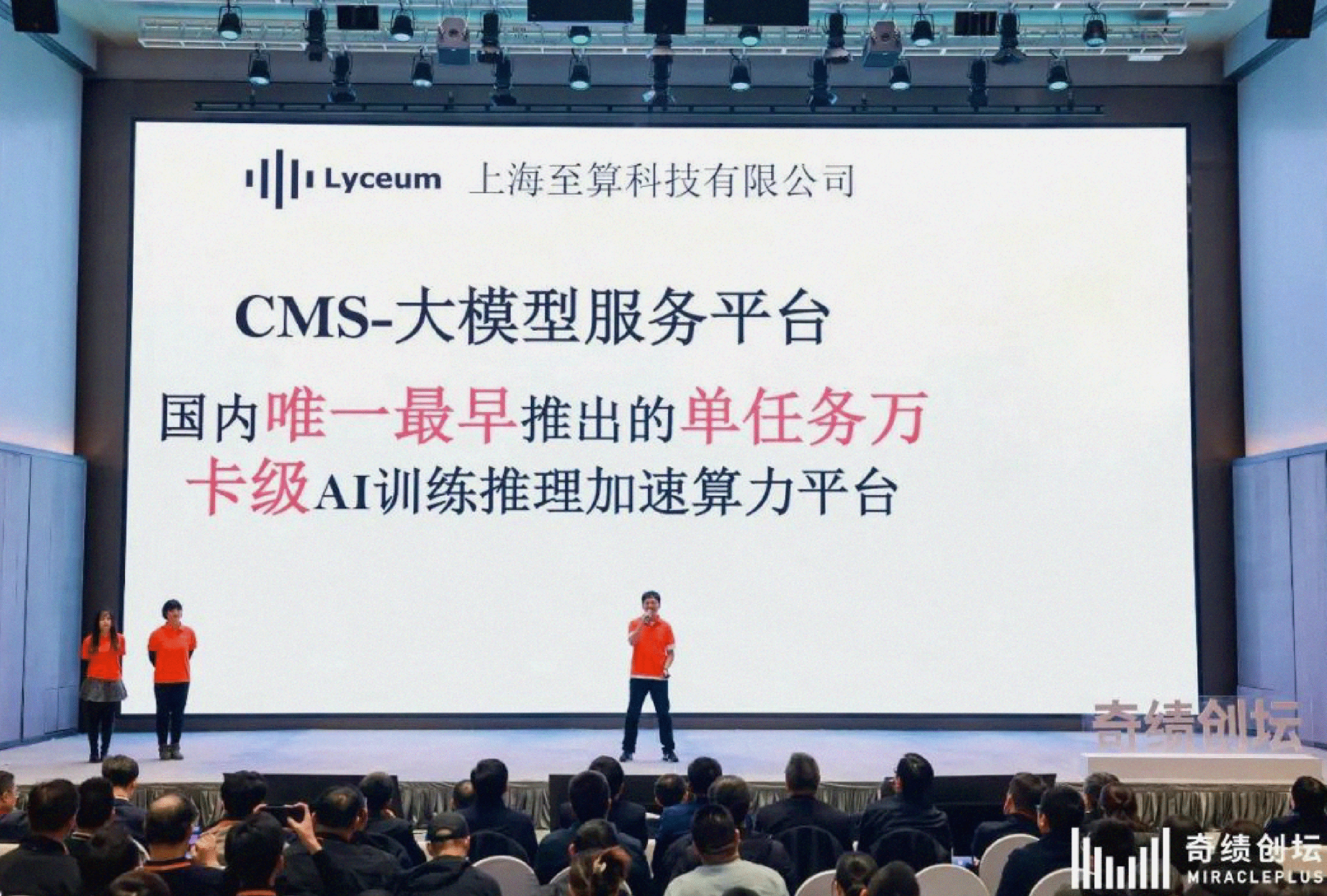
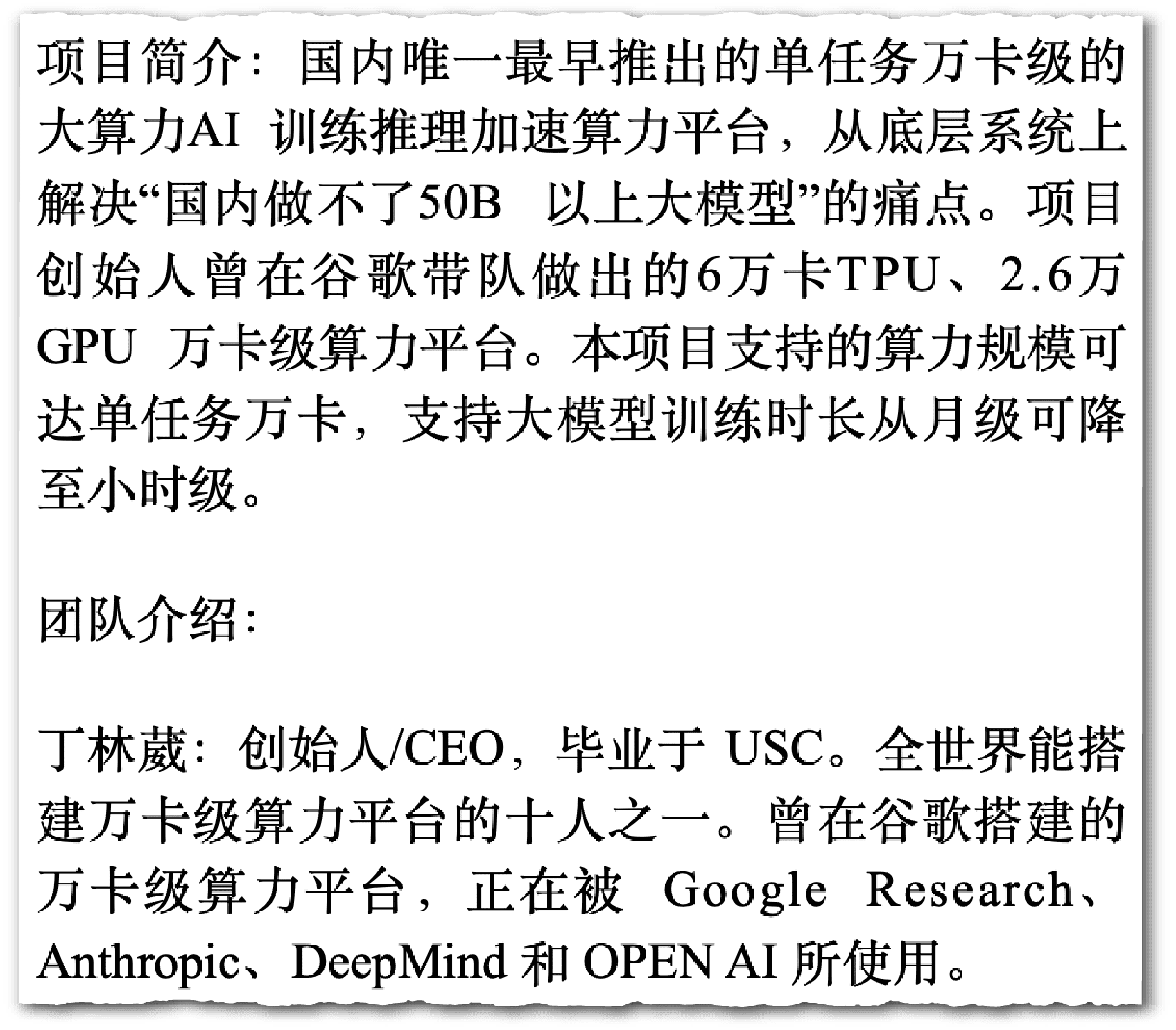
“We developed Google’s tens-of-thousands of cards compute platform,” the slide beamed behind him read. “Replicate and upgrade it, and then build a platform adapted to domestic conditions”.
Another slide listed Zhisuan’s “customers already at the contract signing and cooperation stage” as including the Chongqing Industrial Innovation Park, BaishanCloud and Southwest University of Science and Technology.
A further list of “prospective customers” included Sugon, the Chinese state-owned supercomputing company; the China Academy of Information and Communications Technology (CAICT), a Ministry of Industry and Information Technology think tank; Lingang Group; and China Mobile’s Chengdu Industrial Research Institute.
The following day, MiraclePlus published a write-up of the Demo Day, including a summary of Zhisuan’s business model and a biography of its founder.
Ding Linwei, it read, is “one of the ten people in the world capable of building 10,000-card-level computing platforms. The 10,000-card computing platform he previously built at Google is now being used by Google Research, Anthropic, DeepMind, and OpenAI.”
DOWNFALL
In early December 2023, Google finally caught wind that something was not right with Ding’s activities.
Google security had noticed that Ding had uploaded 66 files from his work computer to his personal Google Drive. Some of those files contained information about Google employees, triggering concerns that Ding may have been looking to start a new job and poach colleagues.

On December 8, Bradley Fuller, a senior investigator at Google, invited Ding to video call at 9am Pacific time.
“As I started the call, my impression was he was not in the office,” Fuller testified. “The room was very dark, he appeared slightly disheveled, putting on his glasses as the call started.”
At that moment Ding was in China, where it was 1am. He had made the trip to solicit investment for Zhisuan and lay the groundwork for a permanent relocation.
The investigator asked Ding whether he was looking to leave Google. “He said no, he was not looking for new employment and no, he did not have another job,” Fuller told the jury.
Fuller had Ding sign a “self-deletion affidavit” that affirmed that Ding had deleted any confidential Google documents on his own devices and promised to never use or disclose Google non-public information. Fuller then closed the case.

Unbeknownst to Fuller and to Google, by that stage Ding had uploaded more than 14,000 pages of PDF documents from his work laptop to his personal Gmail account, including 4,374 screenshots and 2,425 pages that the government would later allege contained Google trade secrets.
A key plank of Ding’s defense was that the documents the government and Google allege are trade secrets are not as valuable as they claim.
From his personal email account, Ding emailed his supervisor: “Hi Yihua, This is Leon. I think that there are some mistakes. My account got suspended and I called the security team. They told me to contact you and it seems that you called it out to suspend my LDAP [Google work] account. Can you help cancel the suspension?”
“The government is saying that Linwei took 105 trade secrets,” Krsulich said in opening arguments. “That’s a lot of information. Hold the government to its burden for each and every alleged trade secret. If it’s going to prove beyond reasonable doubt, they must show that information in the documents is secret, protected and valuable because it’s secret.”
During the trial, Steve Novak, an expert witness for the defense, questioned whether Ding could replicate Google’s technology using the alleged trade secrets he took. “From my view of the 105 documents, I find it very implausible that someone could replicate the whole system, or parts of the system, in any fashion,” Novak said.
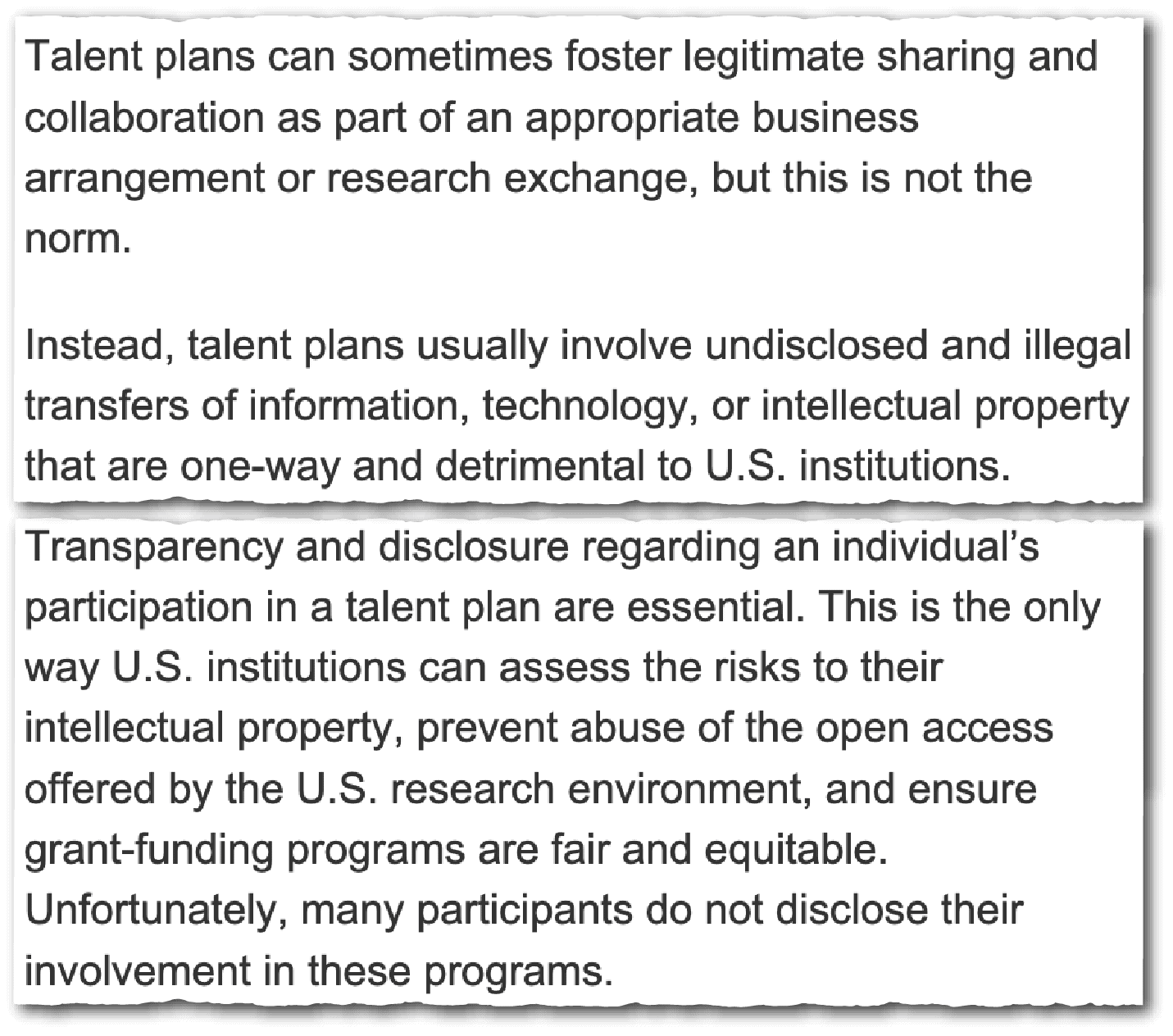
Around early December, Ding applied to join a Chinese talent recruitment program overseen by Shanghai’s Xuhui district. In recent years, the FBI has warned that such talent recruitment programs incentivize Chinese nationals to steal foreign technologies.
“Upon returning to China, my first choice is Shanghai,” he wrote in the application. “I plan to deploy a single task tens-of-thousands-of-cards large model training acceleration platform there, helping China to develop world class compute infrastructure capability.”
To keep Google off his scent, Ding had made another arrangement before leaving for China: he had given his employee badge to his intern and asked her to periodically swipe the card to make it look like he was at the office. While Google should have known from his laptop’s IP address that he was in China, the company failed to flag the discrepancy between the locations of his computer and his badge.
At the trial, the intern told the court Ding did not tell her he was going to China to raise money for his AI startup. After Google implemented a post Covid return-to-office policy in 2023, it was not uncommon for employees to swipe badges for their colleagues, she said.
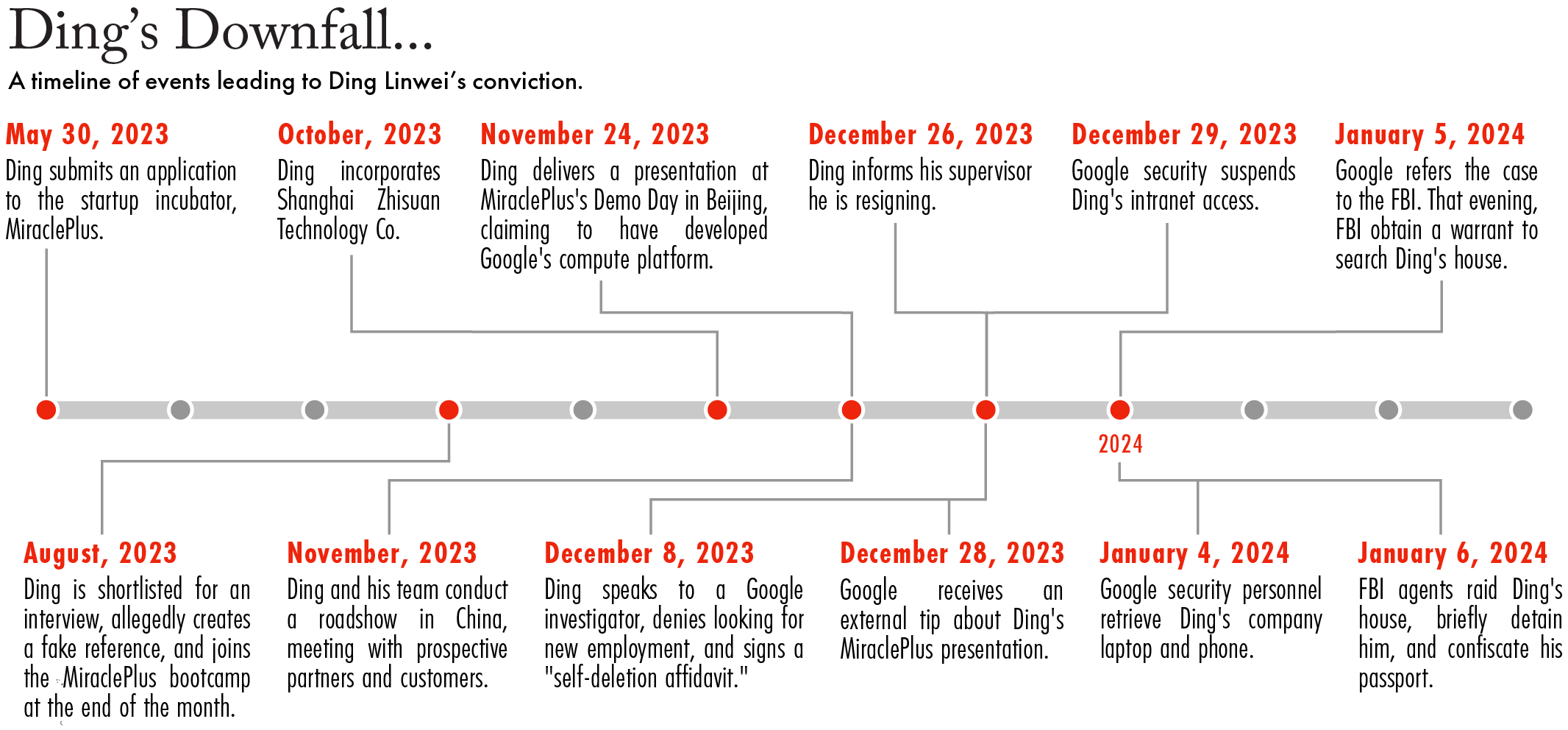
In late December, Ding returned to California. It was supposed to be a quick trip. He had booked a one-way ticket back to Beijing for January 7, 2024. On December 26, he informed his supervisor he was resigning. Two days later, Google’s logs recorded Ding trying to access a slew of internal documents on Moma, including certain documents that he was denied permission to view.
Later that night, alarm bells began ringing at Google security — not because Ding had triggered any internal tripwires, but because the company received external word of Ding’s MiraclePlus presentation.
It isn’t known who tipped off Google, but things moved quickly after that. An hour later, Google security suspended Ding’s access to the company’s intranet. The following morning, at 7:30am, Ding was recorded entering Google’s campus in Sunnyvale using a guest badge, where he repeatedly attempted to log into the network and was denied.
Half an hour later, activity logs from his work laptop showed Ding bulk-deleting the thousands of PDF files he had exported from his Notes app, then emptying the trash folder. The logs also recorded him deleting the Voicemod app.
Half an hour after that, Google remotely triggered a complete lock of his laptop and Ding was recorded leaving campus.
From his personal email account, Ding emailed his supervisor: “Hi Yihua, This is Leon. I think that there are some mistakes. My account got suspended and I called the security team. They told me to contact you and it seems that you called it out to suspend my LDAP [Google work] account. Can you help cancel the suspension?”

On January 4, Google security personnel came to Ding’s house, where they retrieved Ding’s company-assigned laptop and phone from him. Google referred his case to the FBI on the 5th.
By then, the feds were almost out of time. They discovered Ding had a flight booked for Beijing in two days’ time, and scrambled to obtain a search warrant for Ding’s house and devices. Hours later, the armed search team broke down his door.
After sweeping his house, two FBI agents escorted Ding into the back of a police car and took him away for an interview. While the agents emphasized he was not under arrest, a judge later ruled that the circumstances of the interview made it unreasonable for Ding to believe he was free to leave. Because Ding was not read his rights, the judge ruled the interview inadmissible at trial.
Court documents show that in his interview with the agents, Ding made a concession.
“So you’re taking these screenshots… doesn’t that violate Google policy?” an agent asked Ding.
“I think that confidential means it’s confidential [from competitors],” said Ding. “For that information I didn’t try to sell it right, I didn’t plan to do anything.”
“[It] would be useful for your own career though,” the agent replied.
“For any[thing] confidential I only take the notes for my career. Only for my career.”
“If your career is starting up a Chinese company, couldn’t Google consider that to be a competitor?”
“I didn’t think like that. Okay. Let me… let me think about it.”
EPILOGUE
Last week, after deliberating for less than three hours, the jury in San Francisco found Ding guilty on all 14 counts.
“This conviction exposes a calculated breach of trust involving some of the most advanced AI technology in the world at a critical moment in AI development,” assistant attorney general for national security John A. Eisenberg said in a statement.
“We’re grateful to the jury for making sure justice was served today, sending a clear message that stealing trade secrets has serious consequences,” said Lee-Anne Mulholland, vice president of regulatory affairs at Google, in a statement.
The case raises awkward questions for Google, the biggest one being: how had it failed to spot what Ding was doing?
“The work of Google security with their insider threat was horrific,” says Eftimiades, the former Defense Intelligence Agency official. “This was a big failure on the part of Google security — a lot of failures all the way around at Google.”
At the trial, security officials at Google explained why they failed to catch what Ding was doing. On average, logs recorded by Google’s “Santa” system (so named because it shows whether a Google computer is being naughty or nice) capture about 3 trillion data points of activity on its employees per day. Software that tracks uploads and downloads from company devices records six million events a day.
According to testimony by Matt Linton, a member of the Google security team that investigated Ding, the way Ding copied and pasted information made it harder to spot red flags. “We found that he was copying and pasting the documents in such a way that was stripping away contextual information that WebProtect would rely on to flag activity — things like Google identifiers of the authors or the internal folder where the document came from.”
Ding faces a maximum sentence of 10 years for each count of trade secret theft and 15 years for each count of economic espionage (sentences are typically served concurrently). For being convicted of a felony, he could also lose his green card. Ding and his lawyers did not respond to The Wire China’s requests for comment.

Eliot Chen is a Toronto-based staff writer at The Wire. Previously, he was a researcher at the Center for Strategic and International Studies’ Human Rights Initiative and MacroPolo. @eliotcxchen