Disengagement will impede growth, increase business costs, and raise prices for everyone in the West. But the economy that loses the most may be China’s.
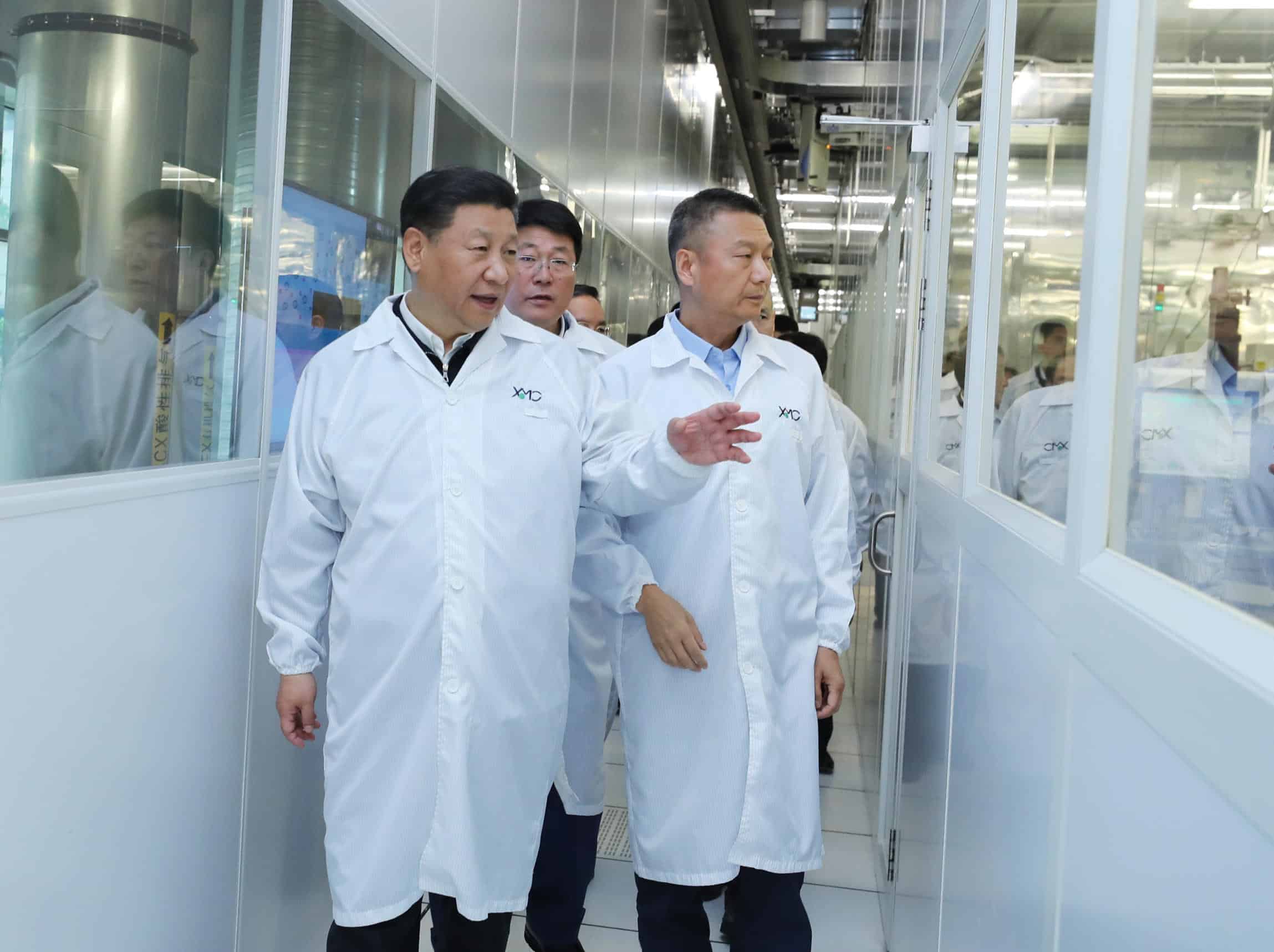
Xi Jinping visits Wuhan Xinxin Semiconductor Manufacturing Corp. in Wuhan, Hubei. 26th of April 2018. Credit: Xinhua/Ju Peng via Alamy
For more than three decades, the global economy was defined by unbridled integration and unprecedented interdependence. Neither political spats nor localized wars could slow the globalization train. Markets were markets, business was business, and multinational firms became more multinational. Not anymore.
In this new era of strategic competition between China and the West, disengagement is the order of the day. While this trend will impede economic growth, increase business costs (via supply
Exclusive longform investigative journalism, Q&As, news and analysis, and data on Chinese business elites and corporations. We publish China scoops you won't find anywhere else.
A weekly curated reading list on China from Andrew Peaple.
A daily roundup of China finance, business and economics headlines.
We offer discounts for groups, institutions and students. Go to our Subscriptions page for details.
The Concordia AI founder explains how Beijing is looking to regulate and pace AI's development while making sure it keeps up in the global race, and talks about the prospects of the U.S. and China...
Goldman Sachs economists argue that by allowing the renminbi to appreciate by 3-5 percent a year, Beijing can reconcile seemingly contradictory policy goals.
Corporate Risk Intelligence for National Security, Compliance & Due Diligence
We use cookies to ensure that we give you the best experience on our website. If you continue to use this site we will assume that you are happy with it.