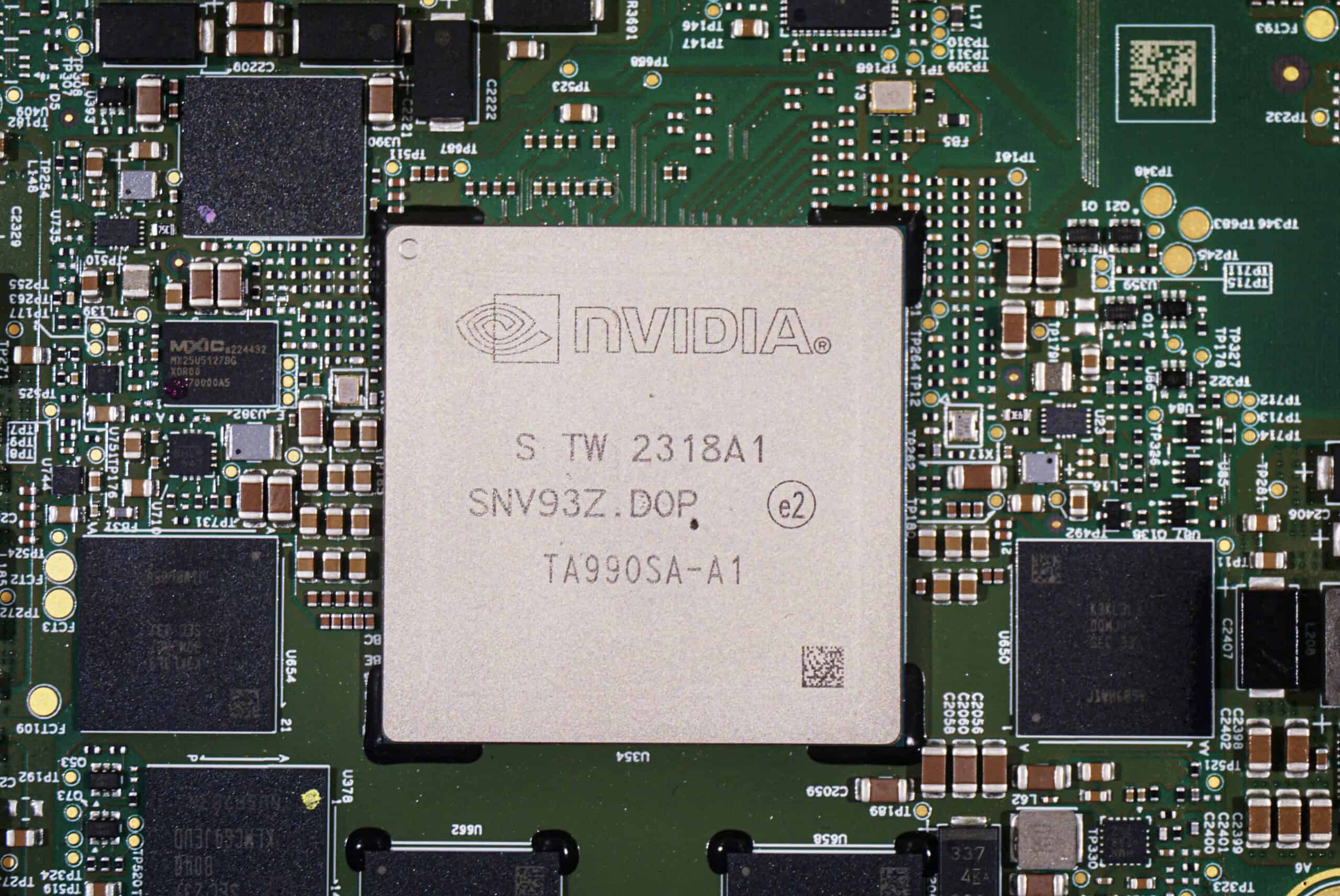
When President Donald Trump announced last December that Washington would let Nvidia sell its advanced H200 chips to China, reversing years of export control policy, the move drew plaudits from the company and denunciation from Democrats and China hardliners.
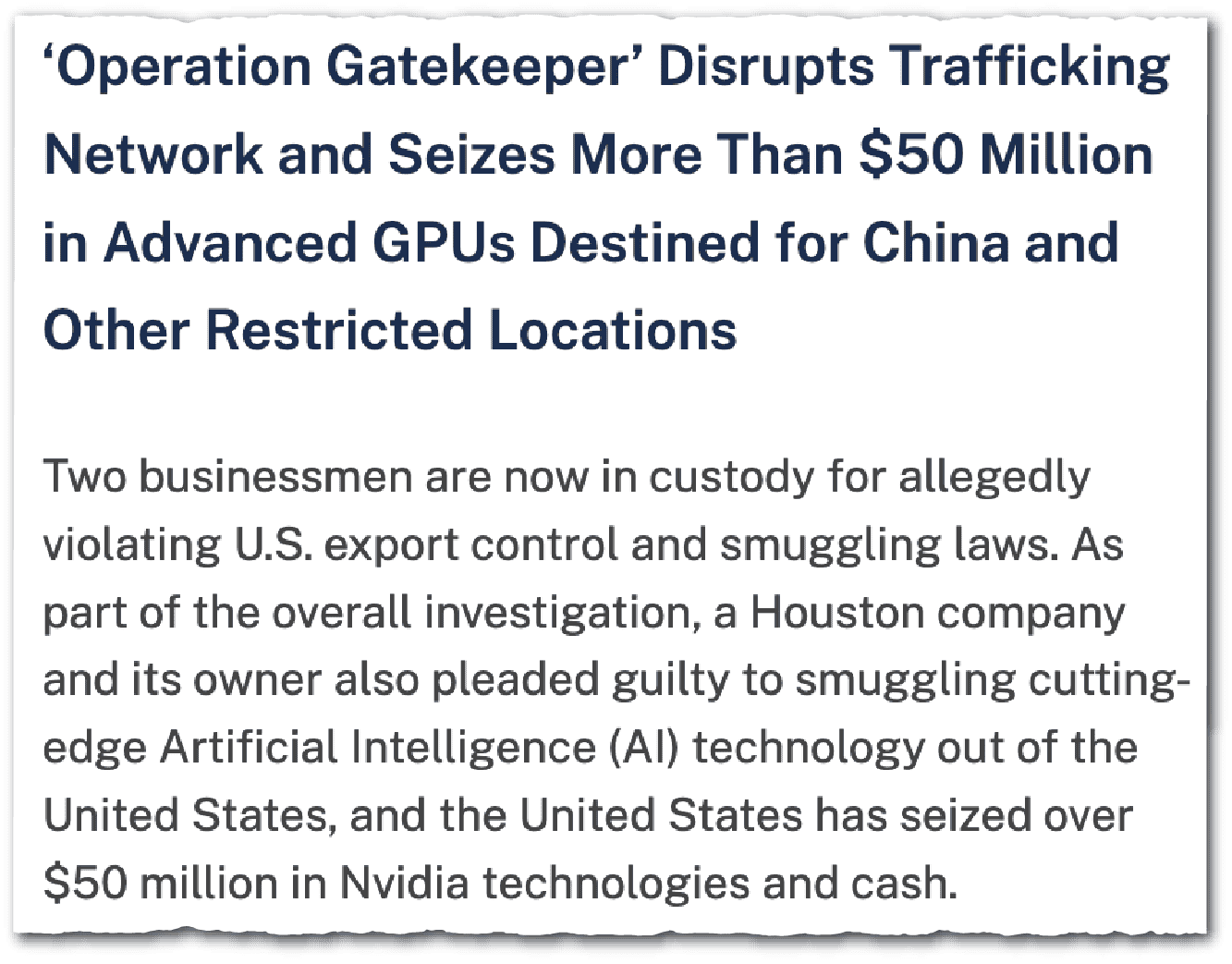
The controversy overshadowed another announcement. That same day, Department of Justice officials revealed they had broken up a smuggling ring that had illegally exported or attempted to export at least $160 million worth of advanced Nvidia AI chips to China — many of which were the exact model the government was now allowing to be shipped.
The details of that case offer insights into how the black market operates for Nvidia’s products, which many see as vital to U.S. efforts to stay ahead in the global AI development contest.
Prosecutors have charged two men, Fanyue Gong and Benlin Yuan, and announced a guilty plea from a third man, Alan Hao Hsu, in connection with the scheme. Gong and Yuan have pleaded not guilty and face a jury trial in Houston, Texas. Court documents entered this week have meanwhile identified the Chinese company that sought to acquire many of the chips.
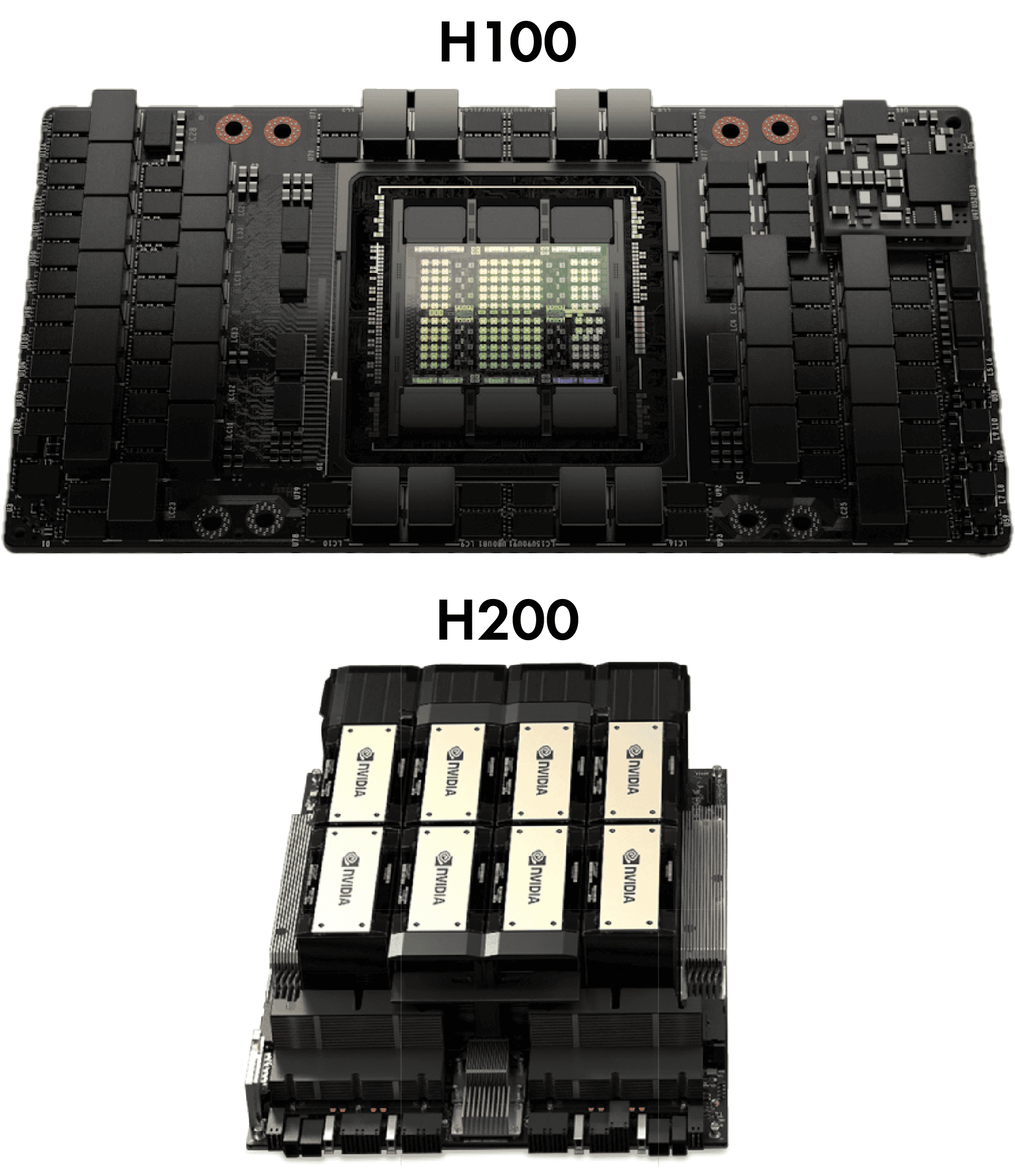
While the quantities that the ring sought to smuggle, at around 7,000 chips, are relatively small — leading AI companies require hundreds of thousands of chips to train their models — analysts say that the scheme stands out for its brazenness, and because it sought to operate inside the United States.
And while the case revolves around some chips that Nvidia is now allowed to sell to Chinese customers legally, it still exposes serious issues — including whether the U.S. authorities are equipped to prevent future smuggling of even more advanced chips still banned from being exported to China; and whether major U.S.-based companies involved in selling chips are doing enough to understand who their ultimate customers are.
“Many people have suspected that chip smuggling is going on through Malaysia or Singapore, but here it’s going directly through the U.S., where law enforcement is much more active,” says Lennart Heim, an independent AI policy analyst. “The question raised by this scheme is, how many more like them are there?”
THE SCHEME
Federal investigators allege that the chip smuggling scheme began in October 2024 and unfolded over eight months.
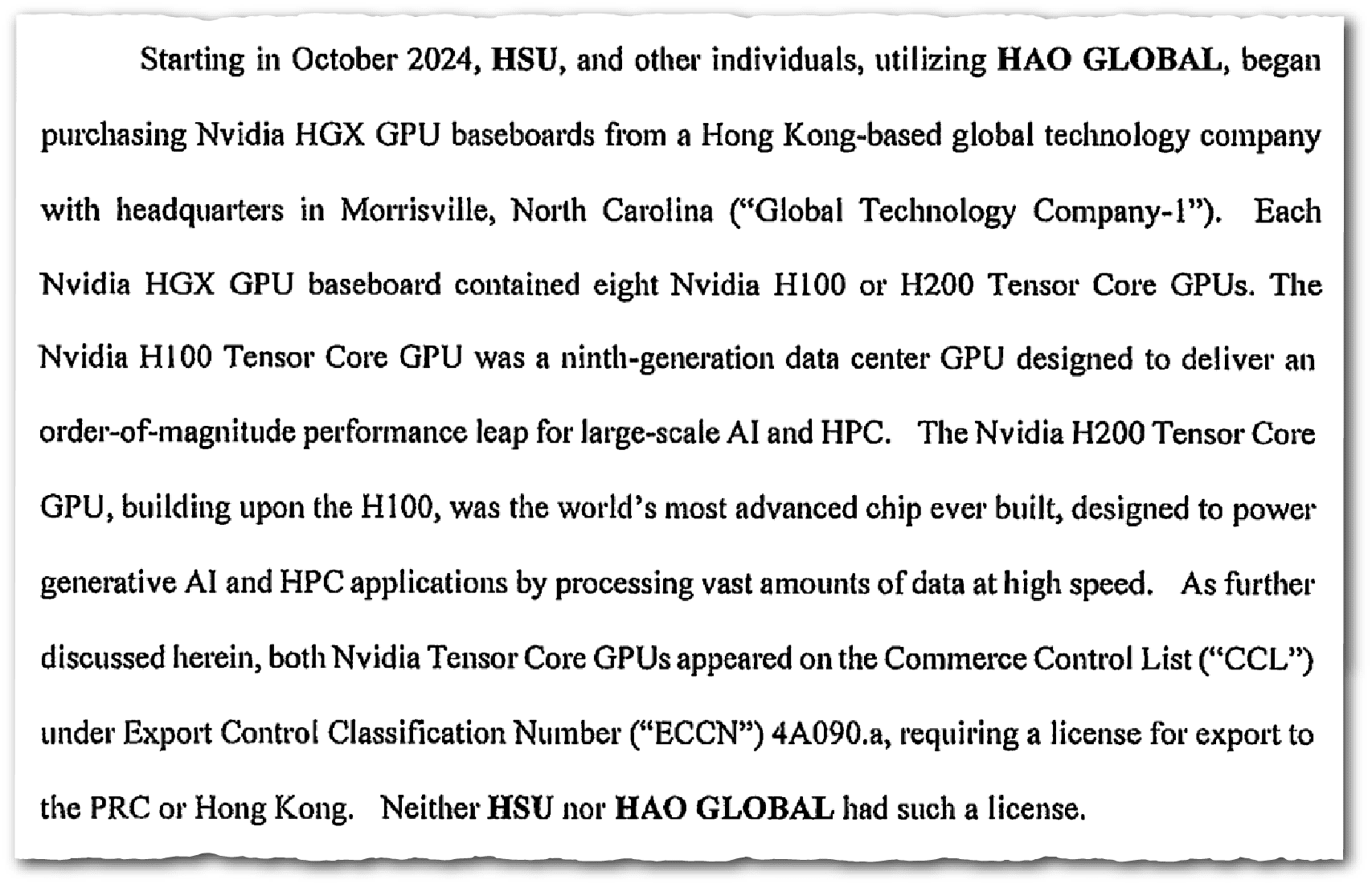
Hsu, a 43-year old Texas-based businessman, was responsible for handling many of the purchases. Using a Houston-based shell company he owned, Hao Global LLC, Hsu bought thousands of Nvidia chips from Lenovo, the multinational tech giant dual-headquartered in Beijing and Morrisville, North Carolina. Lenovo operates a business supplying Nvidia chips and data center infrastructure to third party customers: that ‘infrastructure solutions’ business line made $17.7 billion in 2025, accounting for around one-fifth of Lenovo’s total revenue that year.
There’s no indication in the court documents that Lenovo participated in the smuggling scheme. In a statement to The Wire, Lenovo said “This was a standard U.S. domestic sale to a third-party customer who, as specified in court documents, falsified their identity, paperwork, and compliance assurances to Lenovo in violation of export control laws.”
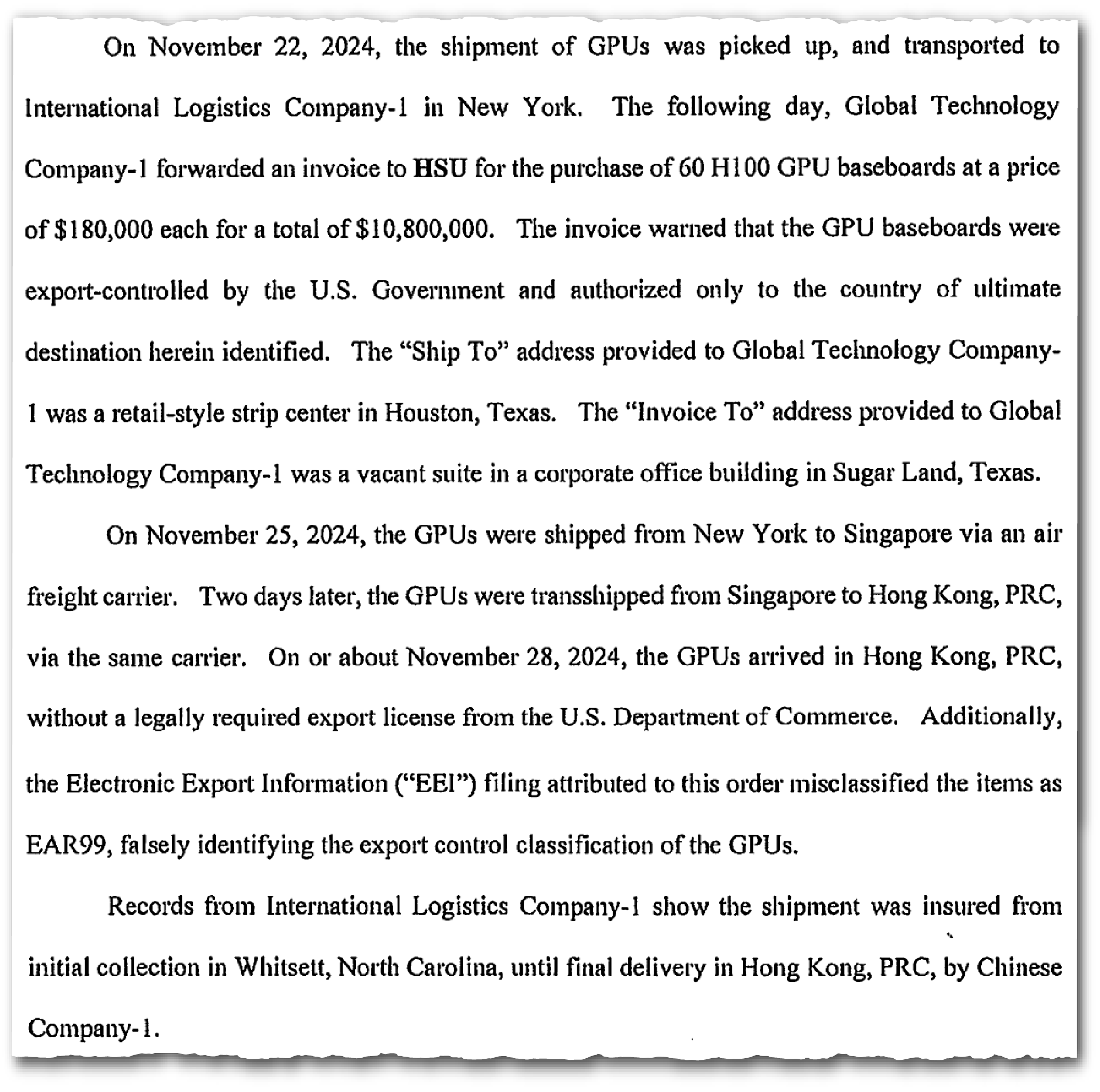
According to his plea agreement, Hsu initially agreed to buy over 7,000 H100 and H200 graphics processing units (GPUs) from Lenovo for around $160 million, through Hao Global. Hao Global, in turn, was paid by two unnamed Chinese companies through a web of intermediaries in Thailand, Singapore, Malaysia, China and Taiwan.
In the first transaction in October 2024, Hao Global acquired 60 H100 baseboards from Lenovo for $10.8 million — baseboards are specialized circuit boards designed to connect up to eight GPUs. To circumvent export controls, Hsu told Lenovo’s compliance team in the U.S. that the GPUs were destined for a U.S.-based end user. The actual buyer was a company in Shenzhen that was not named in court documents.
From there, the shipment encountered little friction as it made its way to China. In November 2024, an international logistics company (unnamed in the court documents) picked up the chips from Lenovo’s distribution center in North Carolina and transported them to New York, from where they were flown by the same courier to Singapore, and then Hong Kong.
…investigators uncovered five instances of shipments of Nvidia chips being sent to the New York area warehouses, where they were relabelled… prosecutors say the shipments were misclassified as “adapters” and exported to Canada, from where they were likely transshipped to China.
But Hsu encountered more difficulties on his second attempt to acquire chips for a Chinese company. In this case, court documents show, the buyer was a Hong Kong logistics company called Fortune Global. Incorporated in Hong Kong in 2020, Fortune Global is on paper wholly owned by a person named Wang Lei. But several clues and court documents point to Fortune Global’s actual controller: a mainland Chinese company named Shengda Global Service Technology Co..

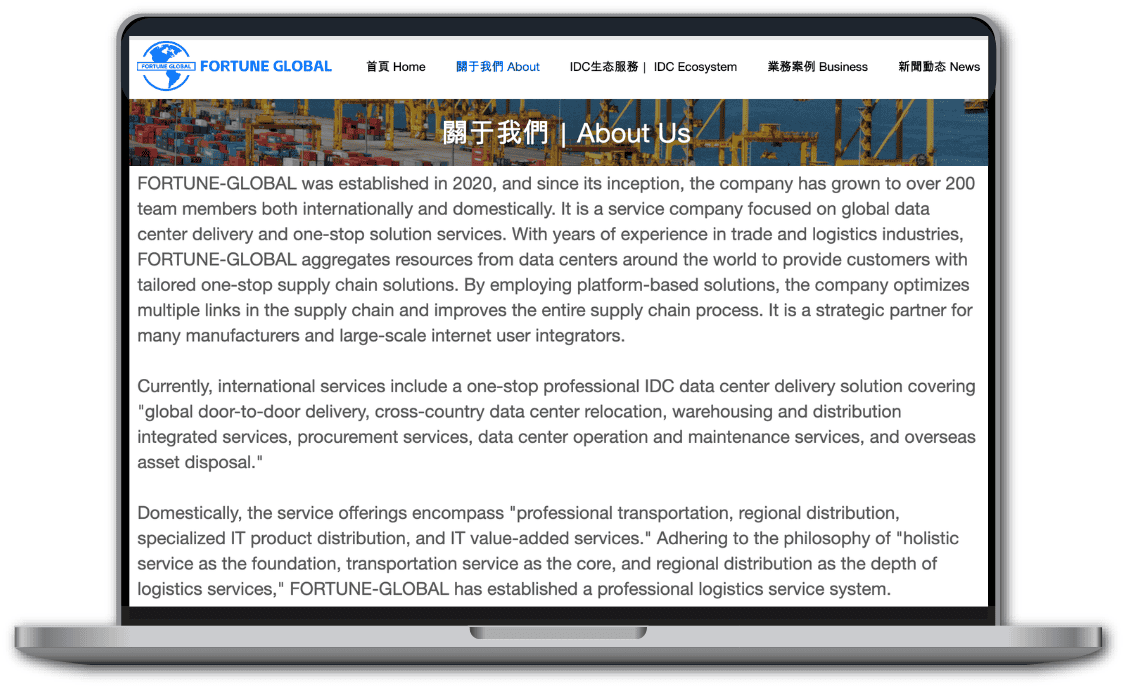
Left: Shengda’s website. Right: An archived snapshot of Fortune Global’s website.
Shenzhen-based Shengda describes itself as a “one stop” logistics company specializing in data centers, with overseas “outlets” in 10 countries. The company claims to be a certified Nvidia partner, although there is no indication from Nvidia’s own list of accredited partners that that is the case.
While Shengda and Fortune Global are not connected by ownership, internet domain registration data show that Fortune Global’s website was set up using a Shengda email. And separate regulatory filings by a Fortune Global supplier claimed that Fortune Global is a Shengda subsidiary.
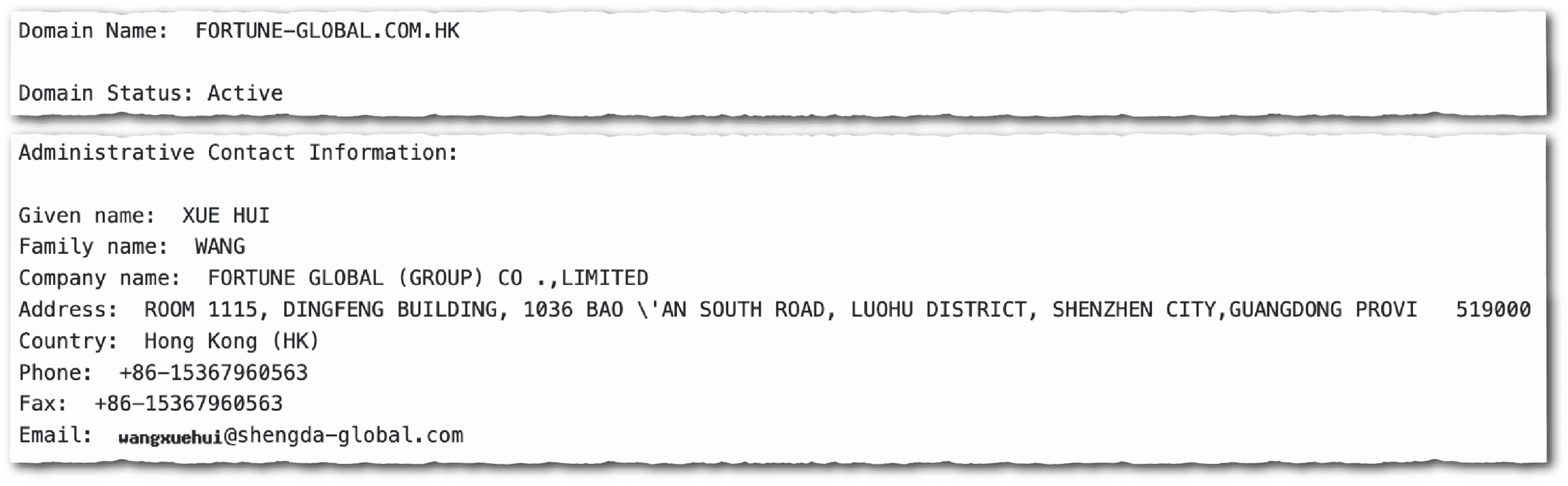
Shengda did not respond to a request for comment. After The Wire reached out to Shengda by email, Fortune Global’s website (archived here) was taken down; as was Shengda’s English site.
U.S. Attorney Nicholas J. Ganjei discusses Operation Gatekeeper, December 8, 2025. Source: KHOU 11
The court documents state that Fortune Global wired Hao Global $1.5 million on January 15, 2025. Two days later, Hsu paid Lenovo the same amount as a deposit for a $55.6 million order for Nvidia 300 baseboards, containing 800 H100 and 1,600 H200 GPUs.
Hsu and Lenovo agreed to break the order into three separate transactions, with an initial shipment of 32 baseboards to be picked up from Lenovo’s distribution center in February 2025. The end user, Hsu falsely told Lenovo, was an AI company based in Thailand.
But the order never made it. When Hsu attempted to export the chips in February — this time through Atlanta, Georgia — agents from the Commerce Department’s Bureau of Industry and Security (BIS) intercepted and detained them.
The Atlanta detention forced Hsu to change strategies. Undeterred, he pivoted to a different intermediary, a Chinese warehouse network based in the New York City area.
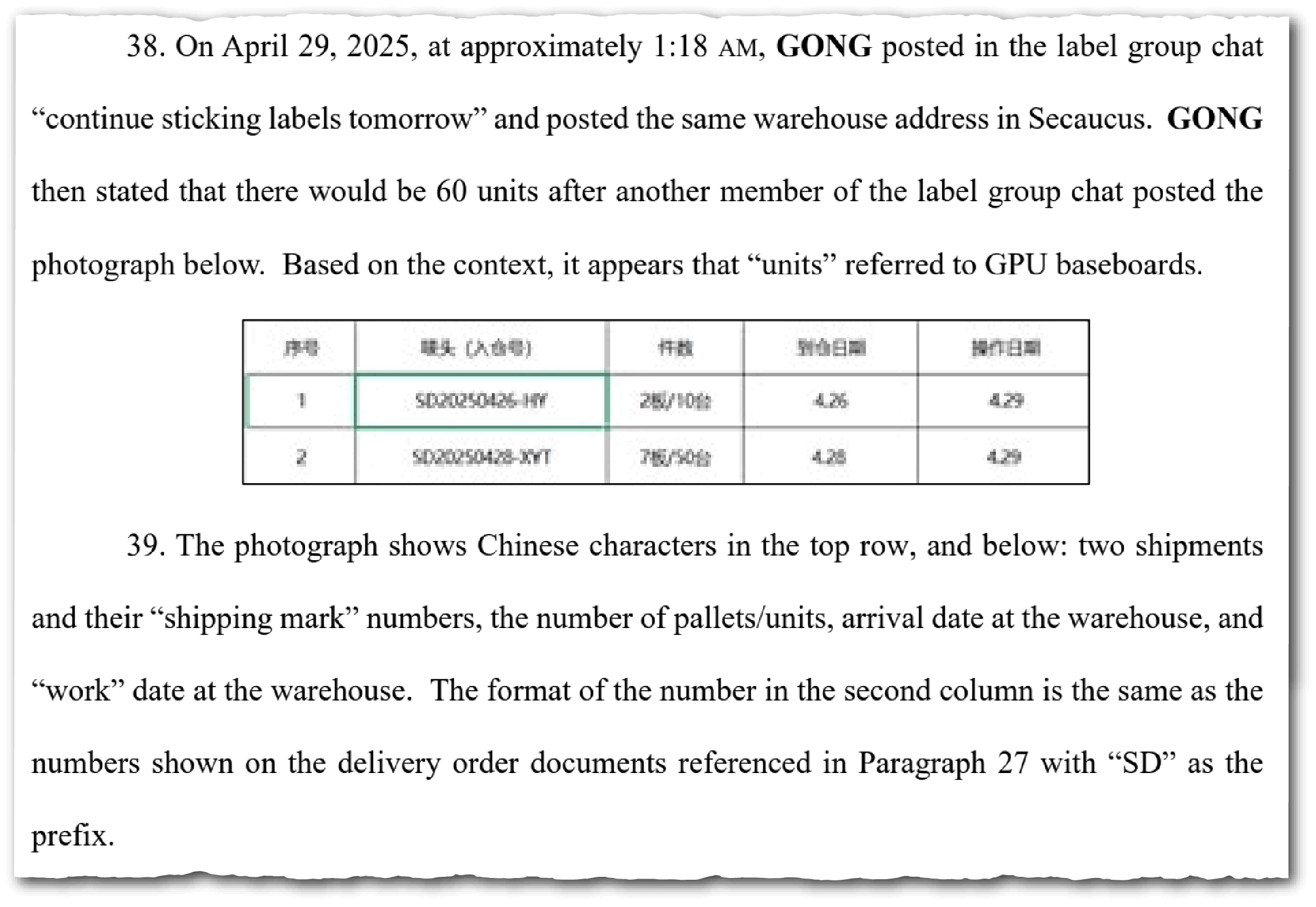
The warehouses provided cover for other conspirators in the smuggling ring to perform an extra layer of deception: BIS investigators allege that workers there systematically opened the shipments from Lenovo and relabelled the Nvidia chips with a fake company name in order to conceal their origin.
Organizing the relabelling operation was Gong, one of the two men indicted in December. Aged 43, Gong is a former IBM engineer and owner of BeiBei Business Tech, a New York company that provides IT services for internet cafes, supermarkets and karaoke businesses.
According to BIS investigators, Gong directed the relabelling operation via a Chinese-language group chat that contained 20-30 members. He instructed workers on which warehouses to go to, and to cover barcodes and labels containing Nvidia’s name with new labels displaying the word “SANDKYAN”, a generic brand name with no significant meaning.
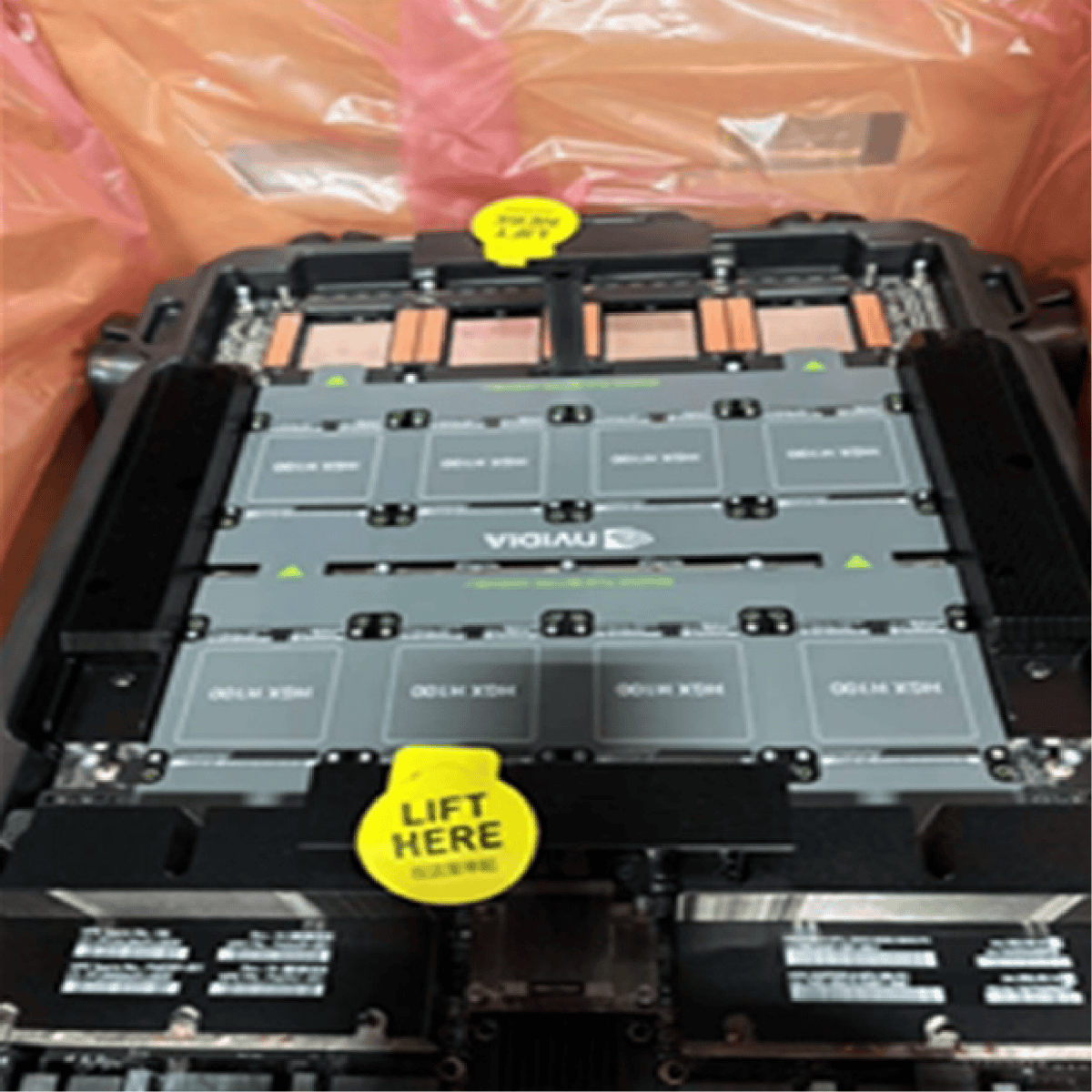
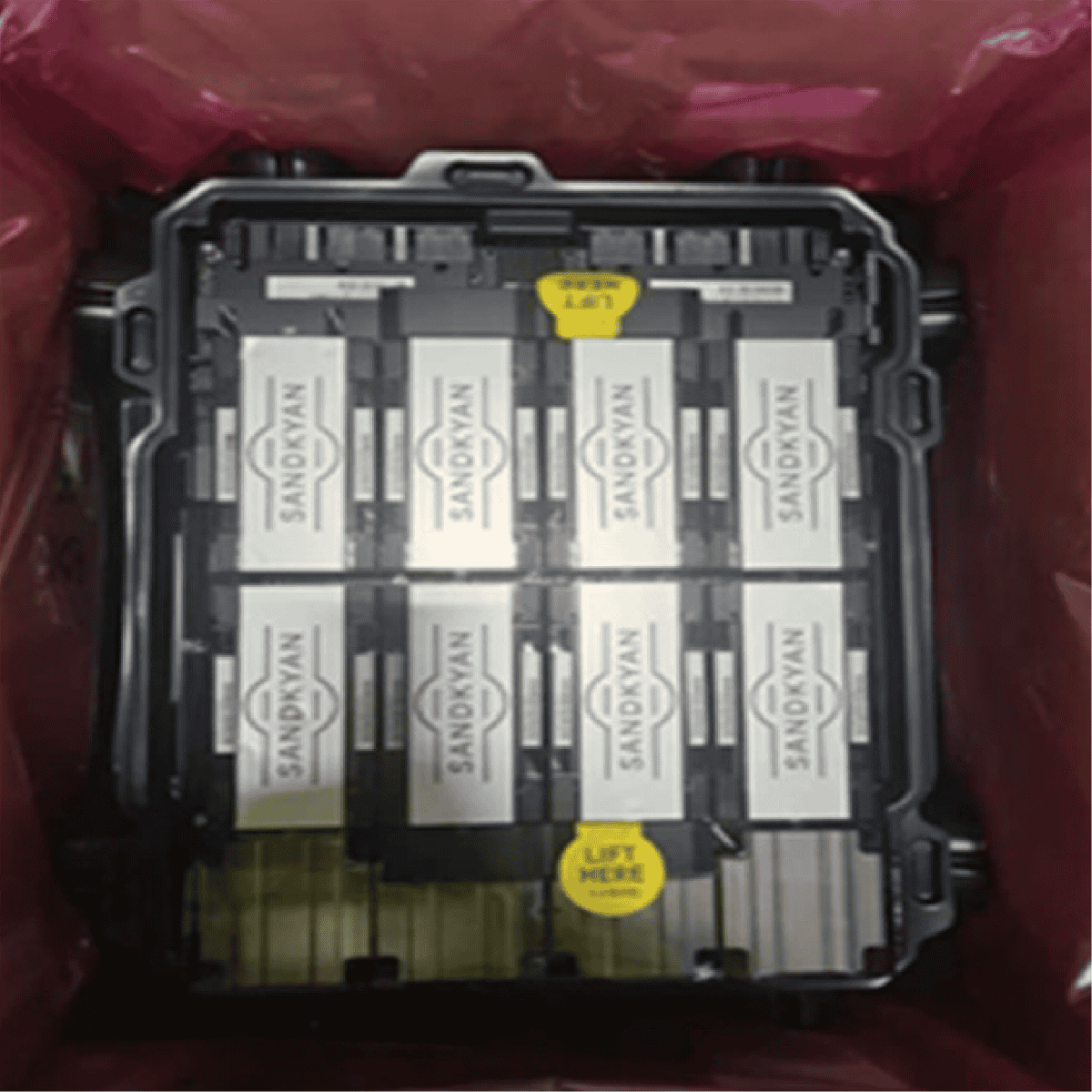
Left: An Nvidia GPU baseboard. Right: An Nvidia GPU baseboard with “SANDKYAN” labels. Source: DOJ
In total, investigators uncovered five instances of shipments of Nvidia chips being sent to the New York area warehouses, where they were relabelled under Gong’s supervision. Once disguised, investigators say the shipments were misclassified as “adapters” and exported to Canada, from where they were likely transshipped to China.
Nvidia could be doing perfect due diligence, but if a server builder is not doing its due diligence, then Nvidia really isn’t to blame. The question for a company like Lenovo is, should they have been doing better due diligence?
Erich Grunewald, a senior researcher at the Institute for AI Policy and Strategy
By early May 2025, however, U.S. investigators had caught wind of the operation. According to the criminal complaint against Gong, agents “received information” about pallets of Nvidia GPUs being stored in a New Jersey warehouse that were destined for China.
It’s not clear who tipped off the agents, but two days later, BIS investigators dispatched an undercover agent to the warehouse to investigate and speak to the workers. Soon after that, agents quietly detained and removed all of the GPUs from the facility.
A RANSOM
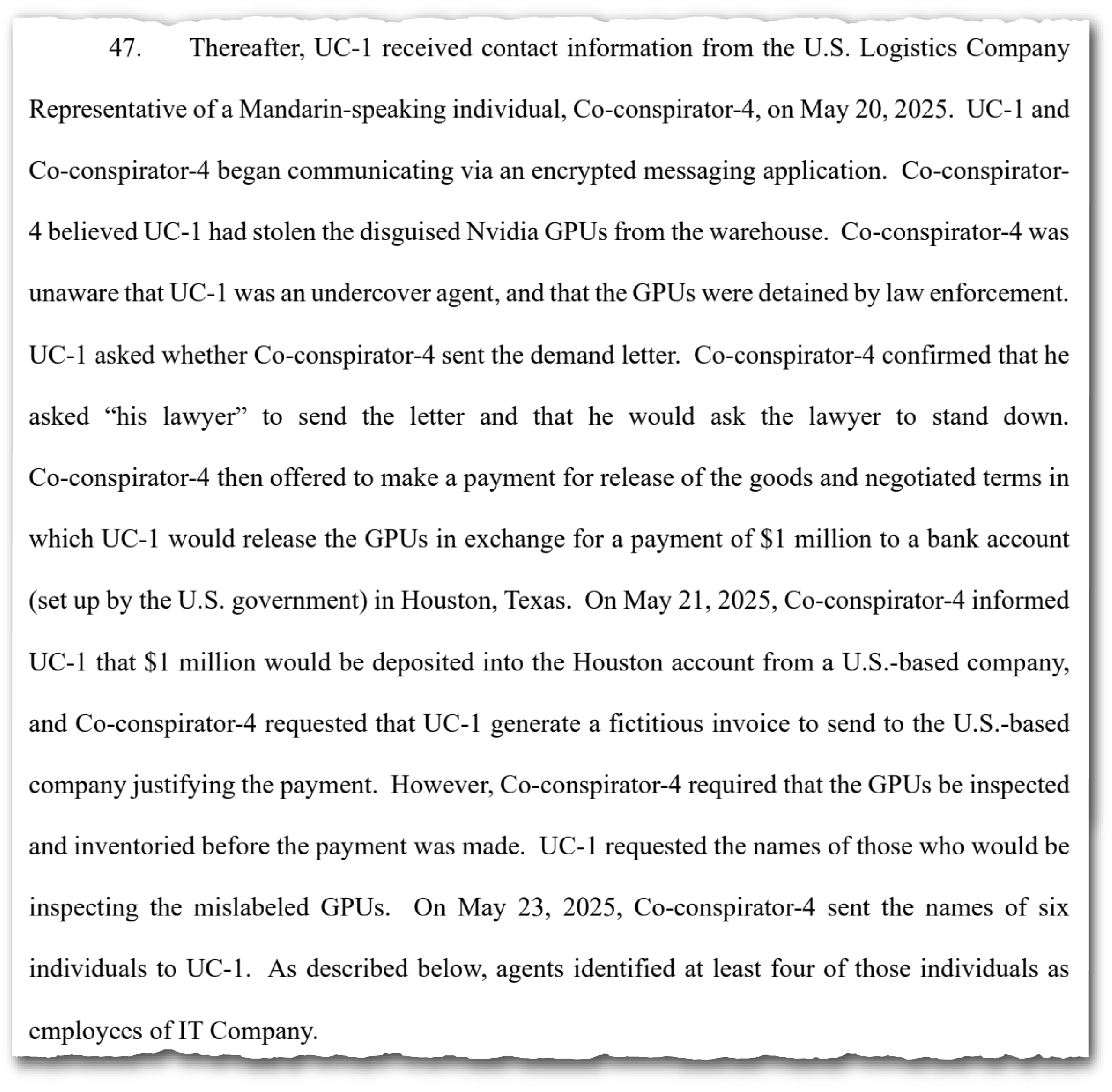
BIS’s removal of the chips triggered a crisis for the smuggling ring. Gong and his co-conspirators were seemingly unaware that federal agents had detained the GPUs; rather, they believed that they had been stolen.
On May 20, a person affiliated with Fortune Global contacted the undercover BIS agent, offering a $1 million ransom payment in return for the chips. Before the money would be wired, however, the person requested that a team be allowed to inspect the chips.
It was then that Yuan, the other defendant named in the December indictment, was brought in. Yuan, 58, is co-chief executive of Asiacom Americas, a Virginia-based data center installation and management company. It is a subsidiary of Beijing Asiacom Information Technology Co., a Shenzhen-listed data center provider whose clients include China’s biggest tech companies, such as Alibaba, Tencent, Baidu and ByteDance.

The criminal complaint against Yuan alleges that he organized the group sent to inspect the chips prior to the ransom payment, which included at least four Asiacom Americas employees. A group chat recorded deliberations over the recovery operation between Yuan, two senior employees at Asiacom Beijing, and three representatives from Fortune Global and Shengda Global.
In one message in the group chat, an Asiacom Beijing employee explained why Asiacom had been roped into the recovery effort. Fortune Global, the employee explained, is a “best friend” of Asiacom Beijing, and “[we are] making an all-out effort.” Asiacom’s financials show that, as recently as 2022, Shengda was one of its major suppliers (subsequent financial statements redacted supplier names).
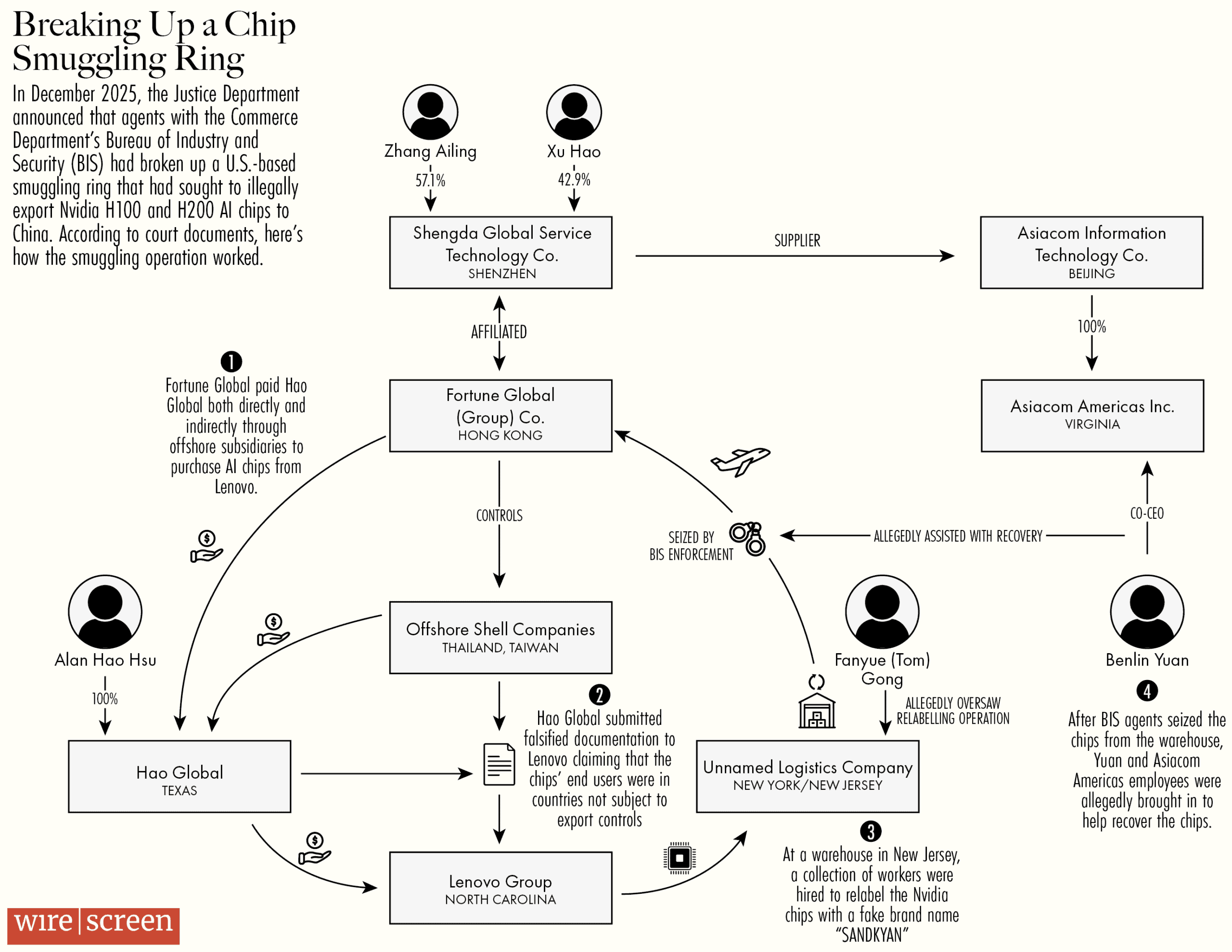
The investigators went along with the theft ruse. On May 27, Yuan’s team arrived at the BIS warehouse to inspect the chips. Federal investigators watched on surveillance cameras as the inspectors opened the boxes of “SANDKYAN” chips and compared the contents to photos showing Nvidia labels. Satisfied, an affiliate soon thereafter wired the $1 million ransom to a government-controlled bank account.
By the next day, the gig was up. When the smugglers returned to the warehouse with three semi-trucks to pick up the chips, BIS agents swooped in and placed the goods under detention.
Attorneys for Yuan and Gong did not respond to requests for comment. Hsu’s lawyer declined to comment. Asiacom did not respond to an emailed request for comment.
A ONE-OFF OR MORE TO COME?
While this network of smugglers was broken up, the relative simplicity of their scheme raises the question: could this happen again?
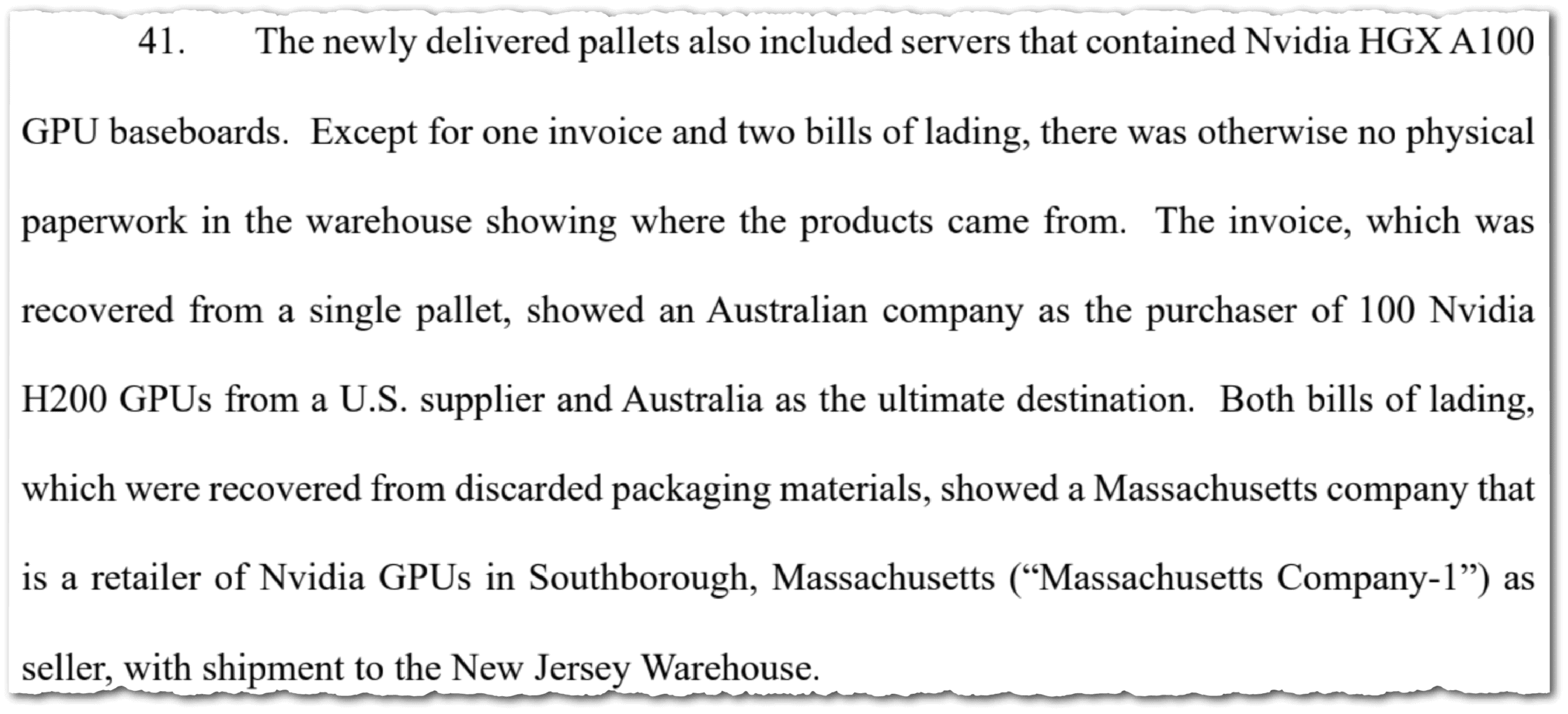
The court documents indicate that other parties not charged also participated in the scheme. In two cases, for example, pallets of Nvidia chips destined for the New Jersey warehouse were sent there not by Hsu, but from another vendor based in Massachusetts.
“My understanding is that there are quite a lot of people who are opportunistically smuggling,” says Erich Grunewald, a senior researcher at the Institute for AI Policy and Strategy who has studied chip smuggling. “Perhaps they have a legitimate trading company that does one thing, but they realize it’s really profitable to buy GPUs and resell them to someone else.”
Lenovo’s part in the story bears further scrutiny, Grunewald adds.
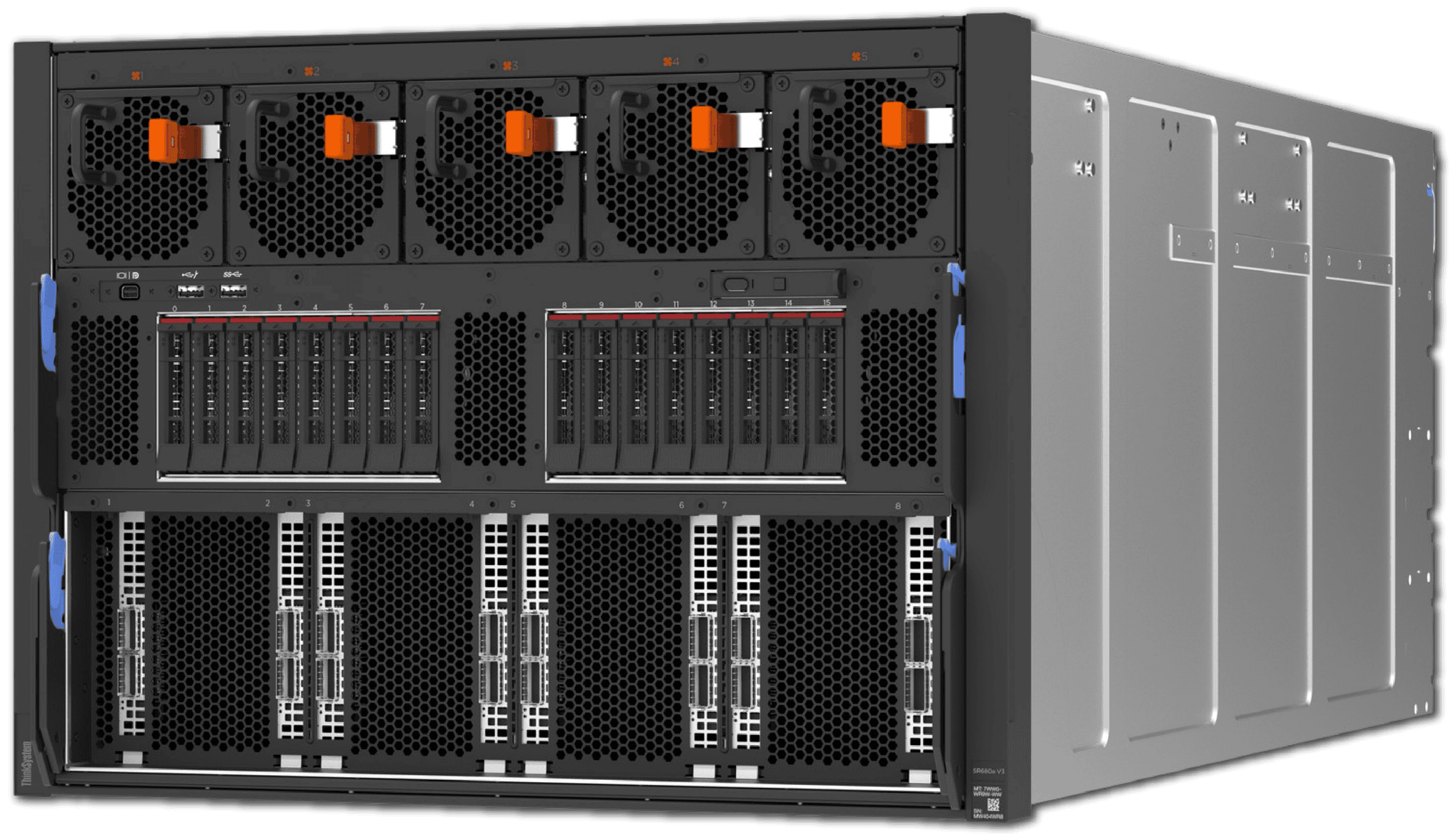
“Nvidia could be doing perfect due diligence, but if a server builder is not doing its due diligence, then Nvidia really isn’t to blame,” he says “The question for a company like Lenovo is, should they have been doing better due diligence?”
Lenovo told The Wire that the company “maintains a rigorous, industry-leading export compliance program and has fully cooperated with federal authorities.”
A spokesperson for Nvidia told The Wire: “We primarily sell our products to well-known partners… who work with us to ensure that all sales comply with U.S. export control rules. If we determine that any of our products are being shipped in violation of U.S. export controls, we will work with our partners and take appropriate action.”
Obviously the ideal amount of smuggling is zero, but that’s also not a cost effective goal [for the government to enforce]. We should certainly ask for more due diligence. But you can always expect some smuggling to be going on.
Lennart Heim, an independent AI policy analyst
“Trying to cobble together datacenters from smuggled products is a nonstarter, both technically and economically,” the spokesperson added. “Datacenters are massive and complex systems, making any smuggling extremely difficult and risky, and we do not provide any support or repairs for restricted products.”
Some warn that the issue goes beyond data centers, however.
“It’s unlikely that schemes like this are sufficient to build the kind of hundred thousand or even one million GPU clusters needed for frontier development,” says Heim, the independent analyst. “But quantities like these may still be going to research institutions or military end users that generally run simulations on smaller clusters.”
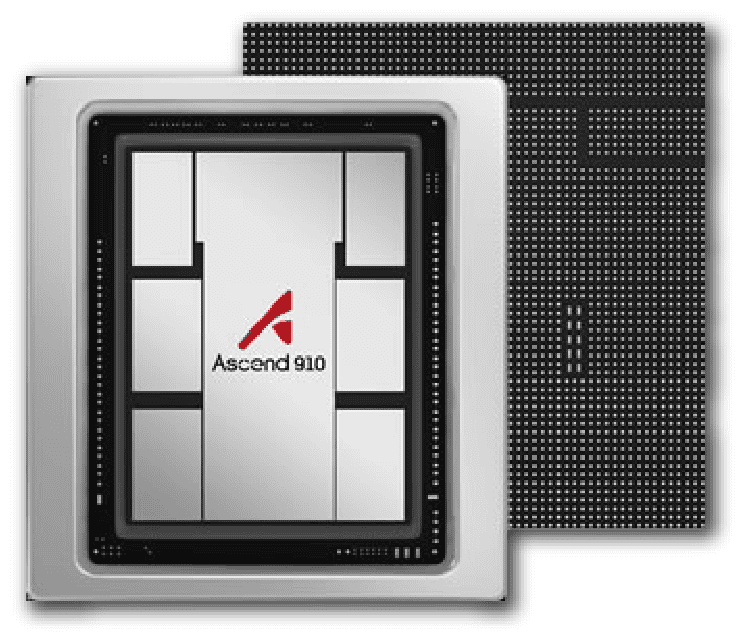
Nvidia disputes the extent to which its chips may be used by Chinese military end users, pointing to guidelines from China’s military leadership and government tenders that promote the use of indigenous alternatives such as Huawei’s Ascend 910 chips.
“China has more than enough domestic chips for all of its military applications, with millions to spare,” says the Nvidia spokesperson. “Just like it would be nonsensical for the American military to use Chinese technology, it makes no sense for the Chinese military to depend on American technology.”
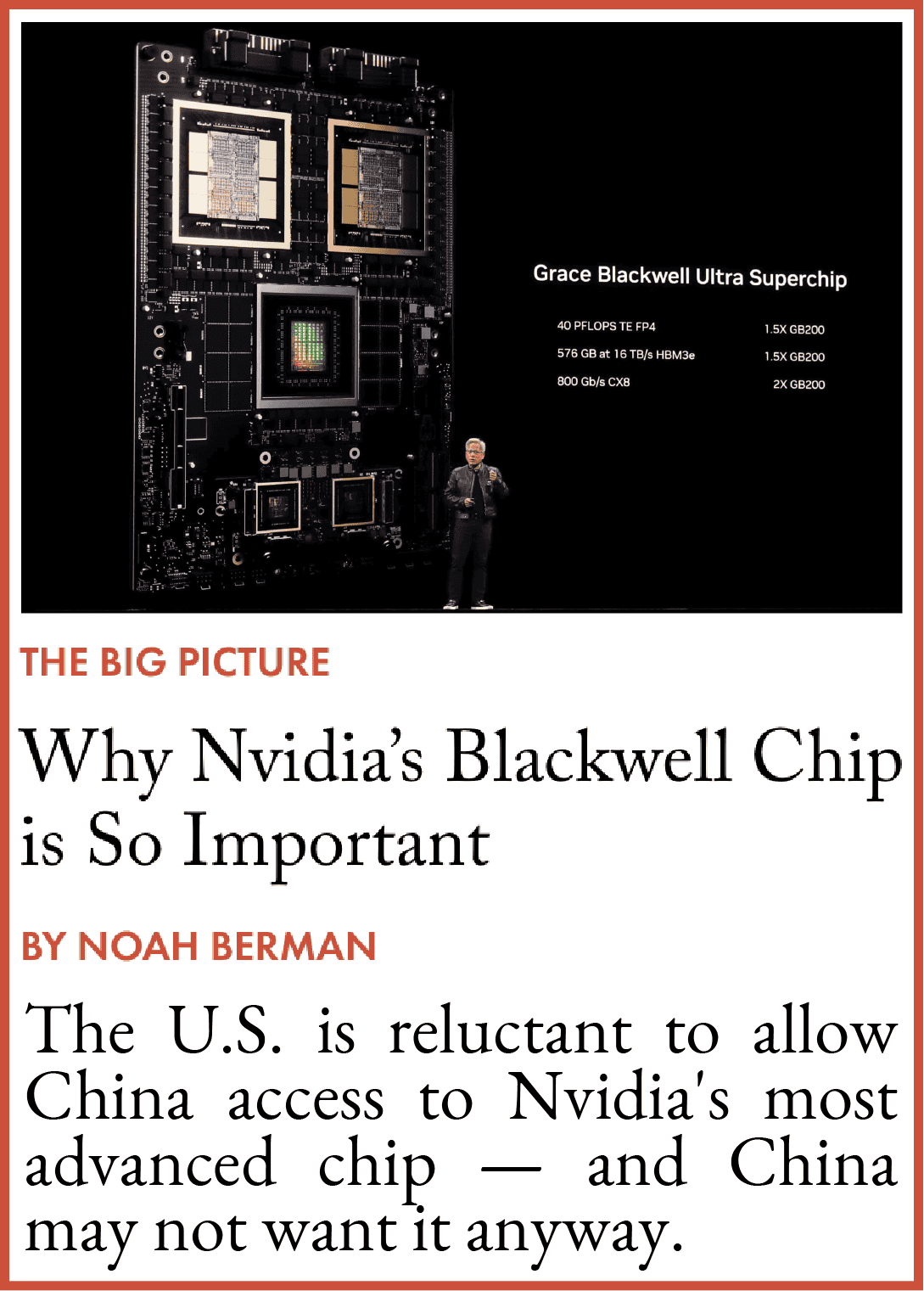
For now, Washington’s loosened export controls on H200 chips may put a dampener on the smuggling trade, as companies in China acquire those Nvidia products through legal channels.
Still, there is evidence that Chinese companies have continued to illicitly acquire Nvidia’s more powerful processors that remain under export controls. This week, Reuters, citing an anonymous senior Trump administration official, reported that China’s DeepSeek may have trained its latest model on Nvidia’s next-generation Blackwell chips, which remain export controlled. Nvidia’s Blackwell line of chips are its most powerful to date, allowing AI companies and researchers to train AI models more cost efficiently.
The persistence of the smuggling trade raises questions about whether more can be done to aid BIS’s export control enforcers in uncovering other operations.
Grunewald points to a bipartisan bill that was introduced in Congress last year that could better incentivize people to blow the whistle about export control violations.
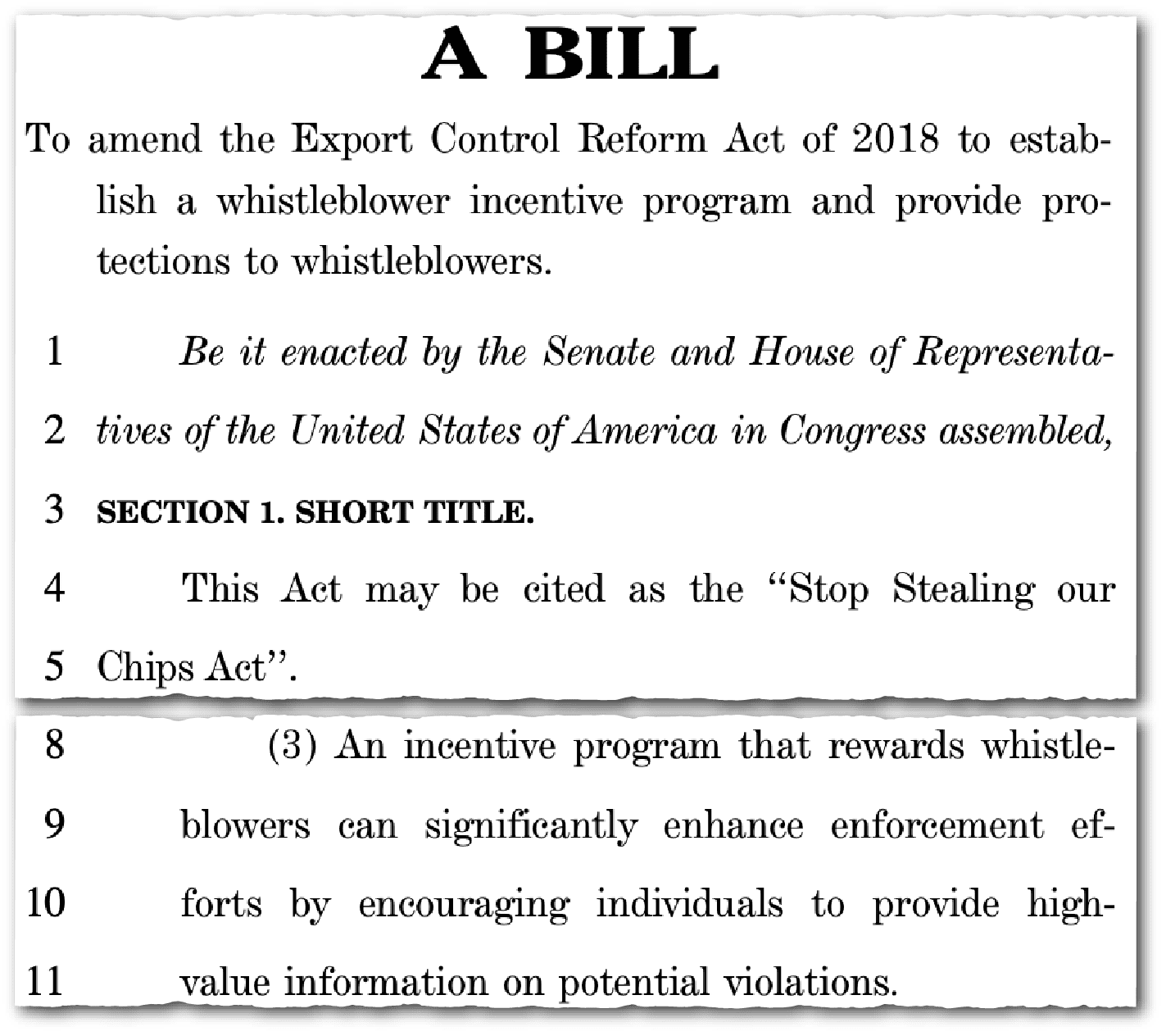
“In this case, a person reported it out of the goodness of their heart,” he says. “But in an ideal world, BIS would be able to reward whistleblowers for telling them about export violations and could even get a percentage of the penalty.”
The case in Texas comes at a time when BIS’s own capabilities appear to have been weakened by the departure of key staff. The Wall Street Journal reported in January that the Trump administration had forced out two officials who were focused on efforts to stifle China’s technological advances. The bureau has seen a steady exodus of employees since the start of 2025.
“Obviously the ideal amount of smuggling is zero, but that’s also not a cost effective goal [for the government to enforce],” says Heim. “We should certainly ask for more due diligence. But you can always expect some smuggling to be going on.”

Eliot Chen is a Toronto-based staff writer at The Wire. Previously, he was a researcher at the Center for Strategic and International Studies’ Human Rights Initiative and MacroPolo. @eliotcxchen