Millions of Chinese factory owners have been bequeathed a difficult inheritance. AI offers a way to modernize their parents’ low-margin businesses, but only if they can overcome often deep-rooted resistance to change.
Illustration by Luis Grañena
Guo Ruize is a dutiful son. After graduating with a degree in mechanical engineering in 2016, Guo joined his father’s laser-cutting factory in the northeastern city of Shenyang.
At the time, factory management was largely paper-based. A clipboard hung on a workshop wall. Managers would grab it to scribble handwritten changes to the production schedule as new orders came in.
The factory cuts various materials into sheets for clients across a range of industries. Every day brought a new co
Exclusive longform investigative journalism, Q&As, news and analysis, and data on Chinese business elites and corporations. We publish China scoops you won't find anywhere else.
A weekly curated reading list on China from Andrew Peaple.
A daily roundup of China finance, business and economics headlines.
We offer discounts for groups, institutions and students. Go to our Subscriptions page for details.
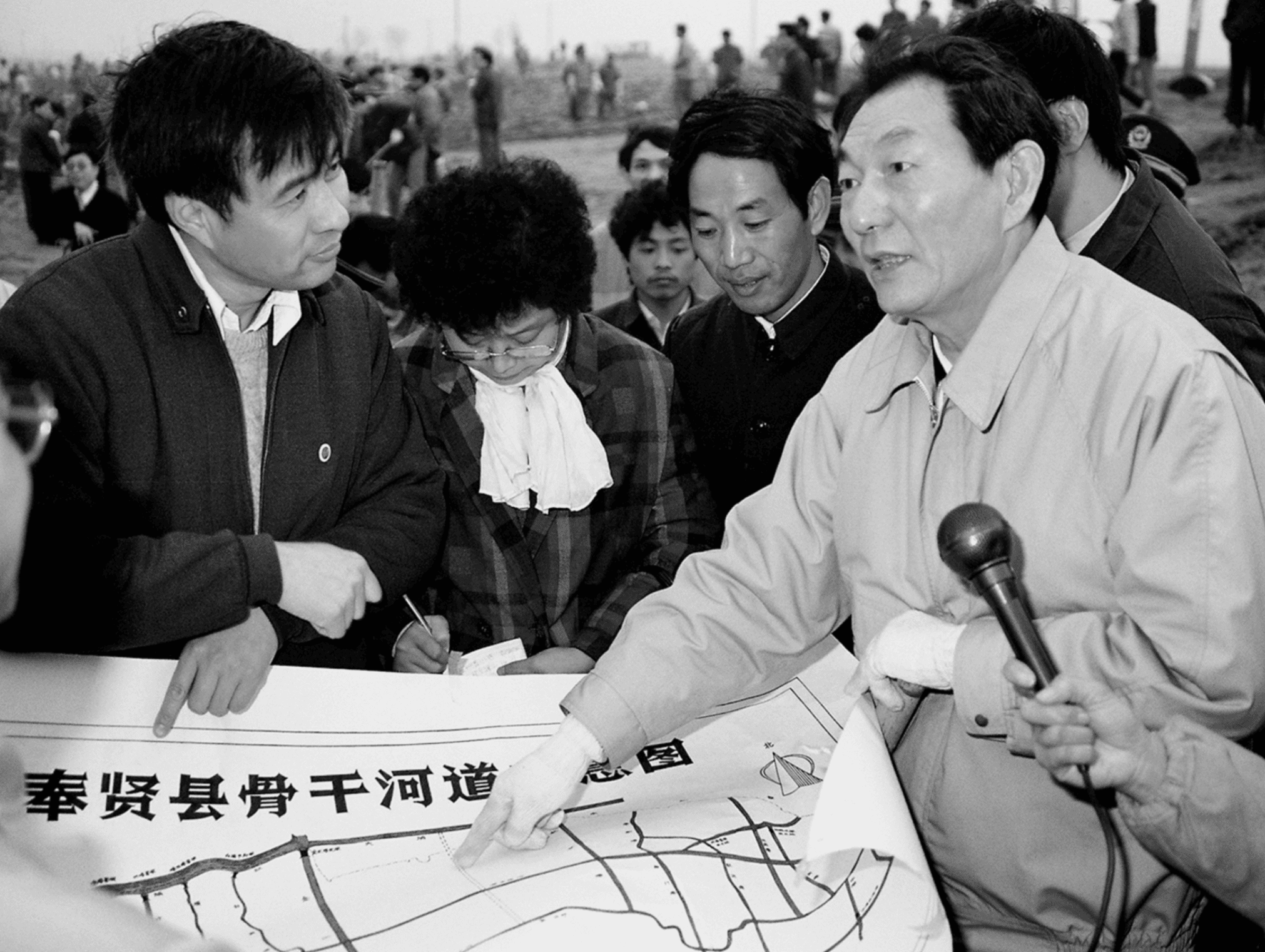
How did the late premier convince local governments to surrender fiscal revenues to Beijing? In an extract from his recent book, Authoritarian Markets, Adam Y. Liu explains how Zhu played his trump card — letting local governments set up their own banks.
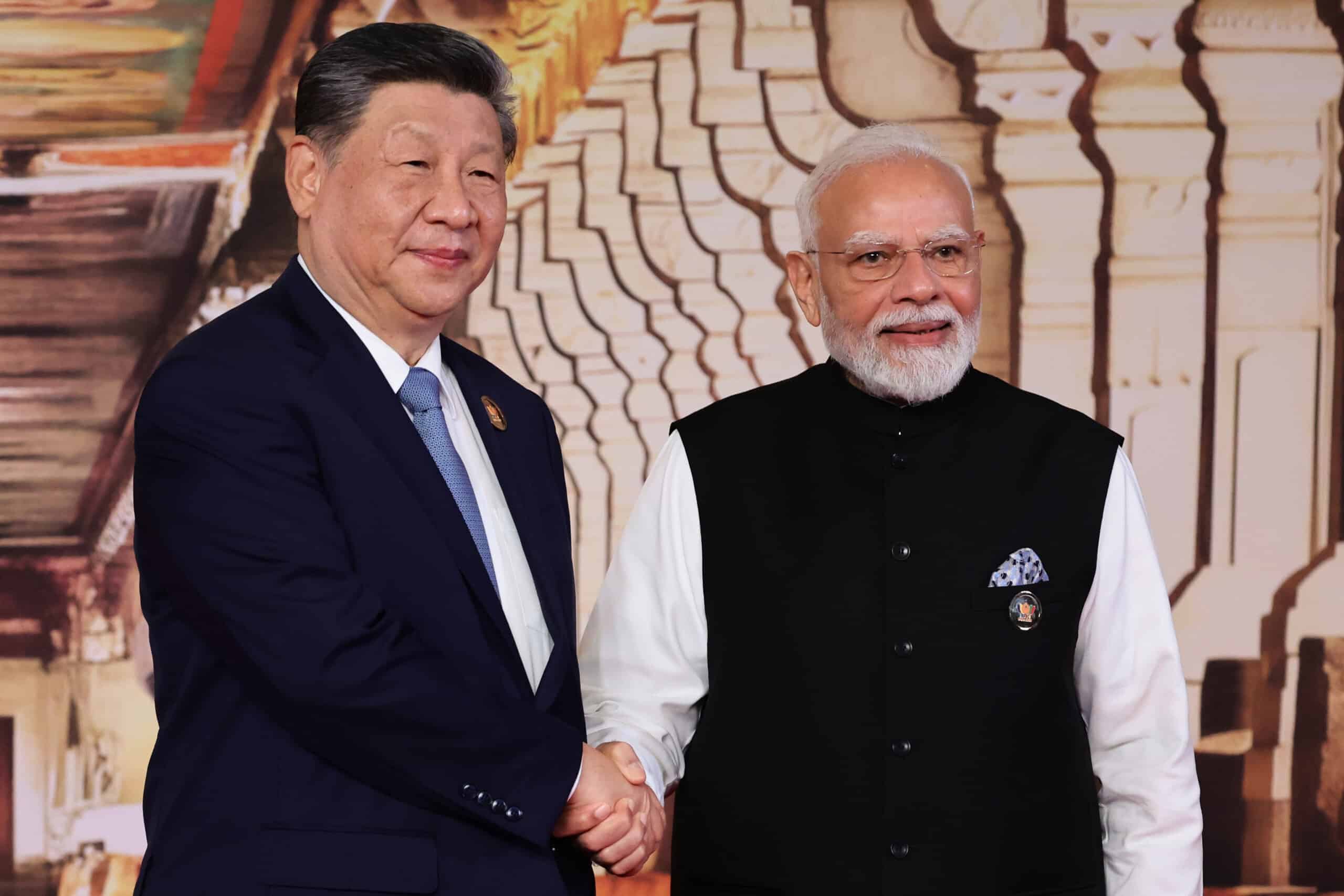
Rebuilding healthy ties between the Indian and Chinese governments is likely to be a long process, with issues from the border to the Dalai Lama’s succession looming.
We use cookies to ensure that we give you the best experience on our website. If you continue to use this site we will assume that you are happy with it.