
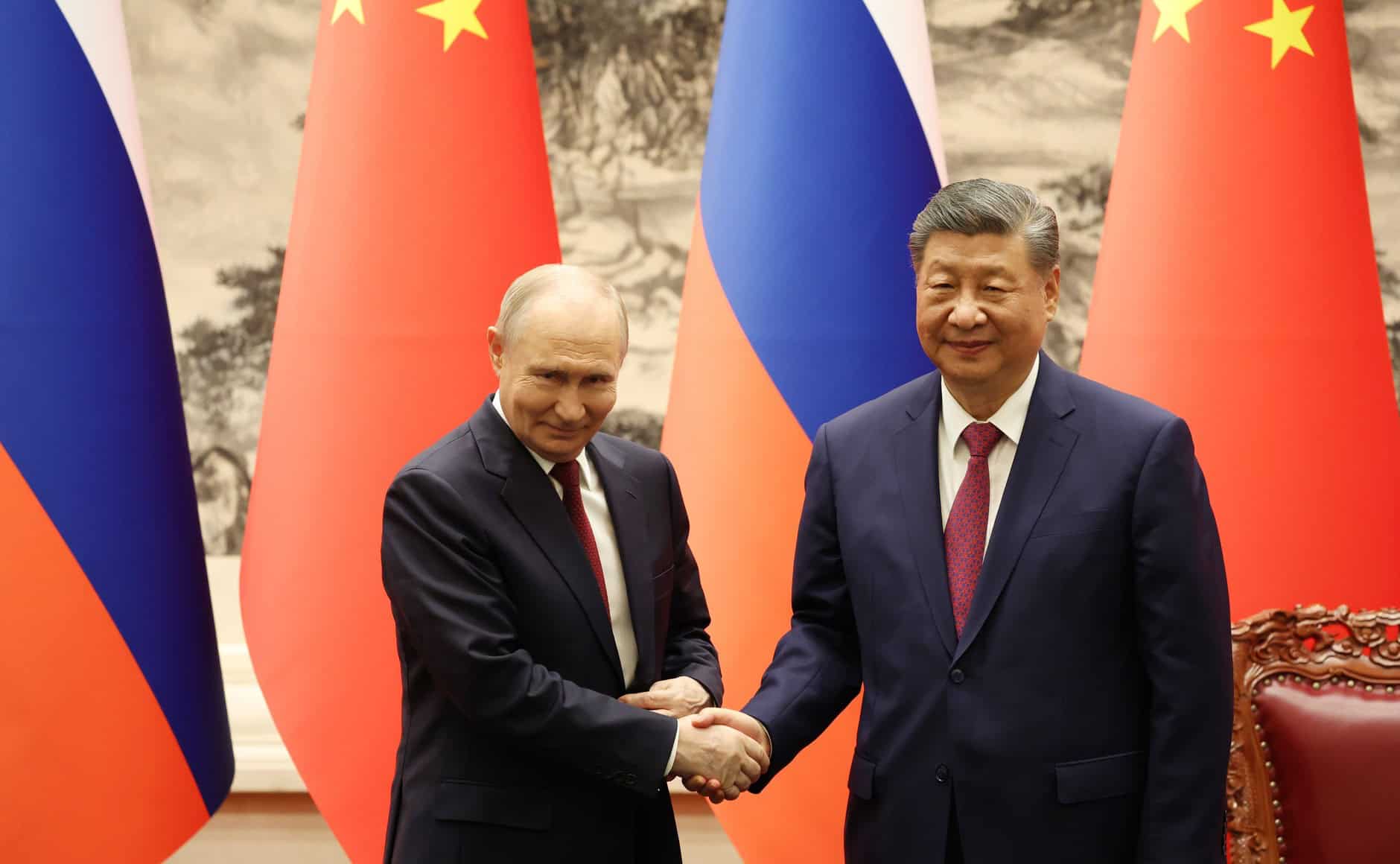
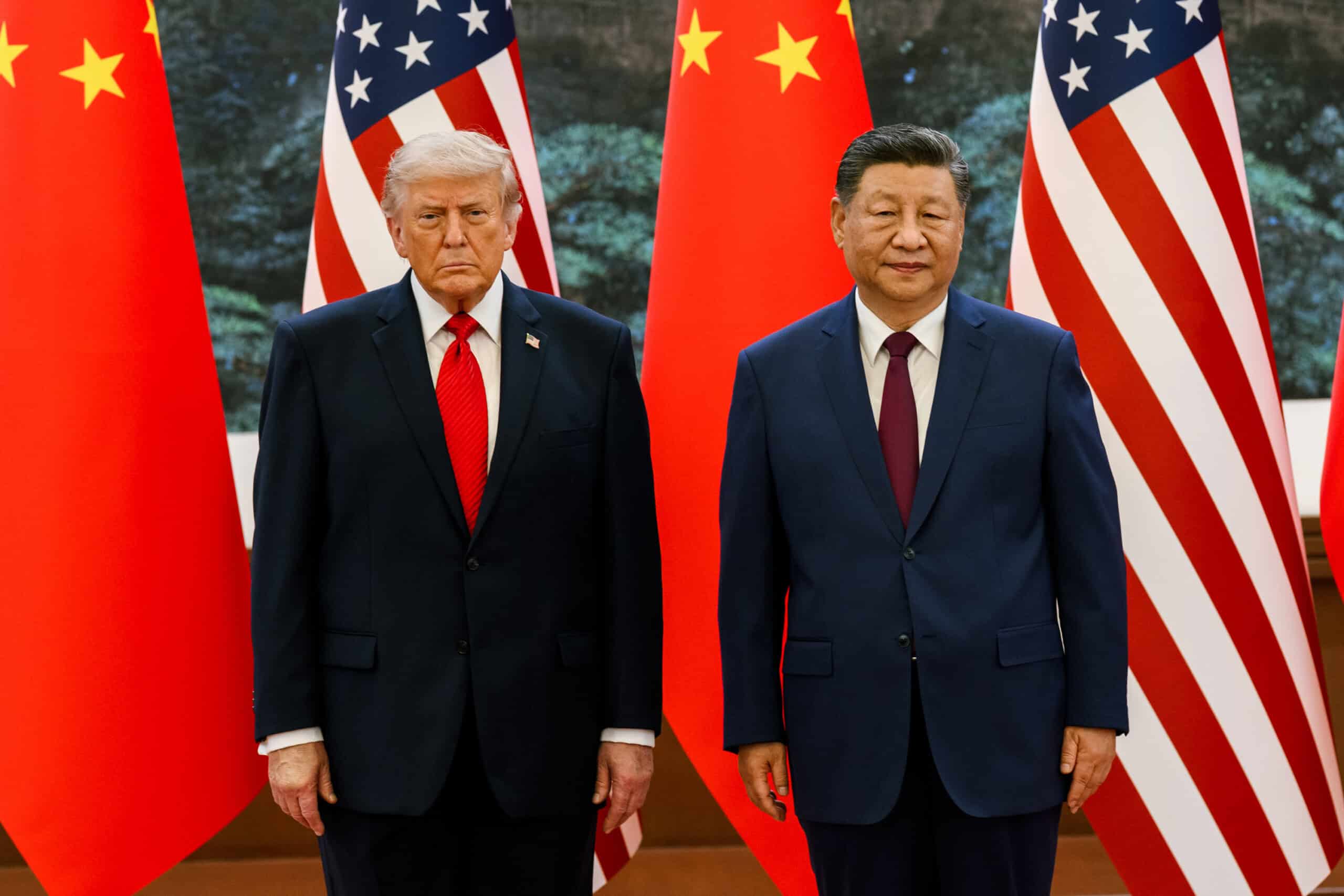
When Vladimir Putin and Xi Jinping met this week in Moscow, the choreography was, as ever, immaculate. Two leaders, two flags, the ritual affirmation of a “no limits” partnership forged in the days before Russia’s full-scale invasion of Ukraine.
But beneath the theatre, the geometry of power between the two men has never been more lopsided — and the summit made that asymmetry impossible to ignore.
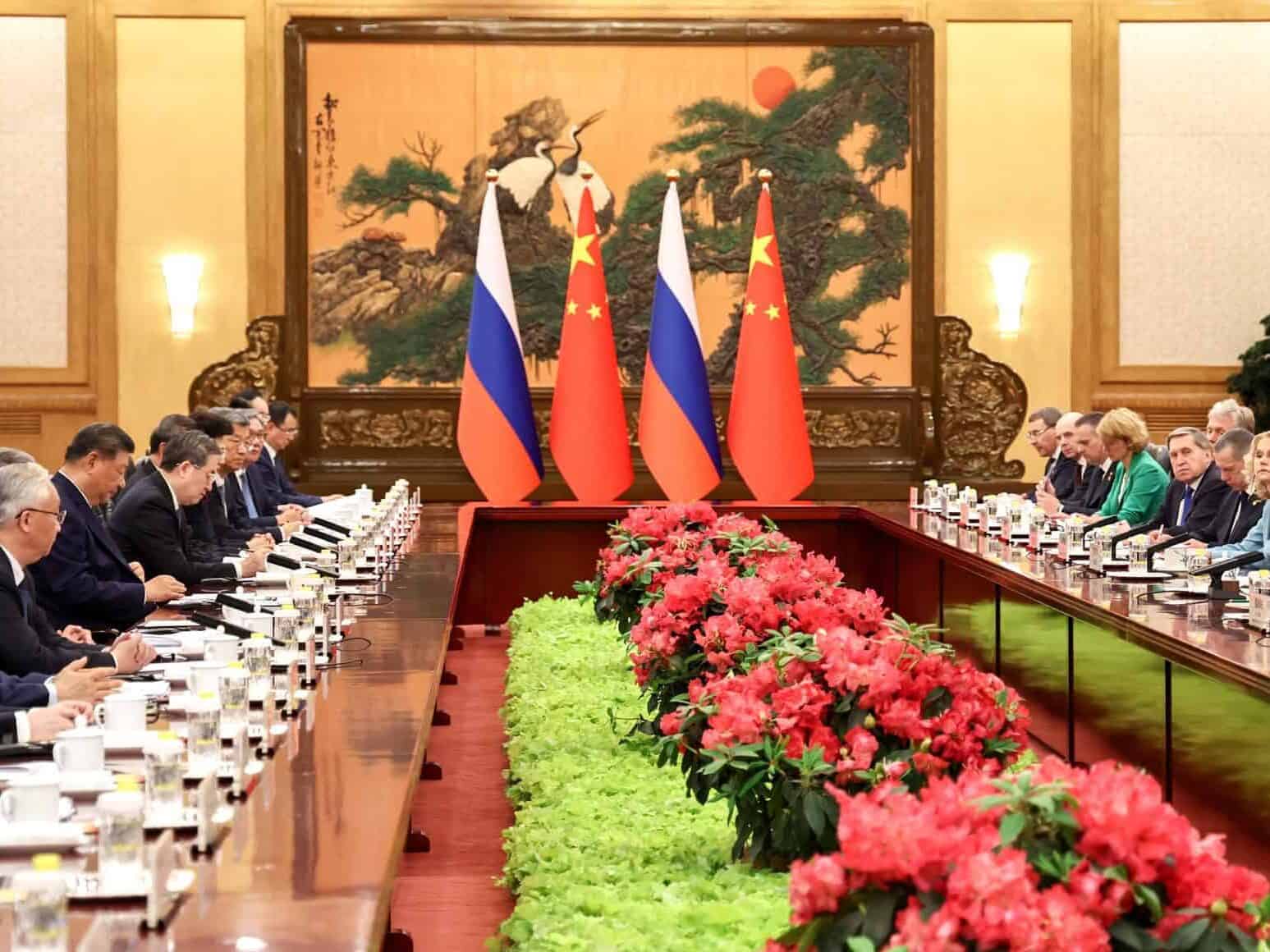
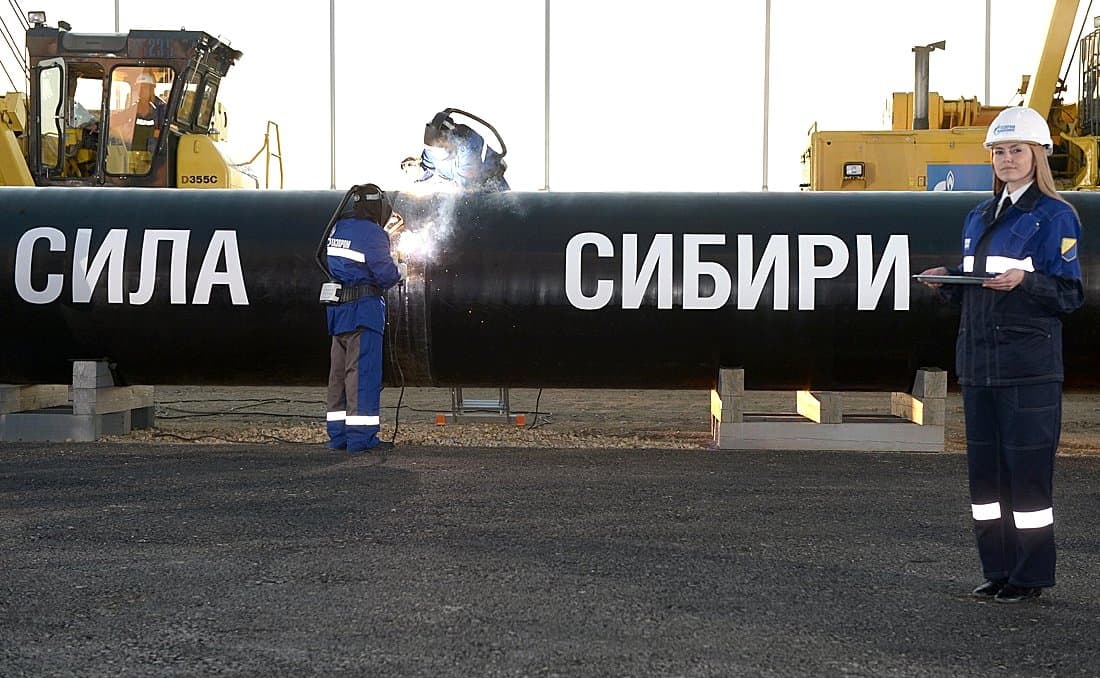
At the centre of the talks sat a pipeline. Power of Siberia II, the proposed overland gas route through Mongolia that would carry Russian gas westward into China, has become something close to an obsession for the Kremlin. Russia needs the revenue. With Western sanctions having severed Moscow from its traditional European energy markets, and with the war in Ukraine consuming fiscal resources at a punishing rate, Putin has staked enormous political capital on redirecting Russian fossil fuel exports eastward. China is the only market large enough to matter. The pipeline is not merely an infrastructure project; it is a financial lifeline.
Xi knows this. And therein lies the problem for Putin.
The lesson of Power of Siberia I — the eastern pipeline that came online in 2019 — should have been instructive. China extracted terms so favourable to Beijing that analysts struggled to identify meaningful Russian gains beyond the basic fact of having a customer. Prices were set well below market rates. Russia, in its eagerness to diversify away from Europe even before the war made that diversification existential, had almost no leverage. The same dynamic is now playing out again, only more acutely.
Putin’s argument for why now is the right moment to close the Power of Siberia II deal rests on a specific reading of Chinese strategic anxiety: that Beijing wants to reduce its dependence on energy imports transiting the Strait of Hormuz, a chokepoint that a conflict with the United States could render impassable. An overland pipeline to Russia would, in theory, offer an alternative. The logic is not absurd. But it fundamentally misreads where Chinese leverage actually lies.
China does not desperately need Russian gas. It needs cheap energy. Those are different propositions. Beijing has spent years diversifying its energy portfolio — LNG from Qatar and Australia, renewables at a scale that continues to astonish, nuclear capacity expanding rapidly. A pipeline from Russia is attractive only if it is priced at a level that makes it competitive with those alternatives. Xi will not sacrifice China’s negotiating position simply to solve Putin’s fiscal crisis.
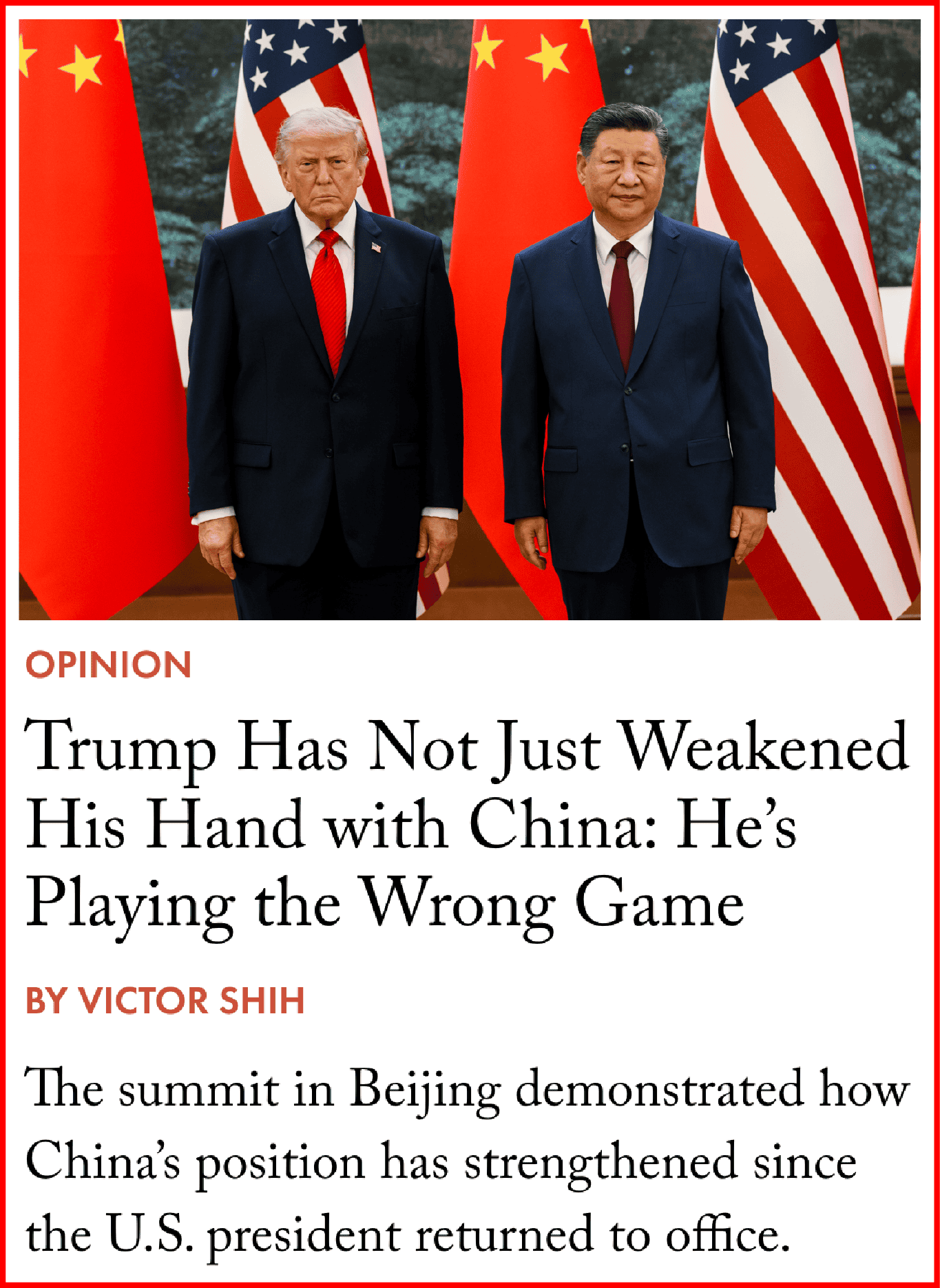
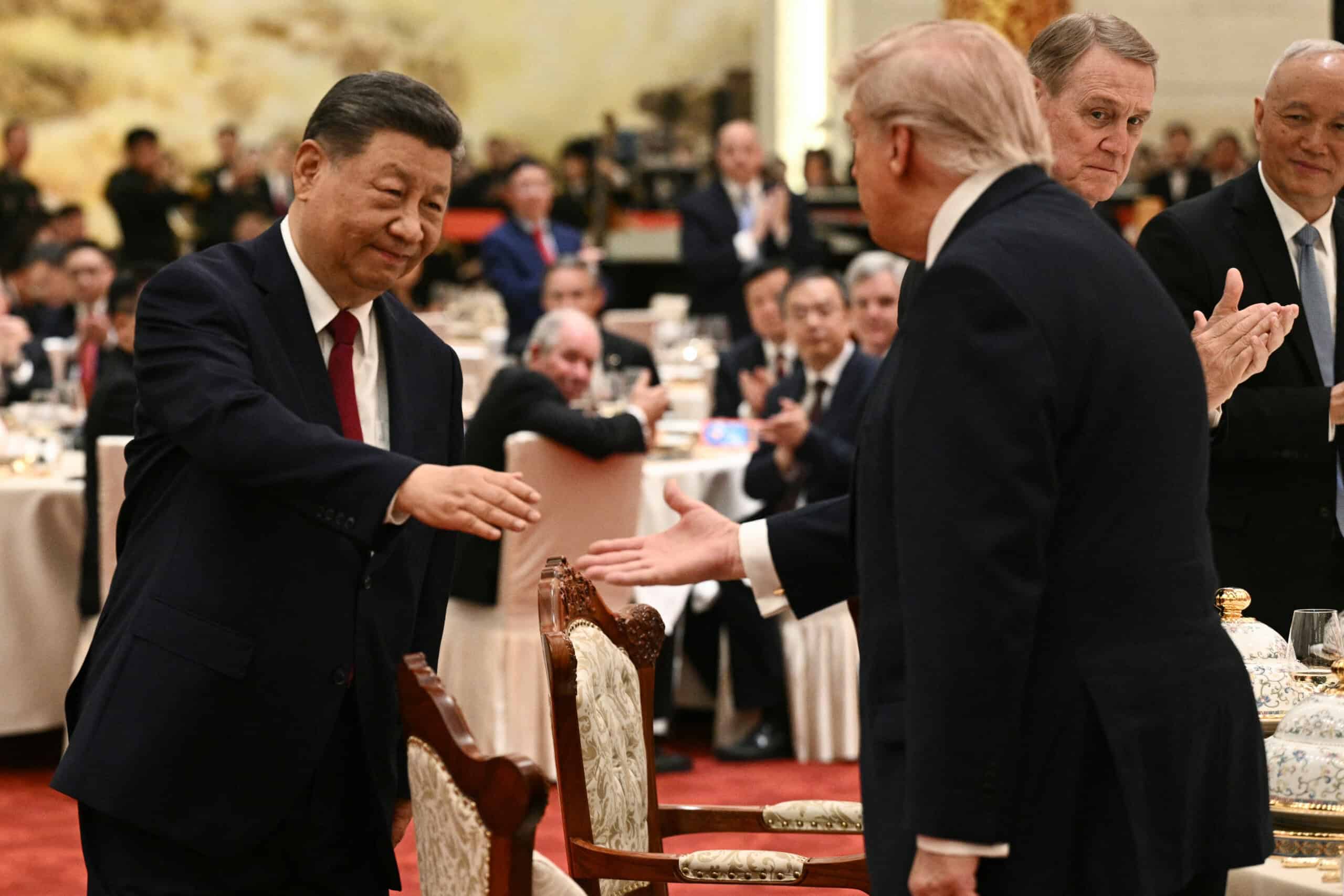
And Xi’s hand has grown considerably stronger since Donald Trump’s return to the White House. Trump’s visit and the subsequent trade negotiations have opened a remarkable set of possibilities for Beijing. American LNG exports to China — a concession Washington might offer in exchange for broader trade accommodation — give Xi an alternative energy source that he can wave in front of Putin as a price anchor. More significantly, if the Trump administration opens even partially to Chinese exports and foreign direct investment through frameworks like the proposed boards of trade and investment, Beijing’s dependency on any single economic relationship diminishes further. Xi arrives at every conversation with Putin holding more cards than the last time.
This means Putin may need to offer something beyond simply cheap gas. The most plausible concession — and the one that should alarm Western strategists most — is access to the Arctic.
The question is no longer whether China becomes an Arctic power through its relationship with Russia, but how quickly and on whose terms.
Russia has guarded its Arctic sovereignty jealously. The Northern Sea Route, which Moscow treats as a national waterway and a projected artery of future trade, has been kept firmly under Russian administrative control. Energy extraction projects in the Yamal peninsula and adjacent fields have been structured to limit foreign stakes, particularly Chinese ones, even as sanctions have driven away Western partners and left Russian operators scrambling for capital and technology. Putin has understood, at some level, that ceding the Arctic is a different order of concession from accepting an unfavourable gas price. It is territorial and strategic, not merely commercial.
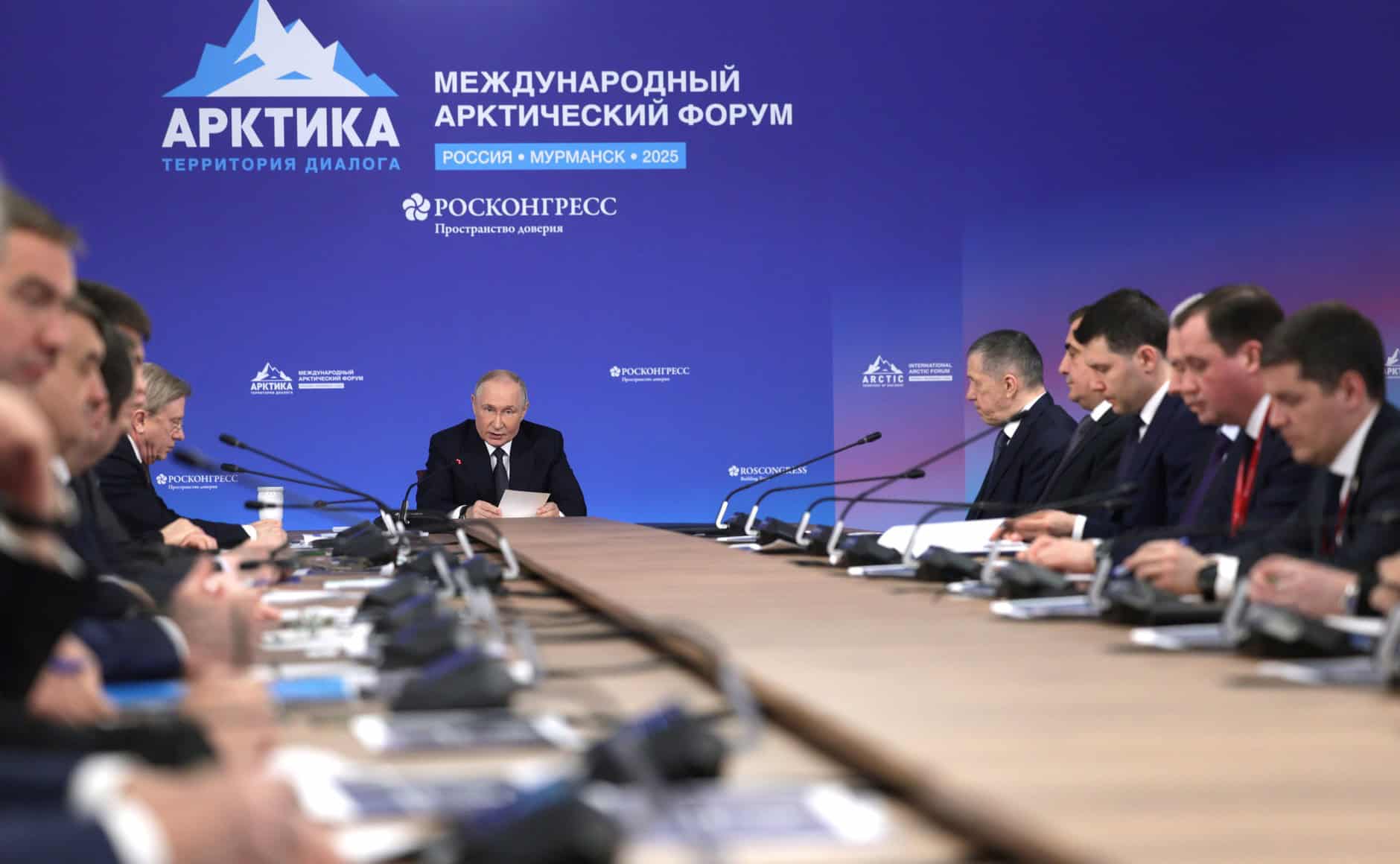
But by now, the arithmetic may be insurmountable. China is already financing Arctic infrastructure, supplying equipment that sanctioned Russian firms cannot obtain elsewhere, and inserting itself into logistics networks along the Northern Sea Route. The question is no longer whether China becomes an Arctic power through its relationship with Russia, but how quickly and on whose terms.
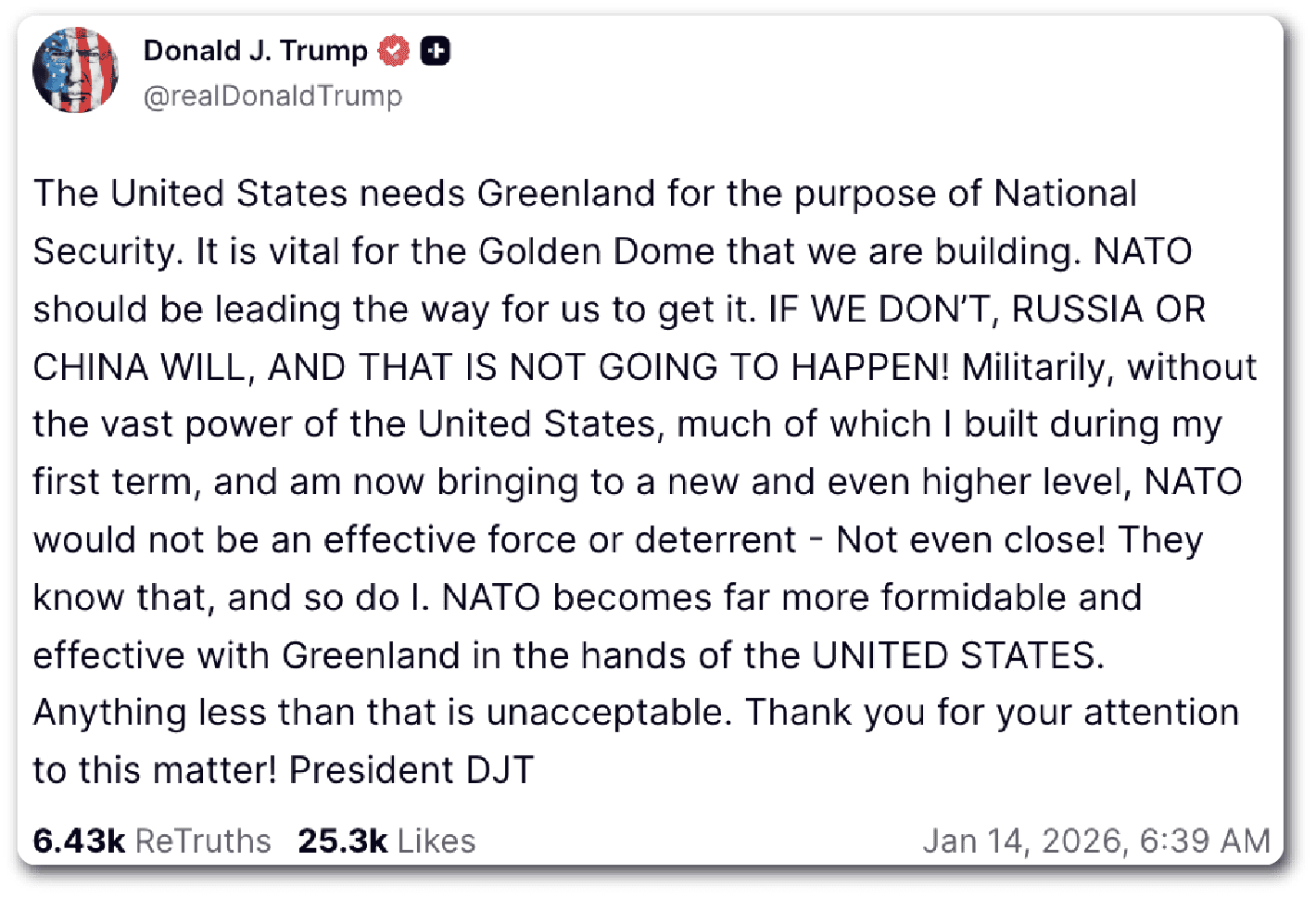
This is, quietly, one reason why Donald Trump has been so vocal about Greenland. An American-controlled or American-aligned Greenland would provide a strategic counterweight to the Sino-Russian Arctic axis — a presence on the other side of the polar region. The connection is rarely made explicit in Washington, but the logic is clear enough. Xi’s dominance over Putin is not a story contained within Eurasia.
For Europe, the implications are layered. A China that can direct Russian energy policy also has indirect influence over the pressure Moscow chooses to apply — or not — to European neighbours. The more Beijing holds Putin’s economic fate in its hands, the more European security becomes, however distantly, a function of Chinese strategic calculations.
The summit looked like a meeting between equals. It was not.

Alicia García-Herrero is a Senior Fellow at Bruegel. She is also the Chief Economist for Asia Pacific at French investment bank Natixis, a non-resident Senior Fellow at the East Asian Institute of the National University Singapore and Adjunct Professor at the Hong Kong University of Science and Technology.

Elina Ribakova is a non-resident Senior Fellow at the Peterson Institute for International Economics. She is also a non-resident Fellow at Bruegel and a Director of the International Affairs Program and Vice President for foreign policy at the Kyiv School of Economics.

.jpg)