On an April evening last year, a group of chemists from around the world gathered for dinner at the Charles Hotel in Cambridge, Mass. They had been beckoned by the Harvard University Department of Chemistry and Chemical Biology, which was hosting a special one-day event called the CML Symposium. The title was an homage to the man being honored: Charles M. Lieber, the chair of the department, a celebrated mentor, and a giant in the field of nanotechnology.
The occasion was Lieber’s 60th birthday. Since becoming a professor of chemistry at Harvard in 1991, at just 32 years old, Lieber had taught more than 120 PhD students and postdocs through his eponymous research group. Throughout the morning and afternoon of the symposium, many of them had given presentations on their current research, often describing Lieber’s enduring influence on their work. The dinner was meant to be the culmination of the event: a chance for Lieber’s friends, colleagues, and former students to toast his unparalleled career.
Lieber, who still had the broad shoulders and lanky strength of his college wrestling days, rarely enjoyed social events, and he had resisted even the idea of a celebration on his behalf. But that evening, surrounded by the fruits of decades of teaching and research, he seemed proud and content. He was excited about his idea for a new brain research institute that would apply his work on nanowires to repairing human neurons — a breakthrough with the potential to fundamentally reshape the treatment of brain injuries and diseases.
In private conversation with a few of his former students, though, Lieber mentioned something strange: earlier that year, a team of F.B.I. agents had arrived at his office unexpectedly; they had presented a search warrant and then hauled away his computers. A few days later, in a meeting with a university lawyer present, the agents asked Lieber questions about his foreign affiliations and funding sources, particularly in China.
Nothing had come of it, though, and Lieber did not seem worried — he figured it was just harassment, a ripple effect of the Trump administration’s hardening stance against China. At the end of the night, Lieber picked up the check for the entire group, and the attendees wandered out into the spring night with crimson hoodies emblazoned with “CML.”
But nine months later, in the early morning of Jan. 28, 2020, F.B.I. agents descended on Lieber’s home and office, taking Lieber into custody and confiscating computers and other materials. He appeared in court that afternoon in a polo shirt and cargo pants, charged with one count of making a false or misleading statement. Lieber, prosecutors alleged, had lied to federal investigators about his participation in China’s Thousand Talents Program, a talent recruitment scheme that a Department of Justice press release said “reward[s] individuals for stealing proprietary information.”
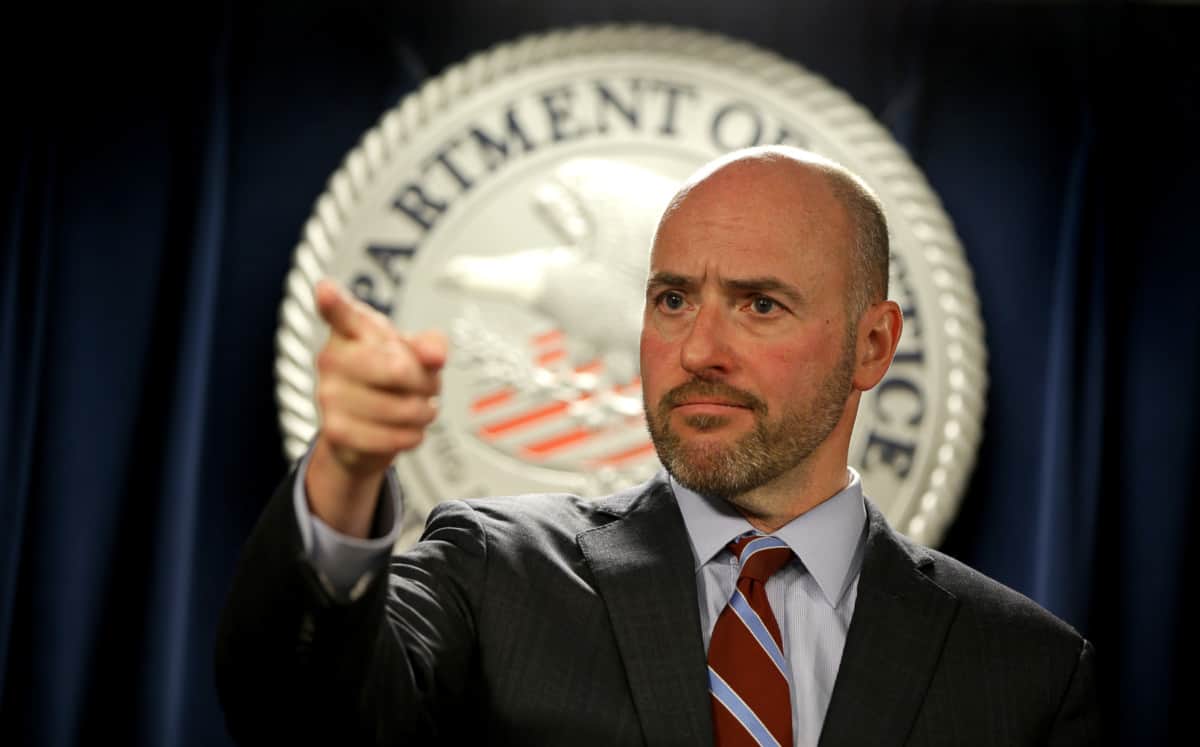
In a press conference that day, Andrew Lelling, the U.S. Attorney for Massachusetts, said, “China is engaged in a massive, long-term campaign to steal U.S. research and technology for its own uses.” For at least five years, prosecutors said, Lieber had done work with and accepted payment from the Wuhan University of Technology, which was part and parcel of that effort.
Like many academic scientists, Lieber had grants1See his website, which details some of the funding here. from the National Institutes of Health and the Department of Defense. His research on nanomaterials could help develop very tiny, very low-power electronics — everything from lighter laptops to the next-generation of missiles and futuristic brain implants. Together, the two federal agencies had given his research group almost $20 million in funding since 2008, and although his work with WUT was not, in and of itself, illegal, he was obligated to disclose all of his other funding sources. Even Harvard, prosecutors said, had been kept in the dark about Lieber’s overseas work and funding. The university immediately placed Lieber on indefinite academic leave.
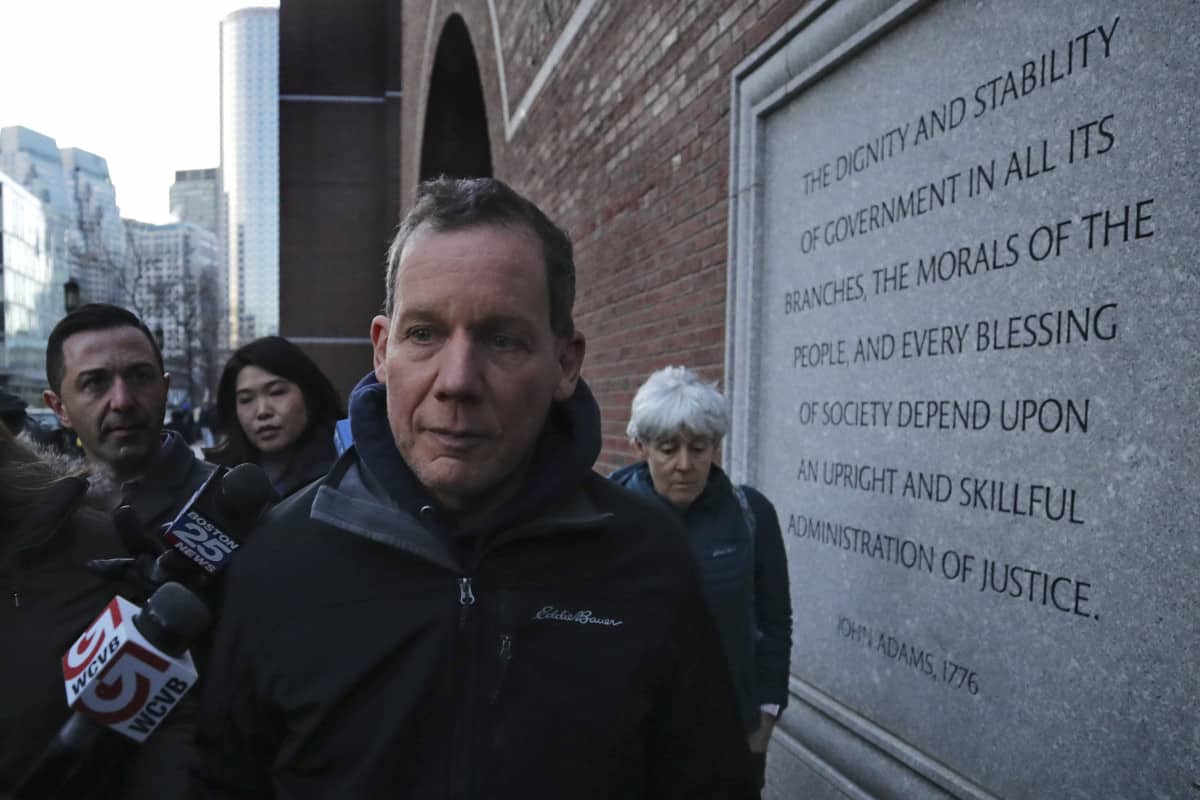
Credit: AP Photo/Charles Krupa
On Jan. 30, two days after his arrest, Lieber arrived at the U.S. District Court in downtown Boston, handcuffed and wearing an orange jumpsuit. He was released on a $1 million cash bond and, surrounded by a mob of reporters and cameras, hurried out of the courthouse with his wife, offering no comment. He faced five years in prison.
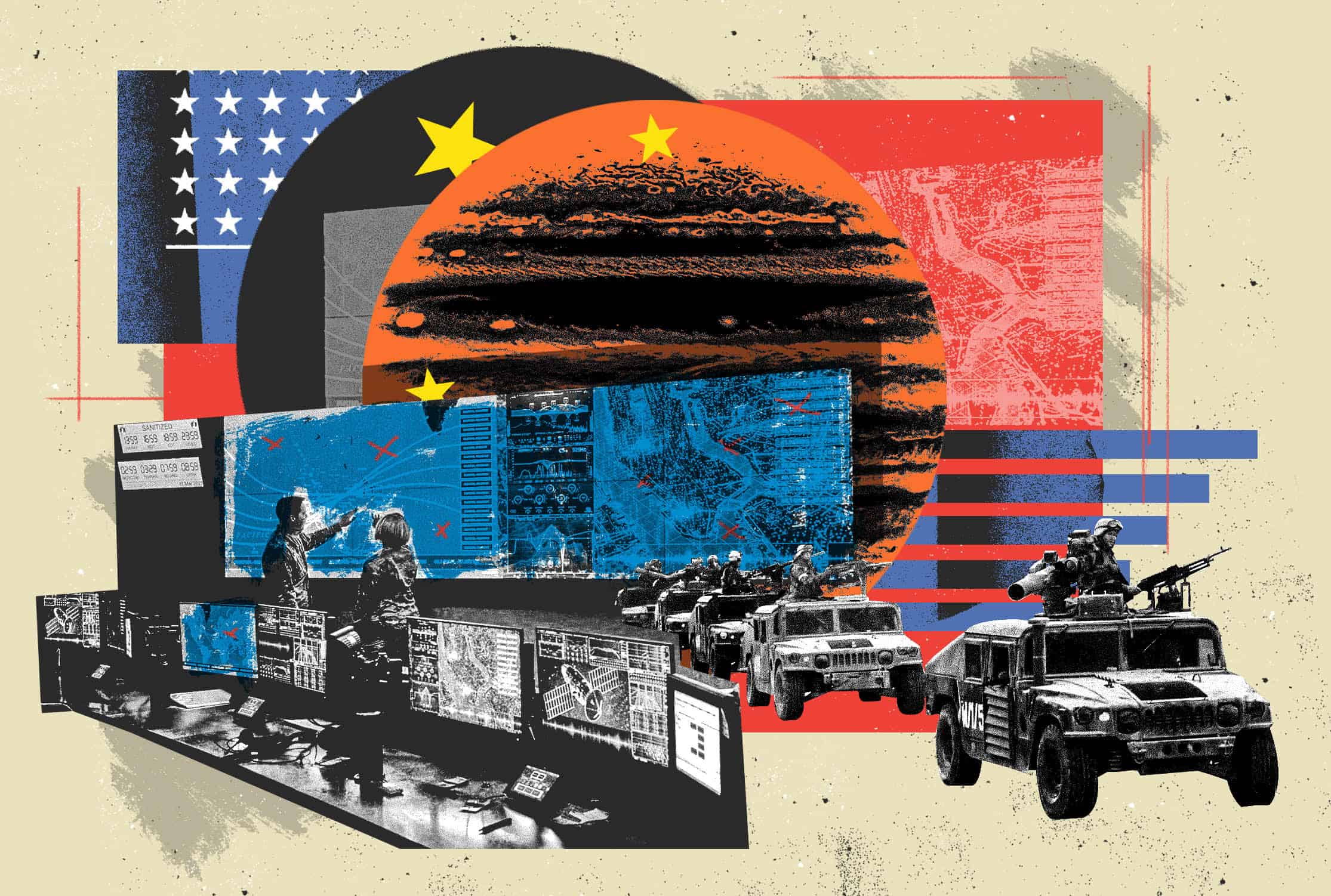
Lieber’s arrest marked a stunning downfall for one of America’s most prominent and respected scientists. It also signaled a dramatic escalation of the federal government’s ongoing efforts to root out alleged Chinese economic crimes in American research and higher education — a campaign that had generated significant controversy even before the F.B.I. arrived at Lieber’s door. As the crackdown has intensified, American universities have been thrust squarely into the middle of the superpower confrontation, buffeted on one side by a Chinese government that has targeted American researchers as a shortcut to scientific innovation and economic growth, and on the other by a U.S. government moving to aggressively prosecute undisclosed overseas affiliations that, until recently, barely aroused concern, much less prosecutorial action.
Whatever the outcome of the case, which is now moving toward trial, Lieber’s sterling reputation and prolific scientific output will likely never recover — a devastating blow for American research and academia. Almost from the moment he entered academia, he had been a scientific trailblazer, fêted and celebrated by institutions around the world. As early as 2008, when he was just 49 years old, Lieber was being discussed as a likely Nobel Prize winner. It was those same accomplishments that made him such a tantalizing recruit for a then-little-known Chinese initiative called the Thousand Talents Program2The U.S. government scrutiny of the program included this Senate report — a program that U.S. prosecutors claim acts as a conduit for intellectual property theft, illegal tech transfer, and other crimes, and that would eventually land one of America’s premier scientists in jail.
“BRING BACK THE BEST”
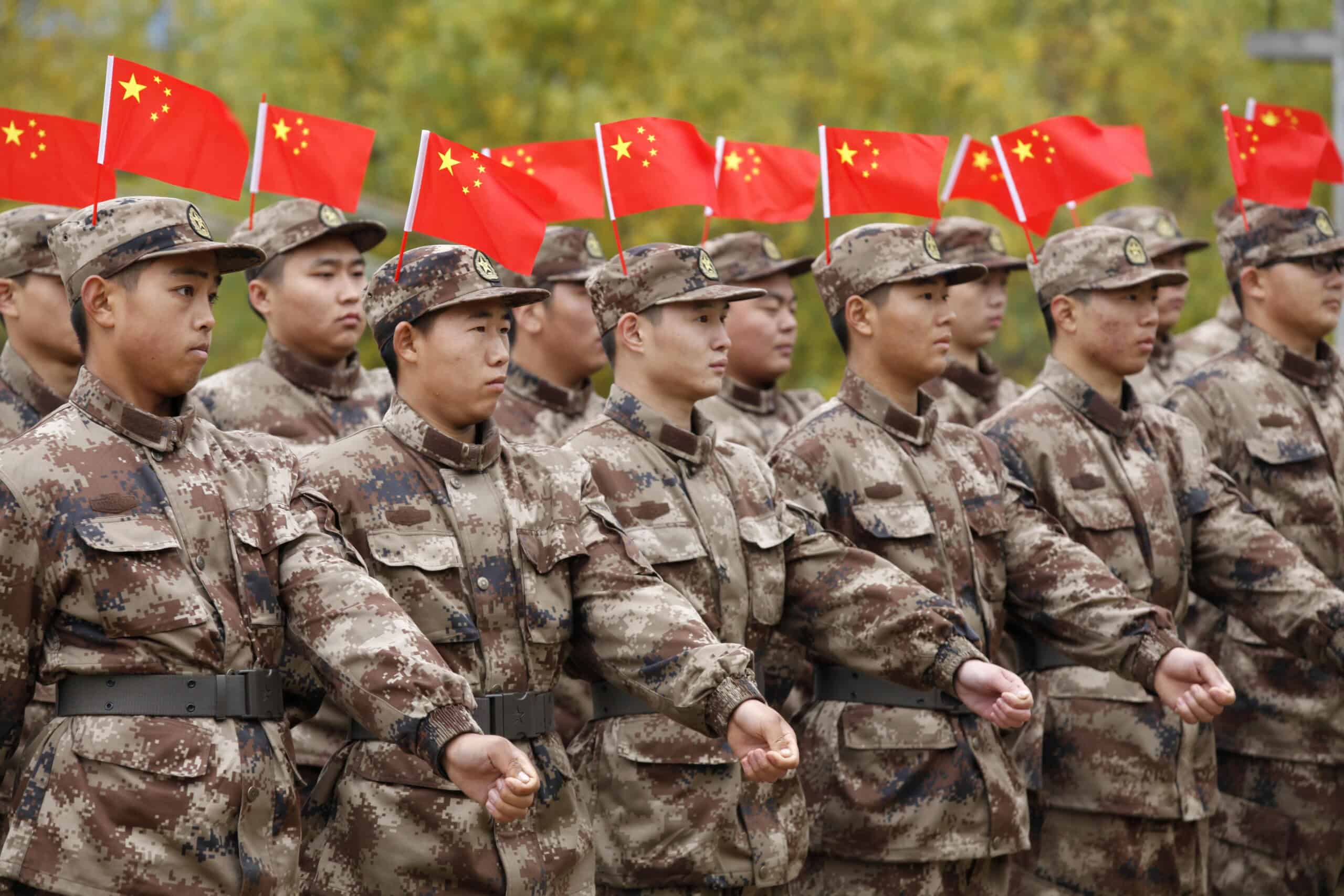
When the Thousand Talents Program first began, it was intended not as a ploy to steal foreign research, but as a means of reversing the brain drain that had plagued China for decades. In 1978, just as China was beginning to reform its economy, the country’s new leader, Deng Xiaoping, said that China would be willing to send its scholars and scientists overseas even if only 95 percent returned. When it came to China’s U.S.-bound talent, that number proved wildly optimistic. According to research by Michael G. Finn for the U.S. Department of Energy’s Oak Ridge Institute for Science and Education, as of 2001, a mere 2 percent of Chinese students receiving American science and engineering doctorates returned to China within five years of completing their degree. In 2007, one year before China launched the Thousand Talents Program, the number had barely budged, at 6 percent. When given the opportunity to study and work in the United States, China’s best and brightest seemed happy to leave their country behind.
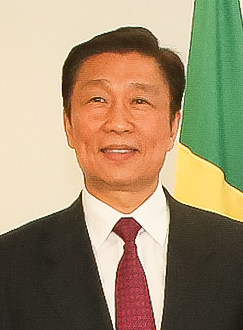
Credit: Michel Temer, Creative Commons
Li Yuanchao wanted to change that. Handsome, ambitious and more liberal than many of his colleagues in the Communist Party leadership, Li had made his name in Jiangsu, a province known for its entrepreneurship and friendly business climate. As provincial Party secretary from 2002 to 2007, Li experimented with new recruitment strategies, including financial partnerships between cities and overseas entrepreneurs. From that post, he rose to become a member of the Politburo and head of the Party’s Organization Department, a powerful position that gave him control over all staffing and hiring within the Party. He decided to make talent recruitment his signature issue: He would “bring back the best” and finally make China an “innovative society.”
To help woo back overseas talent, Li touted improved working conditions and exclusive work benefits for returnees. He also directed cities and provinces to assess what types of talent they needed and then commit to recruiting a specific number of highly skilled returnees. In December 2009, for instance, the city government of Shanghai dispatched a team to New York, Toronto, and Singapore, with the aim of recruiting 115 returnees in the financial sector. One year later, Li announced the creation of the “Young Thousand Talent Program,” with the goal of bringing back 2,000 people under the age of 40 before 2015.
But in 2011, as part of Li’s continued push for results, he launched two new programs that would prove especially consequential for American perceptions of Chinese recruitment efforts, according to David Zweig, a professor emeritus at the Hong Kong University of Science and Technology who has spent years studying China’s talent recruitment efforts. First was the “Foreign 1,000 Talents” program, which sought to recruit “high-end foreign scientists, engineers and managers from developed countries.” Second was a program for part-time, rather than full-time, participants, both Chinese and foreign — a change Li made only reluctantly, after the full-time program failed to attract the desired number of returnees. The part-time option proved popular, according to Zweig’s research with Siqin Kang. Among 501 cases through 2011, the researchers found that roughly three-quarters of the participants were working in China only part-time.
The incentives were generous, both for the researcher and for his or her new institution. If a university successfully recruited an individual who was approved by the Thousand Talents program, whether full time or part-time, the school received roughly $1.7 million. Most of the money went to the new arrival’s research, but a portion was set aside for redistribution to other faculty. The incentive structure embodied Li’s belief that when an exceptional researcher comes to China, everyone benefits.
But the push for overseas talent attracted critics inside China, including domestically trained PhDs who felt they were being slighted. Chinese universities also launched investigations into the program amidst rumors of corruption, favoritism, and lax oversight. By the time Xi Jinping rose to power in 2013, the program was largely sidelined. Li, who was perceived as an ally of former President Hu Jintao, was shuffled off to the ceremonial role of vice president. While the recruitment effort still persisted — as of 2018, according to a report by the U.S. National Intelligence Council, the Thousand Talents Program had 2,629 current participants — Zweig described it as running on “autopilot.”
“No one took it seriously at first,” an American professor who served as a guest professor at a prestigious Chinese university for several years said. “Even I thought it was a waste of money.” When the professor, a naturalized American citizen who was born in China, was initially contacted, the Chinese university asked him to commit to teaching three months a year. He said no, so the university asked for two months; he said no again, and the university asked for one month. “I can try that,” he replied. “If I do more it’s by accident.” He was compensated for each day he spent on campus, but says the time away also meant he missed out on American funding opportunities. Still, he felt like the program was a nice accolade on his resume. “I treated it just like the U.K.,” the professor said. “If they want to give me an honorary degree, that’s great.”
The program also seemed to have difficulty attracting foreign-born participants. Using the most recent publicly available information, from 2015, Zweig and Kang found only 244 foreign participants. For many of those participants, the program was routine and unremarkable. Most academics work for their home university on 10-month contracts; for the other two months of the year, they can do what they want so long as they alert the university, fill out the correct paperwork, and don’t mix funding sources. “It was an academic collaboration like any other,” Dr. Shoukhrat Mitalipov, the director of the Oregon Health & Science University’s Center for Embryonic Cell and Gene Therapy, said. He joined Thousand Talents in 2017 and says he accepted the funding in part because restrictions on gene therapy research in the United States make it nearly impossible to receive federal funding.
But as long-simmering concern over Chinese economic espionage and intellectual property theft began to boil over, those scientists with military and government grants increasingly found themselves subject to federal scrutiny over their foreign affiliations. In 2015, the F.B.I. released its first report on the threat posed by China’s national talent programs, making special mention of the Thousand Talents Program. At the time, the Obama administration was engaged in negotiations with China over curtailing the use of cyber espionage, hoping to strike some sort of durable compromise. The F.B.I. report marked the beginning of a more public and forceful response — one that the incoming Trump administration vowed to escalate.
WHAT WUT?
Charles Lieber was born in 1959, the middle child of Robert and Marlene Lieber. The family lived just outside Philadelphia, where Robert worked as an engineer at an RCA plant. He was a supremely talented engineer: over the course of his career, Robert helped develop satellite tracking and fire-control radars for the plant; received a patent for the early design of circuit boards that eventually revolutionized the manufacture of electrical equipment; wrote an entry for a textbook on radar; and earned numerous awards within the company. At home, Robert enlisted his sons, Lee and Charles, to help design, build, and fly model airplanes, and the trio traveled across the United States and Europe to compete. For Charles, who has said much of his childhood was spent “building — and breaking — stereos, cars, and model airplanes,” it was one facet of a deep and precocious interest in science and engineering.
In 1966, Robert and Marlene began noticing problems with their youngest child, Ellen. As she reached school age, she began falling and dropping things. A doctor diagnosed her with brain cancer and predicted that she had three months to live. Remarkably, though, she survived for four more decades, but with partial paralysis and cognitive difficulties. Her experience was an early influence on her brother Charles’s interest in using science for the public good, as well as in engineering “fixes” for the human brain. He went on to study chemistry at Franklin & Marshall College in Lancaster, Penn., graduating with honors in 1981.
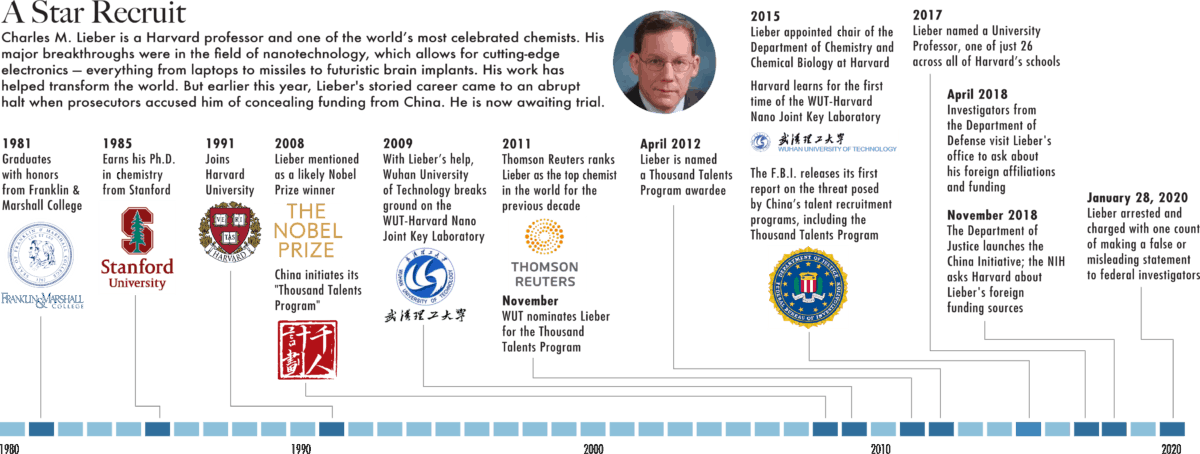
After graduation, Lieber earned a PhD in chemistry at Stanford University in only four years, and then began a postdoc at Caltech, where he conducted research under Harry Gray, a legendary figure in American chemistry, and met his future wife, Jennifer Karas, who was a fellow chemist also in Gray’s lab. Lieber was named an assistant professor at Columbia University in 1987, an associate professor in 1990, and a full professor of chemistry at Harvard in 1991.
At Harvard, Lieber quickly earned a reputation for being creative and dedicated, if slightly volatile. The start of his faculty career coincided with the development of nanotechnology as a stand-alone field, and Lieber’s innovative work placed him squarely at its center. His first breakthroughs came from his research on nanowires: tiny, one-dimensional materials with potential uses in a plethora of cutting-edge electronics to make them smaller, faster, and more durable. At the time, the applications were mostly theoretical, but the promise of nanotech to transform the world was already gaining attention from governments and industry.
After establishing himself with his nanowire research, Lieber devised new methods to grow and synthesize nanowire materials, and then moved on to connecting and patterning the wires into more complex systems like transistors. From there, he and his group expanded into fields like photonics, computing, and biology, touching nearly every sub-field of the booming discipline he had helped create. By the early 2000s, he was leading a lab of around 30 PhD students and postdocs.
“He’s really one of the fathers of the field,” Mark Swihart, chair of the Department of Chemical and Biological Engineering at the University of Buffalo, said. “His own scientific contributions are important, but it’s also that the students and postdocs that trained in his lab are dispersed everywhere and are now big names in the field.”
Lieber gave his students tremendous leeway in their research, so long as they delivered results. But Lieber’s single-minded focus on success — and his social awkwardness — meant that he could sometimes come off as abrasive or unpredictable. Early on, the attrition rate in his lab was high — one former student estimated it at 50 percent — owing in part to his emotional turbulence and strident demeanor. He never joked in the lab, and on the rare occasion when there was a party or casual gathering, he didn’t seem to know what to talk about or how to conduct himself. Students could work in the lab for years and never hear Lieber discuss anything other than work. “You have to be aware,” he told one prospective student, “that the working conditions are a little harsh here.”
So long as they could do the work, Lieber was agnostic about his students’ backgrounds. He recruited from around the world, and kept an open door for inquiring students who contacted him out of the blue. In practice, this meant that Lieber, like many American scientists, had close ties to China. Dozens of Chinese students had come through his lab as PhDs and postdocs; most of them had stayed in the United States afterward, setting up their own labs and contributing significantly to American science and industry.
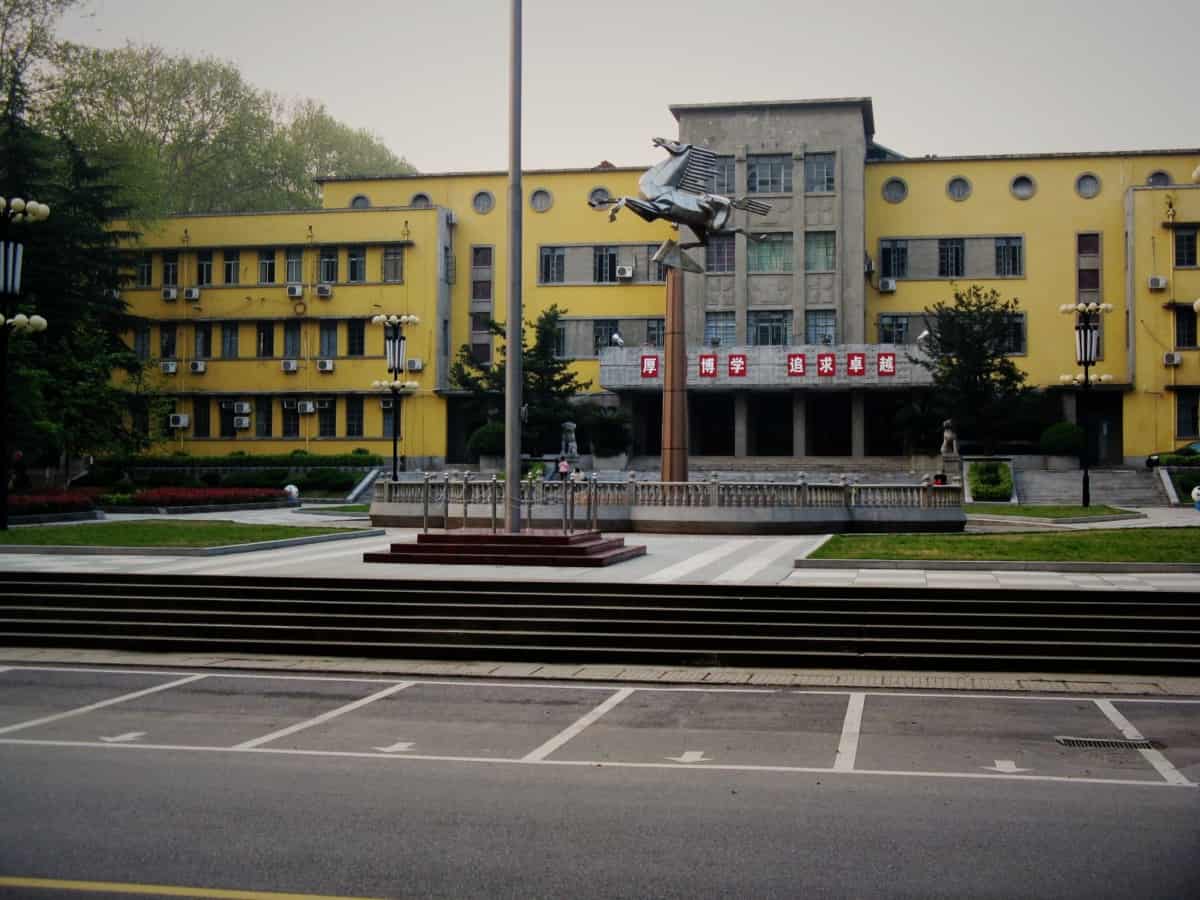
Credit: JtWang, Creative Commons
One of Lieber’s Chinese students, a man named Mai Liqiang who came to Harvard in 2008 as an “Advanced Research Scholar,” returned to China in 2011 to resume his professorship at the institution where he had earned his PhD: Wuhan University of Technology. As a school, WUT was not particularly distinguished or well known, even within China. But Mai, who other Lieber Group alumni described as slick and an aggressive social climber, brought it to Lieber’s attention.
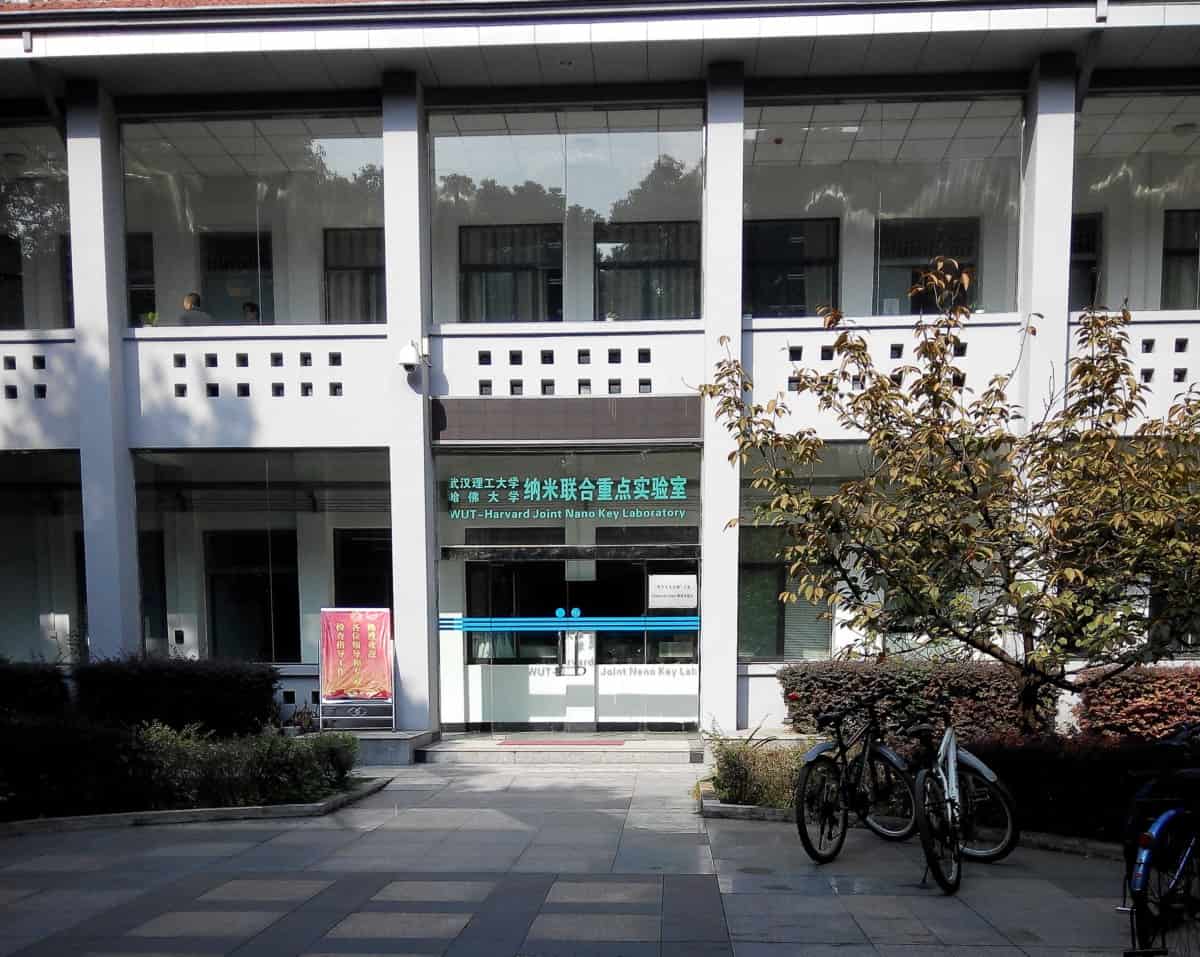
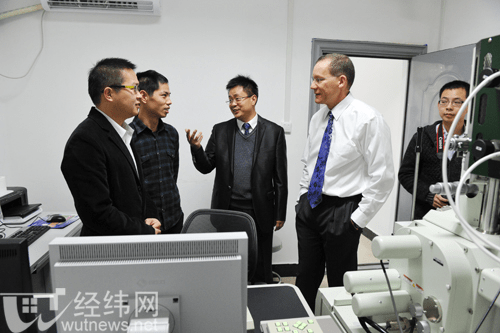
The relationship developed quickly. In 2009, Lieber agreed to run WUT’s ambitious new research lab. With support from the Ministry of Science and Technology and the State Administration of Foreign Experts Affairs — but unknown to Harvard University — WUT broke ground on the WUT-Harvard Joint Nano Key Laboratory.3Although Harvard did not know about it, the Lab issued a press release in 2013. According to a contract signed by Lieber, the lab’s focus was on batteries for electric vehicles. Lieber himself had done little direct work on the topic, but it was a specialty of Mai’s. It was also a priority for the Chinese government, which has declared its intention to lead the world in electric vehicles.
While it’s not clear how much Lieber knew or understood of WUT’s politics, the university has significant connections to Beijing, including long-standing backing from the Chinese military to pursue the type of cutting-edge materials research that Lieber specialized in. Since 2001, according to a database maintained by the Australian Strategic Policy Institute, WUT has worked with the regional Air Force Engineering and Construction Bureau to operate a joint research institute centered at the lab. The lab, one of three major defense institutions at WUT, counts among its priorities the design of “advanced composite materials for advanced national defense weapons and equipment.”
The university’s Qingdao Research Institute similarly specializes in dual-use technologies as part of an effort to “accelerate the indigenous development of weapons and equipment and push forth higher iterations of high-end equipment.” Researchers at WUT who are engaged in one of the university’s six government-approved defense research areas must have a secret-level security clearance.
It’s unknown whether Lieber ever contributed in any way to WUT’s defense research. But not long after the joint Harvard-WUT lab opened, Lieber formalized his relationship with the university. In November 2011, two years after the initial entreaty, he was invited to Wuhan to participate in a Nano-Energy Materials Forum. A few days before the trip, according to an affidavit by F.B.I. Special Agent Robert Plumb of the Boston field office, a professor at WUT emailed Lieber a contract for a “Strategic Scientist’s Appointment.” The professor also told Lieber that he had been recommended for “The Recruitment Program of Global Experts,” as part of China’s Thousand Talents Program. Lieber said that he would sign the contract during his visit.
Credit: Geographyinitiative, Creative Commons
As a so-called Strategic Scientist, Lieber agreed to a bevy of responsibilities. According to portions of the contract made public in Special Agent Plumb’s affidavit, Lieber would “make strategic, visionary and creative research proposals” that would push WUT to the scientific forefront, “especially in frontier areas”; serve as a mentor, including by jointly publishing papers wherein WUT faculty or students would be listed as first author; and “conduct national important (key) projects or international cooperation projects that meet China’s national strategic development requirements.”
During his five-year tenure as a Strategic Scientist, Lieber would be paid $50,000 per month, prorated for his “actual work time” at WUT. By early 2012, the website for the WUT-Harvard Joint Nano Key Lab was ready; it listed Lieber as the “Laboratory Director.” Harvard remained unaware that the lab even existed.
Over the next three years, the money and accolades only increased. In April 2012, Lieber was named a Thousand Talents Program awardee, which allegedly entailed about $158,000 in “personal benefits” and nearly $1.74 million in funding for the joint lab, on top of the $50,000 per month pro-rated salary. In exchange, Lieber agreed to take on yet more responsibilities at WUT. By the terms of the agreement, he was to work at or for WUT “not less than nine months a year” — a virtual impossibility given his position at Harvard. Lieber also signed cooperation agreements on Harvard’s behalf, allowing WUT researchers to visit Harvard for two months each year to conduct “advanced research and development of nanowire-based lithium ion batteries with high performance for electric vehicles.” According to the affidavit, WUT set up a Chinese bank account for Lieber, and sometimes paid half of his salary in cash in U.S. dollars during his visits. In an email with a WUT official, Lieber estimated that he would visit WUT “several” times a year.
Credit: WUT
The first sign of trouble arrived in 2015, when Harvard administrators learned of the WUT-Harvard Joint Nano Key Lab and Lieber’s role as director. According to the indictment, when Lieber was confronted by Harvard officials, he said that WUT was using Harvard’s logo without his knowledge or consent. He then wrote to a “WUT professor,” presumably Mai, telling him to stop using Harvard’s name. He also cancelled an upcoming trip to WUT, and held back a postdoc from his group who was about to take up a position there.
Around the same time, according to the affidavit, he told the WUT professor that he “may be in touch with regards to several issues relating to my appointment/salary/funding @ WUT…” But Special Agent Plumb found that Lieber continued to receive a salary from WUT as late as early 2017, after the original Strategic Scientist and Thousand Talents Program agreements had expired.
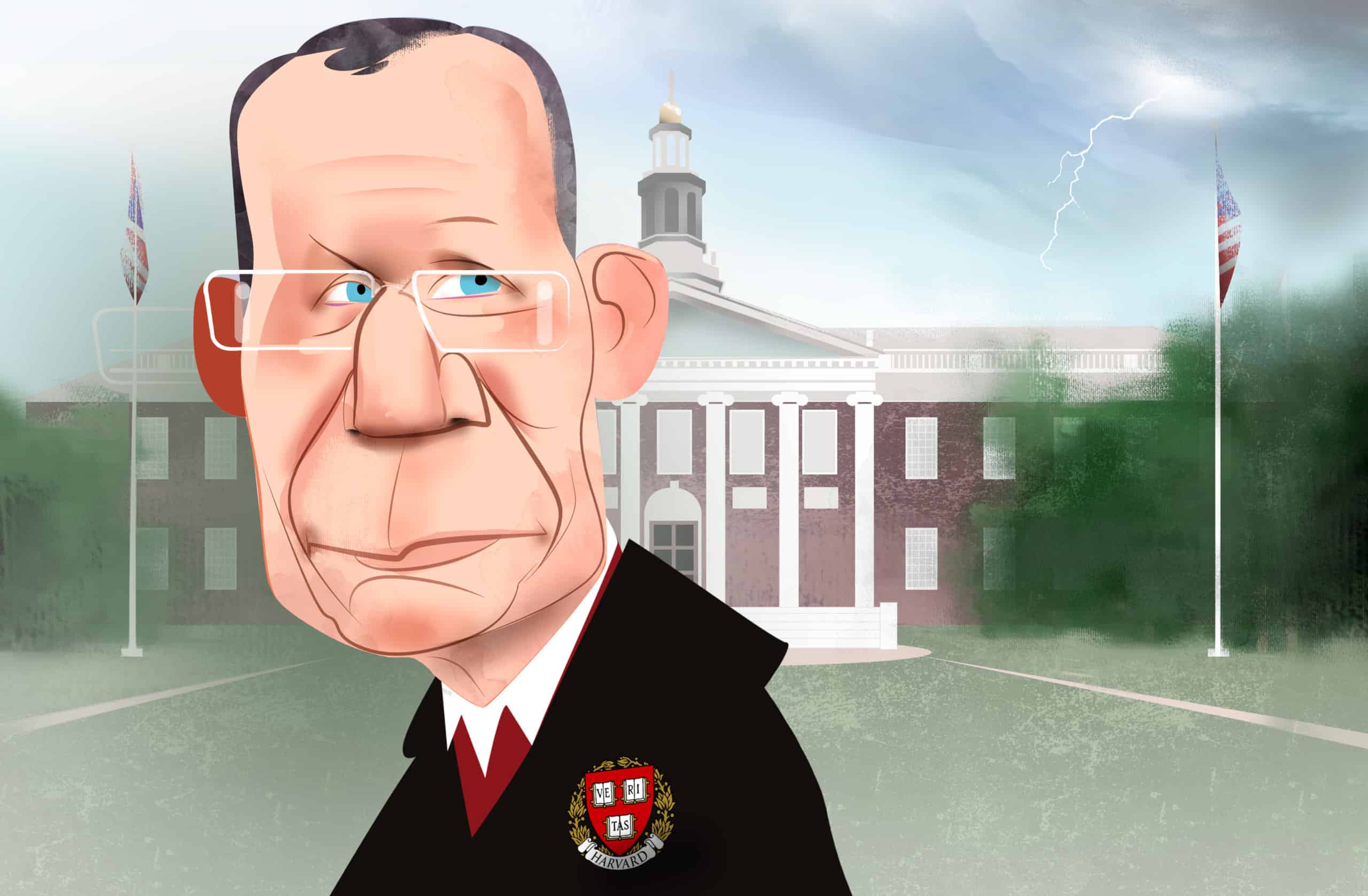
For its part, Harvard seems to have viewed Lieber’s role in the joint lab as an honest mistake or oversight. In 2017, the school named him a “University Professor” — Harvard’s most distinguished professorial post, and one of only 26 across the entire university. But it wasn’t long before investigators came knocking again.
On April 24, 2018, investigators from the Department of Defense arrived at Lieber’s office to ask about his foreign research collaboration. At the time, Lieber was the principal investigator on three active DoD grants; since 2009, he had been awarded more than $8 million in funding from the department, including from DARPA, the military’s cutting-edge research incubator. (The exact projects Lieber worked on remain classified.)
Prosecutors allege that Lieber told the investigators he “wasn’t sure” how China categorized him, but that he had never been asked to participate in the Thousand Talents Program. Two days later, he wrote to a researcher from his group, asking for help removing his name from Chinese websites. “Can you also provide me with the link/info to [Chinese Academy of Sciences] webpage where I am listed as directing (?) that lab at Wuhan?” Lieber wrote, according to the affidavit. “I lost a lot of sleep worrying about all of these things last night and want to start taking steps to correct sooner than later. I will be careful about what I discuss with Harvard University, and none of this will be shared with government investigators at this time.”
That November, prosecutors say, the NIH inquired as well, asking Harvard whether Lieber — or the university itself — had failed to disclose Lieber’s then-suspected relationship with WUT and his role in the Thousand Talents Program. Harvard officials interviewed Lieber about his foreign affiliations, particularly with WUT. Based on his response, prosecutors allege, the university wrote back to the NIH saying that Lieber “had no formal association with WUT” after 2012, and “is not and has never been a participant in” the Thousand Talents Program.
By late 2019, Mai’s name had been removed from the online list of the Lieber Group’s former members, a catalogue that includes every student from the past three decades.
“THE TIP OF THE ICEBERG”
Between 2013 and 2016, the Department of Justice did not charge anyone with spying for China. That started to change under the Trump administration, particularly after November 2018, when then-Attorney General Jeff Sessions announced the China Initiative, a concentrated effort to “identify priority Chinese trade theft cases” and bring them to trial. The scope of the initiative would be broad, Sessions said, because the victims of Chinese espionage were not just “traditional targets like our defense and intelligence agencies,” but also “research labs and universities.” The launch of the China Initiative signaled that prosecutors intended to respond.
Lieber’s arrest was not the first to result from the China Initiative, but it has been the most widely publicized and, for some in the research community, the most concerning. Lelling, the U.S. Attorney for Massachusetts and a member of the China Initiative steering committee, acknowledged the sense of whiplash. “Ten years ago you lie about your foreign connections and you get yelled at,” Lelling said. “Today you get prosecuted.”
Merely participating in a program like Thousand Talents, or holding an affiliation with a foreign university, is not illegal. “If you’re a U.S. researcher and you want to cooperate with a Chinese lab and your university approves it and you’re not transferring sensitive technology, you can go do that,” Lelling said. With only a small percentage of investigations ending in charges, prosecutors are not, he added, seeking to criminalize ties to China in and of themselves, nor are they playing a game of “gotcha.”
Instead, Lelling said that Lieber is being prosecuted because his conduct embodied exactly the behavior prosecutors are seeking to discourage and punish. Lieber was engaged in highly technical, cutting-edge work funded in part by the U.S. government; as a condition of that funding, he was required to disclose any foreign ties. But not only was he receiving payment from a Chinese university with ties to the country’s military — he then lied about it when asked. “He checks every box with behavior that alarms us and that we’re attempting to deter others from, in terms of lying about it,” Lelling said. “He could’ve been a community college professor and we would’ve [prosecuted him].”
Moreover, in the eyes of the U.S. government, the fact that Lieber was so aggressively wooed by a Chinese institution is no accident. “China doesn’t pick these academics at random,” Lelling said. “It’s not a coincidence that Charles Lieber is a world-renowned expert in nanoscience.” While the long-term consumer and military applications of nanotech are clear, the race to get there first is still in its early stages. “Nanowires and carbon nanotubes are on the global semiconductor roadmap,” said Swihart, the University of Buffalo professor, “but which actual companies make it work and where those things get manufactured and who controls that, that’s all to be determined.”
Whoever gets there first will have a head start toward some of the most significant innovations of the coming decades. And if, as Lelling put it, China is trying to recruit “star players” like Lieber from other teams, that process of investment and courtship can be seen as “very similar to traditional espionage,” according to George Varghese, a former federal prosecutor in Massachusetts who is now a partner at WilmerHale. “It starts and it grows until they have their hooks in you.”
Credit: Jonathan Wiggs/The Boston Globe via Getty Images
China’s lack of transparency about the Thousand Talents Program has not helped dispel suspicions. The Chinese government never mentioned Thousand Talents to its U.S. government counterparts, despite the fact that hundreds of government researchers and American corporate leaders were accepting money from the program. Even the total number of participants remains unclear, although most estimates place the number below 10,000 people. The number is unclear in part because in 2019, just after the Department of Justice launched the China Initiative, the Chinese government wiped the list of Thousand Talents Program participants from the internet, and ended all public discussion of the program. A memo from the National Natural Science Foundation of China circulated on social media, warning potential applicants to avoid e-mail correspondence and not to use the phrase “Thousand Talents.” The name of the program has since been changed to the “National High-end Foreign Experts Recruitment Plan.”
China’s obfuscation about its talent recruitment programs helped to feed the central assertion underlying the China Initiative: that there are large numbers of U.S. academics who, like Lieber, either failed to disclose their ties to China or actively concealed them. The cases uncovered so far, Lelling believes, are only the “tip of the iceberg.”
Universities themselves seem to be recognizing the scale of the problem. In August 2018, the National Institutes of Health, a major funder of American scientific and medical research, launched its own crackdown. For years, the NIH’s rules on disclosing foreign ties had been vague and lightly enforced, often treated as more of a suggestion than a requirement. “The rules were unclear and peoples’ interpretations were unclear,” Varghese said. “The NIH was leaving it to universities, universities were leaving it to professors, and professors did what they wanted.”
He checks every box with behavior that alarms us and that we’re attempting to deter others from, in terms of lying about it. He could’ve been a community college professor and we would’ve [prosecuted him].
Andrew Lelling, U.S. Attorney for Massachusetts
Michael Lauer, the agency’s deputy director of extramural research, began contacting dozens of institutions with so-called Lauer letters, alerting them to grantees who had potentially failed to disclose funding ties to foreign governments. Though China was not specifically mentioned, the focus of the effort was clear: As of June 2020, 93 percent of the scientists investigated by the NIH were alleged to have unreported links to China, and 54 scientists had resigned or been fired as a result of the ongoing NIH investigation. Overall, the investigation had targeted 189 scientists at 87 institutions, who were collectively involved in 285 grants worth a staggering $164 million.
SHOW ME THE (RESEARCH) MONEY
If universities have slowly come around to the necessity of the China Initiative, they have also been the site of the most sustained pushback to the crackdown, and to its underlying ethos. Lelling said he knew that the “cultural gulf between law enforcement and academia” would be difficult, but he still believes it can be overcome as prosecutors continue to “put points on the boards — to develop cases, to charge them, and prove them.” Nearly two years on from the launch of the China Initiative, however, the effect has been less clear-cut. As cases like Lieber’s make headlines, the scale, tenacity, and heated rhetoric of the crackdown has created unease in American higher education — and prompted fears that, in its zealous pursuit of alleged wrongdoers, the U.S. government may end up stifling the open, collaborative environment that has made American research the envy of the world.
“The concerns are legitimate about safeguarding intellectual property and national security,” Lynn Pasquerella, president of the Association of American Colleges and Universities, said. But, she added, “the burden has to be on the government to demonstrate that the safeguards currently in place are inadequate and that the instances they’ve pointed out are not exceptional.” Creating unnecessary barriers to collaboration, she fears, will only make it “more difficult for us to compete effectively.” Foreign-born Americans, after all, play a central role in the country’s culture of science and innovation. Between 2000 and 2016, of the 78 Nobel Prizes in chemistry, medicine and physics awarded to individuals in the United States, 31 (or 40 percent) were awarded to immigrants. By one estimate, more than a quarter of doctors in the United States are foreign born.
Some critics of the China Initiative argue that Chinese talent recruitment programs do pose a clear and significant threat to the United States — just not the threat the government has identified. In its planning documents, the Chinese leadership has long made clear its intention to supplant the United States as the preeminent destination for cutting-edge research. Its industrial policies and investments in education and science and technology research have all supported that goal.
“Unfortunately, until only the last two years, public policy leaders either largely ignored China’s public pronouncements or simply didn’t properly assess their competence and commitment in reaching those goals,” Michael Wessel, a member of the U.S.-China Economic and Security Review Commission, told Congress in 2018. The United States, Wessel testified, cut its investments in education and science and technology research just as China’s investments were exploding, and blithely assumed that China would only ever produce low-value products like toys and textiles. The result is a tectonic shift in the flow of global talent — and a rude awakening for U.S. policymakers suddenly seeking to respond to rising Chinese influence.
I’ve had Chinese students in my group for years, and it’s really only students in the last five years that their goal is to do well enough and publish enough that they can get an offer from Thousand Talents to go back to China.
Mark Swihart, chair of the Department of Chemical and Biological Engineering at the University of Buffalo
Swihart, the nanotech expert at the University of Buffalo, has watched this play out in his own lab. “I’ve had Chinese students in my group for years,” he said, “and it’s really only students in the last five years that their goal is to do well enough and publish enough that they can get an offer from Thousand Talents to go back to China.” It’s simply become too difficult, he said, to get a full-time research position in the United States as research funding has withered. Relocating to China is newly appealing because the opportunities and incentives are now comparable to those in the United States, if not superior.
The China Initiative represents an attempt to catch up to that threat, but it uses the crude tool of law enforcement rather than targeted and overdue policy reform. As prosecutors zero in on overseas affiliations like the Thousand Talents program, and argue that the program itself is to blame for the misbehavior of some of its participants — that it represents Chinese espionage at its best, making wide use of “nontraditional collectors” — some observers prefer a simpler explanation. Sometimes, an American former Thousand Talents participant said, “people do greedy things.”
A “PATRIOTIC SCIENTIST”
In late July, prosecutors released a superseding indictment against Lieber. In addition to the two counts of making false statements to federal authorities that had precipitated his January arrest, Lieber was also charged with two counts of making a false income tax return and two counts of failing to file reports of foreign bank and financial accounts with the Internal Revenue Service. For several years during his relationship with WUT, prosecutors alleged, Lieber failed to disclose his foreign income, or to report the money placed by WUT in his Chinese bank account.
For Lieber’s former students, the strangest part of this saga has been trying to square the teacher and mentor they know with the image of him being painted by prosecutors. They point out that Lieber has never cared much for wealth; when he received a Porsche as part of his initial package to leave Columbia for Harvard, he soon stopped driving it in favor of something more modest. His only hobby outside of the lab, it seems, was growing pumpkins at his modest Lexington home. (At that he was equally exceptional, winning competitions and breaking state records that he himself had previously set.) And while he did spin off two companies from his research — Nanosys and Vista Therapeutics — and filed patents for dozens of nanotech innovations, former students say his lab was structured to foster scientific breakthroughs, not startups.
Besides, whatever his emails with WUT show, former students say, his actions seem to indicate that he did not think he was doing anything illegal by getting involved with China. If he did take money from WUT, some of his students think, it must have gone only to enriching his research, not himself. (The finances of Lieber’s Harvard lab are not public, and prosecutors are still determining how much income Lieber actually earned from WUT and where it went, Lelling said.)
Up nearly to the date of his arrest, Lieber’s focus seems to have been on finding funding for his proposed brain research institute. He had asked friends for help finding wealthy donors, including in China, who might be willing to support the plan. The brain was the next major scientific frontier, Lieber believed, and Harvard needed to lead the field or risk being left behind.
Lieber’s research on injectable nanowires for use in the brain had already shown tremendous promise, with one fellow Harvard professor calling it a “nano moon landing.” Just a week after his arrest, the National Academy of Engineering elected him to its ranks, “for contributions at the intersection of nanoelectronics, materials design, and neuroscience.” Already a member of the National Academies of Science and Medicine, the announcement made him just the 30th person in history to be elected into all three.
“There is not a more gifted, selfless, dedicated, patriotic scientist in this country than Charlie Lieber,” Lieber’s lawyer, Marc Mukasey, said in an emailed statement. Mukasey has portrayed his client as a victim of overzealous law enforcement and deteriorating U.S.-China relations. “We will not allow Charlie to become collateral damage of the government’s foreign policy,” he said, vowing to take the case to trial and clear Lieber’s name.
Lieber’s former students remain fiercely loyal. In April, when Lieber turned 61, dozens of lab alumni came together again — this time virtually — to thank and celebrate their mentor. From around the world, students sent in videos wishing him a happy birthday and declaring their support for him. “We wanted to say that we’re here and we believe in you, no matter what,” one former student said.
But the impact of Lieber’s arrest is already unmistakable, even in the close-knit community of his former students. In early February, as reports of the arrest reverberated around the world, they took to a group messaging thread to try to make sense of the news. After a few days, one of the American students suggested that they needed to purge the thread of the Chinese students and postdocs. The Chinese and American scientists had been friends, colleagues, and collaborators for years, sometimes decades. But in this new climate, no one was sure what — or who — was safe anymore.

Alex W. Palmer is a writer based in Washington, D.C. His work has appeared in The New York Times Magazine, GQ, WIRED, and other publications.