In November 2024 Su Di, founder of Garage Cafe, a startup incubator based in Beijing’s Zhongguancun Science Park, had something to share with his followers on Douyin, China’s TikTok.
“Here I have one of two hundred Nvidia H200 graphics cards — currently the most expensive chips on the market — that have just arrived,” he announced, gesturing at a board of Nvidia chips.
In a video posted to Douyin, Su Di, founder of startup incubator Garage Cafe, shows his recent shipment of Nvidia H200 graphics cards. Credit: Byron Wan via X
At the time, the U.S. government had imposed export controls on chips like the H200, prohibiting their sale to China. But this wasn’t the first time Su had posted a video boasting about getting his hands on the powerful processors, which are coveted by university labs, the world’s largest artificial intelligence (AI) companies and militaries, among others.
“Some people responded to my last video by saying: that’s illegal,” he crowed. “Indeed, what we did was illegal — illegal under America’s laws. My buddy who works with these cards has been doing it for two years, always dealing with massive quantities. He’s been blacklisted by the U.S. twice. But I see him as contributing to China’s AI capabilities.”
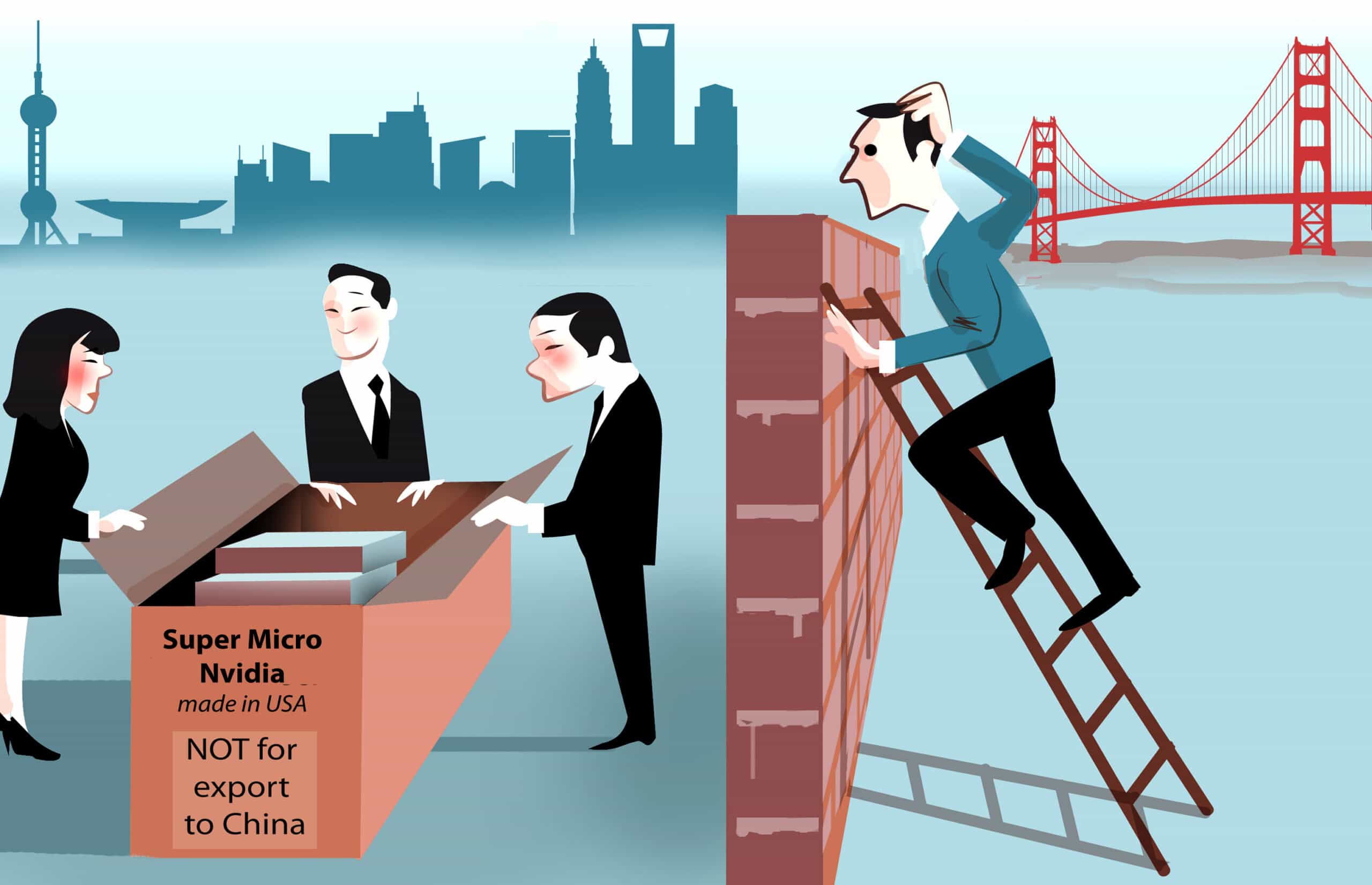
Su had more to share. The next scene showed workers unboxing crates of Nvidia’s chips. Clearly emblazoned on the cardboard box was a logo revealing who had sold the chips to Su’s “buddy”: Super Micro Computer.
On March 19, San Jose-based Super Micro made headlines after its co-founder, Taiwanese American Wally Yih-Shyan Liaw, was arrested and charged with helping to smuggle billions of dollars of AI chips to China.
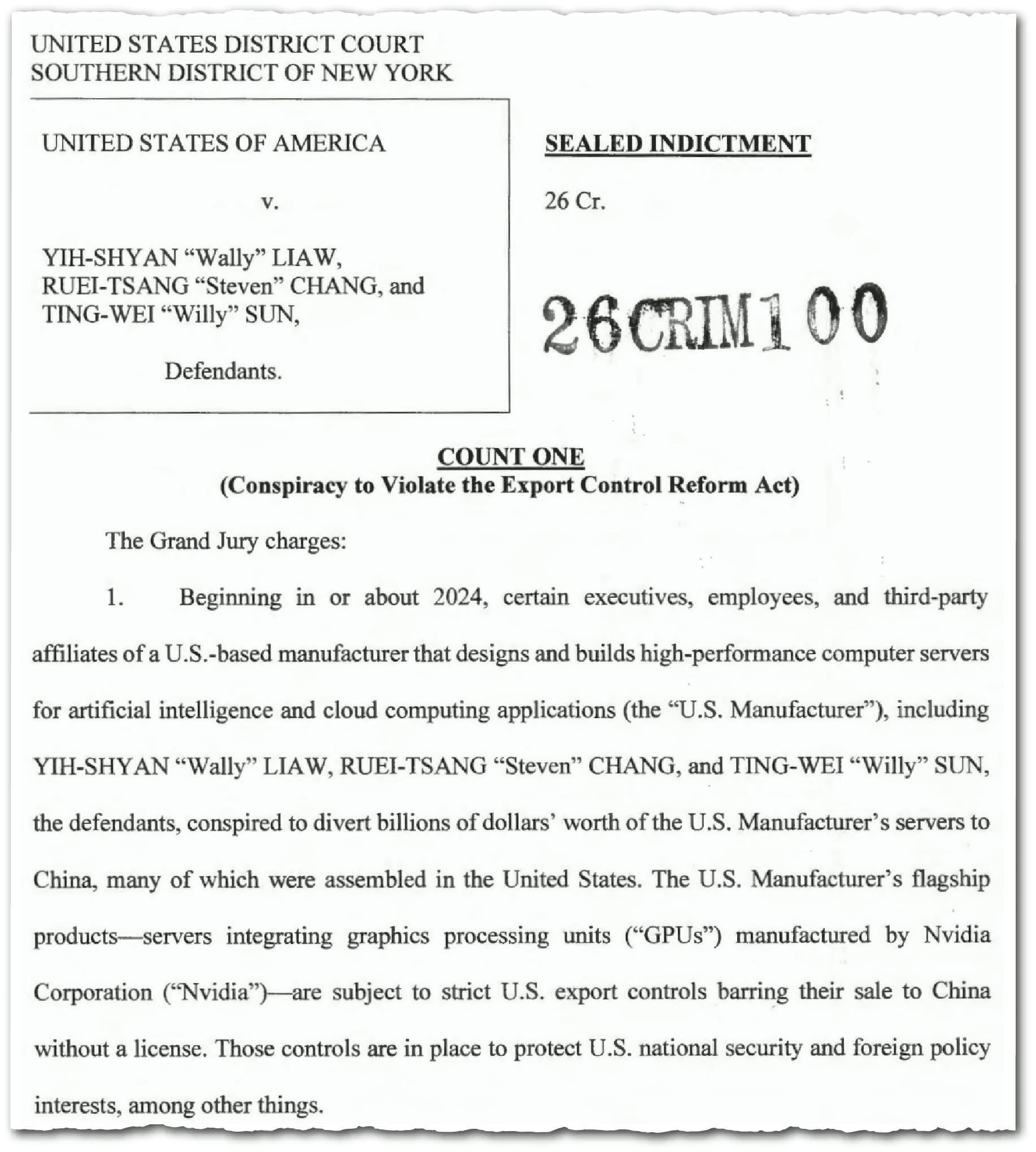
Federal prosecutors in New York alleged that Liaw, who served as senior vice president of business development at Super Micro, and two co-defendants, sales manager Ruei-Tsang Chang and contractor Ting-Wei Sun, oversaw a scheme that involved using a hair dryer to remove labels and serial numbers from real AI servers and placing them on dummy replacements in order to dupe Super Micro’s compliance team. The operation, which began in 2024 and continued until December 2025, eventually became so large, prosecutors say, that the front company used for the purchases was at one point Super Micro’s eleventh most profitable customer worldwide.
Super Micro itself was not charged and there is no indication that the chips Su had acquired came from the Liaw’s alleged operation.
But another indictment, unsealed days after Liaw and his co-conspirators were charged, revealed another alleged chip smuggling conspiracy that appeared to involve Super Micro’s servers.
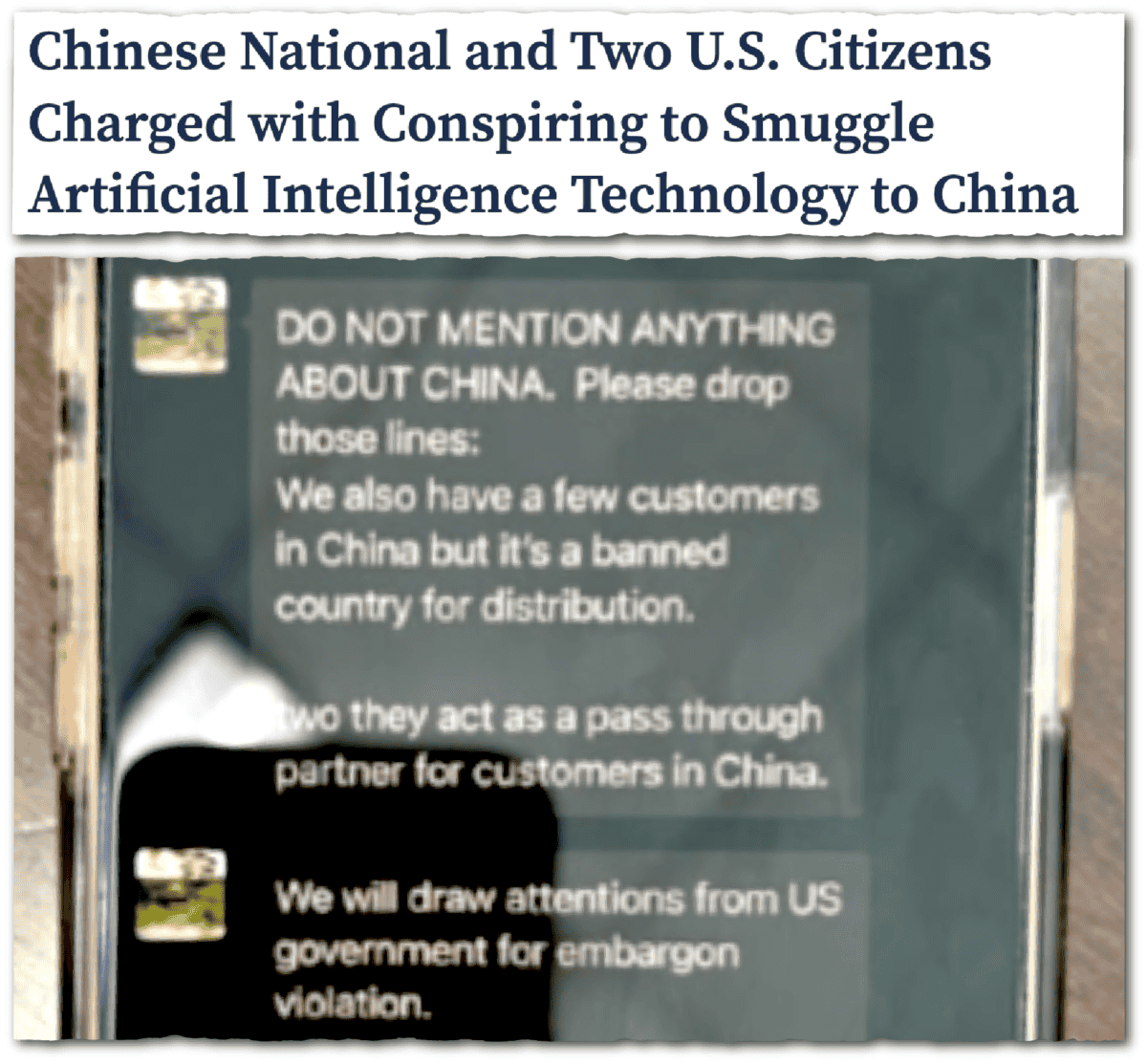
In that case, led by federal prosecutors in Georgia, Super Micro was not explicitly named in the indictment as the seller and was also not charged. But court documents describe the seller as a San Jose-based company that the defendants refer to in group chat messages as “Super”. Two people familiar with the case said it involved proposed transactions with buyers in Thailand that went through Super Micro sales offices in the U.S. and in Latin America. While Super Micro pushed for the sales, the transactions were blocked after Nvidia’s own sales and compliance teams flagged them as suspicious.
In a statement following Liaw’s arrest, Super Micro said that it is cooperating with investigators and “maintains a robust compliance program and is committed to full adherence to all applicable U.S. export and re-export control laws and regulations.”
Be that as it may, Super Micro appears to have a chip smuggling problem.
The March 19 indictment “raises serious credibility issues that could impact business”, Bernstein analyst Mark Newman wrote in a note to clients.
On March 27, Institutional Shareholder Services, the proxy advisory firm, gave Super Micro its worst possible score for corporate governance, and recommended that investors oppose the re-election of chief executive Charles Liang and two other board members at the company’s annual general meeting on April 15. (All three were nonetheless elected).
In addition, a group of Super Micro shareholders have sued the company, accusing it of committing securities fraud by concealing its dependence on sales to China.
“A TARNISHED HISTORY”
Perhaps the most important question for Super Micro and its shareholders is whether the company’s partnership with Nvidia will survive. More than any other major server builder, Super Micro has reaped a fortune from the AI boom.
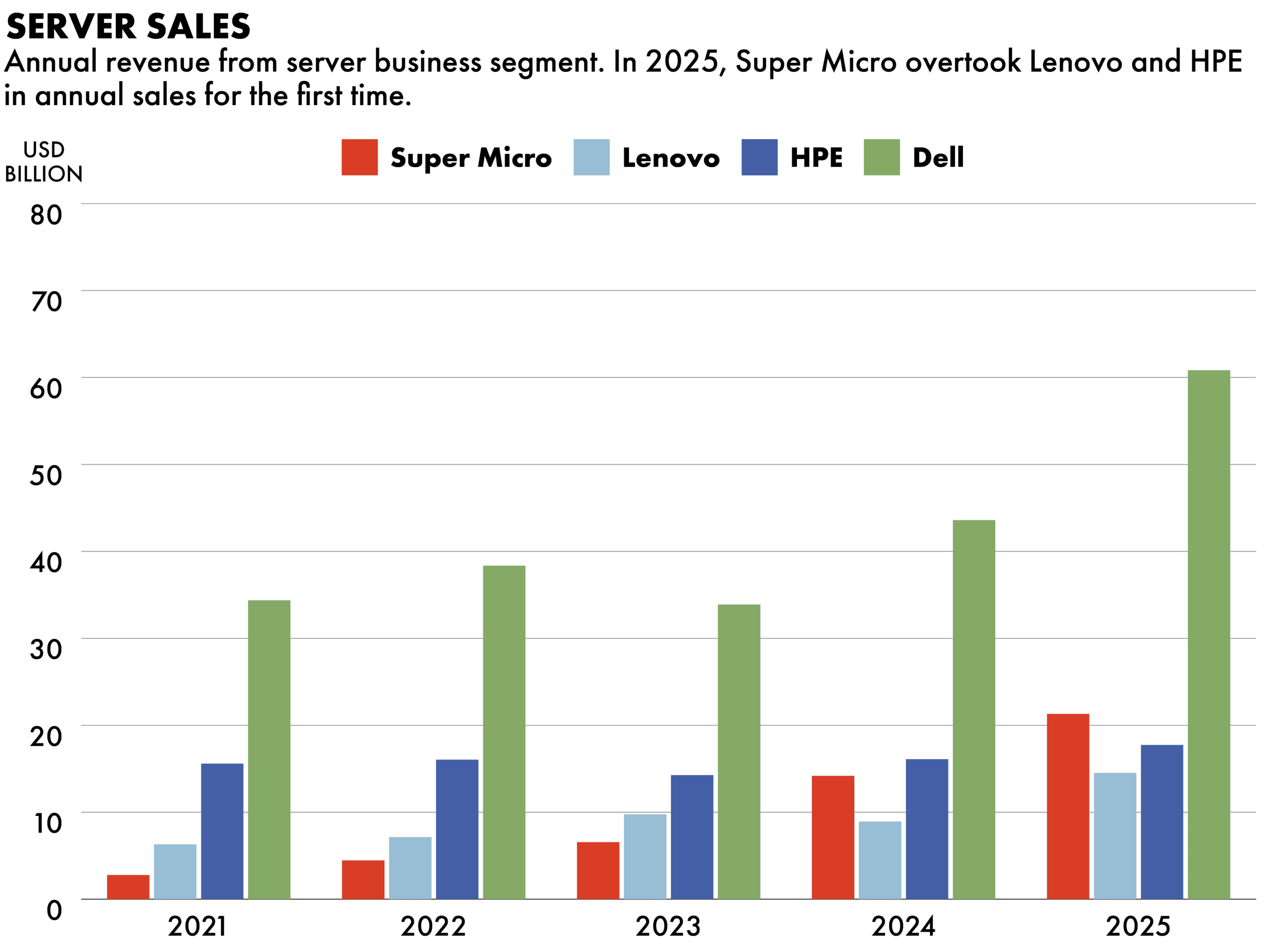
From 2023 to 2025, revenue from Super Micro’s server business more than tripled, compared to the 25 to 80 percent growth recorded by rival providers Dell, Lenovo and Hewlett Packard Enterprises (HPE) over the same period.
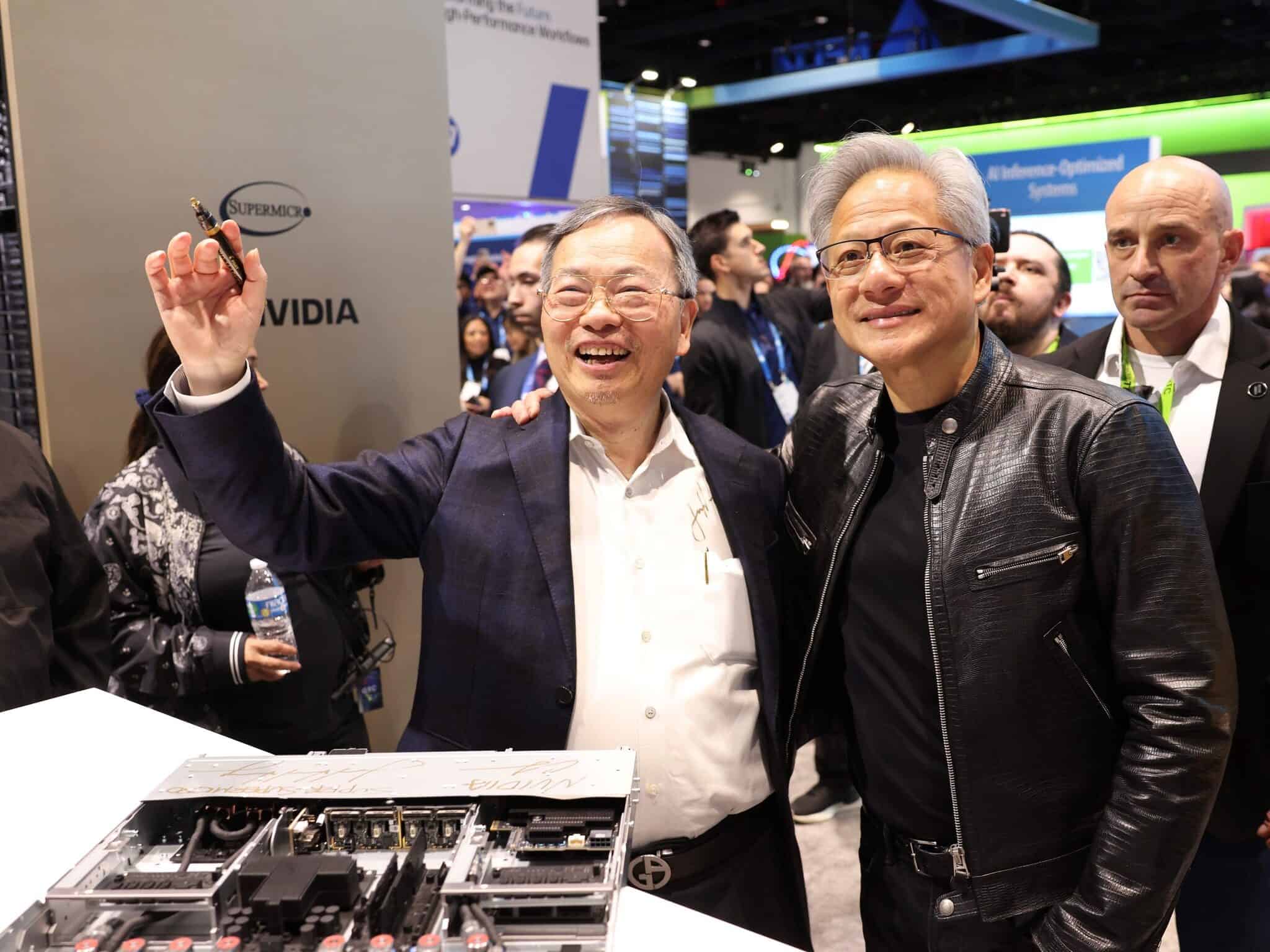
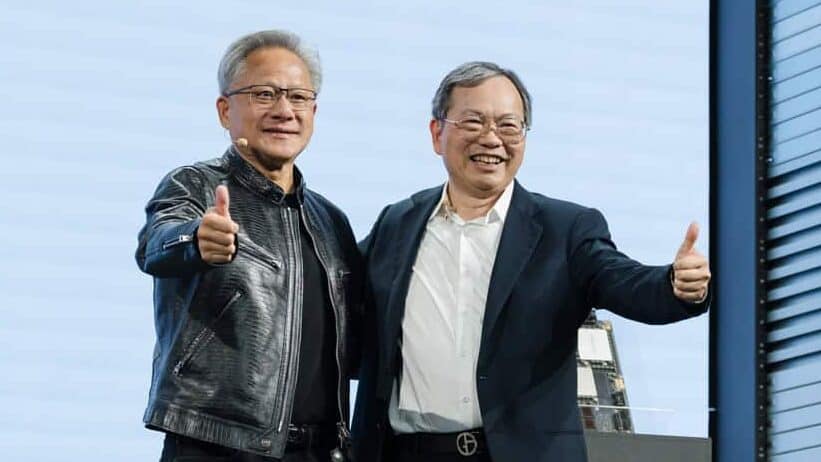
At a computer expo in Taipei in 2025, Nvidia chief executive Jensen Huang lavished praise on Liang: “Charles … I’ve loved working with you for a very long time. Super Micro is exceptional at the most extreme engineering … And your execution speed is incredible.”
The men and their companies have a long relationship. Both were born in Taiwan, and co-founded their companies — which are now headquartered eleven minutes away from each other — in 1993.
But while Nvidia’s brand has only risen with time — the company is now worth almost $5 trillion — Super Micro’s is much more checkered, with a history that includes a fine for sanctions evasion, a Securities and Exchange Commission investigation for accounting violations, and an attack by the short-selling firm Hindenberg Research.
As Simon Leopold, an analyst with Raymond James, an investment bank, wrote in a note to clients, the chip smuggling case “will reflect poorly on a company with a tarnished history.”
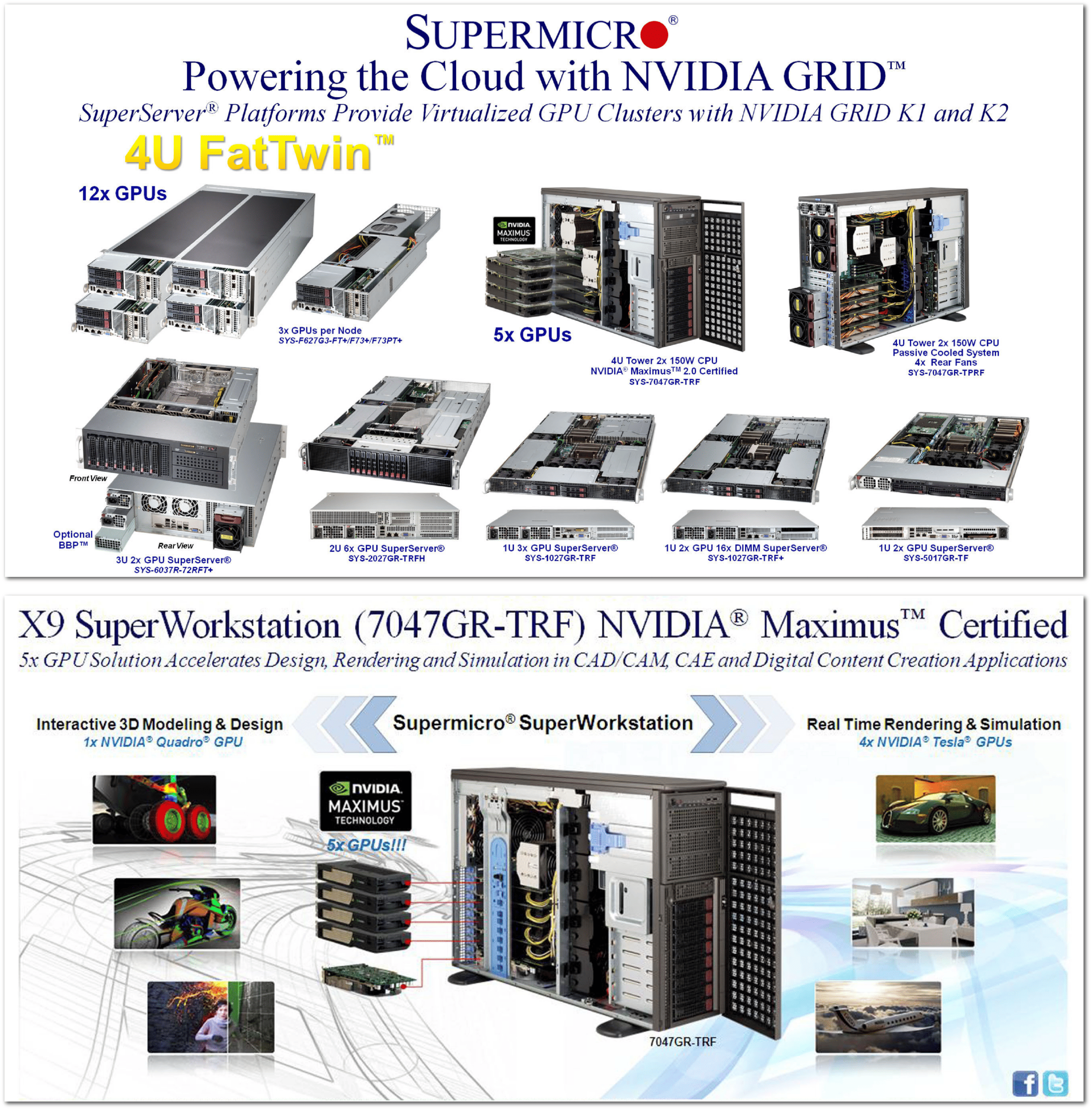
Super Micro was founded by Liang, his wife Sara Liu Chiu-chu, and Liaw. It initially specialized in designing motherboards — the main circuit board inside a computer that acts as a central hub, connecting together all the essential components. The company later expanded into the profitable business of building servers.
The Taiwanese American trio leveraged their roots to establish a manufacturing base on their home island.
In 1996, Super Micro established a manufacturing subsidiary in Taiwan named Ablecom, which is run by Liang’s brothers Steve and Bill. Liao Chunmei, Liaw’s sibling, holds an 11.7 percent stake in Ablecom, as well as an 8.6 percent stake in Compuware, another Taiwan-based company run by Liang’s brothers that provides power distribution technology for Super Micro’s customers, according to regulatory filings and Taiwan company registry data.
Super Micro began working with Nvidia pretty much from the start, Liang said in an interview with Barron’s in 2023. When Nvidia launched its first dedicated graphics chip for data centers in 2007, it turned to Super Micro “as our first partner to go to market with,” Kevin Connors, a Nvidia vice president, said at a conference in 2022.
Analysts say the key differentiator separating Super Micro from its competitors is speed, enabling it to beat rivals like Dell and HPE to market with new server designs.
But the company’s quickness has, at times, proven to be a liability. In 2006 the company was charged with violating sanctions by selling computer systems to Iran. It pleaded guilty and paid a $150,000 fine.
“We were a new company and didn’t know every regulation,” Liang said of the violation in an interview with The New York Times in 2018.
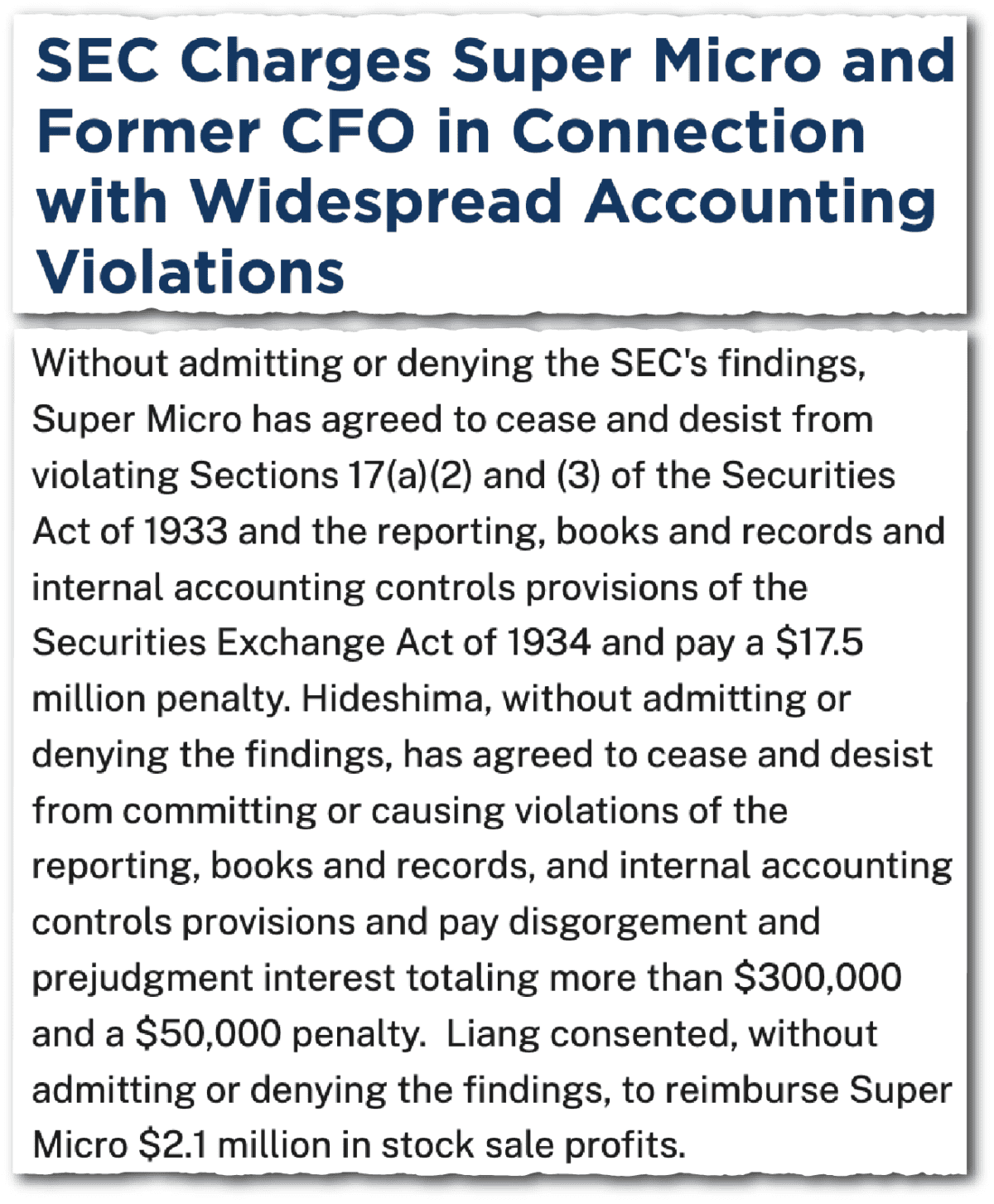
In 2020, during the first Trump administration, the SEC charged Super Micro and its former chief financial officer in connection with “widespread” accounting violations. The SEC alleged that the chief financial officer, Howard Hideshima, pushed employees to maximize end-of-quarter sales while failing to maintain international accounting controls to accurately record revenue.
Super Micro was required to pay a $17.5 million fine and Liang, who was not charged, agreed to reimburse the company $2.1 million in stock-sale profits. (If a company’s financial statements have to be restated because of misconduct, the U.S. government can claw back incentive-based compensation from its CEO and CFO.) Amid the accounting probe, co-founder Liaw resigned in January 2018.
Then, in October 2018, Bloomberg Businessweek published a story alleging that Chinese spies had penetrated more than two dozen U.S. companies, including Amazon and Apple, via a tiny microchip embedded on motherboards designed by Super Micro.
At the time, the story was disputed by all parties involved, from the U.S. government to Super Micro, Apple and Amazon. The three companies all demanded a retraction. Bloomberg Businessweek refused and followed up in 2021 with additional reporting that cited a named former FBI official involved in the probe and cybersecurity professionals briefed by the U.S. government, all of whom affirmed that the threat was real.

Super Micro did not respond to questions and requests for comment for this story by email and phone.
Super Micro continued to supply the U.S. government, supporting unclassified projects by NASA and Lawrence Livermore National Laboratory, which does work related to America’s nuclear arsenal. In 2018 the company also supplied chips for the Defense Department’s flagship AI program, according to Project Maven, a new book by journalist Katrina Manson.
After this turbulent stretch, Super Micro needed a win. It got one thanks to the AI boom. Companies like Super Micro are key middlemen in the business of building AI infrastructure. Nvidia designs the chips, but it doesn’t assemble the servers that eventually get installed in massive data centers.
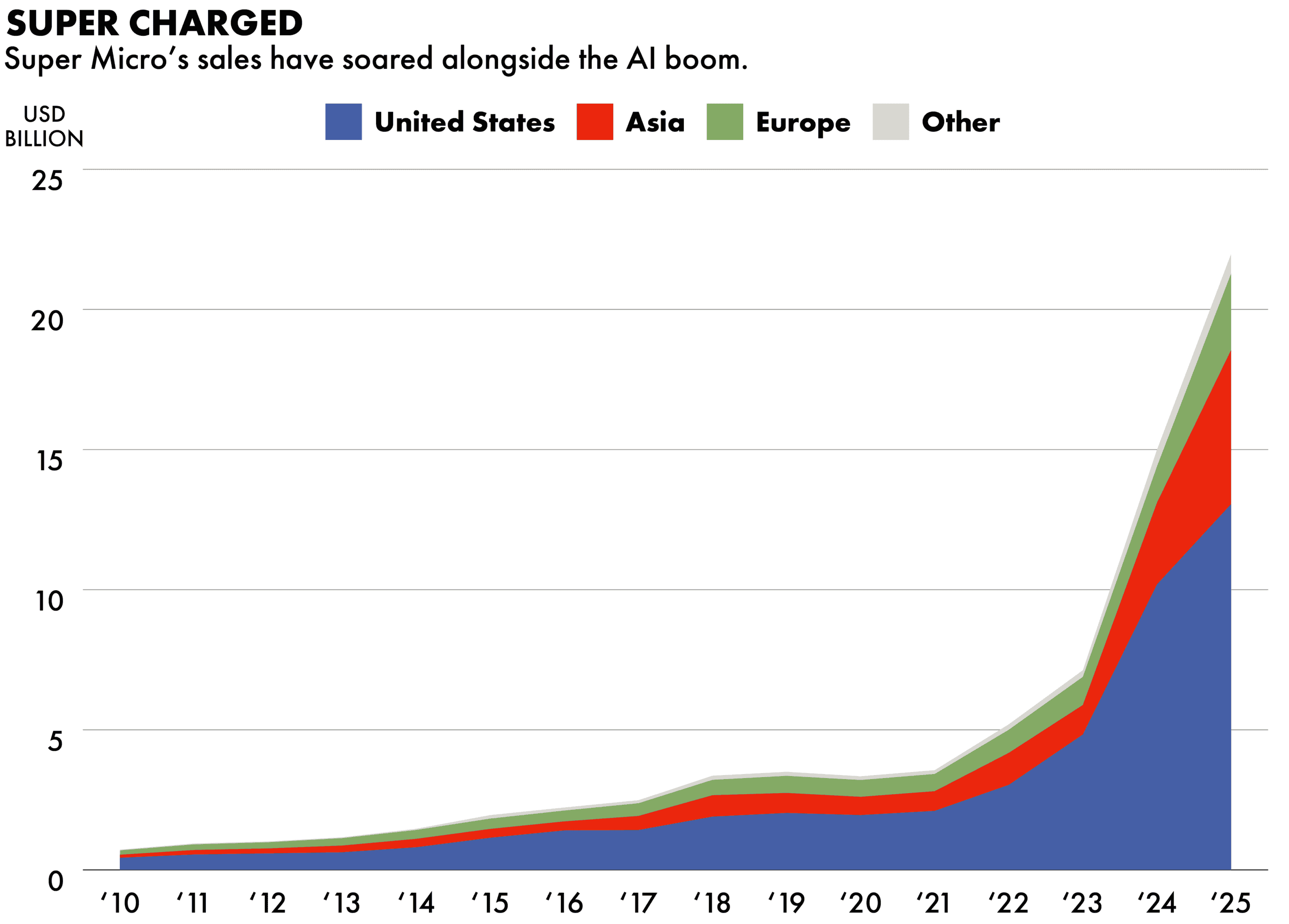
Demand from data centers sent Super Micro’s stock into the stratosphere. From 2022 to 2025, annual sales from the company’s server and storage business line almost quintupled, outpacing all of its larger rivals including Dell, HPE and Lenovo. Meta, AI infrastructure provider CoreWeave, and Elon Musk’s constellation of companies including Tesla and xAI are all Super Micro customers.
After California prosecutors announced the arrest of two people in August… prosecutors say Liaw responded by sending sobbing emojis to an associate, before resuming discussions coordinating chip diversions to China.
“Super Micro sells at some of the lowest margins, and has the most experience at the largest scale,” says Jordan Nanos, an analyst with SemiAnalysis, a semiconductor and AI-focused research firm. “They’re the go to provider for neoclouds and frontier labs, with Dell in second place and a big gap to anyone else.”
Super Micro’s reported sales growth in Asia has also far exceeded that of its rivals. Sales to Asia soared from $1.1 billion in 2023 to $5.5 billion in 2025, a 422 percent increase, according to its annual reports.
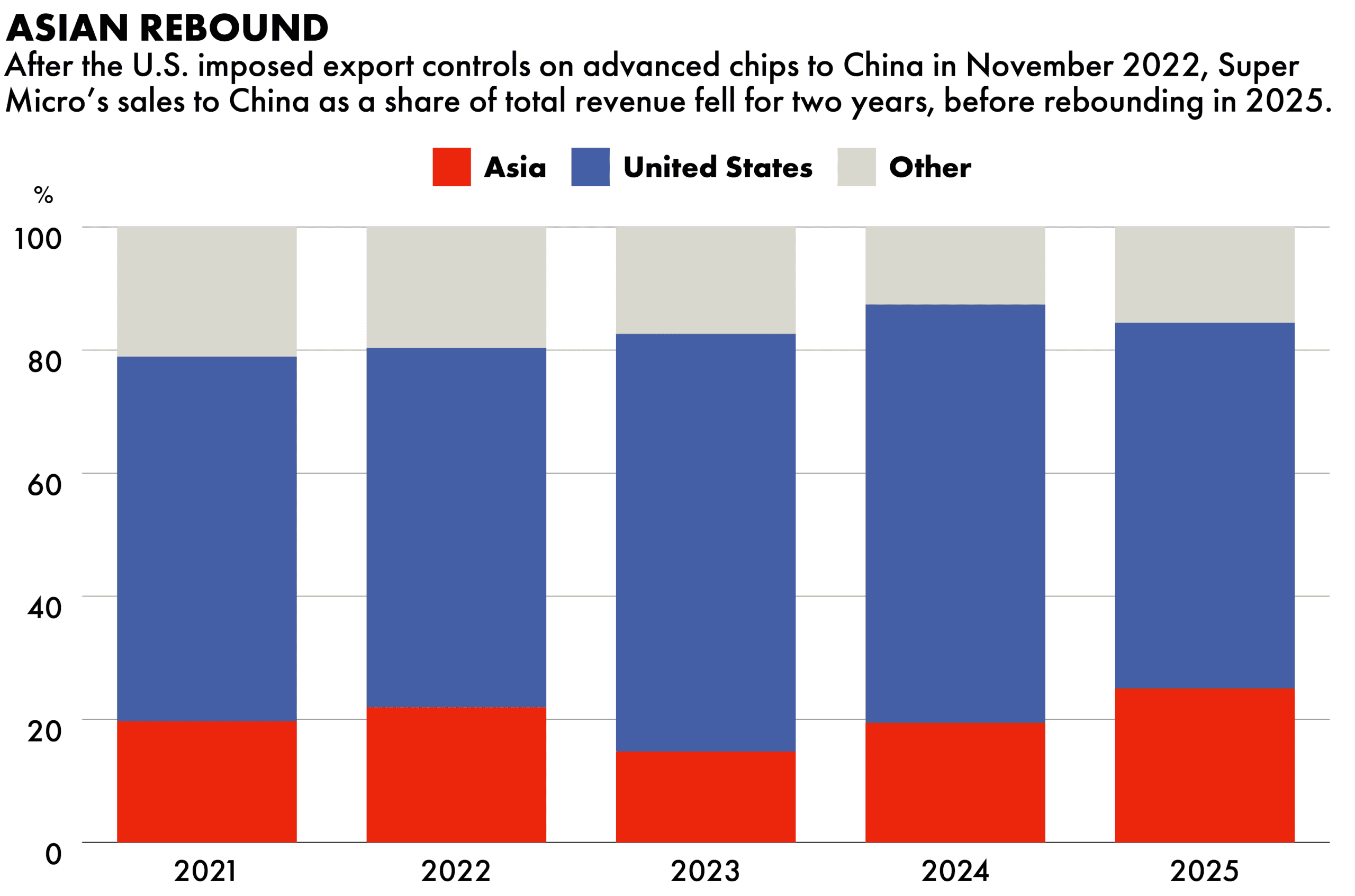
The company described the growth as primarily stemming from an increase in sales from Singapore, Taiwan and Thailand — destinations that, many national security hawks believe, should be obvious red flags.
Since August, the Justice Department has unsealed five cases of export control evasion in relation to AI chip smuggling to China. In the first case, being prosecuted in California, the defendants allegedly sent AI chips to China via freight forwarding companies in Singapore and Malaysia. In the second, a trio of defendants in Florida are alleged to have illegally exported chips through Malaysia and Thailand. A third case, in Texas, involved offshore shell companies in Taiwan, Thailand and Malaysia. The fourth, in Georgia, involved shell companies in Thailand.
CHASING THE CHIP SMUGGLERS
The Justice Department is prosecuting five cases of alleged AI chip smuggling to China
| CASE ANNOUNCED | LOCATION | STATUS | DETAILS |
|---|---|---|---|
| August 2025 | California | Defendants pleaded guilty in January. Sentencing in June. | Allegedly exported tens of millions of dollars’ worth of AI chips from the U.S. to China through Singapore and Malaysia. |
| November 2025 | Florida | Trial set for June. | Allegedly exported 400 Nvidia A100 chips using a Florida real estate company as a front and conspired to export more. |
| December 2025 | Texas | One defendant pleaded guilty. Trial for two defendants set for May. | Led a network that smuggled over $160 million in Nvidia chips by relabelling products and using straw purchasers. |
| March 2026 | New York | Two defendants pleaded not guilty. One remains at large. Trial set for November. | Diverted billions in AI servers using a Southeast Asian front company and thousands of dummy servers. |
| March 2026 | Georgia | Formal charges pending. | Conspired to smuggle export-controlled AI servers using Thailand-based shell companies as purchasers. |
Source: Justice Department
In 2024, shortseller firm Hindenburg Research published a report on Super Micro, alleging the company was involved in improper accounting practices, undisclosed related-party transactions, and sanctions and export-control failures.
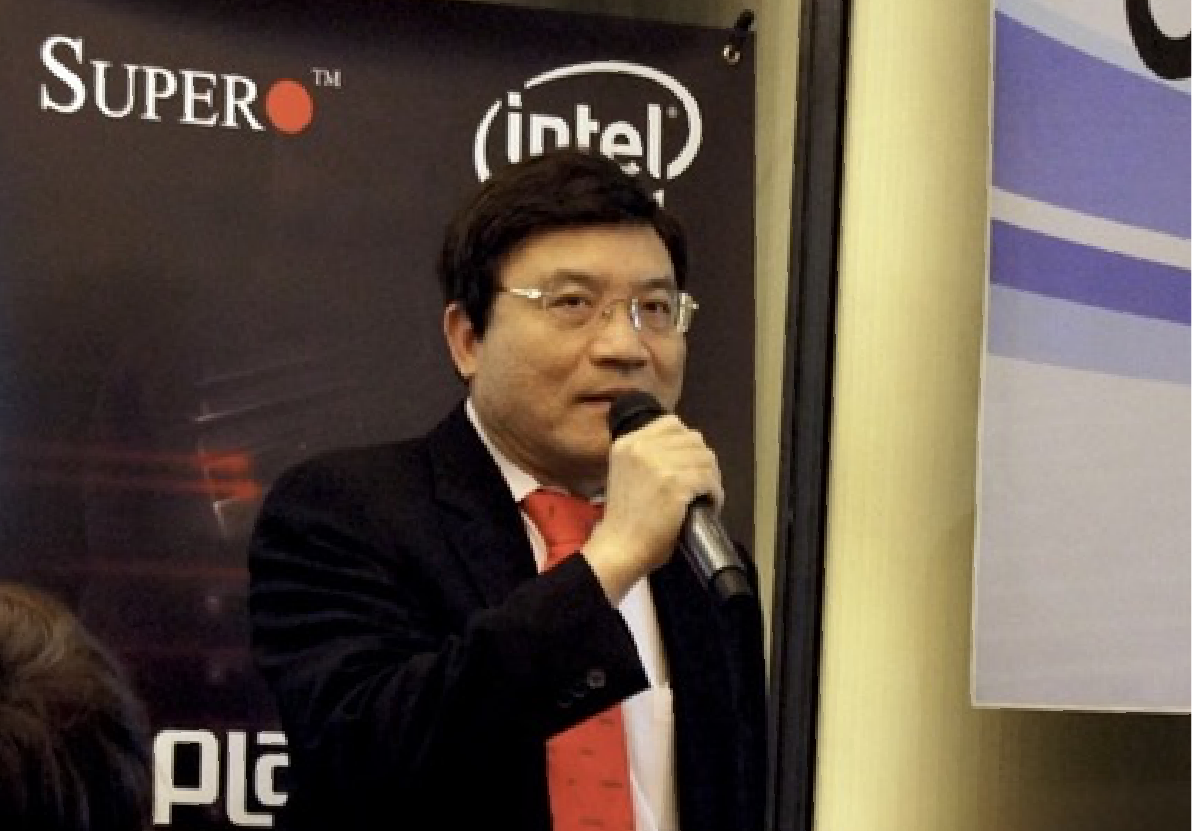
Hindenburg alleged the company was slow to update its export control policies, displaying, as of August 2024, an outdated policy on its website from 2020 that failed to include Russia or China despite the U.S. imposing sweeping export controls on AI chips to the latter in the fall of 2022.
At the time, Liang described Hindenburg’s findings as containing “false or inaccurate statements” including “misleading presentations of information that we have previously shared publicly.”
The short seller was especially scathing about one particular decision by Super Micro in 2021: to bring back Liaw.
WHAT LIAW ALLEGEDLY DID
The scheme allegedly concocted by Liaw and his co-conspirators, despite the risks involved, was remarkably straightforward. Other smuggling conspiracies investigated by prosecutors have involved archipelagos of shell companies across Southeast Asia. In Super Micro’s case, it involved just one.
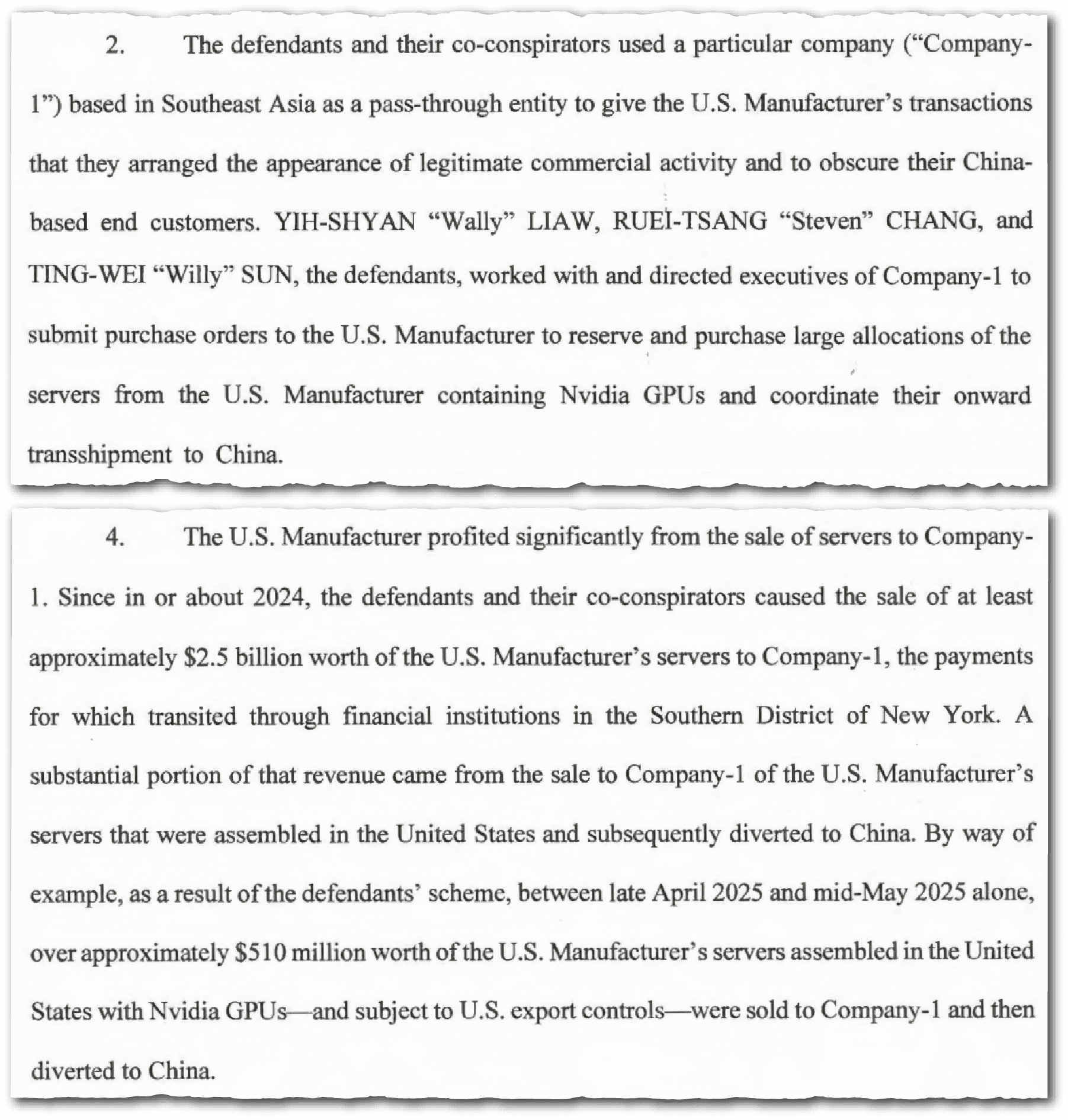
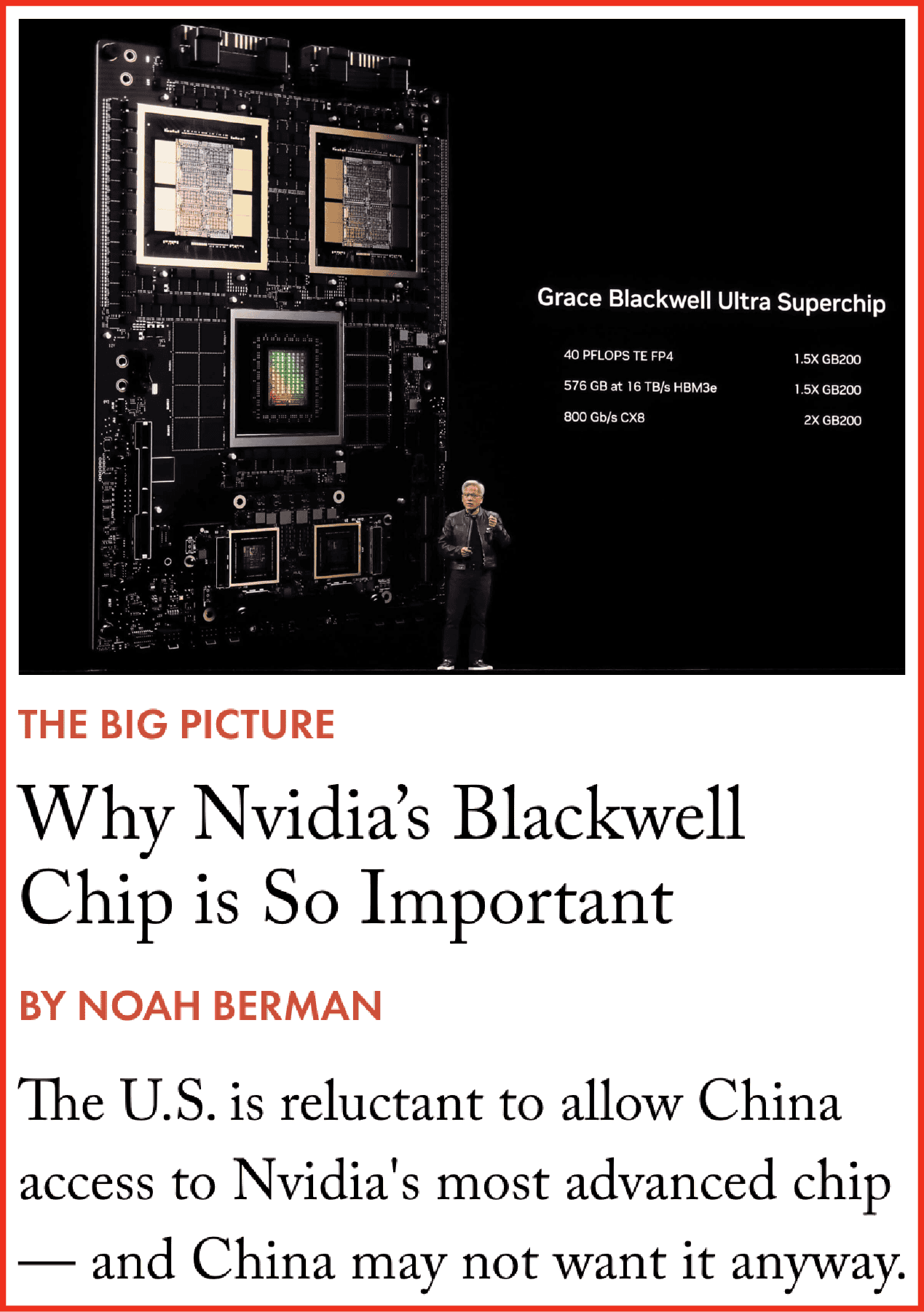
According to the criminal complaint, the defendants used an unnamed Southeast Asian company — described as “Company-1” — as a front to buy approximately $2.5 billion worth of servers from Super Micro. Those servers contained many of Nvidia’s most advanced chips including H100 and H200 GPUs and, later on, Nvidia’s Blackwell B200 chips.
After the servers were assembled by Super Micro in the U.S., they were shipped to facilities in Taiwan or Southeast Asia, where they were eventually routed to customers in China through a network of third-party brokers.
The indictment claims that Liaw recognized the importance of sales to the front company to meet Super Micro’s quarterly performance goals. In June 2024, he allegedly thanked an executive at the front company for the “help for June” and promised “[i]n return” to “help [the front company] the whole year.”
Liaw and his co-conspirators then allegedly oversaw the operation to deceive Super Micro’s compliance team.
…the scale of the operation that Liaw allegedly helped orchestrate — involving servers worth more than $2.5 billion, an amount equivalent to five percent of Super Micro’s 2024 and 2025 calendar year revenues combined — along with Liaw’s senior role at the company, set this case apart.
While real servers were repackaged into unmarked boxes and shipped to China, they allegedly fabricated lease agreements for data centers to prove to Super Micro that their front company had the physical space required to store the massive volumes of servers it was purchasing.
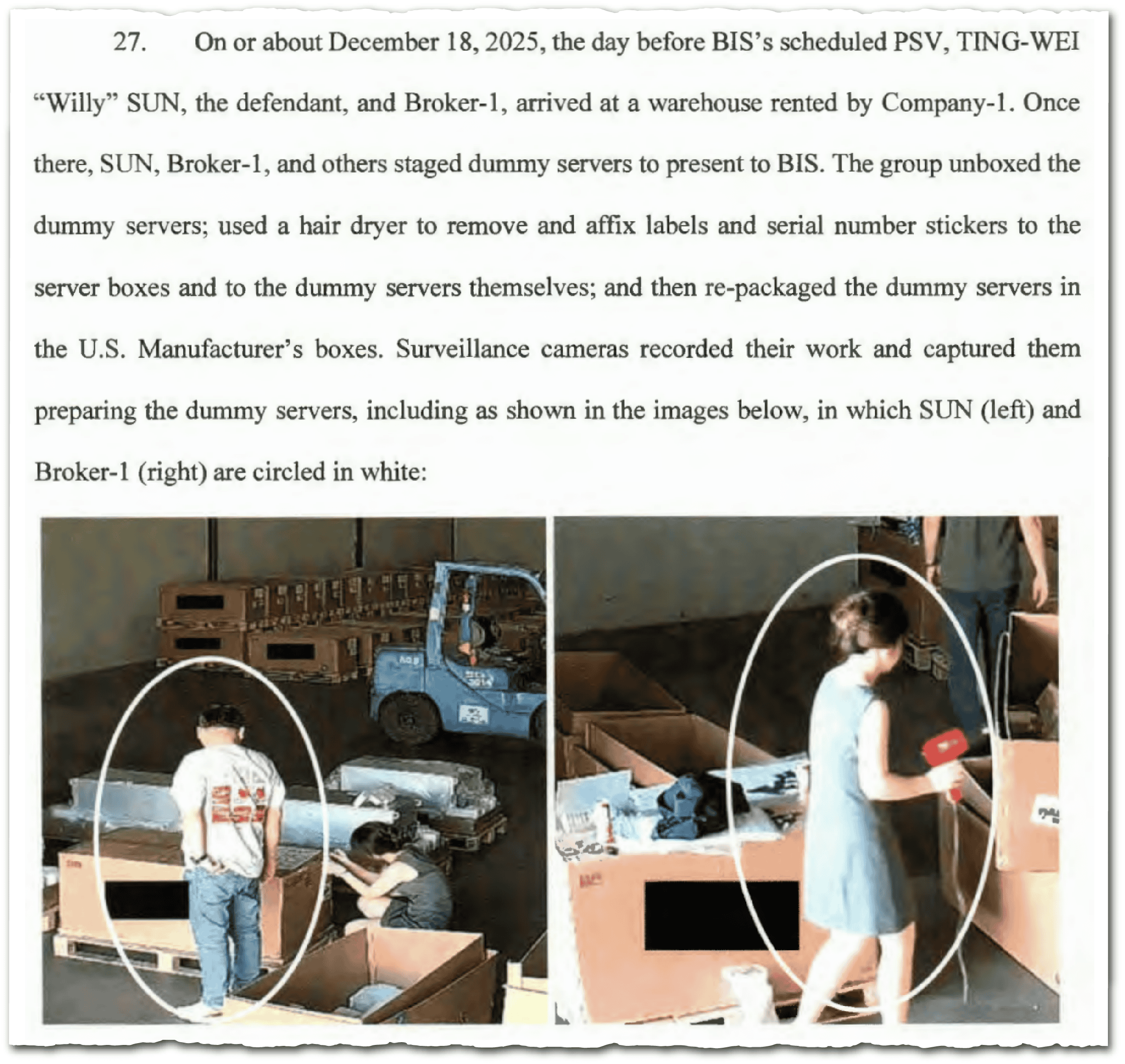
With the real servers already en route to China, the defendants then allegedly showed Super Micro’s auditors and inspectors from the Commerce Department’s Bureau of Industry and Security (BIS) dummy servers at the front company’s warehouses. In one instance, just before a BIS inspection, defendant Sun and others were recorded on surveillance cameras using a hair dryer to remove authentic Nvidia labels and serial numbers from actual servers and applying them to the fakes.
Investigators also logged communications between Liaw and several brokers in charge of diverting the actual servers to Chinese customers. At the same time, Liaw leveraged his authority at Super Micro to overrule and pressure the compliance team. When Super Micro’s compliance team froze shipments to the front company and initiated an audit in late 2024, Liaw and Chang allegedly “took steps to remove the hold and undermine the audit.” In an email to the compliance team, Liaw also urged them to “speed this process up.”
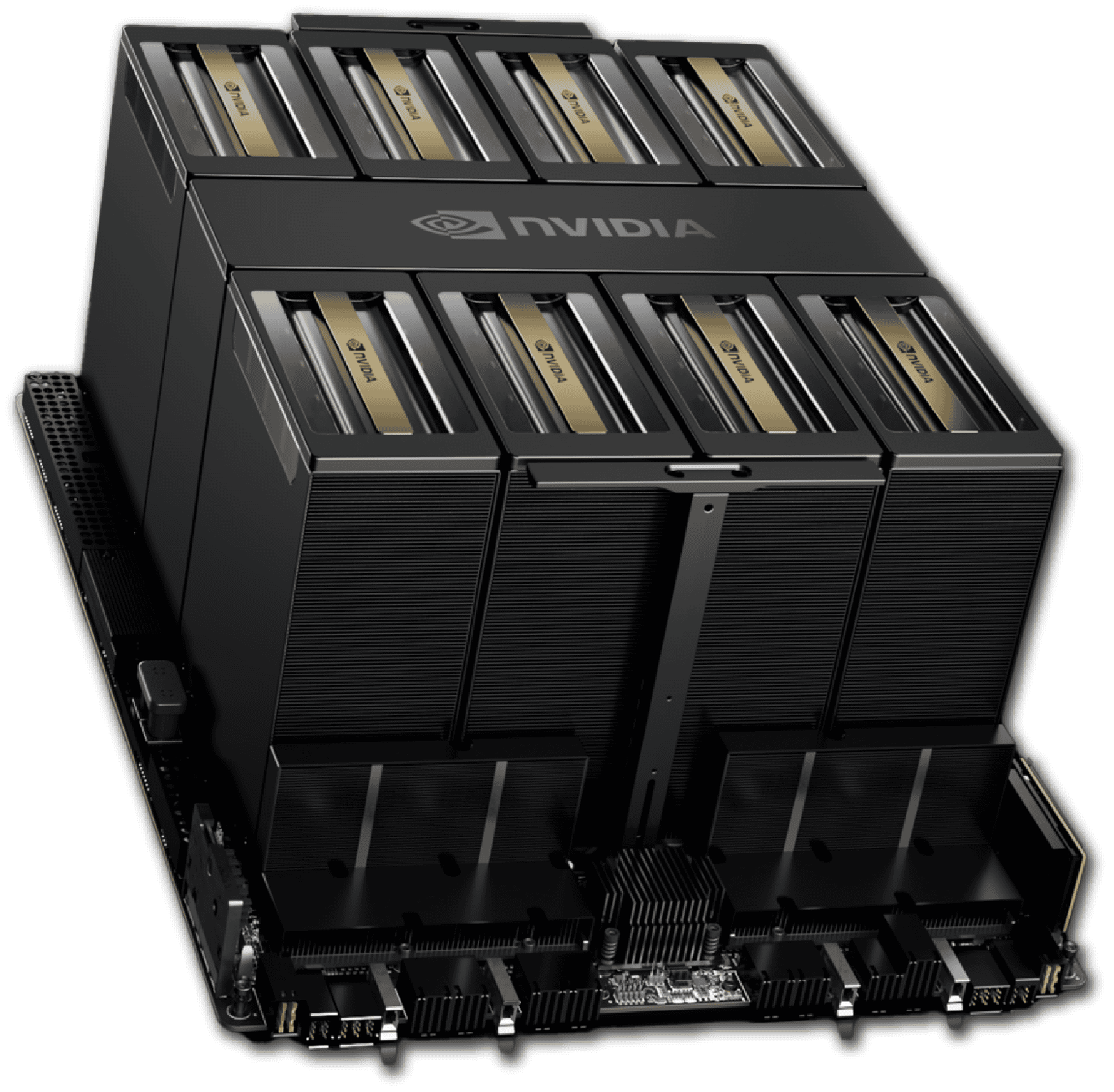
In late 2024 Liaw allegedly pressed an executive at the front company to secure even more orders for Nvidia’s B200s, writing: “Roughly how many you can take by January? Feb? March? April? Just roughly forecast will be fine … Then we can propose to [Nvidia] with the way they can accept … This is the only way to have [Nvidia] promise the B200 allocation so far as I know.”
In the final days of the Biden administration, Commerce announced a sweeping rule (later scrapped by the Trump administration) to regulate the sale of AI chips worldwide. The so-called “AI diffusion rule” would have made it harder for companies in many Southeast Asian countries to access Nvidia chips without complying with stricter vetting standards.
Liaw responded to the development by upping the pace, writing: “We need to speed these up before May 13!”, the day the rule was set to take effect.
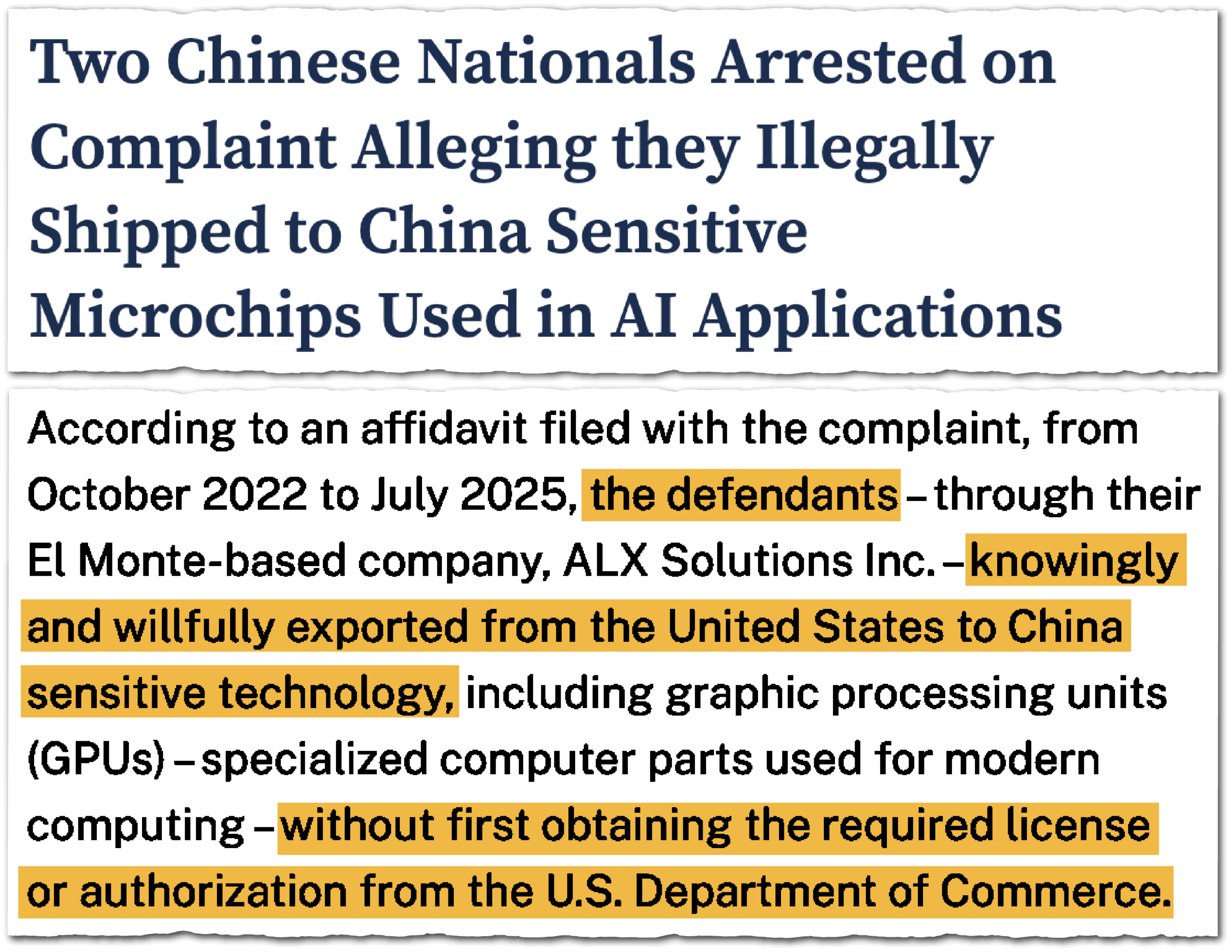
Even announcements of charges being brought against other parties by the Justice Department for chip smuggling did little to deter Liaw. After California prosecutors announced the arrest of two people in August, for example, prosecutors say Liaw responded by sending sobbing emojis to an associate, before resuming discussions coordinating chip diversions to China.
Attorneys for Liaw and Sun did not respond to requests for comment. Chang, who is at large, could not be reached for comment.
CAN THE PARTNERSHIP SURVIVE?
Super Micro is not the only server maker to have unwittingly sold chips to smugglers.
In the Florida case, some of the servers smuggled to China were made by HPE, according to court documents. In the Texas case, smugglers acquired chips from Lenovo, the PC maker and AI infrastructure provider with dual headquarters in Beijing and North Carolina. In that case, a person familiar with the matter told The Wire, the alleged smugglers had acquired their chips at a sale of Lenovo’s excess inventory, suggesting they were not a major customer.
But the scale of the operation that Liaw allegedly helped orchestrate — involving servers worth more than $2.5 billion, an amount equivalent to five percent of Super Micro’s 2024 and 2025 calendar year revenues combined — along with Liaw’s senior role at the company, set this case apart.
According to its latest annual report, Super Micro’s largest supplier accounted for almost two-thirds of the company’s total purchases in 2025. The company does not disclose the names of its suppliers, but analysts widely regard its top supplier to be Nvidia. The next largest supplier accounts for just 5 percent of total purchases. In 2023 Nvidia was also Super Micro’s largest supplier but accounted for only about 31 percent of Super Micro’s total spending on components.
Super Micro’s 2025 annual report states that it has no long-term supply agreements with Nvidia, and places orders as needed. That is consistent with how Nvidia’s Huang describes the order process for all of Nvidia’s customers. Were Nvidia to cut ties with Super Micro, the effect on its business would be devastating.
SemiAnalysis’s Nanos says it’s “not very hard” on a practical level for customers to switch from Super Micro’s offerings to an alternative supplier, noting, as an example, that AI infrastructure provider CoreWeave buys from Dell too.
But he is skeptical that Nvidia would sever its relationship with Super Micro. “It’s possible to do, but not necessary, and so highly unlikely they would completely drop Super Micro as a partner,” he says.
In a statement to The Wire, a spokesperson for Nvidia said: “Our ecosystem partners must be committed to strict compliance at every level.”
Nvidia’s due diligence efforts “have led to prosecutions of would-be smugglers, and we will continue to work with the government to enforce the rules while building the world’s AI infrastructure,” the spokesperson added.
“As systems become increasingly large and complex, unlawful diversion is a recipe for failure — Nvidia does not provide any service or support for such systems, and the enforcement mechanisms are rigorous and effective.”
On April 7, Super Micro said it had hired law firm Munger, Tolles & Olson to conduct an independent investigation. The company has not said how long the investigation will take.
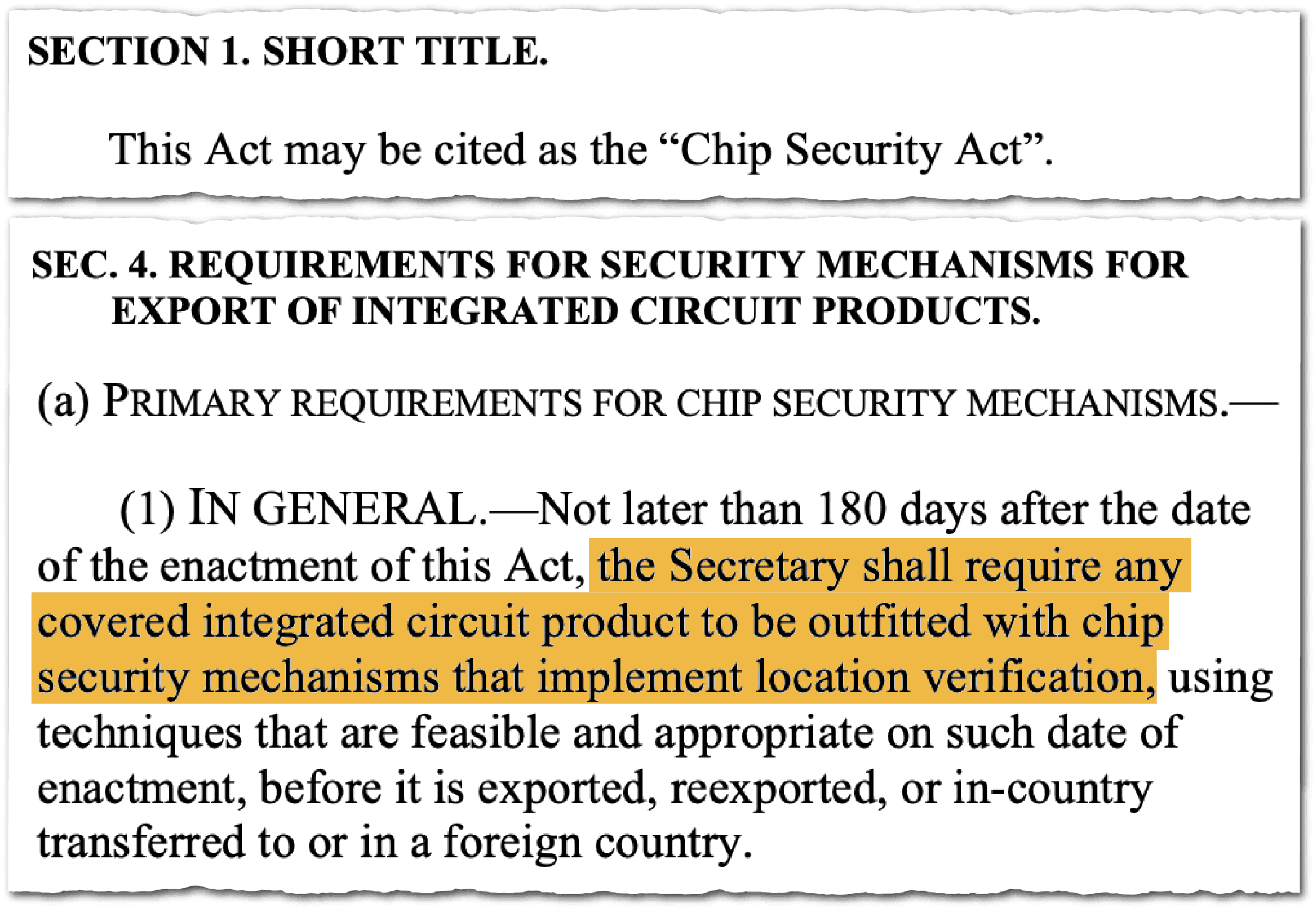
Meanwhile, the Super Micro case has spurred Congress into action. Last year a bill was introduced that would require companies like Nvidia to add location-tracking capabilities to their chips to verify they’re not being used in China.
The bill, known as the Chip Security Act, was opposed by Nvidia but is now gaining momentum. Last year Nvidia’s Huang maintained on many occasions that there was “no evidence” of chip smuggling to China.
The number of indictments since August — and the number of chips in the Liaw case — make that argument a harder sell today.
After news of the indictment broke, Senator Tom Cotton wrote to Commerce Secretary Howard Lutnick urging his department to enact provisions of the Chip Security Act immediately. The House Foreign Affairs Committee advanced the bill out of committee late last month, bringing it a step closer to receiving a full vote from the House.
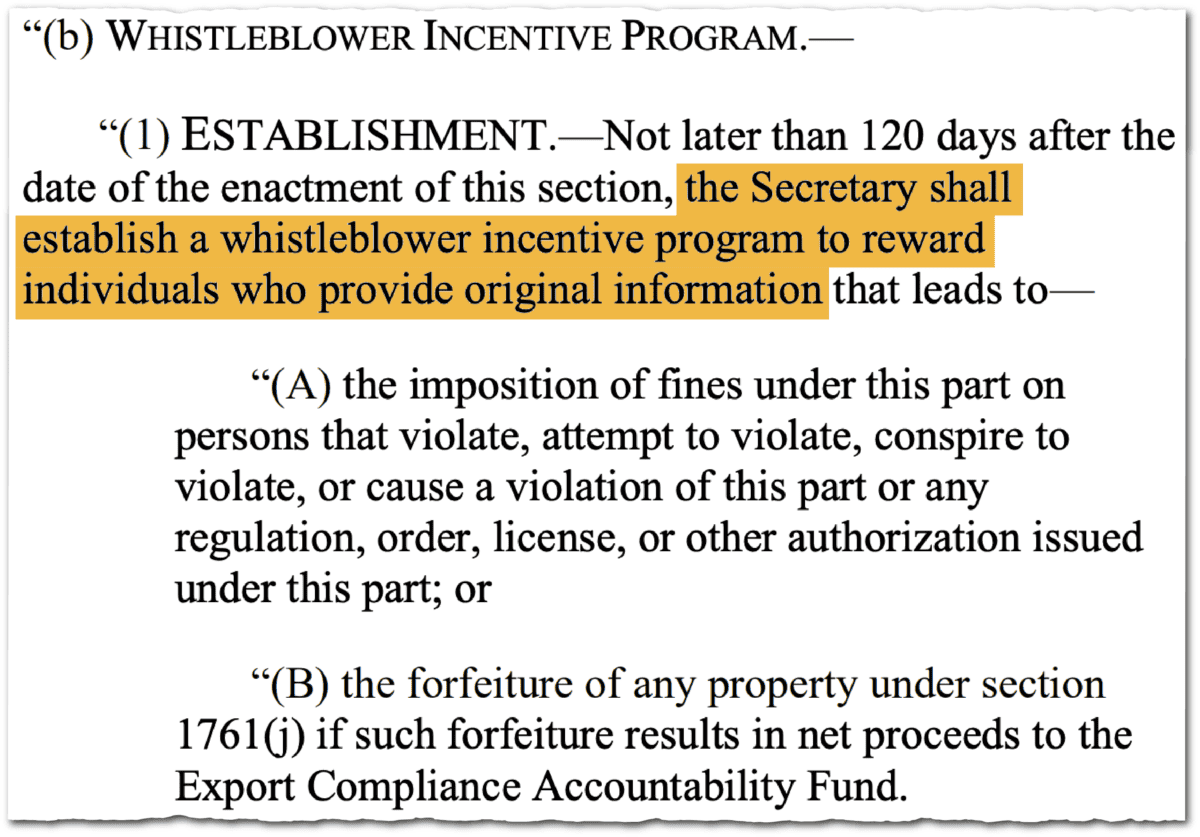
Last week the House Foreign Affairs Committee also voted to advance a bill — the Stop Stealing Our Chips Act — that would establish a whistleblower program that would reward people who submit credible information to BIS on chip smuggling. If the act is passed, tipsters will be eligible to receive between 10 and 30 percent of any fine levied against a company for violating export controls.
At the federal courthouse in New York City earlier this month, Liaw and Sun both pleaded not guilty to the charges against them. Liaw has been released on a $5 million bond. Chang, the Taiwan-based general manager, remains at large. A trial date has been set for November 2.

Eliot Chen is a Toronto-based staff writer at The Wire. Previously, he was a researcher at the Center for Strategic and International Studies’ Human Rights Initiative and MacroPolo. @eliotcxchen