Regulators in Hong Kong are poised to license issuers of stablecoins for the first time, bringing the financial hub formally into an industry worth an estimated $225 billion.

The Hong Kong Monetary Authority’s first deadline for companies to apply for licenses to launch digital currencies that can be pegged to the Hong Kong dollar, a currency which is itself pegged to the greenback, passed on Tuesday. The HKMA has announced that it will dole out a first batch of licenses early next year.
The recipients will join Chinese corporate giants like JD.com and Ant Financial that are angling to launch coins pegged to a version of the renminbi that is traded outside of mainland China, according to media reports. A Hong Kong-based company, AnchorX, said it had become the first to do so last month after receiving a license from a Kazakh regulator — prompting the HKMA to announce that it had not yet given out any licenses for offshore RMB stablecoins.
Heightened attention to stablecoin holdings is essential to prevent China from falling behind in cross-border trade settlement in the future.
Shen Hong, research fellow at the Institute of New Structural Economics of Peking University
The moves, if they proceed, will bring China and Hong Kong — increasingly a financial sandbox for the mainland — into competition with the dollar-denominated stablecoins through which hundreds of billions now flow.

China has long viewed crypto with suspicion and retains a ban on trading in all cryptocurrencies. The country also has strict capital controls and is wary of money leaking out of its system.
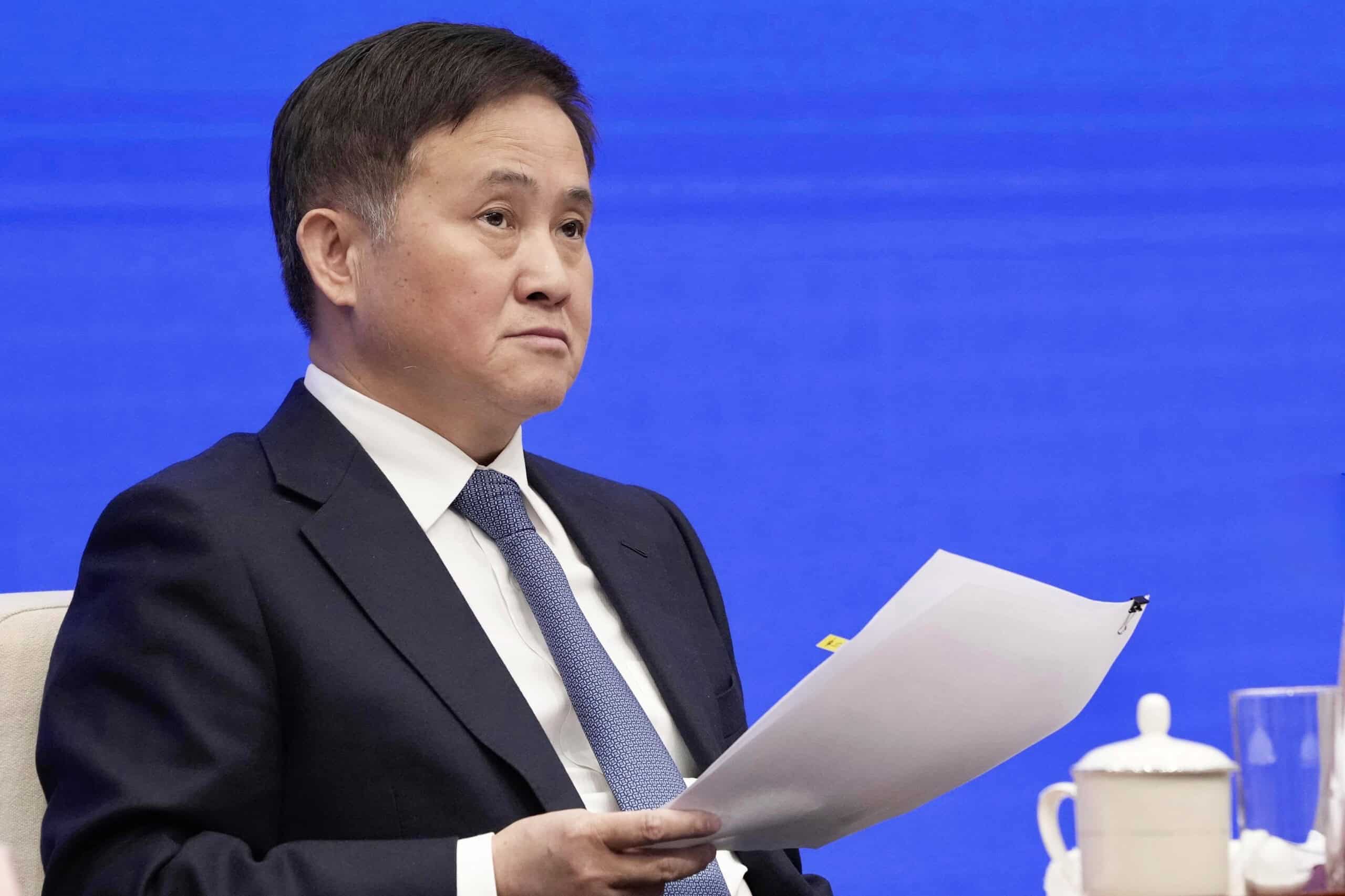
But Pan Gongsheng, China’s central bank governor, has recently thrown his support behind stablecoins for cross-border payments as the country warms to their usage. Hong Kong regulations include strict provisions requiring stablecoin issuers to verify the identities of their customers.
China’s incentives in the Hong Kong stablecoin market are commercial, says Diana Choyleva, chief economist at the consultancy Enodo Economics.
“It’s kind of like China free riding on the dollar,” she says. “It’s not going to help with de-dollarization. That’s not the aim. But if there is market demand for such a thing, they’re going to make some money out of it.”

Stablecoin firms generally hold cash or short-term bonds to back pegs to their underlying currencies. To date, most stablecoins have been U.S. dollar-denominated: in practice, this has led to heavy inflows into U.S. government bonds.
Tether, which issues the world’s largest stablecoin USDT, revealed holdings of more than $105 billion in short-term U.S. treasuries as of June 30, for example. The figure would place the El Salvador-based company above all but 18 countries on the U.S. Treasury Department’s monthly list of major foreign investors.

China could eventually see the launch of more renminbi-backed stablecoins as a way to help internationalize its currency, an effort it has pursued for years. The renminbi still makes up a relatively small portion of both central bank reserves and cross-border payments. Both figures are below 3 percent of global totals, according to the International Monetary Fund and the interbank messaging network Swift.
It’s kind of like China free riding on the dollar. It’s not going to help with de-dollarization. That’s not the aim. But if there is market demand for such a thing, they’re going to make some money out of it.
Diana Choyleva, chief economist at the consultancy Enodo Economics
Still, China is likely to adopt a “cautious approach” by piloting stablecoins offshore for purposes such as paying foreign companies, says Shen Hong, research fellow at the Institute of New Structural Economics of Peking University.
“Such initiatives would not only promote the renminbi’s usage in international markets but also bolster China’s influence in global financial competition,” Shen says. “Heightened attention to stablecoin holdings is essential to prevent China from falling behind in cross-border trade settlement in the future.”
Some analysts are skeptical China will fully embrace stablecoins, however. Dan Wang, China director at the consultancy Eurasia Group, says allowing renminbi-denominated stablecoins would have knock-on effects counter to Beijing’s goals for its currency.
“Regulators do not want an overhyped investment in this market, because that means there’s higher demand for Chinese yuan,” she says. “It’s already under pressure to reevaluate. It doesn’t want to add more pressure.”

The dollar, on the other hand, continues to lead the pack of global currencies. It is used to back 99 percent of the combined market cap of all stablecoins, according to an analysis by the Bank for International Settlements. The dollar looks set to retain its leadership for some time: In July, the U.S. passed the so-called “GENIUS Act,” making stablecoins easier for banks to issue.

“If the U.S. was dithering about and didn’t really take any action, the Chinese wouldn’t have been keen to trial stablecoins in Hong Kong,” Choyleva says. Beijing doesn’t want to “miss the boat in terms of testing the market more broadly.”


Noah Berman is a staff writer for The Wire based in New York. He previously wrote about economics and technology at the Council on Foreign Relations. His work has appeared in the Boston Globe and PBS News. He graduated from Georgetown University.