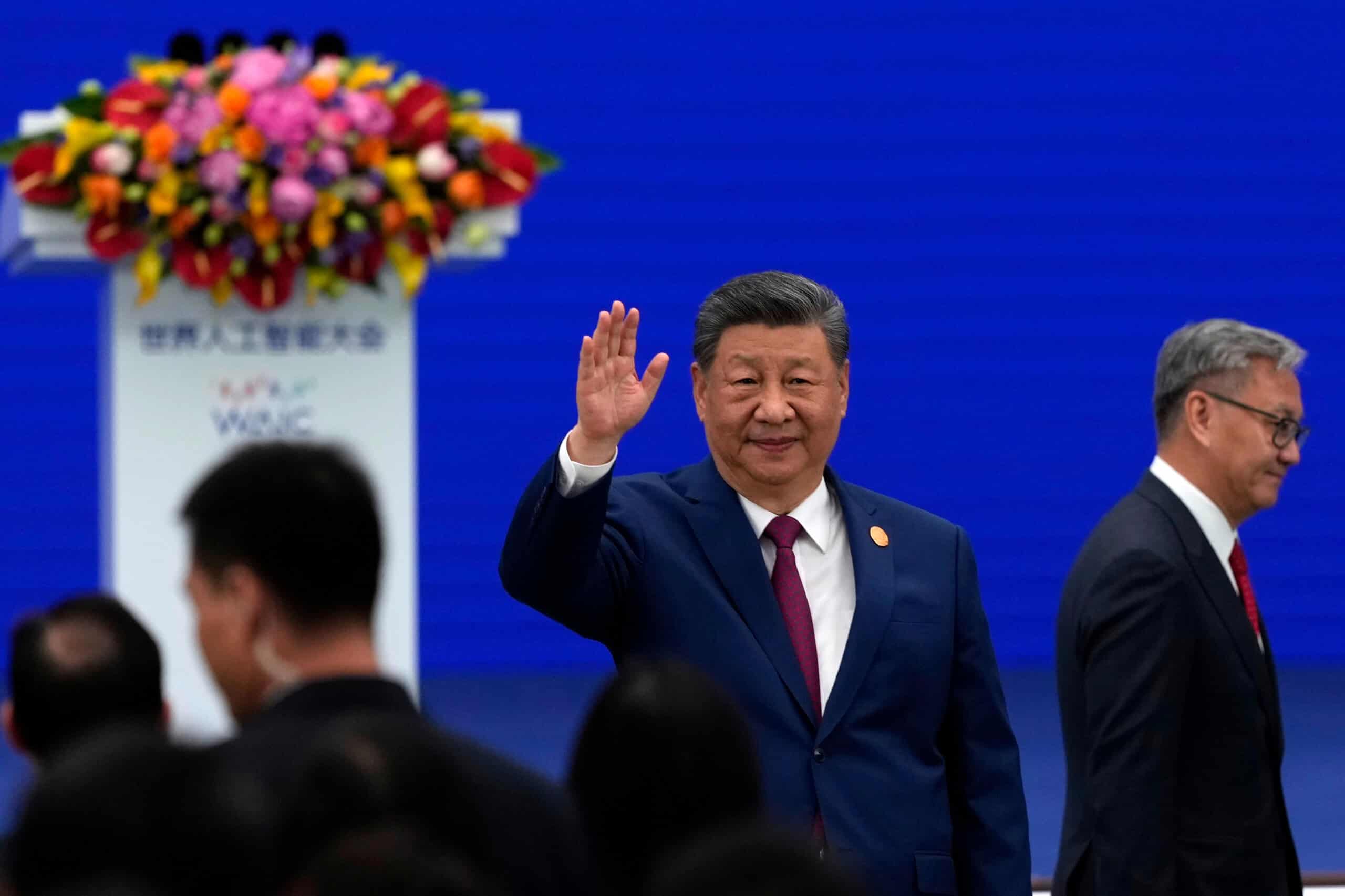
China announced its new climate targets for 2035 at this week’s United Nations climate summit: reduce economy-wide net greenhouse gas emissions by 7-10 percent from peak levels, expand installed wind and solar power generation capacity to over 3,600 gigawatts — and increase the share of non-fossil fuels in total energy consumption to over 30 percent, among other targets, as part of the Paris Agreement.
On paper, the clean energy growth plans are ambitious. But at the same time, China is ramping up coal power, undercutting its climate policy credibility. This stark dichotomy underscores a crucial problem for Beijing if it hopes to stay on track to achieving net-zero emissions: it must tackle the tension between its lofty clean energy goals and its desire for energy independence that is feeding its continuing addiction to coal power.
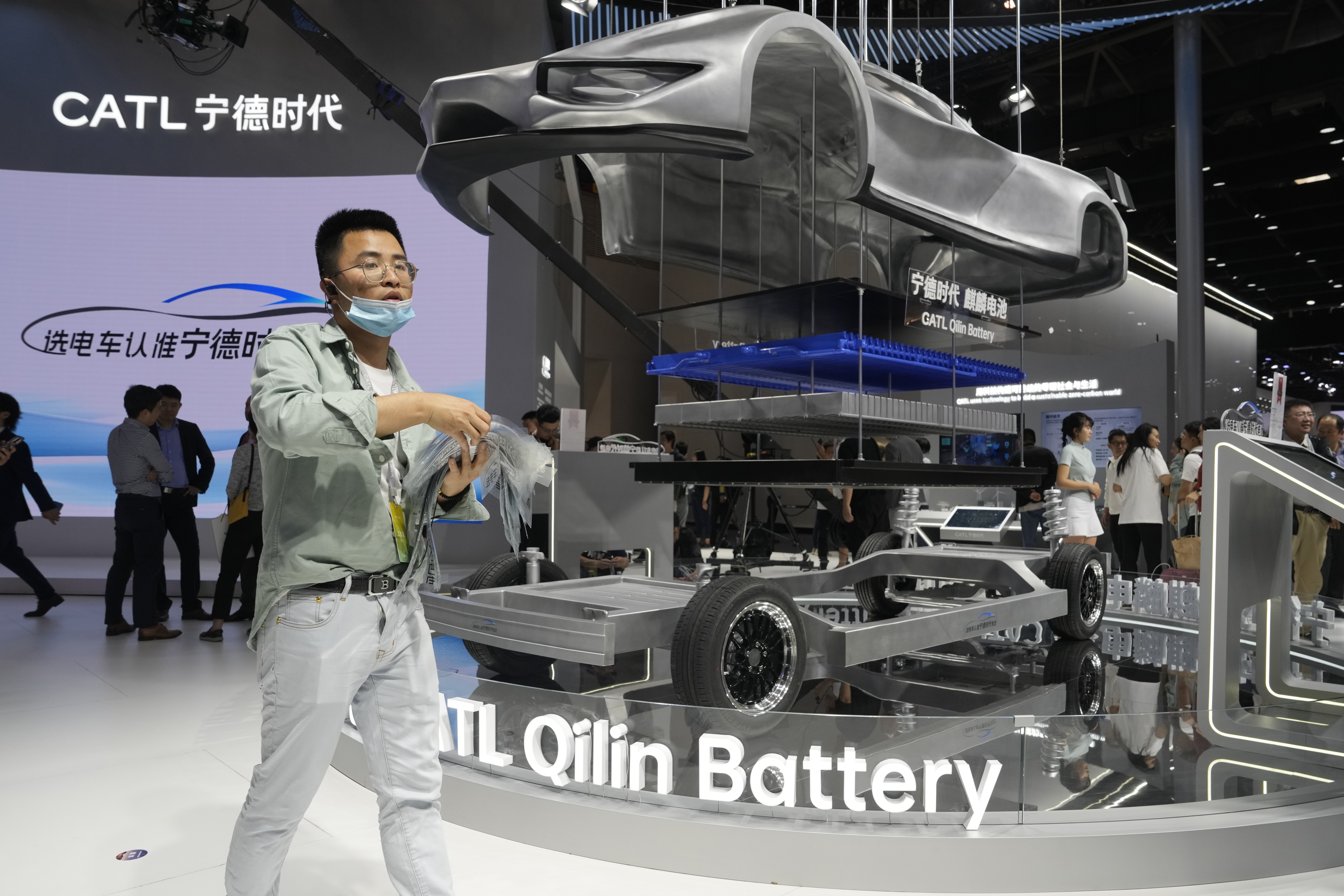
To its credit, China has become a global climate leader, dominating the clean energy supply chain and installing wind and solar power at breakneck speed — all while the U.S. has rolled back on its commitments to decarbonize and withdrawn from the Paris Agreement.
Because it is the world’s largest greenhouse gas emitter, China’s climate pledges send powerful signals to countries wavering between fossil fuels and renewable energy industries.
China has already met its renewable energy deployment target, released in the previous round of Nationally Determined Contributions (NDCs) — the climate pledges countries in the Paris Agreement need to make every five years. The country reached 1,200 gigawatts of wind and solar power capacity in 2025 — five years ahead of schedule. It may double that figure by 2030.

In a recent study, we modeled China’s electric power system to identify the most cost-effective way to decarbonize, while meeting future electricity demand and other grid operational constraints.
We found that China will need to deploy between 2,350 and 2,780 gigawatts of wind and solar by 2030, rising to between 2,910 and 3,800 gigawatts by 2035, to be consistent with a 2 degrees celsius global temperature rise target. Wind and solar power’s combined share of the country’s power generation mix will need to rise dramatically, from 17.9 percent in 2024 to between 49 and 56 percent by 2035.
If China meets the targets Xi Jinping set out this week, it should come in at the upper end of our estimated range of where it needs to be in terms of renewable power generation.
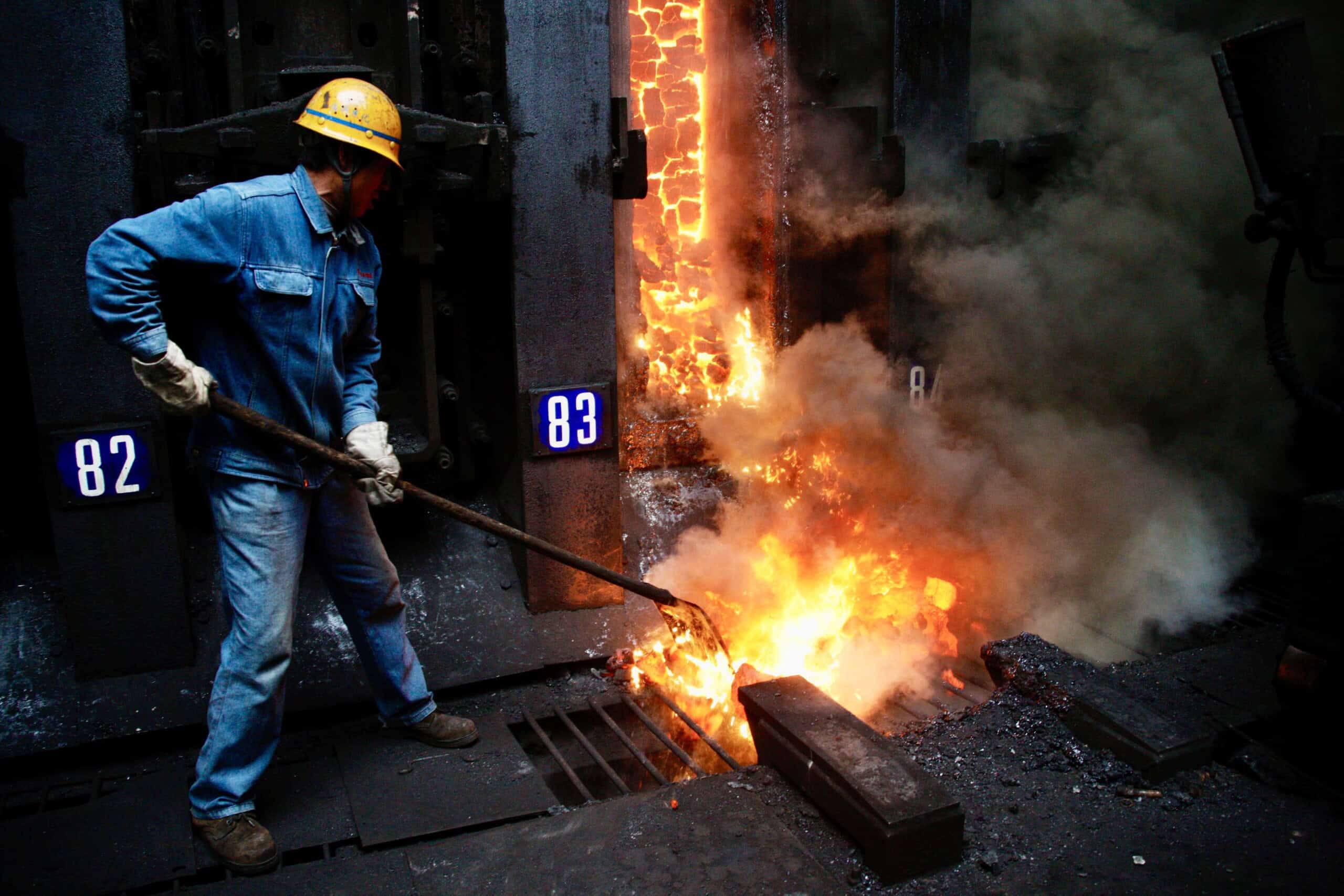
So far, so good. Yet at the same time, China continues to invest in coal — a factor Xi did not mention. The country began building nearly 95 gigawatts of coal capacity in 2024 alone, which means 93 percent of the world’s new coal plants are coming from China. More coal-fired power plant projects have been approved since then.

The mixed signals highlight a deeper uncertainty around Chinese policy. China missed the February deadline, agreed by countries at COP28 in Dubai, for submitting new climate targets for 2035. This delay may be linked to many factors: the domestic economic slowdown, ongoing trade wars and a deteriorating environment for international collaboration on climate.
Within China, another key factor is that the idea of achieving energy independence is gaining interest — but through the use of coal power.
Xi Jinping has previously announced targets for China to reach peak carbon emissions by 2030, and carbon neutrality by 2060. The carbon peaking deadline has inadvertently created incentives for investors to lock in as much coal power capacity as possible before it becomes politically unacceptable.

Many of these plants are receiving generous capacity payments, despite already being profitable. Meanwhile, some of China’s previous NDC targets, such as lowering carbon intensity by over 65 percent from 2005 levels by 2030, are at risk of failure due to the recent rebound in oil and coal consumption.
Energy insecurity is also driving coal’s resurgence. In August 2022, hydropower shortages triggered power outages that lasted for two weeks in Sichuan and Chongqing. Government approvals for coal-fired power plants have since surged, to avoid future shortfalls.
While a renewable-dominant electric power system needs firm resources as a backup, other low-carbon alternatives are readily available in China. These include advanced nuclear reactors, green hydrogen, and long-duration storage systems.
A solar power plant in China. Credit: Adobe Stock
As countries are releasing their 2035 NDCs, China has a critical opportunity to create a robust framework to accelerate global climate efforts. Specifically, it could adopt a clean energy generation target of 50 percent, mandating that at least half of its electricity will come from renewables by 2035. It should pair that with a clear strategy for phasing out coal in its energy structure.
Because it is the world’s largest greenhouse gas emitter, China’s climate pledges send powerful signals to countries wavering between fossil fuels and renewable energy industries.
…the world now risks undoing the progress made over the last decade… China needs to step up, to show the world it can be both a manufacturing powerhouse and also a credible climate leader.
Economically, having a more robust climate action framework could stimulate continuous innovation and investment decisions, strengthening China’s leading role in clean energy technologies, despite the potential geopolitical tensions and economic headwinds.
Politically, more ambitious and clearer targets can demonstrate China’s credible commitment to climate plans, leveraging the country’s enhanced reputation on the world stage, while the U.S. has embarked on a number of trade wars. China’s leadership could also mitigate risk from the waves of trade conflicts that are raising tariffs on electric vehicles, photovoltaic panels, and batteries.
The stakes could not be higher. In 2024, Earth’s average temperature climbed to 1.5 degrees celsius above pre-industrial levels for the first time, according to a recent analysis published in Nature.
While governments backslide or delay, the world now risks undoing the progress made over the last decade. That is why China needs to step up, to show the world it can be both a manufacturing powerhouse and also a credible climate leader.

Zhenhua Zhang is a Ph.D. student in Mechanical and Aerospace Engineering at UC San Diego. He works in the Power Transformation Lab with advisor Michael Davidson, associate professor at the School of Global Policy and Strategy and the Mechanical and Aerospace Engineering Department of the Jacobs School of Engineering.