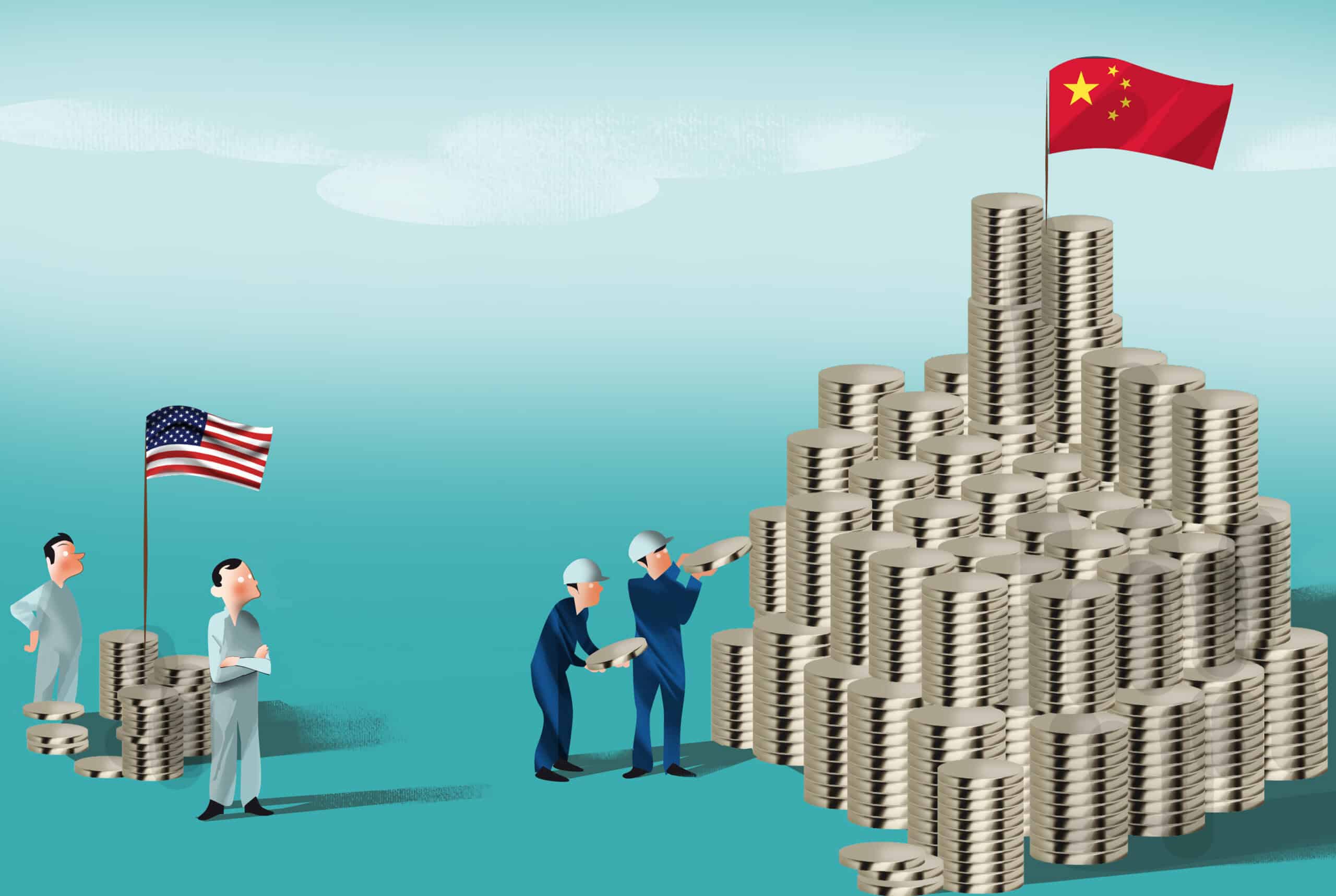
The Trump administration’s technology and national security team, alongside officials at the Commerce Department, are grappling with a set of complex export controls and rules bequeathed to them by the Biden administration that were designed to limit China’s technology ambitions. Elements of these rules have already come under heavy criticism from industry, while new issues, such as the emergence of a leading Chinese AI player in DeepSeek, are creating additional challenges.
For proponents of the Biden approach, factors such as DeepSeek’s rise and Huawei’s development of more advanced GPUs argue for more controls, and plugging existing “loopholes.” For others, this is an opportunity to reassess both the controls’ effectiveness, and the long-term implications of piling on more without sufficient industry input or consideration for collateral damage.
In addition, there is the potential for new controls to complicate efforts by the Trump team to engage Beijing on a broader trade and economic deal. Further efforts to coerce allies such as Japan and the Netherlands to align their own export controls with the U.S. are likely to generate friction with countries already concerned about tariffs, the administration’s stance on Russia, and rhetoric suggesting it will further weaponize supply chains.
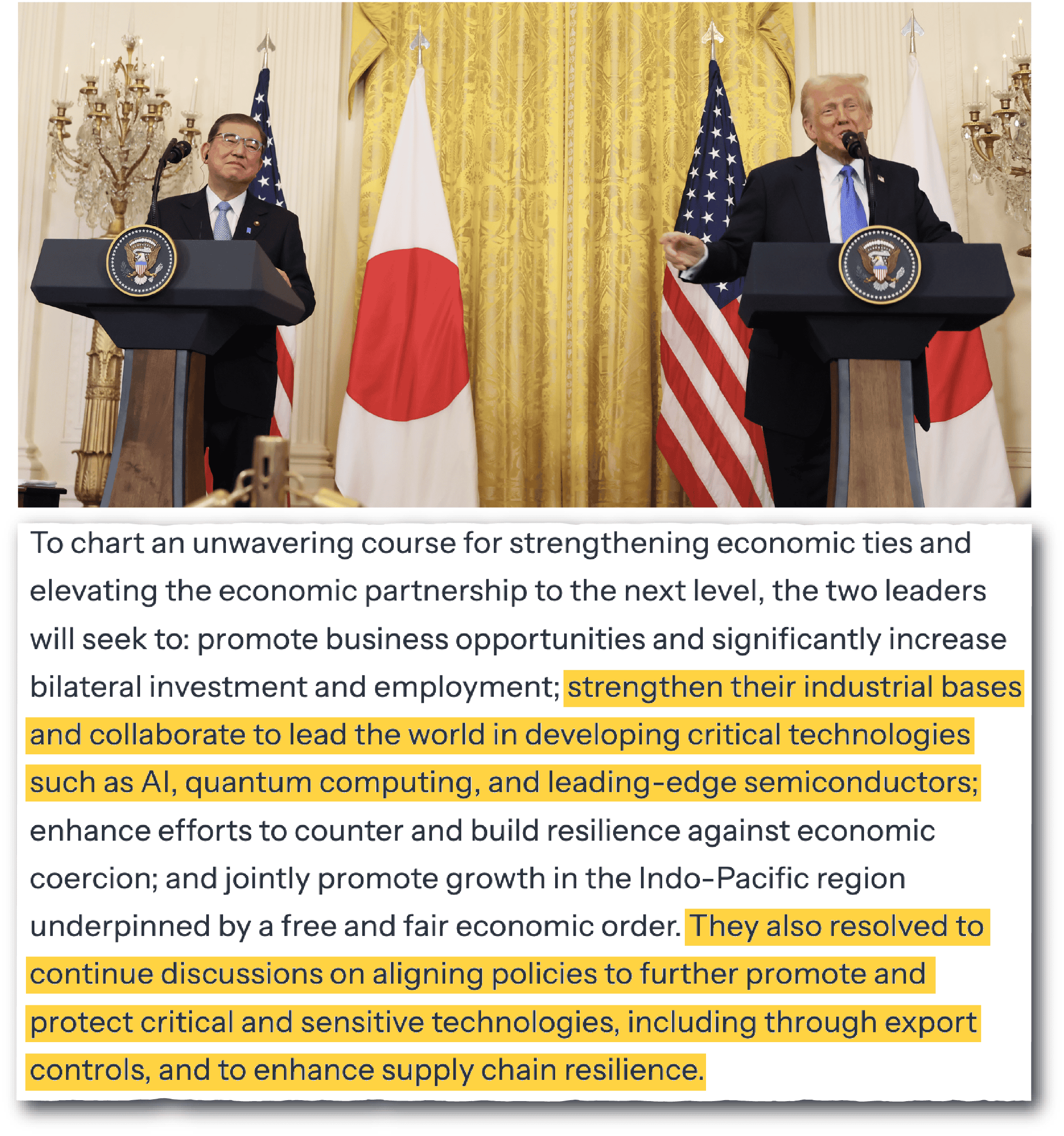
There are signs that the Trump administration is eager to continue discussions with the Japanese and Dutch governments about stepping up restrictions on maintenance and servicing of tools in specific Chinese facilities that are deemed to be working on “advanced node” semiconductors. This was a contentious issue throughout the Biden era, and the Japanese and Dutch governments are not eager to sign on to new restrictions. Both continue to be concerned about the damage being done to their national champion technology firms, such as the Netherlands’ dominant lithography machine manufacturer ASML, without clear national security gains — as well as the increasing potential for damaging retaliation from Beijing.
Are the controls working?
Proponents of the U.S.’s export controls on semiconductors and equipment claim they are slowing the ability of Chinese companies to advance technology roadmaps across the AI stack.
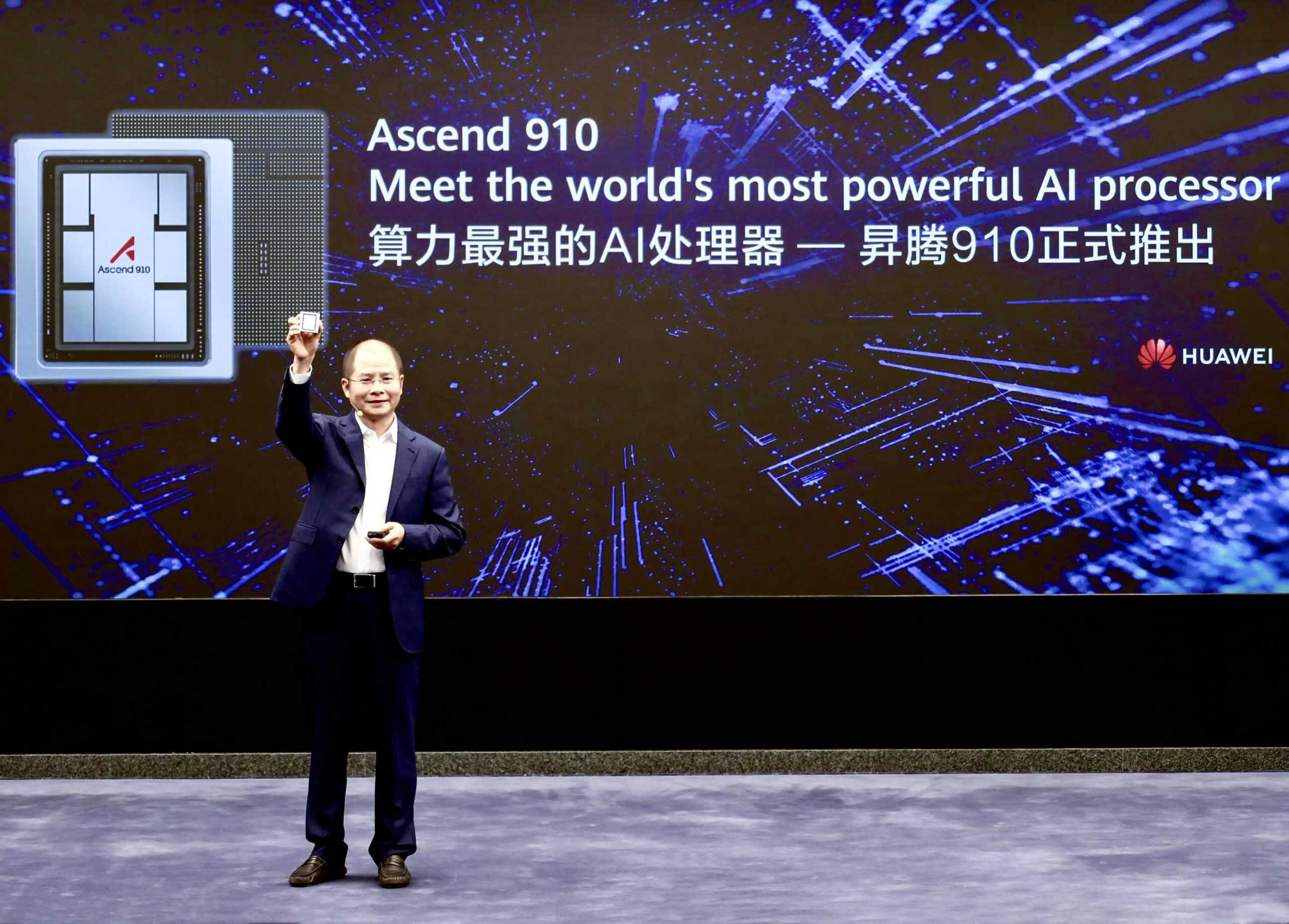
Yet the success of DeepSeek and Huawei’s ability to continue iterating its neural network processor (NPU) designs for AI training and inference are beginning to reveal the limitations of the three export control packages released under Biden, in October 2022, October 2023, and December 2. The AI Diffusion Rule, due to take effect on May 15 and which will split the world into three categories when it comes to U.S. advanced chip exports, raises major additional issues for the new players.
Perhaps a better question is, how should we assess the growing costs of the U.S. government’s effort to slow the ability of Chinese companies to develop frontier AI models?
These costs break down into several categories:
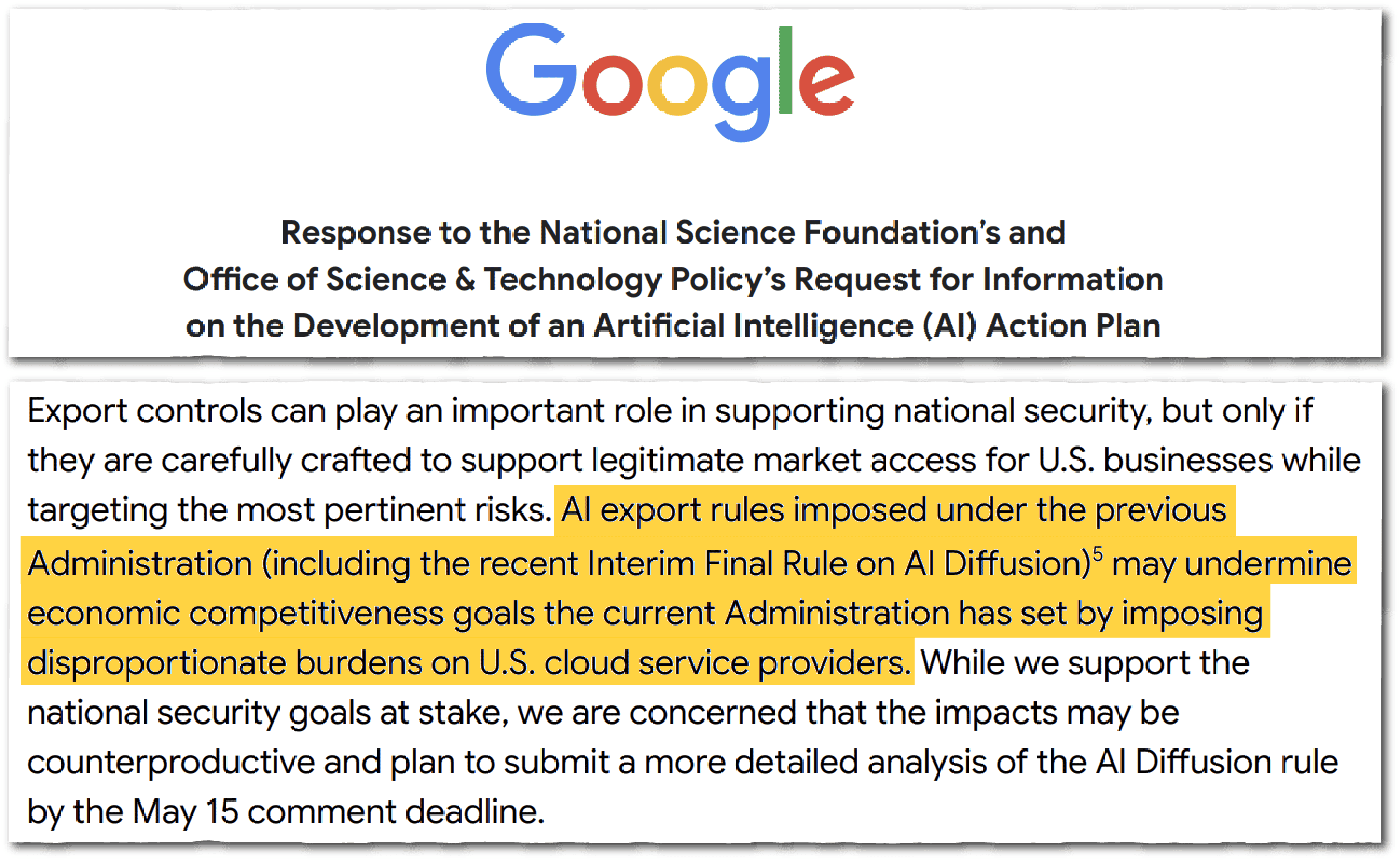
Undermining markets for key U.S. technology leaders: Many companies have been significantly impacted by export controls across the AI stack, including toolmakers like Applied Materials, front end manufacturers like Intel and Micron, systems integrators like Dell, leading design firms like Nvidia and Apple, and now cloud hyperscalers like Microsoft and Google.
All of these firms face the challenge of compliance with the 800-plus pages of controls cranked out by the Biden administration, rules that only a handful of government officials understand: two of them were dismissed in late February by the new Commerce team, a move that stunned allies, including Japan.
…major parts of the industry are increasingly questioning the continual moving of the goalposts in ways that undermine business models, while failing to demonstrate national security gains.
U.S. companies are in a difficult position in criticizing the controls. But key players are certainly questioning whether their impact justifies the costs. In a late February earnings call Nvidia chief executive Jensen Huang said the firm’s China revenue is half the level it was before the export restrictions were imposed.
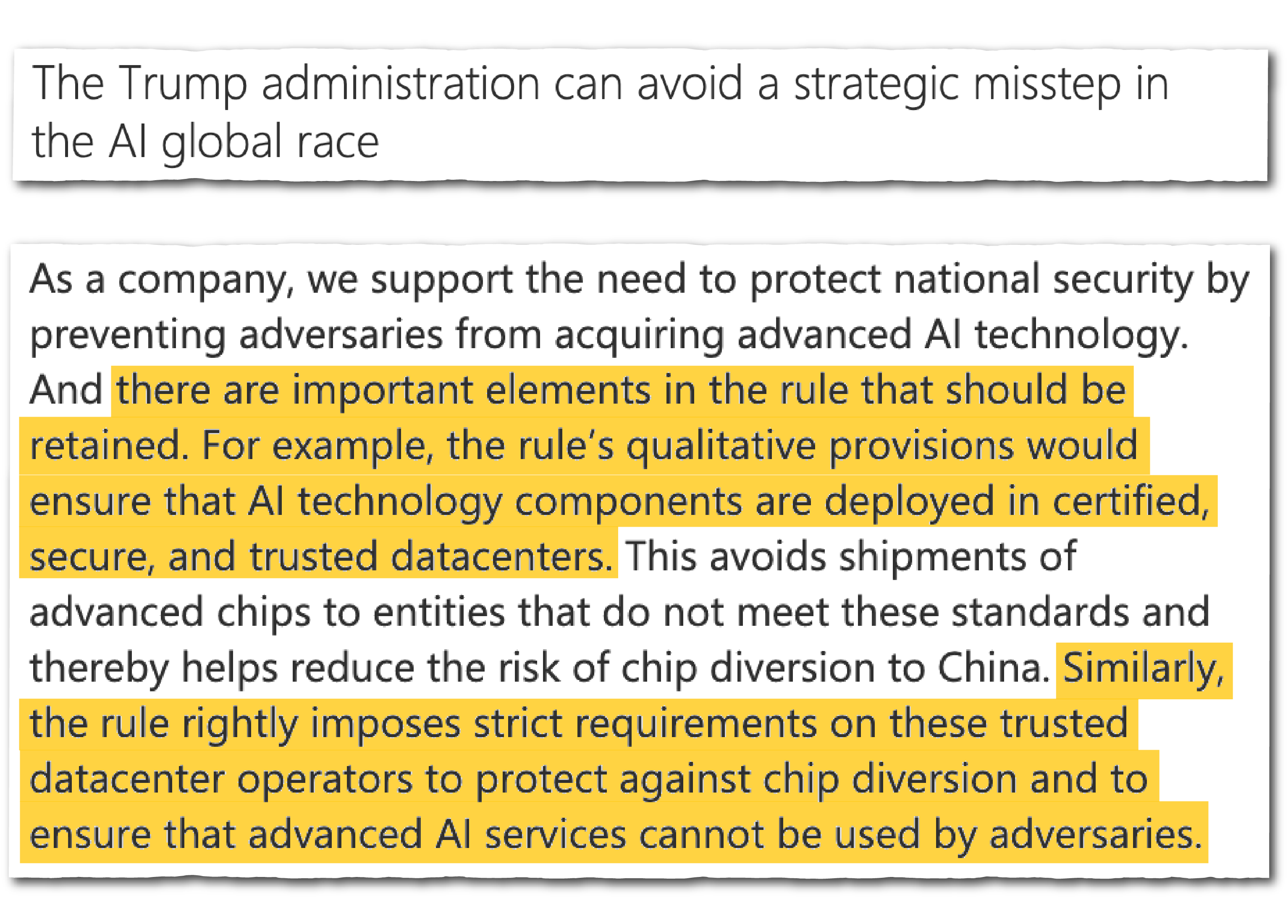
Following stinging criticism of the AI Diffusion Rule from a senior Oracle executive in January, Microsoft President Brad Smith and AWS’s CEO Andy Jassy both questioned aspects of it in late February. Smith was careful to express support for the overall goals of the controls, and other industry leaders such as Anthropic CEO Dario Amodei have become big proponents. But as Huang’s comments suggest, major parts of the industry are increasingly questioning the continual moving of the goalposts in ways that undermine business models, while failing to demonstrate national security gains.
Trade groups are concerned too: “Many of our members depend on their market share in China to enhance and undergird their global competitiveness, in ways that make America stronger, such as providing revenue sources that fuel more advanced activities and employment in the homeland,” the U.S.-China Business Council has said. “Unfortunately, our members report that export controls have caused the opposite to occur — broad, complex controls have reduced revenue, led to layoffs in the United States, and forced companies to curtail R&D activities needed to maintain cutting-edge advantages.”
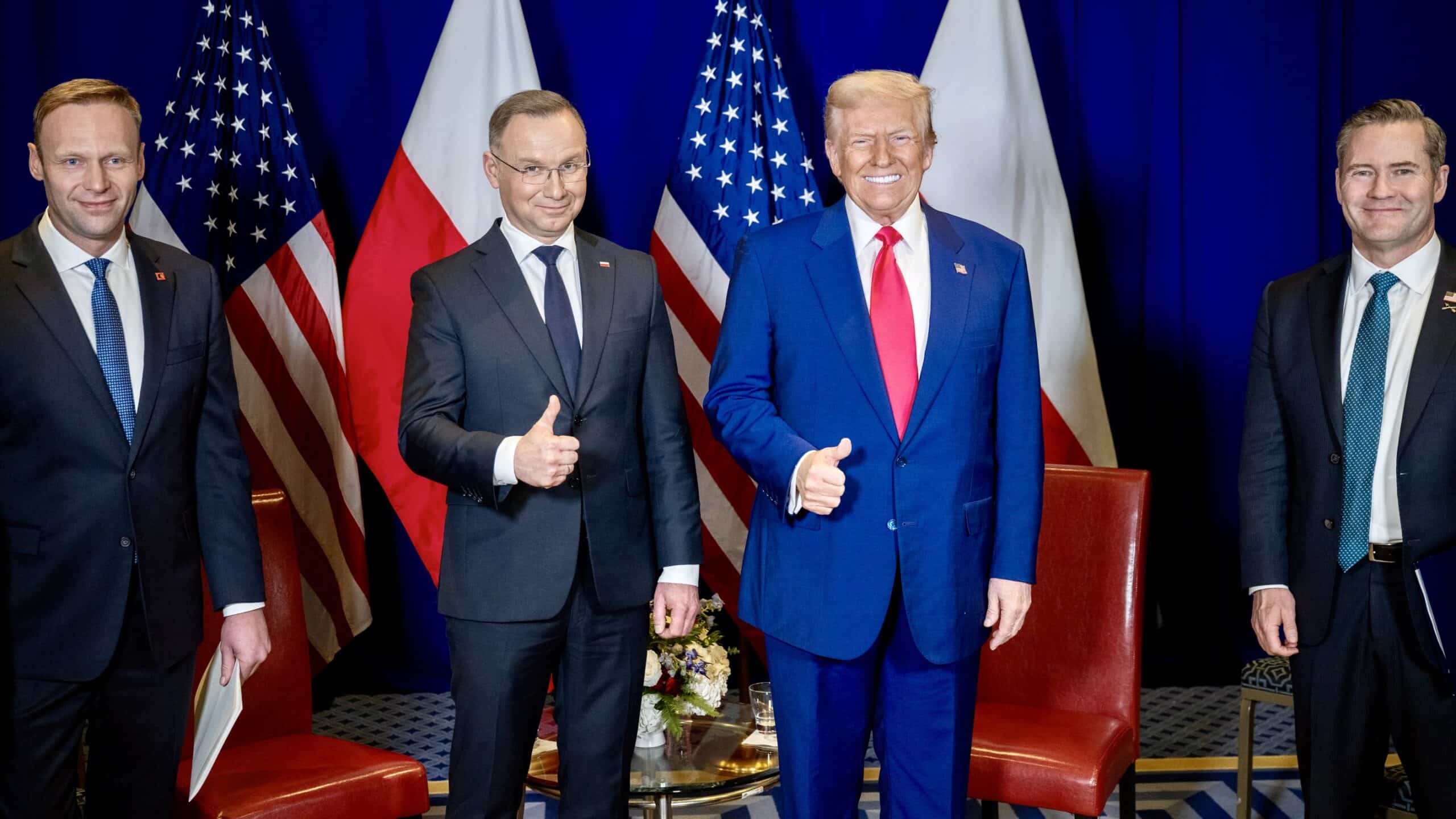
Friction with allies: The export control suite and efforts to control the global diffusion of AI training and inference capabilities has already angered allies globally. In the months before the AI Diffusion Rule takes effect, there are likely to be contentious discussions with U.S. allies relegated to Tier 2 status under the rule, including Poland and Israel.
On the hardware side, major differences over the extent of the China threat, and how far back in the supply chain to go to address it, will be a key issue with close allies in the early days of the Trump administration. Very preliminary and non-substantive discussions with Japan and the Netherlands in late February in Tokyo suggest the new administration plans to double down on the maintenance/servicing issue, despite major pushback from both countries and disagreements on what constitutes “advanced node” production.
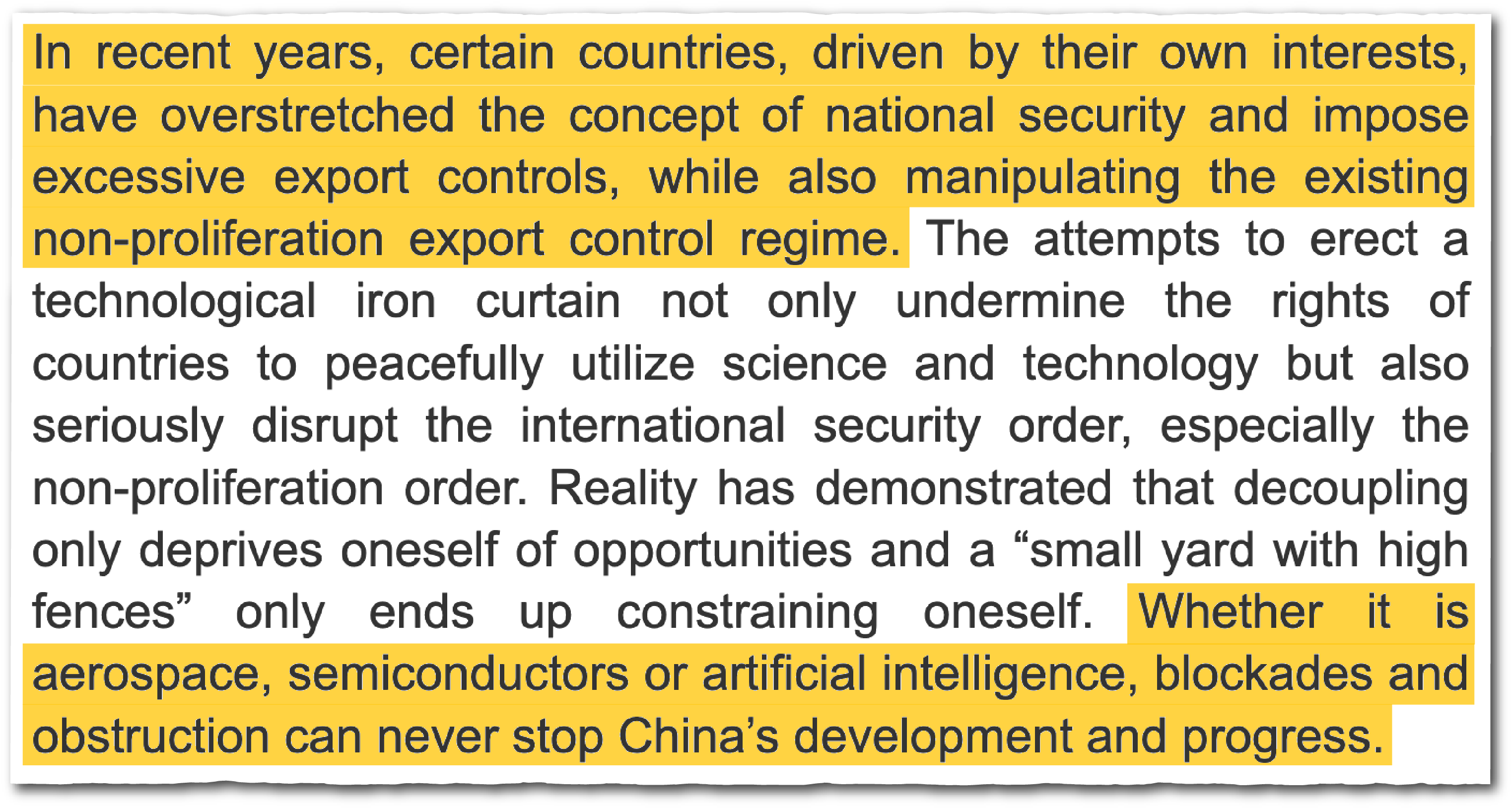
Beijing has clearly signaled that this issue is a major redline that if crossed will result in significant retaliation. While U.S. officials were somewhat sympathetic to this argument last summer, there was no attempt to support either the Dutch or Japanese government with concrete measures, such as assisting Japan in funding alternatives to critical minerals supply chains that Beijing could restrict or cut off in retaliation.
For governments and companies in Japan and the Netherlands, the bottom line in resisting U.S. pressure to control personnel is the desire to not lose control of their equipment. For both countries, this is a key national security concern, as these tools are complex pieces of technology, portions of which can be reverse engineered once Chinese engineers or competitors are given unfettered access to them. In addition, companies can gain critical knowledge of industry trends and customer needs by maintaining access to fabrication facilities where their tools are used.
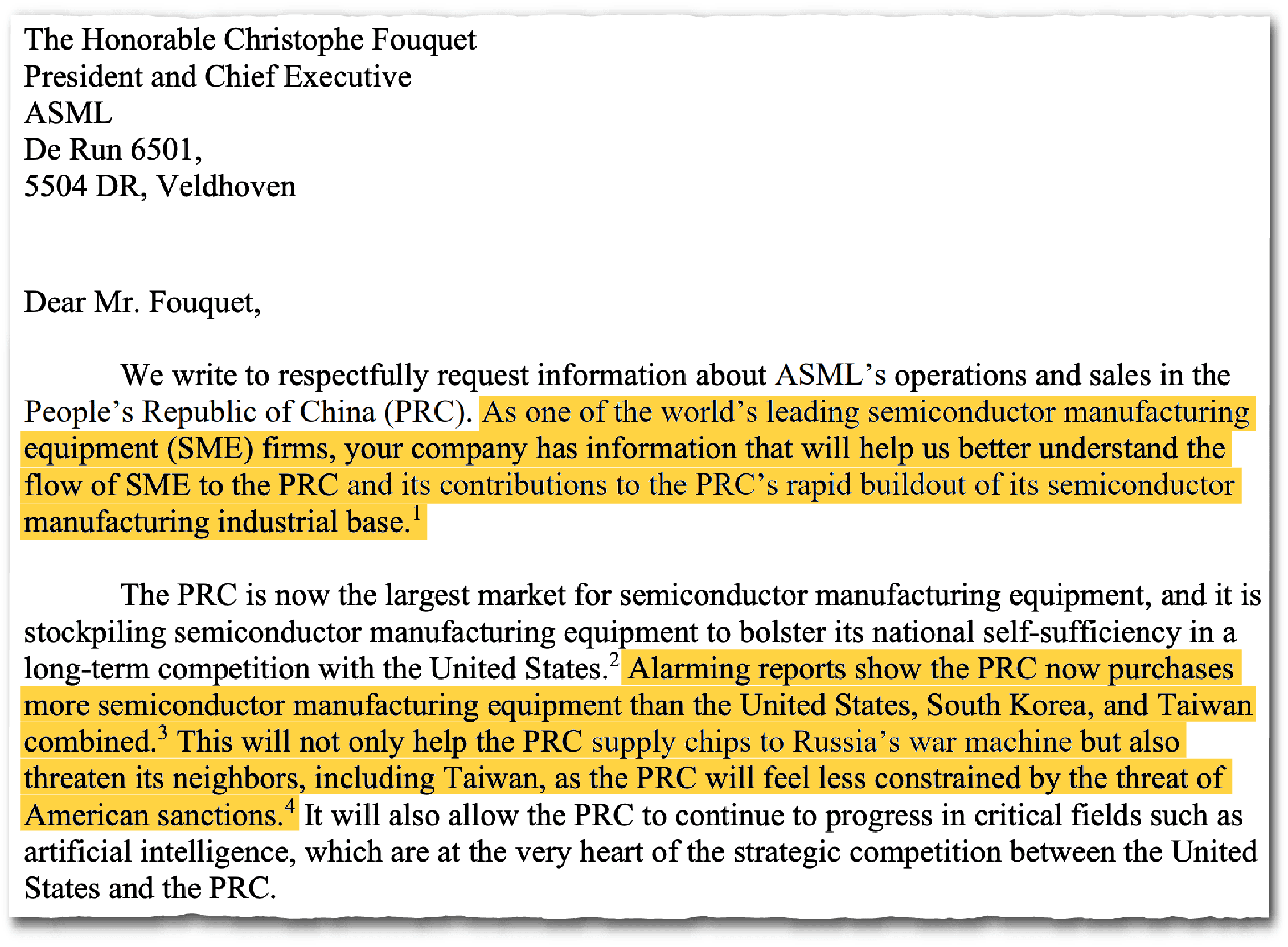
Neither Tokyo nor The Hague appear willing to make the types of changes to their respective export control regimes required to fully align with U.S. controls. U.S. officials in turn are concerned about the continuing support from ASML and other tool makers provided at facilities operated by China’s domestic semiconductor foundry leader SMIC. They believe this is contributing to the ability of Huawei and SMIC to continue to produce more advanced semiconductors for smartphones and GPU-based data center servers.
Chinese memory-chip firms YMTC and ChangXin Memory Technologies (CXMT) are also continuing to advance their technology roadmaps for 3D NAND and DRAM/HBM (high bandwidth memory) respectively. HBM has become a particularly sensitive issue with the Netherlands and Japan, as well as U.S. toolmakers — most firms believe memory should not be considered as a national security concern. Yet the Biden administration, on its way out, changed the definition of “advanced node integrated circuit” in a rule issued in mid-January that significantly expanded controls around DRAM, including HBM, essentially cutting off tool sales to specific CXMT facilities.
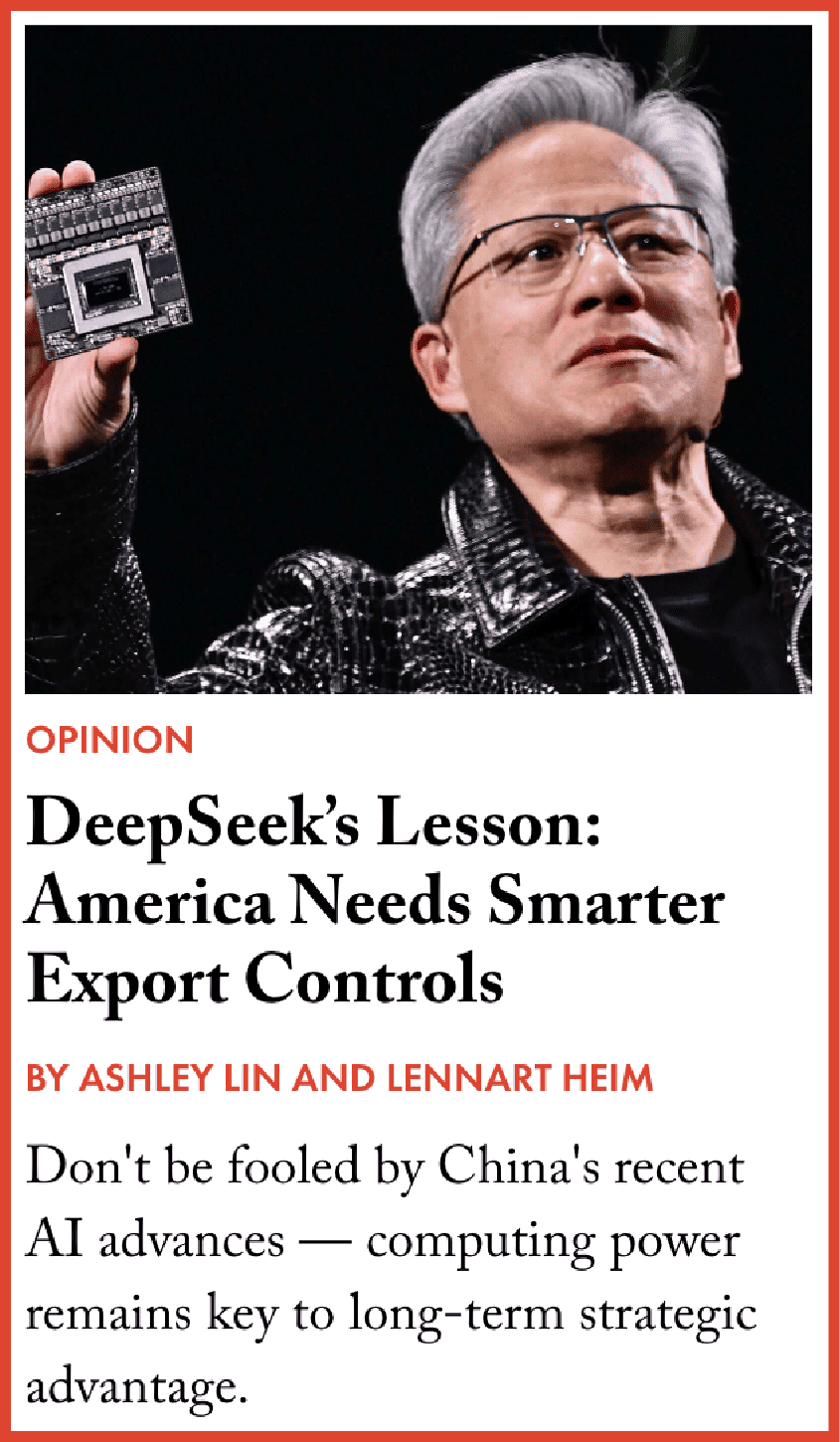
All of this means that the new Trump administration’s technology control team at the White House and Commerce will face challenges from multiple directions.
Unconfirmed rumors, that went viral in China in early March, held that the U.S. Commerce Department planned to cut off all AI semiconductors from export to China — specifically the Nvidia H20 GPU that is ideal for inference — and even target semiconductors at mature nodes that could be part of an AI stack. Investigations focused on the alleged diversion of advanced GPUs via Singapore were also underway as of March, and former BIS officials have suggested that the new Trump Commerce Department would consider imposing hefty fines on U.S. technology companies deemed to have violated the complex set of export control laws.
So far, though, the Trump administration has not articulated a clear strategy on China and technology similar to the Sullivan Doctrine outlined by Biden’s National Security Advisor Jake Sullivan, which listed advanced compute, biotechnology, and green technology as strategic force multipliers of key interest for U.S. national security. A reformulation of this type of policy framework, an updated and much needed clarification of the goals of export controls, and a thorough and credible assessment of the effectiveness of the spate of rules the industry and allies must contend with, is already long overdue. Dubious claims of the effectiveness of the controls from cheerleaders who ignore or downplay the costs need to be put to the test.

Paul Triolo is Senior Vice President for China and Technology Policy Lead at Albright Stonebridge Group. DGA Albright Stonebridge Group works with a variety of companies in many sectors, including healthcare, fashion, agriculture, and technology. The firm advises companies across the technology stack, including working with semiconductor firms, consumer electronics companies, social media companies, firms part of the Al supply chain, and firms in key verticals deploying Al cross their business operations. Mr. Triolo has been writing regularly on technology policy related issues, including export controls, since 2016.