The pandemic spread of Covid-19 will slow and end, yet the aftermath — financially, politically, socially — will linger for years. Among the many new realities the world will face afterwards is a more assertive China, itself seeking new ruling legitimacies in the face of slowed growth and its more strained relationship with western nations. In that and other respects, the virus really does change everything. So it is difficult not to read a newly-released China book (most of them completed before the pandemic hit) in the light of our changed circumstances. That’s why our top pick this month is an account of the beginning of the outbreak, rushed to translation and digital publication, that puts bigger questions in the human contexts we are all living, in isolation. Yet the rest of them — whether prognosticating China’s future or narrating its past — can also be read through the lens of our swift-changing times.
The One to Read
Wuhan Diary: Dispatches from a Quarantined City by Fang Fang, trans. Michael Berry
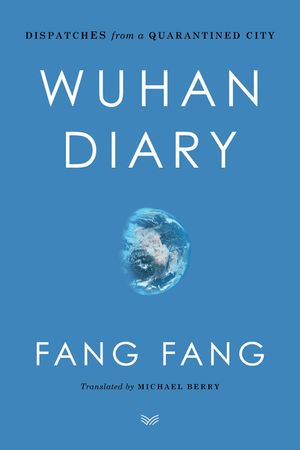
As the best chronicle we have of the origins of the outbreak on the ground in Wuhan, this book — out now in digital format, hardback to follow later in the summer — sparked much debate among China literati, not least as it was subject to virulent backlash online from Chinese nationalists, who felt it painted China’s response in a negative light. Fang Fang, a novelist and poet, was among those locked down in Wuhan on January 25, and she kept an online diary of the weeks that followed. Although there is little new information of how the virus originated and spread (information we may have to resign ourselves to never fully knowing), it is a powerful document of the psychological impacts of isolation, before that became a global norm. Given Fang’s longstanding interest in social injustice, it is also a paean to free speech, a withheld right that might have prevented the scale of the pandemic in the first place, had whistleblower doctors been listened to instead of detained.
May 15, 2020 | Harper Collins. $19.99. | Buy
The Shortlist
China: The Bubble That Never Pops by Thomas Orlik
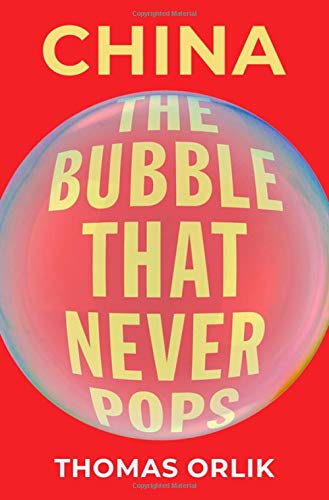
Bull or bear, the spectre of China’s financial bubble — seemingly ever-floating, fragile or imaginary depending on who you ask — wafts above all market considerations. Talk is loose of state debt, banks with bad loans, an unsustainable real estate sector and the challenges of trade tariffs — but the bubble remains unpopped. Orlik draws on a range of interviews and financial research to read between the lines of the balance sheets, asking how likely a China crash is and what would come next if it occurs. We only wish the book could have come out later, to factor in the impacts of Covid-19 and China’s first quarter of negative growth in four decades.
May 25, 2020 | Oxford University Press. $29.95. | Buy
China and Autocracy: Political Influence and the Limits of Global Democracy by Miao-ling Lin Hasenkamp (editor)
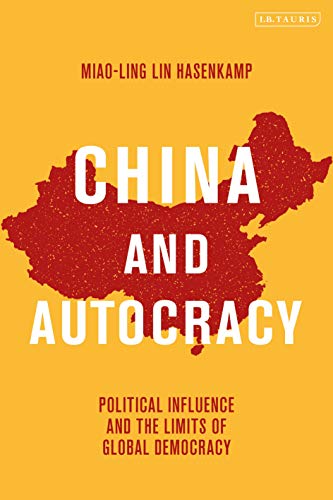
It has become cliché to comment on the backslide of democracy around the world, and the parallel rise of strong man governments. But where did it start? This collection of accessible academic essays has a simple question at its core: what influence has China’s “resilient autocracy” exerted on the state of geopolitics? Topics covered include domestic and foreign policy, impacts of the Belt and Road initiative, and regional perceptions of China’s growing clout. Yet the most interesting chapter asks the counterintuitive question of whether China’s regression into one-man rule could trigger a crisis that actually leverages progressive institutional change.
May 14, 2020 | I.B. Tauris. $115. | Buy
The Year 1000: When Explorers Connected the World — and Globalization Began by Valerie Hansen
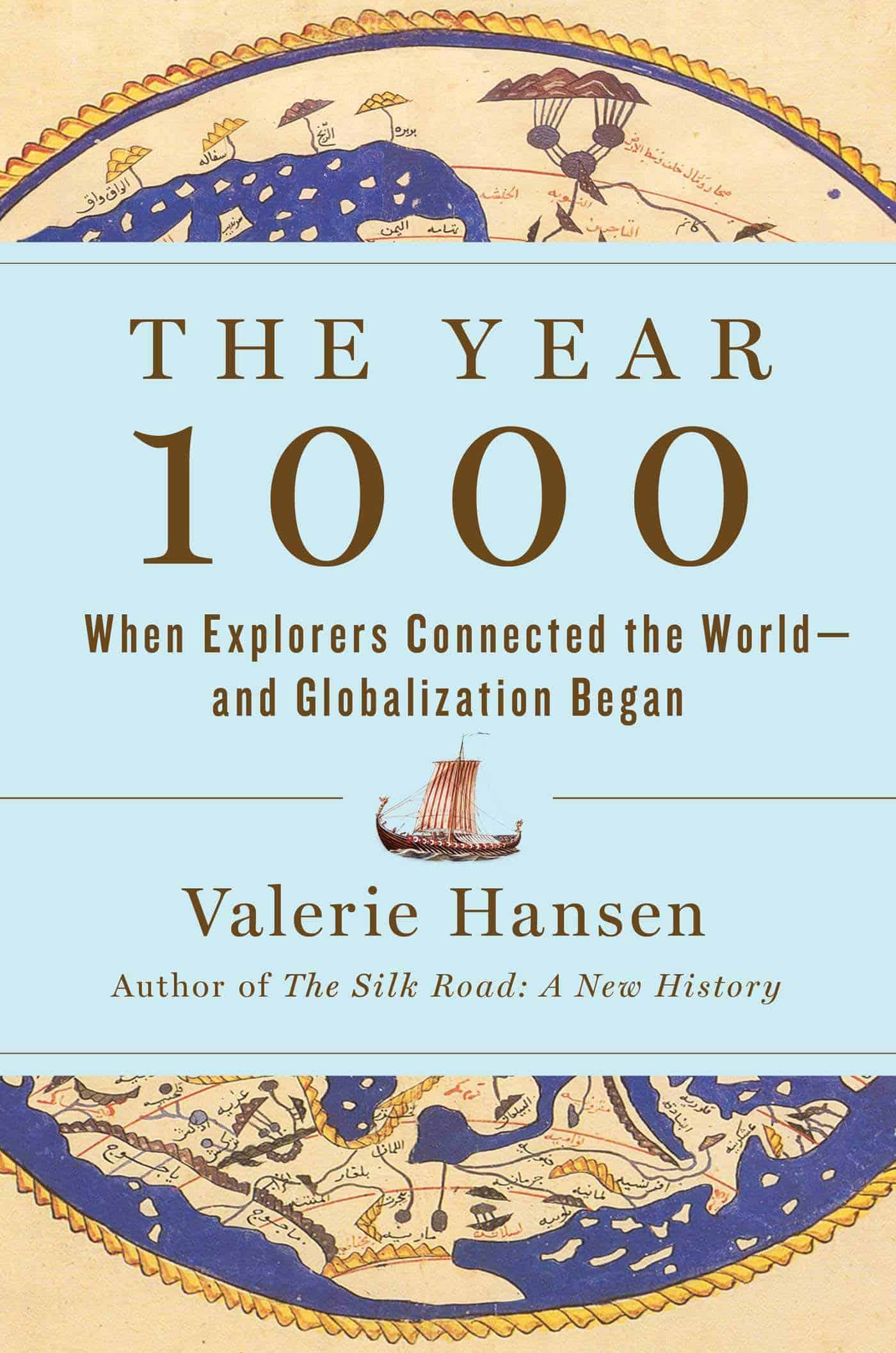
Globalization has been praised for every virtue of the modern world, and blamed for every problem (not least the spread of the pandemic). But when did it begin? Yale professor Valerie Hansen argues convincingly that we can trace globalization back to the cross-cultural encounters, sea exploration and trade missions at the turn of the 11th century. China is not the sole focus of the book, but a crucial pillar of it, with a fascinating section on expat merchants in the port of Guangzhou (and an uprising against them in 879 — the first Chinese trade war?). To understand the inequities and flaws of globalization’s present, we must go back to its origins.
April 14, 2020 | Simon and Schuster. $30. | Buy
Three Brothers: Memories of My Family by Yan Lianke

Yan Lianke, in this editor’s opinion, is the literary writer of the most interest working within China today. His fiction catalogue is brave, surreal and biting — so it is a treat to now be able to read his first nonfiction work in English, a memoir of his childhood in rural Henan province during the ’60s and ’70s. From working in a cement factory, writing at nights, to joining the army at age twenty, Yan’s story is a familiar but essential reminder of how the Cultural Revolution and its mentality had enduring influence on the psyche of his generation — and that of the nation’s leaders.
March 10, 2020 | Grove Press. $26. | Buy
The Chile Pepper in China: A Cultural Biography by Brian Dott
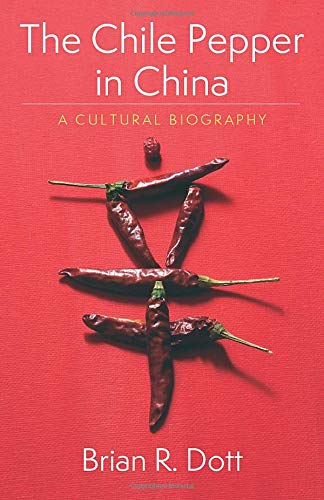
To add a dash of spice to your bookshelf, try this cultural history of the Chinese chile pepper in China. Introduced from the Americas in the late 16th century (along with the sweet potato and the peanut), Dott shows how the humble chile had a lasting impact on Chinese cuisine, culture and pharmacopeia, by way of elite resistance, changing gender norms and appearances in classic novels. The book ends with a consideration of the pepper’s own red legacy in China. As Mao said himself: “You can’t be a revolutionary if you don’t eat chilies.” Yet we can eat chiles without being revolutionary.
May 12, 2020 | Columbia University Press. $32. | Buy
From the Editor
China’s New Youth: How the Young Generation Is Shaping China’s Future by Alec Ash
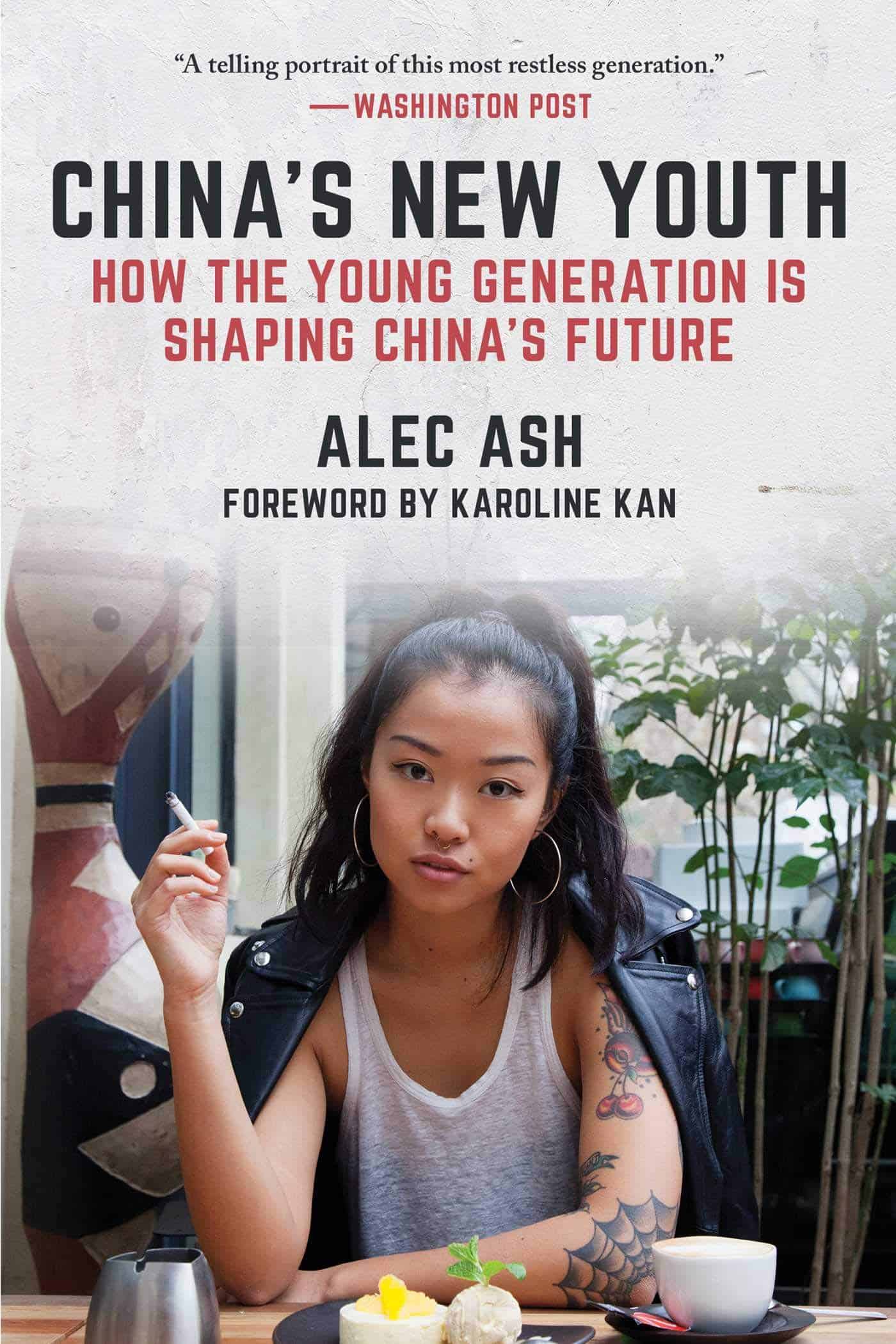
It may be poor form to sneak this in here, but an addendum to the shortlist is my own book (originally titled Wish Lanterns: Young Lives in New China) which has just been rereleased in paperback under a new title and with new front matter. The nonfiction narrative follows the lives of six young Chinese — all born between 1980 and 1985 — from childhood to early thirties, as a way of explaining how transformational this generation is for China. New material includes a preface situating young China in historical context, an afterword with updates on the characters’ lives, and a forward by author Karoline Kan.
June 2, 2020 | Arcade. $16.99. | Buy
In Case You Missed It
Maoism: A Global History by Julia Lovell
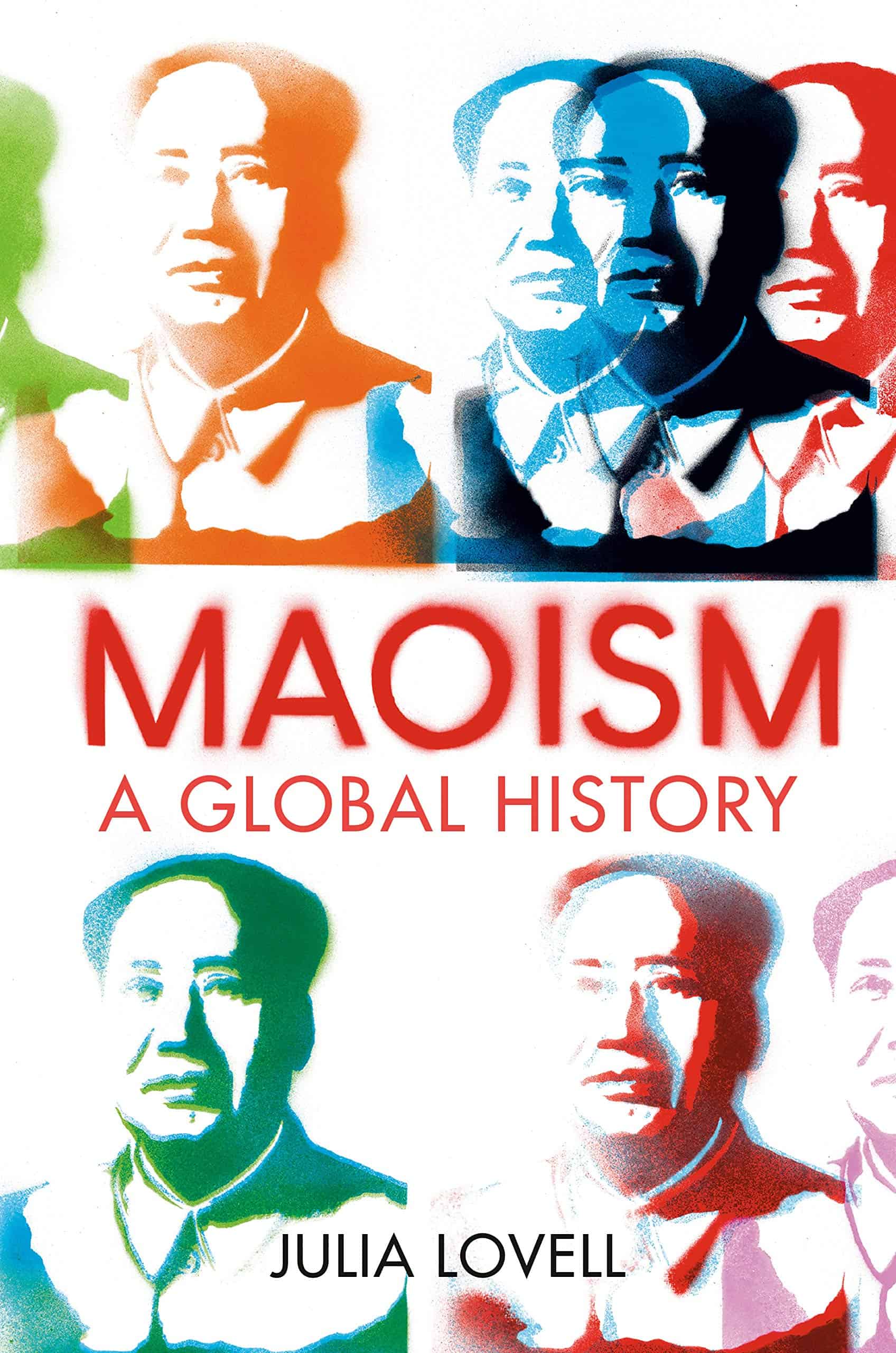
At the height of the Xi era, where the tenets and one-man cult of the Mao era seem freshly resurgent, it has never been more important to fully grasp the complexities of Maoism, which has evolved and changed in the last half-century. In this work, Lovell — one of the best historians of China we have — traces how Mao’s ideas spread across the globe, from southeast-Asian guerrillas to Italian terrorists, hippies to philosophers, Peru to Brixton. In the process, we gain insight into how adaptable Mao’s utopian vision has proved — and think in turn how it has returned, in version 2.0, to its homeland.
Sept. 3, 2019 | Knopf. $37.50. | Buy
Guest Recommendation
Recommended by Jude Blanchette, author of China’s New Red Guards: The Return of Radicalism and the Rebirth of Mao Zedong
Shaken Authority: China’s Communist Party and the 2008 Sichuan Earthquake by Christian P. Sorace
There’s a near general consensus — bordering on cliché — that under Xi Jinping’s rule, the Communist Party of China (CCP) has grown in scope and authority. And yet, there remain extraordinary gaps in popular understanding of the CCP and its reach. Christian Sorace’s book explores in painstaking detail how the CCP attempts to legitimatize itself, how it communicates this legitimacy to the Chinese people, and how these narratives and actions are received by the population. An important book for anyone who wants to understand how the CCP has remained in power for more than seventy years.
May 9, 2017 | Cornell University Press. $45. | Buy

Alec Ash is the books editor for The Wire. He is the author of Wish Lanterns. His work has also appeared in The Economist, BBC, SupChina, and Foreign Policy. @alecash
As an Amazon Associate, The Wire earns from qualifying purchases of books featured here.