A number is haunting the European Union: 1 billion euros a day. That’s the rate at which the bloc’s trade deficit with China in goods is widening, reaching 31.9 billion euros per month ($37.3 billion) in April this year. As imports from China surge and major European industries hollow out, solving the trade challenge has shot to the top of the EU’s priority list.
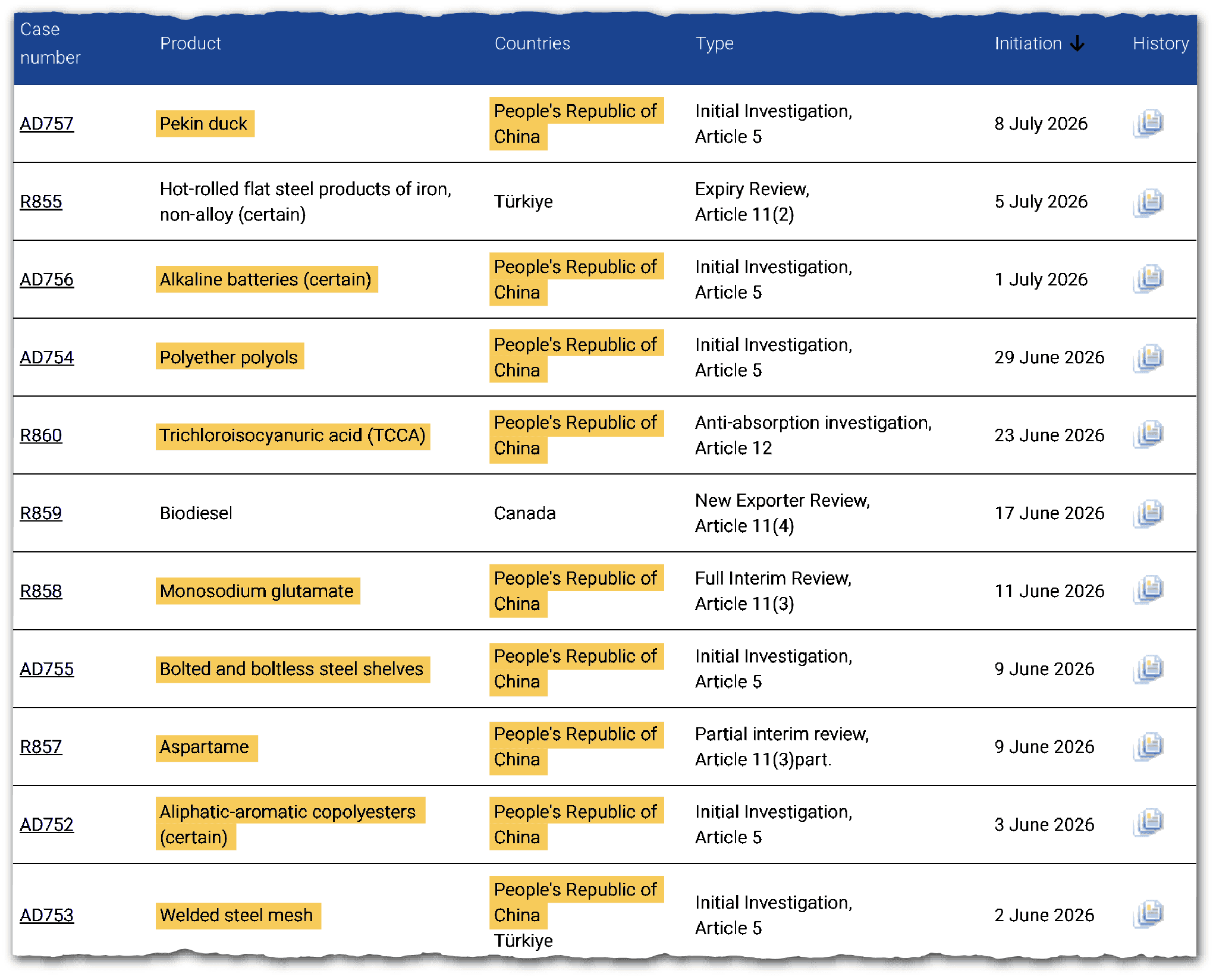
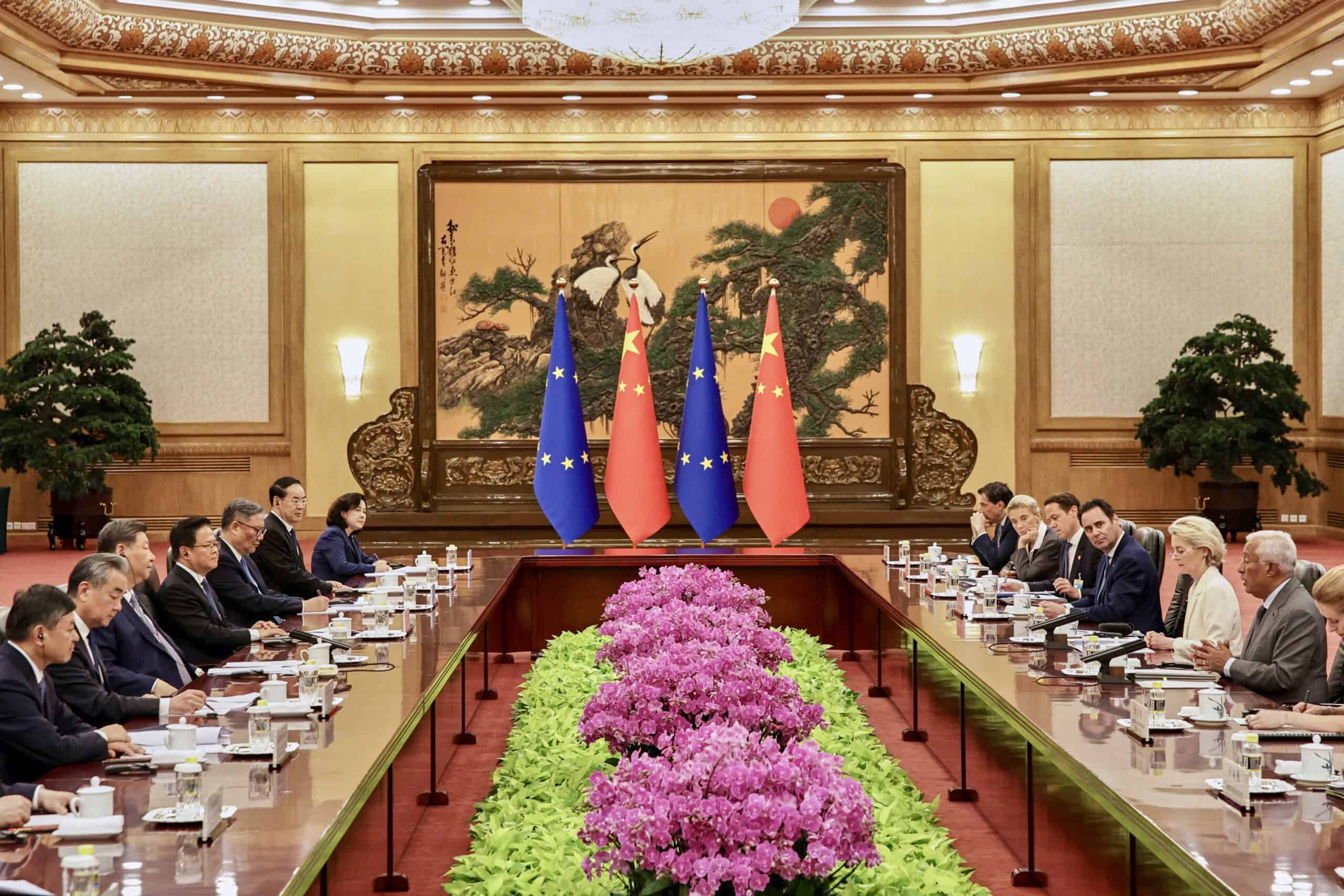
Since the beginning of June, Brussels has opened nine new investigations against Chinese imports. The European Council met in mid-June to debate new mechanisms to meet the economic challenge. And at the end of the month, European and Chinese trade officials set an October deadline to develop a joint plan of action.
“This is not just about cheap imports,” said EU President Ursula von der Leyen at a June 18 press conference. “We see overcapacities that erode our own manufacturing base. And this is simply not sustainable.”
In this week’s Big Picture, The Wire China examines the changes in EU-China trade that have pushed it to finally confront the China shock.
Europe’s goods trade deficit with China reached a record of 397.3 billion euros ($439.7 billion) in 2022, as the continent faced the twin challenges of Covid and Russia’s invasion of Ukraine. Trade flows began to balance out through 2023, but the deficit widened again to 360 billion euros ($422.8 billion) last year, the second-largest level ever.
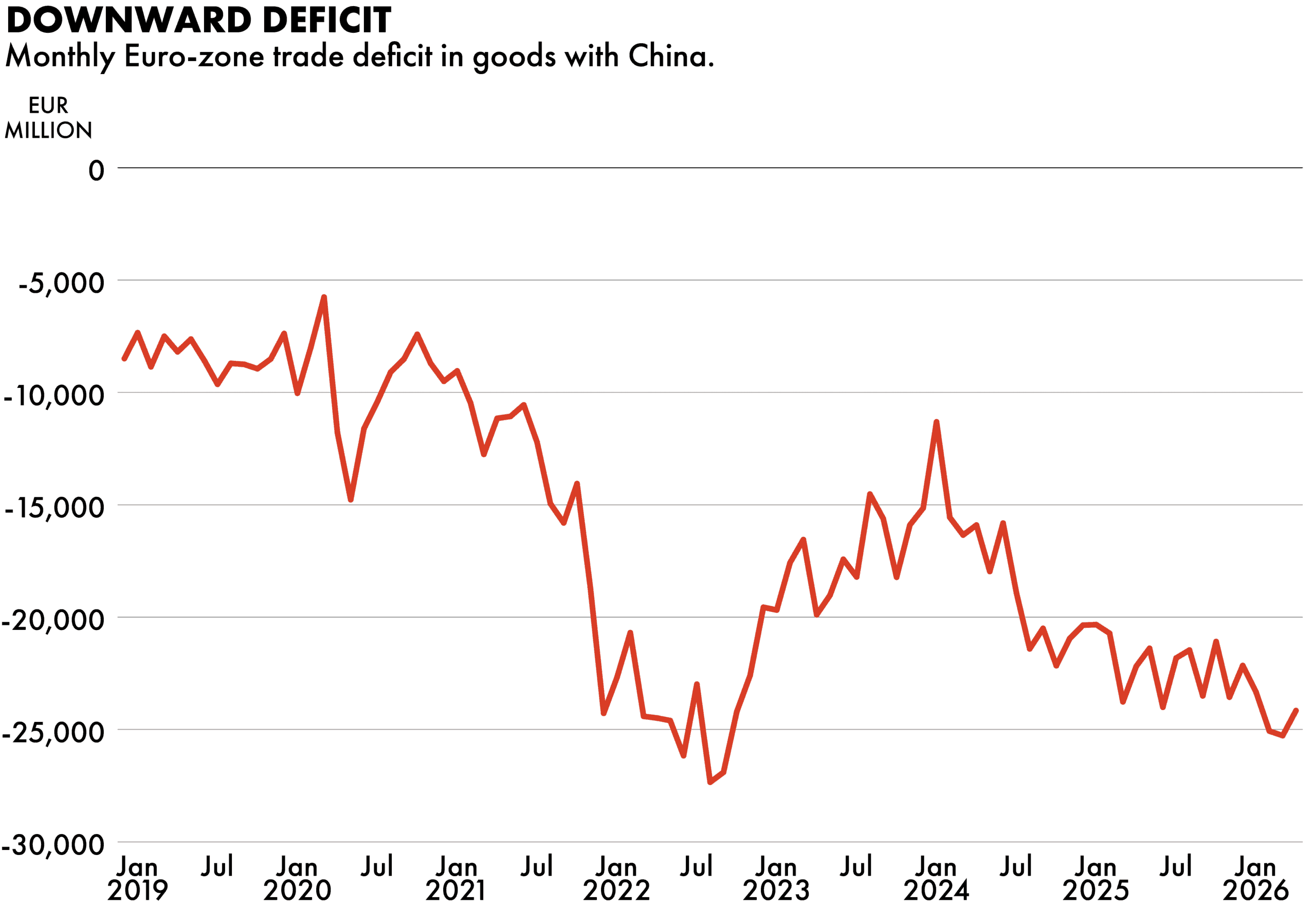
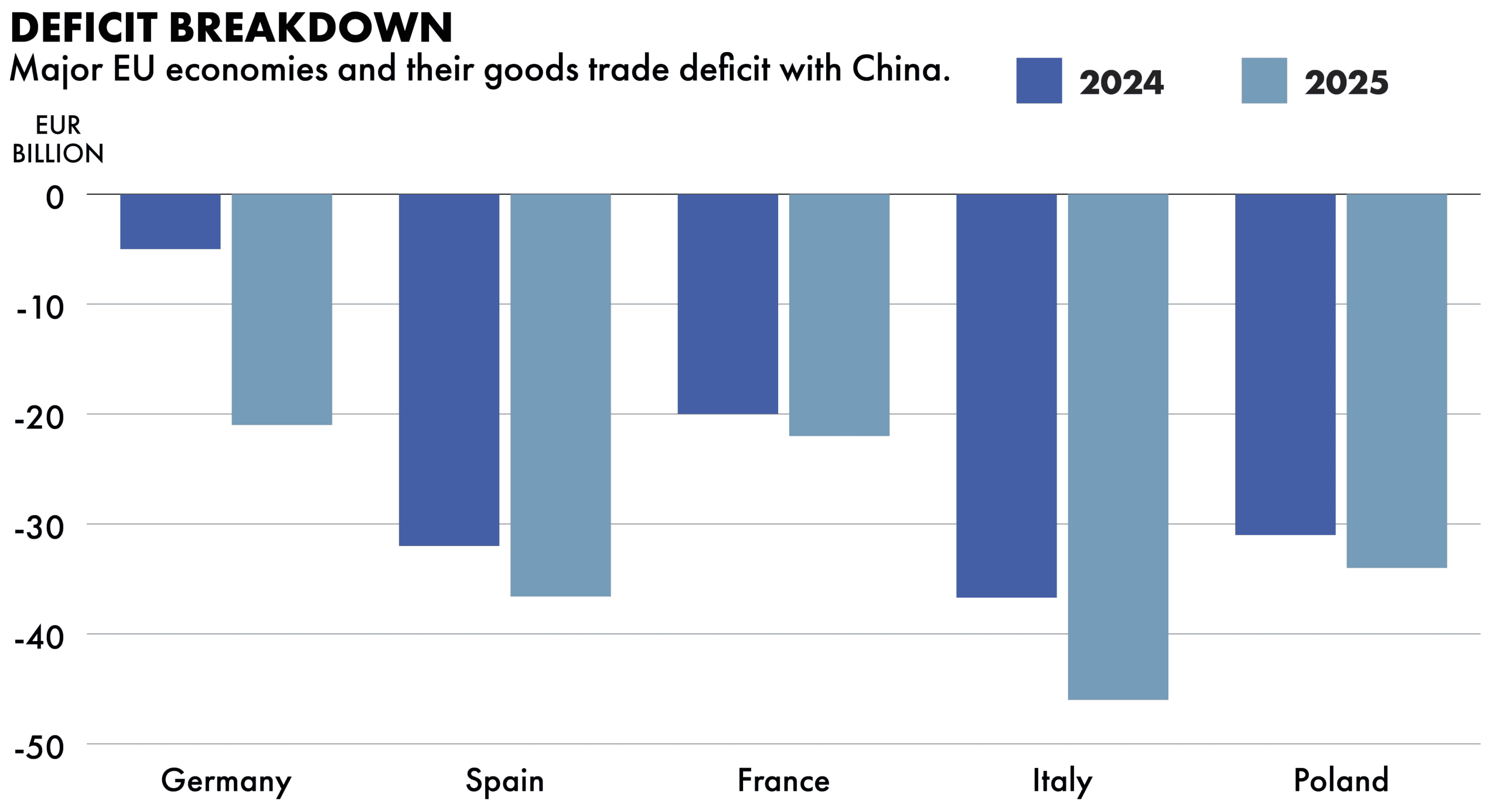
The most significant change has taken place in Germany, Europe’s biggest economy. It used to consistently run a goods trade surplus with China: now its deficit is at its widest on record. But other major European companies have seen their goods trade deficits with China widen too.
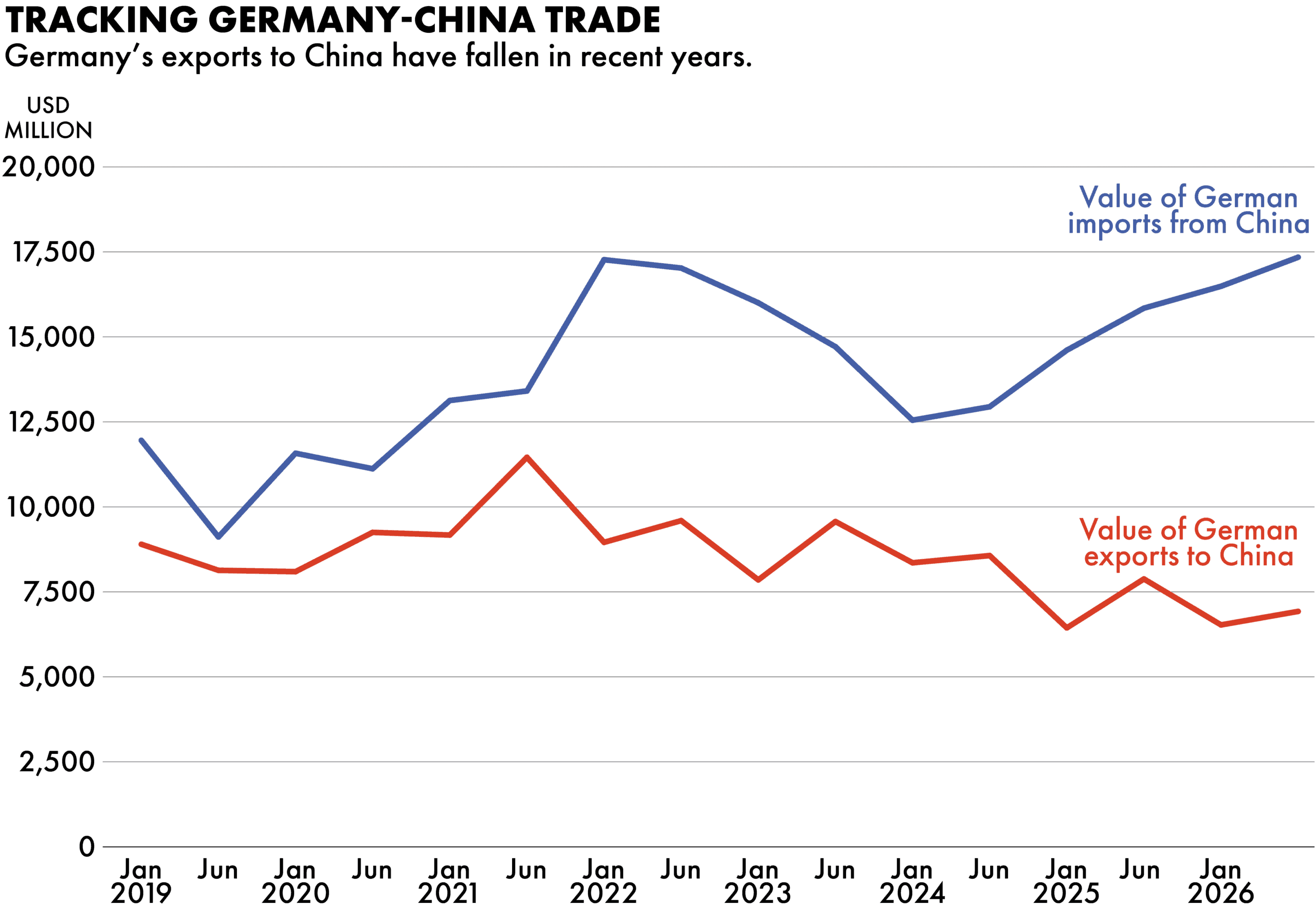
China’s exports to Germany increased by 10 percent each year between 2023 and 2025, Chinese customs data shows. German exports to China have not kept pace, falling by 25 percent since January 2024.
“The driver behind Germany’s change of heart is a collapse in its export business to China, which you can only describe as dramatic,” says Sander Tordoir, chief economist at the think tank Centre for European Reform. “Germany was long the western country with the largest China business in relative terms, and that is rapidly slipping away.”
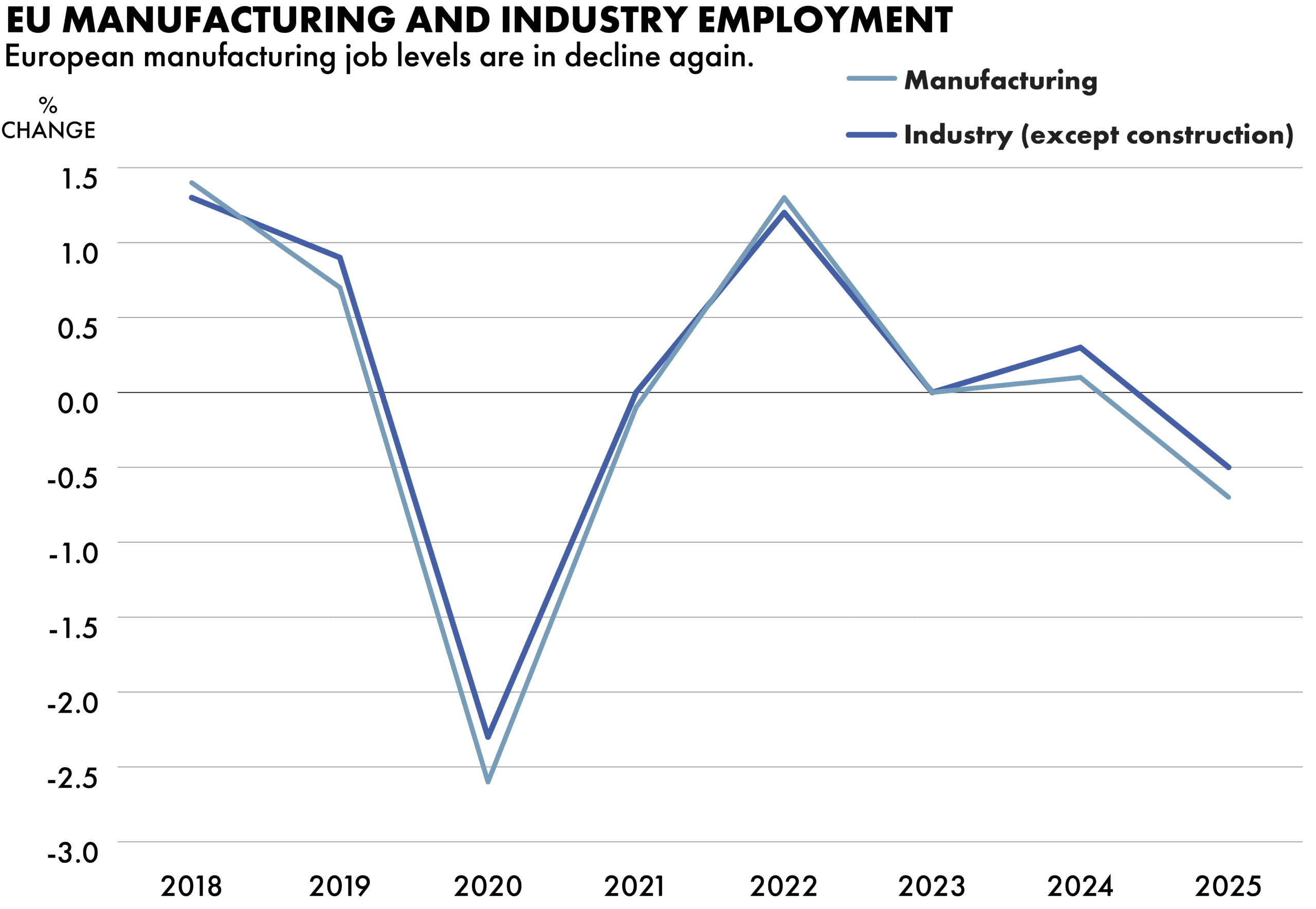
Europe’s manufacturing sector has borne the brunt of the economic pressure, as China has rapidly increased its exports of electronics, machinery and autos. Job levels in manufacturing and industry had been recovering after the Covid shock, but are now in decline again.
Manufacturing job cuts are hitting Europe’s carmakers especially hard. Germany’s Volkswagen has floated a plant to cut up to 100,000 jobs, Reuters reported last month — a red flag for an industry that provides direct and indirect employment to 13.8 million Europeans and represents over 7 percent of the EU’s GDP, according to the European Commission.
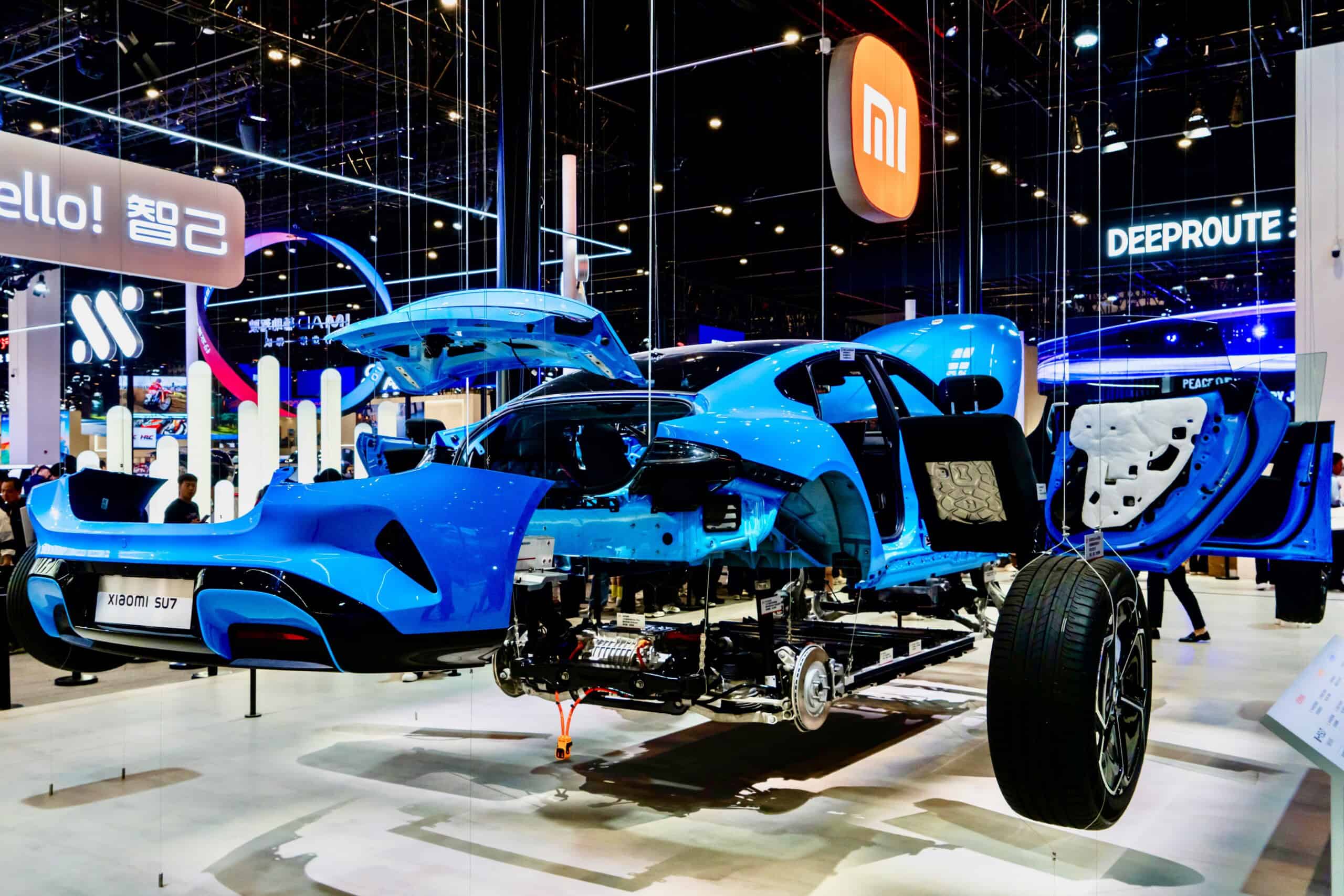
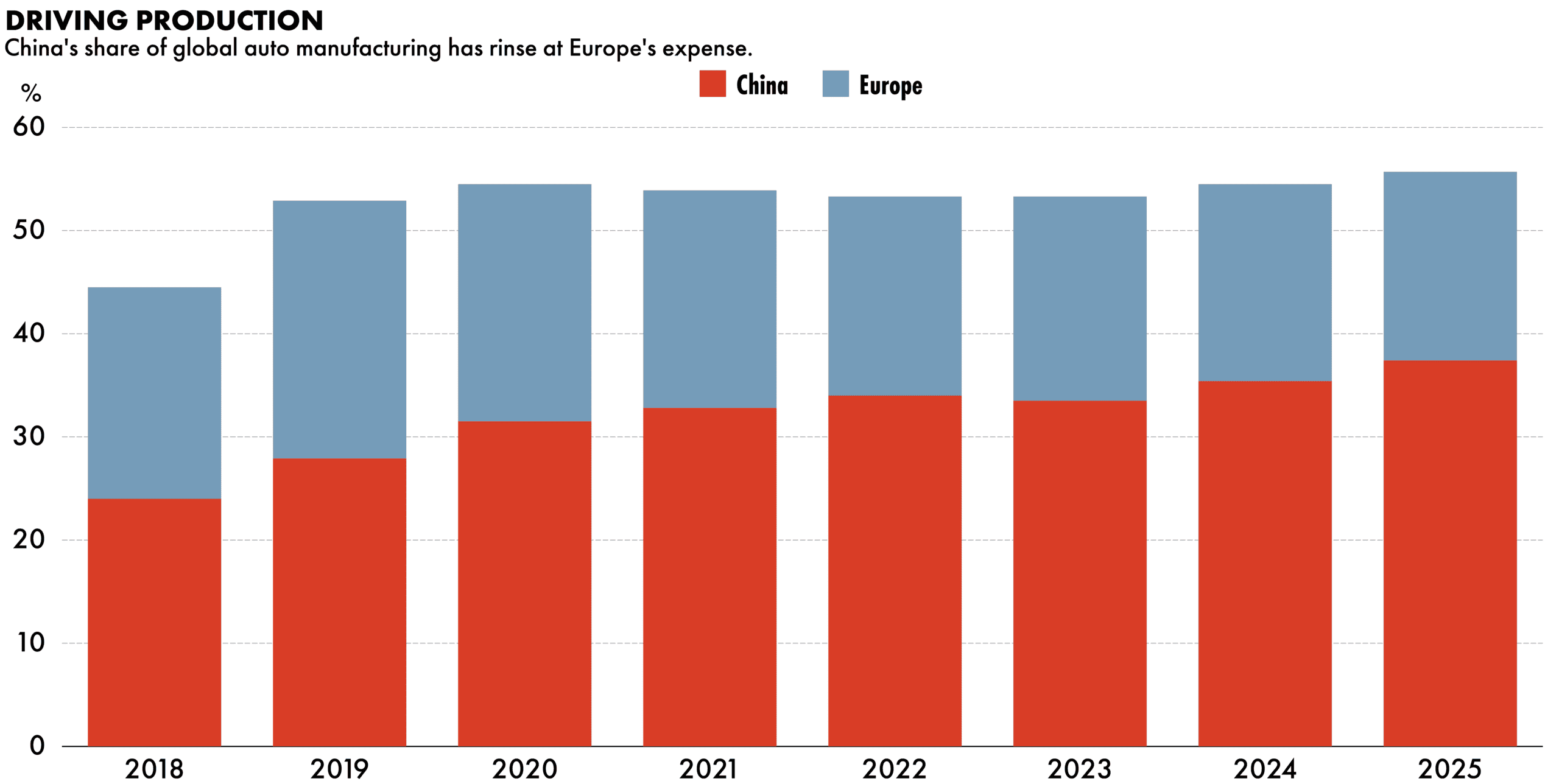
Chinese carmakers have eaten away at the market share of their European counterparts. In 2019, Europe produced one in four cars globally, on par with China. But by 2025, Europe’s share of global car production had sunk to 18 percent while China’s had soared to nearly forty, according to the European Automobile Manufacturers’ Association.
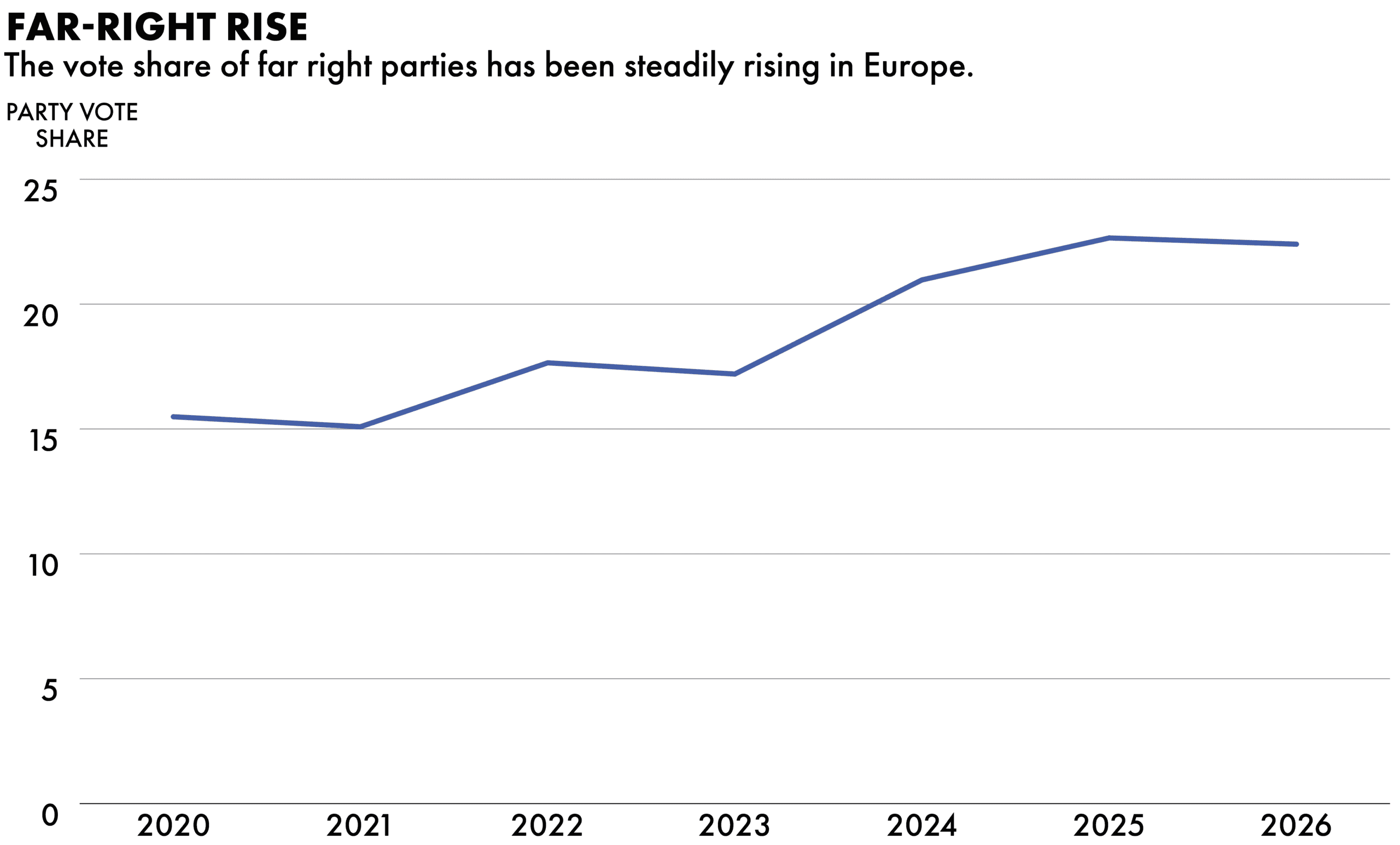
The loss of jobs has added to pressure on European politicians to act. Economic instability has fueled the rise of extremist political parties, ahead of major elections due in France, Spain and Italy among others by the end of next year. Nearly one in four European voters now prefer far-right populist parties, according to data from The PopuList, which tracks populist, far-left, and far-right parties across Europe.

Savannah Billman is a Staff Writer for The Wire China based in NYC. She previously worked at the National Committee on U.S.-China Relations.