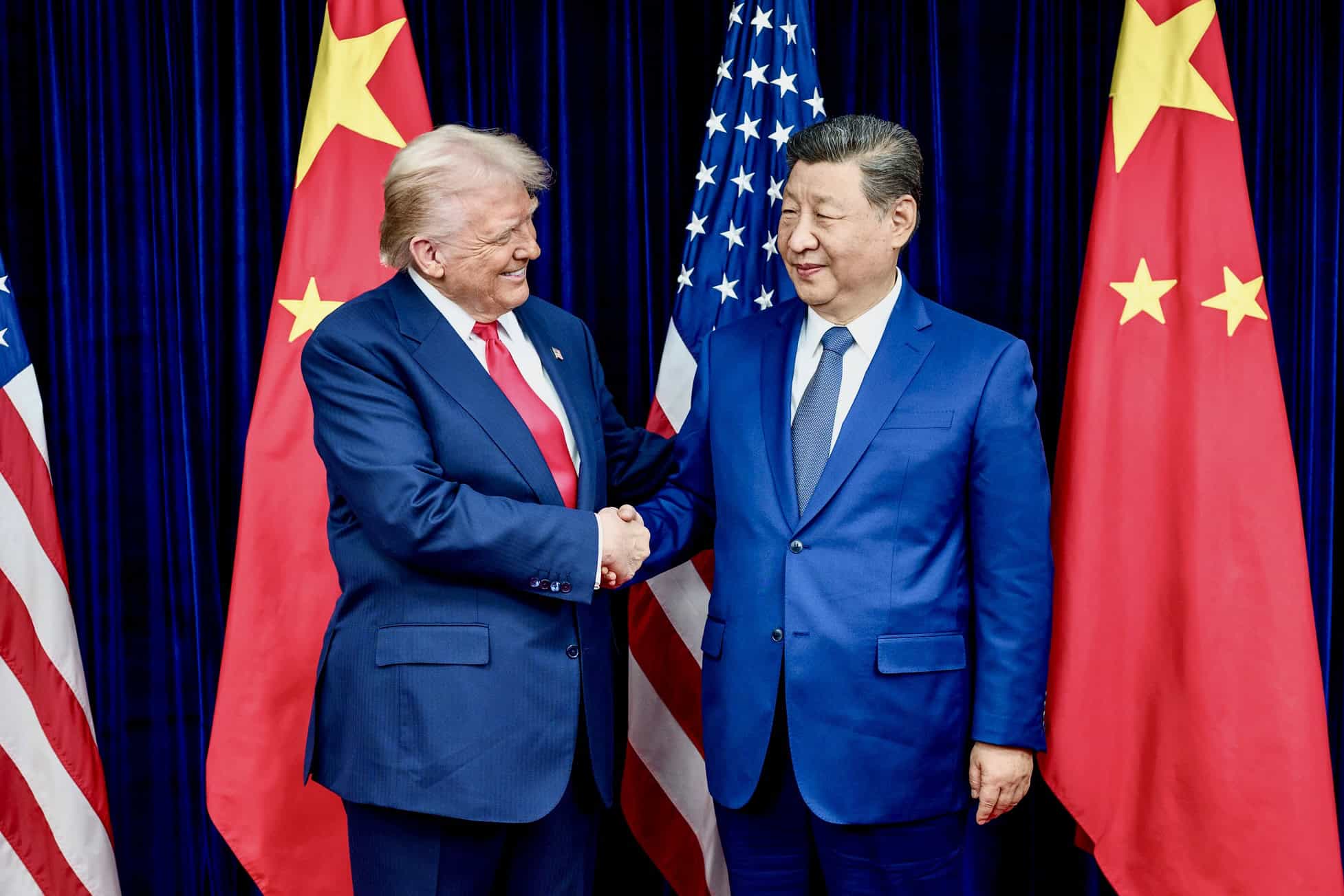
When President Trump travels to Beijing next week (May 14–15) to meet with Xi Jinping, one major outcome could be a new way to manage the two nations’ often fractious trade ties, sources close to the talks say.
The “Board of Trade,” as the U.S. side terms it, would have a limited goal — figuring out which products the two nations would be willing to trade even when relations are strained, while clearly delineating which products, such as the U.S.’s most advanced chips, would remain off-limits.
But for Washington, the plan, if sealed, would pack a broader message: The United States has given up trying to change China’s economy through outside pressure or inducements. Instead, the U.S. accepts the state-dominated Chinese system as it is, and will from now on look to cut trade deals within the new framework.
The “Board of Trade” plan reflects the frustration of many U.S. administrations that pressing China to liberalize its system, so that it can focus more on domestic consumer demand and less on subsidized exports, hasn’t worked. After decades of hectoring by the U.S. and others, China still relies on an undervalued currency and subsidies to power an export sector that has ravaged many U.S. industries and deepened voter cynicism that Washington can meet the Chinese challenge.
In short, a year on from the current administration’s attempt to cut the U.S’s trade deficit with China through sky-high tariffs, pragmatism is trumping ideology.
“This is a realistic approach,” says Wendy Cutler, a former U.S. trade negotiator in Republican and Democratic administrations, who has tussled with Japan and China. “It’s futile to come up with rules to reset the relationship and open these markets.”
To others, though, the plan is another sign that the U.S. has ditched its historic role of leading a liberal trade order that has helped power global prosperity since World War II.
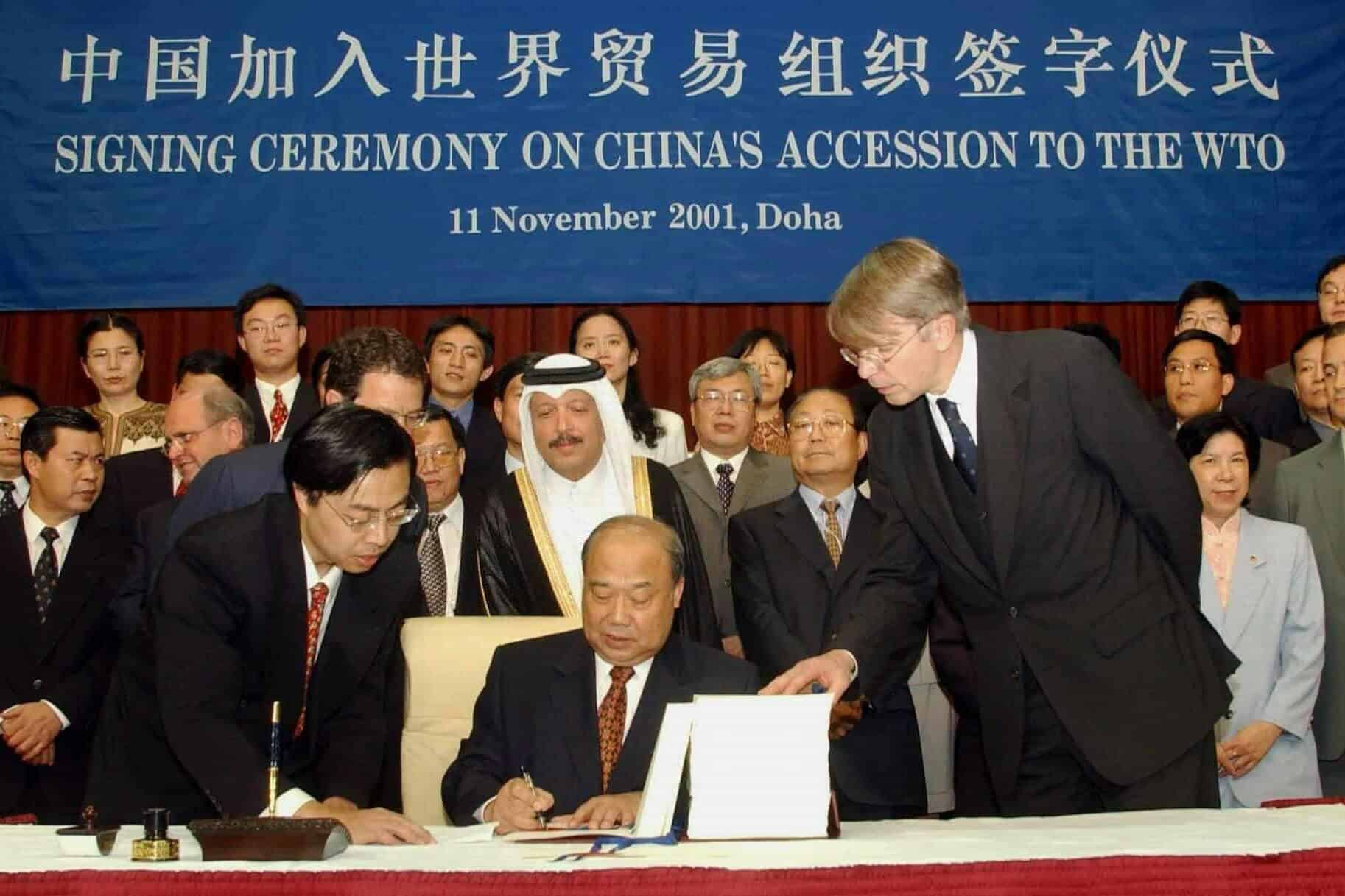
“It looks like China has won the long game,” says Jörg Wuttke, who spent decades as head of the European Chamber of Commerce in China. “In 2001, the idea was that if China joins the World Trade Organization, it will become more like us. No; we have become more like them.”
Managed trade may seem simple — political leaders decide which products can be traded — but it can create the same kinds of disputes between nations and devilishly difficult political tradeoffs as free-trade deals. The U.S. last tried a fully managed trade approach in the early 1990s when Japan was the target, after Bill Clinton took office as an economic populist.
In 1993, the Clinton administration pressed Japan to accept “numerical targets” for U.S. exports and set a 10-month deadline to complete a deal. Eighteen exasperating months later, after the U.S. threatened Japan with tariffs and other penalties during so-called framework talks, the U.S. gave up on forcing Japan to accept specific targets.
Asian nations had lined up with Japan, fearing the U.S. would hit them next with similar demands, isolating the U.S. abroad. At home, some industries balked at potential tariffs. Retreating, the Clinton team negotiated a traditional free-trade deal instead, which pried open Japanese markets somewhat.
The Trump-Xi summit is expected to deal with a variety of issues, including the Iran war, artificial intelligence and the status of Taiwan. But, as always, trade will play an important role. The Board of Trade could yet be shelved if it isn’t completed before the meeting. Additionally, the two sides are examining a Board of Investment that would manage investment disputes, though that is on a slower track, say people briefed on the discussions.
The goal, U.S. and Chinese officials say, is “stability,” following a period of clashes over U.S. restrictions on exports of advanced technology and China’s retaliation by blocking shipments of rare earths used in automobiles and electronics. At one point last April, U.S. tariffs on most Chinese imports reached 147.6 percent. The effective rate — the rate actually paid by importers — was 31.6 percent in February, still almost triple the 10.7 percent rate in January 2025, according to an analysis by the Penn Wharton Budget Model.
The business community has deep reservations about the idea of managed trade. There is not enough information being shared. And there are worries that it could be inflationary and weaken U.S. competitiveness.
Sean Stein, president of the U.S.-China Business Council
For President Trump, stability would mitigate a possible economic problem as the midterm elections draw closer. For Xi, it would allow China to proceed unhindered to develop its advanced technology and deepen its export dominance.
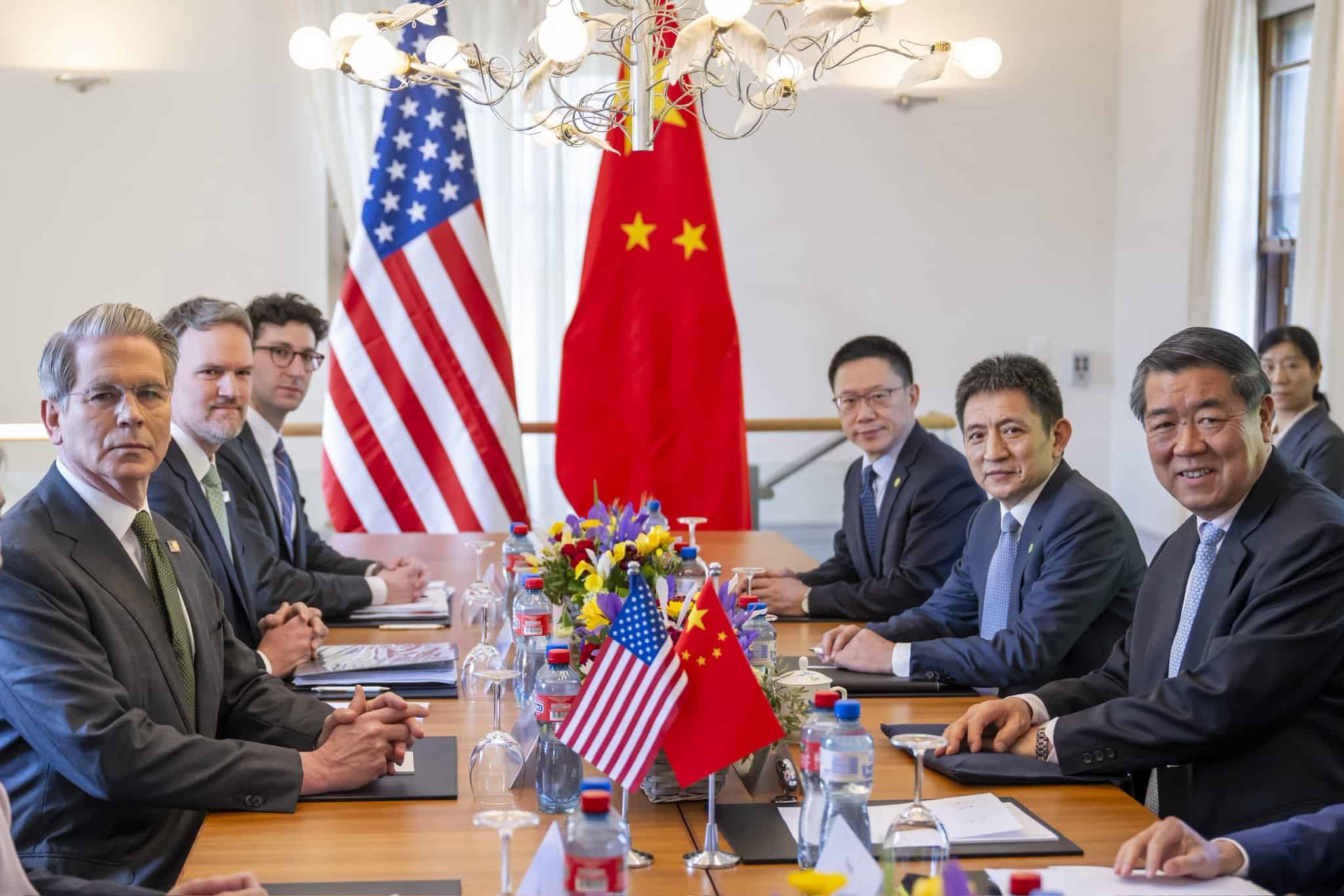
The Board of Trade concept came out of March discussions between U.S. Trade Representative Jamieson Greer, Treasury Secretary Scott Bessent and Chinese Vice Premier He Lifeng in Paris. The U.S. side named the proposal, “the Board of Trade,” and has promoted it. The Chinese side has been less effusive, calling it simply “working mechanisms to expand economic and trade cooperation.”
The Chinese embassy in Washington declined to comment. The Chinese Commerce Ministry and USTR didn’t respond to questions about the proposal.
Under the plan, USTR and China’s Commerce Ministry would consult on trade issues and both would use tariffs to manage trade, although details aren’t fully fleshed out, said people closely tracking the negotiations. The governments would lower tariffs on products they approve for trade and hike them —or keep them at already high levels — on products they want to block, creating what one person called a “tariff canyon.” Of course, the Chinese have the additional lever of ordering state-owned businesses to export or import whatever Beijing wants traded.
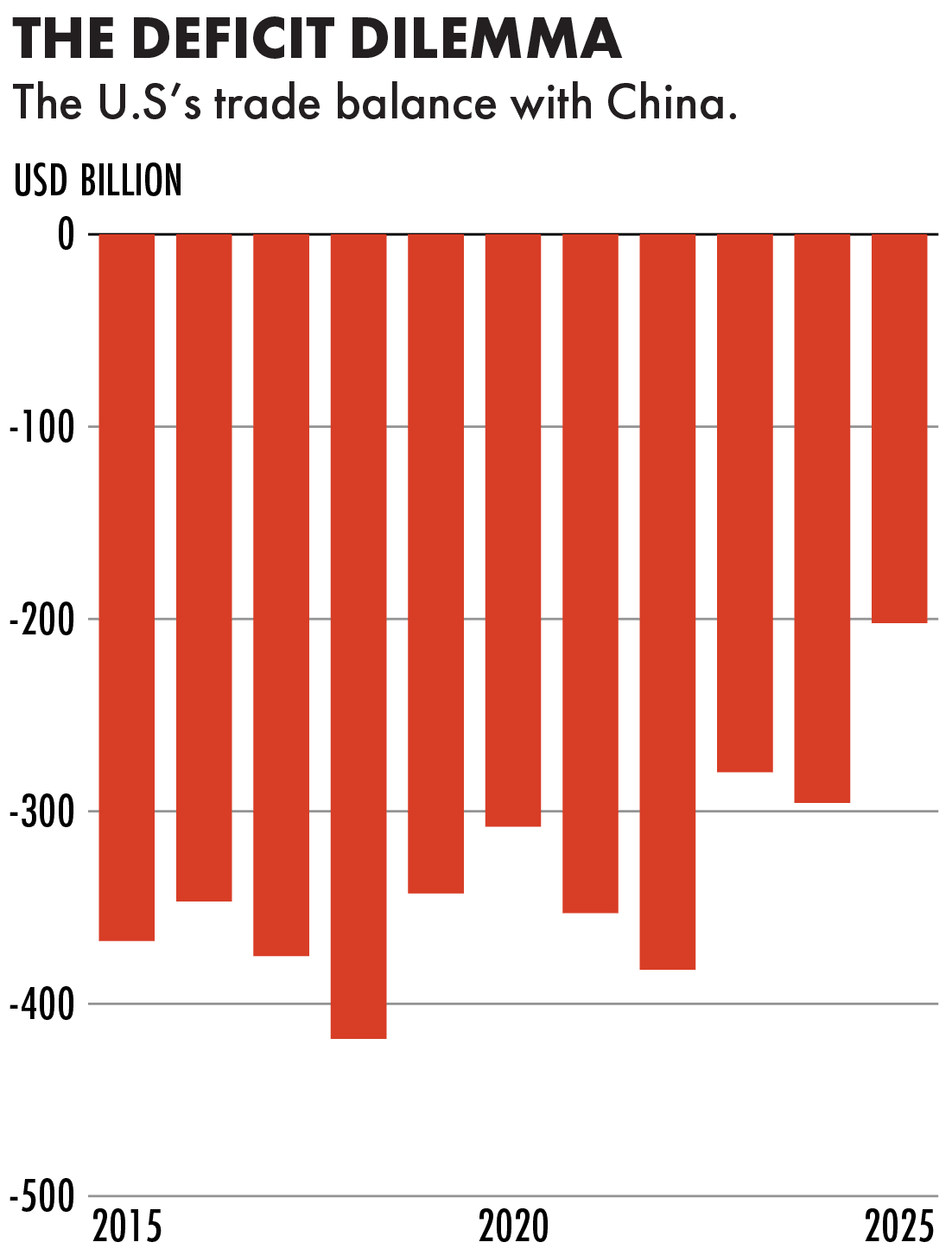
The two sides now are looking to identify about $30 billion to $40 billion each worth of imports that would come under this tariff scheme, in what some are calling a “30 for 30” (or “40 for 40”) approach, said the people tracking the talks. In 2025, China exported $308.4 billion in goods to the U.S. and the U.S. sent $106.3 billion in goods trade to China, leaving the U.S. with a $202.1 billion trade deficit, according to U.S. government statistics.
The U.S. plans to use the board of trade to try to narrow that gap by blocking certain items. Greer has said the U.S. would approve imports of “non-sensitive” goods, a category the U.S. hasn’t defined.
Coming up with a definition could be hard, says Gary Hufbauer, a non-resident senior fellow at the free-trade supporting Peterson Institute for International Economics. The category could include imports that injure domestic firms, he said; or items that the U.S. wants to ban, such as goods made with forced labor; or imports that could help the Chinese military by deepening U.S. dependence on China.
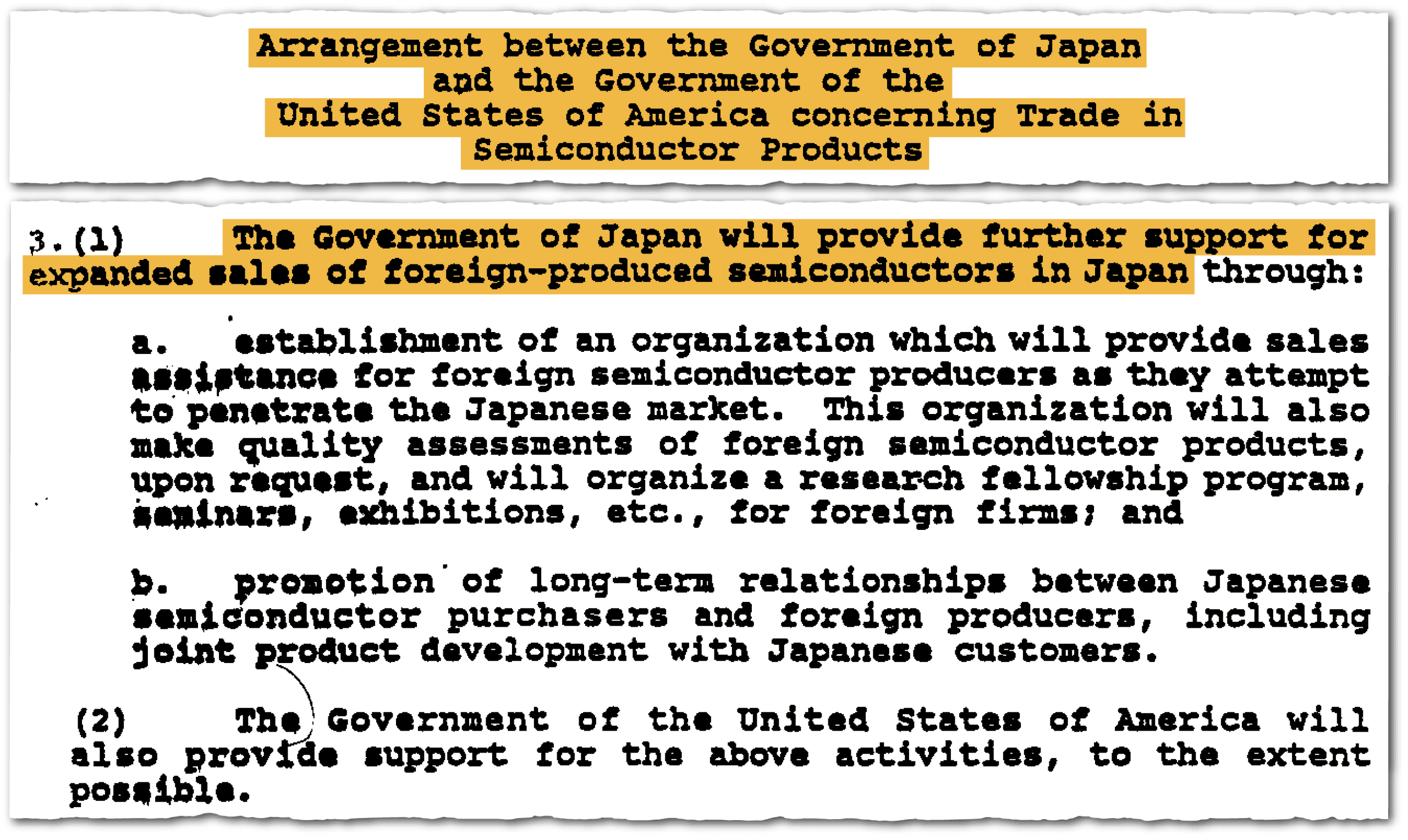
Policing the deal also would be tough. A 1986 semiconductor deal with Japan promised U.S. firms a 20 percent slice of the Japanese market, the U.S. argued. The two sides regularly squabbled over its terms and whether Japan was hitting the target.
“The numbers never matched,” says Cutler, the former U.S. negotiator who is now senior vice president at the Asia Society Policy Institute. “Managed trade took a lot of work.”
Another issue: the government’s broad discretion is an invitation for lobbyists to press USTR to approve their clients’ goods for trade. One possibility, said a person tracking the talks, is to start a rule-making to decide which goods should get a lighter tariff treatment.
U.S. businesses haven’t focused much yet on the proposal, but those that have examined it have been wary.
The administration isn’t trying to play long ball and confront China in any meaningful way or deal with systemic risks. We have to look at our long-term interests and decide to define what kind of relationship we want with China.
Myron Brilliant, a trade consultant and former executive vice president at the U.S. Chamber of Commerce
“The business community has deep reservations about the idea of managed trade,” says Sean Stein, president of the U.S.-China Business Council, a trade group of large exporters. “There is not enough information being shared. And there are worries that it could be inflationary and weaken U.S. competitiveness.”
As the Chinese weigh which goods to prioritize, the U.S. is pressing for tariff cuts on soybeans, corn, beef and other agricultural goods. Beijing has already granted tariff exemptions for some U.S. products that it needs, including medical and scientific equipment.
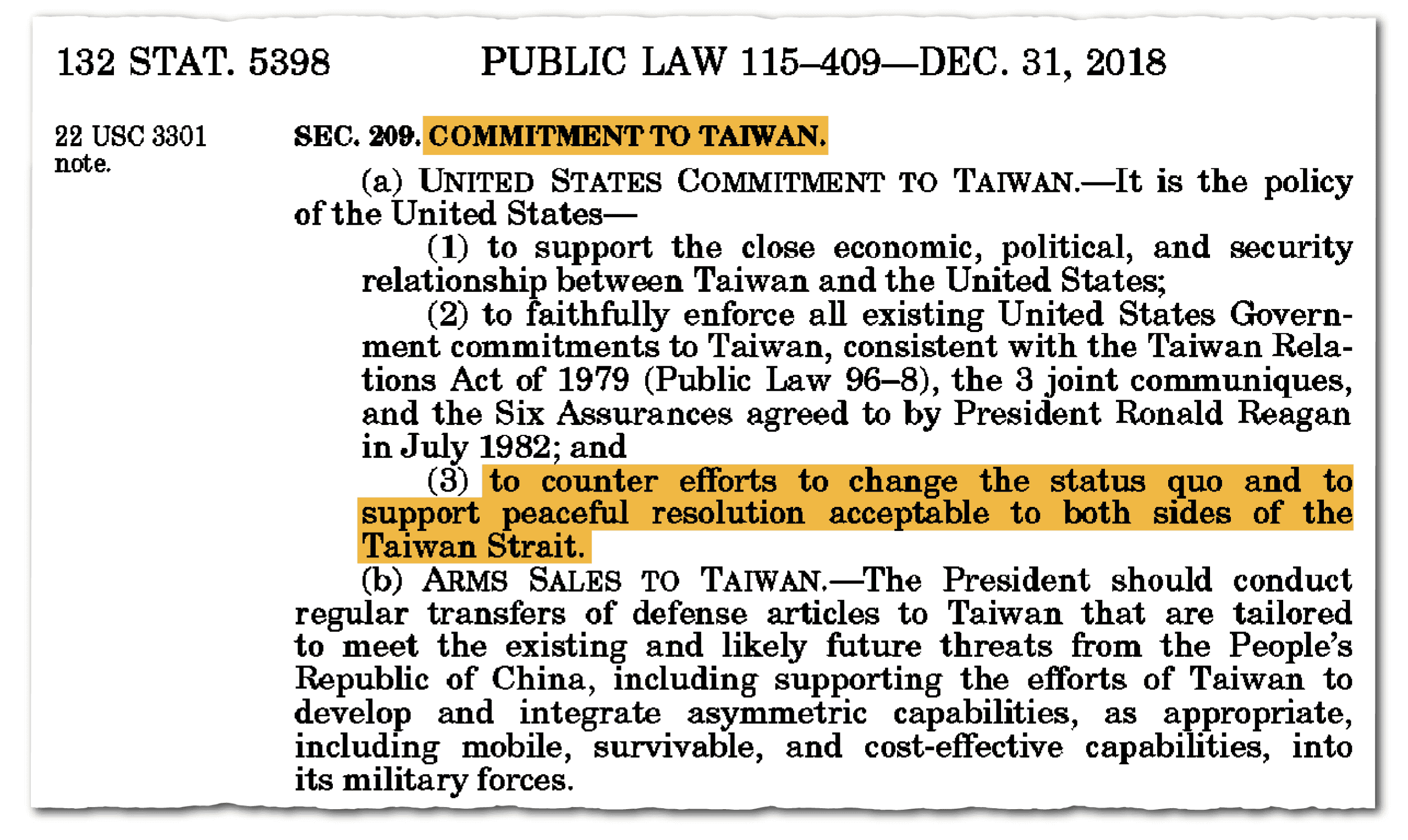
Focusing on what Trump wants could give Beijing some bargaining leverage to trade for progress on its priorities. At the top of Beijing’s list, The Wall Street Journal has reported, is reducing the U.S.’s rhetorical support of Taiwan. That could mean replacing the U.S. position of backing a “peaceful resolution” of the Taiwan issue with Beijing’s term of “peaceful reunification.”
Should the Board of Trade work as the U.S. envisions, it would move the U.S. toward Greer’s long-term goal of “strategic decoupling” from China which he laid out before being nominated as U.S. trade representative. Administration officials now use the more judicious term, “de-risking.” The idea is the same: minimize trade with China.
“The landing zone with China is that our trade with them needs to be more balanced,” Greer said at a policy conference in Washington late last year. “It needs to probably be smaller so we’re not so dependent on each other, and it needs to be in areas of non-sensitive goods.”
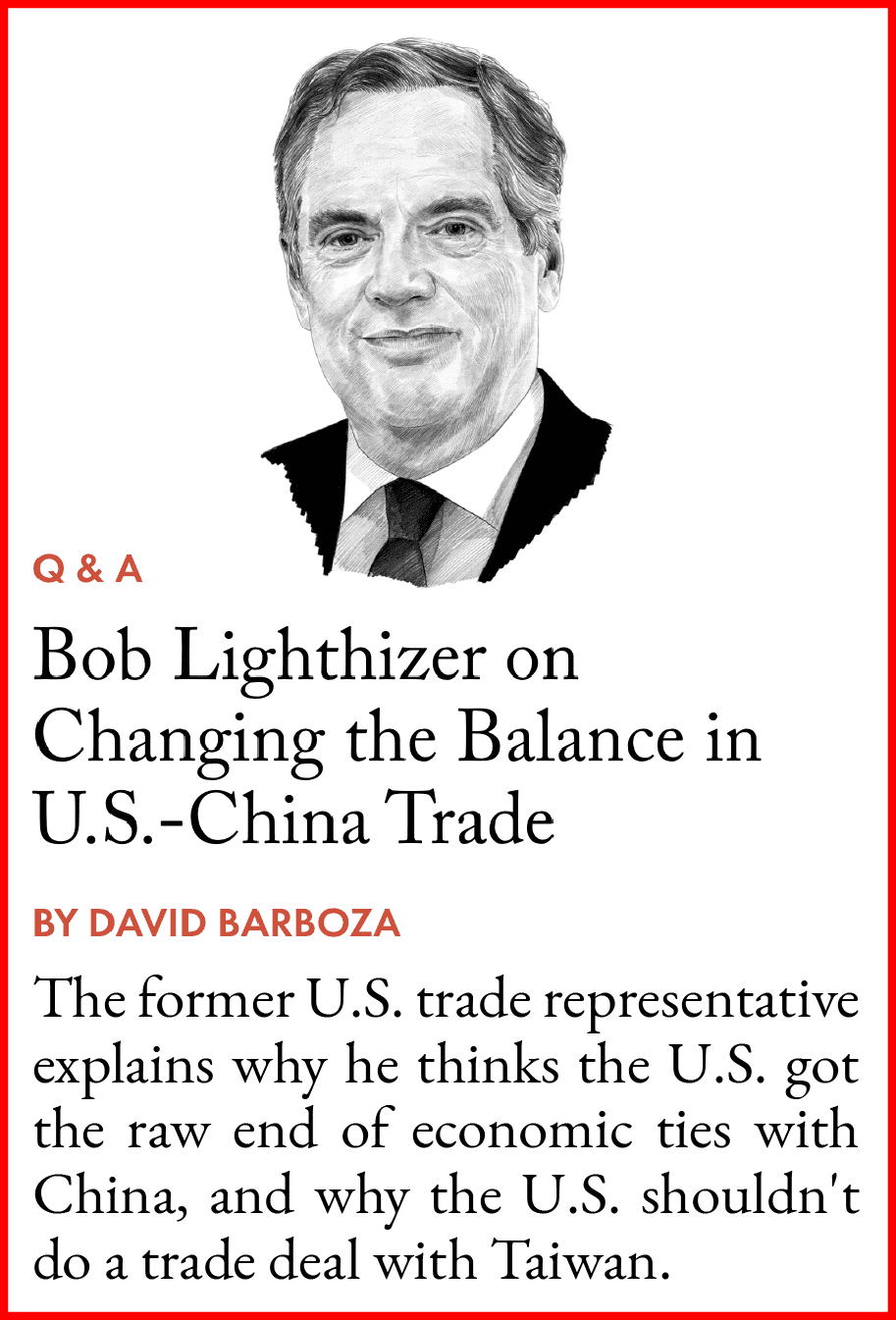
Greer’s focus on managed trade comes, in part, from his experience in the first Trump administration when he was chief of staff to then-U.S. trade representative, Robert Lighthizer. In May, 2018, Lighthizer and other senior leaders flew to Beijing with a list of demands so extensive that one of Trump’s China advisers, Michael Pillsbury,quipped, “it would be like the Chinese flying into Washington and telling us to change our constitution.”
The U.S. settled for far less in the subsequent Phase One deal signed in January 2020, including a pledge by China to buy an additional $200 billion worth of U.S. goods, which Beijing has never come close to fulfilling.
Now, the U.S. has sharply reduced its ambitions. “We’re not going to do what Washington tried to do for 25 years, which is, go to the Chinese and say, ‘We’re going to pretend they’re going to become a market economy,’” Greer said at a conference last month [April] organized by the online publication Semafor. “They’re not going to put their hand on Mao’s Little Red Book and swear that, ‘We’re not going to be communists.’”
The changed emphasis could put pressure on Europe to follow the U.S. example and limit Chinese imports, said a former Trump trade official. Reduced U.S. imports would mean Beijing would rely more heavily on Europe to keep its export machine humming.
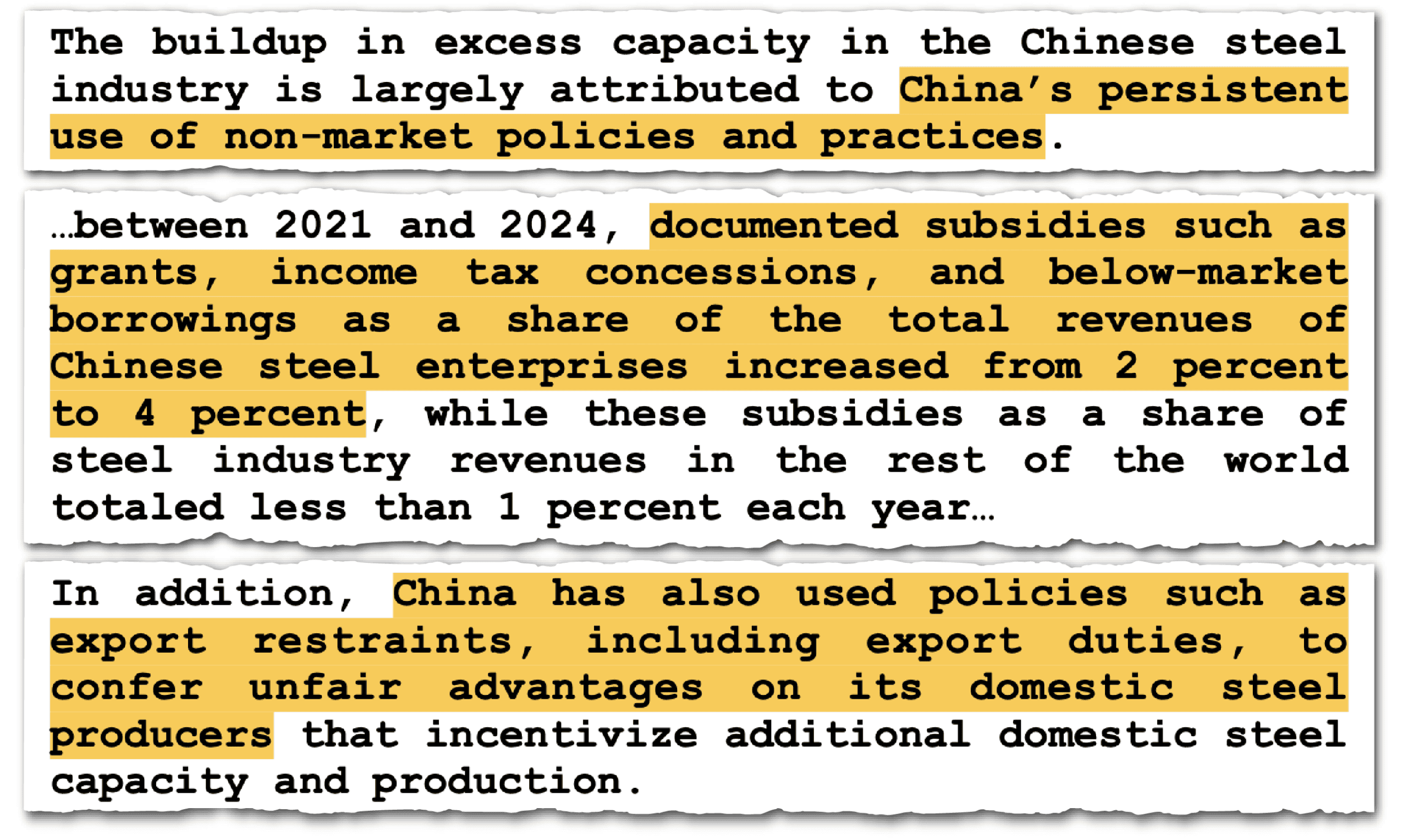
But a turn to managed trade would also leave untouched the U.S. and Europe’s long list of complaints about the Chinese economic system. The latest annual report by USTR on foreign trade barriers contains 52 pages on China, more than twice as many as any other single country. The complaints include its use of subsidies, pressure on U.S. firms to reveal technology secrets, and shipments at below-market prices that steal market share.
To have any chance of getting China to change, the U.S. would need to create a like-minded coalition of China’s trading partners willing to use similar trade restrictions against China, which Europe and Japan have so far resisted. Greer has worked multilaterally at times, including trying to create a “preferential trade zone” of several dozen countries with rare-earth deposits. He has also signed trade deals with nine mostly smaller trading partners that commit partners to align their trade policy with the U.S. (and presumably against China).
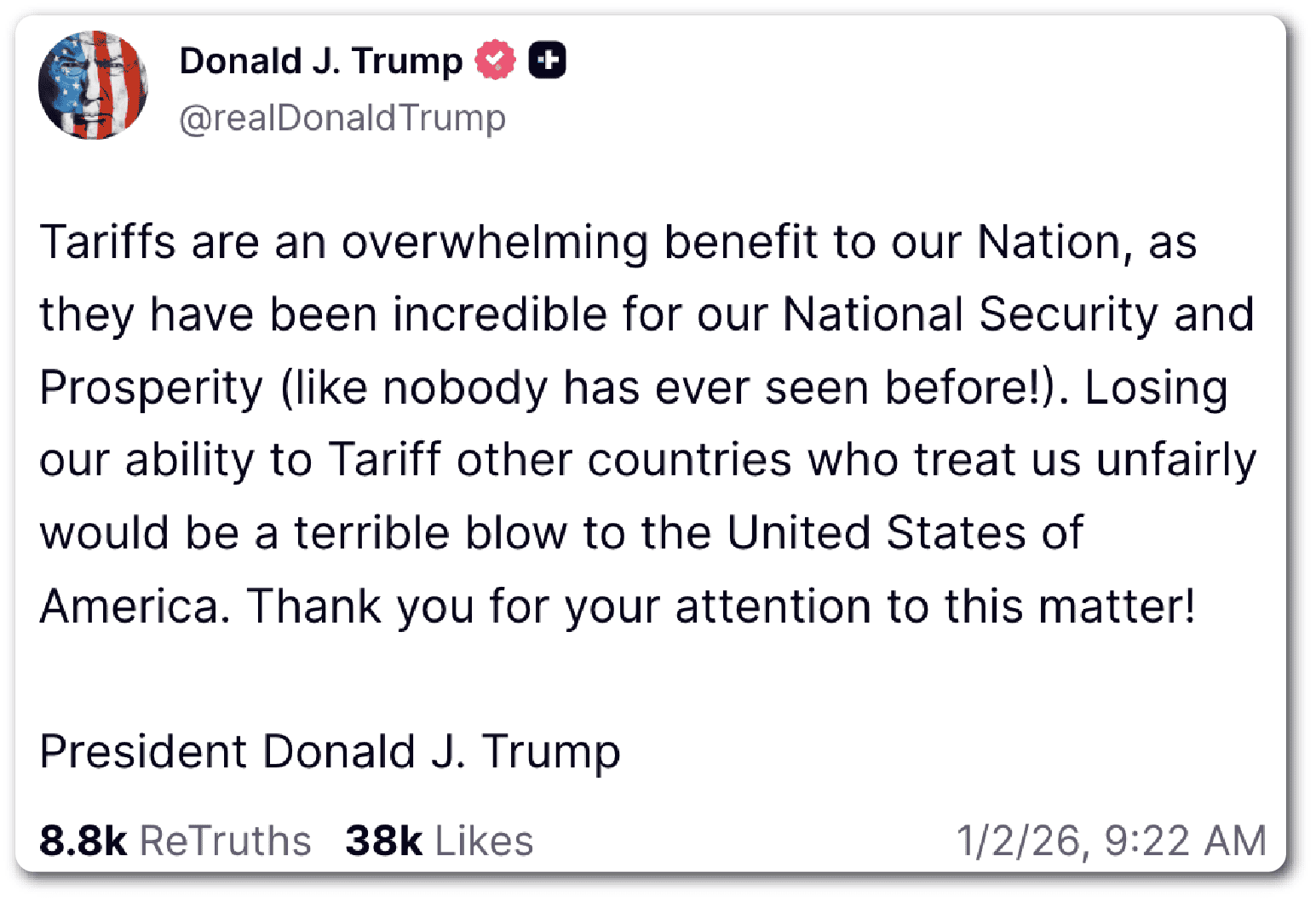
But Trump’s massive use of tariffs against almost every nation, and his taunts about adding more, has drowned out such efforts. Recently, the president threatened the European Union with a 25 percent tariff on automobile exports, claiming it hasn’t lived up to a trade deal with the U.S. The EU denied that. Malaysia, one of the nine trade partners that signed a so-called reciprocal trade deal with the U.S., now says it has pulled out after Trump threatened additional tariffs.
Rather than lining up with the U.S., other nations are moving to sign trade deals among themselves.“
The administration isn’t trying to play long ball and confront China in any meaningful way or deal with systemic risks,” complains Myron Brilliant, a trade consultant and former executive vice president at the U.S. Chamber of Commerce. “We have to look at our long-term interests and decide to define what kind of relationship we want with China.”

Bob Davis, a former correspondent at The Wall Street Journal, covered U.S.-China relations beginning in the 1990s. He is the author of Broken Engagement, a collection of The Wire China interviews. Earlier, he co-authored Superpower Showdown, with Lingling Wei, which chronicles the two nations’ economic and trade rivalry. He can be reached via bobdavisreports.com.