In both the U.S. and China, corruption has evolved over time from thuggery and theft to more sophisticated exchanges of power and profit.
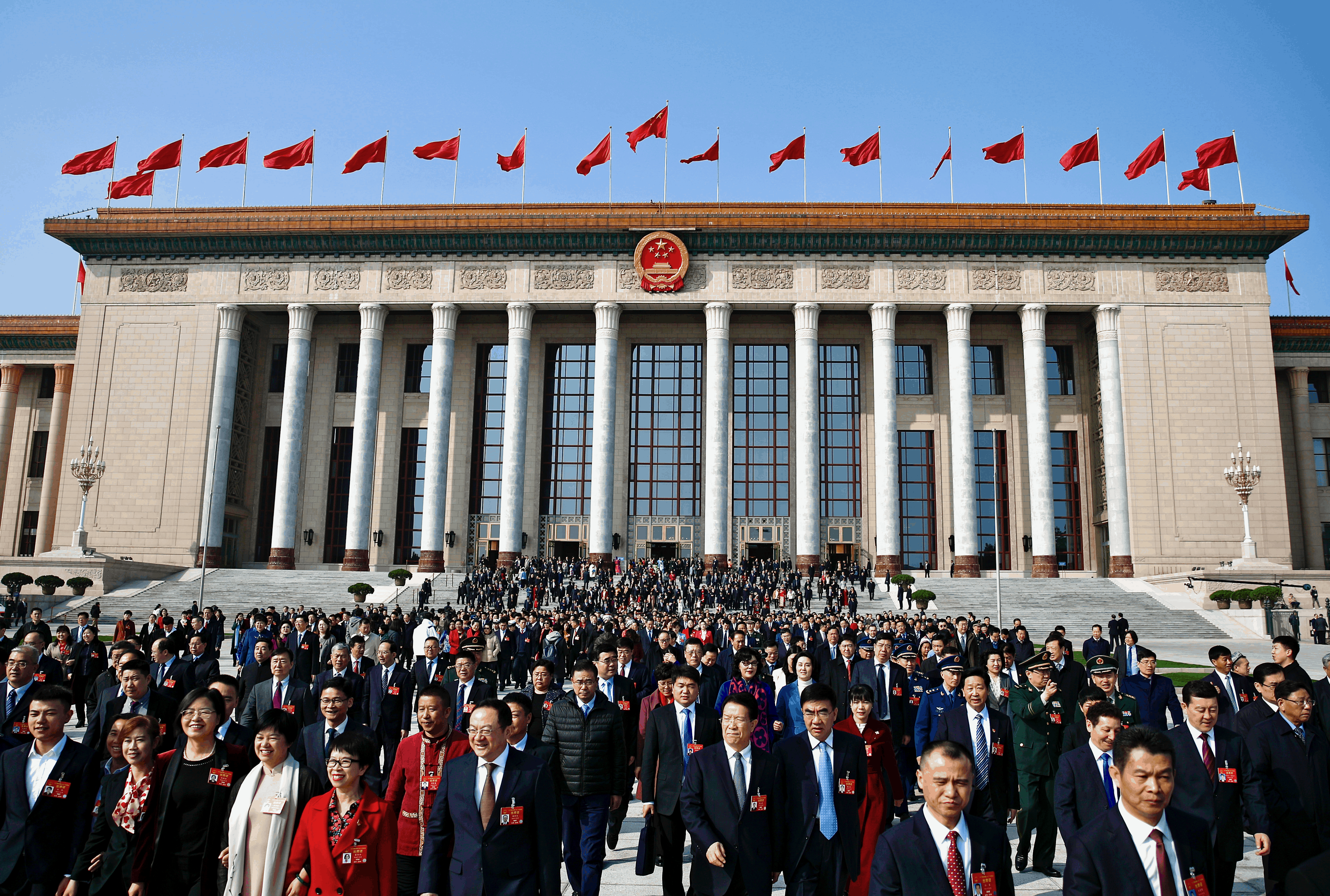
Delegates leave the Great Hall of the People after attending a meeting ahead of the opening session of China's National People's Congress in Beijing, March 4, 2019. Credit: Andy Wong via AP Photos
Even as it grapples with a slowdown, the Chinese economy has come a remarkably long way. Since embracing capitalism in the 1980s, China has leaped from being one of the world’s poorest countries to its second-largest economy. Even more remarkably, it has done so despite a relentless string of corruption scandals. Economist Paolo Mauro calls China a “gigantic outlier” for its combination of breakneck growth and widespread corruption.
Data: International Mone
Exclusive longform investigative journalism, Q&As, news and analysis, and data on Chinese business elites and corporations. We publish China scoops you won't find anywhere else.
A weekly curated reading list on China from Andrew Peaple.
A daily roundup of China finance, business and economics headlines.
We offer discounts for groups, institutions and students. Go to our Subscriptions page for details.
Fish farming in Xinjiang is being sold as proof that technology can overcome geography. The reality is more complicated: a desert seafood boom built on political control, imported feed and a food system that masks its real burdens.
The foreign correspondent describes meeting with the Uyghurs from Xinjiang who played a key role in the Syrian civil war, but who now find themselves potentially stateless.
Corporate Risk Intelligence for National Security, Compliance & Due Diligence
We use cookies to ensure that we give you the best experience on our website. If you continue to use this site we will assume that you are happy with it.