China’s commercial satellite firms are emerging as key players in a global market for high-resolution imagery, with capabilities that rival those of U.S. providers. Images from their satellites have been published widely during the Iran conflict, raising new concerns for military secrecy.
The dissemination of Earth observation (EO) satellite imaging highlights a shift in modern warfare, with satellites able to image the same site up to multiple times a day. That in turn can provide customers with nearly real-time analysis on targets as small as vehicles or sheds.
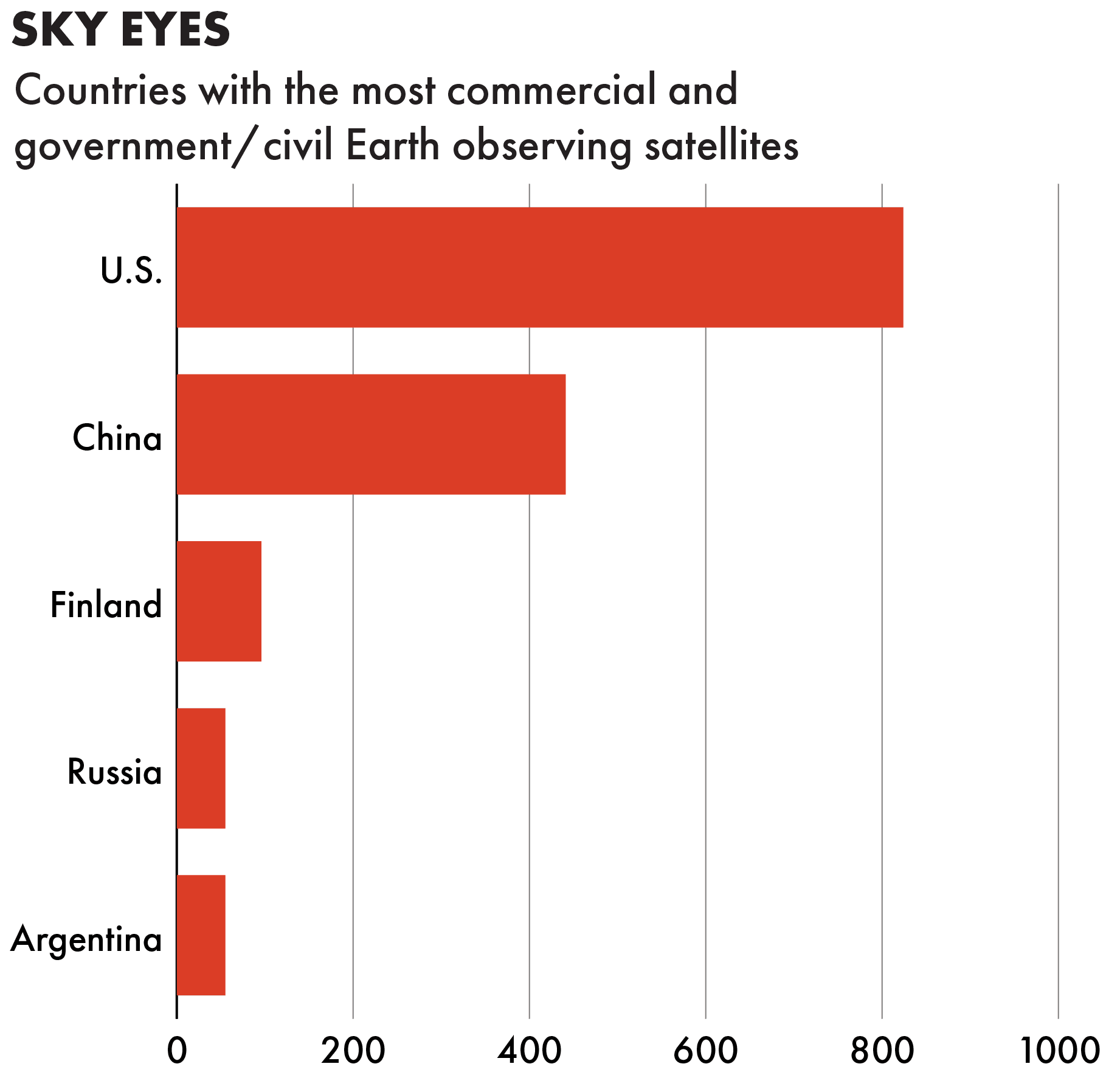
The total number of China’s EO satellites now in orbit is second only to those of the United States, according to data from the U.S. Geological Survey.
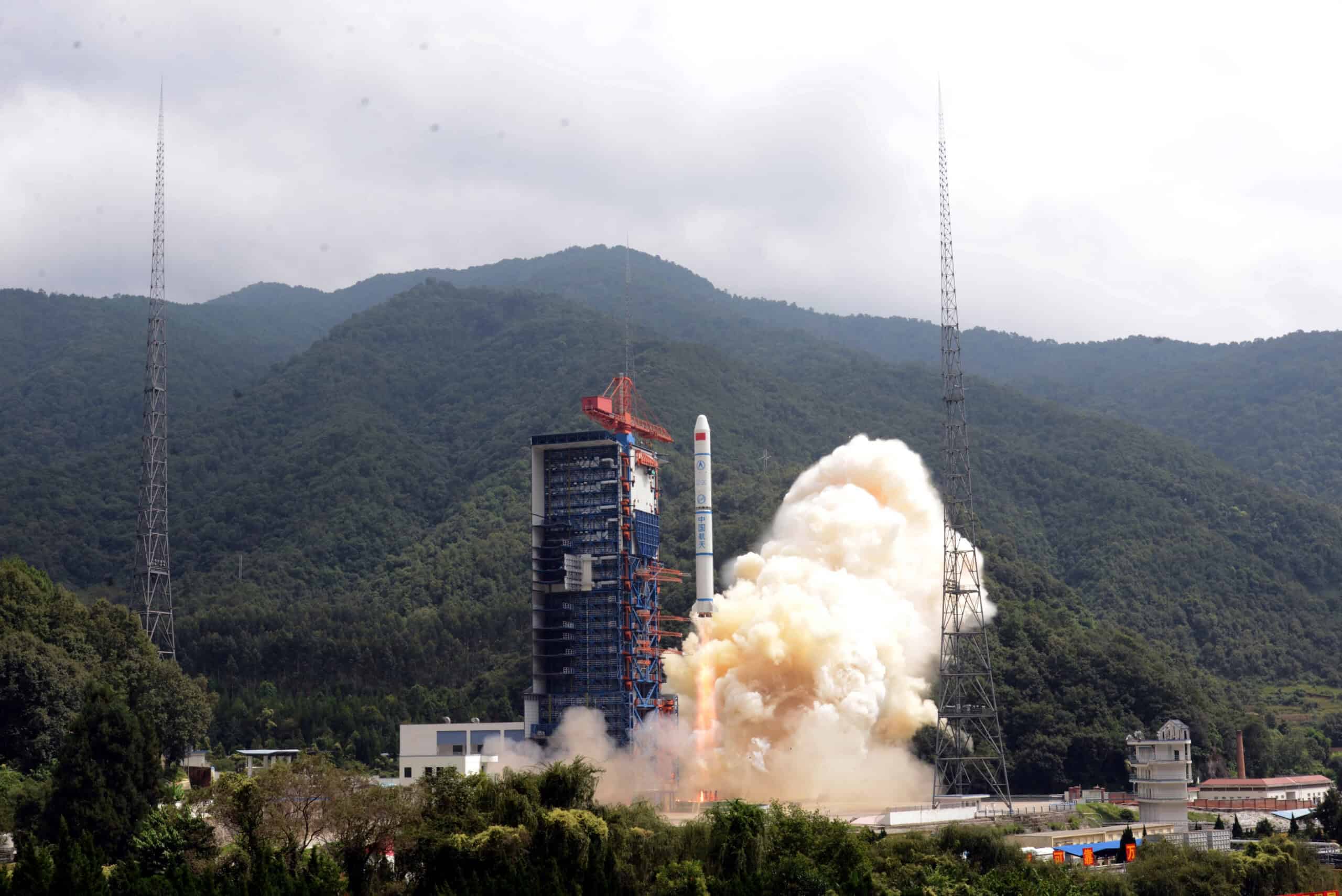
The current conflict in the Middle East has shone a light on who is buying the Chinese-made satellites — with one company, Chang Guang Satellite Technology (CGST), based in Jilin province, coming under particular scrutiny.
“[China’s] capabilities are formidable and it is not just about the quality, but the scale of the amount of satellites that are going up into orbit,” says Tate Nurkin, nonresident senior fellow with the nonpartisan Atlantic Council. “That’s much more than the U.S. has, from a commercial perspective.”
SATELLITE SELLERS
China has spent decades building up its satellite capabilities. The Chinese government is responsible for the majority of launched EO satellites, although commercial firms and universities have also launched their own.
The increasing number of satellites not only means more images can be generated; it also acts as a buffer ensuring companies can stay online and keep producing even if some of their satellites are disabled by space debris.
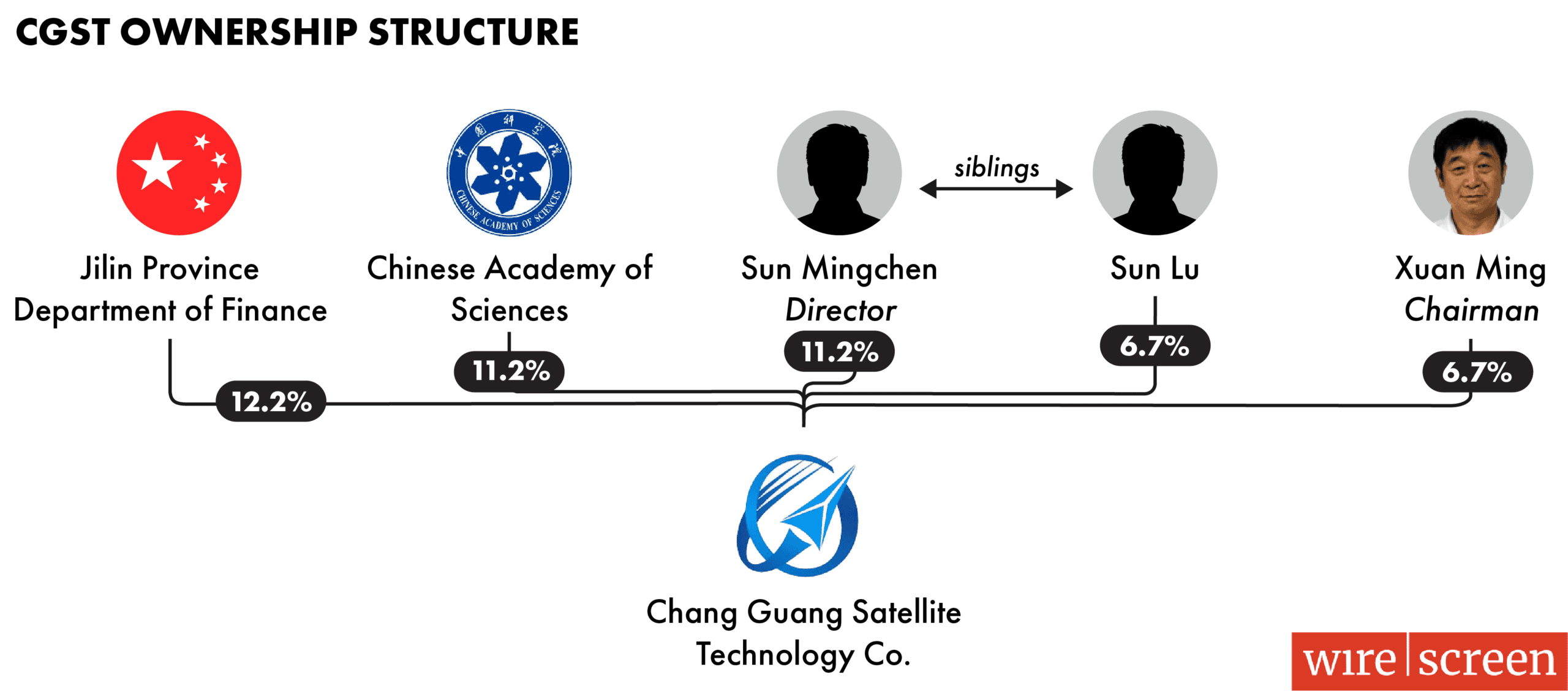
Some of the more than 400 satellites China has launched are connected in clusters called constellations. CGST runs the largest private EO satellite constellation from China, although the government owns 28 percent of the company, according to Wirescreen data.
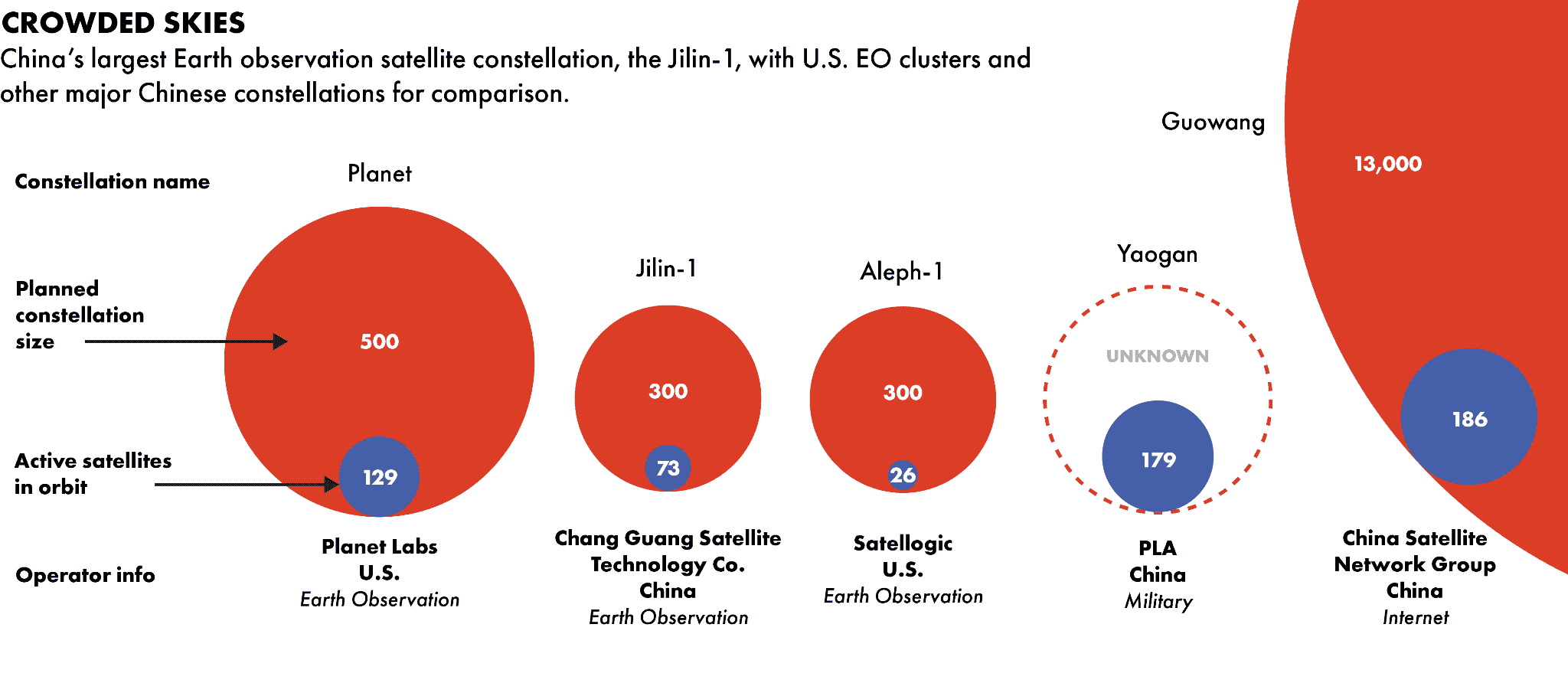
CGST was spun off from the state-run Chinese Academy of Sciences in 2014, and was established with a total registered capital of 1.97 billion yuan ($300 million) raised from CAS, the Jilin provincial government, and other funders, according to its website. In 2022, the company filed for an IPO on the Shanghai Stock Exchange, backed by Haitong Securities Co., but it withdrew its application in 2024. It aims to launch 300 satellites into the Jilin-1 constellation by 2027, according to Chinese media.
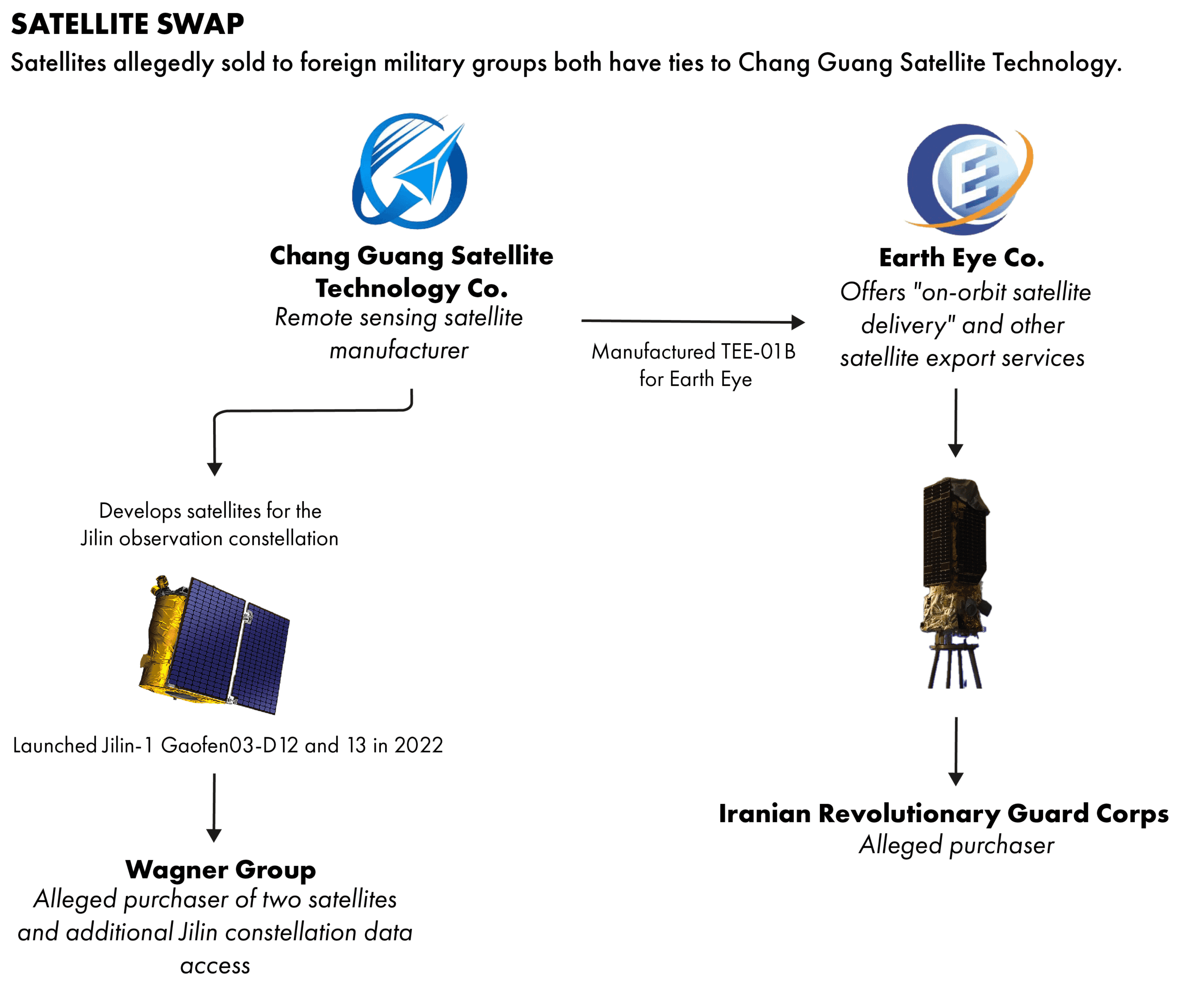
The company has been at the center of significant — and controversial — transactions with foreign clients. In 2022, it sold two satellites to the Wagner Group, a Russia-funded private military group, according to reporting by the AFP news agency. The U.S. Treasury sanctioned CGST for supplying Russia in 2023, along with the company that brokered the sale, Beijing Yunze Technology. The EU, Japan, and Taiwan also sanctioned CGST, Wirescreen data shows.
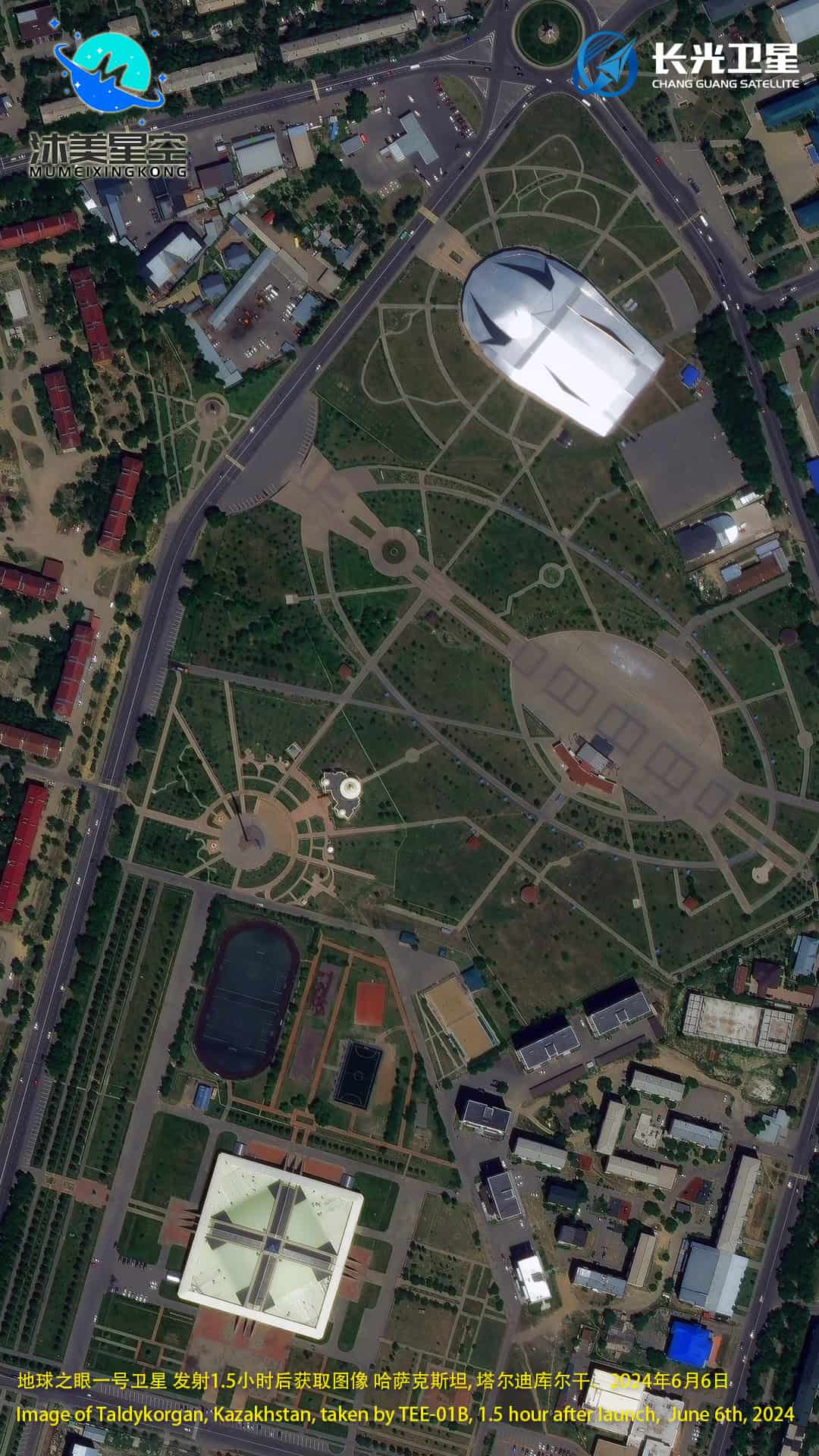
Chinese satellite delivery company Earth Eye also sold a satellite to a military group, according to a Financial Times investigation from earlier this month. The TEE-01B satellite, which was manufactured by CGST, was allegedly sold to the Iranian Revolutionary Guard Corp in 2024 for $36 million.
According to CGST’s website, the project was the first collaboration between itself and Earth Eye. CGST further described the satellite as manufactured to meet the needs of unidentified “high-end customers.”
Earth Eye’s website meanwhile describes its relationship with CGST as an “in-depth collaboration”. Neither company responded to requests for comment.
PICTURE PERFECT
What makes China’s EO satellites desirable for customers like Iran and the Wagner Group — and what worries governments looking to keep their military installments secret — is their high-quality images that they couldn’t get from elsewhere.
China has come a long way from its first high-resolution imaging satellite. Back in 2011, its most advanced satellite in orbit could produce images covering 100 square meters in each pixel, insufficient for tracking specific objects.
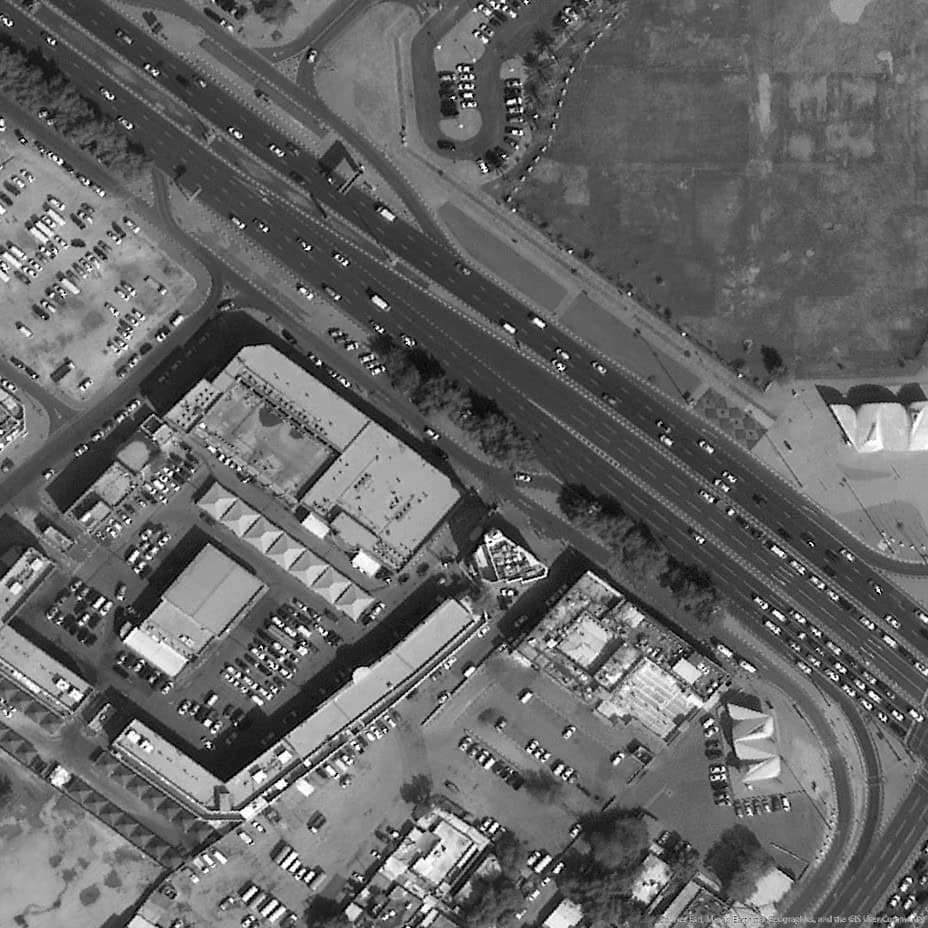
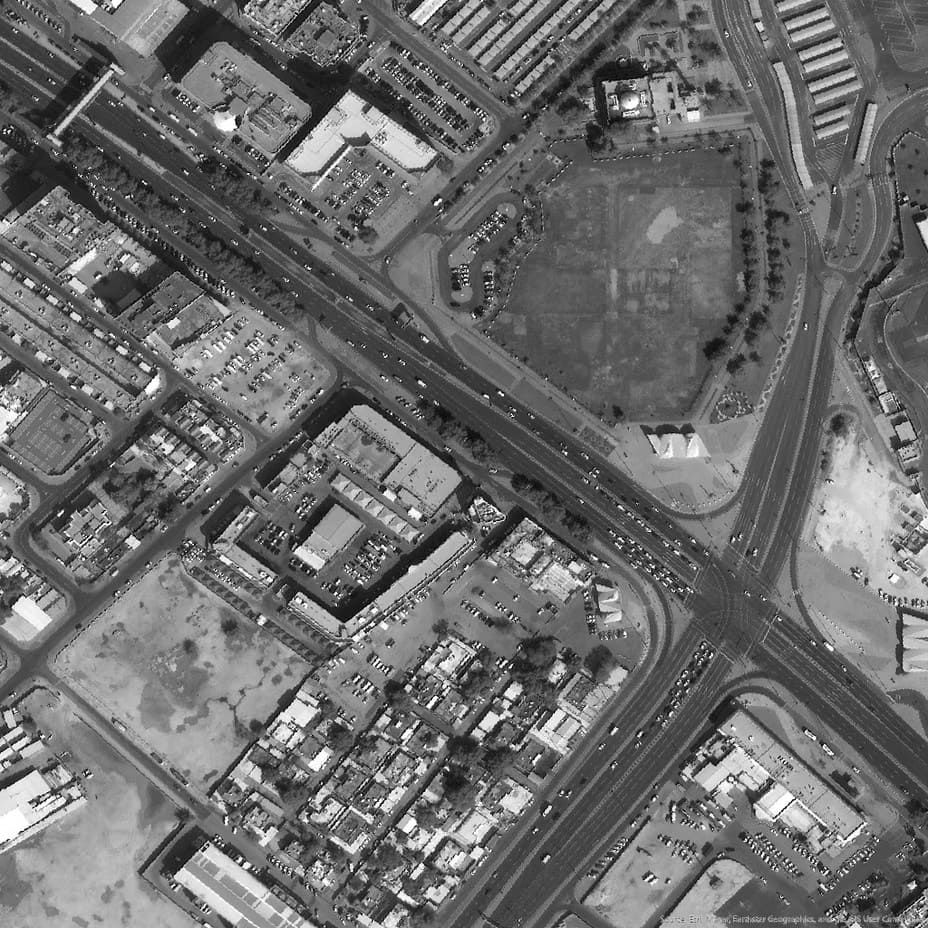
Image quality is now much more advanced and on par with U.S. image providers. A Chinese military satellite launched in 2023 likely had a resolution of 2.5 meters, according to research by the Center for Strategic & International Studies, meaning it could track car-sized objects throughout the Indo-Pacific region from an altitude of approximately 36,000 kilometers. Quality has since improved to sub-meter resolutions with even more precision.
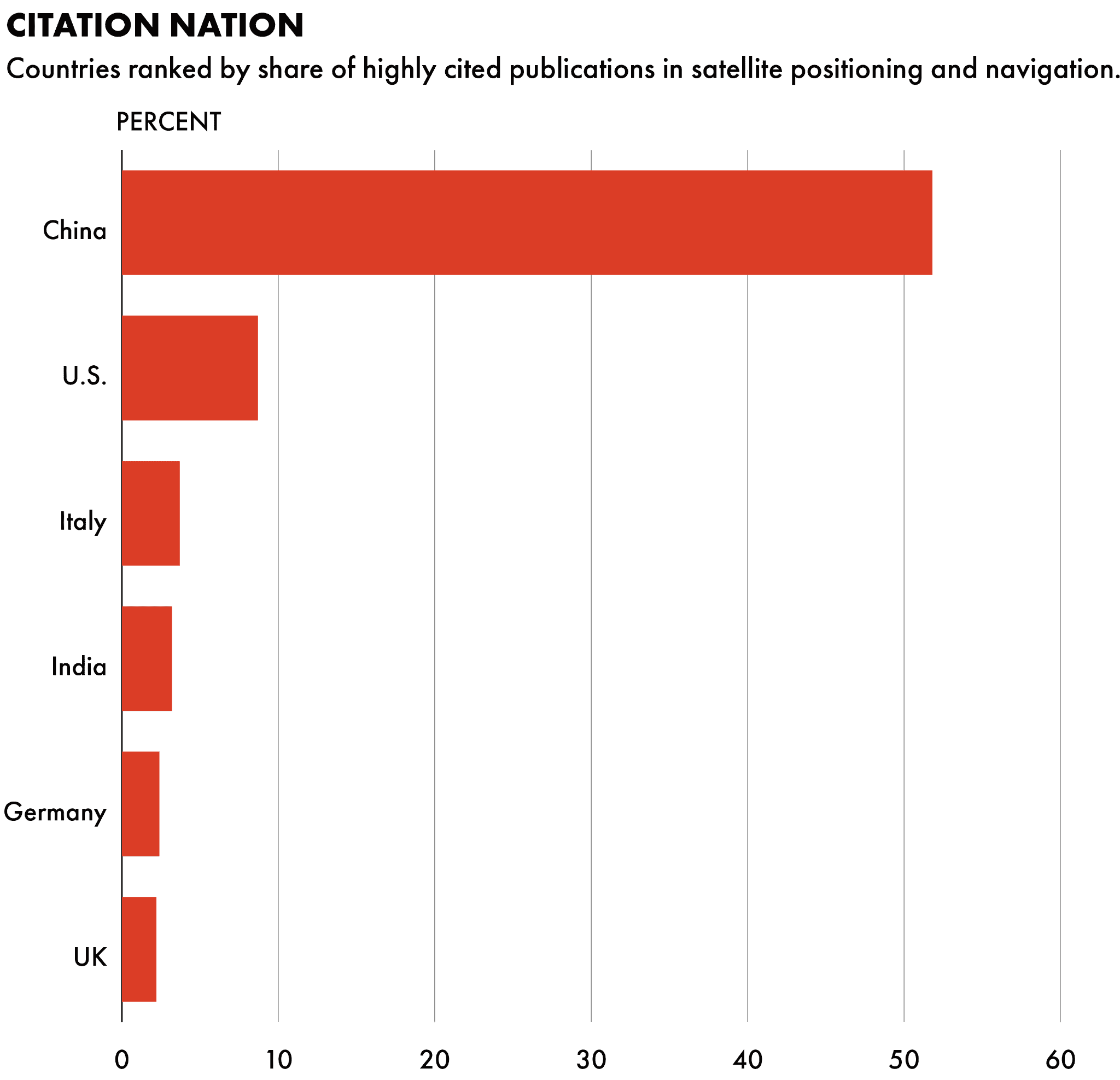
China’s research leadership has buoyed its technical advancements. Out of the top ten percent most cited research papers in satellite positioning and navigation published between 2021 and 2025, half were published by Chinese institutions, according to Australian Strategic Policy Institute data.
China’s satellite capabilities haven’t developed in isolation.
“China’s been very willing to offer imaging to a lot of different countries,” says Lincoln Hines, assistant professor at the Georgia Institute of Technology whose research focuses on China’s space policy. “It’s often done this as part of its Belt and Road Initiative, because these are ostensibly commercial and developmental goals — and they can be.”
China and France co-launched a satellite in 2018 to monitor ocean wind and waves, with data downloaded to receivers in both countries. A 2021 agreement between BRICS countries allows for data sharing between multiple different countries’ satellites, including two from China.
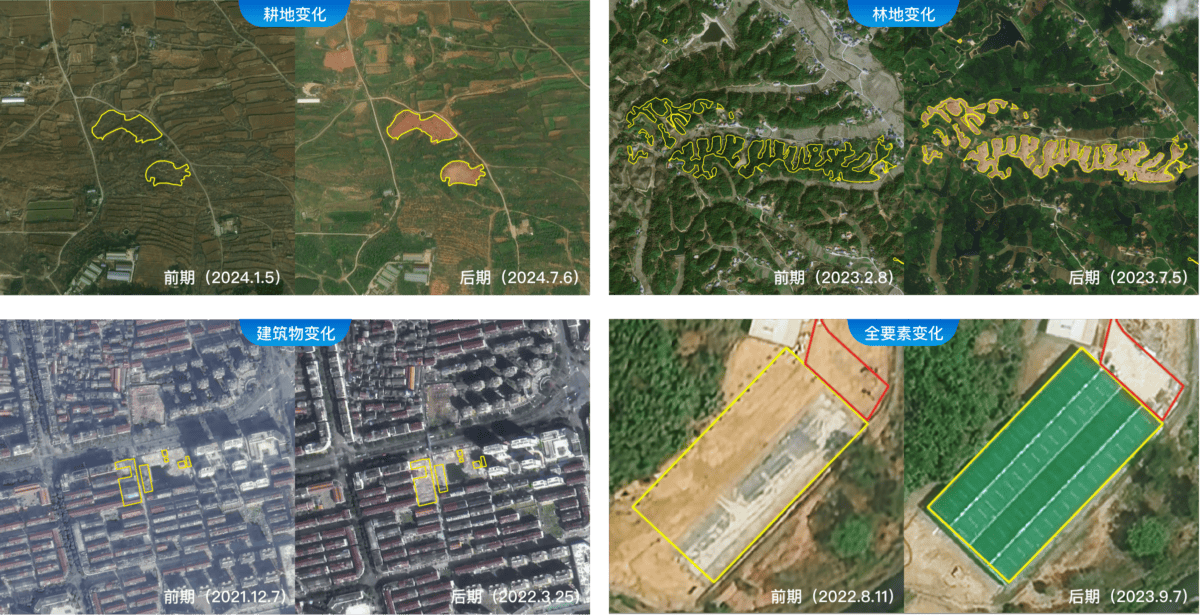
Though China has been open about this scientific aspect of its satellite sharing, Hines says it’s difficult to parse the degree to which the government itself is involved in every transaction.
CGST and Earth Eye’s alleged sales to Iranian and Russian military entities further illustrate the blurred lines between commercial sales and state-influenced strategic decisions to target U.S. military capabilities.
“There’s a potential for actions taken by a private company to escalate threat perceptions and security perceptions at the government level,” Hines says. “There’s a new risk of escalation from this.”

Savannah Billman is a Staff Writer for The Wire China based in NYC. She previously worked at the National Committee on U.S.-China Relations.