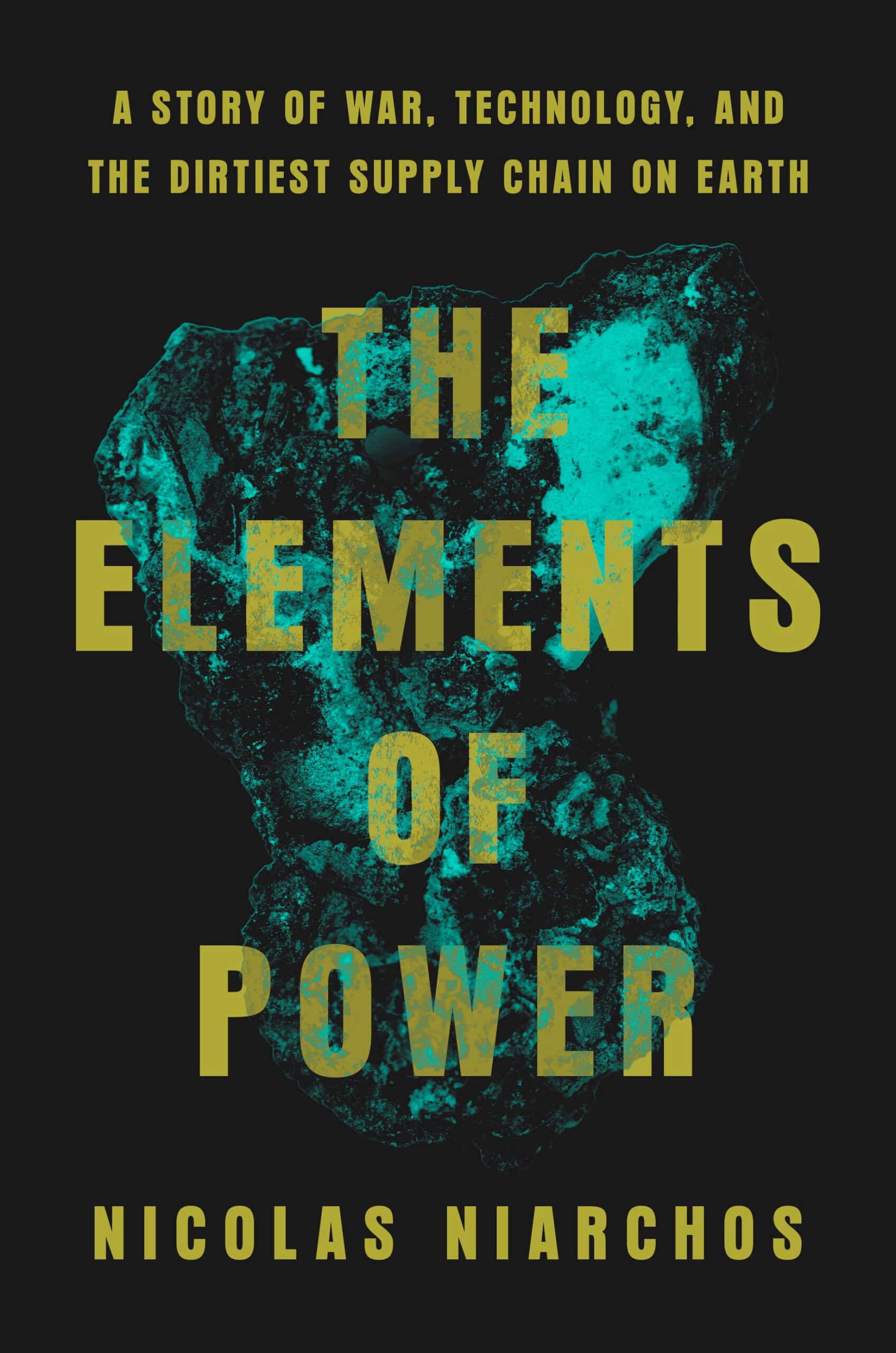
In his new book The Elements of Power, journalist Nicolas Niarchos reports on the impact that the push for clean energy is having on the countries that supply many of the key resources needed for products like batteries and electric vehicles. Through his on-the-ground reporting in countries ranging from the Democratic Republic of Congo (DRC) to Indonesia to China, Niarchos traces the corruption and abuses that often take place along the global supply chain for the clean energy industry, while explaining the historical background to where these societies are today.
The following is an edited transcript of our recent conversation.
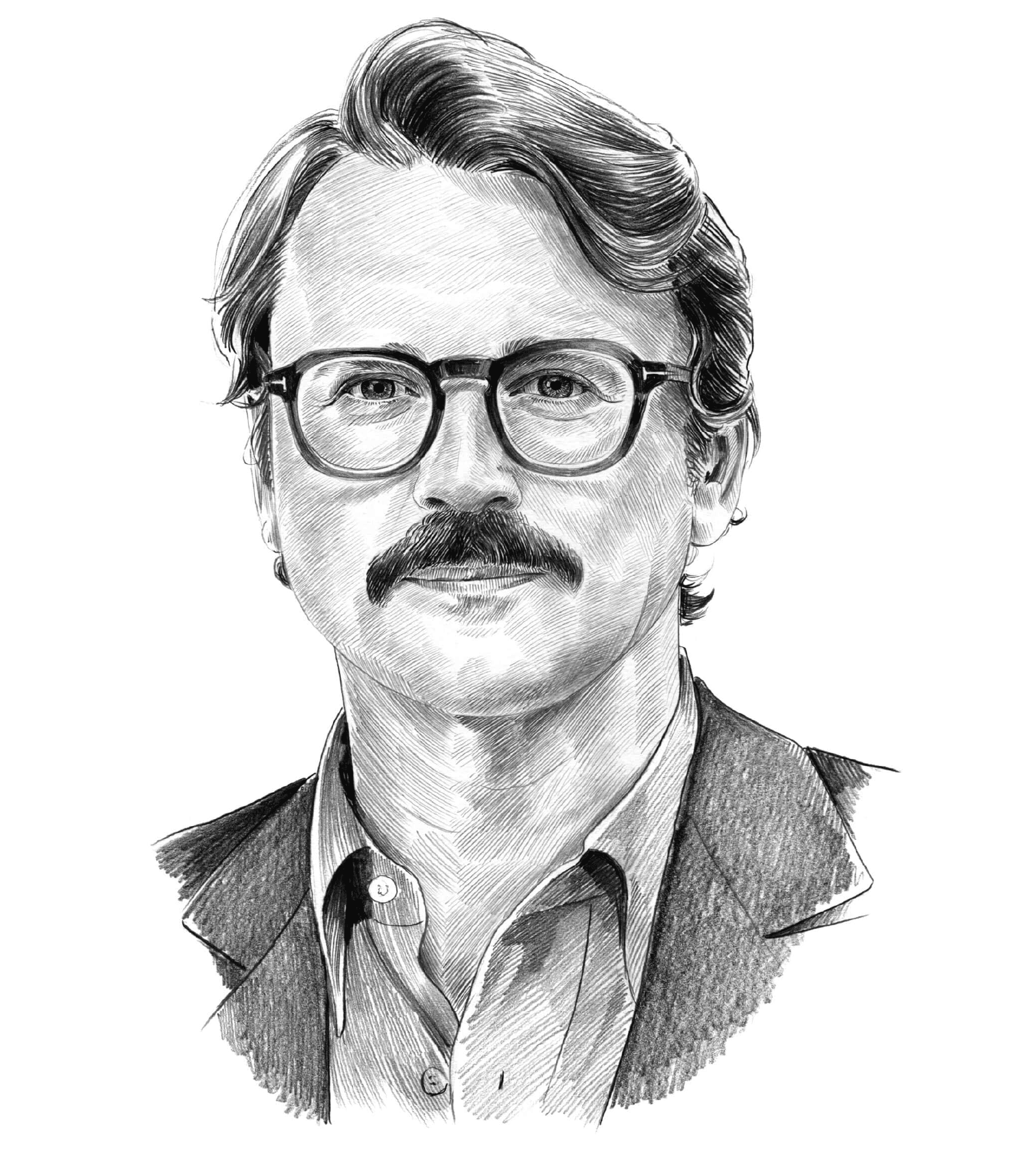
Illustration by Lauren Crow
Q: What did you particularly want to bring to your readers’ attention area through your reporting on the global clean energy supply chain?
A: I wanted to look at this industry’s global impact and what our rush for lithium batteries was doing, not just to the environment, but to the communities where the minerals that went into it were mined; and what it was doing to our societies and our larger supply chain issues. I thought it was very important to find people on the ground, especially in countries like the Democratic Republic of Congo (DRC), but also Chinese traders and western businessmen, not just to add flavor to a larger story but to actually tell their personal stories.
That includes people such as Odilon Kajumba Kilanga, the Congolese artisanal miner who’s at the heart of the story. His story is so tragic because he got involved at a very young age in artisanal mining — the practice of mining by hand. By the age of ten he really wanted to get out but he remains trapped in the cycle. Finding somebody like him who could articulate what I was hearing over and over again was central to what I was doing.
| BIO AT A GLANCE | |
|---|---|
| AGE | 36 |
| BIRTHPLACE | New York, NY, USA |
| CURRENT POSITION | Freelance Journalist |
Why is it that some people in countries like the DRC are benefiting from the resource wealth available in their countries, yet it hasn’t created broader prosperity for most of society?
This is known by economists as the resource curse — the idea that some of the wealthiest countries in the world in terms of resources are at the bottom of the spectrum in terms of poverty.
In a country like the DRC the problem is corruption. It’s a daily, grinding level of corruption which affects people, from the person going out to do their shopping who gets pulled over by the police and hit up for a bribe, to the president who steals an election, to mining contracts that sign away billions of dollars in order to benefit somebody who then siphons the cash into a South African bank account.
| MISCELLANEA | |
|---|---|
| RECENT READ | The Twilight Zone, by Nona Fernandez. An excellent and wrenching read. |
| FAVORITE FILMS | I am a big fan of Fellini, and love 8 1/2. And Tony Scott’s Spy Game has to be tied first place. |
Obviously corruption affects many different countries, but it can happen especially in resource-intensive countries that have assets that are easily fungible. People take advantage of the lack of rule of law and institutions, and often act with impunity. We’ve seen that both on the battlefield, with various different militia leaders getting off; but also in the economic field, where people steal vast amounts of money and then manage to flee, or to continue living very luxurious lives, despite being indicted for pretty intense criminal activity.
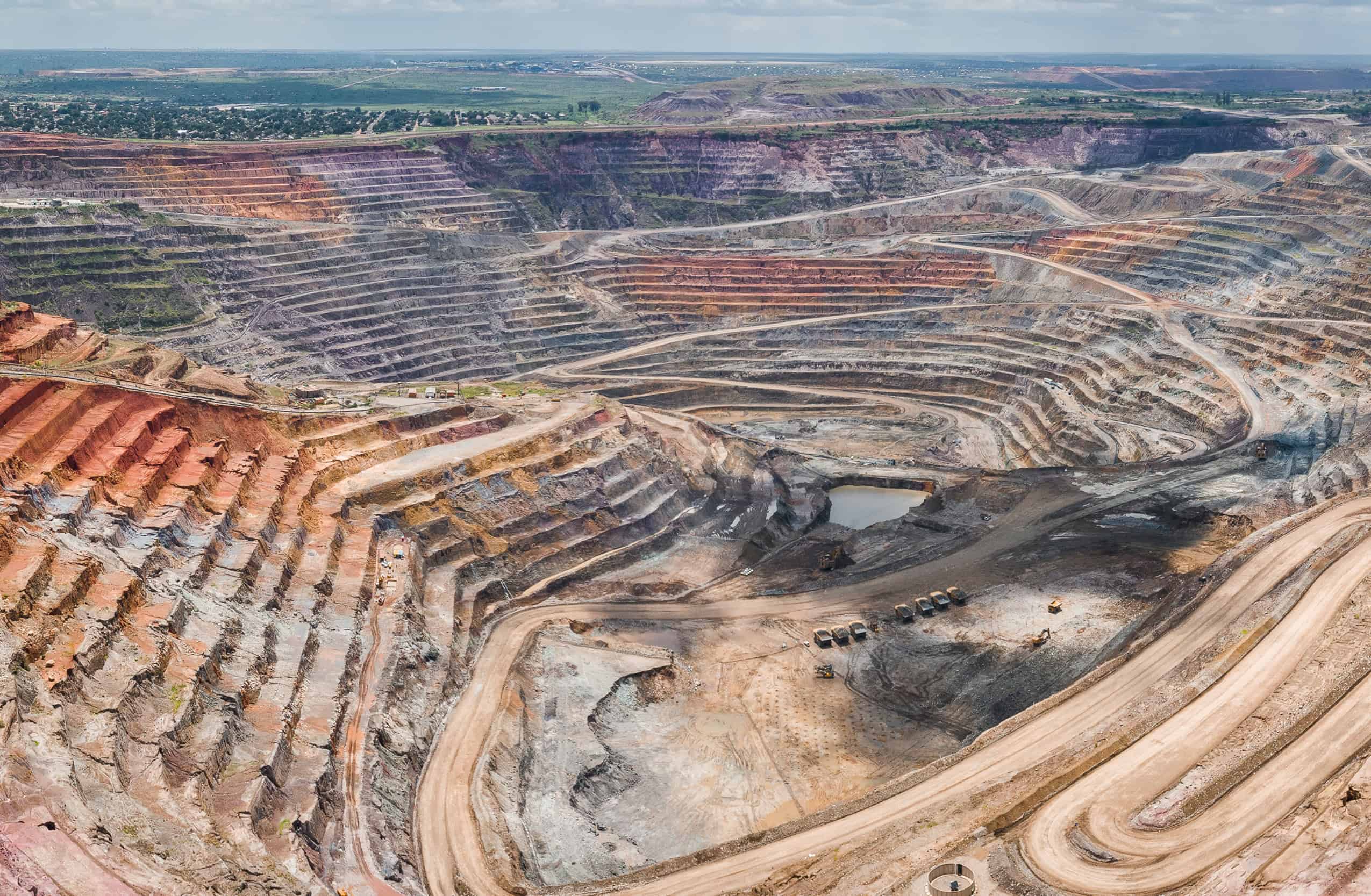
That said, this puts excessive blame on the politicians of the DRC: that’s only half the story. The other half is the extractive logic that is rooted in colonialism, and the history of the way that other countries act towards the DRC and other resource-rich countries. People from outside of the country want to go and take the resources to which they think they are somehow entitled. Often they do deals with the leadership in [the DRC’s capital] Kinshasa, completely ignoring the facts on the ground for people in the Katanga region [where most of the DRC mines are situated].
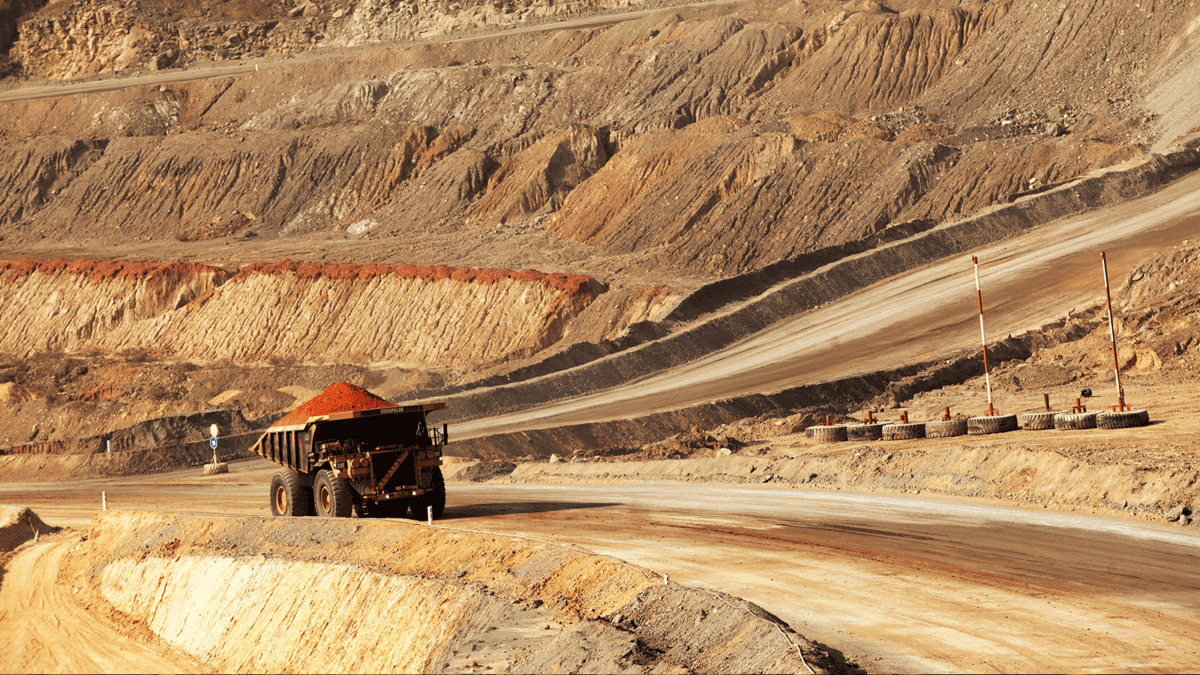
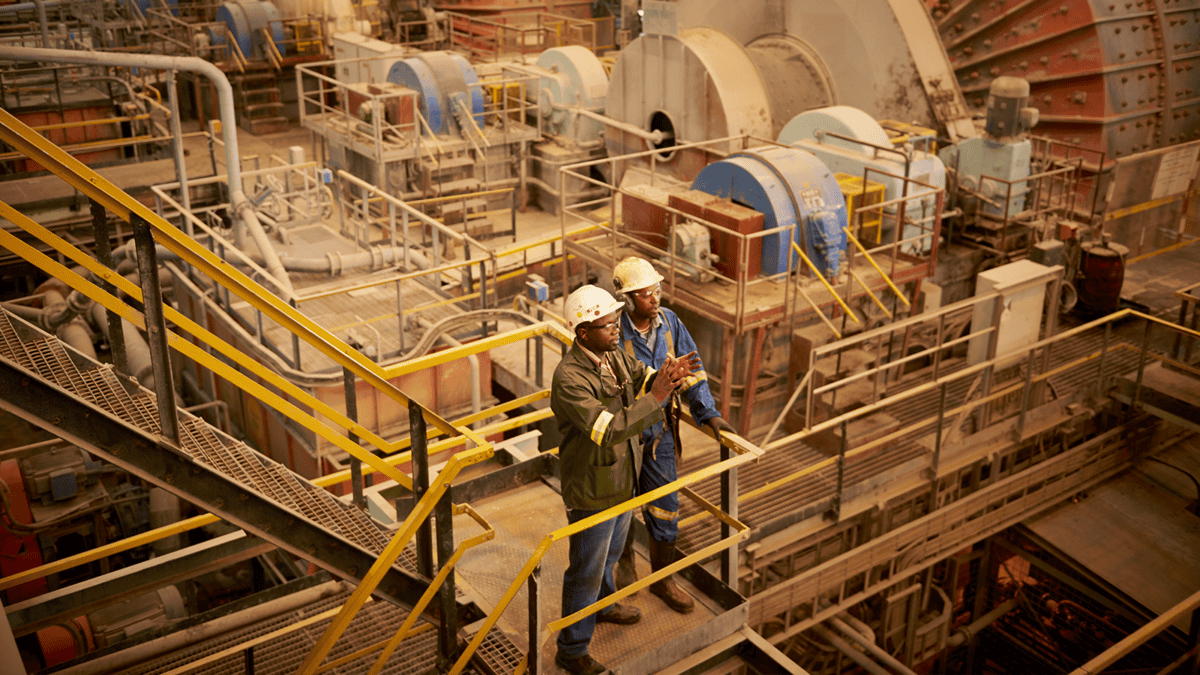
An open pit mine and facility in Kolwezi, in the DRC’s Katanga region. Credit: Kamoto Copper Company
This is almost a textbook example of the resource curse. It’s being repeated again and again — even in the critical minerals deal that the United States signed with DRC on December 4. It really looks like people in the regions are going to get left out, while there’s going to be a big fat take for the people at the top.
You can blame that on politicians, but you also have to blame that on the countries that are approaching DRC only through the lens of its resources.
It seemed to me from reading the book that for much of the last couple of decades, countries like the U.S. and more risk-averse mining companies had avoided engaging with the DRC. Into that vacuum there stepped a cast of rather shady characters that you write about, as well as Chinese interests. Is that a fair depiction?
I would add that companies down the supply chain, like Apple or Tesla or others that are using batteries, use the Chinese as a kind of insulating layer. For them it’s very convenient that there are Chinese companies out there mining cobalt and whatever. Because they can say: Look, we can’t do anything, it’s where the minerals come from, we can’t get them from anywhere else, and we really have no way of checking on Chinese mining practices.
For many years this allowed for Apple, for example, to buy from one of the companies that does buy from artisanal miners and child miners, which is [China’s] Huayou Cobalt. The focus has always been on the Chinese miners, and much less on the companies that are buying from them. The Chinese suppliers give these companies a convenient way of just saying it’s somebody else’s problem.
China’s engagement in Africa dates back well beyond the current era. What continuities have there been in its approach?
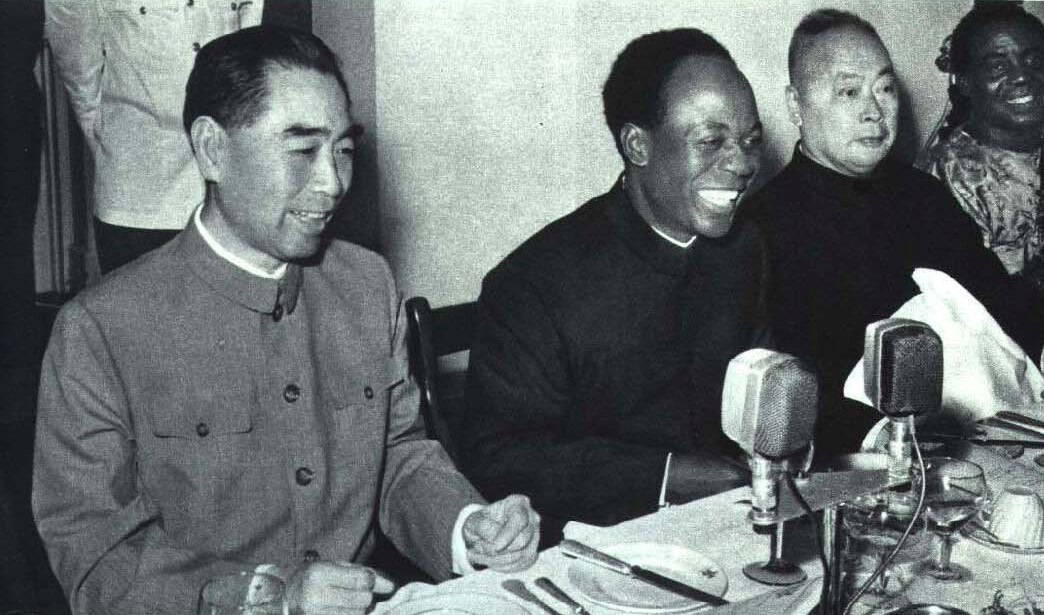
China’s history in Africa has been complicated since Mao took power in China. Many Chinese people that I spoke to said that they still believe in [former Chinese premier] Zhou Enlai’s principles outlined in a 1964 speech in Ghana, that China’s aid was about helping Africa to develop and never repeating the colonial model. People still believe that China is in Africa to help primarily, and not to make a profit.
But even in the 1960s and 1970s in the DRC [then known as Zaire], there were massive reversals in Chinese policy. They started by supporting Maoist rebels in the east of the country: but when it turned out that they had been defeated, they very quickly endorsed their opponent, Mobutu Sese Seko, a hyper corrupt, but very charismatic and very capitalist leader [Mobutu ruled Zaire from 1971 to 1997]. So even early on the ideological aspect to their aid was somewhat limited by pragmatism.
| MISCELLANEA | |
|---|---|
| FAVORITE MUSIC | I am very varied in my music tastes. I love Congolese music, and the music of TPOK Jazz, and also the music of 1970s Angola, especially the tracks collected on the Rebita album. |
| MOST ADMIRED | Manto Mavrogenous. And anyone who has borne the burdens of life and emerged as a good person at the other end. |
At that point China’s interest was less to do with minerals; it was trying to get a foothold in Africa for geopolitical reasons. But by the 2000s, the U.S. and Europe had started retreating from Africa, a move that coincided with [former Chinese leader] Jiang Zemin’s ‘China going out’ policy. That led to lots of small-time Chinese traders going out into countries like the DRC, setting up small businesses. Huayou Cobalt is a very good example of this. It went to the DRC in around 2003 and set up small artisanal cobalt mining and processing factories, and then developed them into much larger businesses.
Soon the state became involved in various countries around the world. In the DRC it was marked by the landmark 2007 resource-for-infrastructure deal, a $9 billion deal that got revised down to $7 billion, which provided for a murky state-private partnership with the DRC government to extract from one of its richest cobalt mines, called Sicomines. That deal has been renegotiated again and again.
The image that many will have of China’s role in the DRC is that it is state-driven. But you also write about the many Chinese who are working in the country under their own steam. What was your overall impression of how Chinese interests operate there?
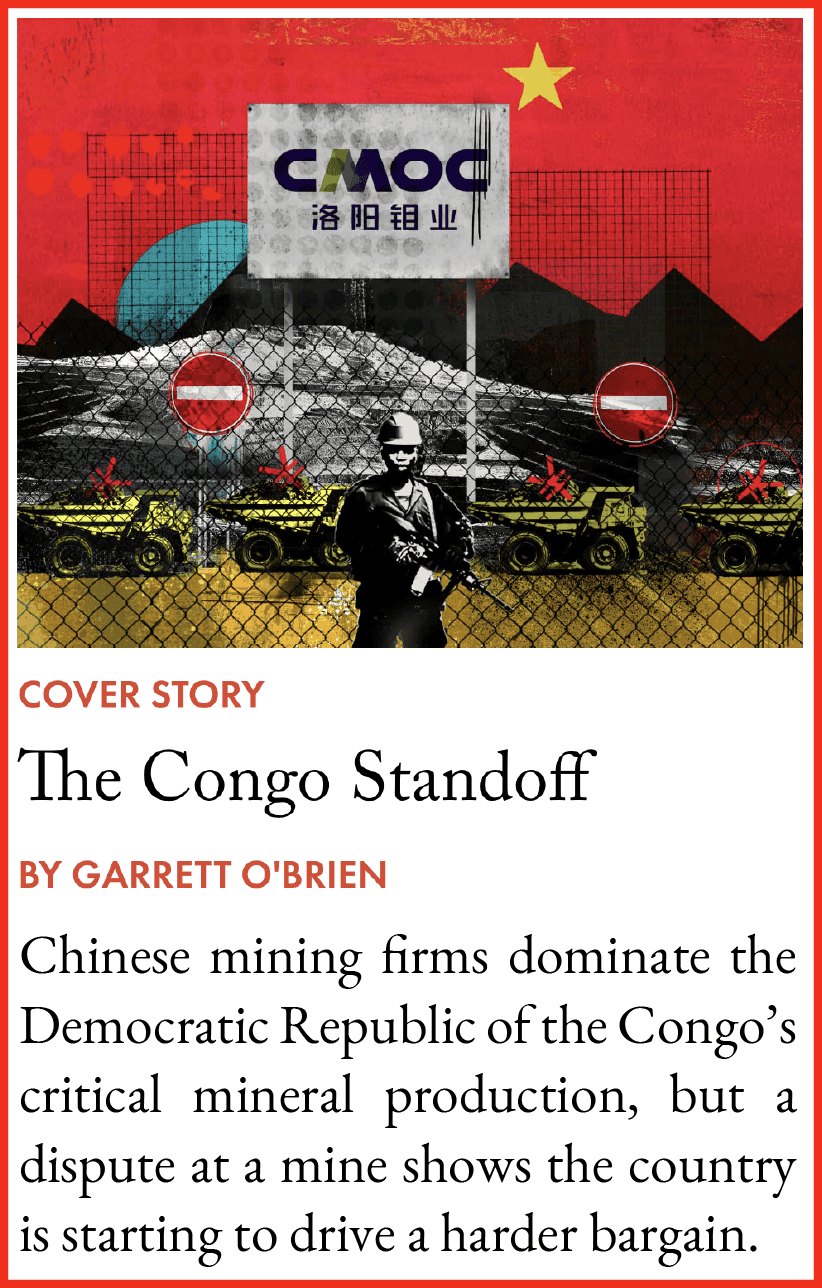
When you think about Washington and the American government, a lot of what happens is driven by personalities and lobbying companies and so on. What is government policy one day is not the next. I was surprised to find out that with China it was pretty similar. Large money interests seem to be able to dictate policy in Beijing, or at least to guide it, especially when it comes to countries outside China.
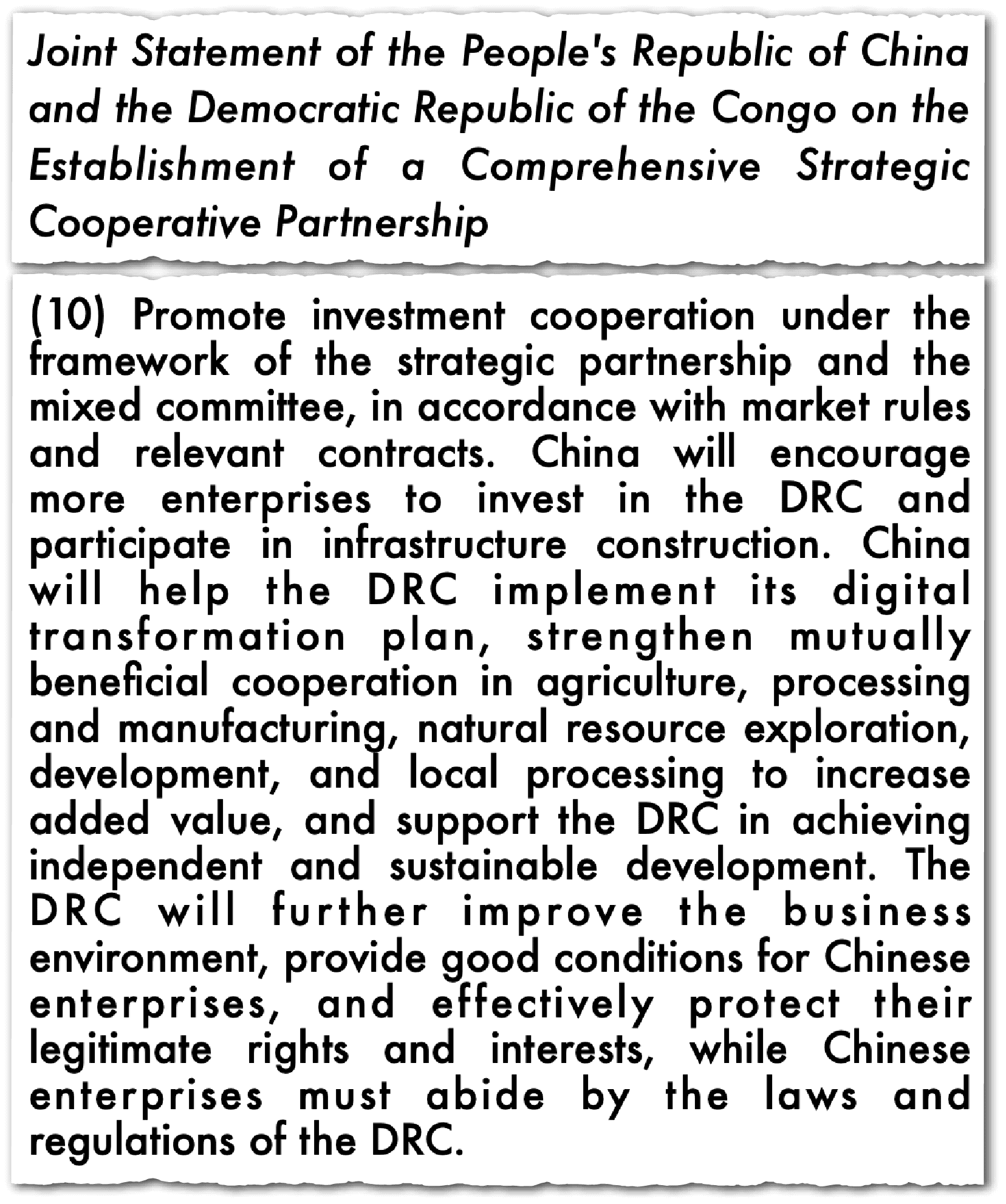
I made one trip to China for this book during which I met with officials from the China Development Bank and the National Development and Reform Commission [China’s economic planning body]. They essentially thought of their strategy towards Africa and other nations to which they were lending as a development strategy, again in line with that 1964 Zhou Enlai speech.
With electric vehicles, Mao himself talked about wanting people to ride on electric bicycles. Xi Jinping has also clearly wanted to electrify the nation’s vehicles, and that has been a top-down state policy, with banks giving low-interest loans to Chinese companies developing Chinese vehicles, to build a battery industry, and to go out and explore for minerals in countries like the DRC.
You see the ambition in a figure like Chen Xuehua, the founder of Huayou Cobalt, a guy who had a little factory in his backyard where he was refining metals with a buddy of his, which he then grew into a multinational metals conglomerate — not just through his own considerable business acumen, but also through massive injections of state money. He’s a member of the CCP, obviously, and has close connections there.
So there has been a combination: these businesses had to be there in the first place, there had to be the germ of a BYD, or a factory in somebody’s backyard as with Huayou. But then the Chinese state apparatus came in and made these businesses a priority. There is a massive amount of funding behind all these success stories.
How do the Chinese manage and mitigate the political risk that has led some companies and governments in the West to steer away from the DRC?
I don’t know that they entirely avoid what others seem to fear. A lot of Chinese people are treated very badly in DRC. Chinese workers on artisanal mine sites are often burned, their equipment is wrecked and they’re beaten up and killed or tortured. There’s no love lost between the Congolese people working in these industries and the Chinese. A Chinese guy that I interviewed who worked in Kolwezi, a big mining town, told me ‘these people are crazy, they’ll just as soon burn you as be your friends’.
What China has done better than the West is to absorb these risks and look at them as a cost of doing business. The Chinese in many ways are more resilient. At the same time, it has to be said that settling disputes with suitcases full of cash is not out of the realm of normality for many of these businessmen, and was very much the way of doing business in China until not too long ago — and one could argue still today. Chinese businessmen who I interviewed would say, “Look, I was able to work in Congo because we saw that this level of development is very similar to what we grew up with in China. We understand how to deal with this kind of thing.”
There’s a lot of criticism in the West that China is also prepared to ignore things like human rights abuses and the use of child labor. Is that criticism fair?
But everybody seems to be ignoring it. The real answer is that the blame gets put on the Chinese, and that’s certainly true. But I don’t think anybody’s really focusing on child labor, or artisanal mining and so on.
Occasionally there’s a story that kicks up a stink. My effort was to show how interconnected all these things are, to give people the information. But all indications are that business continues as usual, and that people are not keen to change their supply chains because that comes with a certain cost. China is an integral part of Western supply chains. So I would say that Europe and the U.S. are just as culpable.
In the long run creating a more ethical business environment in these countries is surely a goal worth promoting, rather than an all out resource grab which at the end of the day will suit the Chinese political system much better than that of the U.S.
I don’t want to say it’s all about colonial history but there is a certain legacy that needs to be reckoned with. The West hasn’t done particularly well with that anywhere in Africa. And the DRC has one of the most brutal legacies. So, yes, China has not been a perfect actor, but at the same time, people in glass houses shouldn’t throw stones.
Is there a way for the international community to come together to improve standards, or is that pie in the sky?
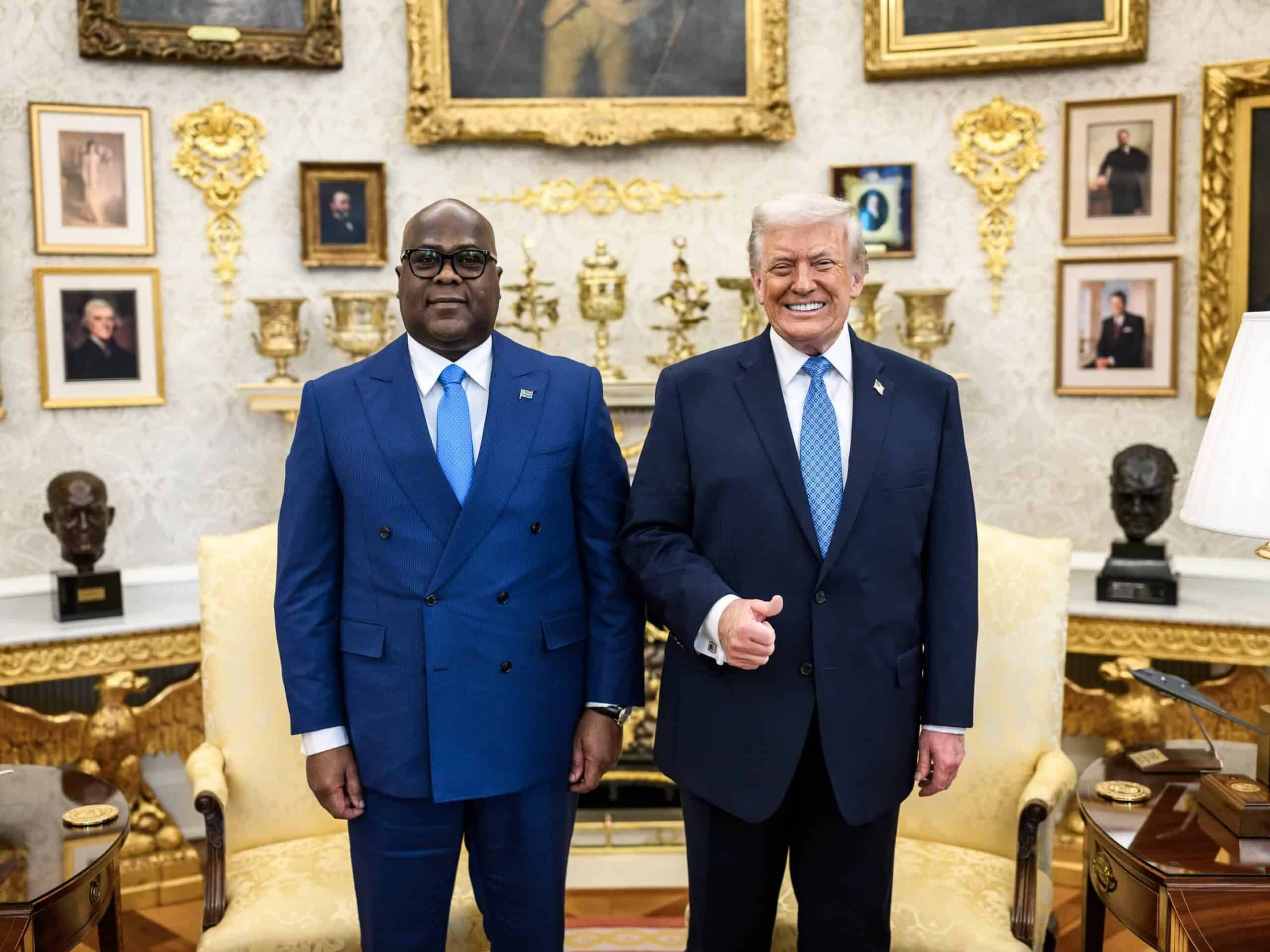
Not certifying corrupt elections in the DRC is key. It’s very clear that the last two elections had more than irregularities: The 2018 election was very clearly stolen and the 2023 election had incredible amounts of voter fraud. When the U.S. State Department, within a couple of days or a week, turns around and says congratulations to the new president, and European governments follow suit, that undermines the rule of law at a fundamental level. Insisting on free elections, election monitoring is very difficult and expensive, but it would be a solution.
Continuing sanctions on the likes of Dan Gertler [an Israeli businessman who has made a fortune with mining deals in the DRC thanks to his closeness to its leaders] and others who have engaged in corrupt activity is very important. There are initiatives like the European battery passport initiative, where they’re trying to certify each battery and show where its minerals came from. That’s great, although the question is who’s inputting the information and how do you verify it? If you manage to answer those questions that could also do some good.
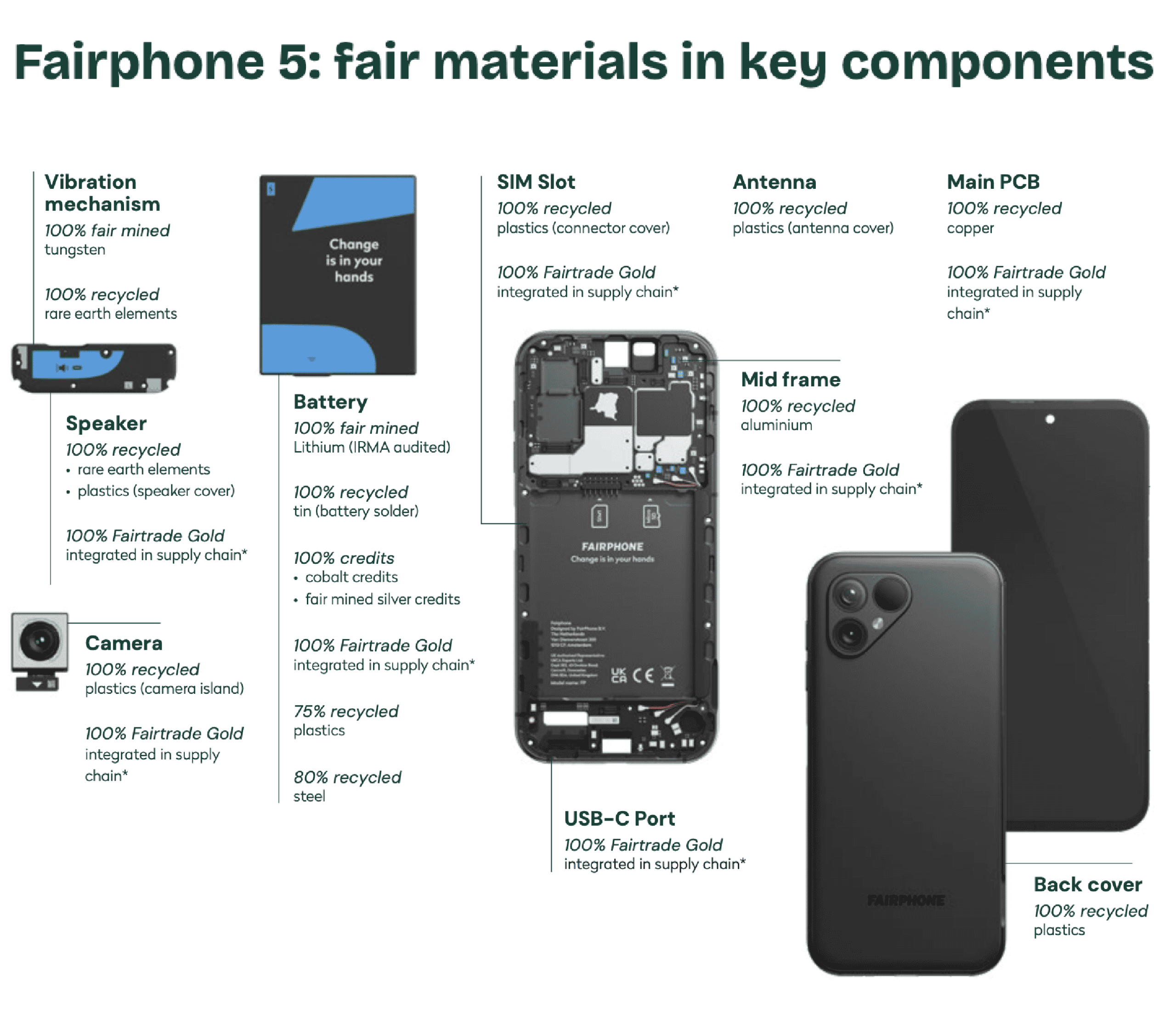
Consumers should also look for products that come from sustainable battery manufacturers. There are things like the Fairphone smartphone, which insists on using cobalt that’s ethically sourced. Individuals showing companies that they care about these issues is a very important first step. There’s quite a lot that one can do even if one’s not ready to stand outside an Apple store and protest.
I should make it clear I’m in no way against batteries. I think that electric cars are magical. It’s great to have all these devices, computers, telephones. The problem is that the supply chain needs to be cleaned up.
Some companies have changed. Look at Glencore, a [UK-listed] mining company with a checkered past, that has paid fines for all kinds of corruption. They have now really put sustainability and environmental protection at the center of their mandate, and they have reinvested a lot into the community where they operate in the DRC. I came into this story with the idea that Glencore was this big bad company. They definitely made mistakes in the past, but they’ve also made an effort to create something lasting and enforce standards in the DRC. That shows that things can be done both by companies, by people and by states.
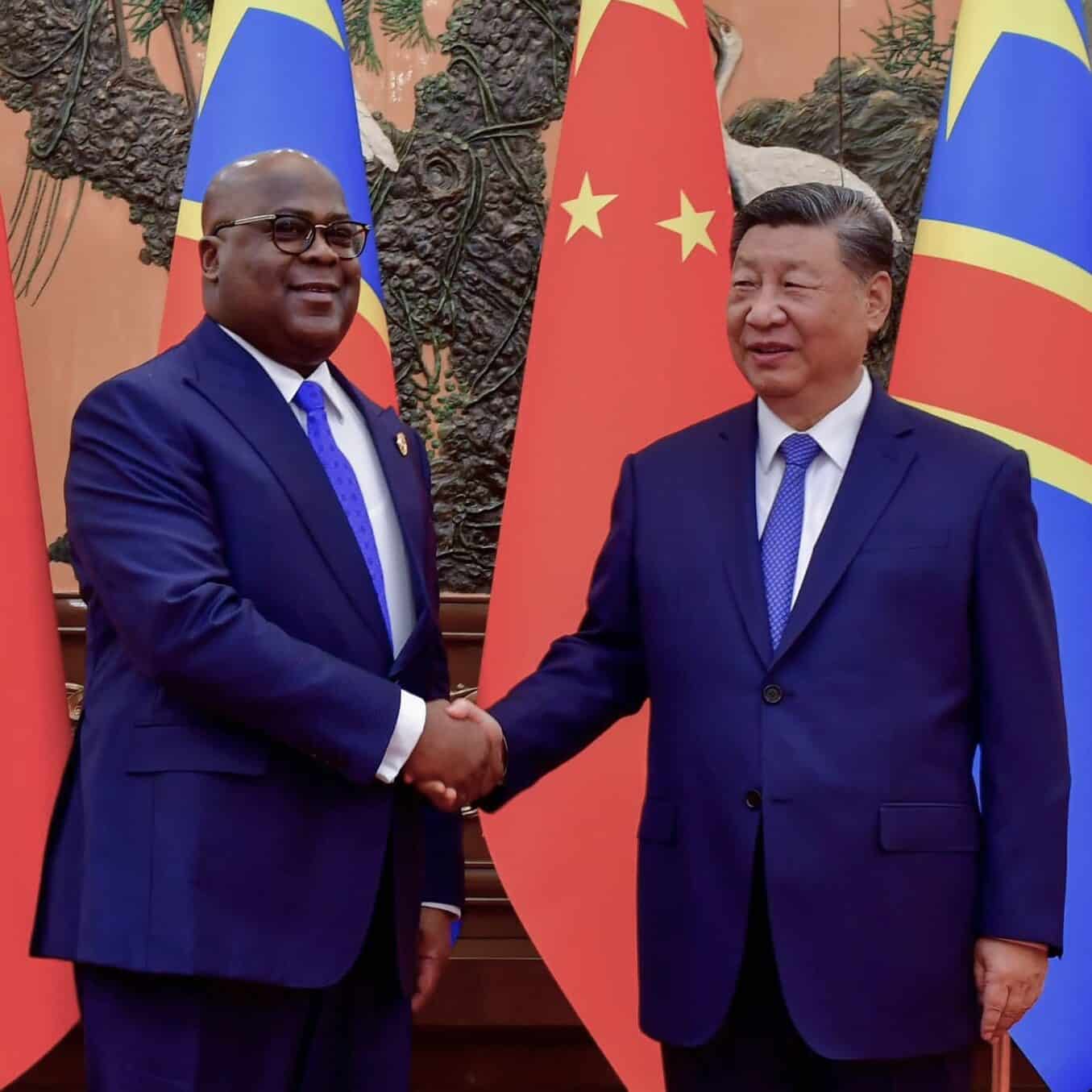
A cynic might say that if Western nations put more pressure on countries like the DRC over things like child labor, they will just deal more with Chinese companies, handing the advantage to China.
China already has the advantage. That’s the long and short of it. China had the advantage when people didn’t care about these issues. So what would be the loss of advantage if these issues were raised? China is the DRC’s largest trading partner and Indonesia’s largest trading partner. The advantage is already there so there’s no need to feel like you’re going to lose out from these kinds of policies.
If you were to help create a better situation for the rule of law in countries like the DRC you would have a better business environment in which countries and companies could thrive, and not just those backed by massive infusions of Chinese state money. In the long run creating a more ethical business environment in these countries is surely a goal worth promoting, rather than an all out resource grab which at the end of the day will suit the Chinese political system much better than that of the U.S.. I don’t think a more hands-on policy would lead to more Chinese dominance, because in a way China has already won in Africa.
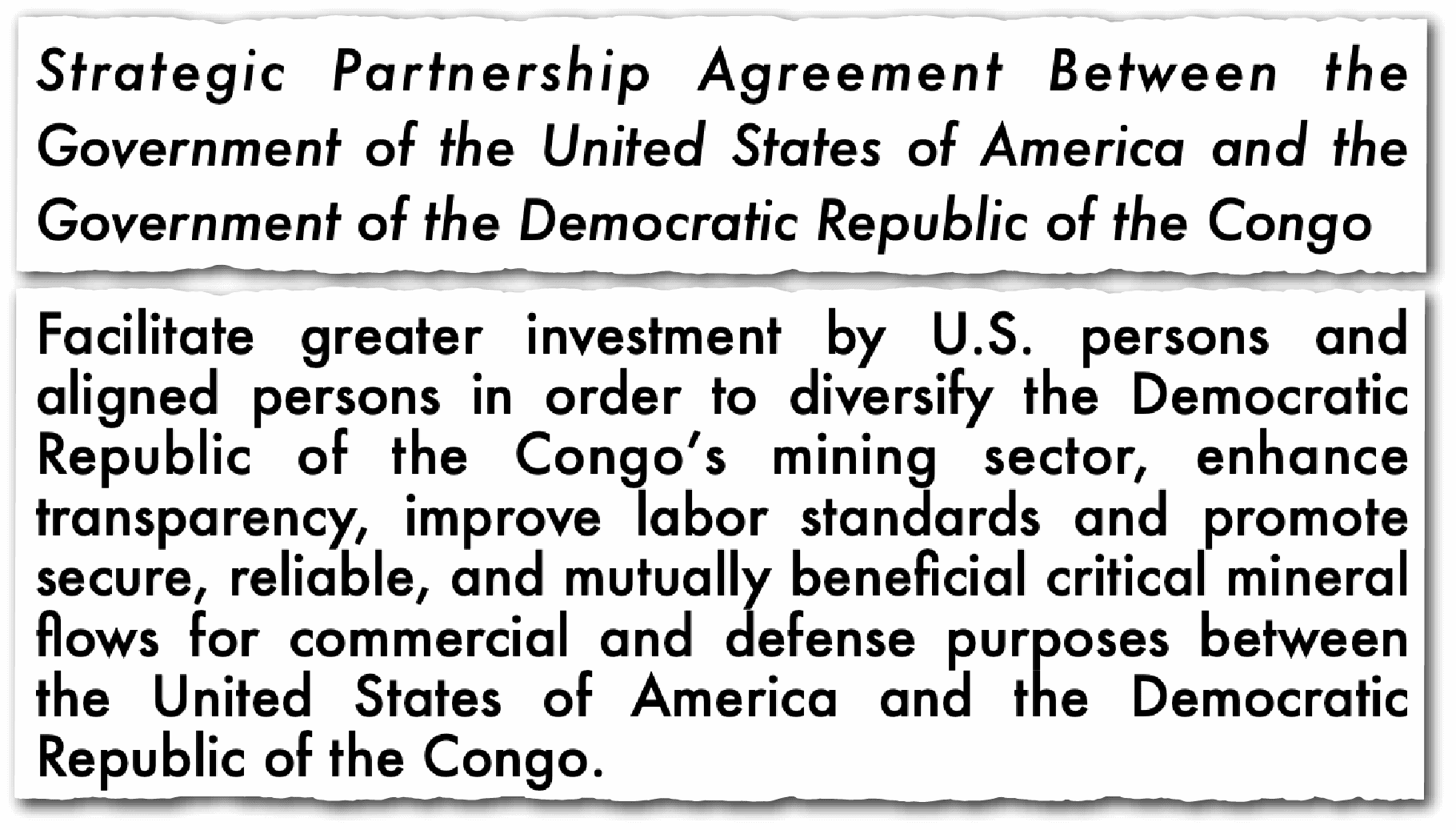
Under Biden and the second Trump administration, we have seen the U.S. attempting more of an industrial strategy — albeit in slightly different ways — to align companies with national security goals in a way that wouldn’t be entirely out of place in China. Do you think that’s a sensible way for the U.S. to go?
Certainly we’re seeing former U.S. military people getting involved in Congolese mining, ex-special forces. I would say that we’re seeing the national security state coming to the fore in the U.S.. It’s a very recent thing and it echoes some things that happened in the Cold War.
So are we in a new Cold War in Africa? We’re not there yet, but we’re moving towards that point. I assume that some of the conversations being had in Washington at the moment are about how we were able to muscle it out last time, so why not again this time?

The difference is that China has invested in research and scientific development in a way that the U.S. is not doing. Research on alternative technologies is almost entirely led by China. Let’s not forget that with lithium iron phosphate batteries — for which part of the supply chain comes from the Western Sahara — BYD is the leader. From all indications the biggest leaps forward in battery technology are coming out of China at the moment.
If the U.S. wants to compete, it would have to also invest heavily in research, design, education and so on. This is not something that we see happening in any kind of massive way. In fact, we’re seeing universities being defunded, and higher education under attack for political reasons. Scientific research is suffering in the U.S. because of these all out assaults.
…unless the U.S. invests heavily in factories and processing plants, these kinds of ‘boring’ things that are not as exciting as going into the DRC and taking over mines, all of this means nothing because you have to process these materials in China anyway.
So I don’t think this is the way that people in Washington are thinking under this administration. They’re more likely to want to jump into Congo and muscle it out to try and get control of the mines. That’s kind of stupid if you think about it. You can buy the minerals you need on the open market. Of course you can say prices have been manipulated by stockpiling and what have you. But actually there’s no need for U.S. companies to own mines or to own the supply chain if it works properly.
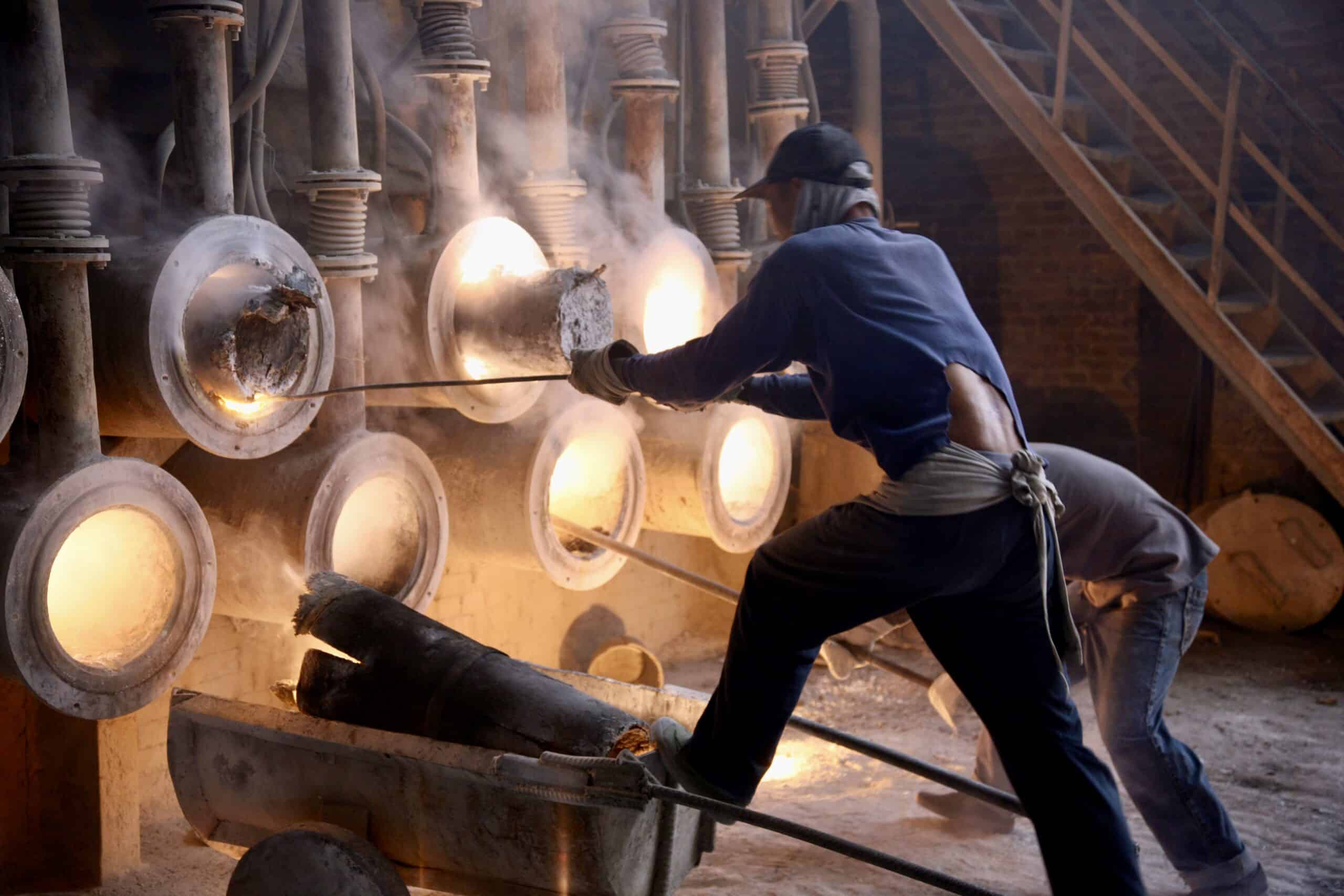
What we’re talking about as well when we talk about these things is leverage in trade negotiations and the ability to muscle out a trade war. That’s obviously very difficult to do when China can say, “We’re going to turn off the tap for rare earths or critical minerals.” Let’s not forget that China has up to 90 percent of the processing for lots of critical metals: they’re dominant in 60 of the 80 critical metals outlined by the U.S. Geological Survey.
So unless the U.S. invests heavily in factories and processing plants, these kinds of ‘boring’ things that are not as exciting as going into the DRC and taking over mines, all of this means nothing because you have to process these materials in China anyway. We’re making some effort towards developing a refining strategy in the U.S. but it’s very slow. To convince U.S. companies that it’s worth investing, it’s going to take a lot of government money and a lot of persuasion.
At one point in your reporting you were placed under arrest in the DRC. Can you tell us about that and the general process of producing this book.
I didn’t see it as a massive risk until I had guns pressed up against me. I’ve reported from conflict zones like Yemen which are much more active, and been in schools that have been hit by mortar fire, and have been in Ukraine during air strikes there. The DRC is not that kind of a frontline situation, although some places in the east could get quite hairy.
The arrest itself was obviously very harrowing but I still have a great love for the country. The DRC is actually a very inspiring place because you see people who have very little making ends meet, making things work in an almost magical way in some cases. It’s a country in which I made friends. I spent a lot of time trying to visit artists and learning about music. So, it wasn’t all difficult.
What came through to me was the strength and resilience of the Congolese people. It made me very sad when I saw what was being stolen from them, and thinking about what that country could be if it was treated fairly.
Andrew Peaple is a UK-based editor at The Wire. Previously, Andrew was a reporter and editor at The Wall Street Journal, including stints in Beijing from 2007 to 2010 and in Hong Kong from 2015 to 2019. Among other roles, Andrew was Asia editor for the Heard on the Street column, and the Asia markets editor. @andypeaps