The number of satellites is rapidly increasing, and China operates the second-most of any country.
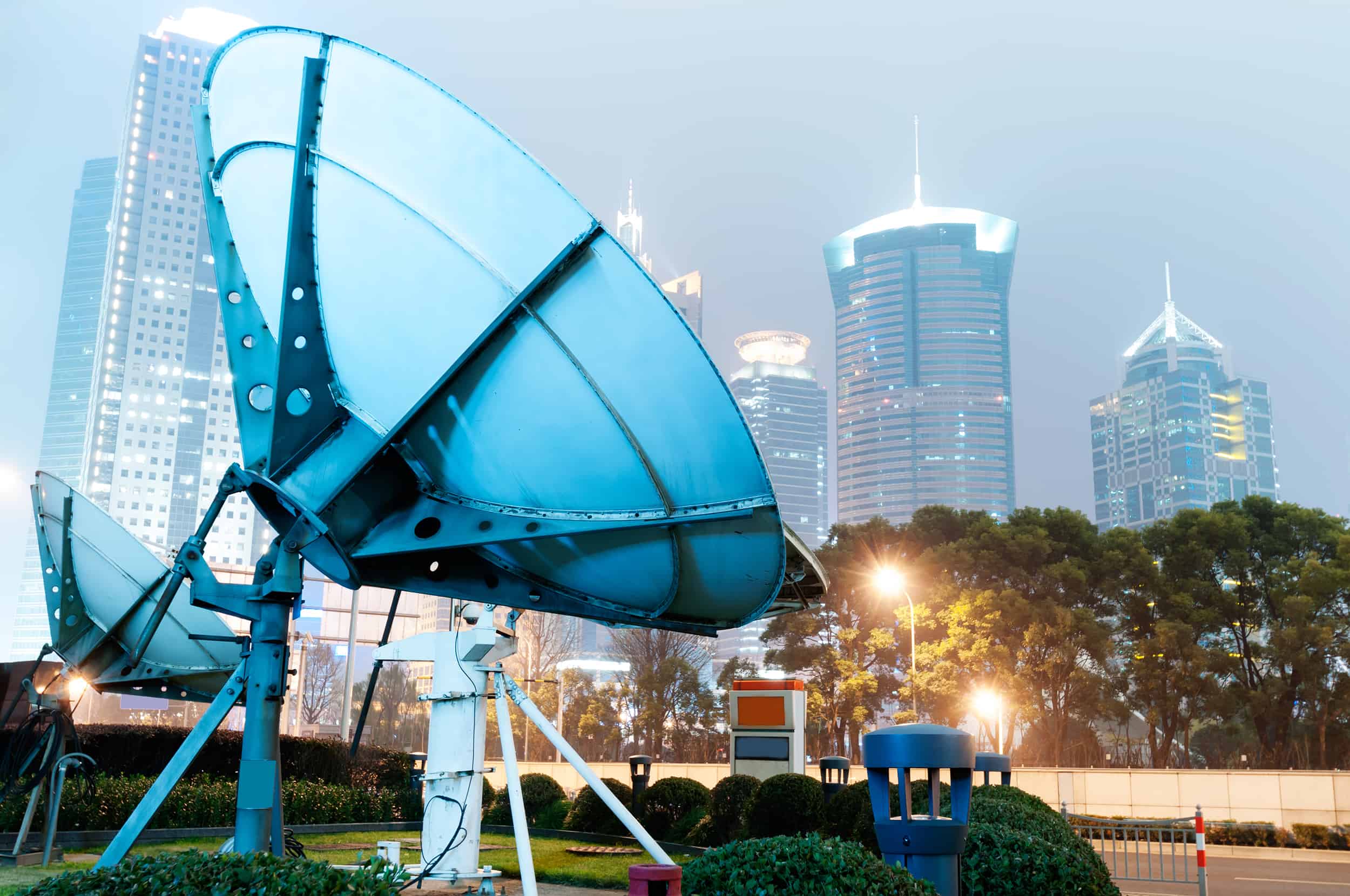
Satellite antennas in Shanghai. Credit: gui jun peng, Shutterstock
Space is getting crowded. While the U.S. still owns and operates the vast majority of satellites in space, China is the world’s second-largest operator of satellites, with most owned by the government and People’s Liberation Army. China's fleet of privately-owned satellites is also increasing as more commercial satellite companies enter the market and expand — a trend that suits China's military-civil fusion policy as it seeks to foster close ties between government and commercial interest
Exclusive longform investigative journalism, Q&As, news and analysis, and data on Chinese business elites and corporations. We publish China scoops you won't find anywhere else.
A weekly curated reading list on China from Andrew Peaple.
A daily roundup of China finance, business and economics headlines.
We offer discounts for groups, institutions and students. Go to our Subscriptions page for details.
Fish farming in Xinjiang is being sold as proof that technology can overcome geography. The reality is more complicated: a desert seafood boom built on political control, imported feed and a food system that masks its real burdens.
Sanctions and export controls failed to contain the rise of Yangtze Memory Technologies Corp. Now the national champion is riding the AI boom to a record IPO.
We use cookies to ensure that we give you the best experience on our website. If you continue to use this site we will assume that you are happy with it.