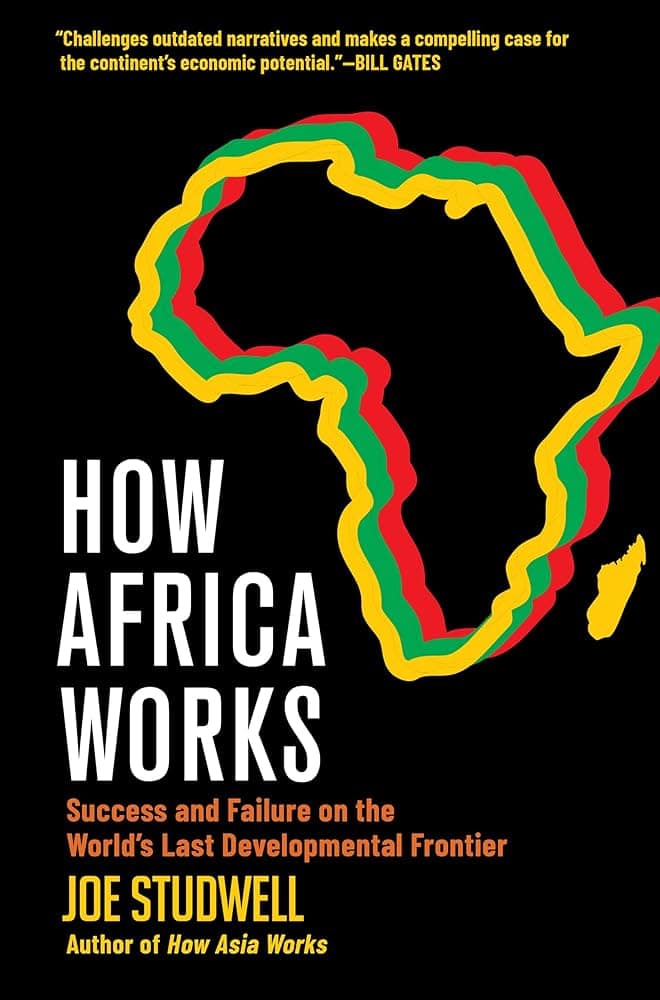
Joe Studwell’s 2013 book How Asia Works was a groundbreaking analysis of the rise of East Asia’s ‘tiger economies’, South Korea, Japan and Taiwan. In it, the British journalist and author showed how those countries had achieved success by pursuing state-led industrial and agricultural policies while limiting capital flows — a policy mix that ran counter to prevailing economic orthodoxy. In his new book, How Africa Works, Studwell takes a similar look at the world’s poorest region, and asks whether a similar policy mix could and should work there.
In a recent interview Studwell discussed the book’s main arguments and the role of China in African economies. The following is an edited transcript of that conversation.

Illustration by Lauren Crow
Q: Can you start by explaining the similarities between Africa and Asia in terms of the economic development model that they could or should be following?
A: Broadly the same policies that worked in East Asia have worked in a very small number of countries in Africa that have developed quickly. The first element is the same emphasis on smallholder agriculture and achieving an agricultural surplus, so that there are broadly distributed gains across society, meaning that essentially everyone’s in the capitalist game.
A second factor is the role of manufacturing and manufacturing policy. That has been important in the small number of countries in Africa that have so far undergone rapid development. And a third factor is financial controls, or what is sometimes called financial repression. The objective of that is to trap money in your country so that you can deploy it for domestic development, rather than letting it run off looking for higher returns elsewhere.
These policies are the connection between the small number of successful African countries and East Asia. But the context is massively different.
| BIO AT A GLANCE | |
|---|---|
| AGE | 58 |
| BIRTHPLACE | Bradford, Yorkshire, England, UK |
| CURRENT POSITION | Senior Visiting Fellow, Overseas Development Institute (ODI) |
The striking thing about How Asia Works was the way it challenged the so-called Washington consensus — that free markets and free flows of capital are what developing countries should adopt. You pointed to the fact that state involvement and capital controls helped development in the countries that had success in Asia.
Where the state is sufficiently capable, it plays a big big role in developing countries, because you don’t have a developed private sector that can do things on its own. You need the state to act.
If you read the academic literature over the last 50 years, most of it will tell you that it’s been governance failures — corruption, kleptocracy, civil strife, particularly ethnic strife. But the book that I’ve written argues something different — that the fundamental difference and problem in Africa was demographic.
Of course, this is not just an Asian thing: it’s not just about the Ministry of International Trade and Industry (MITI) in Japan or the National Development and Reform Commission (NDRC) in China, or the planning agencies in Korea or Taiwan that took a very proactive role in framing the development of their economies. This has happened previously, with the catch-up countries in Europe, and it happened in the United States as well, going back to the 19th century. It’s a universal truth that if you do have a sufficiently capable state, it can very usefully do a lot in the early stages of development.
| MISCELLANEA | |
|---|---|
| FAVORITE BOOK | The Arabs, by Eugene Rogan. In a literal sense, magisterial. |
| FAVORITE FILM | Ladejinksy, the movie I have yet to write. |
| FAVORITE MUSIC | Folk/Hippy Shit |
| MOST ADMIRED | Harry Truman. The president who finished in D.C. and took the train home. |
In general terms, why is it that African countries haven’t been able to adopt the same kind of economic model that has worked in Asia?
If you read the academic literature over the last 50 years, most of it will tell you that it’s been governance failures — corruption, kleptocracy, civil strife, particularly ethnic strife. But the book that I’ve written argues something different — that the fundamental difference and problem in Africa was demographic.
It’s a vast continent: you can put Europe, India, China and the U.S. into Africa, that’s how huge it is. Because of its extraordinary and unique disease burden, thanks in particular to the prevalence of parasites unique to Africa, the population grew incredibly slowly for a long time. In 1960, if we take that as the start of the continent’s independence era, the population density in Africa was less than 10 people per square kilometer. For comparison, that is the same as Europe in 1500: there wasn’t much growth in Europe back then, and there wasn’t any growth in Africa for a long period after independence. This was the single biggest constraint.
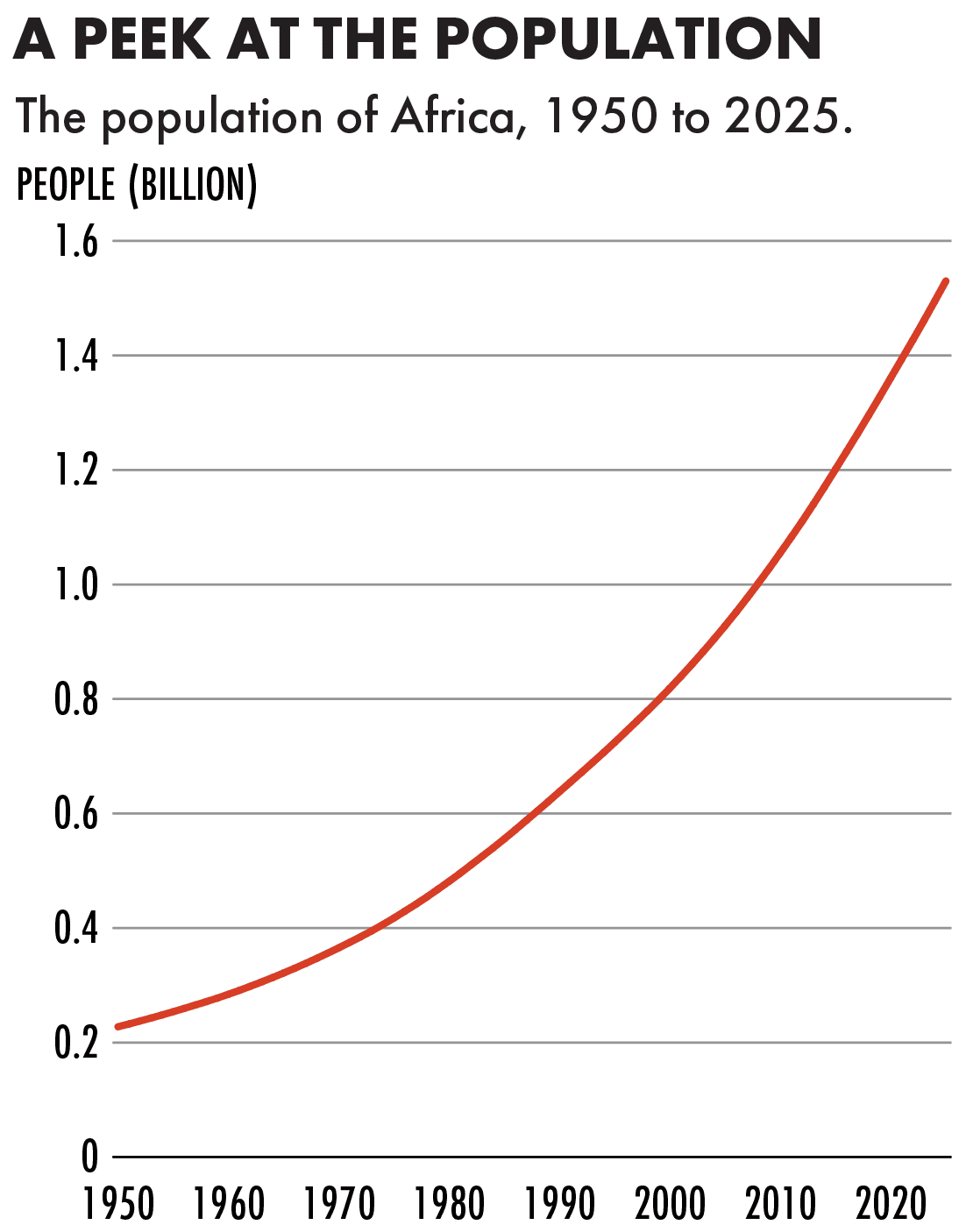
From the 1950s onwards, though, you start to get new drugs, and the development of health care services and screening for things like sleeping sickness — which still kills vast numbers of people, but not the numbers that it did. That quite quickly reduces the infant mortality rate in Africa from the 1950s. Even within that decade Africa reached the highest rate of population growth, at about 2.4 percent a year, that East Asia ever had, and it went up to a peak of nearly 3 percent a year.
So suddenly you get a massive change. From 230 million people in Africa in 1945, today there’s 1.5 billion today; by 2050 there’s going to be 2.5 billion people, and by the end of the century it’s forecast there will be four billion. That will make Africa one of two dominant demographic blocks in the world, along with Asia. So things have changed very fundamentally there.
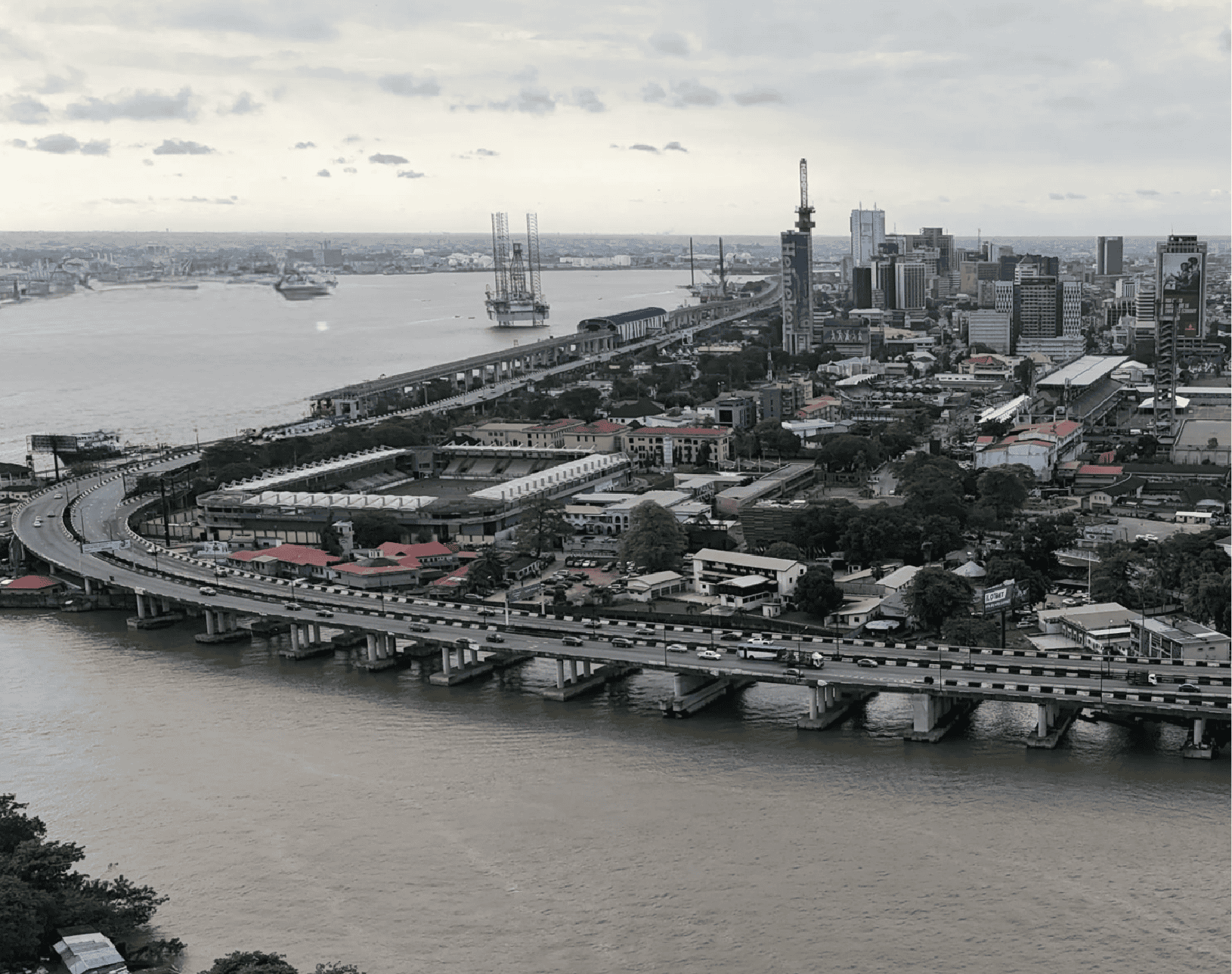
When there were 10 people per square kilometer, there weren’t big enough markets: you didn’t have enough people to buy anything that you could produce. Moreover, the costs of infrastructure at a per person level were totally unaffordable. So you couldn’t exploit the resources of Africa, because you couldn’t afford to build the roads and utilities that you would require. You don’t have enough people to have a good division of labor. And you don’t have what economists call the economies of agglomeration — you don’t have cities, apart from anything else. In 1900, Africa only had two cities with 20,000 people — Lagos and Dar Es Salaam. Given the disease burden in Africa, people didn’t live in close proximity because it increased their chances of dying from communicable diseases.

But at the end of this decade, Africa will finally be at the demographic density that Asia had in 1960 — the point when the Asian takeoff began. We can’t say precisely when it will be, but at some point you hit a tipping point where you’ve got enough people so that you can start to do things that you could not otherwise do.
The other huge problem for Africa at independence was that because there had been so few people in Africa, you couldn’t raise taxes. No colonial government, whether it was anglophone, francophone or lusophone, operated schools. They just didn’t have the money. All there was was a small number of missionary operated schools.
So when you kick off in 1960, you’ve got 16 percent literacy in Africa and 5 percent female literacy. It’s only after that point that countries started to generate literate and numerate populations, a fundamental requirement of any modern economy. Actually it’s very under-remarked that Africa did remarkably well in educating its population after 1960. Take someone like Julius Nyerere, who became the leader of independent Tanzania when literacy was 10 percent: he steps down 25 years later, and literacy is 85 percent. A World Bank study said Sub-Saharan Africa was the most rapid rollout, at the biggest scale, of a public education system that has ever happened.
So those are the huge contextual differences: those problems did not exist in Asia. There were always enough people, and colonial governments there operated schools and a reasonable share of people went to them.
Can you explain why developing smallholder agriculture is so key to development?
Smallholder agriculture has been key really for distributional reasons. If you get the situation there was in Africa where the population starts to increase almost 3 percent a year, it means that every 25 years, from the 1950s, the population doubled and demand for food tripled. Once people had a bit more money, poorer people spent half or often more than half of their income on food. It was a similar story in East Asia: demand for food went up, and then smallholder farmers started growing crops at increasing yields, and earning greater disposable income. In turn, that means that the early gains in terms of GDP growth are very broadly spread.
One outcome of this is the development of manufacturing and industry in rural areas, as happened in China. A classic example was that of the now Great Wall Motor, based in Baoding, south of Beijing. That firm was originally an agricultural repairs business, repairing agricultural machinery. It’s now the biggest producer of four-wheel drive vehicles in China.
So as agriculture prospers, parts of manufacturing and industry take off in rural areas, and all of this is very positive for development — particularly because while smallholder farmers make a bit of money, they don’t ever make enough money to be buying, say, an imported car. You get this great consumption picture where demand in the economy is for goods which can be produced locally. Farmers want cement, they want bricks, they want glass; and they want farming implements, and then they want household consumer goods, all things that can be produced within the domestic economy. It has a very positive supportive effect for domestic manufacturing.
Now in East Asia, or at least in Northeast Asia (including Vietnam), there was an almost perfect smallholder picture, because it was orchestrated by central governments with land reform measures that divided up the land equally among the farming population.
In Africa, historically there were large plantations which were operated by colonists: there were a dozen settler colonies, of which South Africa is the oldest, where white settlers came and basically grabbed the best land. The settlers tended to operate relatively large farms and they pushed the local indigenous population onto so-called native reserves, where they farmed on communal land and in small holdings.
Africa is so big and has so much cultivable land — even today, the World Bank reckons that half the unused cultivable land in the world is in Africa. The difficulty for the smallholders was that often they couldn’t get on the best land, because it had been grabbed by settlers. When the settlers were eventually driven out after wars of liberation, that land was taken over by new post-colonial governments.
But rather than giving land to the population at large, governments tended to divide it up among supporters of the regime to farm at scale. Land distribution remains a problem most obviously in South Africa. Apartheid ended in 1994, and since then still only about 10 percent of agricultural land has changed hands. They haven’t fundamentally confronted the problem.
Chinese public banks have put about $150 billion dollars of lending into Africa and that’s made a huge difference. 80 percent of the money has gone into infrastructure. It’s generally been very positive, because [China has] delivered at a cost which is significantly below what African governments would have paid to European or U.S. firms.
However, the more important picture to grasp around Africa at the moment is that suddenly you’ve got nearly 40 cities with more than a million people, and scores more with over half a million. You can go to the periphery of any of these cities and where the city meets the first fields, look at how food is being grown. You’ll find classic smallholder-type farmers who have dug bore holes, who are irrigating their fields, so they can get a couple of crops of vegetables or of rice or whatever. They’re feeding into urban markets that are reliable sources of demand, of a kind that just was not there 20 years ago, and they are making thousands of dollars per hectare from their cultivation. This higher yield farming is going forward without any real government involvement: it’s down to a response to demand and the entrepreneurialism of the farmers.
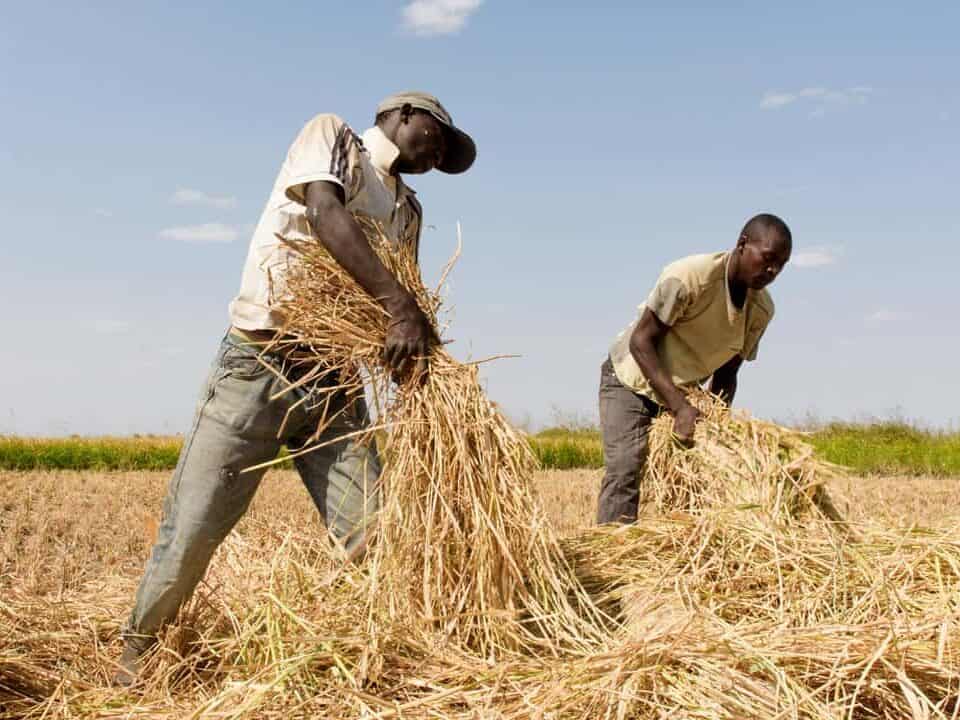
Often these smallholders have other jobs in the cities. Just to give you examples of the people I met in northern Tanzania: one guy was a senior manager at the country’s driving license agency, farming on the side because it was profitable. Another guy farming tomatoes was a senior policeman. The money to be made in agriculture is sucking in a lot of urban entrepreneurs.
What has impeded Africa’s manufacturing sector to date and what are its prospects now?
Again, I think demographics are key. You need to have sufficient demand and sufficiently concentrated demand for products, because that helps you get through the learning experience with manufacturing.
It’s still early days, but both for consumer goods and the manufacturing that surrounds agriculture, there’s a lot going on. There’s not yet much going on for exports to the rest of the world, although there are signs of export growth within Africa — a lot of products produced locally are relatively more competitive within Africa because of logistics costs.
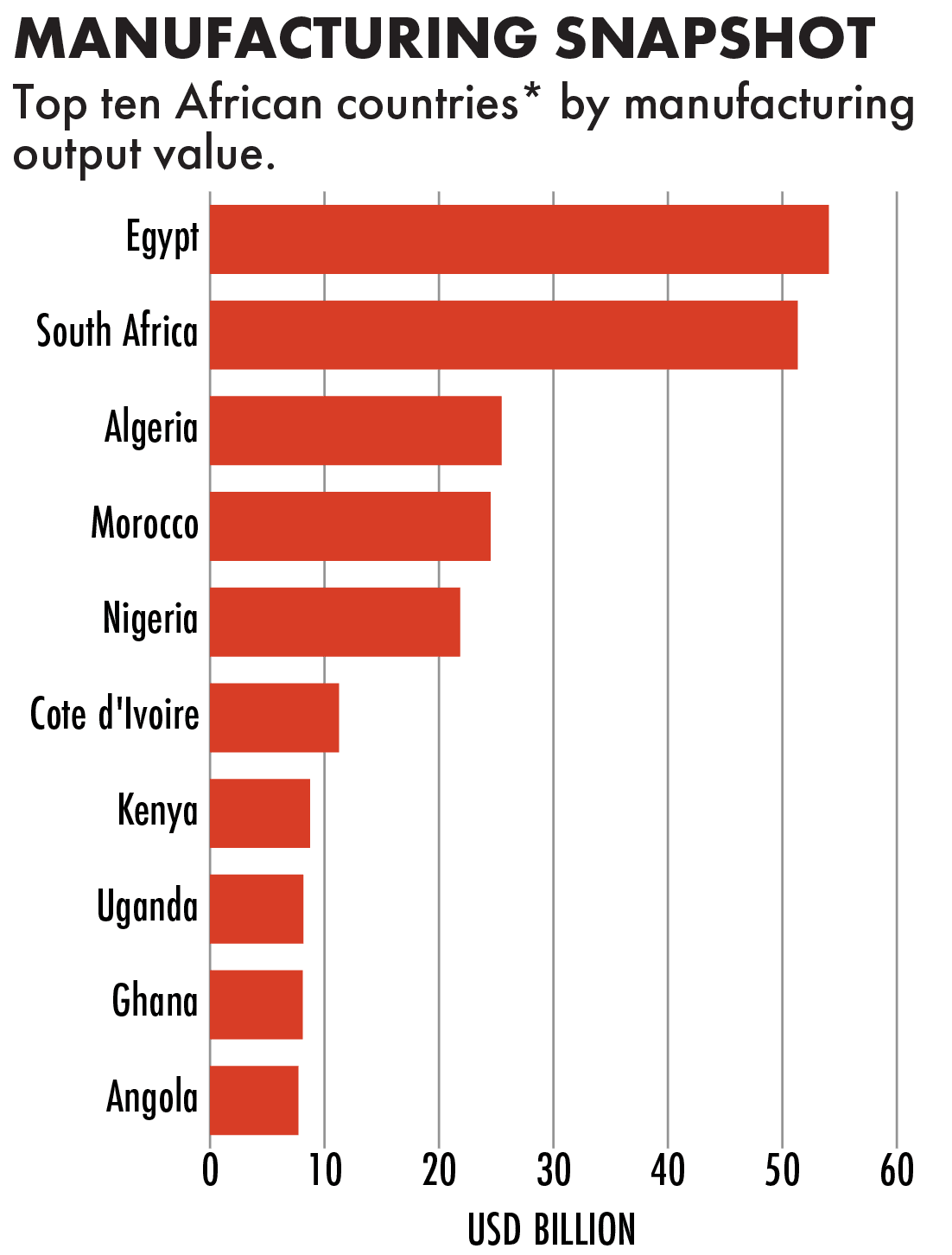
The leader in terms of where manufacturing investment is coming from is agribusiness and agricultural processing, because of the growth in consumption of processed foods in Africa. The money in agribusiness is such that conglomerates are developing, which are somewhat similar to the conglomerates that we saw in the development of Southeast Asia coming out of agriculture — like CP Group in Thailand, which was a seed business originally, or Salim Group in Indonesia, which dominated noodles.
The Bakhresa Group in Tanzania, for example, is in about 10 countries now: as well as milling they do everything from petroleum products to real estate and they’ve even got a football club and a TV station. It would not look out of place in Southeast Asia.
Do African countries have an opportunity to take a larger market share of global manufacturing?
It’s possible. When you look at the most labor intensive activities, garmenting is the most obvious sector where labor costs are decisive. Factory labor in China now costs around $6-700 a month per employee; in Ethiopia or in Madagascar, where there’s a garmenting center that employs a couple of hundred thousand people, it’s $60-65 a month. If port-road connections and shipping can be put in place, and the country can remain politically stable, then this can certainly be attractive.
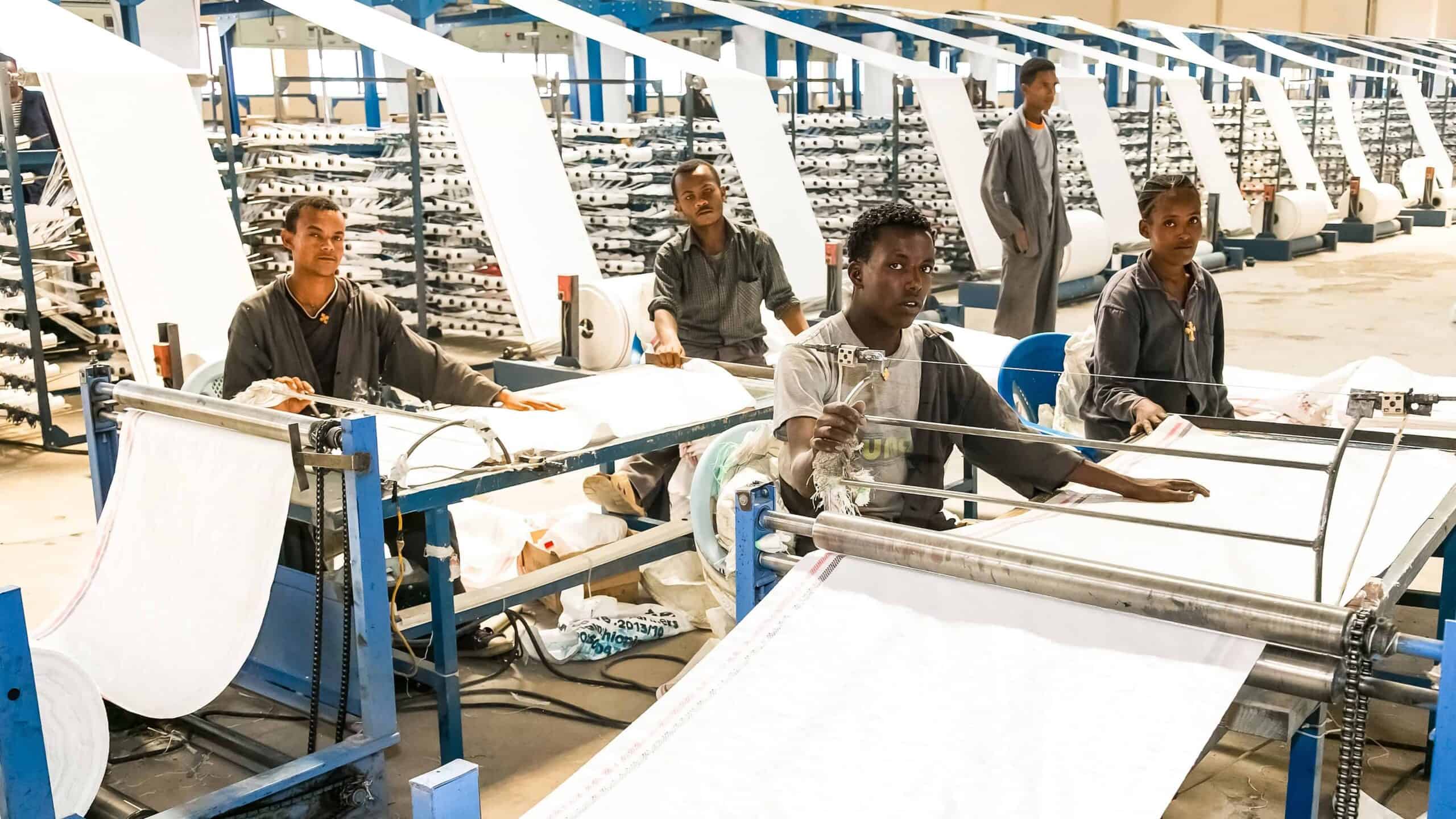
People say at the moment that China is trying to hang on to every last bit of manufacturing. That certainly wasn’t the case a few years ago when legislation was passed in China which reduced the number of products that could get VAT rebates and other incentives. But even if they are trying to hang on to more manufacturing now, at the end of the day, a tenfold difference in labor cost is significant.
The greater challenge probably for Africa is from other lower labor-cost locations in Southeast Asia and in India. That’s quite hard to predict. The Indians talk the talk about manufacturing, but they’ve never really done anything, which is largely why they have an economy less than a fifth the size of China’s, even though it’s now growing faster. In Southeast Asia, there is Cambodia or Indonesia, although I would say neither of those is without a bit of political risk. So the opportunity is there for African countries if they get organized.
As you were traveling around and researching this book, how much did you notice Chinese investment across the continent? And what sort of difference do you think it’s making?
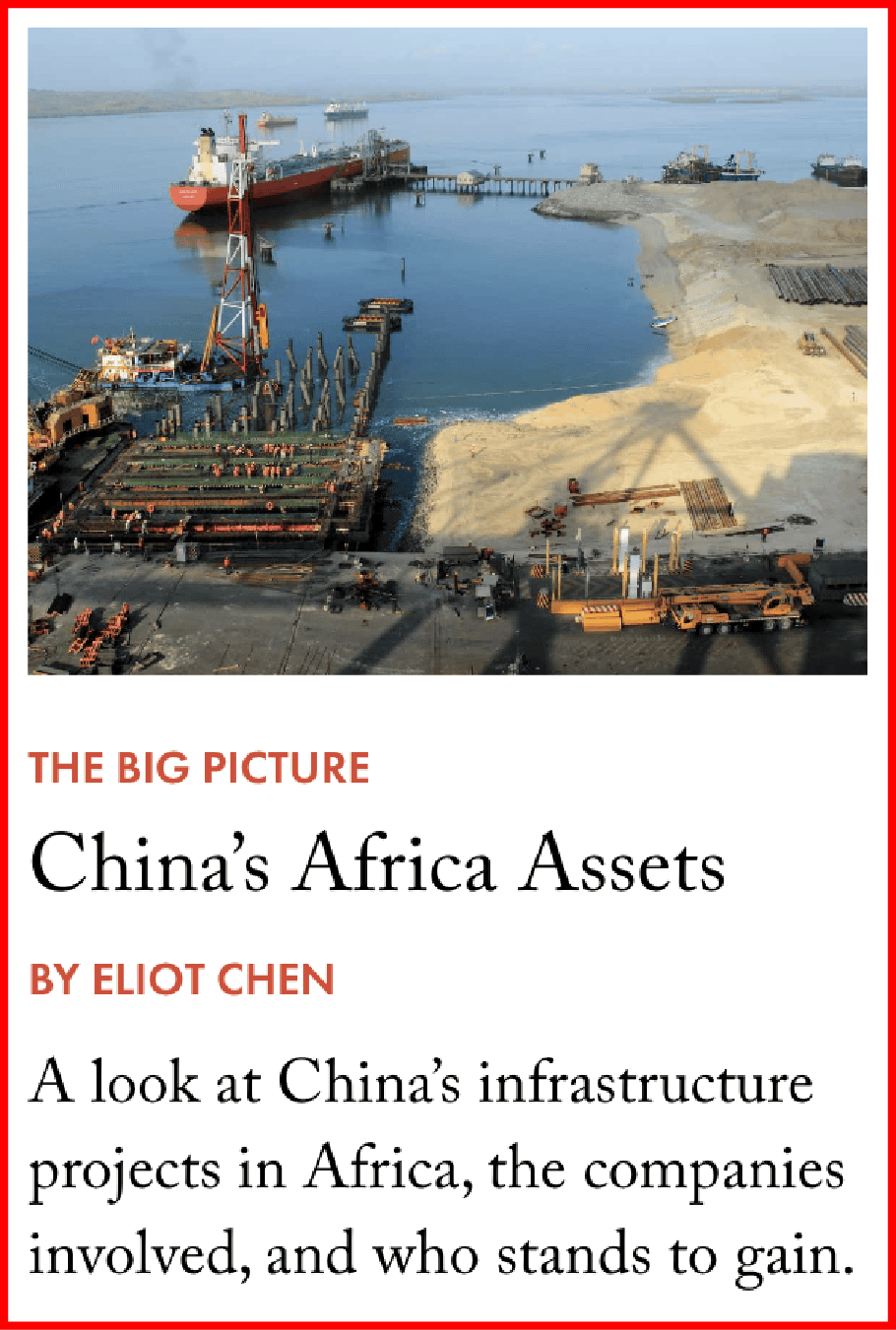
You see Chinese people everywhere in Africa. The Chinese public banks have put about $150 billion dollars of lending into Africa and that’s made a huge difference. 80 percent of the money has gone into infrastructure. It’s generally been very positive, because as China has managed to do with almost everything, it’s delivered at a cost which is significantly below what African governments would have paid to European or U.S. firms. China has sliced the cost of many things that other developing countries need in half, for everything from the cost of concrete to the cost of hydro turbines.
Still, the results are inevitably varied because these are transactions between China and different types of African country. If the African countries are like Ethiopia, they say no, you’re not bringing Chinese workers here, you’re going to train our workers; and if governments negotiate as hard on price as the Ethiopians did, I think they can get a pretty good deal.
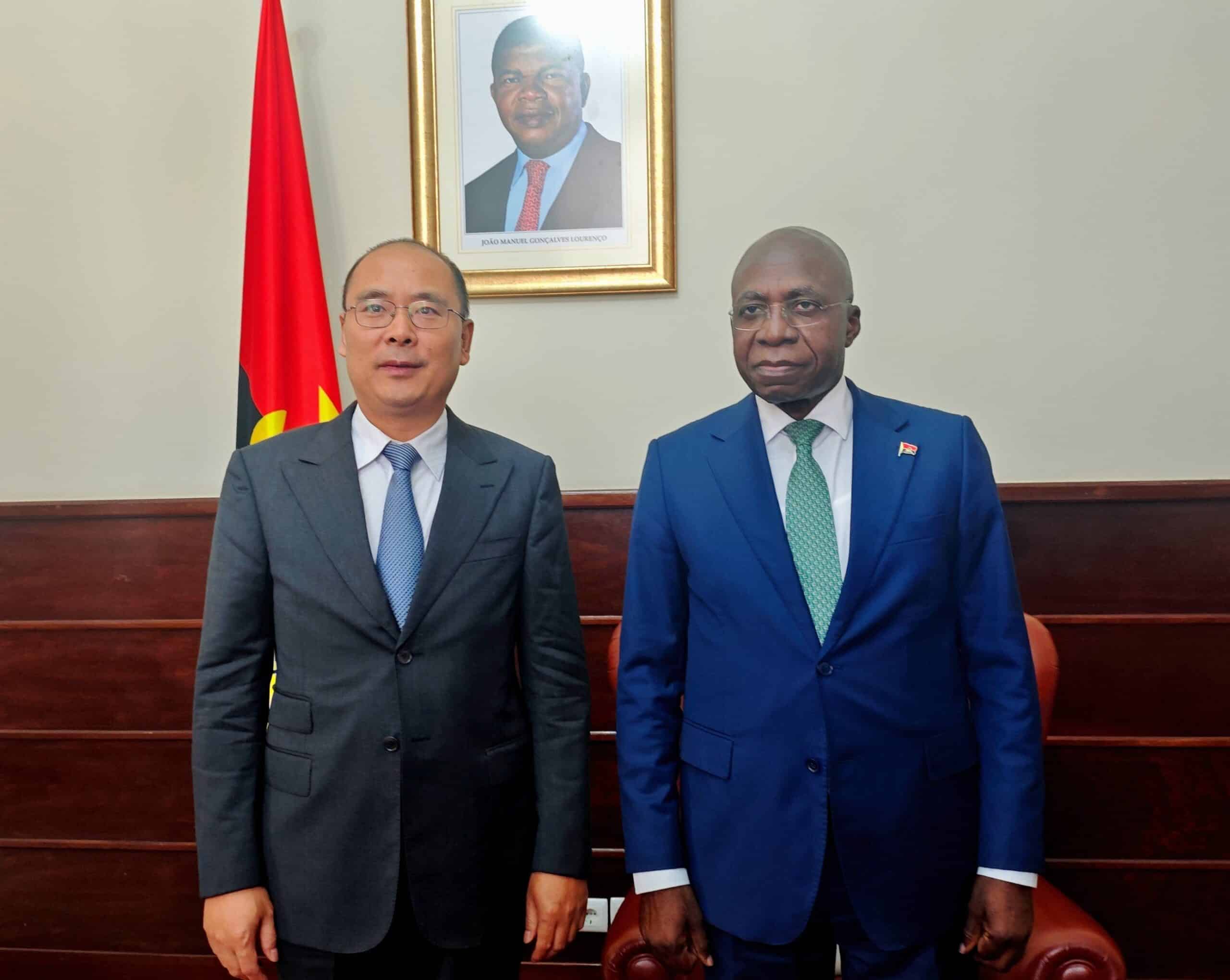
If, on the other hand, you’ve got politicians who are willing to take a bung and then let the Chinese do what they want to do, they’ll probably turn up with lots of workers because they find it easier to get the job done that way. Even when things are bad, though, I’m not sure that it’s always genuinely negative for the African country. If you look at Angola, which is the biggest borrower from China, they managed to pay $6 billion for an airport. But at the same time they also got a significant buildout of their electricity infrastructure, road networks and so forth. Angola is such a failed state, they were not going to get that done themselves.
The bigger picture is the amount of credit that China made available to Africa was beyond anything they were going to get from the U.S. and Europe; and the cost at which most projects were delivered was at a significant discount to what they would have paid for U.S. and European involvement.
I do think there’s going to be increased tension between the African Union and China just because of the scale of the Chinese trade surplus. But this is the same as the tension that China’s getting with everyone in the world. You can’t run an aggregate trillion dollar goods trade surplus and have people be happy with you.
What about the various accusations made against China, such as the idea that it is creating debt traps for African countries to increase its leverage over them? How fair is such criticism?
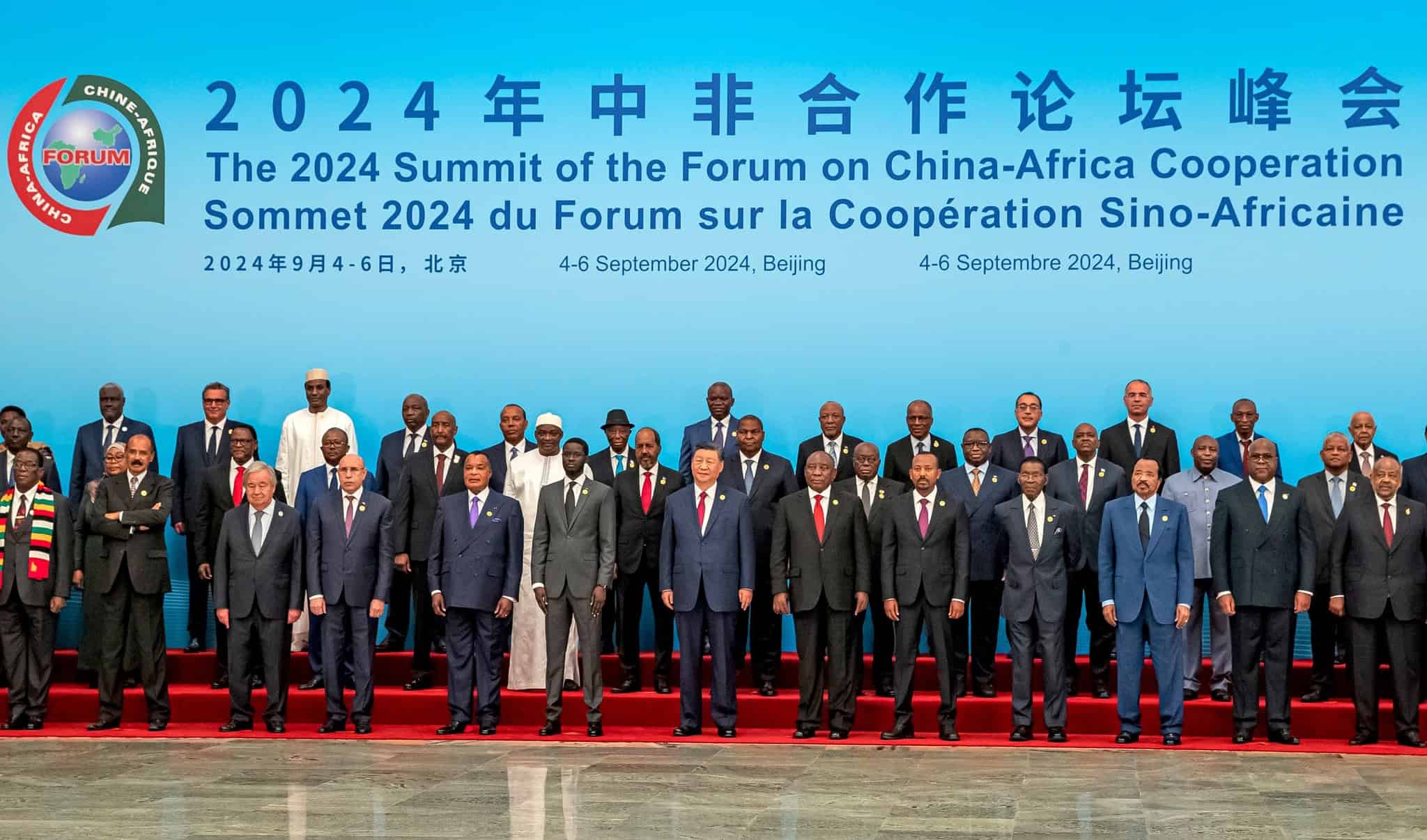
In some cases the Chinese banks have over lent, there’s no doubt about it; and so countries are saddled with more debt than it would be prudent for the Chinese banks to have given. We also know that for instance in a country like Angola, there are unpublished contracts that we believe require Angola to turn over more oil as the oil price goes down — not the kind of contracts that, say, the World Bank would recommend as a good idea. The Angolans will sign those sorts of contracts; the Ethiopians wouldn’t have done. Part of being a country is to be sufficiently grown up to be able to deal with other countries.
There’s no way that Africa is going to cease to be very involved with China, just as in the 1980s, Southeast Asia played the role of a vent for Japan’s manufacturing surplus, and the Middle East did so for South Korea. Africa today is the primary location playing that role for China. Estimates also say that around 12 percent of manufacturing in Africa is currently Chinese-owned. They’re there for a range of different commercial activities, and not about to leave.
And in general, did you find people at the policy maker level were more comfortable dealing with Chinese than their Western counterparts?
People in what I would say are the more competent governments who I talked to about China were mainly thinking about the cost and what they’re getting. But I’m sure it’s a relief to them not to have to deal with all the stuff that they would have to deal with in getting European investment.
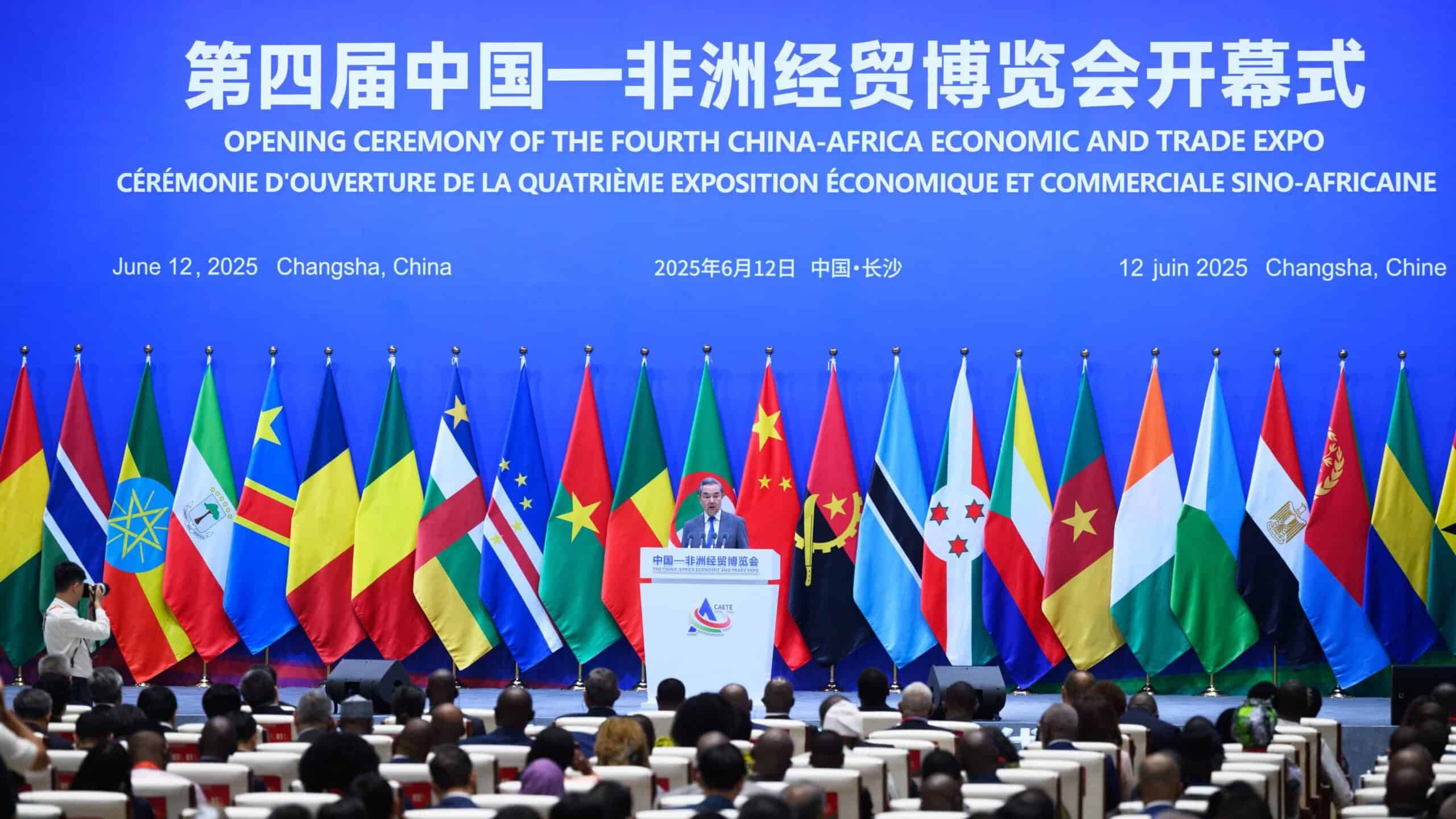
What’s a little unclear now is the availability of credit from China for infrastructure projects… The question is whether China’s ambitions in Africa are going to pick up again once the central government is happy that existing debts have been managed such that what has to be written off is written off, and what can be recovered can be recovered.
I don’t see an alliance between African countries and China. I think the relationship is economic and transactional. People I’ve spoken to do see Chinese politicians as quite well informed about Africa, and they obviously like that. Certainly Africa is taken seriously and Chinese ambassadors in African countries tend to be very active.
What’s a little unclear now is the availability of credit from China for infrastructure projects, and whether that’s going to end or whether we’re in more of a pause. The question is whether China’s ambitions in Africa are going to pick up again once the central government is happy that existing debts have been managed such that what has to be written off is written off, and what can be recovered can be recovered.
What about the political aspect to the Sino-African relationship? Do you think African countries look at a country like China and see it as a desirable model, and that a certain level of autocracy is necessary to implement the economic development that the country needs?
The debate about whether a bit of autocracy is a good thing for development is very particular in Africa, because of the ethnic fragmentation of countries, which again goes back to demographics. When there was such a low population density for such a long time, different ethnic groups could coexist without much conflict. If there was conflict, people could always take off and find a new place to live. That is the opposite of European or Asian history: in a more densely populated Europe or Asia, everybody fought each other for land and then the victors imposed their values on the losers.
In Africa, traditionally, you didn’t have that. What they have ended up with is several thousand ethnic groups in what generally are colonially created states. What has become apparent since independence is that many of these countries actually need to have democracy to take the heat out of the ethnic conflicts that arose. That is very different to the post-independence situation in Asia.
In East Asia, it was easier to effectively say ‘we’re going to do autocracy for 30 years while we get the economy built’ because these were monoethnic societies. The minorities in Japan or Korea or China were never more than 5 percent of the population. African states are having to develop in a very different context. Mauritius, for example, had a lot of ethnic friction around the time of independence. They’ve done remarkably well with genuine democracy, and so has Botswana. I argue in the book that what is different in Africa from East Asia is that you do tend to need a cross-ethnic coalition politically, and that’s a challenge.
Let’s turn to China’s economy for one last question. Are you more in the optimist or pessimist camp at the moment?
There’s a case for both. What China has created in terms of its manufacturing capability, controlling a third of the world’s manufacturing output, gives it a very powerful position and it’s begun to be genuinely innovative in a number of areas.
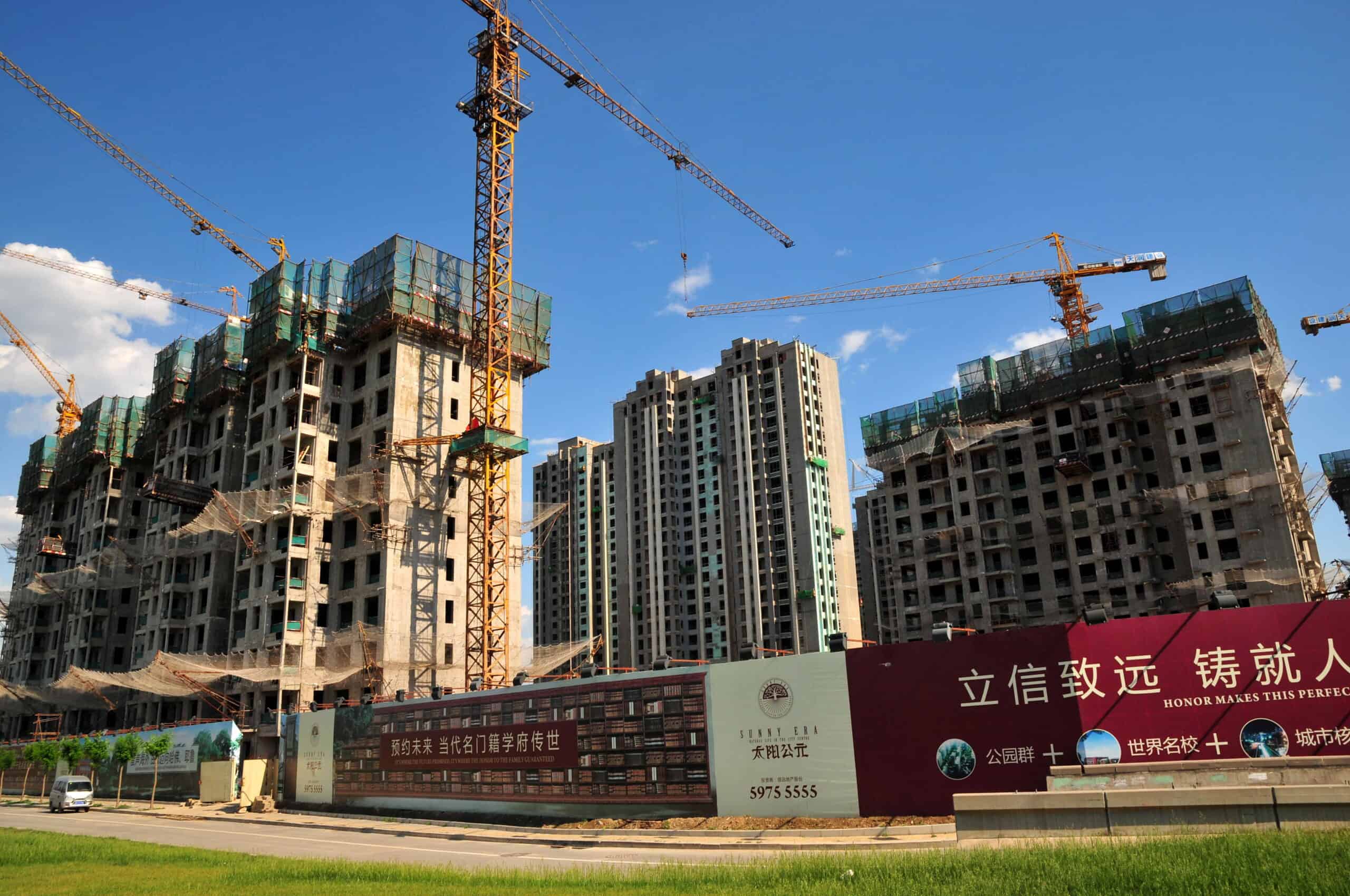
But at the same time they have got to the point that we always knew that they would get to with the real estate sector. Once the population stopped urbanizing, given the way that construction was handled in China with property built out ahead of the arrival of demand, that was always going to create a big overhang. We’ve had such periods in the property market before. This time, the difference is that there just aren’t the people to come into towns to take the property up.
But the economy is still growing 5 percent a year. When you’re at over $10,000 of GDP per capita, that’s a very significant growth rate. Most of China’s challenges are political ones, particularly in terms of its relationships with the rest of the world. And although it’s now quite a powerful country, I don’t think it’s wise for China to get into a situation of economic conflict with the U.S. and the EU, and potentially other parts of the world as well. Hubris is the biggest risk for successful states.

Andrew Peaple is a UK-based editor at The Wire. Previously, Andrew was a reporter and editor at The Wall Street Journal, including stints in Beijing from 2007 to 2010 and in Hong Kong from 2015 to 2019. Among other roles, Andrew was Asia editor for the Heard on the Street column, and the Asia markets editor. @andypeaps